Hardcover. New York, Edita Lausanne/Universe Books, 1st U.S.A. Edition, 1973, Book: Very Good, Dust Jacket: Very Good, 345 pages. Hardcover in cardboard slipcase. Color and b/w illustrations throughout. Binding tight, spine straight. Pages and edges clean. Dust jacket price clipped, excellent otherwise, no rips or tears, glossy. Leather bound cover boards, gilt title and decoration on spine and front cover board. Thanks to slipcase in beautiful condition. A passport to our common heritage, which will illuminate and reveal the colorful pageantry of existence in medieval time. A book that links today with the past.
Hardcover. Ostfildern GR, Hatje Cantz, 1st, 2010, Book: Very Good, Dust Jacket: None, Like new in publishers shrink-wrap. Dutch documentary photographer Martin Roemers decided to track down the remains of deserted atom bomb shelters of the Cold War period. For over ten years he traveled through formerly hostile countries on both sides of the line: through eastern and western Germany, England, Belgium, the Netherlands, Poland, Ukraine, and other former East Bloc nations. Hardcover, 144 pages, 73 color plates, essays by Roemers, H.J.A. Hofland, and Nadine Barth.
Softcover. London, The Hambledon Press, 1st, 1982, Book: Very Good, Dust Jacket: None, Softcover, 288 pages. The inner workings of early medieval societies cannot be understood without also studying their links - religious, cultural, economic and political - with their neighbours. In this collection Karl Leyser shows how Ottonian and Salian Germany both influenced and was influenced by the societies with which it came into contact. While the author's central interest is in Germany, his work is of value for the study of medieval European society as a whole. Clean copy.
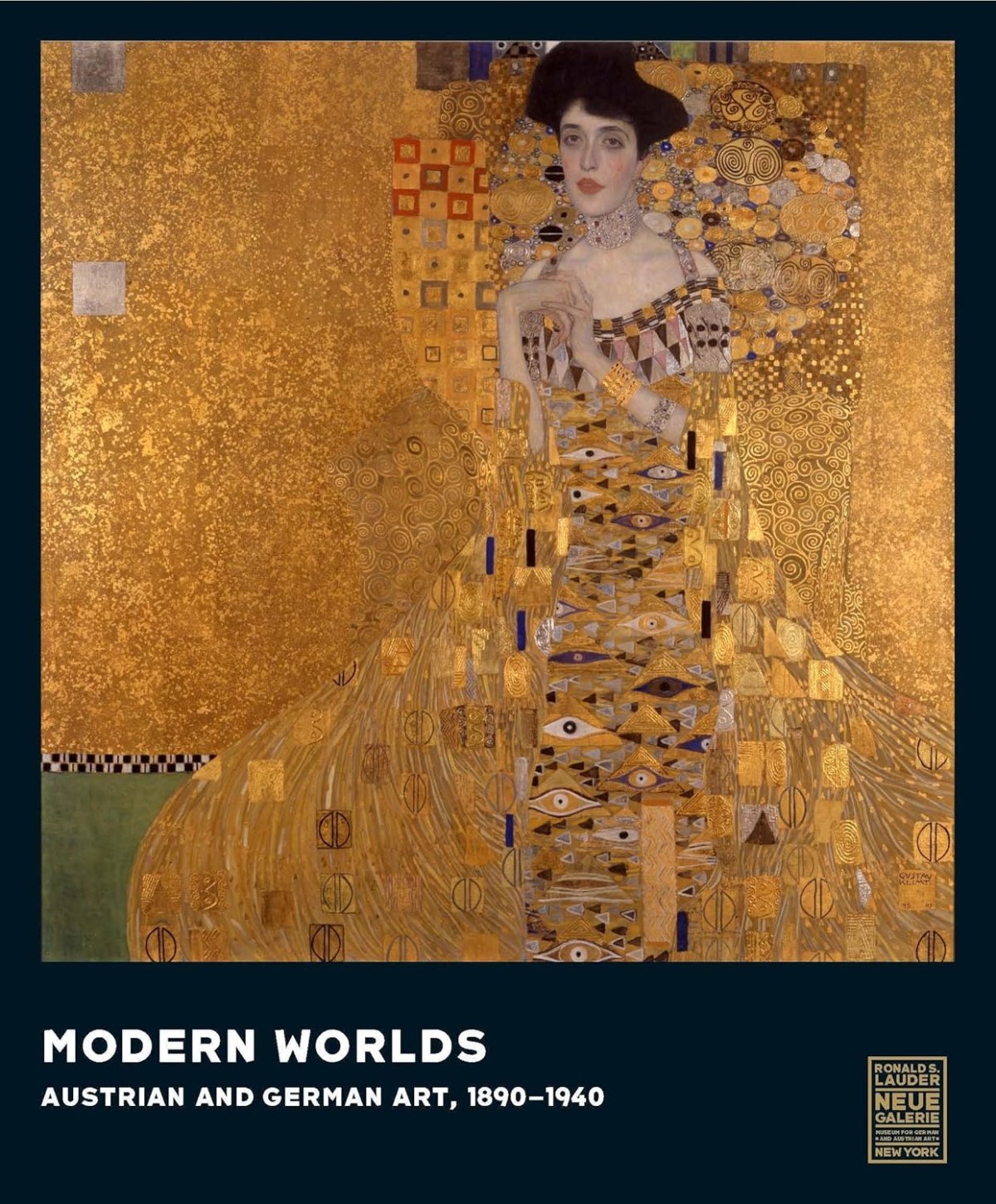
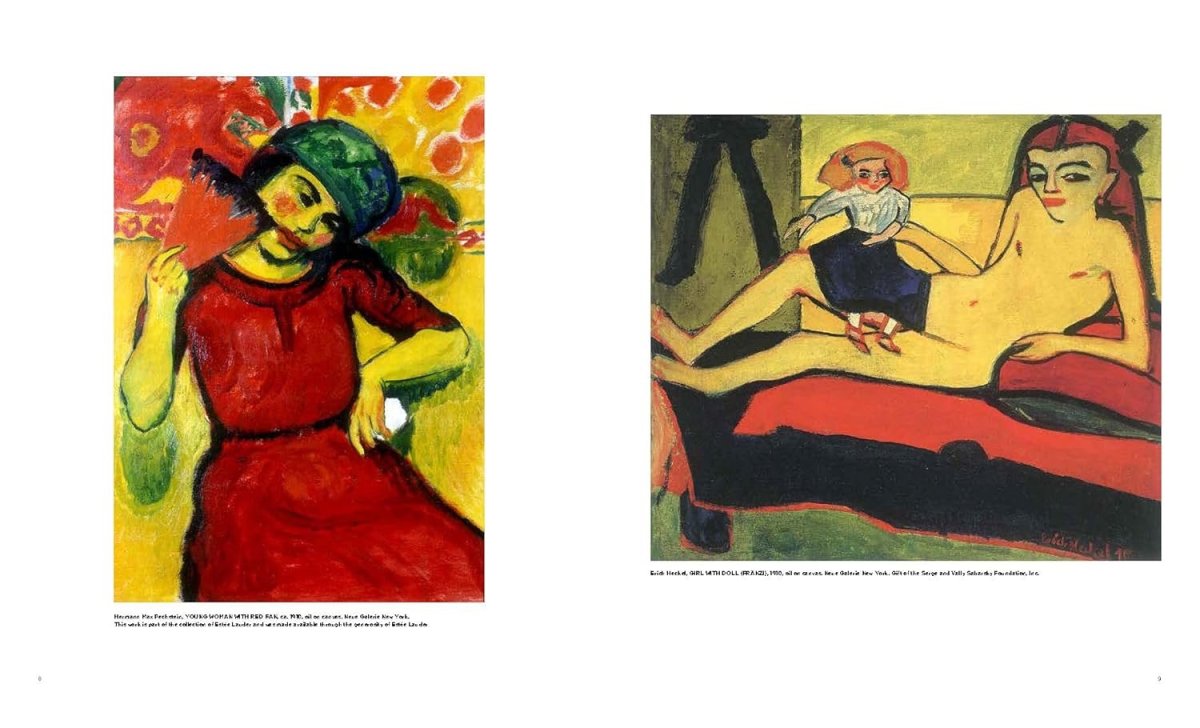
Hardcover. Munch/London/NY, Prestel, 1st, 2022, Book: Very Good, Dust Jacket: Very Good, Hardcover in a bright dust jacket. Still in publisher's shrinkwrap. 656 pages. Published on the twentieth anniversary of the founding of Neue Galerie New York, this stunning volume celebrates the varied achievements of modern art history in the German-speaking world by examining historical developments in Austria and Germany from 1890 to 1940. Illustrated throughout with exquisite reproductions of the museum's holdings, this book considers the influence of Friedrich Nietzsche and his writings on the fine arts and examines the founding of the Secessionist artists' organizations in Germany and Austria. Insightful essays trace the emergence of Expressionism and abstraction, as well as the development of such movements as Dada and New Objectivity. Evolutions in architecture and design are appraised through the legacy of the Arts and Crafts movement, as well as the establishment of the Darmstadt Artists' Colony and the Wiener Werkstatte. The book also examines the role of the German Werkbund and the founding of the Bauhaus school. Finally, the book briefly addresses the horrific impact of the National Socialists' degenerate art campaign, which resulted in incalculable damage and led to the exile and death of artists and designers of the era. From well-known artists such as Otto Dix, Josef Hoffmann, Vasily Kandinsky, Gustav Klimt, and Egon Schiele, to lesser recognized but equally important figures, including Albert Birkle, Alfred Kubin, Felix Nussbaum, and Dagobert Peche, this book offers an authoritative and kaleidoscopic look at a crucial moment in history and a portrait of radical thought that changed forever the way we experience art in our lives. DOMESTIC SHIPPING ONLY.
Hardcover. London, Hodder and Stoughton, 1st, 1916, Book: Fair, Dust Jacket: None, 158 pages. Hardcover. Features 46 tipped-in plates. Foxing throughout. Front hinged cracked. Covers worn with areas of staining, darkening to spine cloth.
Hardcover. London, Arthur L Humphreys, 2nd pr., 1900, Book: Very Good, Dust Jacket: None, Hardcover, maroon cloth with gilt staping. 261 pages including index. 261 pages. Written almost 80 years after the Emperor's death, the author attempts to bring together all the contemporary biographies and memoirs relating to the sojourn on St Helena. Mild foxing, otherwise clean.
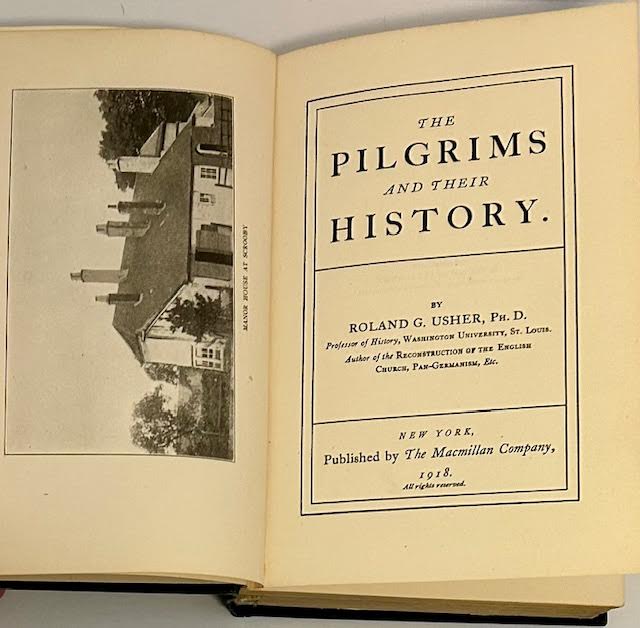
Hardcover. New York, Macmillan Company, 1st Edition, 1918, Book: Very Good, Dust Jacket: None, 310 pages including publisher advertisements. B/w illustrations throughout, including frontispiece. Decorated ribbon bookmark, no longer attached, but laid in. Black cloth cover boards, gilight title on spine. Tanning to pages and edges, otherwise unmarked.
Hardcover. New York, NYUP, 1st, 1970, Book: Very Good, Dust Jacket: Good, 303 pages. Hardcover. 246 black & white illustrations, 6 in color. Light wear to dust jacket at corners, edges. Clean, tight copy. Raphael (The Wrightsman Lectures, Delivered Under the Auspices of the New York University Institute of Fine Arts) [Oct 01, 1979].
Hardcover. Berkeley, CA , University of California Press, 1st, 2002, Book: Very Good, Dust Jacket: Very Good, 283 pages. Hardcover with dust jacket. A very clean, unmarked copy with only minor wear to dust jacket edges. A tight copy. Black and white illustrations throughout. This richly detailed study reconceptualizes a striking but enigmatic moment in Rembrandt's art from the 1650s--one of the artist's most prolific and creative periods. Michael Zell identifies a significant theological shift in Rembrandt's use of religious imagery and interprets this shift in light of the unique religious and social conditions of seventeenth-century Amsterdam. Rembrandt's biblical art has generally been regarded as the embodiment of a Protestant aesthetic. By looking closely at the artist's relationship with his patron Rabbi Menasseh ben Israel and the ideas of a group of "philosemitic" Protestants with whom the rabbi was engaged in an apologetic dialogue, Zell deepens and complicates our understanding of Rembrandt's sacred art from this period.
Hardcover. New York, Clarkson Potter, 1st, 1986, Book: Very Good, Dust Jacket: Very Good, 682 pages. Hardcover with dust jacket. Features over 750 illustrations, including 300 in full color. Light edgewear to dust jacket, faint foxing to top edge. Clean, tight copy.
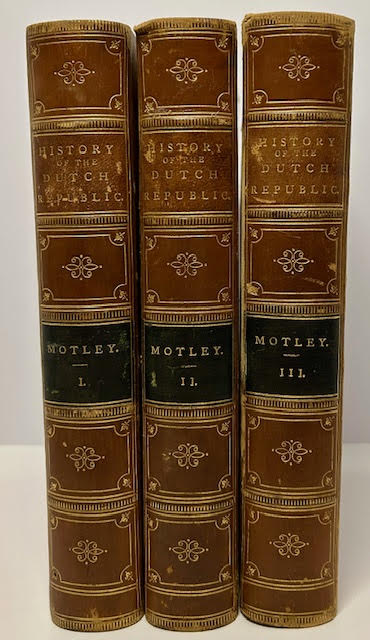
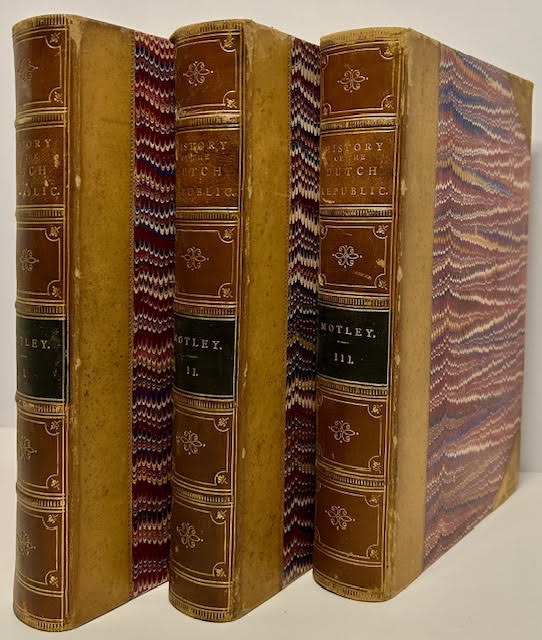
Hardcover. New York, Harper & Brothers, 1st Edition, 1869, Book: Very Good, Dust Jacket: None, 1775 total pages. 3 Volume Set. Hardcovers. Decorated marbled edges. Decorated endpapers. Decorated cover boards with leather corners and quarter cloths. Leather spines with raised bands, gilt title and decorations. Spines straight. Light tanning from age to pages. Gutter split at front endpaper in volume 3, doesn't affect binding. Outlines the geographical and political landscape of the Netherlands, tracing its history from the Roman conquest to the eventual rise of local powers during the feudal period. DOMESTIC SHIPPING ONLY.
Hardcover. Toronto, Trafalgar Press, 1st, 1986 , Book: Very Good, Dust Jacket: Very Good, Hardcover in a bright "(Skillfully traces the causes of the Crimean War and sketches a vivid picture of an age which made possible 'the world's most curious and unneccesary struggle'. Troubetzkoy ingeniously weaves together the varied developments in diplomacy, trade, nationalistic expression and personality conflict in the decade which led to the hostilities. The armies of the belligerents are described (and the) reader is introduced to the principal personages of the drama - Napoleon III, Marshal St. Arnaud, Lord Raglan and the great Russian engineer, Todleben, who, apart from Florence Nightingale, was the only one to earn true distinction during the War. Vividly described are Nicholas I and the Russian Empire." Clean copy.
Hardcover. New York, Harry N. Abrams, 1st, 2012, Book: Very Good, Dust Jacket: Very Good, Like new in publishers shrink-wrap. Hardcover in the dust jacket , 263 page book with color and black & white photo illustrations. Written in collaboration with Bernard Matussiere. Translated from the French by Nicholas Elliot. Focuses on Capa's Paris studio, which he used as a global platform for his work; and explores both his professional and personal adventures.
Hardcover. New York, Harry N. Abrams, 1st, 2012, Book: Very Good, Dust Jacket: Very Good, Like new in publishers shrink-wrap. Hardcover in the dust jacket , 263 page book with color and black & white photo illustrations. Written in collaboration with Bernard Matussiere. Translated from the French by Nicholas Elliot. Focuses on Capa's Paris studio, which he used as a global platform for his work; and explores both his professional and personal adventures.
Hardcover. Berkeley CA, University of California Press, 1st, 1999, Book: Very Good, Dust Jacket: Very Good, Hardcover, 156 pages. Between 1935 and 1938 the celebrated photographer Roman Vishniac explored the cities and villages of Eastern Europe, capturing life in the Jewish shtetlekh of Poland, Romania, Russia, and Hungary, communities that even then seemed threatened-not by destruction and extermination, which no one foresaw, but by change. Using a hidden camera and under difficult circumstances, Vishniac was able to take over sixteen thousand photographs; most were left with his father in a village in France for the duration of the war. With the publication of Children of a Vanished World, seventy of those photographs are available, thirty-six for the first time. The book is devoted to a subject Vishniac especially loved, and one whose mystery and spontaneity he captured with particular poignancy: children.
Hardcover. Philadelphia, Carey and Hart, 1st, 1843-46, Book: Good, Dust Jacket: None, Five volumes bound into one, 537 total pages. Half leather with marbled boards, edgeworn. All first American editions. The final book's full title: The Military Operations at Cabul, Which Ended in the Retreat and Destruction of the British Army, January 1842. With a Journal of Imprisonment in Afghanistan. Condition good with some browning and foxing to paper. Front inner hinge repaired with tape.
Softcover. Cambridge MA, Harvard University Press, 1st, 1999, Book: Very Good, Dust Jacket: None, Softcover, 528 pages. Clean copy. Reconstructing religious motivation, conviction and behaviour in early modern Europe, this text shows the shifting perspectives of authorities willing to kill, martyrs willing to die, martyrologists eager to memorialize and controversialists keen to dispute.
Softcover. Flammarion, 1st, 1995, Book: Very Good, Softcover, 223 pages, illustrated in color and b&w. Tracing the origins of Americanism back to the late nineteenth century, Scenes of the World to Come focuses on the European discovery of the American city--with its grand hotels, skyscrapers, and massive industrial plants, its new-found sense of efficiency and mobility, and its infatuation with domestic appliances and mechanization. The book analyzes the global structures and thematic strategies according to which American architectural forms and urban models migrated to Europe, bringing the promise of a new architecture and, along with it, the threat of a dissolution of European identity. Clean copy.
Hardcover. New York, Association Press, 1st, 1922, Book: Very Good, Dust Jacket: None, Volume 1: 636 pages. Volume 2: 664 pages. Hardcovers. Bound in maroon, gilt titles on spine, somewhat muted with age. Letter from Trustees of the War Fund, dated April 11, 1924, presenting volumes to previous owner (Gilbert Colgate), as well as original packing list enclosed in Volume 1. Full color fold-out maps throughout both books. Gutter cracked in a few spots, but both book's pages still completely intact. Pages slightly yellowed with age. In very good condition.
Hardcover. London, Methuen, 1st, 1984, Book: Very Good, Dust Jacket: Very Good, Hardcover in a bright, lightly worn dust jacket, 283 pages. Shopkeepers and master artisans had a striking presence in the history of nineteenth-century Europe, not only in the development of industrial and urban economies, but also the fabric of social life and the politics of protest. The experience of 1848, the differing pace of various forms of nationalism and liberalism and, at the end of the century, the shift towards right-wing nationalist or Catholic political movements reflected a developing 'crisis' in the petite bourgeoisie. The essays examine the nature of this crisis and ask critical questions about the social relations of the petite bourgeoisie with the developing working classes. This book as a whole provides a fresh and integrated approach to the world of these shopkeepers and master artisans and illuminates much else besides in the social history of nineteenth-century Europe. Clean copy.
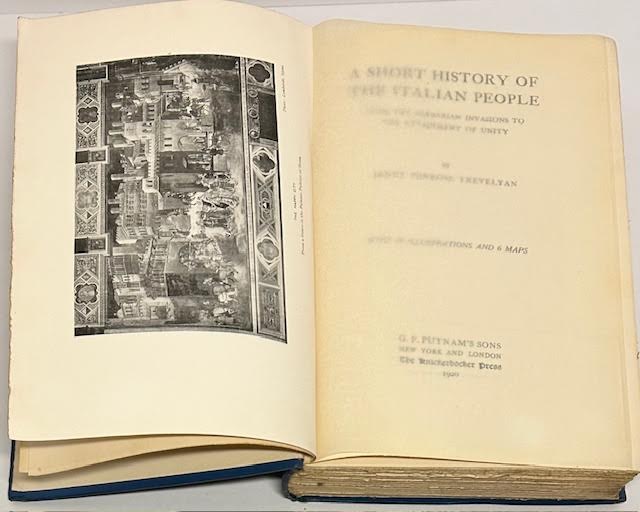
Hardcover. New York, G.P. Putnam's Sons, 1st Edition, 1920, Book: Very Good, Dust Jacket: None, 580 pages. Hardcover. 24 b/w illustrations throughout including frontispiece with tissue guard and 6 maps (fold out). Blue cover boards, gilt title on spine (slightly faded) and front cover, some moisture damage to front cover, bump to bottom right corner of board. Tanning to pages and edges, pages otherwise unmarked.
Softcover. University of Washington Press, 1st pbk., 1977, Book: Very Good, Dust Jacket: None, Softcover, 365 pages. Provides an over-all picture of the least studied and most obscured part of Balkan history, the Ottoman period. The book begins with the early history of the Ottomans and with their establishment in Europe, describing the basic Muslim and Turkish features of the Ottoman state. The author goes on in subsequent sections to show how these features influenced every aspect of life in the European lands administered directly by the Ottomans (the "core" provinces) and left a permanent mark on states that were vassals of or paid tribute to the empire. Clean copy.

 "Life in the Middle Agesby: Delort, Robert, Robert Allen (Translation)")
 "Martin Roemers: Relics of the Cold Warby: Hofland, H.J.A.")
 "Medieval Germany and its Neighbours: 900-1250by: Leyser, K. J.")
 "Modern Worlds: Austrian and German Art, 1890-1940by: Price, Renee / Lauder, Ronald S./Peters, Olaf/ Staggs, Janis")
 "Mr. Poilu - Notes and Sketches with the Fighting French by: Ward, Herbert")
 "Napoleon The Last Phase by: Lord Rosebery")
 "Pilgrims and their History, Theby: Usher, Roland G.")
 "Raphael - The Wrightsman Lectures by: Pope-Hennessy, John")
 "Reframing Rembrandt: Jews and the Christian Image in Seventeenth-Century Amsterdamby: Zell, Michael")
 "Rembrandt - The Human Form and Spiritby: Guillaud, Jacqueline/Maurice Guillaud")
 "Rise of the Dutch Republic, The: A History (3 Vol. Set)by: Motley, John Lothrop")
 "Road to Balaklava: Stumbling into War With Russia by: Troubetzkoy, Alexis S")
 "Robert Capa: The Paris Years 1933-54by: Lefebvre, Michel")
 "Robert Capa: The Paris Years 1933-54by: Lefebvre, Michel")
 "Roman Vishniac: Children of a Vanished Worldby: Mara Vishniac Kohn/Roman Vishniac")
 "Rose Blancheby: Innocenti, Roberto/Christophe Gallaz")
 "Ruin of The Ancient Civilization and The Triumph of Christianity, Theby: Ferrero, Guglielmo")
 "Rural and Domestic Life of Germany, Scotland, Austria, England and Wales, Military Operations at Cabul (5 separate travel histories in one volume)by: Howitt, William,")
 "Salvation at Stake: Christian Martyrdom in Early Modern Europe (Harvard Historical Studies)by: Gregory, Brad S.")
 "Scenes of the World to Come: European Architecture and the American Challenge, 1893-1960 by: Jean-Louis Cohen")
 "Service with Fighting Men: An Account of the Work of the American Young Men's Christian Associations in the World War (2 volume set)by: Taft (Chairman), William Howar")
 "Shopkeepers and Master Artisans in Nineteenth-Century Europeby: Crossick, Geoffrey & Heinz-Gerhard Haupt")
 "Short History of the Italian People, Aby: Trevelyan, Janet Penrose")