Hardcover. Alexandria VA, Cypress Communications, 1st, 2000, Book: Very Good, Dust Jacket: Very Good, Hardcover in a bright dust jacket, 295 pages. The charm and diversity of lighthouses are captured in this elegant pictorial history. W&w photos throughout. Clean copy.
Softcover. Cambridge University Press, reprint, 1991, Book: Very Good, Dust Jacket: None, Softcover, 434 pages with b&w illustrations. Unique in its comprehensive coverage, this book describes the major vegetation types from the arctic tundra of Alaska and Canada to the tropical forest of Central America. This original detailed summary provides the reader with a sense of the species composition, architecture and environment of each ecosystem. Each chapter opens with a map of North America that delineates the specific geographic area discussed within the following text. Some basic topics covered include paleobotany, autecological behaviour, nutrient cycling, and productivity. In addition to the basic biology of the ecosystems, environmental issues and management problems are addressed. Notes on areas for future research conclude each chapter. Comprehensive bibliographies provide references to additional details published in the technical literature. Mild crease to front cover and first 5 pages, otherwise very good, clean copy.
NY, The Press of the American Institute of Architects., 1st, 1925, Book: Good, Dust Jacket: None, Hardcover. Complete with 24 watercolor prints and 44 plates. Loosely bound in case with cloth ties which has cracking along spine. Interior very good. Number 677 of 1000. Elephant folio 23" tall. "A Series of Historical Examples from Roman Times to the End of the XVIIIth Century." An appreciation of historic French infrastructure that survived WWI. Beautiful large color reproductions of original watercolors of bridges by Pierre Vignal; 35 black and white drawings by Louis C. Rosenberg & Samuel Chamberlain; 44 measured drawings, photographs, diagrams, and maps. DUE TO SIZE & WEIGHT, DOMESTIC SHIPPING ONLY.
Softcover. NY, McGraw-Hill , 3rd pr., 1992, Book: Very Good, Dust Jacket: None, Softcover, 205 pages. 191 b&w figures. An in-depth look at the history of ornamental ironwork and ironworkers in American architecture. Well illustrated with many photos. Clean copy.
Hardcover. Boston, David R. Godine, 1st, 1978, Book: Very Good, Dust Jacket: Very Good, Hardcover, 202 pages, b&w photographs by Charles C. Withers. Very good copy in a clean, bright, unclipped dust jacket.
Softcover. Washington DC, Smithsonian Books, 1st, 1974, Book: Very Good, Dust Jacket: None, Softcover, 512 pages plus index, b&w photographs, map end papers. Previous price sticker on back cover. Light edge wear to wrappers. Else a clean, tight copy. A unique reference for those interested in American heritage sculpture and architecture. This book was published in both paperback and clothbound editions. Photography by David Blume.
Softcover. Washington and Lee University, 1st, 2005, Book: Very Good, Dust Jacket: None, Softcover, 100 pages. The 2005 issue, Volume 12, of Perspectives in Vernacular Architecture: The Journal of the Vernacular Architecture Forum contains the articles: "Selling Domestic Space: The Boarding House in the Southern Mountains" by Michael Ann Williams; "La Casa Alamense: The Mexican Hacienda as Urban Dwelling" by John Messina; "Unraveling the Benjamin Deyerle Legend: An Analysis of Mid-Nineteenth-Century Brickwork in the Roanoke Valley of Virginia" by Michael J. Pulice; "Orson S. Fowler and a Home for All: The Octagon House in the Midwest" by Rebecca Lawin McCarley; and "Roadside Shrines and Granite Sketches: Diversifying the Vernacular Landscape of Memory" by David Charles Sloane.
Hardcover. New York, W. W. Norton, 1st, 1976, Book: Very Good, Dust Jacket: Good, Hardcover in a very good plus dust jacket. 192 pages. Color frontispiece, color photographs, illustrations, diagrams, bibliography, index. The dust jacket has very minor edgewear. A photographic look at some of the earlier churches built in North America.
hardcover. London, Turnberry Consulting , reprint, 2013, Book: Very Good, Dust Jacket: Very Good, 271 pages. Hardcover. Extensive color and b&w photographs throughout. Silver gilt titles on spine. Includes extensive glossary. Like new in publisher's shrink-wrap.
Hardcover. Germany, Hatje Cantz Publishers, 1st, 2006, Book: Very Good, Dust Jacket: Very Good, Hardcover, 159 pages. Like new in publishers shrink-wrap. The prominent Genovese architect Renzo Piano--recipient of the 1998 Pritzker Award and architect of the Whitney Museum of American Art and Morgan Library renovations, as well as the new New York Times building--has just completed a new and unusual museum building--the Zentrum Paul Klee on the outskirts of Bern. The center, says Piano, is dedicated to the "poet of silence," and thus it was fitting to consider building a museum that would speak softly. The Zentrum Paul Klee rises upward in the form of three hills connected by a 150-meter-long thoroughfare, the "Museum Street" serving as a path within the complex. The three structures make up a harmonious yet prominent landscape sculpture whose roofs are supported by innovative steel construction. Includes photographs, design sketches, plans and models--a living image of a magnificent building.
Hardcover. Germany, Hatje Cantz Publishers, 1st, 2006, Book: Very Good, Dust Jacket: Very Good, Hardcover, 159 pages. Like new in publishers shrink-wrap. The prominent Genovese architect Renzo Piano--recipient of the 1998 Pritzker Award and architect of the Whitney Museum of American Art and Morgan Library renovations, as well as the new New York Times building--has just completed a new and unusual museum building--the Zentrum Paul Klee on the outskirts of Bern. The center, says Piano, is dedicated to the "poet of silence," and thus it was fitting to consider building a museum that would speak softly. The Zentrum Paul Klee rises upward in the form of three hills connected by a 150-meter-long thoroughfare, the "Museum Street" serving as a path within the complex. The three structures make up a harmonious yet prominent landscape sculpture whose roofs are supported by innovative steel construction. Includes photographs, design sketches, plans and models--a living image of a magnificent building.
Hardcover. Hatje Cantz, 1st, 2019, Book: Very Good, Dust Jacket: None, Hardcover, pictorial boards, 304 pages illustrated in b&w and color. At the first mention of his name, one can easily picture them: light-flooded bungalows that are lavishly composed into nature and that characterize the architectural style of the American West Coast surrounding Los Angeles. But it is sometime overlooked that the career of Richard Neutra (1892-1970) began in Berlin-Zehlendorf. And yet these houses in Zehlendorf represent a fascinating phase in Neutra's work. With their complex color schemes and extravagant interior design, they reveal themselves to be more than just an experimental and radically innovative design. Indeed, these lesser-known aspects already hint at elements that will be taken up again in future projects. The present publication finally provides for a rightful appreciation of Neutra's early works and, alongside historical sources, it collects countless new and unpublished documents about the houses and their first residents. Clean, still in publisher's shrink wrap.
New York , Princeton Architectural Press, 2001, Book: Very Good, Dust Jacket: Very Good, Hardcover, 330 pages, color, b&w illustrations. Like-new condition. The first architect trained in America, Robert Mills is best known as the designer of many iconic buildings in our nation's capital: the Washington Monument, the Department of Treasury headquarters, the Patent Office Building (now National Portrait Gallery) , and the Post Office Headquarters.Beautifully illustrated with never-before-published watercolors and renderings and new color photography commissioned for the book.
Hardcover. Chicago, American Planning Association, 1994, Book: Very Good, Dust Jacket: None, Hardcover, pictorial boards, 441 pages. Illustrated in b&w and color. Conventional planning techniques just aren't working in many rural and suburbanizing areas. Developments where people merely exist have replaced neighborhoods where people once thrived. Strip malls and checkerboard subdivisions prevail. Randall Arendt argues convincingly that this scenario is not inevitable. In Rural by Design he advocates creative, practical land-use planning techniques to preserve open space and community character. He shows how developments all across America have used these techniques successfully. This book examines a broad spectrum of nitty-gritty design topics in a lively, readable style. Topics range from sewage disposal and farmland preservation to greenway planning for interconnected open space and the design of rural subdivision streets. The book includes numerous case examples of residential, commercial, and mixed-use projects that have used these innovative design techniques. And it takes an in-depth look at the design elements of the traditional town--and how to reinvent those elements in today's communities. Names on front fly leaf, otherwise clean.
Softcover. Flammarion, 1st, 1995, Book: Very Good, Softcover, 223 pages, illustrated in color and b&w. Tracing the origins of Americanism back to the late nineteenth century, Scenes of the World to Come focuses on the European discovery of the American city--with its grand hotels, skyscrapers, and massive industrial plants, its new-found sense of efficiency and mobility, and its infatuation with domestic appliances and mechanization. The book analyzes the global structures and thematic strategies according to which American architectural forms and urban models migrated to Europe, bringing the promise of a new architecture and, along with it, the threat of a dissolution of European identity. Clean copy.
Hardcover. Cologne GR, Taschen, 1st, 2007, Book: Very Good, Dust Jacket: Very Good, Hardcover in a bright dust jacket, 245 pages, illustrated in color and b&w. An extensive collection of hand-illustrated shop window designs from 1938 to 1950. These spectacular, often grandiose plans for grocery stores, shoe shops, beauty salons, bakeries, and more are reminders of a time when stores were sacred shrines for the congregation of American shoppers - impressive and even slightly intimidating, just like the future itself.
Hardcover. Baltimore, John Hopkins University Press, 1st, 2000, Book: Very Good, Dust Jacket: Very Good, Hardcover in a bright dust jacket. Starkly beautiful photos of abandoned and converted movie theaters with new essays by Peter Bogdanovich, Molly Haskell, Andrew Sarris, and Chester H. Liebs. The single-screen movie theaters that punctuated small-town America's main streets and city neighborhoods since the 1920s are all but gone. The well-dressed throng of moviegoers has vanished; the facades are boarded. In Silent Screens, photographer Michael Putnam captures these once prominent cinemas in decline and transformation. His photographs of abandoned movie houses and forlorn marquees are an elegy to this disappearing cultural icon.
Hardcover. Baltimore, Johns Hopkins University Press, 1st, 2000, Book: Very Good, Dust Jacket: Very Good, Hardcover in a bright dust jacket, oblong format. Starkly beautiful photos of abandoned and converted movie theaters with new essays by Peter Bogdanovich, Molly Haskell, Andrew Sarris, and Chester H. Liebs. The single-screen movie theaters that punctuated small-town America's main streets and city neighborhoods since the 1920s are all but gone. The well-dressed throng of moviegoers has vanished; the facades are boarded. In Silent Screens, photographer Michael Putnam captures these once prominent cinemas in decline and transformation. Clean copy.
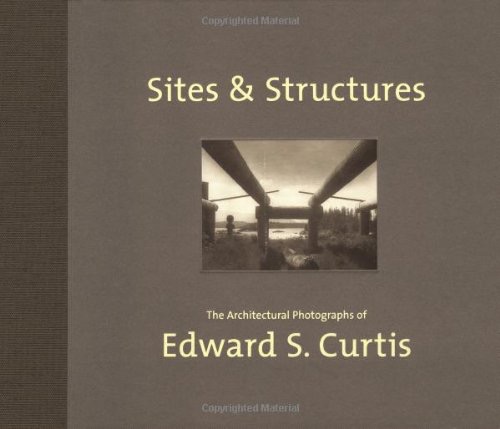
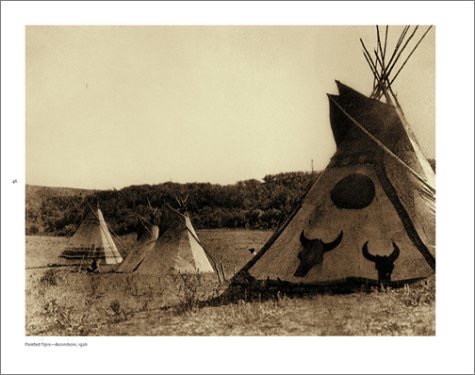
Hardcover. San Francisco, Chronicle Books, 1st, 2000, Book: Very Good, Dust Jacket: None, Hardcover, gray boards with a dark brown cloth spine and a pictorial label on the cover. No dust jacket issued. Legendary for his massive photographic undertaking, The North American Indian, Edward Sheriff Curtis (1868-1952) recorded much more than portraits of Native American tribespeople. Among his huge body of work are numerous images of all manner of native dwellings: tipis, hogans, huts, cliff houses, adobes, and many more that are far less familiar to the public eye. Though people are largely absent from these photographs, each image speaks volumes about the lives and lifestyles of the tribes to which they belonged. Other structures such as tombs, religious buildings, granaries, and totem poles are also featured prominently, further glimpses into ways of life that were in the process of disappearing. Taken from the Dan and Mary Solomon collection,Sites & Structures: The Architectural Photographs of Edward S. Curtis is the first book of Curtis photographs to explore these dwellings and structures, faithfully reproduced from the original prints and gravures.
Softcover. Santa Fe NM, Museum of New Mexico Press, 2nd pr, 1988, Book: Very Good, Dust Jacket: None, Softcover in pictorial wraps. Foreword by George Kubler. Profusely illustrated in color and black and white. 127 pages. 81 artists interpret this masterpiece of 19th century Spanish Franciscan architecture. Map of Taos laid in. Clean copy.
Hardcover. Harrisburg PA, National Historical Society, reprint, 1987, Book: Very Good, Dust Jacket: None, Hardcover, glossy green pictorial boards. No DJ as issued. A like new copy, no marks. Volume 1 of the Architectural Treasures of Early America. From material originally published as White Pine Series of Architectural Monographs edited by Russell F. Whitehead and Frank Chouteau Brown. 243 page book with historic photographs and home plans. Clean copy.
Hardcover. New Haven CT, Yale University Press, 1st, 2017, Book: Very Good, Dust Jacket: Very Good, Hardcover, 260 pages, in a bright, unclipped dust jacket. A riveting and superbly illustrated account of the enigmatic House Beautiful editor's profound influence on mid-century American taste From 1941 to 1964, House Beautiful magazine's crusading editor-in-chief Elizabeth Gordon introduced and promoted her vision of "good design" and "better living" to an extensive middle-class American readership. Her innovative magazine-sponsored initiatives, including House Beautiful's Pace Setter House Program and the Climate Control Project, popularized a "livable" and decidedly American version of postwar modern architecture. Gordon's devotion to what she called the American Style attracted the attention of Frank Lloyd Wright, who became her ally and collaborator. Gordon's editorial programs reshaped ideas about American living and, by extension, what consumers bought, what designers made, and what manufacturers brought to market. This incisive assessment of Gordon's influence as an editor, critic, and arbiter of domestic taste reflects more broadly on the cultures of consumption and identity in postwar America. Nearly 200 images are featured, including work by Ezra Stoller, Maynard Parker, and Julius Shulman. This important book champions an often-neglected source--the consumer magazine--as a key tool for deepening our understanding of mid-century architecture and design.
Softcover. Motorbooks , 1st, Book: Very Good, Dust Jacket: None, Softcover, 156 pages illustrated in color and b&w. Ever since the automobile was made accessible to the masses, car dealerships have been special places where desires, sweaty palms, and that new-car smell are distilled into an intoxicating elixir of freedom and ownership. From Art Deco showrooms of the '30s to modern glass-walled superstores, this nostalgic road trip revisits the architecture, marketing, and business practices that have become inextricably associated with auto retailers. A fascinating text accompanies an equally compelling collection of archival photography recalling past and present car dealer phenomena like new model previews and grand openings (i.e., soaped showroom windows, veiled cars, search lights), promotions and giveaways (banners, literature, buttons, pens, pedal cars, ashtrays, and anything else dealers could use to help make a sale), business practices from early-century animal trade-ins to today's refreshing Saturn-style service, customer relations and service centers, and nontraditional automotive outlets like Sears-Roebuck and hardware stores. Sidebars highlight innovative dealerships and those that have been in business for decades. Bumpto bottom corner otherwise clean, very good.
Hardcover. NY, The Monacelli Press, 1st, 2005, Book: Very Good, Dust Jacket: Very Good, Hardcover, 640 pages, pofusely illustrated. In the late nineteenth century, Chicago -- the birthplace of modern architecture in the United States -- was a magnet for aspiring architects. The city was forced to rebuild after the destruction wrought by the Great Fire of 1871 and also to expand to accommodate a surge in the population. The seemingly endless demand for taller and more sophisticated buildings offered young draftsmen an unprecedented opportunity to influence the design of the American skyscraper. The Chicago Architecture Club: Prelude to the Modern documents the history of these draftsmen, the organization they founded, and its role in shaping architectural education and modern architectural practice.

 "Nineteenth-Century Lights: Historic Images of American Lighthousesby: J. Candace Clifford and Mary Louise Clifford")
 "North American Terrestrial Vegetationby: Michael G. Barbour and William Dwight Billings")
 "Old Bridges of France by: Emerson William and Georges Gromort")
 "Ornamental Ironwork: An iLlustated Guide to its Design History and Use in American Architecture by: Southworth, Susan and Michael")
 "Ornamental Ironwork: An Illustrated Guide to Its Design, History, & Use in American Architectureby: Southworth, Susan & Michael")
 "Outdoor Sculpture of Washington, D.C., The: A Comprehensive Historical Guideby: Goode, James M.")
 "Perspectives in Vernacular Architecture: The Journal of the Vernacular Architecture Forum - Volume 12by: Pamela Simpson (editors) Jennings, Jan (Author)")
 "Pioneer Churchesby: Kalman, John De Visser (photographe), Harold")
 "Racecourse Architectureby: Roberts, Paul")
 "Renzo Piano: Zentrum Paul Klee, Bern, The Architectureby: Piano, Renzo")

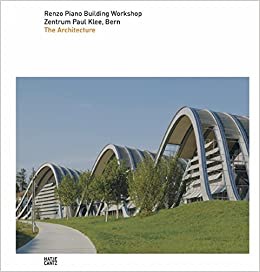
 "Renzo Piano: Zentrum Paul Klee, Bern, The Architectureby: Piano, Renzo")
 "Richard Neutra: The Story of the Berlin Houses 1920-1924by: Roth, Harriet")
 "Robert Mills: America's First Architectby: Bryan, John M.")
 "Rural by Design: Maintaining Small Town Characterby: Arendt, Randall")
 "Scenes of the World to Come: European Architecture and the American Challenge, 1893-1960 by: Jean-Louis Cohen")
![Shop America: Midcentury Storefront Design 1938-1950 by: Heimann, Jim [editor]; Heller, Steven [essay]](javascript:largeIMTop('https://www.browsingisarousing.com/shop/images/Shop-America-Midcentury-Storefront-Design-1938-1950_by_Heimann-Jim-editor-Heller-Steven-essay360856-415894.jpg','https://www.browsingisarousing.com/shop/images/Shop-America-Midcentury-Storefront-Design-1938-1950_by_Heimann-Jim-editor-Heller-Steven-essay360856-415894.jpg',0,'360856',0,'') "Shop America: Midcentury Storefront Design 1938-1950 by: Heimann, Jim [editor]; Heller, Steven [essay]")
 "Silent Screens the Decline and Transformation of the American Movie Theater by: Putnam, Michael")
 "Silent Screens: The Decline and Transformation of the American Movie Theaterby: Michael Putnam")
 "Sites and Structures: The Architectural Photographs of Edward S. Curtis by: Solomon, Mary/Slemmons, Rod")
 "Spirit and Vision: Images of Ranchos De Taos Churchby: D'Emilio, Sandra; Campbell, Suzan; & Kessell, John L. (essays)")
 "Survey of Early American Design (Architectural Treasures of Early America Vol. 1) by: Mullins, Lisa C. (editor)")
 "Tastemaker: Elizabeth Gordon, House Beautiful, and the Postwar American Homeby: Monica Penick")
 "The American Car Dealershipby: Genat, Robert")
 "The Chicago Architectural Club: Prelude to the Modernby: Wilbert Hasbrouck")