Hardcover. NY, New York University Press, 1st, 1992, Book: Good, Dust Jacket: Very Good, Hardcover in a bright dust jacket, 240 pages. Under the influence of European historians, scholarship about the Dutch in America has generally emphasized what was derived from the urban and merchant character of the Netherlands, particularly the single province of Holland in the seventeenth century. But it was among the farmers of New York and New Jersey, according to David Steven Cohen, rather than the urban merchants of Albany and New York City, that a distinctive Dutch-American regional subculture arose, thrived, and survived through the end of the nineteenth century. By examining the life of the early emigrant Dutch settlers, the author constructs a picture of their culture through the farmhouses they built, the landscapes they cultivated, and the tools and equipment they used, relating it all to the structure of their families, their folklore, and folklife. It was in the second quarter of the eighteenth century, according to Cohen, that a change occurred in the culture of the Dutch in America by which they became Dutch-American, and the most striking material evidence of this transformation was in the development of a new type of farmhouse, which began to replace those still traceable to the Netherlands.Thirty black-and-white illustrations. Many pages with light pencil notations.
Hardcover. New York, AMS Press, Inc. , Reprint, 1967, Book: Very Good, Dust Jacket: None, 455 pages. Hardcover. Reprint of 1936 edition. B/w illustrations (maps/diagrams). Blue cloth cover boards, gilt title on spine. Pages unmarked. Spine straight. Binding tight. Very good condition throughout. This volume is not only an admirable study in social and economic history, but a unique and valuable contribution to the history of American agriculture as well.
Softcover. self-published, reprint, nd, Book: Very Good, Dust Jacket: None, Softcover, light green stapled wrappers. 52 pages. Originally published in 1974 by the Vermont Historical Society. Thompson began his diary as a lad of 17 and continued to be a diary-keeper for 69 years. His jottings provide a telling portrait of himself and the world he lived in. Clean copy.
Hardcover. NY, Columbia University, 1st, 1907, Book: Good, Dust Jacket: None, Hardcover, black cloth with gilt stamping, 126 pages. Ex-library with light markings and stamping. Much on the fur trade, early agriculture, gold dust and Civil War currency and trade in Oregon during the 1800s.
Hardcover. Indianapolis, State of Indiana, 1st, 1870, Book: Good, Dust Jacket: None, Hardcover, green cloth covers with blind-stamp design, gilt title on spine. 432 pages interspersed with dozens of b&w detailed engravings of farm machinery from the period. Light foxing throughout.
Hardcover. Washington, Government Printing Office, 1st, 1892, Book: Good, Dust Jacket: None, 1000 pages. Black cloth cover, worn and soiled. Corners and edges of spine are bumped. Minor foxing on front endpaper. Front flyleaf has small tear, but no part of the page is missing. Pages untrimmed. Diverse topics include the history of sheep husbandry in the U. S. and a record of the sheep industry in Eastern and Western states. Inside is bright and clean, with 96 b&w plates depicting various sheep breeds and farms, also b&w statistic charts throughout. A nice copy.
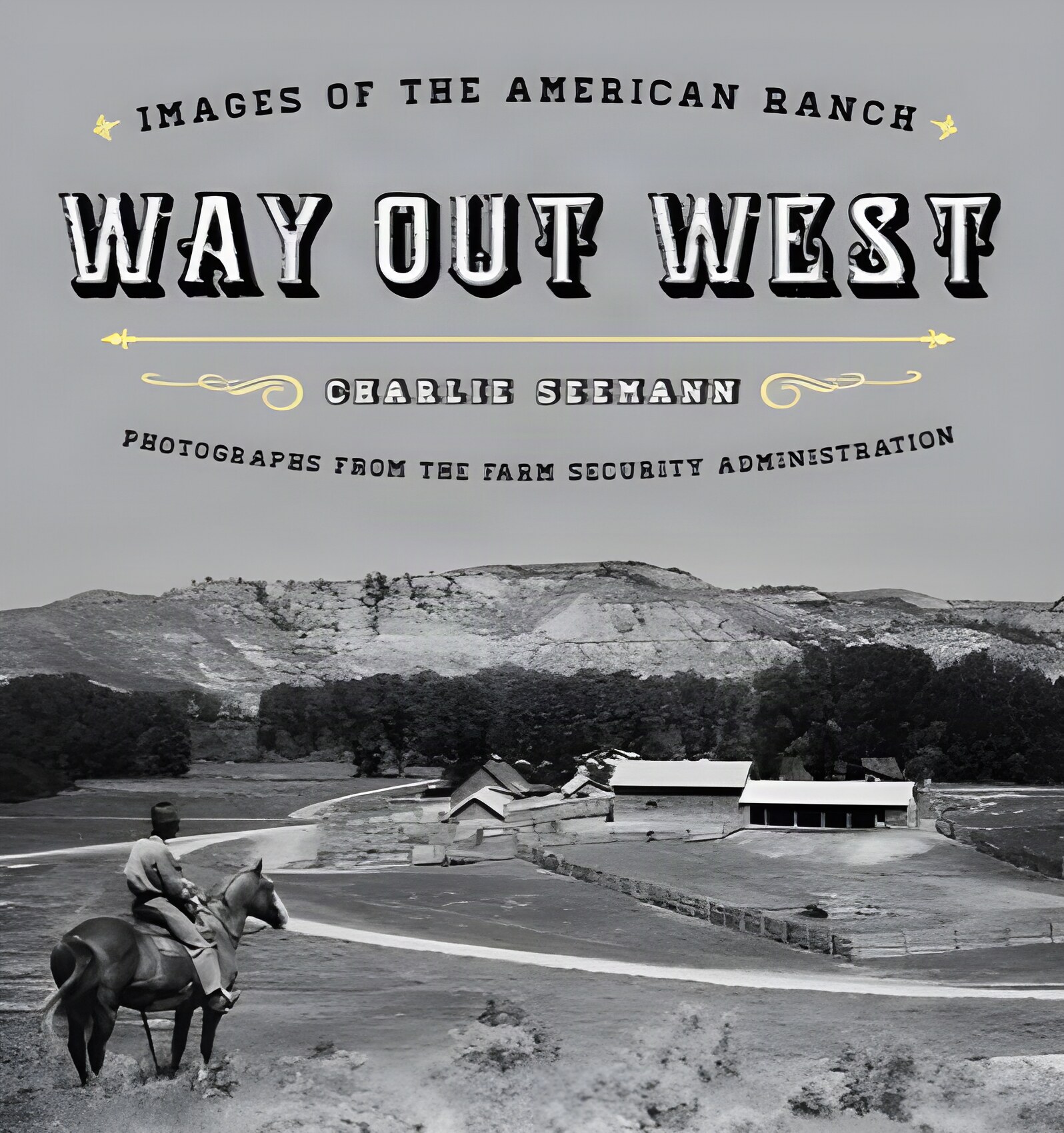
Hardcover. Guilford CT, TwoDot, 1st, Book: Very Good, Dust Jacket: None, Hardcover, pictorial boards, 159 pages, b&w photos throughout. Classic Photographs from the Farm Security Administration 1936-1943. Featuring images by such renowned photographers as Dorothea Lange, Arthur Rothstein, Russell Lee, and several others, this book documents ranching culture in western states during the Great Depression and leading up to World War II. This was a period of great change in the ranching West that included the introduction of the automobile, electricity, radio, the telephone, and other technologies that drastically transformed the lives and work of ranching people, and some of the best documentation exists in the powerful documentary photographs by this remarkable group of photographers. Clean copy.



 "Trade and Currency in Early Oregon. A Study in the Commercial and Monetary History of the Pacific Northwestby: James Henry Gilbert")
 "Twelfth Annual Report of the Indiana State Board of Agricultureby: Cox, Prof. E.T.")
 "U. S. Department of Agriculture. Bureau of Animal Industry. Special Report on the History and Present Condition of the Sheep Industry of the United States.by: Carman,")