Hardcover. New Haven CT, Yale University Press, 1st, 2010, Book: Very Good, Dust Jacket: Very Good, Hardcover, 272 pages. In a lightly worn dust jacket with mild fading to spine.The image of the untamed American West persists as one of our country's most enduring cultural myths, and few photographers have captured more compelling images of the frontier than Timothy H. O'Sullivan. Trained under Mathew Brady, O'Sullivan accompanied several government expeditions to the West--most notably with geologist Clarence King in 1867 and cartographer George M. Wheeler in 1871. Along these journeys, O'Sullivan produced many beautiful photographs that exhibit a forthright and rigorous style formed in response to the landscapes he encountered. Faced with challenging terrain and lacking previous photographic examples on which to rely, O'Sullivan created a body of work that was without precedent in its visual and emotional complexities. The first major publication on O'Sullivan in more than thirty years, Framing the West offers a new aesthetic and formal interpretation of O'Sullivan's photographs and assesses his influence on the larger photographic canon. The book features previously unpublished and rarely seen images and serves as a field guide for O'Sullivan's original prints, presenting them for the first time in sequence with the chronology of their production.
Hardcover. New Haven CT, Yale University Press, 1st, 2010, Book: Very Good, Dust Jacket: Very Good, Hardcover, 272 pages. The image of the untamed American West persists as one of our country's most enduring cultural myths, and few photographers have captured more compelling images of the frontier than Timothy H. O'Sullivan. Trained under Mathew Brady, O'Sullivan accompanied several government expeditions to the West--most notably with geologist Clarence King in 1867 and cartographer George M. Wheeler in 1871. Along these journeys, O'Sullivan produced many beautiful photographs that exhibit a forthright and rigorous style formed in response to the landscapes he encountered. Faced with challenging terrain and lacking previous photographic examples on which to rely, O'Sullivan created a body of work that was without precedent in its visual and emotional complexities. The first major publication on O'Sullivan in more than thirty years, Framing the West offers a new aesthetic and formal interpretation of O'Sullivan's photographs and assesses his influence on the larger photographic canon. The book features previously unpublished and rarely seen images and serves as a field guide for O'Sullivan's original prints, presenting them for the first time in sequence with the chronology of their production.
Hardcover. Garden City, Duobleday & Company Inc., First Edition, 1982, Book: Very Good, Dust Jacket: Very Good, 537 pages. Hardcover. Black cloth covered boards with white titles to spine. Black & white illustrations. Dust jacket with light, marginal wear, now protected with a plastic cover. Tight binding, clean & unmarked pages throughout.
Hardcover. NY, Harry N. Abrams , 1st, 2021, Book: Very Good, Dust Jacket: None, Hardcover in pictorial boards, 352 pages. A visual history of 100 years of filmmaking in New York City, featuring exclusive interviews with NYC filmmakers. Fun City Cinema gives readers an in-depth look at how the rise, fall, and resurrection of New York City was captured and chronicled in ten iconic Gotham films across ten decades: The Jazz Singer (1927), King Kong (1933), The Naked City (1948), Sweet Smell of Success (1957), Midnight Cowboy (1969), Taxi Driver (1976), Wall Street (1987), Kids (1995), 25th Hour (2002), and Frances Ha (2012). A visual history of a great American city in flux, Fun City Cinema reveals how these classic films and legendary filmmakers took their inspiration from New York City's grittiness and splendor, creating what we can now view as "accidental documentaries" of the city's modes and moods. In addition to the extensively researched and reported text, the book includes both historical photographs and production materials, as well as still-frames, behind-the-scenes photos, posters, and original interviews with Noah Baumbach, Larry Clark, Greta Gerwig, Walter Hill, Jerry Schatzberg, Martin Scorsese, Susan Seidelman, Oliver Stone, and Jennifer Westfeldt. Extensive "Now Playing" sidebars spotlight a handful of each decade's additional films of note.
Hardcover. Lincoln NE, University of Nebraska Press, 1st thus, 2017, Book: Very Good, Dust Jacket: Very Good, Hardcover in a bright dust jacket. 693 pages with index, 16 pages of plates. A Fur Trader on the Upper Missouri offers the first annotated scholarly edition of Jean-Baptiste Truteau's journal of his voyage on the Missouri River in the central and northern Plains from 1794 to 1796 and of his description of the upper Missouri. This fully modern and magisterial edition of this essential journal surpasses all previous editions in assisting scholars and general readers in understanding Truteau's travels and encounters with the numerous Native peoples of the region, including the Arikaras, Cheyennes, Lakotas-Dakotas-Nakotas, Omahas, and Pawnees. Truteau's writings constitute the very foundation to our understanding of the late eighteenth-century fur trade in the region immediately preceding the expedition of Meriwether Lewis and William Clark commissioned by President Thomas Jefferson in 1803. French and English text. Bright, clean copy.
Hardcover. NY, Harper, 1st, 2014, Book: Very Good, Dust Jacket: Very Good, Hardcover in a bright, unclipped dust jacket. A major historical biography of George C. Marshall--the general who ran the U.S. campaign during the Second World War, the Secretary of State who oversaw the successful rebuilding of post-war Europe, and the winner of the Nobel Peace Prize--and the first to offer a complete picture of his life. While Eisenhower Patton, Bradley, Montgomery, MacArthur, Nimitz, and Leahy waged battles in Europe and the Pacific, one military leader actually ran World War II for America, overseeing personnel and logistics: Chief of Staff of the U.S. Army from 1939 to 1945, George C. Marshall. This interpretive biography of George C. Marshall follows his life from his childhood in Western Pennsylvania and his military training at the Virginia Military Institute to his role during and after World War II and his death in 1959 at the age of seventy-eight. It brings to light the virtuous historical role models who inspired him, including George Washington and Robert E. Lee, and his relationships with the Washington political establishment, military brass, and foreign leaders, from Harry Truman to Chiang Kai-shek. It explores Marshall's successes and failures during World War II, and his contributions through two critical years of the emerging Cold War--including the transformative Marshall Plan, which saved Western Europe from Soviet domination, and the failed attempt to unite China's nationalists and communists.
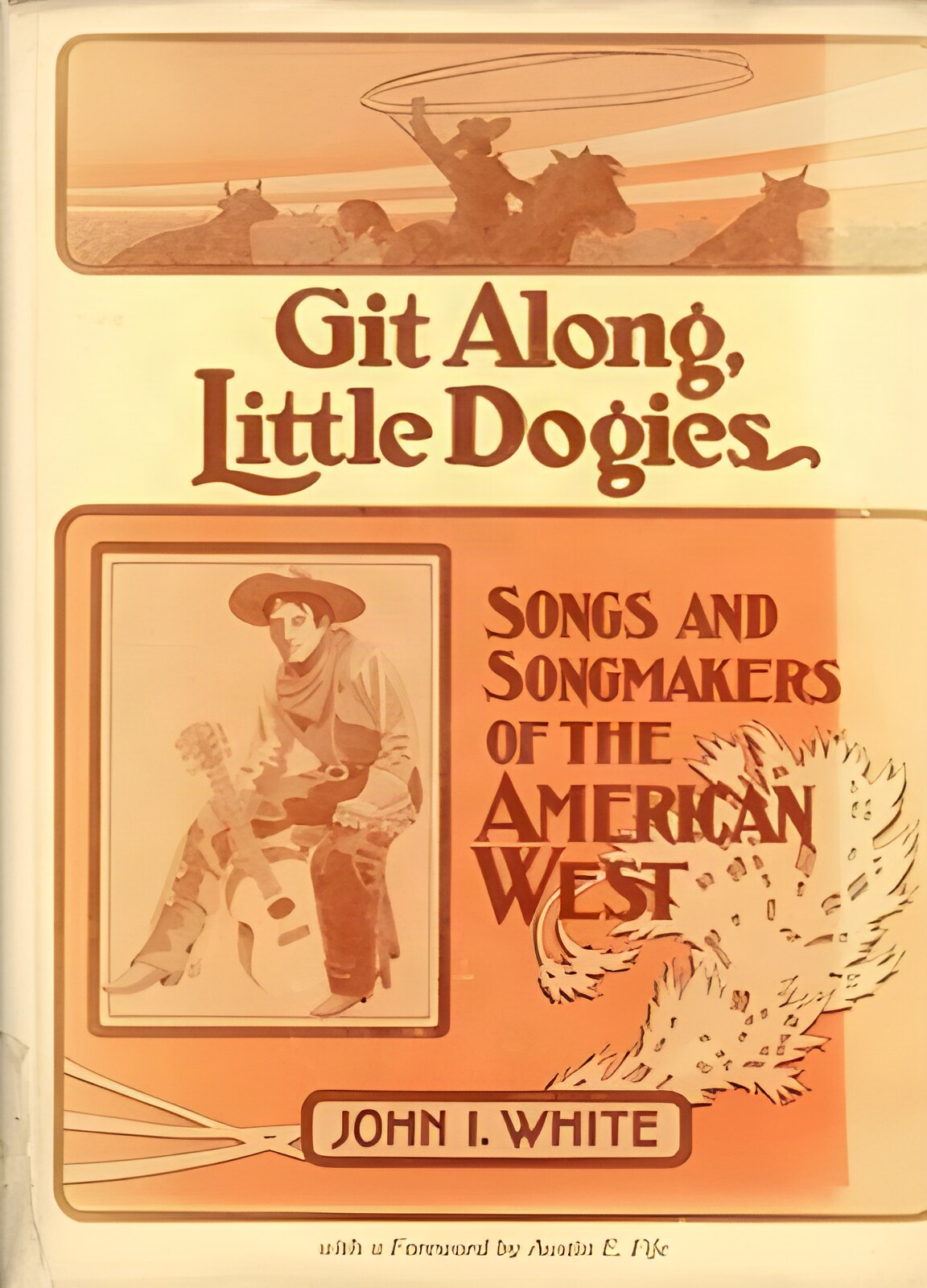
Hardcover. Urbana IL, University of Illinois Press, 1st, 1975, Book: Very Good, Dust Jacket: Very Good, Hardcover in an unclipped dust jacket, 221 pages, b&w illustrations. Sketches and essays that combine White's scholarly research on the origins of western folksong with his personal knowledge and experience as a cowboy singer. A work that bridges the generations of balladry and folksong scholarship. Includes a four song vinyl record laid in at rear.
Hardcover. NY, Contemporary Books, 1st, 2003, Book: Very Good, Dust Jacket: Very Good, Hardcover in a bright, unclipped dust jacket, 398 pages. From its inauspicious beginnings through its improbable Super Bowl victories and its ultimate demise, the American Football League had a colorful and sometimes bizarre ten-year history that will not soon be forgotten. Going Long takes you back to that thrilling decade with the men who made the AFL--and who made it great. In this unique oral history, 170 voices come together to tell the unbelievable story of that maverick league, a rollicking tale of eight teams that refused to die. In 1959, the NFL had just a dozen teams, with only two located west of the Mississippi River. For forty years, it had enjoyed total dominance over the gridiron, tackling rival franchises and knocking them out of the game. But a revolution was coming to American football, and it all began with a man named Lamar Hunt, the Texas millionaire who desperately wanted a league of his own. With a team of enthusiastic investors, Hunt fired what he later called "the first cannon shot in what turned out to be the pro football war." It was a war that would rage on for ten rough-and-tumble years. Flavored with wild (and often ribald) anecdotes, inside stories, personal interviews, and never-before-told material, Going Long brings the incredible story of the upstart AFL to life through the words of the players, coaches, owners, and others who lived it--including Joe Namath, Mike Ditka, Bubba Smith, Roger Staubach, Pat Summerall, Curt Gowdy, and many others. Hearkening back to a simpler time in sports, this behind-the-scenes true story reveals the origins of the modern game we know today and how it all began with a fight to the death for professional football supremacy.
Hardcover. Caldwell ID, Caxton Press, reprint, 1968, Book: Very Good, Dust Jacket: Very Good, Hardcover, 466 pages, illustrated throughout in b&w. Clean, unmarked copy with only minor wear to dust jacket. This book considers the gold rushes, life in the camps, crime and justice, and the special situations and unique events that came out of this period. Heavily illustrated with black and white photographs. Endnotes, illustrations, indexed.
Hardcover. New York , Knopf, 1st, 1993, Book: Very Good, Dust Jacket: None, 42 pages illustrated in color by Wiktor Sadowski. Color illustrated boards, no dust jacket issued for this library edition. NOT ex-library, clean and bright copy.
Hardcover. Washington DC, Brassey's , 1st, 2003, Book: Very Good, Dust Jacket: Very Good, Hardcover in a bright, unclipped dust jacket, b&w illustrations, 293 pages. The 369th became one of the few U.S. units that American commanding general John J. Pershing agreed to let serve under French command. Donning French uniforms and taking up French rifles, the men of the 369th fought valiantly alongside French Moroccans and held one of the widest sectors on the Western Front. The entire regiment was awarded the Croix de Guerre, the French government's highest military honor. Clean copy.
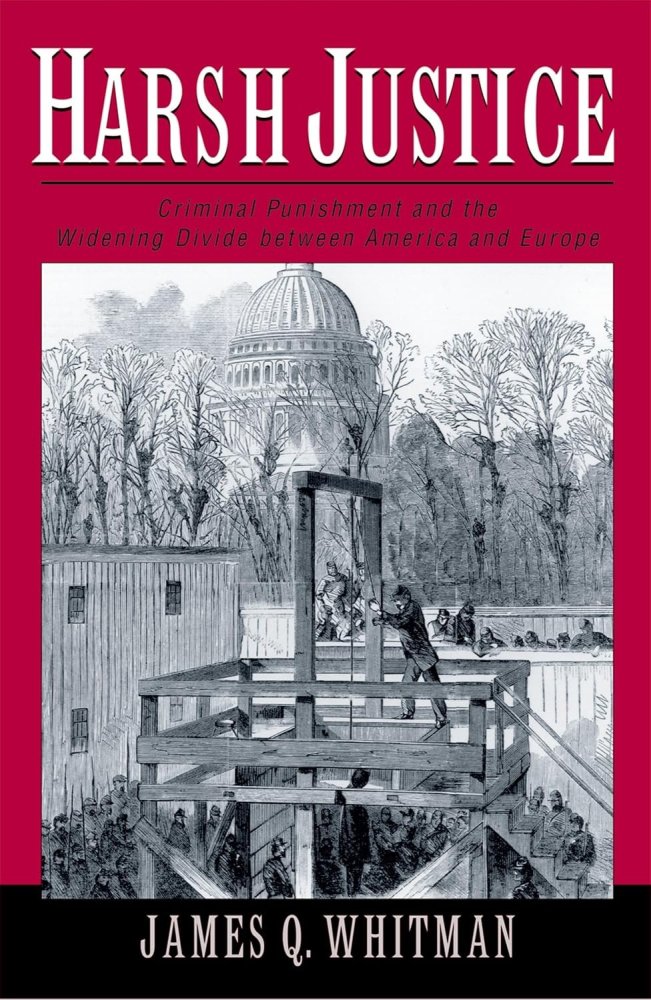
Softcover. NY, Oxford University Press, 3rd pr., 2005, Book: Very Good, Dust Jacket: None, Softcover, 311 pages. Criminal punishment in America is harsh and degrading--more so than anywhere else in the liberal west. Executions and long prison terms are commonplace in America. Countries like France and Germany, by contrast, are systematically mild. European offenders are rarely sent to prison, and when they are, they serve far shorter terms than their American counterparts. Why is America so comparatively harsh? In this novel work of comparative legal history, James Whitman argues that the answer lies in America's triumphant embrace of a non-hierarchical social system and distrust of state power which have contributed to a law of punishment that is more willing to degrade offenders.
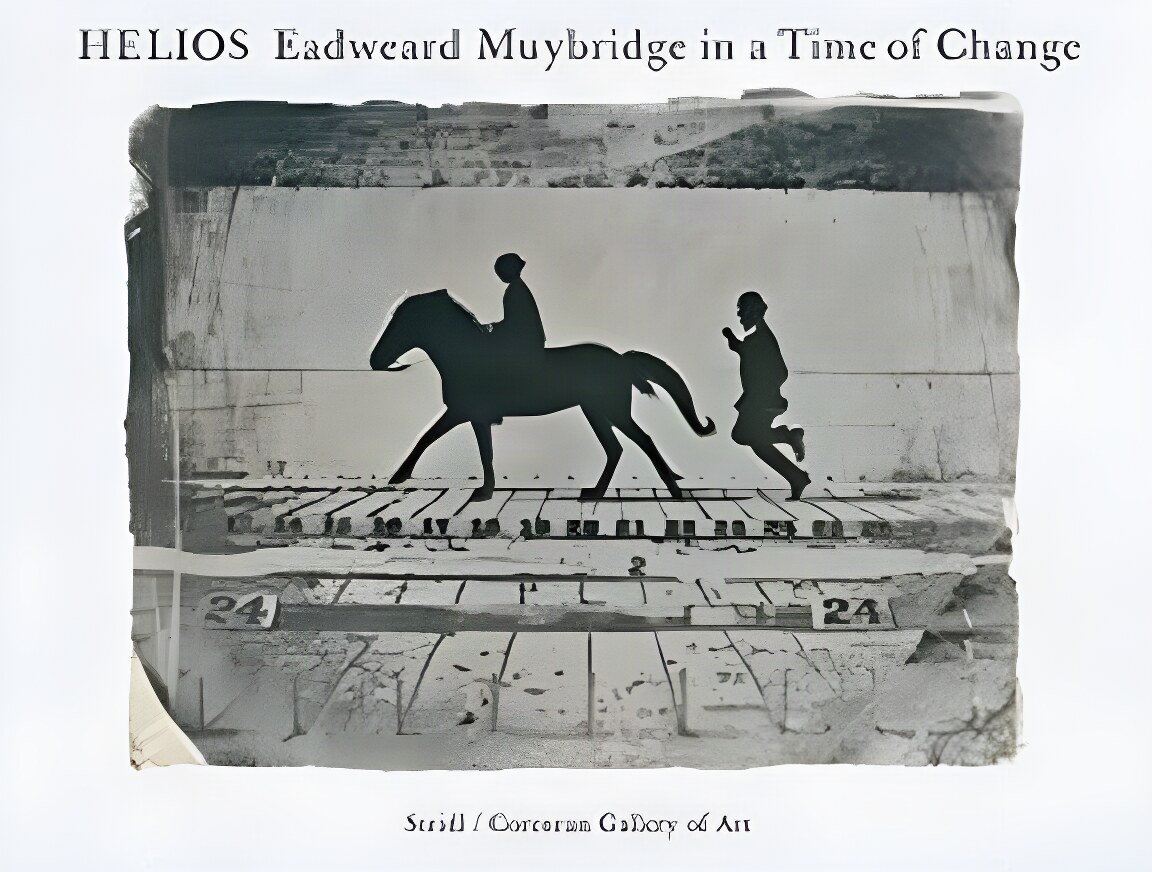
Hardcover. Steidl, 1st, 2010, Book: Very Good, Dust Jacket: Very Good, Hardcover, 360 pages. In 1878, the Photographic Times claimed that ten minutes provided sufficient exposure for photographing a landscape. Six years earlier, an English immigrant to the West Coast named Eadweard Muybridge, going by the commercial name of Helios, had already pushed photography far in the opposite direction: not to soak up time into pictures, but to divide time with the quickest exposures then imaginable. In 1872, the tycoon Leland Stanford had commissioned Muybridge to photograph his horse, Occident, to determine whether it ever lifted all four hooves off the ground at once. In proving that this was indeed the case, Muybridge achieved a five-hundredth-of-a-second exposure, and so began an anatomy of motion-in humans, horses, birds-that exploded the possibilities of photography and ultimately led to the development of the motion picture. Helios: Eadweard Muybridge in a Time of Change offers an opportunity to trace the life and art of the great photographer. In the wake of a wave of recent scholarship and renewed interest, it pitches his entire body of work against the backdrop of one of the most transformative periods of American and European history. Published to accompany a retrospective exhibition organized by the Corcoran Gallery of Art, Helios features essays by Philip Brookman, Marta Braun, Corey Keller and Rebecca Solnit that provide a variety of new approaches to Muybridge's art and influences.
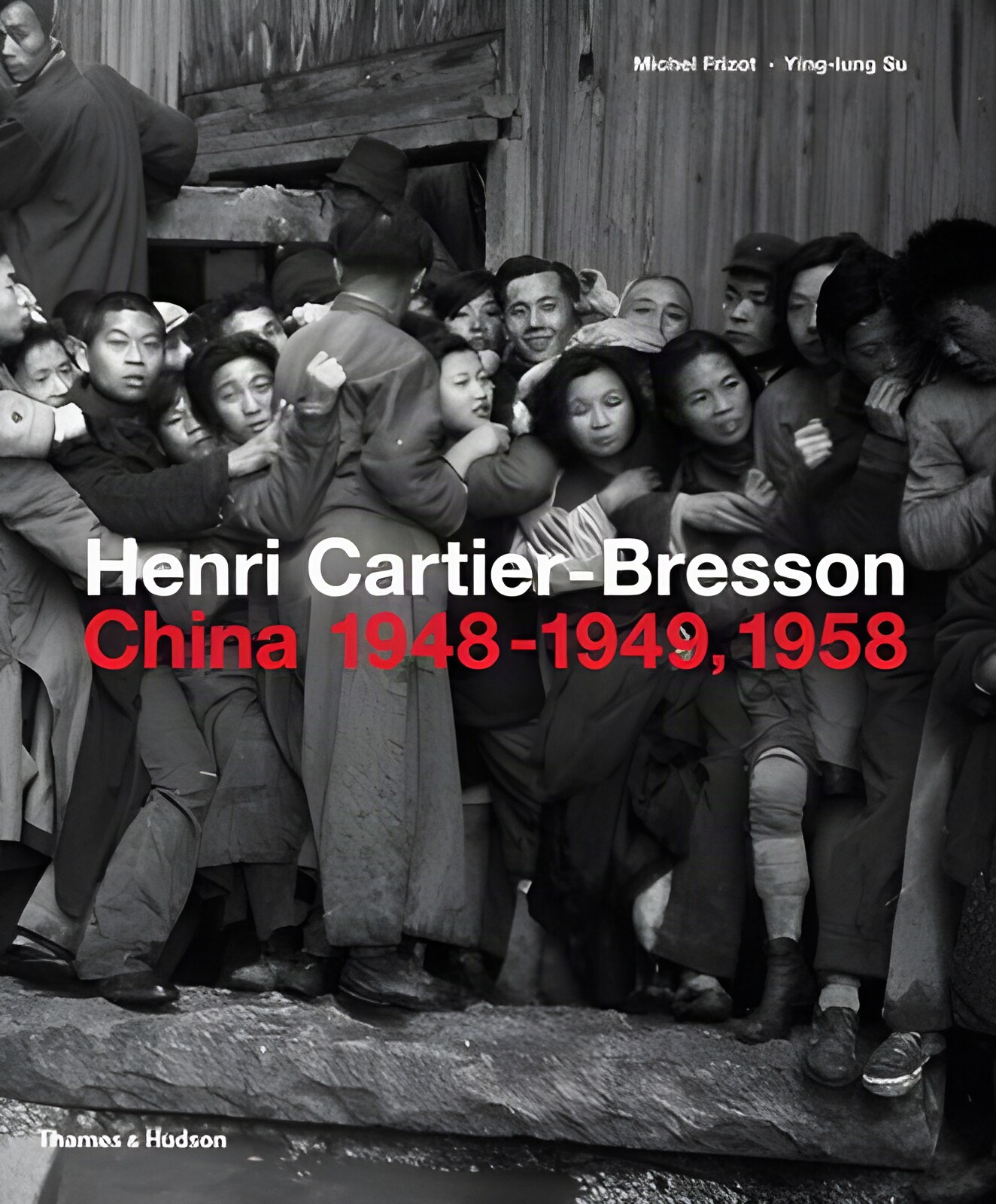
Hardcover. London/NY, Thames & Hudson, 1st, 2019, Book: Very Good, Dust Jacket: Very Good, Hardcover in a bright dust jacket The first visual chronicle of a little-known chapter in the career of Henri Cartier-Bresson--one of the great photographers of the twentieth century. In December 1948, Henri Cartier-Bresson traveled to China at the request of Life magazine. He wound up staying for ten months and captured some of the most spectacular moments in China's history: he photographed Beijing in "the last days of the Kuomintang," and then headed back to Shanghai, where he bore witness to the new regime's takeover. Moreover, in 1958, Henri Cartier-Bresson was one of the first Western photographers to go back to China to explore the changes that had occurred over the preceding decade. The "picture stories" he sent to Magnum and Life on a regular basis played a key role in Westerners' understanding of Chinese political events. Many of these images are among the best-known and most significant photographs in Cartier-Bresson's oeuvre; his empathy with the populace and sense of responsibility as a witness making them an important part of his legacy. This volume allows these photographs to be reexamined along with all of the documents that were preserved: the photographer's captions and comments, contact sheets, and abundant correspondence, as well as the published versions that appeared in both American and European magazines. Clean copy. DOMESTIC SHIPPING ONLY.
Hardcover. College Station TX, Texas A&M University, 1st, 1985, Book: Very Good, Dust Jacket: None, Hardcover, terra-cotta cloth, 145 pages. The subjects of Craig Clifford's ruminations range from Willie Nelson to Walter Prescott Webb, from German philosophers to an Irish immigrant out to save the American West, and in them Clifford voices the concerns of a new generation of Texans and other earthlings. Clean copy, no dust jacket.
Softcover. NY, Viking Press, Uncorr. proof, 1983, Book: Very Good, Dust Jacket: None, Softcover, yellow wrappers. Unrevised and unpublished proofs. Page numbers hand written, 562 pages. SIGNED BY MATTHIESSEN on half-title page: "With best wishes/Peter Matthiessen". The author's controversial and suppressed book about the confrontation between American Indian activists and the FBI in the early 1970s at Pine Ridge Reservation near Wounded Knee. Clean, bright copy.
Softcover. US, University of California Press, 1st, 1995, Book: Very Good, Dust Jacket: None, 304 pages, illustrated throughout in color and b&w. Light sun-fade and edgewear to wrappers, else a clean, tight copy. Independent Spirits brings to vivid life the West as seen through the eyes of women painters from 1890 to the end of World War II. Expert scholars and curators identify long-lost talent and reveal how these women were formidable cultural innovators as well as agitators for the rights of artists and women during a period of extraordinary development.
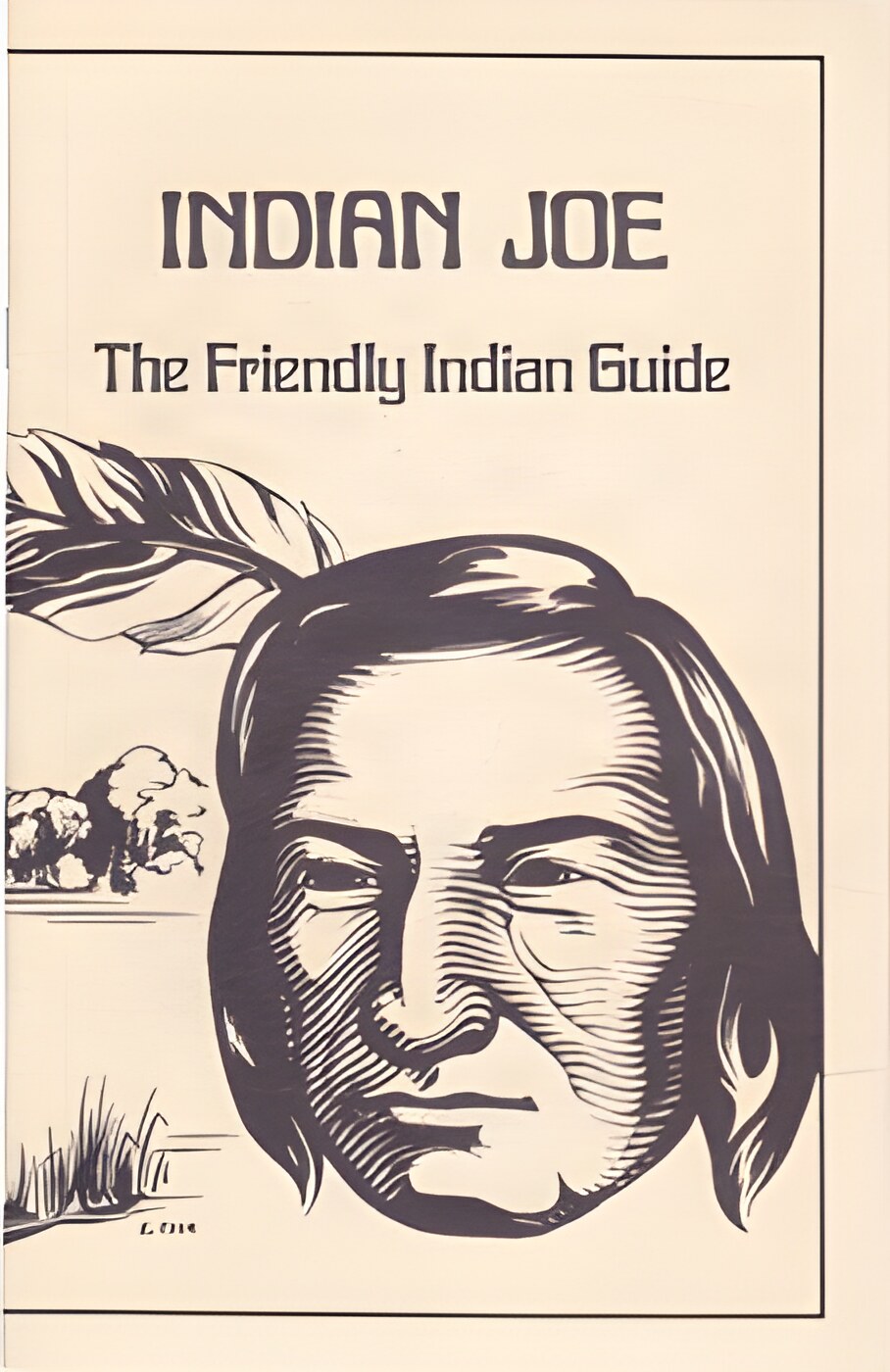
Softcover. West Danville VT, United Methodist Church, 1st, 1976, Book: Very Good, Dust Jacket: None, Softcover booklet, stapled wrappers, 16 pages. Indian Joe was a Native American guide active in the early conflicts and settlement of Vermont in the 1700s. B&w illustrations, photo of his tomb in the Oxbow cemetery in Newbury, Vermont. Clean copy.
Hardcover. University of Nebraska Press, 1st, 1985, Book: Very Good, Dust Jacket: Very Good, Hardcover, 279 pages, 227 plates. Traces the life of the Wyoming photographer and shows his pictures of people, landscapes, stories, street scenes, churches, farms, homes and businesses of the West
Hardcover. New Haven CT, Yale University Press;, 1st, 2009, Book: Very Good, Dust Jacket: Very Good, Hardcover, 180 pages. John Gutmann (1905-1998) was one of America's most distinctive photographers. Born in Germany where he trained as an artist and art teacher, he fled the Nazis in 1933 and settled in San Francisco, reinventing himself as a photo-reporter. Gutmann captured images of American culture, celebrating signs of a vibrant democracy, however imperfect. His own status as an outsider--a Jew in Germany, a naturalized citizen in the United States--informed his focus on individuals from the Asian-American, African-American, and gay communities, as well as his photography in India, Burma, and China during World War II. This handsome book acknowledges Gutmann's place in the history of photography. Drawing on his archive of photographs and papers at the Center for Creative Photography, it presents both unfamiliar works and little-known contexts for his imagery, linking his photography to his passionate interest in painting and filmmaking, his collections of non-Western art and artifacts, and his pedagogy. In addition to a major essay by Sally Stein, the volume includes an introduction by Douglas R. Nickel, and an overview of the Gutmann archive by Amy Rule.
Hardcover. New Haven CT, Yale University Press;, 1st, 2009, Book: Very Good, Dust Jacket: Very Good, Hardcover, 180 pages. John Gutmann (1905-1998) was one of America's most distinctive photographers. Born in Germany where he trained as an artist and art teacher, he fled the Nazis in 1933 and settled in San Francisco, reinventing himself as a photo-reporter. Gutmann captured images of American culture, celebrating signs of a vibrant democracy, however imperfect. His own status as an outsider--a Jew in Germany, a naturalized citizen in the United States--informed his focus on individuals from the Asian-American, African-American, and gay communities, as well as his photography in India, Burma, and China during World War II. This handsome book acknowledges Gutmann's place in the history of photography. Drawing on his archive of photographs and papers at the Center for Creative Photography, it presents both unfamiliar works and little-known contexts for his imagery, linking his photography to his passionate interest in painting and filmmaking, his collections of non-Western art and artifacts, and his pedagogy. In addition to a major essay by Sally Stein, the volume includes an introduction by Douglas R. Nickel, and an overview of the Gutmann archive by Amy Rule.
Hardcover. New Haven CT, Yale University Press, 2nd pr., 1922, Book: Good, Dust Jacket: None, Hardcover, marbled boards with gray cloth spine, 333 pages plus index. Endpapers map. Janet Schaw, a supporter of the Crown, illustrates the extent to which the American Revolution had, by 1775, become a close, personal insurgency, pitting neighbor against neighbor. Schaw was a young, well-educated Scottish woman who traveled to North Carolina to visit her older brother Robert, the owner of a plantation on the Cape Fear River near Wilmington. She arrived in March of 1775 and while in North Carolina witnessed, among other things, land clearing through controlled burning and the killing of an alligator. More important, she observed a society that was splitting asunder under the stress of revolutionary politics. The decisions of the Wilmington Committee forced men and women along the Cape Fear to take sides. Worn covers with spine cloth coming loose. Binding is solid.
Softcover. NY, MJF Books, reprint, 1997, Hardcover in a bright dust jacket, 191 pages plus index. In 1834, Osborne Russell joined an expedition from Boston, under the direction of Nathaniel J. Wyeth, which proceeded to the Rocky Mountains to capitalize on the salmon and fur trade. He would remain there, hunting, trapping, and living off the land, for the next nine years. Journal of a Trapper is his remarkable account of that time as he developed into a seasoned veteran of the mountains and experienced trapper. Clean copy.
Softcover. Norman OK, University of Oklahoma Press, reprint, 1997, Book: Very Good, Dust Jacket: None, Softcover, 351 pages. George Wilkins Kendall, who founded the New Orleans Picayune in 1837, was a restless, impatient, and colorful character in an exciting era. For thirty years he guided the Picayune and built it into a powerful force in behalf of America's westward expansion. Kendall's vigorous editorials championed the cause of the infant Republic of Texas. When the Texan Santa Fe Expedition was organized in 1841, for the purpose of occupying New Mexico (then still under Mexican rule), Kendall left his editorial chair to participate--and was marched off to Mexico as a captive for seven months when the expedition was overwhelmed at Santa Fe. A few years later, when Kendall accompanied American forces invading Mexico during the Mexican War, he became America's first war correspondent--reporting directly from the battlefront. His effective "courier expresses" brought the first news of each battle to an eager nation, including President Polk, who often read news of the war in Kendall's Picayune before hearing it from his field commanders. Clean copy.


 "Frederic Remington - A Biographyby: Samuels, Peggy/Harold Samuels")


 "Fun City Cinema: New York City and the Movies that Made Itby: Jason Bailey")
 "Fur Trader on the Upper Missouri: The Journal & Description of Jean-Baptiste Truteau, 1794-1796by: (Ed.) Raymond J. DeMallie et al")
 "George Marshall: A Biographyby: Debi Unger / Irwin Unger /Stanley Hirshson")
 "Going Long: The Wild Ten-Year Saga of the Renegade American Football League in the Words of Those Who Lived Itby: Jeff Miller")
 "Gold Rushes and Mining Camps of the Early American Westby: Holmes, Opal Laurel & Vardis Fisher")
 "Grandma Essie's Covered Wagonby: Williams, David")
 "Harlem's Hell Fighters: The African-American 369th Infantry in World War I by: Stephen L. Harris")

 "In the Spirit of Crazy Horse (SIGNED PROOF)by: Matthiessen, Peter")


 "Independent Spirits: Women Painters of the American West, 1890-1945by: Trenton, Patricia")

 "John Gutmann: The Photographer at Workby: Sally Stein , Douglas R. Nickel, et al.")
 "John Gutmann: The Photographer at Workby: Sally Stein , Douglas R. Nickel, et al.")
 "Journal of a Lady of Quality Being the Narrative of a Journey from Scotland to the West Indies North Carolina and Portugal in the Years 1774 to 1776by: Andrews, Evang")

