Hardcover. Milwaukee WI, Kalmbach Publishing, reprint, 1971, Book: Very Good, Dust Jacket: None, Hardcover. Kalmbach facsimile reprint of the Simmons-Boardman 1941 edition. 1312 pages featuring steam locomotives, elecrtic locomotives, diesel locomotives, industrial locomotives, locomotive shops, and engine terminals. Many hundreds of photographs and dimensional diagrams of locomotives and their various parts. Impressive color foldout on heavy stock of Alco-GE diesel-electric locomotives in paint schemes for The Milwaukee Road, Rock Island, Santa Fe, Southern, and New Haven. A similar foldout for EMD features early shovel nose E-units in schemes for Union Pacific, Burlington, Santa Fe, Rock Island, Missouri Pacific, plus nine more, plus FT schemes for Santa Fe, Seaboard, Rio Grande, Great Northern, Western Pacific, Milwaukee, and Southern. Bound in dark blue cloth. Clean.
Hardcover. US, Soul Jazz Books, 1st, 2014, Book: Very Good, Dust Jacket: None, 200 pages. Hardcover with no dust jacket. Clean, unmarked copy with only minor wear to laminated cover boards. Color and black and white pictures throughout. The image of the Caribbean is as much a creation of the West as it is the result of its population's incredibly complex identity. A melting pot of races born of the 400-year slave trade--Africans, indigenous Americans and their French, Spanish, German, Dutch and English colonizers--the identity of the Caribbean stands at the intersection of tourism, colonialism and tropicality. This deluxe large-format volume features hundreds of fascinating and unique photographs that span 100 years of Caribbean history, culture, industry and more, as well as the subsequent diaspora of its people to America, England and elsewhere. The photographs show the many ways in which the region has been portrayed, from tropical backdrop of tourism and hedonism to colonial outpost and revolutionary threat in North America's own backyard.
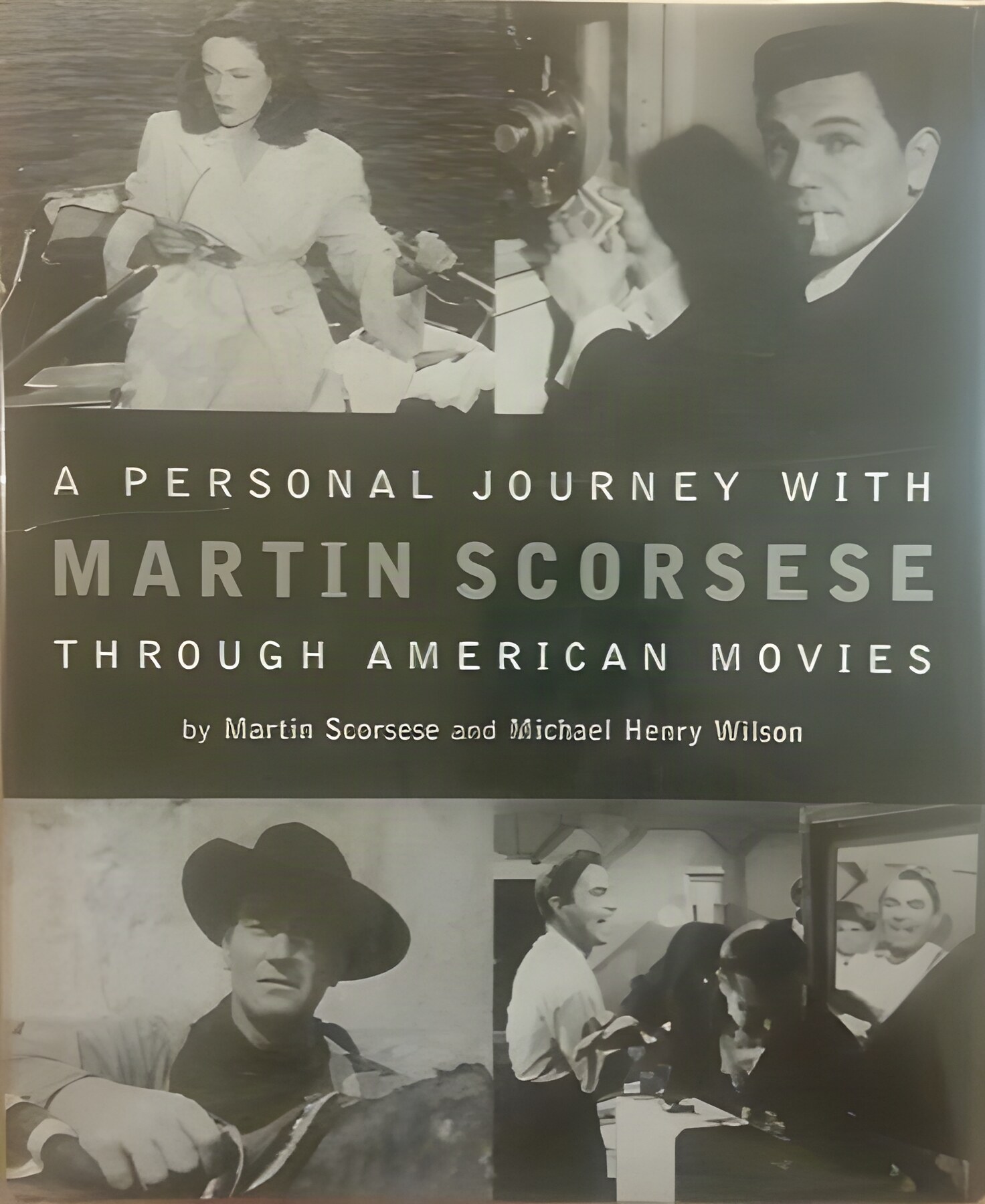
Hardcover. NY, Hyperion/Miramax, 1st, 1997, Book: Good, Dust Jacket: Very Good, Hardcover in a bright dust jacket, 191 pages, b&w illustrations. Light waviness to some pages, otherwise clean copy. In an expert guide to the history of American film, enhanced by many wonderful full-color and black-and-white photographs and film stills, the acclaimed director takes a look at many American movies while exploring them from a both a professional and personal perspective. An academically trained filmmaker (NYU film school) who is among today's most innovative directors, Scorsese presents an engrossing, idiosyncratic memoir of his experiences with motion pictures, including recollections of his first boyhood journeys to movie theaters and the impressions the films made on him. In analyzing American film since the silent era, he especially highlights Westerns, musicals, and gangster movies, genres that originated in America. No markings.
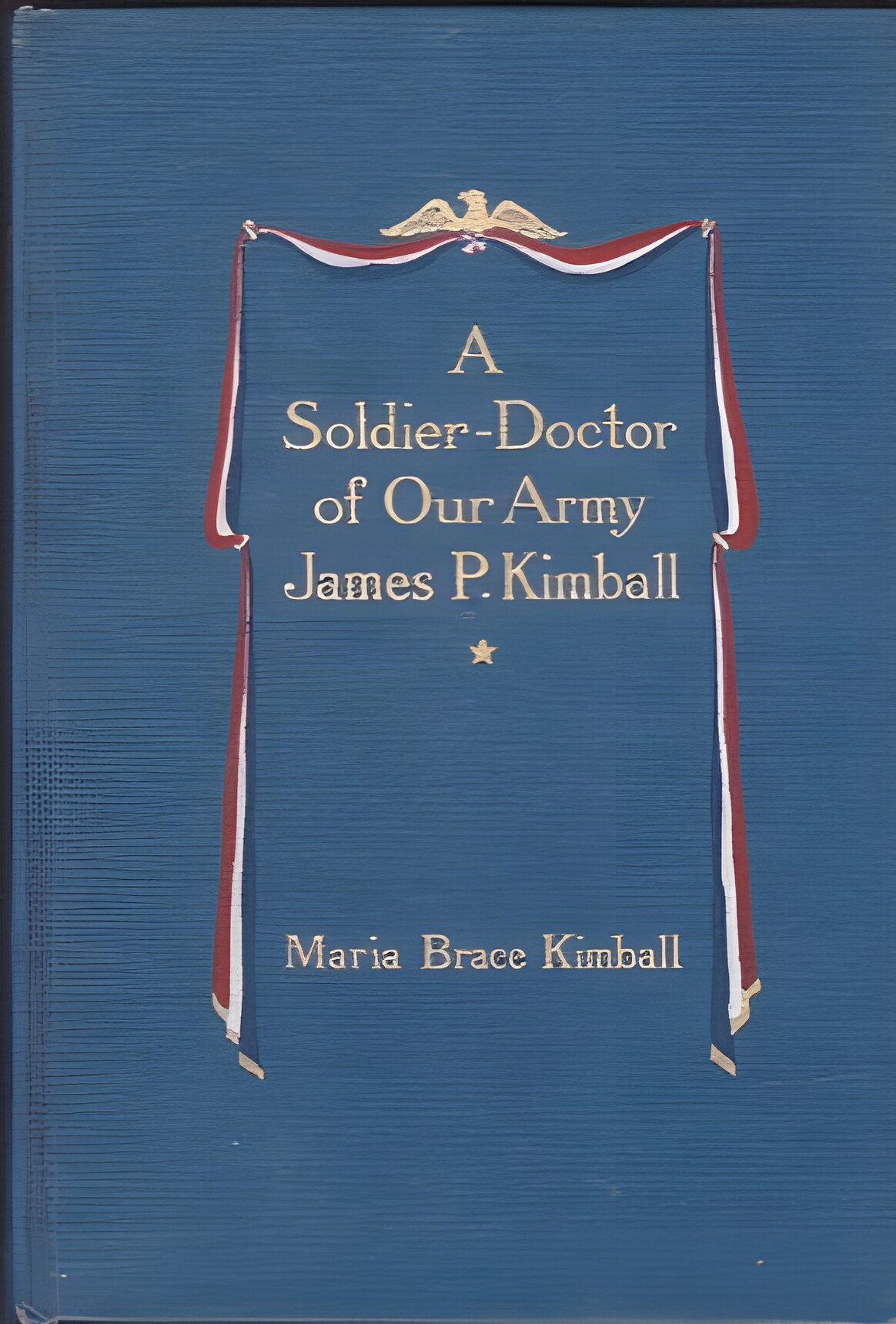
Hardcover. Boston, Houghton Mifflin, 1st, 1917, Book: Very Good, Dust Jacket: None, Hardcover, blue cloth with gilt and red, white and blue decoration to front cover, gilt lettering on spine. 192 pages including index, frontis. portrait plus b&w pales including onr fold-out. Dr. Kimball was on the Yellowstone Expedition of 1873 with Generals Stanley and Custer and became quite a good friend of Custer. It was Dr. Kimball who attended to Lieutenant Charles Braden and may have saved his life, after Braden was shot through the left leg by Indians on August 4, 1873. The Battle of the Little Big Horn is also covered. Bright, clean copy.
Softcover. Waco TX, J. S. Hill & Co., 1st, 1901, Book: Fair, Dust Jacket: None, Softcover, brown paper wraps, stapled binding, 189 pages. Covers worn and chipped, last 50 pages with top corner chipped or chewed away, not affecting text. West served in Company E., 4th Texas Regiment. "A diary kept by West from April 12 to June 13, 1863, and February 28 to April 20, 1864." Subtitled on cover: A trip of a private soldier from Texas to Gettysburg and Chickamauga in 1863. Paper tanned and fragile.
Hardcover. Lexington, University Press of Kentucky, 1st, 2019, Book: Very Good, Dust Jacket: None, Hardcover, paper-covered boards, 172 pages. One of the most innovative films ever made, Sam Peckinpah's motion picture The Wild Bunch was released in 1969. From the outset, the film was considered controversial because of its powerful, graphic, and direct depiction of violence, but it was also praised for its lush photography, intricate camera work, and cutting-edge editing. Peckinpah's tale of an ill-fated, aging outlaw gang bound by a code of honor is often regarded as one of the most complex and impactful Westerns in American cinematic history. The issues dealt with in this groundbreaking film-violence, morality, friendship, and the legacy of American ambition and compromise-are just as relevant today as when the film first opened. To acknowledge the significance of The Wild Bunch, this collection brings together some of the leading Peckinpah scholars and critics to examine what many consider to be the director's greatest work. The book's nine essays cover an array of topics. Explored are the function of violence in the film and how its depiction is radically different from what is seen in other movies, the background of the film's production, the European response to the film's view of human nature, and the strong sense of the Texas/Mexico milieu surrounding the film's action. Clean copy.
Hardcover. Chicago, The Lakeside Press, 1st, 1919, Book: Very Good, Dust Jacket: None, Hardcover, dark green cloth stamped in gilt, top edge gilt, 137 pages. Tight, attractive copy of this early "Lakeside Classic," the annual keepsake presented by this printer/publisher to friends and clients starting in 1903. Illustrated with two portraits of the author. So many pioneer stories were written at the request of a child or grandchild. What makes Christiana Tillson's humorous memoir different was her background. Tillson's story records the reactions produced upon a refined New England woman by an environment at once predominantly southern and wholly frontier. Her youth in 1822 and her parting from all that she had known in the East were common of many later Western migrants. But when she and her husband went out to try their fortunes, the "West" was what we today call the Midwest. It was still a wild, dangerous, and uncertain place to try to make a future. Clean, bright copy.
Hardcover. Westport CT, Negro Universities Press , reprint, 1970, Book: Very Good, Dust Jacket: None, Hardcover, brown cloth with gilt lettering on the spine. Originally published in 1852 this is an in depth study of the African people , both in Africa and in America. A great deal of material on slavery and the South, as well as early material on Liberia. Presented in a series of "conversations", this is an in-depth history of the African continent's peoples, the colonization of Africa, and subsequent African American slavery in the United States. Clean copy.
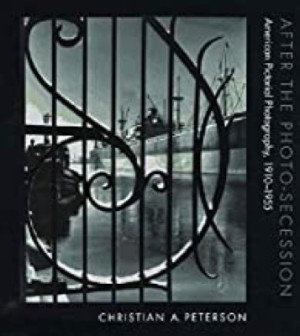
Hardcover. NY, Norton, 1st, 1997, Hardcover,224 pages, 93 full-color photographs. Much has been written about Alfred Stieglitz and his role in establishing photography as an art. Little attention, however, has been paid to the pictorial photographers who followed Stieglitz, among them Imo Jean Cunningham, Edward Weston, Clarence H. White, and a host of others -- those who, in a widespread movement, approached photography in a painterly fashion, creating beautiful images through the use of careful lighting, manipulated tones, soft focus effects, and artistic compositions. In this important volume, Christian A. Peterson finally gives the pictorialists of the first half of the twentieth century their due. He describes the backgrounds of the movement, their methods, the photo clubs they belonged to, and their work, illustrated here with ninety-three stunning reproductions. The movement seemed to die out, Peterson suggests, with the rising popularity of 35mm photography in mid-century, when the care and slow working procedures required by large-format cameras became unpopular.
Chicago, Chicago Review Press, 1st, 2014, Book: Very Good, Dust Jacket: Very Good, Hardcover in a bright dust jacket. The presidential election of 1844 was one of the two or three most momentous elections in American history. Had Henry Clay won instead of James K. Polk, we'd be living in a very different country today. Polk's victory cemented the westward expansion that brought Texas, California, and Oregon into the union. It also took place amid religious turmoil that included anti-Mormon and anti-Catholic violence, and the "Great Disappointment," in which thousands of followers of an obscure preacher named William Miller believed Christ would return to earth in October 1844. Author and journalist John Bicknell details even more compelling, interwoven events that occurred during this momentous year: the murder of Joseph Smith, the religious fermentation of the Second Great Awakening, John C. Fremont's exploration of the West, Charles Goodyear's patenting of vulcanized rubber, the near-death of President John Tyler in a freak naval explosion, and much more. All of these elements illustrate the competing visions of the American future--Democrats versus Whigs, Mormons versus Millerites, nativists versus Catholics, those who risked the venture westward versus those who stayed safely behind--and how Polk's election cemented the vision of a continental nation. Clean copy.
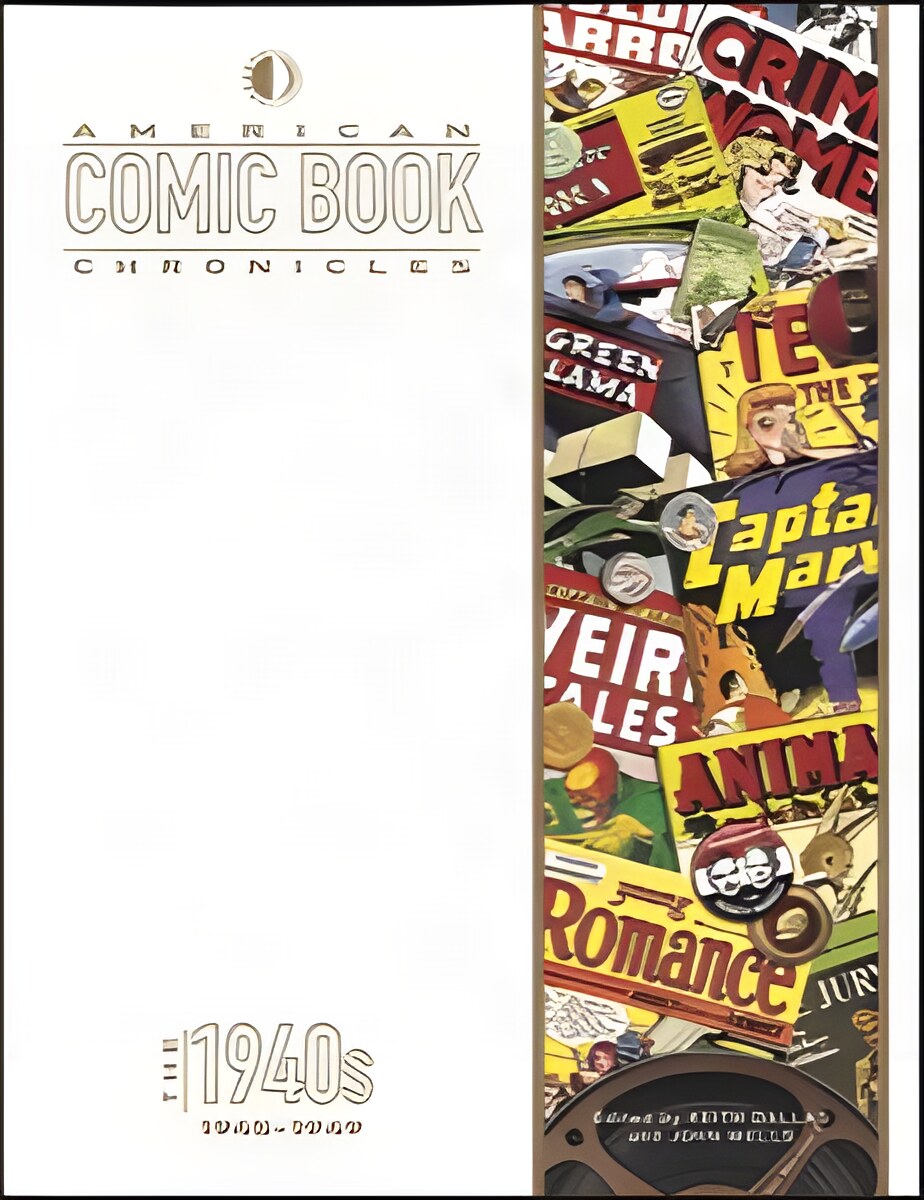
Hardcover. Raleigh NC, TwoMorrows Publishing, 1st, 2024, Book: Very Good, Dust Jacket: None, Hardcover in glossy pictorial boards, 263 pages illustrated in color. This 1945-49 volume covers the comic book industry during the aftermath of World War II, when scores of writers and artists returned from foreign battlefields to resume their careers. It was a period when readers began turning away from the escapist entertainment offered by super-heroes in favor of other genres, like the grittier, more brutal crime comics. It was a time when Joe Simon and Jack Kirby created Young Romance, inaugurating a golden age of romance comics. And it was during this five-year period that Timely and National Comics capitalized on the popularity of Westerns, that Bill Gaines plotted a new course for EC Comics in the wake of his father's death, and that Jerry Siegel and Joe Shuster first sued for the rights to Superman. These are just a few of the events chronicled in this exhaustive, full-color hardcover, further documenting the ACBC series' cohesive, linear overview of the entire landscape of comics history! Like new.
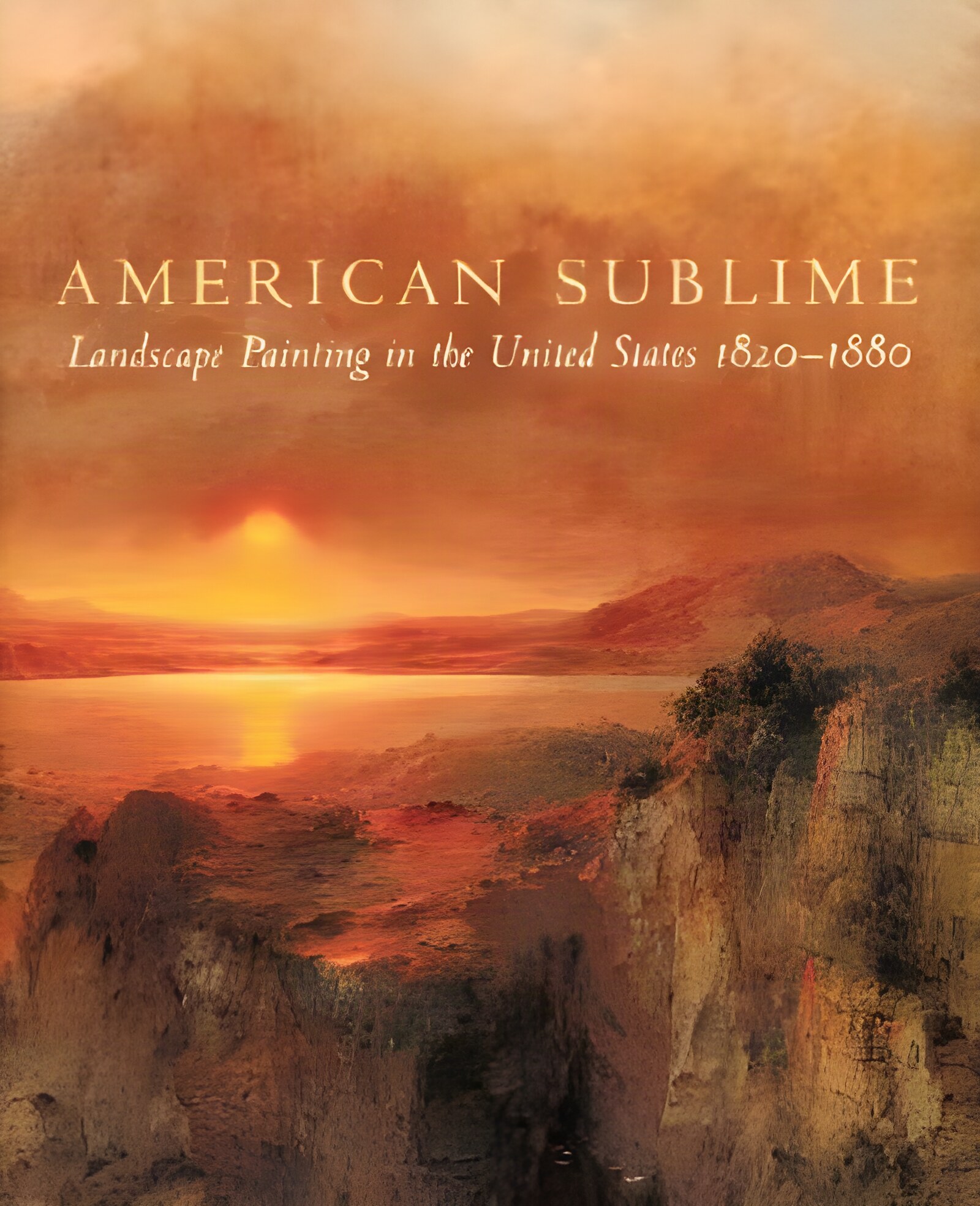
Softcover. Princeton NJ, Princeton University Press, 1st pbk, 2002, Book: Very Good, Dust Jacket: None, Softcover, 282 pages. 113 color plates, 47 in b&w. The painters who came to be known as the Hudson River School - Thomas Cole, Asher B. Durand, Frederic Edwin Church, Jasper Cropsey, Sanford Robinson Gifford, and others - found inspiration in our young country's natural wonders and were the first to paint many of its still-wild vistas. As America was settled and the wilderness receded, their successors - most notably Albert Bierstadt and Thomas Moran - carried their quest for the sublime to the Far West, communicating its breathtaking grandeur in brilliant views of Rocky Mountain peaks, roaring waterfalls, and vast canyons. Within a single generation these artists established the dramatic approach to American landscape painting that is celebrated in this stirringly beautiful book. The freshness of their vision, the intensity of their invention, and the energy of their execution were all born of the urgency these artists sensed in the life of America itself. Clean copy. DUE TO WEIGHT, DOMESTIC SHIPPING ONLY.
Hardcover. New York, Morrow, 1st, 1993, Book: Very Good, Dust Jacket: Very Good, Hardcover, 160 pages. Illustrated in full color. In a clean, bright dust jacket. A commercial artist who started out sketching in the 1930s for pulp magazines, Lovell advanced to the glossier "slicks" in the 1950s and has since specialized in Old West, Plains Indian, and Civil War themes. He here presents from that long career his best canvases, among them his famed depictions of Lee's surrender and the Fifty-fourth Massachusetts' assault (in film, the climax of Glory). His spark of inspiration is usually to visualize an incident he has read of in the journals of the first white explorers and trappers, such as those of Lewis and Clark. Whether it's Clark firing his rifle or Indians encountering a cannon lost by Fremont, Native Americans are generally presented as wary but curious about the newcomers; Lovell puts the warfare outside of the frame. Themes aside, he works expertly with natural color, and though not a modern George Caitlin, his attention to the detail of Indian dress, carriage, and equipage is quite affecting, fully reflective of his respect for the cultures of Apache, Sioux, etc. A rich tribute to a captivating artist who evokes the West's vast landscape and its individual braves and traders in moods of exuberance and perseverance.
Hardcover. New York, William Morrow & Co, 1st, 1993, Book: Very Good, Dust Jacket: Very Good, 160 pages. Hardcover. Color illustrations. Clean, unmarked copy with only minor wear to dust jacket. "A commercial artist who started out sketching in the 1930s for pulp magazines, Lovell advanced to the glossier "slicks" in the 1950s and has since specialized in Old West, Plains Indian, and Civil War themes. He here presents from that long career his best canvases, among them his famed depictions of Lee's surrender". Gorgeous color plates.
Hardcover. Washington DC, Smithsonian Books, 1st, 2003, Book: Very Good, Dust Jacket: Very Good, Hardcover, 292 pages, color and b&w photos. The famous, the infamous, and the never-before-seen are here in a remarkable 'democracy of images' Amelia Earhart, Abraham Lincoln, P.T. Barnum and Tom Thumb, John Brown, Frederick Douglass, Lucille Ball, Greta Garbo, Babe Ruth; the earliest views of the moon and the earliest panoramic view of Damascus; rare Native American photography; views of Asia, Africa, and the American West; photographs of early flight, and much, much more. In a bright dust jacket.
Hardcover. Washington, Smithsonian Books, 1st, 2003, Book: Very Good, Dust Jacket: Very Good, 292 pages. Hardcover with dust jacket. Color and black and whote photos throughout. Clean, tight copy. The Smithsonian holds more than 13 million images spanning over 150 years of taking and collecting photographs. This largely unknown body of photography (most never before published) represents nothing less than the Smithsonian's effort, in the name of all Americans, to describe and comprehend the world. Open anywhere in these pages to be plunged into the history of our modernity, and see what the Smithsonian deemed important to document and preserve. The famous, the infamous, and the never-before-seen are here in a remarkable "democracy of images": Amelia Earhart, Abraham Lincoln, P.T. Barnum and Tom Thumb, John Brown, Frederick Douglass, Lucille Ball, Greta Garbo, Babe Ruth; the earliest views of the moon and the earliest panoramic view of Damascus; rare Native American photography; views of Asia, Africa, and the American West; photographs of early flight, and much, much more. By recording the act of seeing, and of what was seen, both photography and the Smithsonian have shaped our sense of ourselves, as individuals, as a people, and as a country.
Hardcover. New Haven CT, Yale University Press, 1st, 1968, Hardcover in a lightly worn dust jacket, ex-library copy with residue to endpapers, stamping to copyright page, spine sticker. 155 pages, illustrated with color and sepia tone plates. Documents the years when John Russell Bartlett (1805-1886)was commissioner of the Mexican Boundary Survey of 1850. A very nice collection of images drawn by a better than average hand. They depict the scenes witnessed by Bartlett along with a biographical text recounting the artist and his travels.
Softcover. New York, D. Appleton & Company, 1st, 1914, Book: Fair, Dust Jacket: None, Hardcover. 355 pages. Illustrated by Charles M. Russell. Spine faded and ripped, cardboard showing, back cover faded. Foxing on edges. Ex-library copy with all usual stamping. Previous owner's inscription.
Hardcover. New York , Alfred A. Knopf, 1st, 1990, Book: Very Good, Dust Jacket: Very Good, 579 pages. Hardcover with dust jacket, many BW illus. The third book in a triology, prefaced by The Parade's Gone By ... (1968) and The War, the West and the Wilderness (1979). Offers a full and illustrated "exploration of a vital and now almost forgotten chapter of American moviemaking: the response of early producers and directors to the agonizing social problems of the decades before World War I. ... An essential work of silent-film history, certain to become a standard reference." Clean, tight copy.
Hardcover. Boston Ma., Houghton Mifflin Co., 1st, 1978, Book: Very Good, Dust Jacket: Very Good, 525 pages, b&w illustrations. Green cloth, gilt titles to front and spine. Light wear and rubbing to edges and spine of pictorial dust jacket, else a very nice, tight copy.
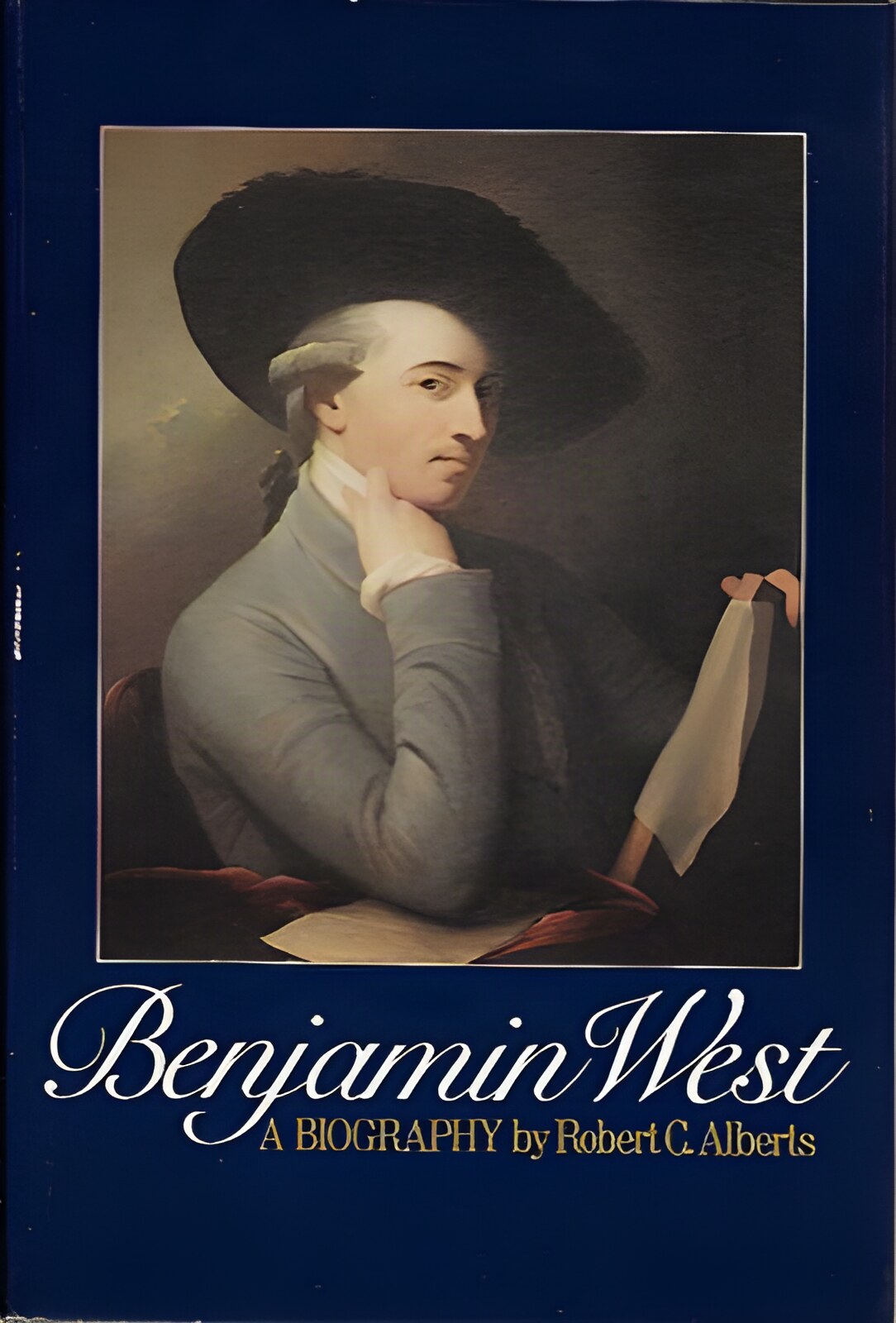
Softcover. Baltimore, MD, Baltimore Museum of Art, 1st, 1989, Book: Near Fine, Dust Jacket: None, Softcover, 119 pages, illustrated throughout in color and b&w. Blue pictorial stiff wrappers. Lovely copy. Like new.
Softcover. Washington , Smithsonian Institution Press, 1st, 1980, Book: Very Good, Dust Jacket: None, Exhibition catalog. 202 pages, illustrated throughout with 148 plates in b&w. White pictorial stiff wrappers. Light wear to covers, small tear to upper edge of spine, else a very nice, tight copy.
Hardcover. New York, Harper & Brothers, reprint , 1923, Book: Very Good, Dust Jacket: None, Hardcover, 274 pages. Illustrated with full color and black & white plates by Frederic Remington. Brown paper covered boards with cover pastedown of Remington drawing. black cloth spine. Copyright page with 1923 date and Harper's G-B code indicating later printing of 1st edition. Light foxing to outer edges of some pages and plates. Fraying to cloth at top of spine. Light darkening of pages close to gutter. Still an attractive copy.
Hardcover. NY, Amistad/HarperCollins, 3rd pr., 2005, Book: Very Good, Dust Jacket: Very Good, Hardcover in a bright, unclipped dust jacket. 540 pages, b&w illustrations, index. An important book of epic scope on America's first racially integrated, religiously-inspired political movement for change-The Underground Railroad, a movement peopled by daring heroes and heroines, and everyday folk For most, the mention of the Underground Railroad evokes images of hidden tunnels, midnight rides, and hairsbreadth escapes. Yet the Underground Railroad's epic story is much more morally complex and politically divisive than even the myths suggest. Against a backdrop of the country's westward expansion,which brought together Easterners who had engaged in slavery primarily in the abstract alongside slaveholding Southerners and their slaves, arose a clash of values that evolved into a fierce fight for nothing less than the country's soul. Beginning six decades before the Civil War, freedom-seeking blacks and pious whites worked together to save tens of thousands of lives, often at the risk of great physical danger to themselves. Not since the American Revolution had the country engaged in an act of such vast and profound civil disobedience that not only subverted federal law but also went against prevailing mores.

 "1941 Locomotive Cyclopedia of American Practice. Definitions and Typical Illustrations of Railroad and Industrial Locomotives... 11th Edition 1941by: Wright, Roy V.(E")
 "90 Degrees of Shade: 100 Years of Photography in The Caribbeanby: Gilroy, Paul (Foreword)")


 "A Uniquely American Epic: Intimacy and Action, Tenderness and Violence in Sam Peckinpah's the Wild Bunchby: Michael Bliss, Garner Simmons, et al.")


 "Art of Tom Lovell, The - An Invitation to Historyby: Hedgpeth, Don/Walt Reed")
 "Art of Tom Lovell, The: An Invitation to Historyby: Hedgpeth, Don and Walt Reed")
 "At First Sight: Photography And The Smithsonian by: Foresta Merry A.; Foley Jeana Kae")
 "At First Sight: Photography and the Smithsonianby: Foresta, Merry A.")
 "Bartlett's West: Drawing the Mexican Boundaryby: Robert V. Hine")
 "Beating Backby: Jennings, Al & Will Irwin")
 "Behind the Mask of Innocence: Sex, Violence, Prejudice, Crime: FIlms of Social Conscience in the Silent Eraby: Brownlow, Kevin")
 "Benjamin West : American Painter at the English Courtby: Baltimore Museum of Art")
 "Benjamin West and His American Studentsby: Evans, Dorinda")
 "Book of the American Indian, Theby: Garland, Hamlin")
 "Bound for Canaan: The Underground Railroad and the War for the Soul of America by: Bordewich, Fergus")