Hardcover. New Jersey, Prentice-Hall, 1st, 1968, Book: Very Good, Dust Jacket: Good, Hardcover in a price-clipped dust jacket that's lightly soiled and spine faded, 277 pages. Eaton (b. 1764) was a flamboyant hero who was America's "Lawrence of Arabia" and defeated the Barbary Pirates at Derna. Front fly leaf with bookseller's old price in red pencil, otherwise clean.
Hardcover. New York, Atheneum, 1st, 1988, Book: Very Good, Dust Jacket: Very Good, Hardcover, 88 pages. Illustrated with black & white photographs. Light sun fading to dust jacket spine. Clean, tight copy. A history of barnstorming in America, with an ample number of anecdotes about the dangerous acrobatics and stunts performed by thrill-seeking exhibition flyers, mostly ex-military pilots, especially during the 1920s.
Hardcover. Philadelphia, PA, Hubbard Brothers, 1st Edition, 1882, Book: Very Good, Dust Jacket: None, 488 pages. Hardcover. B/w illustrations (including frontispiece with tissue guard--see image). Decorated endpapers. Previous owner's stamp of ownership on two preliminary pages. Cover boards bound in brown mustard cloth, gilt title and decorations on spine and front cover board (see image). Cover boards have a touch of age wear. Pages and edges have some tanning from age. Loose gutter at top of title page (see image), otherwise binding tight. "A graphic recital of personal experiences throughout the whole period of the late war for the Union--during which the author was actively engaged in 25 Battles and Skirmishes, was three times taken prisoner..."
Hardcover. London, Grub Street, First Edition , 1994, Book: Very Good, Dust Jacket: Very Good, 224 pages. Hardcover SIGNED BY AUTHOR to title page. 50th Anniversary Edition. Red cloth boards with gilt titles to spine. Black & white illustrations throughout. Dust jacket, bright & in very good condition. Clean, unmarked text.
Hardcover. New York, Vanguard Press, 1st, 1932, Book: Good, Dust Jacket: None, 306 pages. Hardcover. B/w illustrated frontispiece. Some age wear to covers. Bound in gray fabric. Previous owner's bookplate on front endpaper. Deckled edges. Some age yellowing to pages and edges. In good condition for its age.
Hardcover. Indianapolis/NY, Bobbs-Merrill, 1st, 1971, Book: Very Good, Dust Jacket: Good, Hardcover in a worn dust jacket, 490 pages, b&w frontis. Rush, the Philadelphia doctor who signed the Declaration of Independence, was an energetic, ambitious man given to devising reforms and, as the author puts it, meddling in politics. He studied medicine in Edinburgh and London, meeting Hume, Goldsmith, Samuel Johnson, et al. and, Hawke thinks, solidifying his republican disposition. Back in Pennsylvania he agitated for independence, made friends with John Adams, urged Paine to write Common Sense, and entered Congress. Apart from the recurrent epidemics of the age, the practice of military medicine and propaganda for resuming debt payments occupied Rush during the war; afterwards he turned to progressive education, speculated in land, fought paper money, equivocally supported the abolition of slavery, declared that tobacco is unhealthful, and boosted the Constitution before it was even written. Dust jacket chipped, faded in parts, clean internally.
Softcover. Cambridge MA, Harvard University Press, reprint, 1998, Book: Very Good, Dust Jacket: None, Softcover, 310 pages, b&w illustrations. Few Americans, black or white, recognize the degree to which early African American history is a maritime history. W. Jeffrey Bolster shatters the myth that black seafaring in the age of sail was limited to the Middle Passage. Seafaring was one of the most significant occupations among both enslaved and free black men between 1740 and 1865. Tens of thousands of black seamen sailed on lofty clippers and modest coasters. They sailed in whalers, warships, and privateers. Some were slaves, forced to work at sea, but by 1800 most were free men, seeking liberty and economic opportunity aboard ship.Bolster brings an intimate understanding of the sea to this extraordinary chapter in the formation of black America. Because of their unusual mobility, sailors were the eyes and ears to worlds beyond the limited horizon of black communities ashore. Sometimes helping to smuggle slaves to freedom, they were more often a unique conduit for news and information of concern to blacks.But for all its opportunities, life at sea was difficult. Blacks actively contributed to the Atlantic maritime culture shared by all seamen, but were often outsiders within it. Capturing that tension, Black Jacks examines not only how common experiences drew black and white sailors together-even as deeply internalized prejudices drove them apart-but also how the meaning of race aboard ship changed with time. Bolster traces the story to the end of the Civil War, when emancipated blacks began to be systematically excluded from maritime work. Rescuing African American seamen from obscurity, this stirring account reveals the critical role sailors played in helping forge new identities for black people in America.
Softcover. Seattle, Fantagraphics, reprint, 2013, Book: Very Good, Dust Jacket: None, Softcover, A comic-book classic with timely resonance: Blazing Combat was an American war-comics magazine published by Warren Publishing from 1965 to 1966. Written and edited by Archie Goodwin , with artwork by such industry notables as Gene Colan , Frank Frazetta , John Severin , Alex Toth , Al Williamson, Russ Heath, Reed Crandall, and Wally Wood , it featured war stories in both contemporary and period settings, unified by a humanistic theme of the personal costs of war, rather than by traditional men's adventure motifs. What proved to be the most controversial were stories set during the then-contemporary Vietnam War; one such story caused key distributors to stop selling the title. Fantagraphics softcover edition of the sold-out 2011 hardcover, magnificently printed and bound, of these stories, superbly reproduced from the original printer's film negatives.
Hardcover. New York, Simon & Schuster, First Thus, 2013, Book: Very Good, Dust Jacket: Very Good, 603 pages. Hardcover. Ivory & red cloth boards with gilt titles to spine. Dust jacket with only light marginal wear. Bright, clean & unmarked copy.
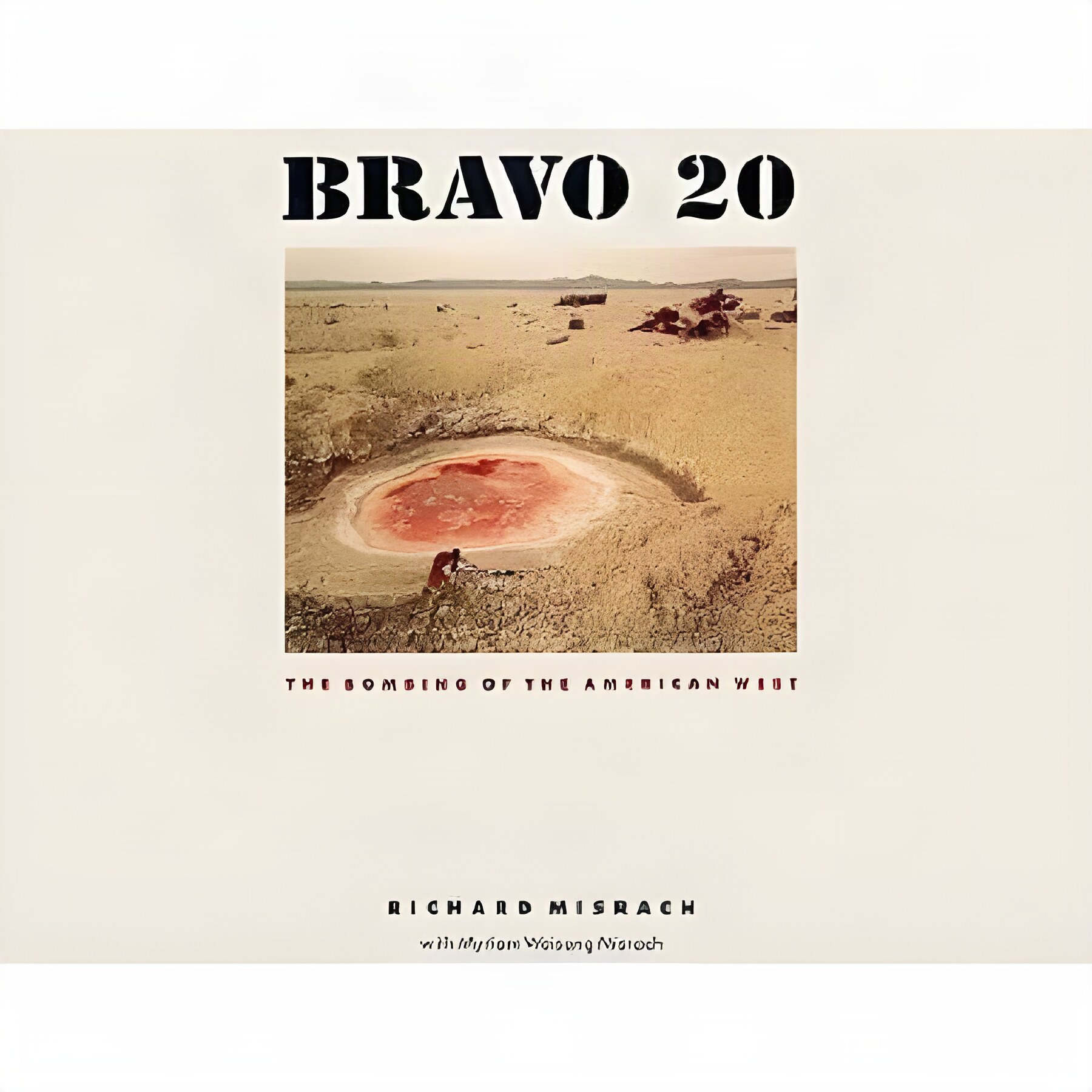
Softcover. Baltimore, Johns Hopkins University Press, 1st pbk, 1990, Book: Very Good, Dust Jacket: None, Softcover, oblong format, 133 pages. For eighteen months in the mid-eighties, photographer Richard Misrach roamed through the natural beauty and man-made devastation of Bravo 20 [bombing range], while Myriam Weisang Misrach researched the history of military expansionism-and local protest- in the West. The result is a book that not only documents the ongoing battle for Bravo 20, but offers a suggestion on what best to do with the burst shells, bombed-out buses, automobile hulls, and other naval detritus: leave it right where it is. New. In shrink wrap.
Hardcover. Boston, Little, Brown and Company, reprint, 1954, Book: Very Good, Dust Jacket: None, Hardcover, blue cloth with gilt lettering on spine. Volume VI in The History of United States Naval Operations in World War II. 463 pages, illustrated with maps (one fold-out) and b&w photos. Gilt on spine with fading, lacks dust jacket, otherwise clean, tight copy.
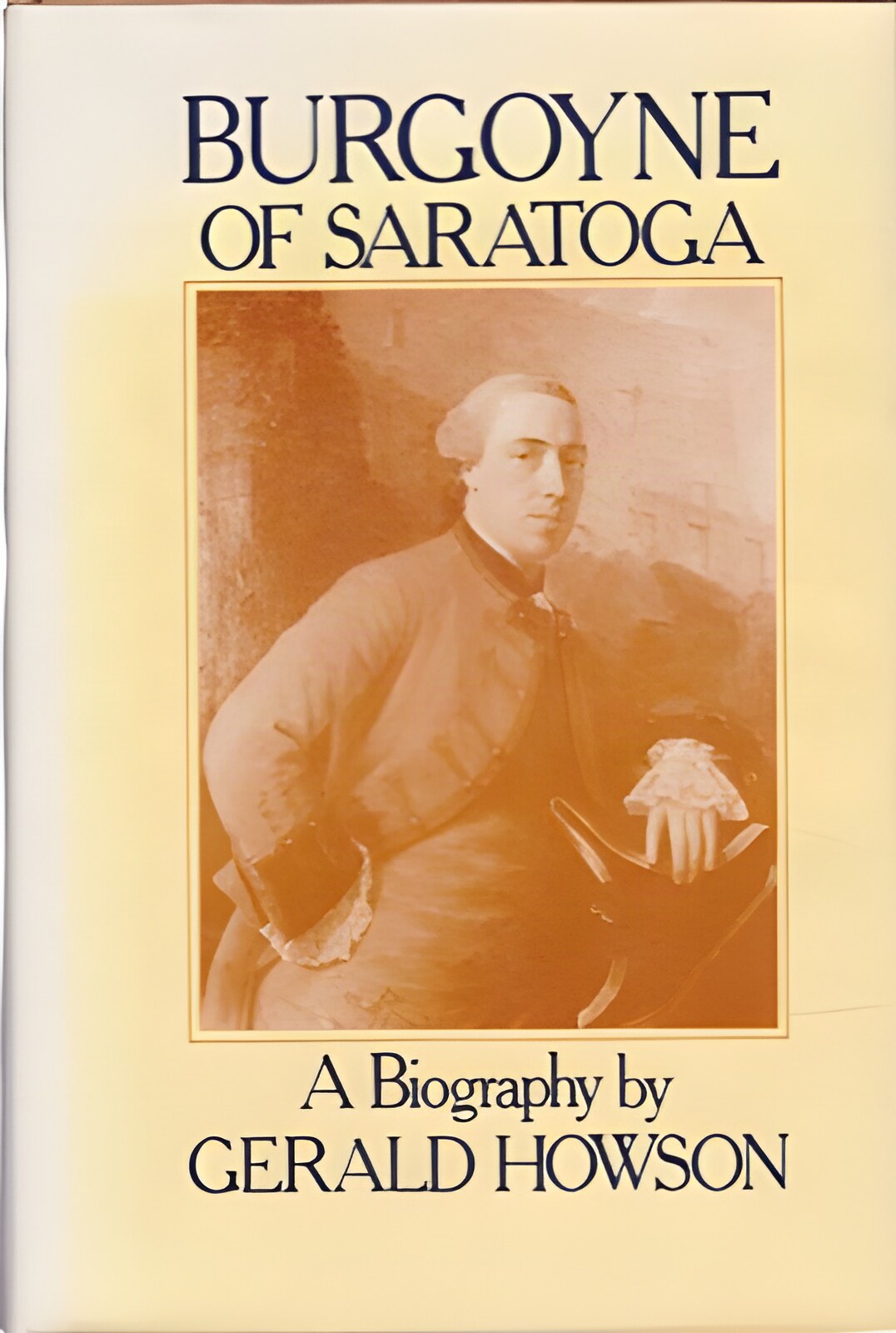
Hardcover. NY, Times Books, 1st, 1979, Book: Very Good, Dust Jacket: Good, Hardcover in a lightly worn dust jacket that shows fading, 360 pages, b&w illustrations, endpaper maps. General John Burgoyne was a British army officer, politician and dramatist. He first saw action during the Seven Years' War when he participated in several battles, mostly notably during the Portugal Campaign of 1762. Burgoyne is best known for his role in the American War of Independence. During the Saratoga campaign he surrendered his army of 5,000 men to the American troops on October 17, 1777. Appointed to command a force designated to capture Albany and end the rebellion, Burgoyne advanced from Canada but soon found himself surrounded and outnumbered. He fought two battles at Saratoga, but was forced to open negotiations with Horatio Gates. Although he agreed to a convention, on 17 October 1777, which would allow his troops to return home, this was subsequently revoked and his men were made prisoners. Burgoyne faced criticism when he returned to Britain, and never held another active command. Clean copy.
Hardcover. Chapel Hill, University of North Carolina, 1st, 1991, Book: Very Good, Dust Jacket: Very Good, Hardcover, 514 pages, b&w illustrations, in a bright dust jacket. Biography of Union general Ambrose Burnside, reassessing his reputation as an "incompetent leader" by viewing his entire career as a soldier during the war: along the Carolina coast, at Antietam, and his capture of Knoxville in East Tennessee, while still recognizing the debacle at Fredericksburg.
Hardcover. White Hall, VA, Shoe Tree Press, 1st, 1991, Book: Near Fine, Dust Jacket: None, 95 pages. Hardcover. (INSCRIBED BY AUTHOR)B/w illustrations throughout. Decorated cover boards. Pages clean and bright. Spine straight. Binding tight. The excitement in the barracks on the night of May 10, 1864 was electric. At last, the cadets of the Virginia Military Institute were going to war!
Hardcover. New York, Harper and Brothers, reprint, 1890, Book: Very Good, Dust Jacket: None, Hardcover, blue cloth with gilt lettering and design, 295 pages, frontispiece portrait of author. The Indian War of 1876 in the Big Horn and Yellowstone campaigns. Previous owner's inscription on front fly leaf. Light fraying to bottom of spine otherwise very good, clean.
Hardcover. NY, Time Life, reprint, 1981, Book: Very Good, Dust Jacket: None, 546 pages. Hardcover with no dust jacket. Dark blue leather bound with gilt titles to front cover and spine. Embossed decoration on front cover. Gilt text block edges, red ribbon marker. Clean, tight copy.In 1863 Horace Porter, then a captain, met Ulysses S. Grant as Grant commenced the campaign that would break the Confederate siege at Chattanooga. After a brief stint in Washington, Porter rejoined Grant, who was now in command of all Union forces, and served with him as a staff aide until the end of the war. Porter was at Appomattox as a brevet brigadier general, and this work, written from notes taken in the field, is his eyewitness account of the great struggle between Lee and Grant that led to the defeat of the Confederacy.
Hardcover. NY, Time Life, reprint, 1982, Book: Very Good, Dust Jacket: None, Hardcover with no dust jacket. Dark blue leather bound with gilt titles to front cover and spine. Embossed decoration on front cover. Gilt text block edges, red ribbon marker. Clean, tight copy. Facsimilie reprint of the 1866 edition.
Softcover. Chapel Nill NC, University of North Carolina Press , 1st, 2002, Book: Very Good, Dust Jacket: None, Softcover, 419 pages. This sweeping, richly evocative study examines the origins and legacies of a flourishing captive exchange economy within and among native American and Euramerican communities throughout the Southwest Borderlands from the Spanish colonial era to the end of the nineteenth century. Indigenous and colonial traditions of capture, servitude, and kinship met and meshed in the borderlands, forming a "slave system" in which victims symbolized social wealth, performed services for their masters, and produced material goods under the threat of violence. Slave and livestock raiding and trading among Apaches, Comanches, Kiowas, Navajos, Utes, and Spaniards provided labor resources, redistributed wealth, and fostered kin connections that integrated disparate and antagonistic groups even as these practices renewed cycles of violence and warfare. Always attentive to the corrosive effects of the "slave trade" on Indian and colonial societies, the book also explores slavery's centrality in intercultural trade, alliances, and "communities of interest" among groups often antagonistic to Spanish, Mexican, and American modernizing strategies. The extension of the moral and military campaigns of the American Civil War to the Southwest in a regional "war against slavery" brought differing forms of social stability but cost local communities much of their economic vitality. Clean copy.
Softcover. Crewe VA, E & H Publishing, 1st, 2018, Book: Very Good, Dust Jacket: None, Softcover, 465 pages, b&w illustrations. Captured, Not Conquered is a survey history of the American prisoner of war experience in the First World War. It encompasses U.S. forces as well as Americans in foreign service. It contains tables, charts and photographs from official records and documents over 100 escapes from Imperial German captivity. It documents German intelligence interrogation tactics, techniques and procedures, Allied intelligence activities, POW life and treatment and the evolution of POW intelligence. Includes bibliography, notes and index. Clean copy.
Hardcover. Norman, OK, University of Oklahoma Press (, 1st, 1989, Book: Very Good, Dust Jacket: Very Good, Hardcover, 415 pages, b&w illustrations. Light edge wear to dust jacket, creases to front flap. Light soiling to edges. Else a clean, tight copy. The first major battle between the U.S. Army and the Cheyenne Indians took place on the south fork of the Solomon River in present-day northwest Kansas. In this stirring account, William Y. Chalfant recreates the human dimensions of what was probably the only large-unit sabre charge against the Plains tribes, in a battle that was as much a clash of cultures as of cavalry and Cheyenne warriors.
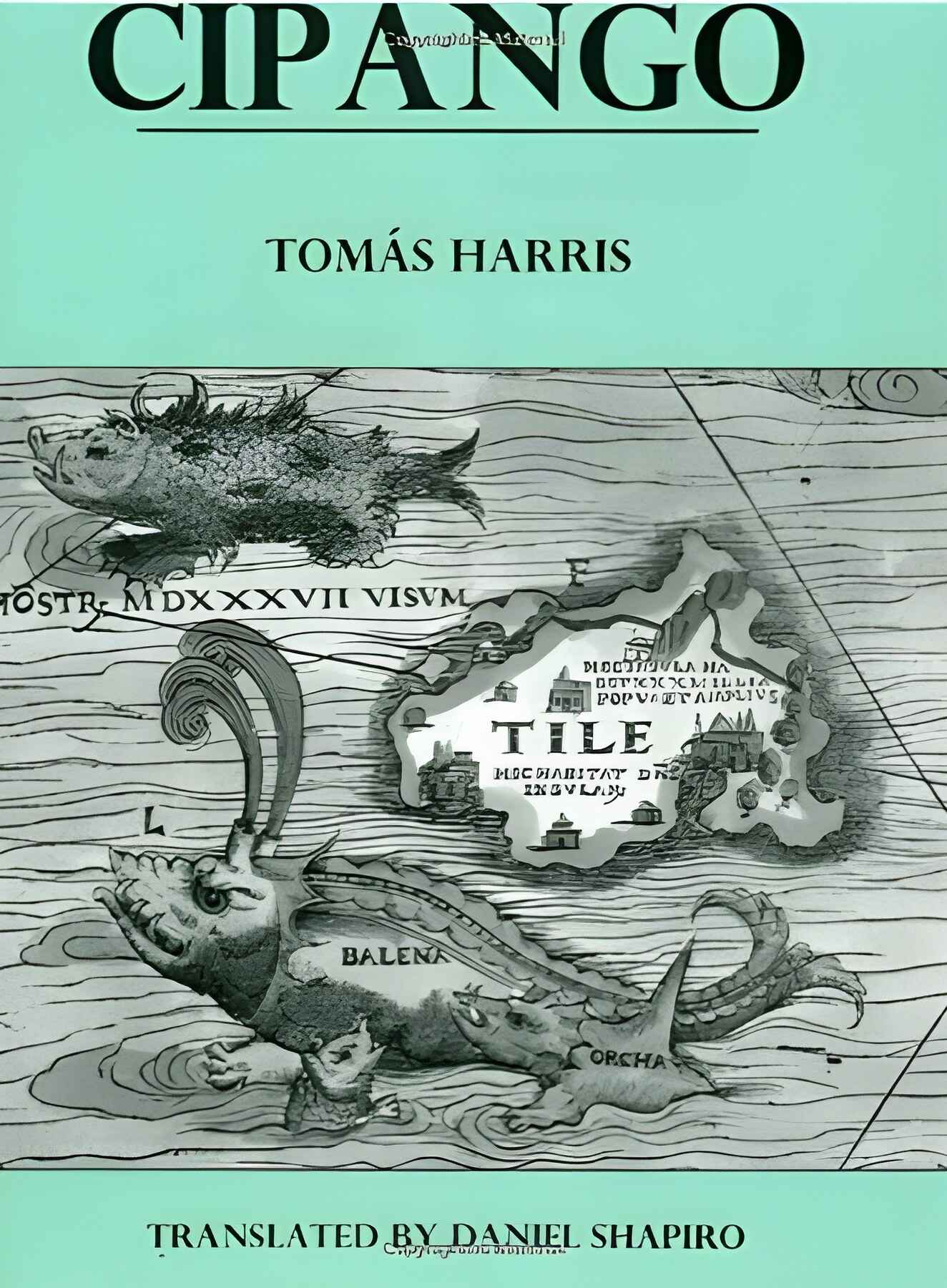
Hardcover. Lewisburg ME, Bucknell University Press , 1st, 2010, Book: Very Good, Dust Jacket: Very Good, Hardcover, 321 pages, black cloth covers with gilt lettering on the spine. Bright, unclipped dust jacket. INSCRIBED BY THE TRANSLATOR, DANIEL SHAPIRO on the title page. Bilingual edition. Chilean poet Tomas Harris's Cipango - written in the 1980s, first published in 1992, and considered by many to be the author's best work to date - employs the metaphor of a journey. The poems collectively allude to the voyage of Columbus, who believed that he'd reached the Far East ("Cipango," or Japan), not the Americas. Building on that mistaken historical premise, Cipango comments on the oppressive legacy of colonialism in Latin America - manifested in twentieth-century Chile through the 1973 military coup by Augusto Pinochet and the brutal dictatorship there - and on the violence and degradation of contemporary urban society. The author's vision is of a decadent, apocalyptic world that nonetheless contains the possibility for regeneration. Clean copy.
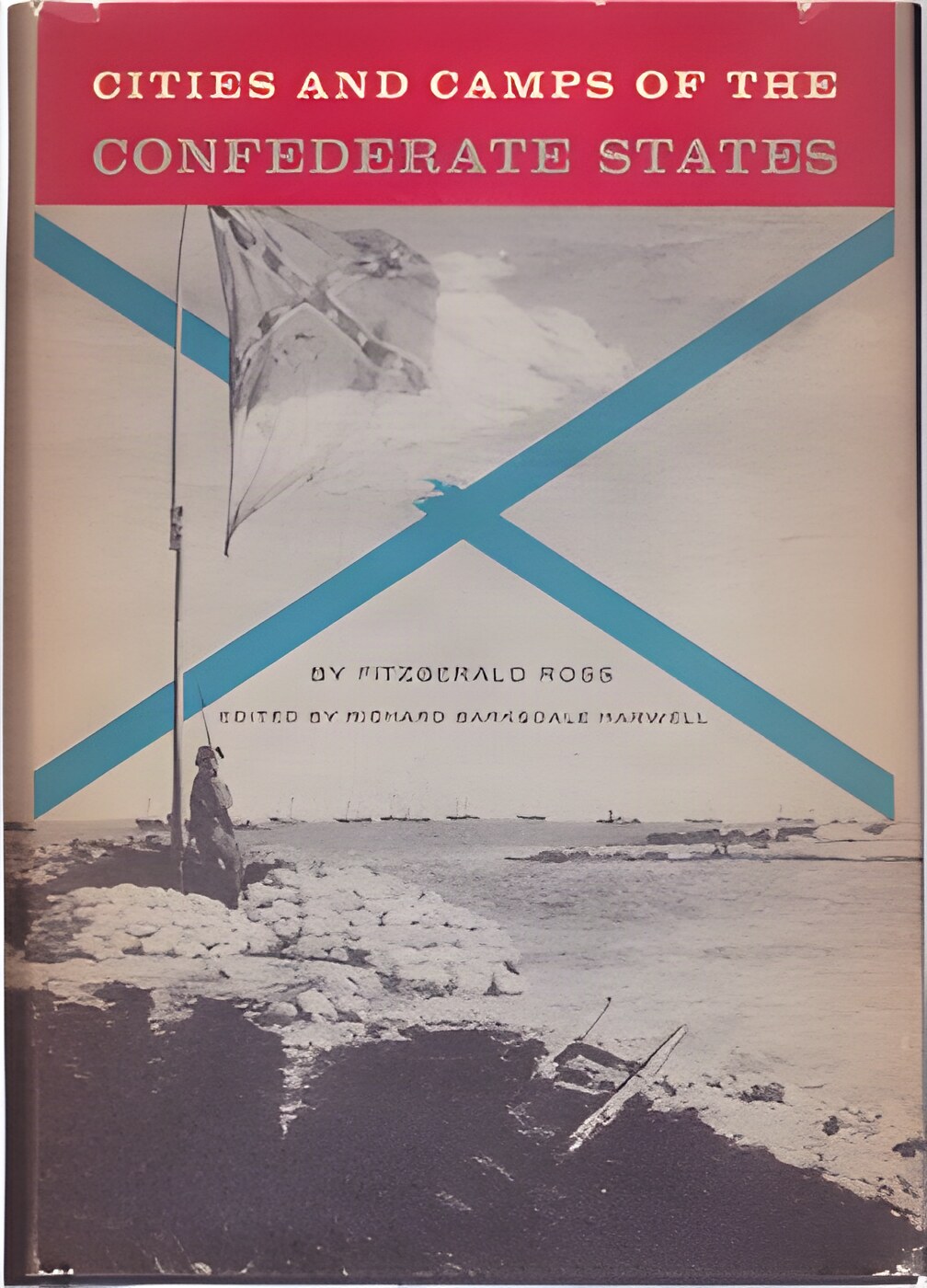
Hardcover. Urbana IL, University of Illinois Press, 1st, 1958, Book: Very Good, Dust Jacket: Very Good, Hardcover in a lightly worn dust jacket, 262 pages, b&w illustrations. A studied volume by an English military man and on-site witness to many of the events of the American Civil War enhanced with 16 pages of contemporary B&W photographs and drawings. The book was originally published in the 1860s and is one of the finest and most informative of the few records left by outside observers of the Confederacy in its own time. Name on front fly leaf otherwise clean.


 "Barnstormers & Daredevilsby: Tessendorf, K. C.")
 "Battle Field and Prison Pen, or Through the War, and Thrice a Prisoner in Rebel Dungeonsby: Urban, John W.")


 "Battle Fields of the South - From Bull Run to Fredericksburgh; With Sketches of Confederate Commanders, and Gossip of the Camps (Collector's Library of the Civil War)by:")
 "Battle of the Airfields, The - Operation Bodenplatte - 1st January 1945 (SIGNED BY AUTHOR)by: Franks, Norman")


 "Benedict Arnold: Military Racketeerby: Sullivan, Edward Dean")
 "Benjamin Rush: Revolutionary Gadfly by: David Freeman Hawke")
 "Black Jacks: African American Seamen in the Age of Sailby: W. Jeffrey Bolster")
 "Blazing Combatby: Goodwin, Archie")
 "Bolivar - American Liberatorby: Arana, Marie")


 "Breaking the Bismarcks Barrier: 22, July 1942-1 May, 1944 (History of United States Naval Operations in World War II, Vol. 6) by: Morison, Samuel Eliot")
 "Burnsideby: Marvel, William")


 "Campaigning With Crook and Stories of Army Lifeby: King, Captain Charles")
 "Campaigning with Grant (Collector's Library of the Civil War)by: Porte, Horace")
 "Campaigns of a Non-Combatant, and His Romaunt Abroad During the War (Collector's Library of the Civil War)by: Townsend, George Alfred")



 "Cheyennes and Horse Soldiers: The 1857 Expedition and the Battle of Solomon's Forkby: Chalfant, William Y.")