Hardcover. Chicago, A. C. McClurg and Co., reprint, 1934, Book: Very Good, Dust Jacket: None, 213 pages, 254 illustrations in color and b&w. First published in 1914, this is the 1934 reprint. Light yellow cloth with two-color design. Previous owner's signature, date on front fly leaf. Otherwise clean, very good.
Hardcover. NY, William Morrow & Co., 1st, 1957, Book: Very Good, Dust Jacket: None, Hardcover, tan cloth covers stamped in black. 126 pages, b&w illustrations by author.14 games such as guessing game, tross ball, toss and catch, Indian rattles, Hopi Kachinas. Name on inside front cover, otherwise clean.
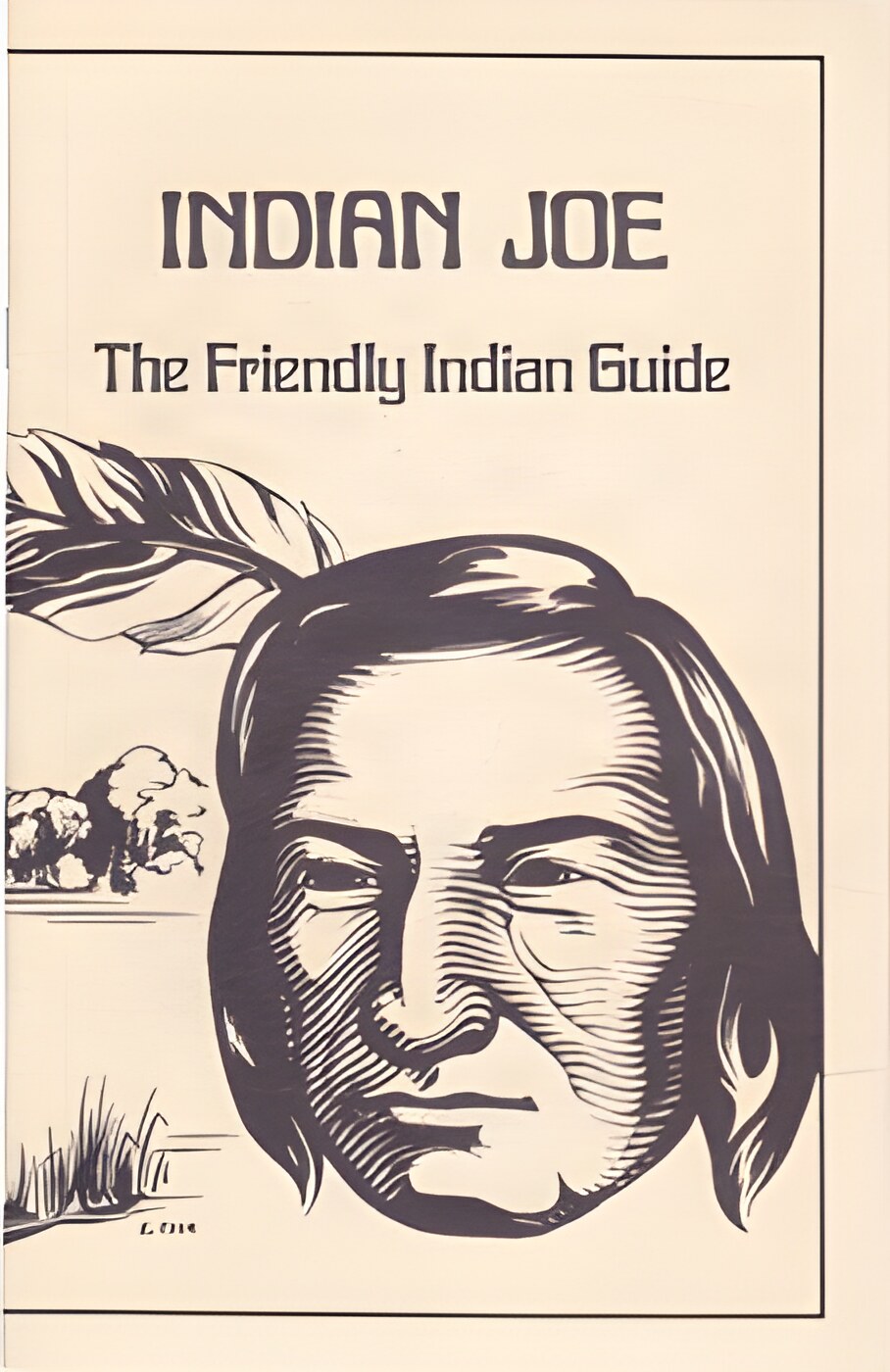
Softcover. West Danville VT, United Methodist Church, 1st, 1976, Book: Very Good, Dust Jacket: None, Softcover booklet, stapled wrappers, 16 pages. Indian Joe was a Native American guide active in the early conflicts and settlement of Vermont in the 1700s. B&w illustrations, photo of his tomb in the Oxbow cemetery in Newbury, Vermont. Clean copy.
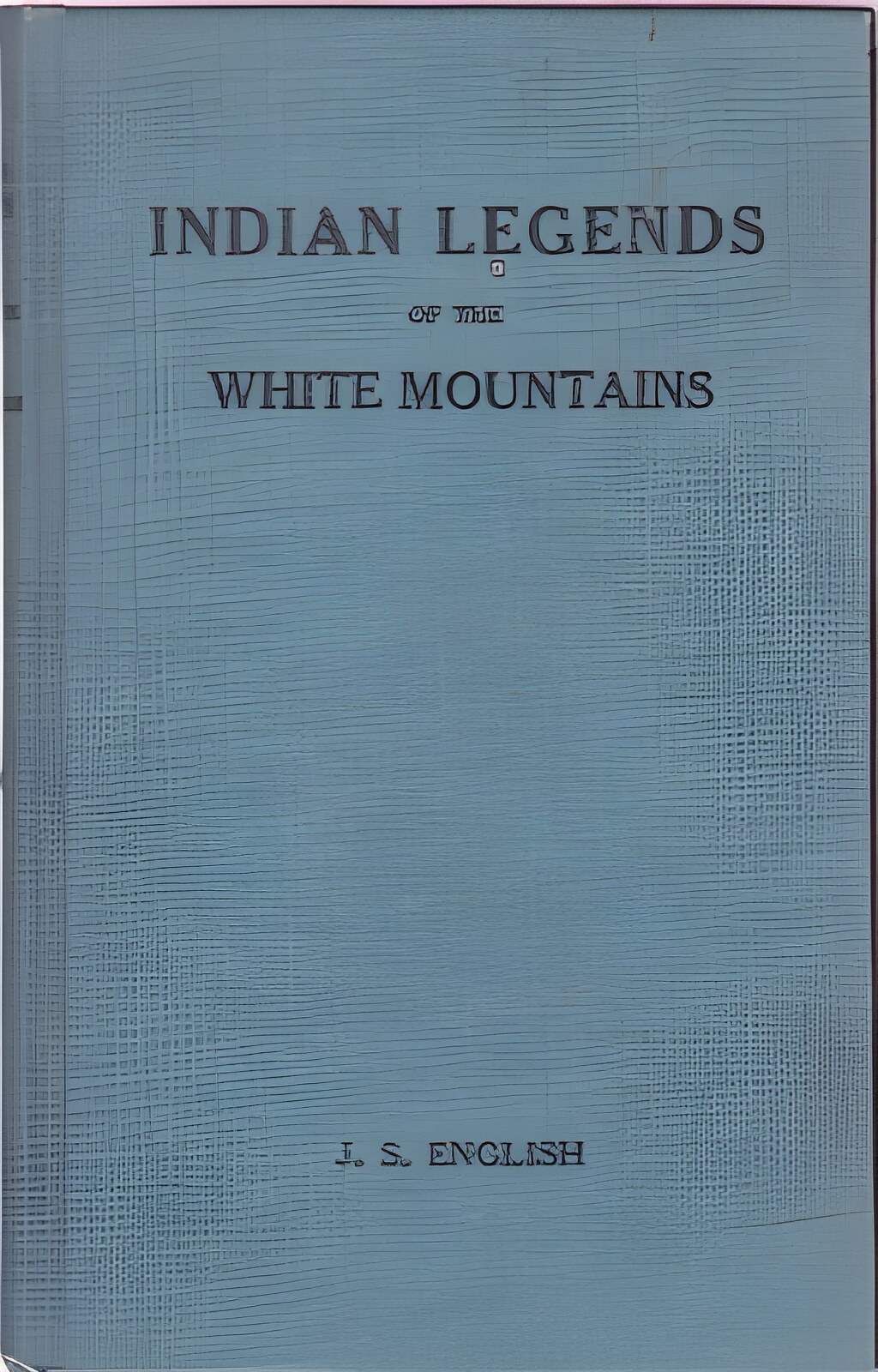
Hardcover. Boston, Rand Avery Company, 1st, 1915, Book: Very Good, Dust Jacket: None, Hardcover, blue cloth with black lettering, 92 pages, 7 b&w plates. A collection of folklore from in and around the "Crystal Hills" of New Hampshire gathered from tales of old settlers and records in historical societies and town libraries. Clean copy.
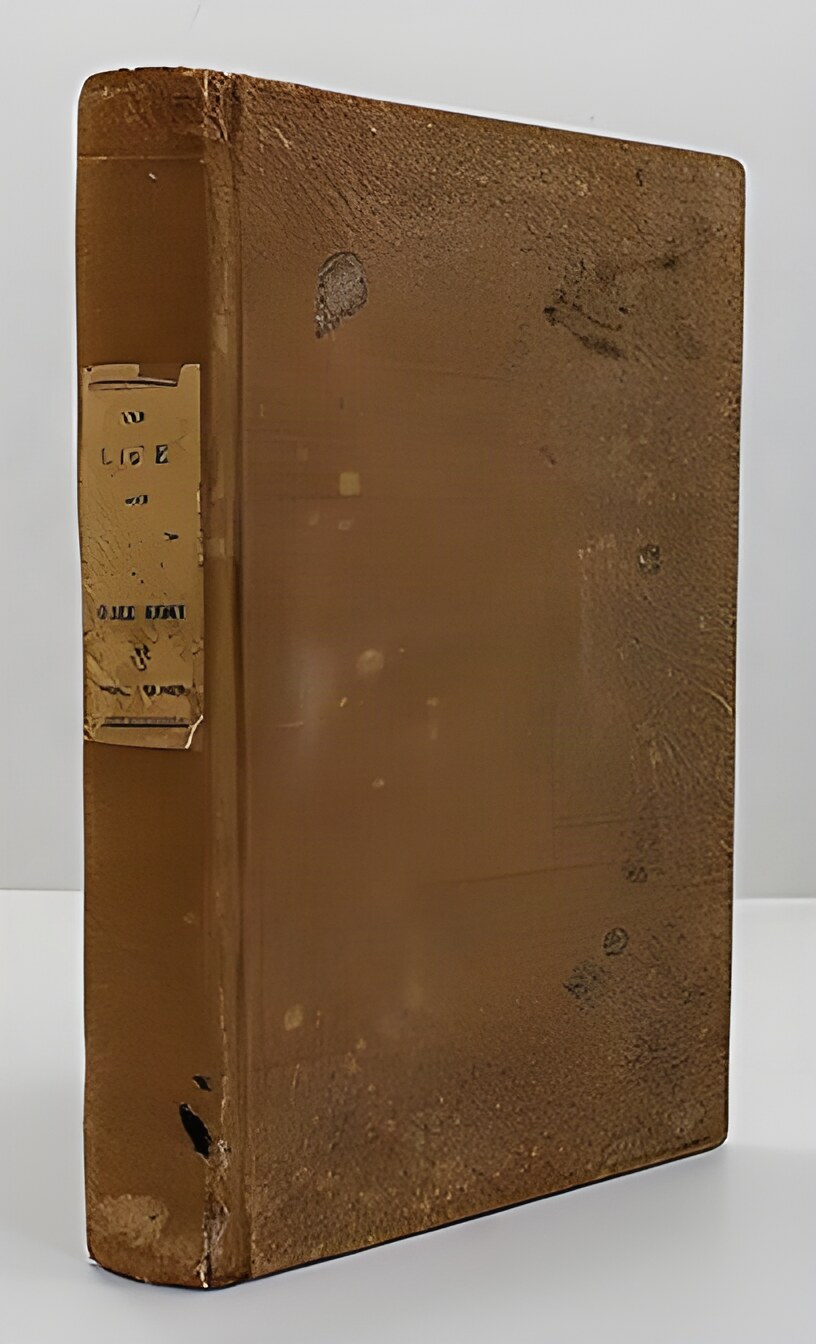
Hardcover. Hartford CT, Hurlbut, Scranton & Co., 1st, 1864, Book: Very Good, Dust Jacket: None, Hardcover, 763 pages, illustrated with many full-page plates, most hand-colored (including second title page). Leather bound with some splitting along spine edges. Black spine label with gilt lettering. Internally very good, minor foxing.
Hardcover. Chicago, M.A. Donohue and Co., 1st, 1940, Book: Very Good, Dust Jacket: None, Hardcover, pictorial boards with blue cloth spine.64 pages. Six full page color illustrations by Lone Wolf. Map on end papers. Edgewear rubbing to covers.
Softcover. Memphis, TN, The Dixon Gallery and Gardens, 1st, 1982, Book: Very Good, Dust Jacket: None, Softcover, 206 pages. With newspaper clipping slipped in. Illustrated in B&W and color. overall tight and clean copy. The narrative essays chart the routes taken by the American painters as they progressed from their experience at French communities to the re-establishment of their careers on native soil. Also included with the essays are the vivid artwork of these painters.
Softcover. Baltimore, John Hopkins University Press, 1st, 1995, Book: Very Good, Dust Jacket: None, Softcover in illustrated wrappers, 304 pages. Illustrated with B&W engravings. Jens Jensen was one of America's greatest landscape designers and conservationists. Using native plants and "fitting" designs, he advocated that our gardens, parks, roads, playgrounds, and cities should be harmonious with nature and its ecological processes-a belief that was to become a major theme of modern American landscape design. In Jens Jensen: Maker of Natural Parks and Gardens, Robert E. Grese draws on Jensen's writings and plans, interviews with people who knew him, and analyses of his projects to present a clear picture of Jensen's efforts to enhance and preserve "native" landscapes.
Hardcover. NY, Hudson Hills Press, 1st, 2000, Book: Very Good, Dust Jacket: Very Good, Hardcover in a bright dust jacket. The American son of great German Surrealist master Max Ernst, Jimmy Ernst (1920-1984) developed a distinct style, marrying abstract, crystalline form to sirituality, influenced by jazz and Native American culture. 166 pages, 44 b&w, 62 color plates. Considers the life and work of German-born American expressionist Jimmy Ernst (1920-1984). Brings together reproductions of his finest paintings, along with a tribute by Kurt Vonnegut, two revelatory interviews, poems by Louis Simpson, a selection of the artist's own writings, and a monographic essay by Donald Kuspit. Includes a chronology, exhibitions and collections histories, and a bibliography. Features an essay combining biography, art criticism, and psychological analysis, interviews, and more. Preface by Kurt Vonnegut. Clean copy.
Hardcover. Woodstock VT, Countryman Press, 4th pr., 1999, Book: Very Good, Dust Jacket: Very Good, Hardcover in a bright, price-clipped dust jacket, 416 pages, b&w illustrations. Now largely forgotten, the massacres of 1675 to 1676, known as King Philip's War, ended the harmonious relations that had existed between native Americans and the colonists since their arrival at Plymouth Rock in 1620. Tensions had been rising as the number of settlers grew, and the pillaging of an outlying farm by affronted young braves escalated into open hostilities. Pitched battles were fought from Rhode Island to Maine. Hundreds of English died as farmers fled and cowered behind stockades or in the few port towns. Thousands of natives were slaughtered and the rest dispersed or sold into slavery in the West Indies. The savagery resulted in the clearing of the native populations from southern New England and the unopposed expansion of the New England colonies. It also became the brutal model on which the United States came to deal with its native peoples. King Philip's War tells the story with such close attention to detail that each ambush, each burned-out farm, becomes a vivid image. The authors make abundant use of maps and photographs of old sites to enable the reader to follow the course of the war: the book forms an exhaustive guide for the armchair historian or anyone wishing to visit the monuments and battlefields today. Clean copy.
Hardcover. Athens GA, University of Georgia Press, 1st, 2015, Book: Very Good, Dust Jacket: Very Good, Hardcover in a bright dust jacket. 254 pages, b&w illustrations. George Alexander Grant is an unknown elder in the field of American landscape photography. Just as they did the work of his contemporaries Ansel Adams, Edward Weston, Eliot Porter, and others, millions of people viewed Grant's photographs; unlike those contemporaries, few even knew Grant's name. Landscapes for the People shares his story through his remarkable images and a compelling biography profiling patience, perseverance, dedication, and an unsurpassed love of the natural and historic places that Americans chose to preserve. A Pennsylvania native, Grant was introduced to the parks during the summer of 1922 and resolved to make parks work and photography his life. Seven years later, he received his dream job and spent the next quarter century visiting the four corners of the country to produce images in more than one hundred national parks, monuments, historic sites, battlefields, and other locations. He was there to visually document the dramatic expansion of the National Park Service during the New Deal, including the work of the Civilian Conservation Corps. Grant's images are the work of a master craftsman. His practiced eye for composition and exposure and his patience to capture subjects in their finest light are comparable to those of his more widely known contemporaries. Nearly fifty years after his death, and in concert with the 2016 centennial of the National Park Service, it is fitting that George Grant's photography be introduced to a new generation of Americans.
Softcover. Fort Worth TX, Amon Carter Museum, 1st, 1986, Book: Good, Dust Jacket: None, Softcover in sun faded wraps, 339 pages. Laura Gilpin (1891-1979) was a photographer of the American Southwest for over sixty years. She was intrigued by the Navajo Indians but also made excursions to other parts of the United States and to Yucatan as well as documenting life during the Great Depression. The book accompanied a retrospective exhibition and includes a chronological bibliography of her other exhibitions and published work. 167 superb full-page reproductions in tritone, color and duotone. Paper cover with wear, inside bright and clean. DOMESTIC SHIPPING ONLY.
Hardcover. Cincinnati OH, George Conclin, 6th Ed., 1841, Book: Very Good, Dust Jacket: None, Hardcover, 288 pages, 9 b&w woodcut illustrations. Sixth edition, first published in 1838. Tan cloth, paper label on spine, label is chipped, worn in areas. Covers with light soil. Still, internally a tight, clean copy with light foxing.
Hardcover. NY, Time Life, reprint, 1983, Book: Very Good, Dust Jacket: None, 456 pages. Hardcover with no dust jacket. Dark blue leather bound with gilt titles to front cover and spine. Embossed decoration on front cover. Gilt text block edges, red ribbon marker. Clean, tight copy. In 1861 William Watson, a native Scot who had established himself as a Louisiana businessman, enlisted in the Confederate forces although still a British subject. In 1887 he penned his memoirs "to give", he said, "a simple narrative of my experience in a war campaign". Far from simple, Watson's work clearly and forcefully describes his experiences with the 3rd Louisiana infantry in battles at Wilson's Creek and Pea Ridge while depicting the mundane aspects of camp life and providing delightful and colorful character sketches of fellow soldiers and officers, including the legendary General Ben McCulloch. But Watson offers much more than the story of a soldier's life. He also provides an excellent depiction of southern society undergoing the crisis of secession and the tumultuous early years of the Civil War.
Hardcover. Kansas City, MO, Tell-Well Press, 1st, 1948, Book: Very Good, Dust Jacket: Good, Nonpaginated. Hardcover. Decorated endpapers. Vivid color illustrations throughout. Dust jacket unclipped, has some age wear, still intact and wrapped in protective brodart. Cover boards decorated with same image as dust jacket. Covers have a little soil a top and age wear. Clean inside and in great shape for its age.
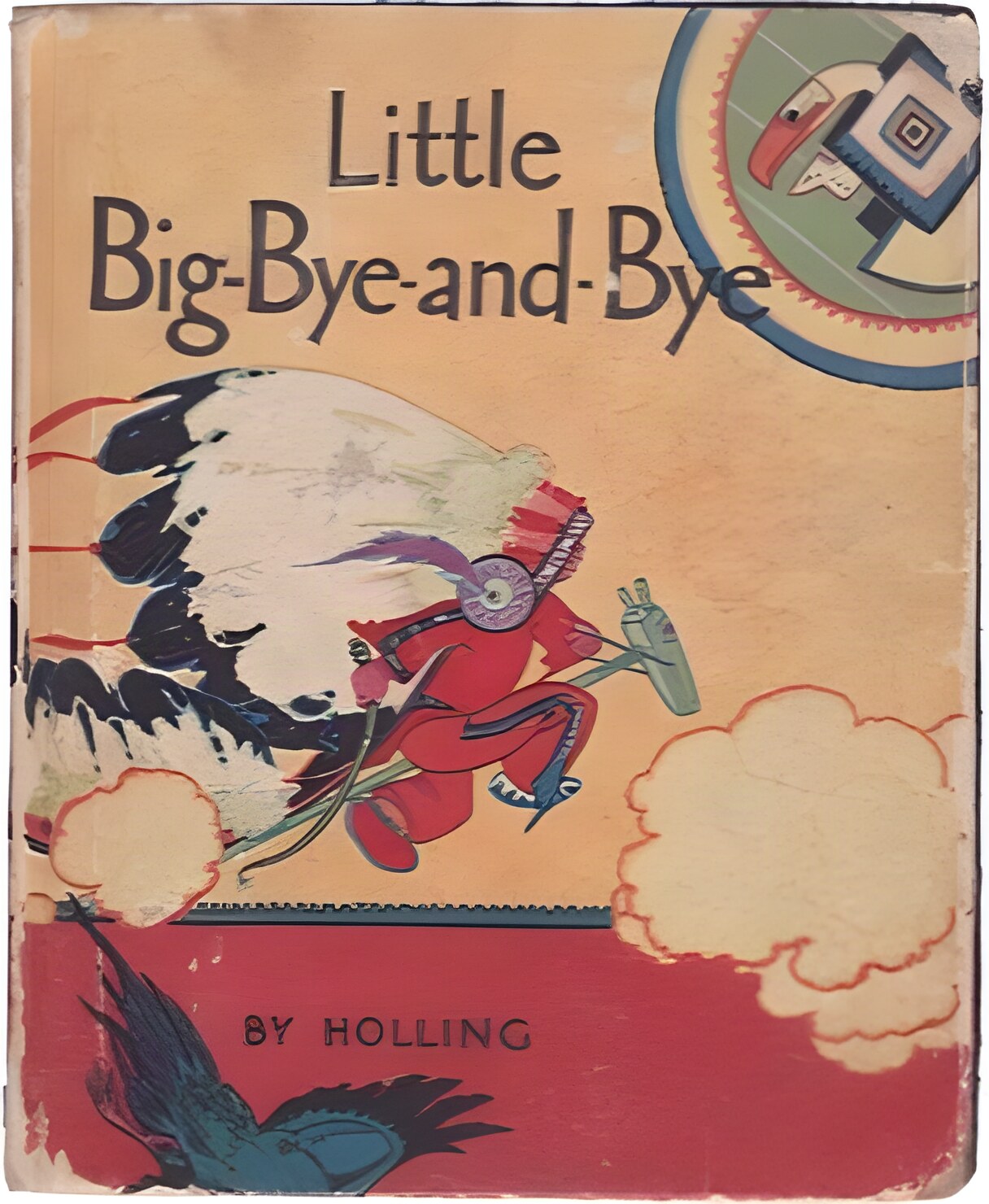
Hardcover. Joliet IL, P.F. Volland Company, reprint, Book: Fair, Dust Jacket: None, Hardcover, pictorial boards. This delightful storybook tells about Little Big Bye-and-Bye who really REALLY wants a pony! His father told him he can have one when he is bigger, which seems marvelous at first - until he realizes he's not very big yet. Story and illustrations are by Holling Clancy Holling, who wrote and illustrated many wonderful Indian books such as "Claws of the Thunderbird", "Paddle-to-the-Sea", "Tree in the Trail" and others. The Hollings lived among Native Americans for a time, and their books have been praised for their authenticity. Boards lightly worn/soiled, mild thumbing, wrinkling to pages. Colors bright.
Hardcover. US, Combined Books, 1st, 1993, Book: Very Good, Dust Jacket: Very Good, Hardcover, 312 pages, b&w illustrations. Light shelf-wear to dust jacket, else a clean, tight copy. The destruction of George Armstrong Custer's command at Little Bighorn by the Sioux and Northern Cheyenne on 25 June, 1876 has been etched in the national memory and has remained one of America's longest lingering controversies. The Little Bighorn Campaign penetrates the mysteries of Custer's disaster as well as the broader context of the 1876 campaign against the Sioux.
Hardcover. New York, Frederick A. Stokes, 1st, 1902, Book: Very Good, Dust Jacket: None, 42 pages. Hardcover. Features 6 full color and black & white illustrations in text by Edwin Willard Deming. Short separations of preliminary pages from interior hinge at top and bottom. Areas of foxing and abrasion to title page. Printers unusual binding method has created creasing before the page margins. Short closed tears on some pages. Front cover pastedown intact with some surface abrasions. Scarce.
Hardcover. NY, Grosset & Dunlap, 1st, 1934, Book: Very Good, Dust Jacket: Good, Hardcover in a bright, unclipped dust jacket with minor soil, tape repair. Frontispiece illustrated by Lee Haynes. Many illustrations in b/w, a few indicate B. Stevenson as artist, the rest are not specifically identified. Illustrated end papers. The story of the life of an Indian boy- his adventures are closely interwoven with the habits, customs and beliefs of his people.
hardcover. NY, Viking Press, 12th pr., 1967, Book: Very Good, Dust Jacket: Good, Hardcover. Black & white illustrations by Paul Lantz. Very Good with worn dj. Previous owner's inscription front fly leaf. The beautiful rhythms of the Navajo life in Red Rocks Country of Arizona for a young girl named Doli, who must face the outer world in this coming of age story.
Hardcover. NY, Viking Press, 1st, 1943, Book: Good, Dust Jacket: None, Hardcover, blue cloth with maroon stamping, 143 pages, b&w illustrations by Paul Lantz. Very light paper residue to rear endpapers indicating ex-lib, but otherwise clean with no marking, stamping. Covers with mild soil, spine fading.
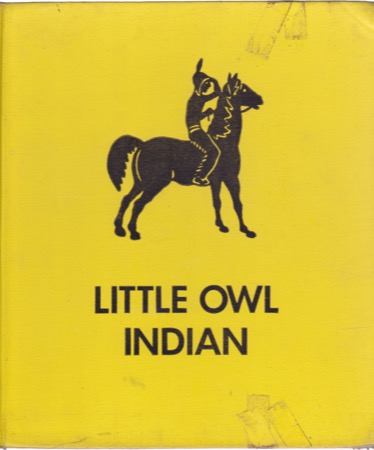
Hardcover. Boston, Houghton Mifflin, reprint, Book: Good, Dust Jacket: None, Hardcover, yellow cloth with black stamping. 32 pages illustrated with bold colors by the author. A young Indian boy gives timely warning of a forest fire, saving both the wild animals and his people. Tape residue on covers where dj was taped to book, light stamp to front endpaper. Ex-lib. Interior clean.
Hardcover. NY, Farrar, Straus and Giroux, 1st, 1971, Hardcover in a bright dust jacket, 378 pages. From dust jacket notes: "For most Americans, the Second World War started on December 7, 1941, and much of the fighting took place in strange, faraway places. For the British, the war started on September 3, 1939, and much of the action took place in the skies over England. In the spring of 1940, after months of uneasy calm, Germany invaded the Lowlands and conquered France within a few days, leaving England without her only meaningful ally on the Continent. A year would pass before the Soviet Union was drawn into the war, and eighteen months before the Japanese attacked Pearl Harbor. The United Kingdom, with a land area about the size of Wyoming, was alone, all alone, with only the Straits of Dover separating the island from Hitler's war machine. For six years Mollie Panter-Downes covered the war for The New Yorker magazine from her native England. Even at the height of the air war over London, when 'all that is best in the good life of civilized effort appears to be slowly and painfully keeling over,' she continued to file her fortnightly reports in an understated but dramatic fashion that reflected the fortitude of her fellow countrymen: 'The announcements of the first air-raid deaths are beginning to appear in the obituary columns of the morning papers. No mention is made of the cause of death, but the conventional phrase "very suddenly" is always used.' William Shawn, editor of The New Yorker, has assembled Miss Panter-Downes' 'Letter from London' columns into a consecutive, on-the-spot chronicle of the war in England."
Hardcover. Scarsdale NY, Bradbury Press, 2nd pr., 1973, Book: Very Good, Dust Jacket: Very Good, Hardcover in a lightly worn, unclipped dust jacket. Color illustrations by Paul Goble. Two young Sioux join in a raiding party to capture horses from some neighboring Crows. Front endpapers with stamp inside front cover, otherwise clean.

 "Indian Blankets and Their Makersby: James, George Wharton")


 "Indian Races of North and South America, The: Including the Late Sioux War and Indian Massacre in Minnesotaby: Brownell, Charles de Wolf")
 "Indians Of Yesterdayby: Gridley/Lone Wolf, Marion E.")
 "International Episode, An: Millet, Monet and their North America Counterpartsby: Meixner, Laura L.")
 "Jens Jensen: Maker of Natural Parks and Gardensby: Grese, Robert E.")


 "Laura Gilpin: An Enduring Grace by: Sandweiss, Martha A.")
 "Life in the Confederate Army: Being the Observations and Experiences of an Alien in the South During the American Civil War (Collector's Library of the Civil War)by:")
 "Lightning: A Cowboy's Coltby: Martin, Bill, Bernard Martin")


 "Little Bighorn Campaign, The : March-September 1876 (Great Campaigns Series)by: Sarf, Wayne Michael")
 "Little Brothers of the Westby: Deming, Edwin Willard/Therese O. Demig")
 "Little Indian (Little Indian Series) by: Cory, David")
 "Little Navajo Bluebirdby: Clark/Paul Lantz, Ann Nolan")
 "Little Navajo Bluebirdby: Clark/Paul Lantz, Ann Nolan")


 "London War Notes 1939-1945by: Mollie Panter Downes")
 "Lone Bull's Horse Raidby: Paul and Dorothy Goble")