Hardcover. Ithaca NY, Cornell University Press, 2nd pr., 1975, Book: Very Good, Dust Jacket: Good, Hardcover in a lightly worn, rubbed dust jacket, 576 pages. Name on front fly leaf, otherwise clean.
Hardcover. NY, Negro Universities Press, reprint, 1969, Book: Very Good, Dust Jacket: None, Hardcover, 175 pages. Brown cloth covers with gilt lettering. Originally published in 1864 by the American Anti-Slavery Society. Introduction by William Lloyd Garrison, President. Name on front fly leaf, otherwise clean.
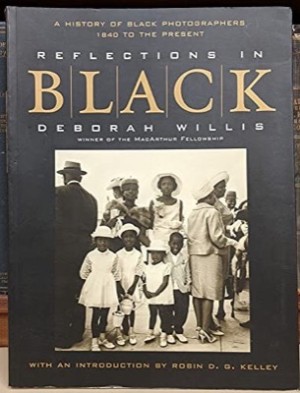
Softcover. NY, W. W. Norton & Company, 1st, 2000, Book: Very Good, Dust Jacket: None, Softcover, 348 pages. Reflections in Black, the first comprehensive history of black photographers, is a groundbreaking pictorial collection of African American life. Featuring the work of undisputed masters such as James VanDerZee, Gordon Parks, and Carrie Mae Weems among dozens of others, this book is a refutation of the gross caricature of black life that many mainstream photographers have manifested by continually emphasizing poverty over family, despair over hope. Nearly 600 images offer rich, moving glimpses of everyday black life, from slavery to the Great Migration to contemporary suburban life, including rare antebellum daguerrotypes, photojournalism of the civil rights era, and multimedia portraits of middle-class families. DUE TO WEIGHT, DOMESTIC SHIPPING ONLY.
Hardcover. Hampton, VA, Hampton Institute Press, 1st, 1927, Book: Very Good, Dust Jacket: Poor, Hardcover, dark blue cloth with gilt lettering on front cover and spine, 236 pages plus appendix. A scarce collection of traditional hymns, gospel, folk songs and "Songs of Tribulation" of the American Negro. An historical document of African-American culture and the history of slavery. Songs in musical score with lyrics. A tight, generally unmarked and clean volume with nice cloth and clear gilt, In a poor dust jacket with chipping and tape repairs. Name on front fly leaf otherwise clean.
Hardcover. NY, The New Press , 1st, 1998, Book: Very Good, Dust Jacket: Very Good, Hardcover book with a bright dust jacket in a slipcase that also includes interview tapes. A startling first-person history of slavery. Using excerpts from the thousands of interviews conducted with ex-slaves in the 1930s by researchers working with the Federal Writers' Project, the astonishing audiotapes made available the only known recordings of people who actually experienced enslavement-recordings that had gathered dust in the Library of Congress until they were rendered audible for the first time specifically for this set. Two sixty-minute audiotapes: the first is original recordings of former slaves recorded in the 1930s, the second features dramatic readings by Esther Rolle, James Earl Jones and other black artists. Foreword by Robin D. G. Kelley.
NY, Crown, 1st, 2018, Book: Very Good, Dust Jacket: Very Good, Hardcover in a bright, unclipped dust jacket. The monumental life of Benjamin Rush, medical pioneer and one of our most provocative and unsung Founding Fathers. By the time he was thirty, Dr. Benjamin Rush had signed the Declaration of Independence, edited Common Sense, toured Europe as Benjamin Franklin's protege, and become John Adams's confidant, and was soon to be appointed Washington's surgeon general. And as with the greatest Revolutionary minds, Rush was only just beginning his role in 1776 in the American experiment. As the new republic coalesced, he became a visionary writer and reformer; a medical pioneer whose insights and reforms revolutionized the treatment of mental illness; an opponent of slavery and prejudice by race, religion, or gender; an adviser to, and often the physician of, America's first leaders; and "the American Hippocrates." Rush reveals his singular life and towering legacy, installing him in the pantheon of our wisest and boldest Founding Fathers.
Softcover. Urbana IL, University of Illinois Press, reprint, 2003, Book: Very Good, Dust Jacket: None, Softcover, 433 pages. From the plaintive tunes of woe sung by exiled kings and queens of Africa to the spirited worksongs and "shouts" of freedmen, enslaved people created expansive forms of music from the United States to the West Indies and South America. Dena J. Epstein's classic work traces the course of early black folk music in all its guises. Anchored by groundbreaking scholarship, it redefined the study of black music in the slavery era by presenting the little-known development of black folk music in the United States. Her findings include the use of drums, the banjo, and other instruments originating in Africa; a wealth of eyewitness accounts and illustrations; in-depth look at a wide range of topics; and a collection of musical examples. This edition offers an author's preface that looks back on the twenty-five years of changes in scholarship that followed the book's original publication. Clean copy.
Softcover. UK, Cambridge University Press, Reprint, 2004, Book: Very Good, Dust Jacket: None, 236 pages. Softcover. Binding tight. Some underlining in pencil on a few pages, otherwise clean inside. A touch of foxing to top edge. Wrapper in great shape. Looks great.
Hardcover. Urbana IL, University of Illinois Press, 1st, 1964, Book: Very Good, Dust Jacket: Good, Hardcover in a dust jacket with two small holes to front cover, 227 pages with index. "Slavery was a social and an economic institution of such power that it sustained and extended an economic system whose demands went far to determine the domestic and foreign policy of the "agrarian" party in our early history. For the agrarian politics of Jefferson, while possibly benefiting the small freeholder, very closely served the interests of the plantation system, at least as the planters conceived their interests." Name on front fly leaf, otherwise clean.
Softcover. NY, Harcourt Brace and World, 1st pbk, 1966, Book: Good, Dust Jacket: None, Softcover, 261 pages. For whom was slavery profitable? Did it aid the slave, slaveowner, nonslaveholder, the South or all America? The readings here seek to clarify such questions. Front cover with light wear to fore-edge otherwise clean.
Softcover. Montgomery AL, Equal Justice Initiative, 1st, 2014, Book: Very Good, Dust Jacket: None, Softcover, 58 pages. Slavery in America: The Montgomery Slave Trade documents American slavery and Montgomery's prominent role in the domestic slave trade. The report is part of a project focused on developing a more informed understanding of America's racial history and how it relates to contemporary challenges.
Softcover. NY, The New Press, 1st, Book: Very Good, Dust Jacket: None, Softcover, 403 pages. Edited by Ira Berlin, the Bancroft Prize-winning author of Many Thousands Gone, and Leslie Harris, Slavery in New York brings together twelve new contributions by leading historians of slavery and African American life in New York. Published to accompany a major exhibit at the New York Historical Society, the book demonstrates how slavery shaped the day-to-day experience of New Yorkers, black and white, and how, as a way of doing business, it propelled New York to become the commercial and financial power it is today. Powerfully illustrated with images from the New York Historical Society exhibit, Slavery and the Making of New York will be the definitive account of New York's slave past.
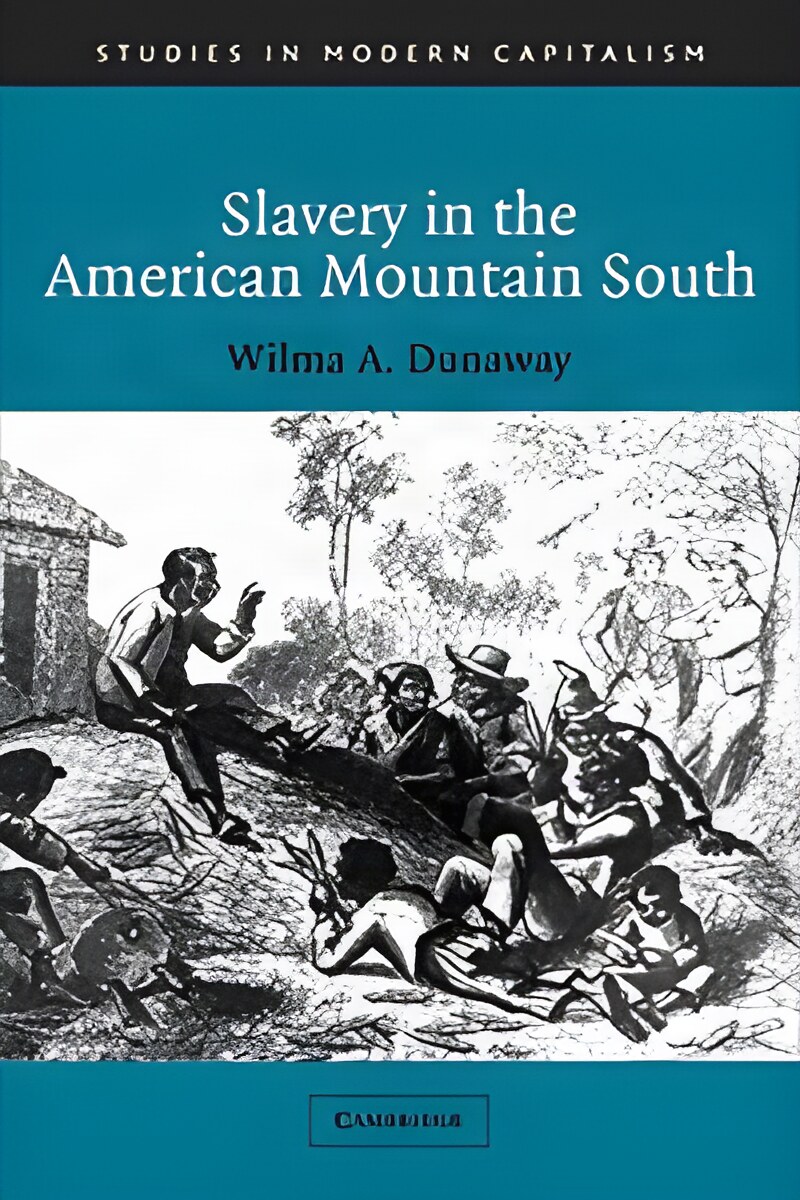
Softcover. UK, Cambridge University Press, 1st pbk, 2003, Book: Very Good, Dust Jacket: None, Softcover, 352 pages, b&w illustrations. Wilma Dunaway breaks new ground by focusing on slave experiences on small plantations in the Upper South. She argues that a region was not buffered from the political, economic, and social impacts of enslavement simply because it was characterized by low black population density and small slaveholdings. By drawing on a massive statistical data base derived from antebellum census manuscripts and county tax records of 215 counties in nine states, on a vast array of slaveholder manuscripts, and on regional slave narratives, she pinpoints several indicators that distinguished Mountain South enslavement from the Lower South. These include a higher incidence of ethnic mixing between African and Native American slaves, heavier reliance on the field labor of women and children, and more frequent assignment of slaves to non-agricultural occupations. Dunaway also calls into question the notion that large numbers were necessary before slaves could engage in community building and resistance. Clean, bright copy.
Hardcover. NY, Farrar, Straus & Giroux, 3rd pr., 1968, Book: Very Good, Dust Jacket: Very Good, Hardcover in a lightly worn dust jacket, 290 pages. This book about slavery and the southern plantation system includes writings by Nat Turner, Frederick Douglass, Thomas Jefferson, and many others. Name on a blank prelim page, otherwise clean.
Hardcover. New York, John S. Taylor, 2nd pr., 1837, Book: Good, Dust Jacket: None, Hardcover, leather bound with gilt design on front and rear covers, spine also with gilt design with the title Cabinet of Freedom (the series under which the publisher issued this narrative). 517 pages with an extra illustrated title page dated 1836, the regular title page dated 1837. All edges gilt. First published by John Shugert in Lewistown PA a year earlier. Written with the help of Isaac Fisher, a white Philadelphia lawyer, who declares in his preface that he has edited the oral narrative Ball had dictated to him to omit any beliefs or feelings Ball may have expressed about slavery. This declaration of significant editing has led scholars to debate the authenticity of Ball's narrative, but most agree that it represents a true story. Ball describes his experiences as a slave, including the uncertainty of slave life and the ways in which the slaves are forced to suffer harsh and inhumane conditions. In particular, he recounts the qualities of his various masters, and the ways in which his fortune depended on their temperament. The leather has separated from the spine of the book but appears to be very repairable. The first 3 pages loose (a blank leaf and the two title pages), there is a light stain to the illustrated one and light foxing. The interior of the book is clean, tight with minimal foxing throughout.
Hardcover. Westport CT, Greenwood Press, 1st, 2003, Book: Very Good, Dust Jacket: None, Hardcover, glazed pictorial boards, 177 pages. Postma draws on primary sources and current historical scholarship to offer secondary readers and researchers a comprehensive and well-written history. He covers the entire Atlantic slave trade era, from the 1400s to the final abolition of chattel slavery in the New World in 1888. The focus is on Africa and the entire New World. While he describes the many horrors of the Middle Passage, he also examines how the slave trade contributed to the development of the modern international economy. The last chapters discuss the efforts to abolish the slave trade and its legacy. Throughout, Postma documents the sources that support his discussion and conclusions. Chapter notes are supplemented by an extensive annotated bibliography that includes books, articles, films, and electronic resources. The volume concludes with biographical sketches of important people and excerpts from primary documents written by enslaved Africans and white officials. The black-and-white reproductions of period illustrations add little to the text. Clean copy.
NY, St. Martin's Press, 1st, 2002, Book: Very Good, Dust Jacket: Very Good, Hardcover in a bright, unclipped dust jacket. A masterful, definitive, and eloquent look at the enormous cultural and economic impact on America of New England's textile mills. The author, an award-winning CBS producer, traces the history of American textile manufacturing back to the ingenuity of Francis Cabot Lodge. The early mills were an experiment in benevolent enlightened social responsibility on the part of the wealthy owners, who belonged to many of Boston's finest families. But the fledgling industry's ever-increasing profits were inextricably bound to the issues of slavery, immigration, and workers' rights. William Moran brings a newsman's eye for the telling detail to this fascinating saga that is equally compelling when dealing with rags and when dealing with riches. Clean copy.
Hardcover. Westholme Publishing, 1st, 2012, Book: Very Good, Dust Jacket: Very Good, Hardcover in a bright dust jacket, 374 pages, b&w illustrations. Bright, clean. INSCRIBED BY AUTHOR on title page. "Early in the afternoon of May 22, 1856, ardent pro-slavery Congressman Preston S. Brooks of South Carolina strode into the United States Senate Chamber in Washington, D.C., and began beating renowned anti-slavery Senator Charles Sumner with a cane until it splintered and the helpless Massachusetts senator lay unconscious and covered in blood. One of the most shocking and provocative events in American history, the caning convinced each side that the gulf between them was unbridgeable and that they could no longer discuss their vast differences of opinion regarding slavery on any reasonable level."
Hardcover. Lexington KY, University of Kentucky Press, 1st, 1968, Book: Very Good, Dust Jacket: None, Hardcover, light green cloth, 307 pages. This volume of Eaton's selected writings forms a rich and provocative mosaic of southern life from the years of Thomas Jefferson to the close of the Civil War. These selections, perceptively edited by Albert D. Kinvan, show the wide range of Eaton's interests, including the impact of slavery, the influence of religion, and the art of politics, and they demonstrate the depth of his insight into the civilization of the Old South. Name on front fly leaf, otherwise clean.
Hardcover. Washington DC, Counterpoint, 1999, Book: Very Good, Dust Jacket: Very Good, Hardcover, 642 pages. Hailed in 1849 as "a new department in the literature of civilization," the slave narrative forms the foundation of the African American literary tradition. From the late-eighteenth-century narratives by Africans who endured the harrowing Middle Passage, through the classic American fugitive slave narratives of the mid-nineteenth century, slave narratives have provided some of the most graphic and damning documentary evidence of the horrors of slavery. Riveting, passionate, and politically charged, the slave narrative blends personal memory and rhetorical attacks on slavery to create powerful literature and propaganda.The Civitas Anthology presents the seven classic antislavery narratives of the antebellum period in their entirety: The History of Mary Prince, a West Indian Slave , the first slave narrative published by a woman in the Americas; The Confessions of Nat Turner , written when Turner was asked to record his motivation for leading the bloodiest slave revolt in U.S. history; The Narrative of the Life of Frederick Douglass , an international bestseller and the first narrative to fashion the male fugitive slave into an African American cultural hero; The Narrative of William W. Brown , an account that explored with unprecedented realism the slave's survival ethic and the art of the slave trickster; The Narrative of the Life of Henry Bibb , the story of the struggles of the most memorable family man among the classic slave narrators; Running a Thousand Miles for Freedom , a gripping chronicle of one of the most daring and celebrated slave escapes ever recorded; and Incidents in the Life of Slave Girl , a dramatic text that exposed the sexual abuse of female slaves and pioneered the image of the fugitive slave woman as an articulate resister and survivor.Born out of lives of unparalleled suffering, the slave narrative captures all the bravery, drama, and hope that characterized the African American struggle against slavery. From these beginnings came some of the most influential novels in American literature, for the works of writers such as Harriet Beecher Stowe, Mark Twain, and Toni Morrison owe much of their power and social resonance to the slave narrative tradition. The Civitas Anthology gathers the most important narratives in this tradition into one volume for the first time, an indispensable resource for scholars, students, and general readers. Clean copy.
Hardcover. NY, Burdick Brothers, reprint, 1857, Book: Very Good, Dust Jacket: None, Hardcover, embossed brown cloth with gilt lettering on spine. Ninth thousand. The Impending Crisis is often considered the only popular antislavery work by a southern author prior to the outbreak of the Civil War. Helper (1829-1909)'s argument that "slavery was economically unsound" caused this work to be "officially banned in the South"; in the North, it "vied in popularity and influence with Uncle Tom's Cabin" (Howes). The book stoked fears among southern slaveholders that the "North would promote a class conflict among southern whites," and helped drive many towards secessionism. Bookplate on inside front cover, front fly leaf missing. Otherwise a clean copy in exceptionally nice condition.


 "Religious Folk Songs of the Negro as Sung at Hampton Institute by: Dett, R. Nathaniel")
 "Remembering Slavery: African Americans Talk About Their Personal Experiences of Slavery and Emancipationby: Ira Berlin/Marc Favreau/Steven Miller")


 "Rush: Revolution, Madness, and Benjamin Rush, the Visionary Doctor Who Became a Founding Fatherby: Stephen Fried")
 "Scriptural Ecclesiastical and Historical View of Slavery from the Days of the Patriarch Abraham to the Nineteenth Century Addressed to The Right Rev. Alonzo Potter by:")


 "Sinful Tunes and Spirituals: Black Folk Music to the Civil War Music in American Lifeby: Dena J. Epstein")
 "Slavery and African Life: Occidental, Oriental, and African Slave Tradesby: Manning, Patrick")
 "Slavery in America: The Montgomery Slave Tradeby: N/A Bryan Stevenson (Introduction)")
 "Slavery in New York by: Ira Berlin; Leslie Harris (Editors)")
![Slavery in the South: First-Hand Accounts of the Ante-Bellum American Southland from Northern & Southern Whites, Negroes, & Foreign Obervers by: Wish, Harvey [Ed.]](https://www.browsingisarousing.com/shop/images/Slavery-in-the-South-First-Hand-Accounts-of-the-Ante-Bellum-American-Southland-from-Northern-Souther396380-446228.jpg "Slavery in the South: First-Hand Accounts of the Ante-Bellum American Southland from Northern & Southern Whites, Negroes, & Foreign Obervers by: Wish, Harvey [Ed.]")
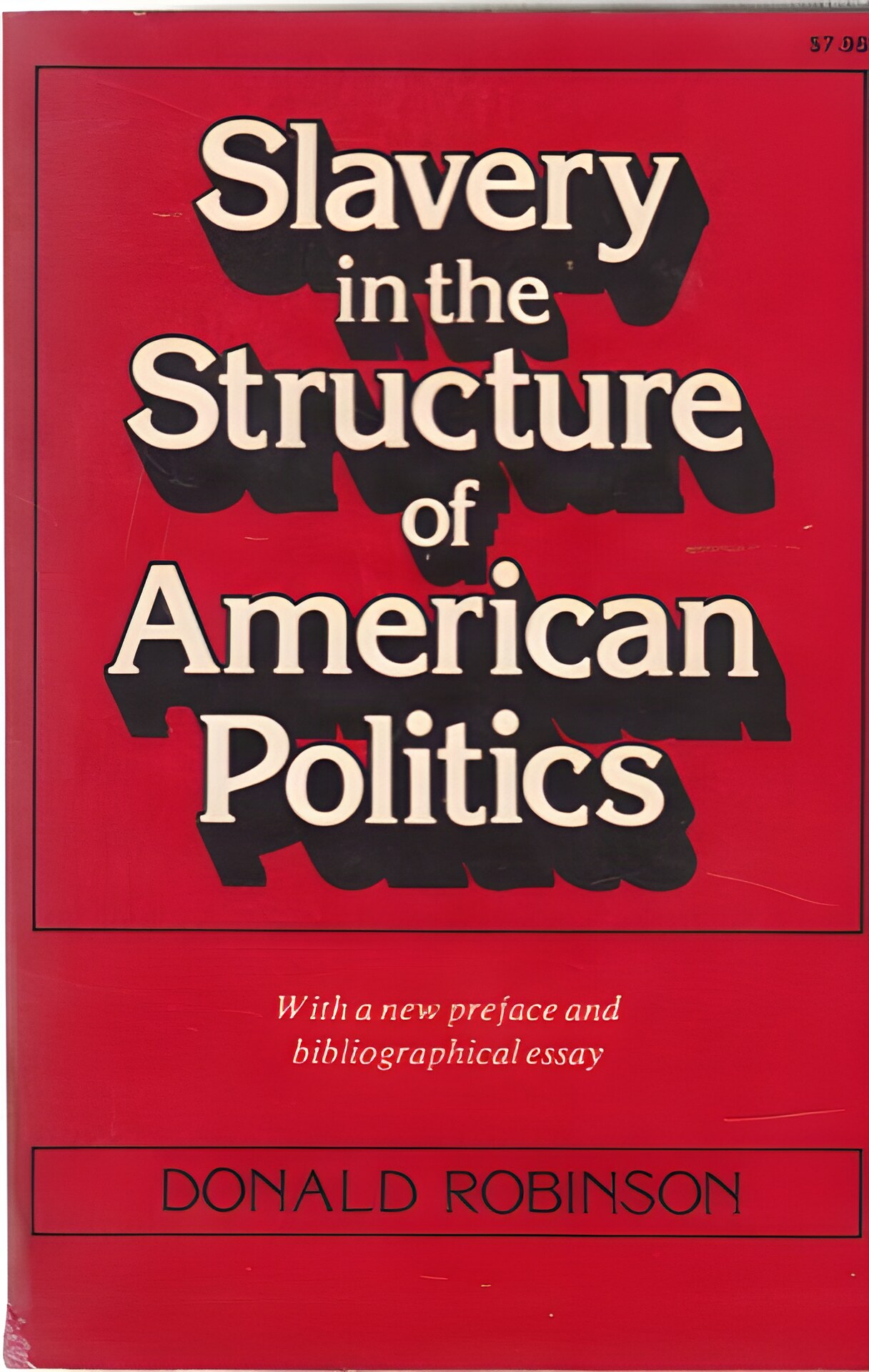
 "Slavery in the United States: A Narrative of the Life and Adventures of Charles Ball, a Black Man, Who Lived Forty Years in Maryland, South Carolina and Georgia, as a Slave Under Various Masters, and was One Year in the Navy with Com")
 "The Atlantic Slave Tradeby: Postma, Johannes")
 "The Belles of New England:The Women of the Textile Mills and the Families Whose Wealth They Woveby: Moran, William")
 "The Caning: The Assault That Drove America to Civil War (SIGNED COPY)by: Puleo, Stephen")

 "The Civitas Anthology of African American Slave Narratives by: William L. Andrews; Henry Louis Gates/editors")