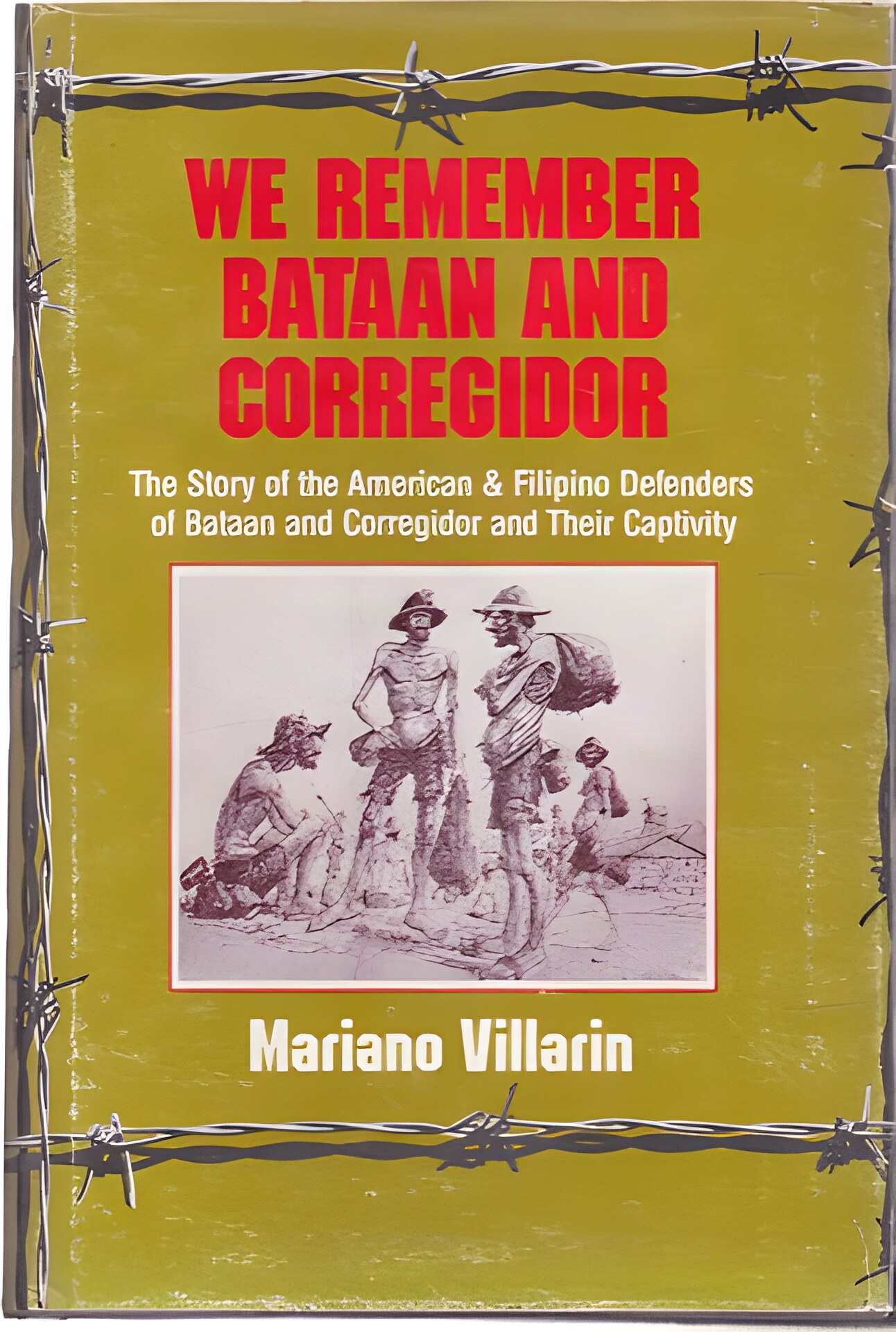
Hardcover. Baltimore, Gateway Press, 1st, 1990, Book: Very Good, Dust Jacket: Good, Hardcover in a lightly worn dust jacket, 335 pages, b&w illustrations. INSCRIBED BY THE AUTHOR on the title page to the previous owner, a Major in the US Air Force Reserve. His ownership signature on the front fly leaf. Otherwise clean.
Hardcover. NY, Atlantic Monthly Press , 1st, 2020, Book: Very Good, Dust Jacket: Very Good, Hardcover in a bright, unclipped dust jacket. In 1911, famed cartoonist Winsor McCay debuted one of the first animated cartoons, based on his sophisticated newspaper strip "Little Nemo in Slumberland," itself inspired by Freud's recent research on dreams. McCay is largely forgotten today, but he unleashed an art form, and the creative energy of artists from Otto Messmer and Max Fleischer to Walt Disney and Warner Bros.' Chuck Jones. Their origin stories, rivalries, and sheer genius, as Reid Mitenbuler skillfully relates, were as colorful and subversive as their creations-from Felix the Cat to Bugs Bunny to feature films such as Fantasia-which became an integral part and reflection of American culture over the next five decades. Pre-television, animated cartoons were aimed squarely at adults; comic preludes to movies, they were often "little hand grenades of social and political satire." Early Betty Boop cartoons included nudity; Popeye stories contained sly references to the injustices of unchecked capitalism. "During its first half-century," Mitenbuler writes, "animation was an important part of the culture wars about free speech, censorship, the appropriate boundaries of humor, and the influence of art and media on society." During WWII it also played a significant role in propaganda. The Golden Age of animation ended with the advent of television, when cartoons were sanitized to appeal to children and help advertisers sell sugary breakfast cereals.
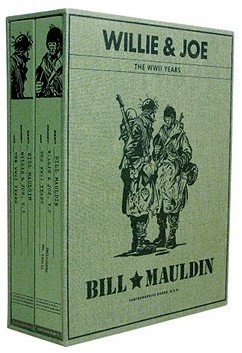
Hardcover. Seattle, Fantagraphics, 1st, 2008, Book: Very Good, Dust Jacket: None, Two hardcovers, 650 pages. The complete WWII cartoons of the greatest cartoonist of the Greatest Generation, in a beautiful, oversized, two-volume slipcased set. During WWII, the closest most Americans ever came to the war was through the cartoons of Bill Mauldin, the most beloved enlisted man in the U.S. Army. Fantagraphics Books brings together Mauldin's complete works from 1940 through the end of the war. This collection of over 600 cartoons, most never before reprinted, is more than the record of a great artist: it is an essential chronicle of America's citizen-soldiers from peace through war to victory. Bill Mauldin knew war because he was in it. He had created his characters, Willie and Joe, at age 18, before Pearl Harbor, while training with the 45th Infantry Division and cartooning part-time for the camp newspaper. His brilliant send-ups of officers were pure infantry, and the men loved it. With their heavy brush lines, detailed battlescapes, and pidgin of army slang and slum dialect, Mauldin's cartoons and captions recreated on paper the fully realized world of the American combat soldier. Their dark, often insubordinate humor sparked controversy among army brass and incensed General George S. Patton, Jr. DUE TO WEIGHT, DOMESTIC SHIPPING ONLY.
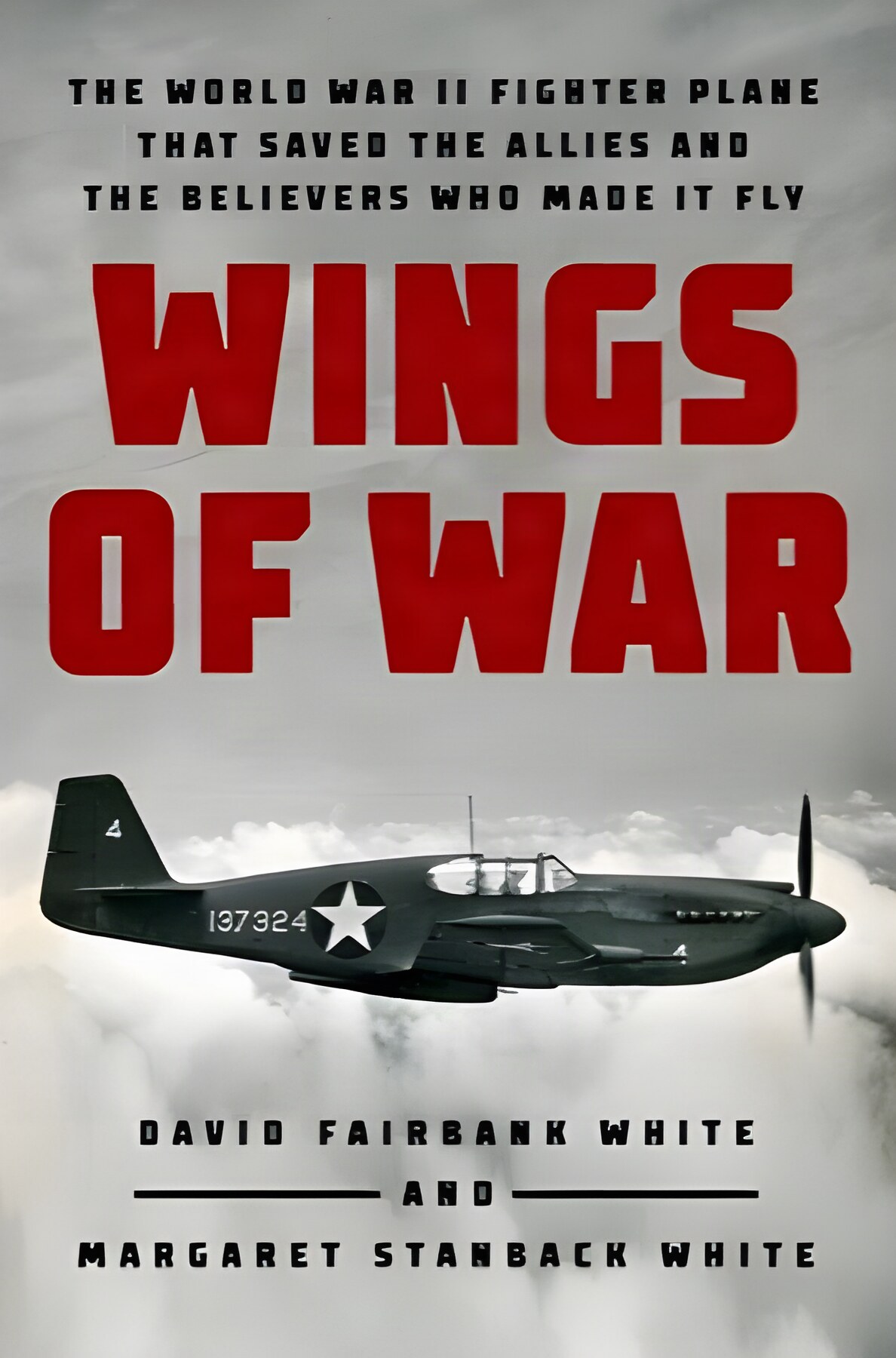
Hardcover. NY, Dutton Caliber, 1st, 2022, Book: Very Good, Dust Jacket: Very Good, Hardcover in a bright dust jacket, 324 pages, b&w illustrations. When the P-51 Mustang began tearing across European skies in early 1944, the Allies had been losing the air war for years. Staggering numbers of bomber crews, both British and American, had been shot down and killed thanks to the Luftwaffe's superior fighter force. Not only did the air war appear grim, but any landing of troops in France was impossible while German fighters hunted overhead. But behind the scenes, a team of visionaries had begun to design a bold new type of airplane, one that could outrun and outmaneuver Germany's best. Wings of War is the incredible true story of the P-51 Mustang fighter and the unlikely crew of designers, engineers, test pilots, and army officers who brought it from the drafting table to the skies over World War II. This is hardly a straightforward tale of building an airplane--for years, the team was stymied by corruption within the defense industry and stonewalled by the Army Air Forces, who failed to understand the Mustang's potential. But when squadrons of Mustangs were finally unleashed over Hitler's empire, the Luftwaffe was decimated within months, clearing the skies for D-Day. Clean copy.
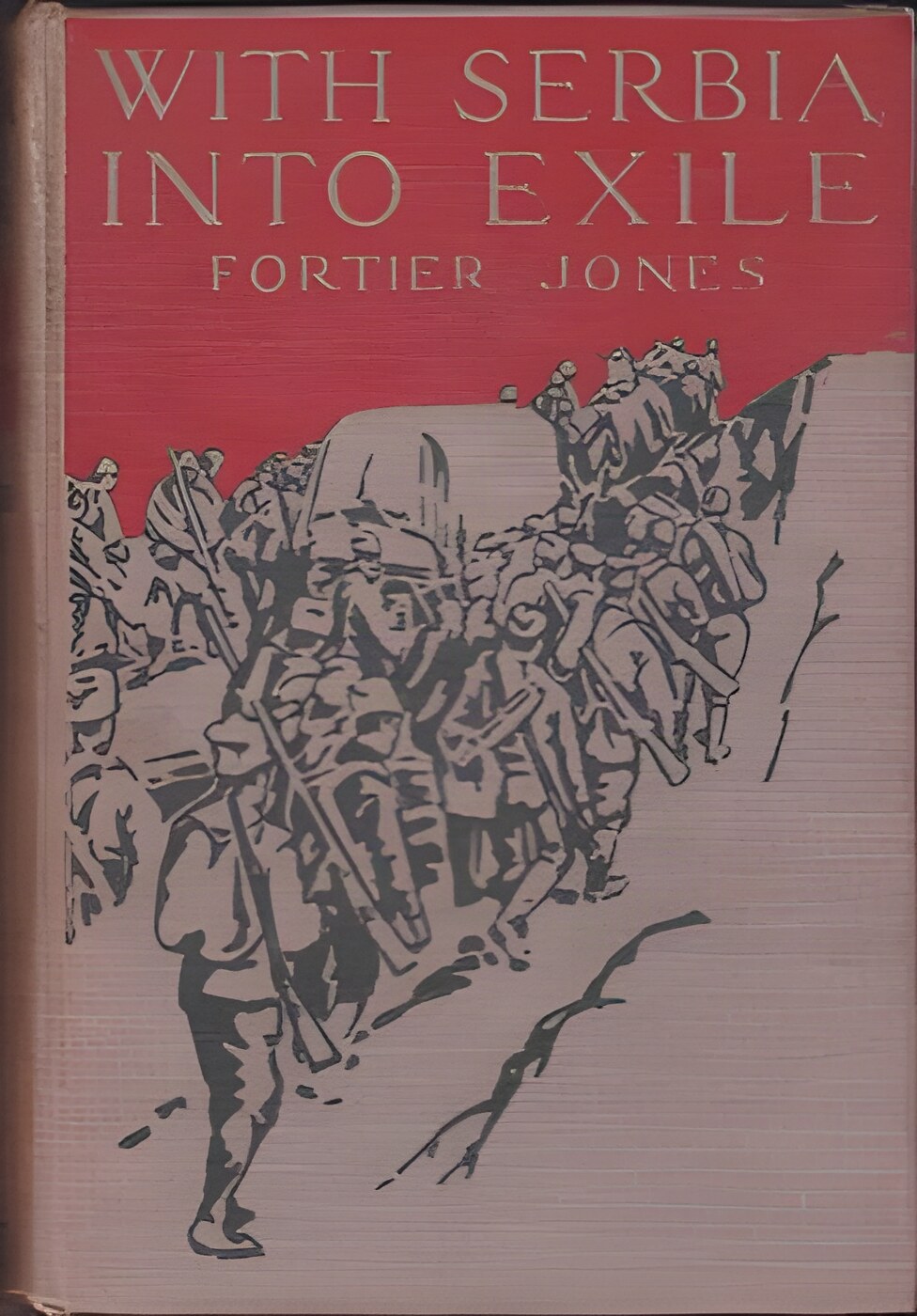
Hardcover. NY, Grosset & Dunlap, reprint, 1916, Book: Very Good, Dust Jacket: None, Hardcover, 385 pages, illustrated with b&w photos. Tan cloth stamped in red and dark green on front and spine. No D.J.
Hardcover. London, Cambridge University Press, 1st, 2010, Book: Very Good, Dust Jacket: Very Good, Hardcover in a bright, unclipped dust jacket. This revisionist study of Allied diplomacy from 1941 to 1946 challenges Americocentric views of the period and highlights Europe's neglected role. Fraser J. Harbutt, drawing on international sources, shows that in planning for the future Churchill, Roosevelt, Stalin, and others self-consciously operated into 1945, not on "East/West" lines but within a "Europe/America" political framework characterized by the plausible prospect of Anglo-Russian collaboration and persisting American detachment. Harbutt then explains the destabilizing transformation around the time of the pivotal Yalta conference of February 1945, when a sudden series of provocative initiatives, manipulations, and miscues interacted with events to produce the breakdown of European solidarity and the Anglo-Soviet nexus, an evolving Anglo-American alignment, and new tensions that led finally to the Cold War. This fresh perspective, stressing structural, geopolitical, and traditional impulses and constraints, raises important new questions about the enduringly controversial transition from World War II to a cold war that no statesman wanted. Clean copy.

 "Wild Minds: The Artists and Rivalries That Inspired the Golden Age of Animation by: Reid Mitenbuler")
 "Yalta 1945: Europe and America at the Crossroadsby: Fraser J. Harbutt")