NY, Random House, 1st, 2013, Book: Very Good, Dust Jacket: Very Good, Hardcover in a bright, unclipped dust jacket. An advisor to presidents, two-time Pulitzer Prize winner, and tireless champion of progressive government, Arthur Schlesinger, Jr., was also an inveterate letter writer. Indeed, the term "man of letters" could easily have been coined for Schlesinger, a faithful and prolific correspondent whose wide range of associates included powerful public officials, notable literary figures, prominent journalists, Hollywood celebrities, and distinguished fellow scholars. The Letters of Arthur Schlesinger, Jr. reveals the late historian's unvarnished views on the great issues and personalities of his time, from the dawn of the Cold War to the aftermath of September 11. Here is Schlesinger's correspondence with such icons of American statecraft as Harry Truman, Adlai Stevenson, Hubert Humphrey, Henry Kissinger, Bill Clinton, and, of course, John and Robert Kennedy (including a detailed critique of JFK's manuscript for Profiles in Courage). There are letters to friends and confidants such as Eleanor Roosevelt, John Kenneth Galbraith, Gore Vidal, William Styron, and Jacqueline Kennedy (to whom Schlesinger sends his handwritten condolences in the hours after her husband's assassination), and exchanges with such unlikely pen pals as Groucho Marx, Sammy Davis, Jr., and Bianca Jagger. Finally, there are Schlesinger's many thoughtful replies to the inquiries of ordinary citizens, in which he offers his observations on influences, issues of the day, and the craft of writing history.
Hardcover. NY, Oxford University Press, 1st, 1988, Book: Very Good, Dust Jacket: Very Good, Hardcover in a bright, unclipped dust jacket, 512 pages. The second volume in this masterful biography finds Hughes rooting himself in Harlem, receiving stimulation from his rich cultural surroundings. Here he rethought his view of art and radicalism, and cultivated relationships with younger, more militant writers such as Richard Wright, Ralph Ellison, James Baldwin, and Amiri Bakara. Illustrated with black & white photographs, a few by Roy DeCarava with whom Hughes published "The Sweet Flypaper of Life" and a portrait by Henri Cartier-Bresson. Clean copy.
Hardcover. NY, Knopf, 1st, 2021, Book: Very Good, Dust Jacket: Very Good, Hardcover in a bright, unclipped dust jacket. 557 pages, b&w and color illustrations. In this brilliant second and final volume of the definitive biography of Lucian Freud--one of the most influential, enigmatic and secretive artists of the twentieth century--William Feaver, the noted art critic, draws on years of daily conversations with Freud, on his private papers and letters and on interviews with his friends and family to explore the intimate life of Freud, from age forty-five to his death in 2011 at the age of eighty-nine. The final forty years of Freud's life were a period of increasing recognition and fame, and of prodigious output. He was obsessed with his art, and with the idea of producing paintings that "astonish, disturb, seduce, convince." He was equally energetic and ambitious in his private life. This book opens with his dramatic affair with Jacquetta Eliot, which led to some of his most intimate portraits and to the start of two important, lifelong friendships, with Jane Willoughby and Susanna Chancellor. Freud talks about his art at all stages, how it changed in the seventies and his first retrospective in London in 1974. Small remainder dot on bottom edge otherwise clean.
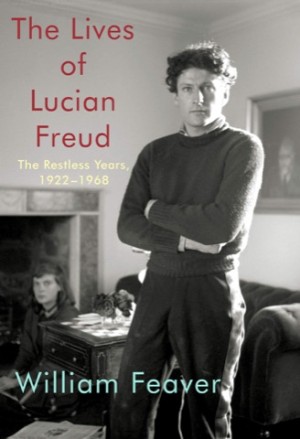
Hardcover. NY, Knopf, 1st, 2019, Book: Very Good, Dust Jacket: Very Good, Hardcover in a bright, unclipped dust jacket. The first biography of the epic life of one of the most important, enigmatic and private artists of the 20th century. Drawn from almost 40 years of conversations with the artist, letters and papers, it is a major work written by a well-known British art critic. This is an extremely intimate, lively and rich portrait of the artist, full of gossip and stories recounted by Freud to Feaver about people, encounters, and work. Freud's art was his life--"my work is purely autobiographical"--and he usually painted only family, friends, lovers, children, though there were exceptions like the famous small portrait of the Queen. With his later portraits, the subjects were often nude, names were never given and sittings could take up to 16 months, each session lasting five hours but subjects were rarely bored as Freud was a great raconteur and mimic.Small remainder dot on bottom edge otherwise clean.
Hardcover. NY, Knopf, 1st, 2019, Book: Very Good, Dust Jacket: Very Good, Hardcover in a bright, unclipped dust jacket. The first biography of the epic life of one of the most important, enigmatic and private artists of the 20th century. Drawn from almost 40 years of conversations with the artist, letters and papers, it is a major work written by a well-known British art critic. This is an extremely intimate, lively and rich portrait of the artist, full of gossip and stories recounted by Freud to Feaver about people, encounters, and work. Freud's art was his life--"my work is purely autobiographical"--and he usually painted only family, friends, lovers, children, though there were exceptions like the famous small portrait of the Queen. With his later portraits, the subjects were often nude, names were never given and sittings could take up to 16 months, each session lasting five hours but subjects were rarely bored as Freud was a great raconteur and mimic.Small remainder dot on bottom edge otherwise clean.
Hardcover. NY, HarperCollins, 1st, 2002, Book: Very Good, Dust Jacket: Very Good, Hardcover in a bright, unclipped dust jacket. SIGNED BY PROSE on the title page. In a brilliant, wry, and provocative book, National Book Award finalist Francine Prose explores the complex relationship between the artist and his muse. In so doing, she illuminates with great sensitivity and intelligence the elusive emotional wellsprings of the creative process. Clean copy.
Hardcover. NY, Farrar, Straus and Giroux, 2nd pr, 2021, Book: Very Good, Dust Jacket: Very Good, Hardcover in a bright, unclipped dust jacket. 312 pages, color and b&w illustrations. A bristling and brilliant memoir of the mid-twentieth-century New York School of painters and their times by the renowned artist and critic Edith Schloss, who, from the early years, was a member of the group that shifted the center of the art world from Paris to New York. Schloss was born in Germany and moved to New York City during World War II. She became part of a thriving community of artists and intellectuals that included Elaine and Willem de Kooning, Larry Rivers, John Cage, and Frank O'Hara. She married the photographer and filmmaker Rudy Burckhardt. She was both a working artist and an incisive critic, and was a candid and gimlet-eyed witness of the close-knit community that was redefining the world of art. In Italy she spent time with Giorgio Morandi, Cy Twombly, Meret Oppenheim, and Francesca Woodman. Remainder dot to top edge otherwise clean.
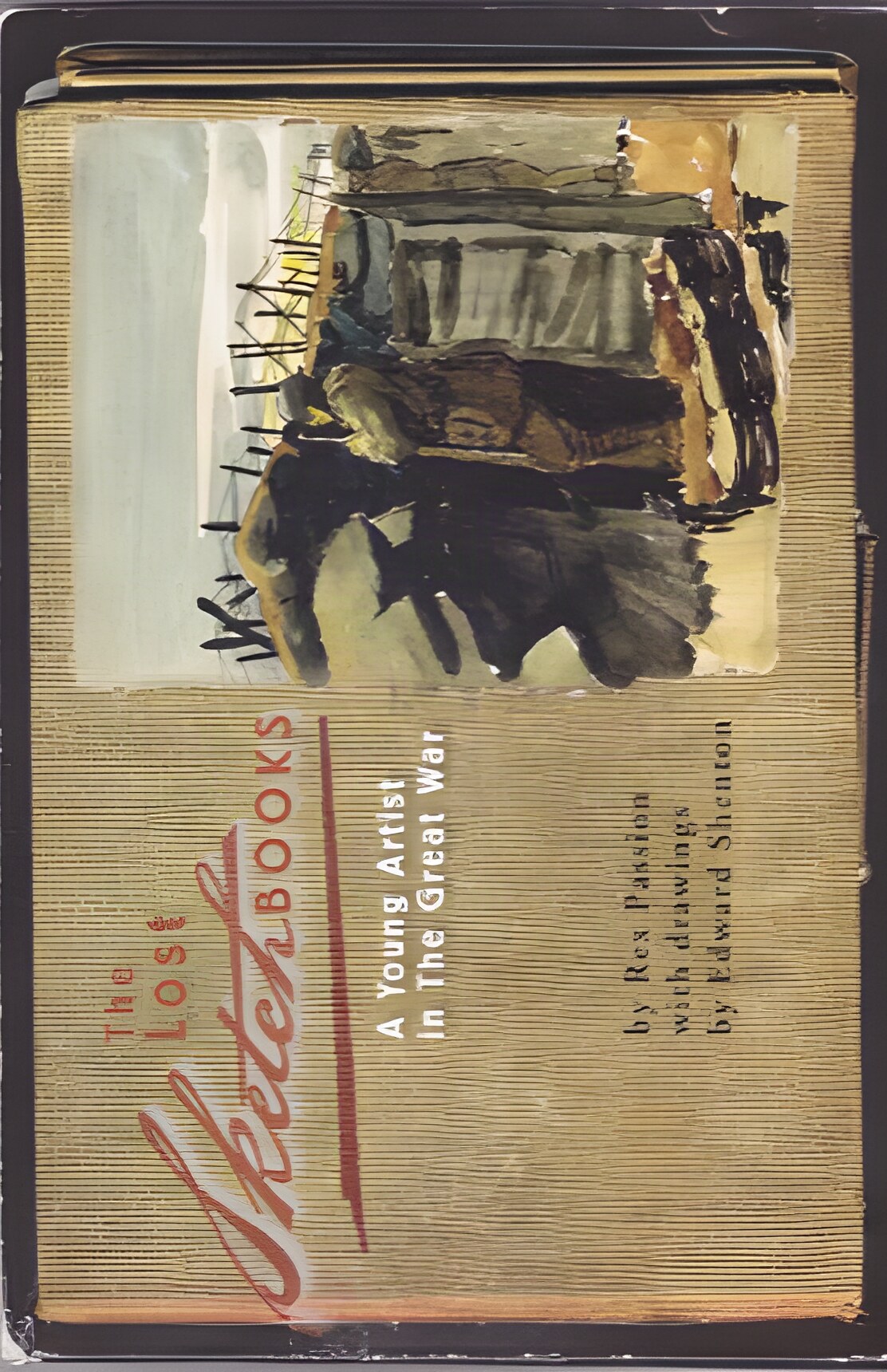
Softcover. Cambridge, Komatik Press, 1st, 2017, Book: Very Good, Dust Jacket: None, Softcover, oblong format. In 1917, while still in art school, Edward Shenton joined Company B, 103rd Engineers of the Pennsylvania National Guard. He stocked up on art materials, including many canvas-bound sketchbooks and a watercolor set, and went off to train and fight. Much of the war he witnessed made their way into his sketchbooks. When Ed returned home, no one wanted to hear about the war, much less see images of the horrors of battle. He went back to art school and his sketches were put away and forgotten. He had a brilliant career as an illustrator. His drawings graced the cover of Scribner's Magazine for ten years and embellished books by, among others, Hemingway, Fitzgerald and Thomas Wolf.Edward Shenton had a long career as an outstanding illustrator, author, and teacher and, after a very full life, died at the age of eighty-two. Nine decades after they were put away, his son came across Ed's sketchbooks and he and I decided that they, along with his father's wartime story, had to be shared with the world.
Lebanon NH, University of New Hampshire Press, 1st, 2005, Book: Very Good, Dust Jacket: Very Good, Hardcover in a bright dust jacket. 294 pages, b&w illustrations. Presents a succinct, articulate examination of the work of the pioneering but controversial archaeologist Roland Wells Robbins (1908-1987) and the development of historical archaelogy in America. In 1945, the self-taught Robbins discovered the remains of Thoreau's cabin at Walden Pond. He excavated the site, documented his findings, and in 1947 published a short book, Discovery at Walden, about the experience. This project launched Robbins's career in archaeology, restoration, and reconstruction, and he went on to excavate at a number of New England iron works and other sites, including the Philipsburg Manor Upper Mills in New York, Stawbery Banke in New Hampshire, and Shadwell, Thomas Jefferson's Virginia birthplace. Although lacking academic training, Robbins quickly developed remarkably sophisticated techniques for the period. However, his "pick and shovel" methods were considered suspect and increasingly frowned upon by the emerging American historical archaeological establishment. Clean copy.
Hardcover. University of Nebraska Press, 1st, 2016, Book: Very Good, Dust Jacket: Very Good, Hardcover, 512 pages. Historians, biographers, and scholars of John James Audubon and natural history have long been mystified by Audubon's 1843 Missouri River expedition, for his journals of the trip were thought to have been destroyed by his granddaughter Maria Rebecca Audubon. Daniel Patterson is the first scholar to locate and assemble three important fragments of the 1843 Missouri River journals, and here he offers a stunning transcription and critical edition of Audubon's last journey through the American West. Patterson's new edition of the journals--unknown to Audubon scholars and fans--offers a significantly different understanding of the very core of Audubon's life and work. Readers will be introduced to a more authentic Audubon, one who was concerned about the disappearance of America's wild animal species and yet also loved to hunt and display his prowess in the wilderness. This edition reveals that Audubon's famous late conversion to conservationism on this expedition was, in fact, a literary fiction. Maria Rebecca Audubon created this myth when she rewrote her grandfather's journals for publication to make him into a visionary conservationist. In reality the journals detail almost gratuitous hunting predations throughout the course of Audubon's last expedition.
Softcover. Greenwich CT, Fairview Printers, 1st, 1977, Book: Very Good, Dust Jacket: None, Softcover, glossy pictorial stiff wraps, softcover; 187 pages plus index; black and white illustrations and photographic illustrations; very good.
Hardcover. NY, Free Press, 1st, 1987, Book: Very Good, Dust Jacket: Very Good, Hardcover in a bright dust jacket, 270 pages, b&w illustrations. Light edgewear to dust jacket, else a clean, tight copy. Recounts the life of the English poet who died during World War I, looks at the group of his friends and fellow poets known as the Neo-Pagans, and discusses the influence of homosexuality on his life. His sonnet "The Soldier" and early death in World War I made British poet Rupert Brooke a key figure in the nation's myth of patriotism and youthful valor. Biographer Delaney places him among the Neo-pagans, a small circle of writers, artists, and intellectuals who flourished from 1908 to 1912. The group honored youth, comradeship, and the simple life and aimed to set aside the constraints of Victorianism. Delany shows how the internal dynamics of the group, not shock of war, led to its disintegration.
Hardcover. Boston, David R. Godine, 3rd pr., 2008, Book: Very Good, Dust Jacket: Very Good, Hardcover in a bright, unclipped dust jacket. Tojiro, a nine-year-old orphan, sells rice cakes on the streets of 19th-century Edo, the bustling city we now call Tokyo. One of his customers is the grumpy, eccentric octogenarian Hokusai. The old man takes a liking to Tojiro, and soon employs him as his assistant. The boy's ignorance provides a convenient vehicle for introducing the artist's life and work. Much of the dialogue and action is written for the purpose of conveying information about Hokusai, as well as the technique of woodblock printing and the social customs of Edo. The book's greatest strength is not the text, but the art that enlivens every page. A combination of the author's watercolors and reproductions of Hokusai's drawings and woodblock prints, the illustrations are arranged in enticing and varied page designs.
Hardcover. NY, The Monacelli Press, 1st, 2008, Book: Very Good, Dust Jacket: None, Hardcover, 208 pages. Debate and banter between the irascible Philip Johnson and the equally articulate and opinionated Robert A. M. Stern generates a provocative combination of astute commentary and personal observation on the state of architecture in the twentieth century. Philip Johnson's multifaceted career as an architect, curator, and collector extended from the early 1920s to his death in 2005. Captivated by the work of the European modernists Gropius, Le Corbusier, and Mies van der Rohe, Johnson assembled the seminal exhibition "Modern Architecture--International Exhibition" at the Museum of Modern Art in 1932. Among his most notable achievements are the famous Glass House in Connecticut, designed for his own use, and the Seagram Building in New York, in association with Mies van der Rohe. Recognized as the dean of American architecture, Johnson had a profound influence on the next generation of architects, including Robert A. M. Stern. Stern has conducted a series of ten interviews with Johnson, each covering a decade of his life, that provide an illuminating assessment of a significant period of American architecture. No dj issued.
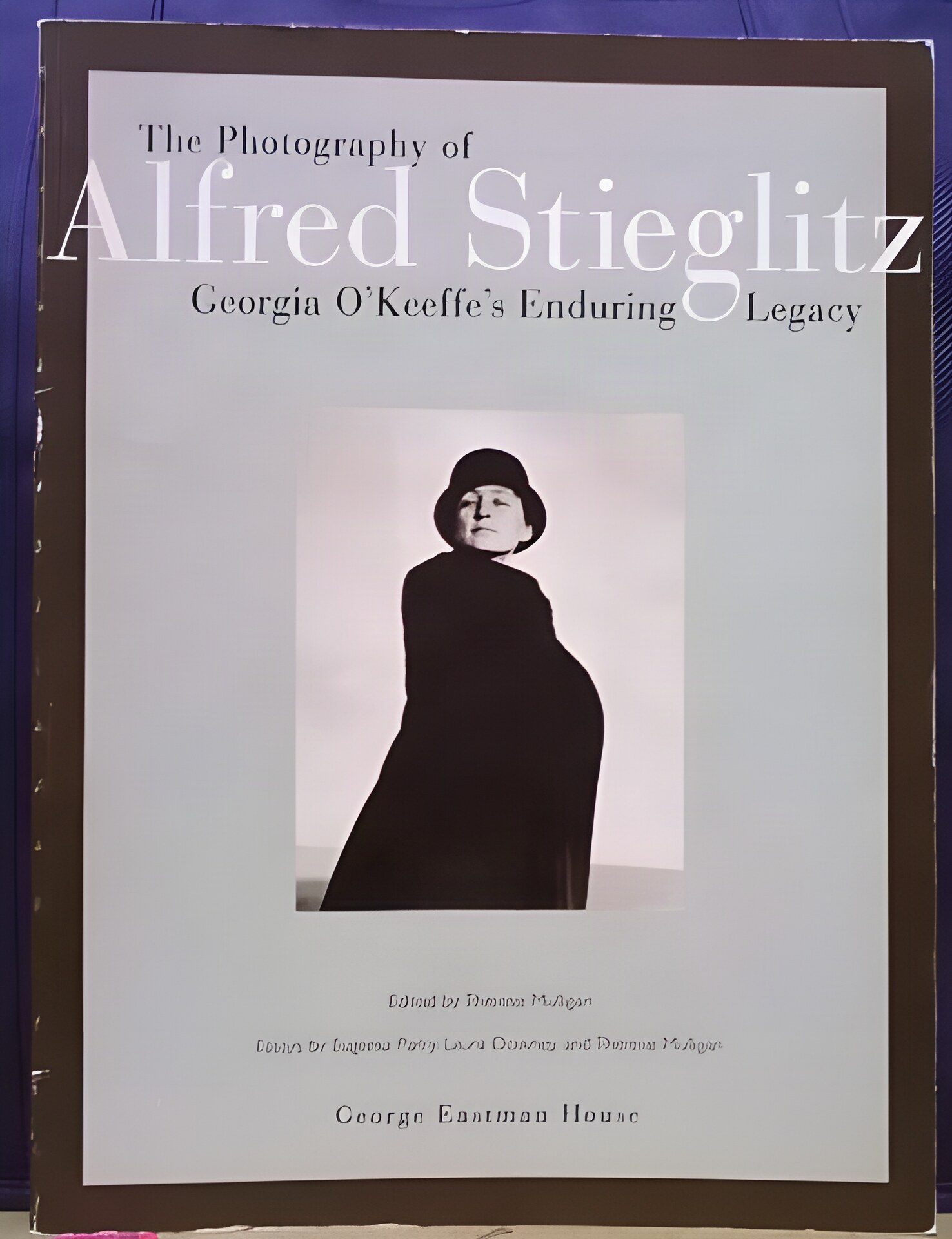
Softcover. Rochester NY, George Eastman House, 1st, 2000, Book: Very Good, Dust Jacket: None, Softcover, 127 page book with 40 black & white and color images by Stieglitz. Essays by Eugenia Parry, Laura Downey and Therese Mulligan. A complete illustrated catalog in rear of the collection O'Keeffe left to George Eastman House in 1951.
Yorkshire UK, White Owl, 1st, 2020, Book: Very Good, Dust Jacket: Very Good, Hardcover in a bright, unclipped dust jacket. An in-depth look at the history that shaped the much beloved Herge and the Tintin books. Herge created twenty-four Tintin books which have been translated into more than seventy languages and sold 230 million copies worldwide. The author takes an in-depth look at the man behind the cultural phenomenon and the history that helped shape these books. As well as focusing on the controversies that engulfed Herge, this biography will also look at his personal life, as well as the relationships and experiences that influenced him.
Hardcover. NY, The Century Company, 1st, 1913, Book: Very Good, Dust Jacket: None, Hardcover, 381 pages, b&w illustrations. VOLUME 2 ONLY of a scarce set on the life and works of Augustus Saint-Gaudens (1848-1907), an American Beaux-Arts sculptor who is best known for his statues commemorating Abraham Lincoln and Union officers of the Civil War, including Robert Gould Shaw, William Tecumseh Sherman, and John Logan. Edited by his only child, Homer (1880-1953), an artist and museum administrator in his own right. Owner's bookplate on front fly leaf otherwise clean.
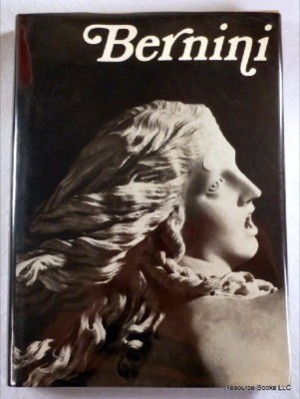
Hardcover. London, Phaidon Press, 1st, 1966, Book: Very Good, Dust Jacket: Very Good, Hardcover in a bright dust jacket, 286 pages. 120 plates and 106 B&W text illustrations. Portrait frontispiece. Light brown cloth cover. Foxing to edges. Otherwise, a clean, tight copy.
Softcover. Urbana, University of Illinois Press , 1st, 1993, Book: Very Good, Dust Jacket: None, Softcover, 361 pages, b&w illustrations. The Stonemans is an eye-opening slice of Americana---a trip through nearly twenty years of country music history following a single family from their native Blue Ridge Mountains to the slums of Washington, D.C., and the glitter of Nashville. As early as 1924 Ernest V. "Pop" Stoneman realized the potential of what is now known as country music, and he tried to carve a career from it. Successful as a recording artist from 1925 through 1929, Stoneman foundered during the Great Depression. He, his wife, and their nine children went to Washington in 1932, struggling through a decade of hardship and working to revive the musical career Pop still believed in. The Stoneman Family won the Country Music Association's Vocal Group of the Year Award in 1967. After Pop's death a year later, some of the children scattered to pursue their own careers. Ivan Tribe relies on extensive interviews with the Stonemans and their friends in this chronicle of a family whose members have clung to their musical heritage through good times and bad.
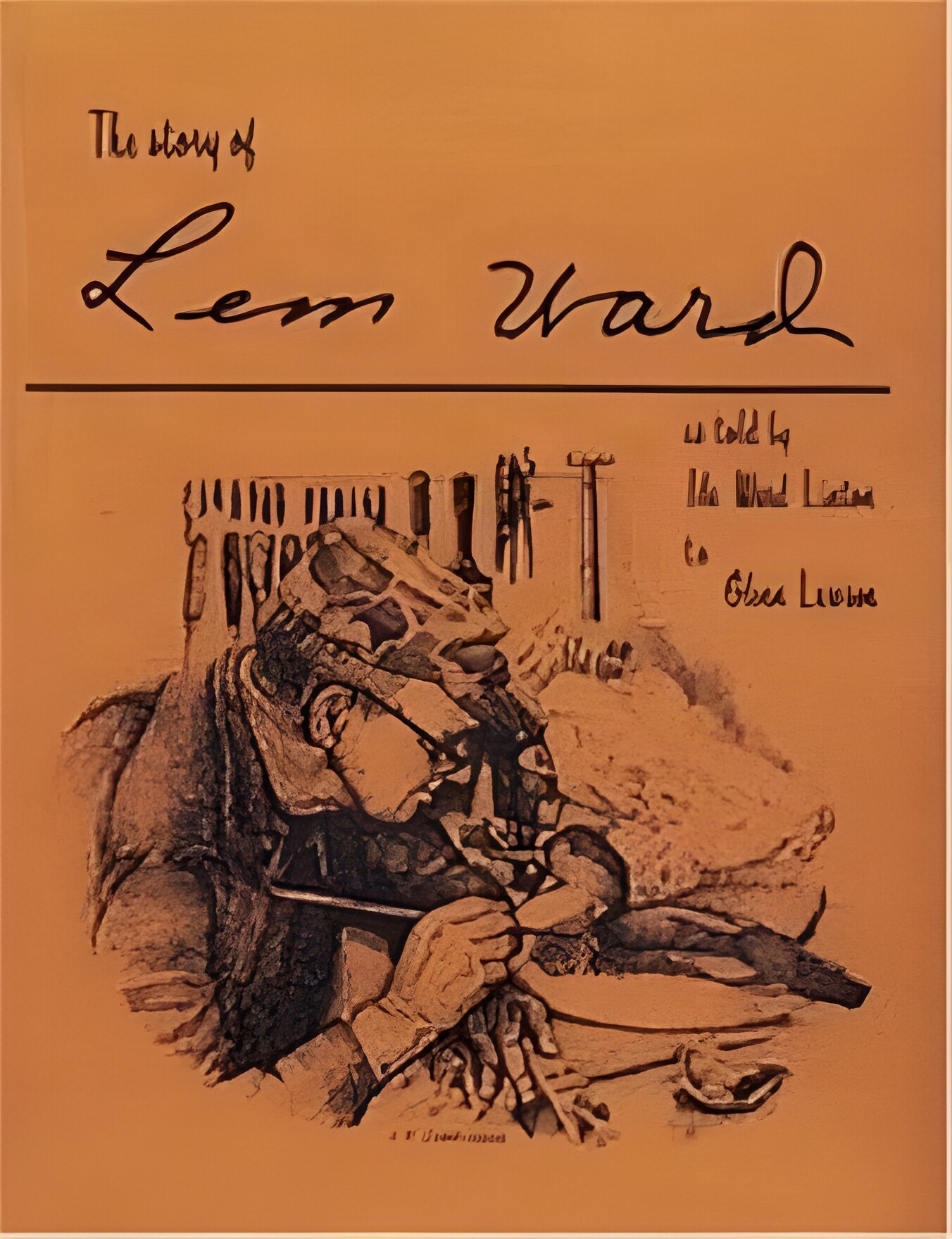
Hardcover. West Chester PA, Schiffer Publishing, 1st, 1984, Book: Very Good, Dust Jacket: Very Good, Hardcover in a bright dust jacket, 128 pages illustrated in color and b&w. The story of the life and works of an American wildfowl artist. Lem's life is a tale of courage - of a man who overcame a withered arm, lack of formal education, cultural isolation, and severe illness to become one of the founders of American Wildfowl Art. This is a close look at how he and his brother, Steve, grew up together in the marshes along the Chesapeake Bay, how they subsisted as barbers and foragers, how they retained their independent spirits to create birds that pleased them - wildfowl art - while carvers around them were creating decoys just good enough for hunting ducks. Lem's work is described in pictures, accompanied by colorful comments and interesting insights by a collector who became one of the artist's closest friends. Clean copy.
Softcover. London, Virago, reprint, 2019, Book: Very Good, Dust Jacket: None, Softcover, 321 pasges, color illustrations. During childhood, Joanna Moorhead heard about a wild cousin called Prin who had fled their suffocatingly respectable family. When Joanna travelled to Mexico to find her, it was the start of a life-changing friendship, for her relative was none other than Leonora Carrington, the last surviving Surrealist. This book tells how, over tea and tequila, Leonora recalled her extraordinary life, her relationship with Max Ernst, her incarceration in an asylum, and her friendships with Picasso, Dali and Frida Kahlo.
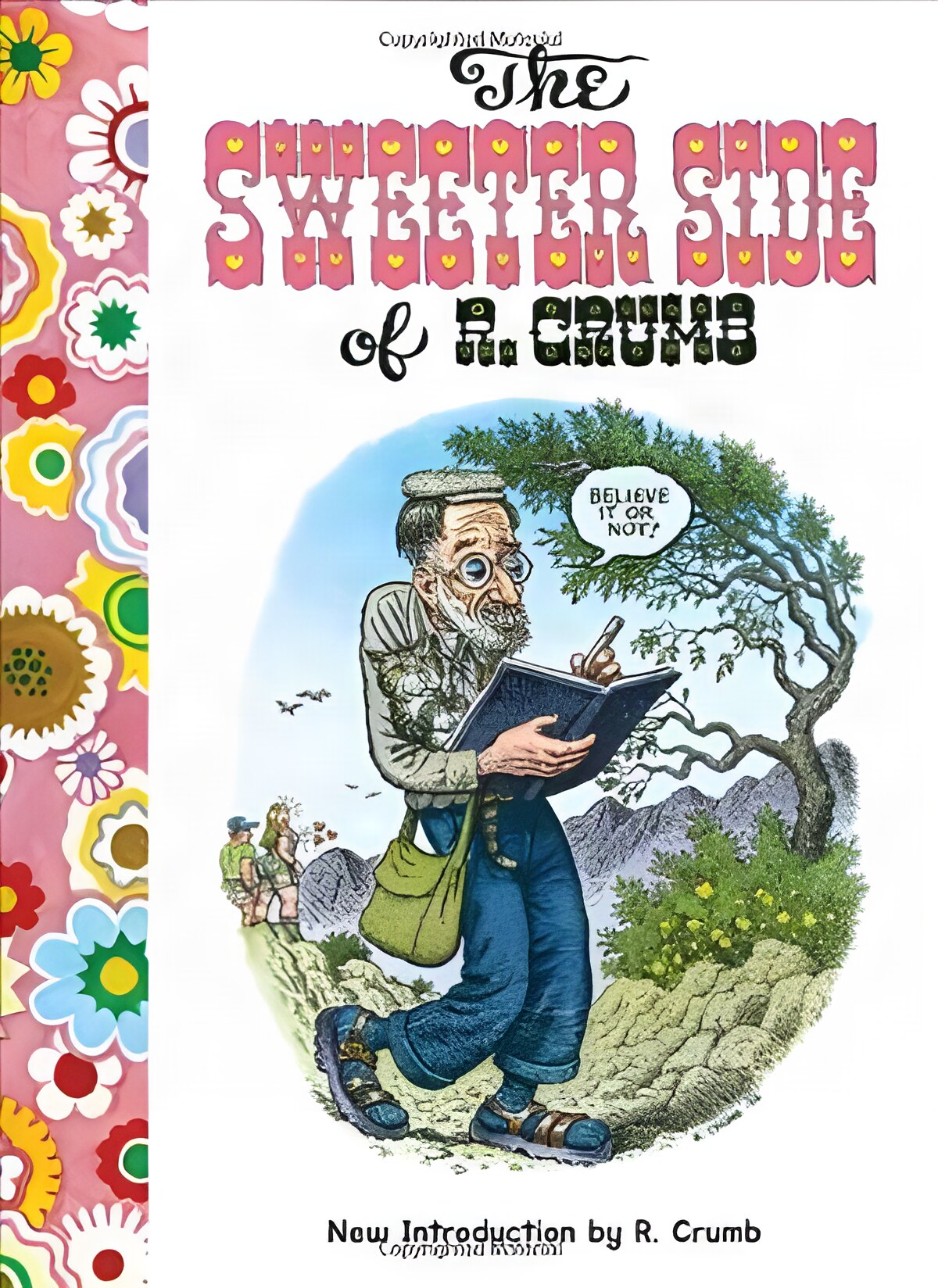
Softcover. New York, W. W. Norton & Company, 1st, 2010, Book: Very Good, Dust Jacket: None, Softcover, 110 pages, illustrated throughout in b&w. Clean, unmarked copy in excellent condition. The "nasty, negative, misanthropic" comic genius proves he has a sweet side. Cute little kittens, angels, and babies? Flowers, ice cream cones, and German boy bands? Coming from, supposedly, the creepiest and most pessimistic artist of his generation? Yes indeed, there is a "sweeter side" to R. Crumb. These delectable illustrations-whether depicting Bernie the Cat pawing for his master's affection, the timeworn beauty of a French village cul-de-sac, or a quiet night chez Crumb-wonderfully exemplify the many tender moments that have, until now, played second fiddle to the cult icon's more raunchy sketches. Now Crumb harkens back to his humble American beginnings as a Cleveland greeting card illustrator, when his innate knack for the grotesque had to be suppressed for the perennial appeal of "cute." The result is this cheery and blue-skied world, where readers of every conceivable personality type, age group, even sexual persuasion can finally enjoy the artist's momentary lapse from naughty to nice. Color and black-and-white illustrations throughout
Softcover. New York, W. W. Norton & Company, 1st, 2010-11-01, Book: Very Good, Dust Jacket: None, Softcover, 110 pages, illustrated throughout in b&w. Clean, unmarked copy in excellent condition. The "nasty, negative, misanthropic" comic genius proves he has a sweet side. Cute little kittens, angels, and babies? Flowers, ice cream cones, and German boy bands? Coming from, supposedly, the creepiest and most pessimistic artist of his generation? Yes indeed, there is a "sweeter side" to R. Crumb. These delectable illustrations-whether depicting Bernie the Cat pawing for his master's affection, the timeworn beauty of a French village cul-de-sac, or a quiet night chez Crumb-wonderfully exemplify the many tender moments that have, until now, played second fiddle to the cult icon's more raunchy sketches. Now Crumb harkens back to his humble American beginnings as a Cleveland greeting card illustrator, when his innate knack for the grotesque had to be suppressed for the perennial appeal of "cute." The result is this cheery and blue-skied world, where readers of every conceivable personality type, age group, even sexual persuasion can finally enjoy the artist's momentary lapse from naughty to nice. Color and black-and-white illustrations throughout
Hardcover. NY, Basic Books, 1st, 1978, Book: Very Good, Dust Jacket: Very Good, Hardcover in a bright dust jacket, 275 pages. Translated from the French by Olivier Bernier. Preface by Virgil Thomson. The autobiography of a Jewish painter who fled from Bolshevik Russia to Spain, moved to France and who was imprisoned during WWWII by the Germans and who moved eventually to the U.S.








 "The Missouri River Journals of John James Audubonby: John James Audubon and Daniel Patterson")
 "The National Cartoonists Society Album 1972-77 Editionby: Walker (compiled by), Mort")





 "The Sweeter Side of R. Crumbby: Crumb, R.")