Hardcover. NY, McGraw-Hill , 1st, 1972, Book: Very Good, Hardcover, 293 pages, b&w photographs. Edge wear, small tears to dust jacket. Dark blue top edge decorative stain w/ light spots, else a very clean, tight copy. Nowhere is the complex and destructive painter Jackson Pollock (1912-1956) revealed with more compassion and insight than in this exemplary biography. Friedman, a friend of Pollock's and active in the art world, shows him to be a brilliant man tormented by his relationship to his family; an artist who worked hard through years of poverty to achieve his controversial painting technique; the first American painter to gain an international reputation for himself and for what has been variously called Action Painting or Abstract Expressionism; and a man who struggled with alcohol and the tension between gentleness and violence.Newly illustrated with seminal Pollock paintings, this book takes the reader inside the art world of New York during the '40s and '50s, when Action Painting first emerged. Friedman reveals what it meant to Pollock to experience the invasion of his studio and of the very act of painting by the external pressures of shows, reviews, films, dealers, critics, hostile publicity; and how, despite it all, Pollock created many of the most graceful and powerful paintings ever made in America.
Softcover. New York, Museum of Modern Art, 1st, 1998, Book: Very Good, Dust Jacket: None, 336 pages. Soft cover. French flaps. Color and b/w illustrations throughout. Published to accompany exhibition at The Museum of Modern Art, New York. Only slightly yellowed edges due to age. In good shape, clean inside. From front French flap: ",,,includes over 200 color reproductions of paintings, drawings, and prints, including life-sized details and foldouts of major paintings. An illustrated chronology tells the story of the artist's life."
Softcover. Baltimore, Johns Hopkins University, 1st, 1998, Book: Very Good, Dust Jacket: None, Softcover, 327 pages, b&w illustrations. At least three of director Jacques Tourneur's films--Cat People, I Walked with a Zombie and The Leopard Man--are recognized as horror classics. Yet his contributions to these films are often minimized by scholars, with most of the credit going to the films' producer, Val Lewton. A detailed examination of the director's full body of work reveals that those elements most evident in the Tourneur-Lewton collaborations--the lack of monsters and the stylized use of suggested violence--are equally apparent in Tourneur's films before and after his work with Lewton. Mystery and sensuality were hallmarks of his style, and he possessed a highly artistic visual and aural style. This insightful critical study examines each of Tourneur's films, as well as his extensive work on MGM shorts (1936-1942) and in television. What emerges is evidence of a highly coherent directorial style that runs throughout Tourneur's works. Clean copy.
Softcover. US, Stichting Kunstboak , 1st, 2007, Book: Very Good, Dust Jacket: Very Good, Softcover, 135 pages.Like new in publisher's shrink-wrap. Norbet Hostyn, curator of the Museum of Fine Art in Ostend, has produced a fascinating and comprehensive account of the world and ideas of the by turns celebrated and vilified James Ensor (1860-1949). He offers an illuminating introduction to the artist's life and oeuvre, accompanied by a selection of fifty representative works, each comprising a large, color reproduction and an art-historical commentary. It is the story of a striking and controversial painter who was initially the focal point of a new school, but later became an eccentric with a finely tuned sense of image and business.
Hardcover. Germany, Hatje Cantz, reprint, 2009, Book: Very Good, Dust Jacket: Very Good, 480 pages. Hardcover with dust jacket with slip case. Clean, unmarked copy with only minor wear to dust jacket. Color/ Black and white pictures throughout. Coinciding with renewed interest in James Ensor, this catalogue raisonne comes as an essential and definitive volume for Ensor buffs and all serious libraries of modern art. A legend in his own lifetime, Ensor (1860-1949) was--alongside Vincent van Gogh and Edvard Munch--a fearless independent whose work led directly to the development of German Expressionism and French Surrealism. Ensor achieved fame as the "painter of masks," and for his bizarre still lifes and grotesque carnival scenes, in harsh, contrasting, brilliant colors, evolving out of the traditional Flemish dance of death. Now, the reader can explore the Belgian painter's oeuvre thoroughly, in this opulently illustrated, full-color, slipcased catalogue raisonne. A comprehensive illustrated chronology offers additional details about the artist's life and work, and forms an integral part of this splendid, highly valuable contribution to art historical research, ensuring the legacy of a great artist who continues to inspire contemporary art.
Hardcover. Stanford CA, Stanford University Press, 1st, 1963, Book: Very Good, Dust Jacket: None, Hardcover, black cloth with gilt lettering on the spine. No dust jacket. 384 pages, b&w illustrations. The biography of an influential critic gives a vivid picture of American cultural life from the 1880s to the 1920s. INSCRIBED BY ERIK HUNEKER, SON OF JAMES on the front fly leaf. Clean copy.
Hardcover. East Lothian, Scotland, Tuckwell Press , reprint, 1998, Book: Very Good, Dust Jacket: Very Good, Hardcover in a bright dust jacket. 339 pages, 18 figures on 12 b/w plates, map, end notes, appendix, bibliography, index. James IV is the best-known of all the late medieval Scottish rulers. Widely praised by his contemporaries, he combined the qualities of successful medieval monarch with a wide interest in the arts and sciences, while remaining acutely conscious of the need to enhance the prestige of his dynasty throughout Europe. This excellent study examines all aspects of James IV's sovereignty, explains his popularity and his highly successful kingship and assesses reasons for the disastrous end to the reign when the king and a large population of the Scottish nobility were eliminated in a single afternoon in 1513 at Flodden. Clean copy.
Hardcover. UK, Parkstone, 1st, 1995, Book: Very Good, Dust Jacket: Very Good, Hardcover in a bright dust jacket, 176 pages. Color illustrations. Clean copy.
Hardcover. New York , Watson Guptill, 1st, 1974, Book: Very Good, Dust Jacket: Very Good, Hardcover, 208 pages illustrated throughout with 175 b&w illustrations and 70 plates in full color. Clean, unmarked copy with only minor edgewear to dust jacket.
Hardcover. New York , Watson Guptill, 1st, 1974, Book: Very Good, Dust Jacket: Good, Hardcover, 208 pages illustrated throughout with 175 b&w illustrations and 70 plates in full color. Clean, unmarked copy with minor closed tears to dust jacket.
Hardcover. New York , Watson Guptill, 1st, 1974, Book: Very Good, Dust Jacket: Very Good, Hardcover, 208 pages illustrated throughout with 175 b&w illustrations and 70 plates in full color. Clean, unmarked copy with only minor edgewear to dust jacket.
Hardcover. Berkeley CA, University of California Press, 1st, 2009, Book: Very Good, Dust Jacket: Very Good, Hardcover, 232 pages. James Rosenquist's paintings, with their billboard-sized images of commercial subjects, are utterly emblematic of 1960s Pop Art. Their provocative imagery also touches on some of the major political and historical events of that turbulent decade--from the Kennedy assassination to the war in Vietnam. In the first full-length scholarly examination of Rosenquist's art from that period, Michael Lobel weaves together close visual analysis, a wealth of archival research, and a consideration of the social and historical contexts in which these paintings were produced to offer bold new readings of a body of work that helped redefine art in the 1960s. Bringing together a range of approaches, James Rosenquist provides a compelling perspective on the artist and on the burgeoning consumer culture of postwar America.
Hardcover. New Haven CT, Yale University Press, 1st, 2008, Book: Near Fine, Dust Jacket: Near Fine, Hardcover, 320 pages. Like new in publisher's shrink-wrap. Jan Lievens (1607-1674) was one of the most fascinating and enigmatic Dutch artists of the 17th century. Daring and innovative as a painter, printmaker, and draftsman, he created powerful character studies, genre scenes, landscapes, formal portraits, and religious and allegorical images that were widely praised and valued during his lifetime. This beautiful book, the first overview of the full range of Lievens' career, features more than 50 paintings-many of them newly discovered in private collections-and more than 75 prints and drawings, providing a reassessment of his place in the history of art.
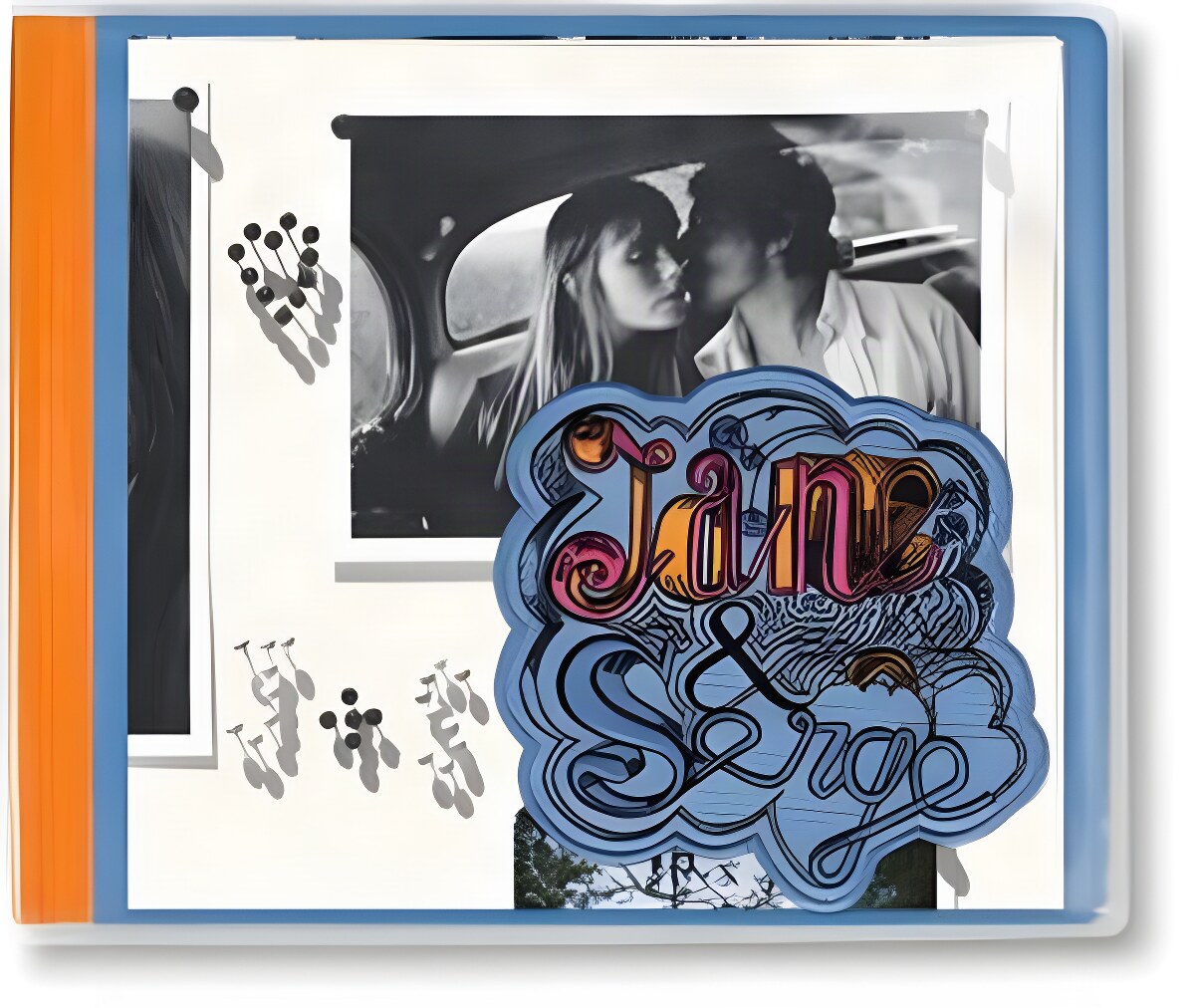
Hardcover. NY, Taschen, 1st, 2013, Book: Very Good, Dust Jacket: None, Hardcover in pictorial boards, orange cloth spine, 176 pages. The highly public love affair of French singer-songwriter Serge Gainsbourg and British actress Jane Birkin captured the hearts and imaginations of a generation. The moment Jane and Serge met on a movie set in 1968 sparks flew. They would spend the next 12 years together, a passionate union that produced the controversial duet "Je t'aime... moi non plus" (whose explicit lyrics and orgasmic moans caused so much fuss that the Vatican declared it offensive) and, in 1971, the legendary album Melody Nelson as well as a daughter, Charlotte, who has become a successful actress in her own right. Designed by M/M (Paris), the photo album comes in a clear plastic cover with the following goodies tucked inside: Text booklet featuring an introduction by Jane Birkin and Andrew Birkin's memoir of Jane and Serge, illustrated by Birkin family childhood photos/Softcover contact sheet booklet/Fold-out poster/5 photo prints/Sticker sheet /Embroidered patch.
Softcover. New York, Thames & Hudson, 1st, 1996, Book: Very Good, Dust Jacket: None, Softcover, 112 pages. Like new in publisher's shrink-wrap. This book selects from Jane Bown's whole range of her photography during the forty-five years she has worked for London's Observer, starting with scenes typical of the fifties and ending with others characteristic of the nineties. The portraits, sandwiched between these and forming the body of the book, themselves range widely - from such proven classics as those of Samuel Beckett, Mick Jagger and John Gielgud, to early studies of the Beatles and recent photos of Alan Bennett, Archbishop Tutu, Boy George and Woody Allen among a great variety of famous people in the worlds of music, literature, stage, screen, politics and the arts.
Softcover. New York, Thames & Hudson, 1st, 1996, Book: Very Good, Dust Jacket: None, Softcover, 112 pages. This book selects from Jane Bown's whole range of her photography during the forty-five years she has worked for London's Observer, starting with scenes typical of the fifties and ending with others characteristic of the nineties. The portraits, sandwiched between these and forming the body of the book, themselves range widely - from such proven classics as those of Samuel Beckett, Mick Jagger and John Gielgud, to early studies of the Beatles and recent photos of Alan Bennett, Archbishop Tutu, Boy George and Woody Allen among a great variety of famous people in the worlds of music, literature, stage, screen, politics and the arts. Clean. bright copy.
Softcover. New York, New-York Historical Society, 1st, 1987, Book: Very Good, Dust Jacket: None, Softcover, 172 pages, illustrated in b&w and color. Clean, unmarked copy with only minor wear to wrappers. Nearly sixty-five years ago the New-York Historical Society acquired its first landscape painting by Jasper F. Cropsey. Since then additional works by the distinguished Hudson River school painter have supplemented the Society's holdings. Published on the occasion of a special exhibition.
Hardcover. New York, Harry N. Abrams, Inc., 1st, 1984, Book: Very Good, Dust Jacket: Very Good, Hardcover, 211 pages. 152 illustrations, including 50 plates in full color. Clean, well preserved copy. Dust jacket in very good condition.
Hardcover. New York, Thames & Hudson, 1st, 1996, Book: Very Good, Dust Jacket: Very Good, 335 pages. Hardcover with dust jacket. A very clean, unmarked copy with only minor wear to dust jacket edges. A tight copy.
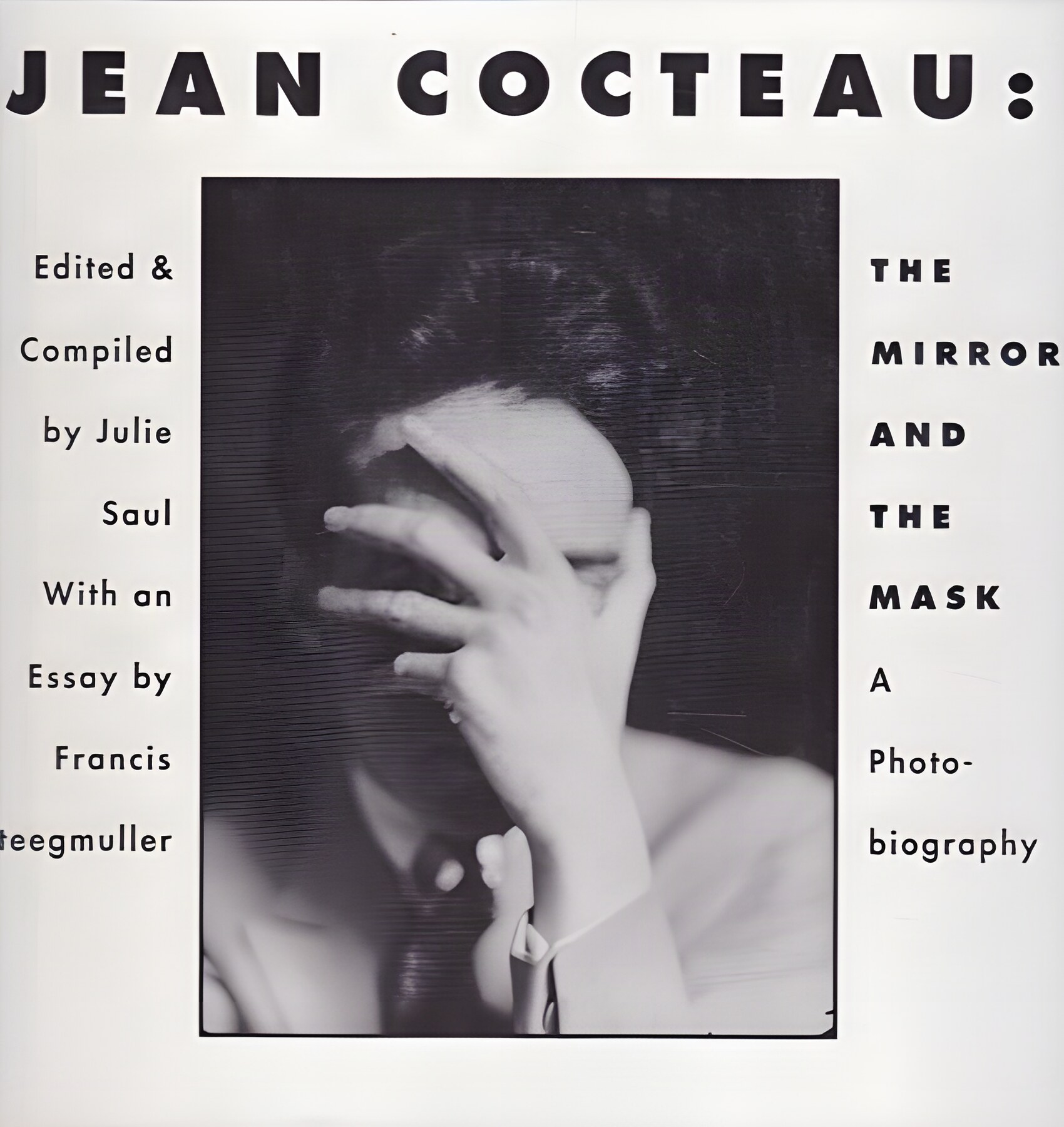
Hardcover. Boston, David R. Godine, 1st, 1992, Book: Very Good, Dust Jacket: Very Good, Hardcover in a bright dust jacket, 112 pages. A photographer once remarked to Andre Maurois, "If I were to take a picture of a village wedding, Jean Cocteau would appear between the bride and groom." And he was right; Cocteau was photographed everywhere, by everyone, in all guises and poses. Cecil Beaton posed him smoking an opium pipe, Lucien Clergue caught him in the romantic ruins of Arles where Cocteau was shooting Orphee, Arnold Newman shot him in Paris, and Philippe Halsman in New York. Cocteau possessed, of course, a modern genius for self-promotion, but he also cared deeply about his own art and the art of a technique he embraced with passion throughout his lifetime - photography. Essay by Francis Steegmuller.
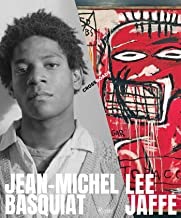
Hardcover. NY, Rizzoli, 1st, 2022, Book: Very Good, Dust Jacket: Very Good, Hardcover in a bright dust jacket, still in publisher's shrinkwrap. A rare and poignant compilation of photography and written anecdotes by American photographer and artist Lee Jaffe that captures his close friendship, collaboration, and travels with the artist Jean-Michel Basquiat as they traversed Japan, Thailand, and Switzerland in 1983. Lee Jaffe, a cross-disciplinary visual artist, musician, and poet, took photos of his friend, Jean-Michel Basquiat, when they traveled abroad in 1983. As a photographer, Jaffe had a connection to Basquiat, and their time spent together resulted in an archive of imagery that captured one of the art world's true legends through an unfiltered and authentic lens. Basquiat and Jaffe connected over reggae music at a mutual friend's art show. It was the early 1980s in New York, when the art scene was raw, complicated, and thriving, and Jaffe cultivated strong connections with cultural figures such as Basquiat, Bob Marley, and Peter Tosh. "For me, watching him [ Jean] paint reminded me of the times I would sit and play harmonica while Bob Marley, with his acoustic guitar, would be writing songs that were eventually to become classics," Jaffe says. "With Jean and Bob, it seemed like they were channeling inspiration coming from an otherworldly place." This beautiful volume presents snapshots of Basquiat: from the artist smiling on a bullet train to Kyoto and behind-the-scenes documentation of Basquiat creating artwork in St. Moritz, to poignant portraits that mirror his undeniable magnetism. These rare depictions of Basquiat come to life with Jaffe's unforgettable experiences of their friendship, collaborations, and travels detailed in private written memories and anecdotes. This insightful and moving illustrated volume captures the soul of the unedited, ambitious, young artist during the height of his short yet unprecedented artistic career.
Softcover. Baltimore, John Hopkins University Press, 1st, 1995, Book: Very Good, Dust Jacket: None, Softcover in illustrated wrappers, 304 pages. Illustrated with B&W engravings. Jens Jensen was one of America's greatest landscape designers and conservationists. Using native plants and "fitting" designs, he advocated that our gardens, parks, roads, playgrounds, and cities should be harmonious with nature and its ecological processes-a belief that was to become a major theme of modern American landscape design. In Jens Jensen: Maker of Natural Parks and Gardens, Robert E. Grese draws on Jensen's writings and plans, interviews with people who knew him, and analyses of his projects to present a clear picture of Jensen's efforts to enhance and preserve "native" landscapes.
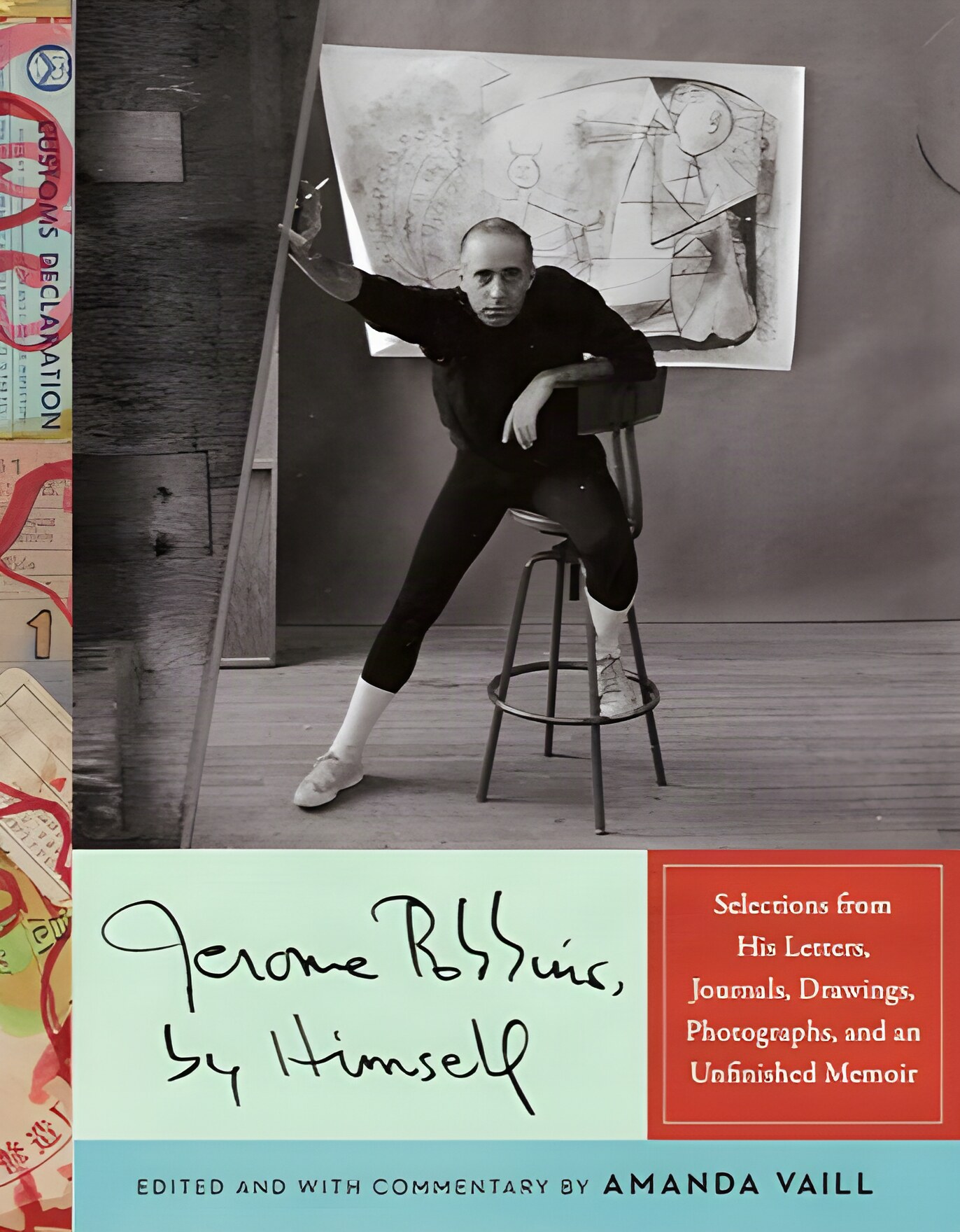
Hardcover. NY, Alfred A. Knopf, 1st, 2019, Book: Very Good, Dust Jacket: Very Good, Hardcover in a bright dust jacket, 430 pages. The titanic choreographer, creator of memorable ballets, master of Broadway musicals, legendary show doctor and director, now revealed in his own words--the closest we will get to a memoir/autobiography--from his voluminous letters, journals, notes, diaries, never before published. Robbins was famous for reinventing the Broadway musical, creating a vernacular American ballet, pushing the art form to new boundaries where it had never gone before, integrating dance seamlessly with character, story and music, and as Associate Artistic Director, Ballet Master, and Co-Artistic Director, with George Balanchine, shaping the New York City Ballet with daring and brio for more than five decades through his often startling choreography in ballet's classical idiom. He was known as the king of Broadway, the most sought-after director-choreographer and show doctor who gave shape to On the Town (1944), Call Me Madam (1950), The King and I (1951), Wonderful Town (1953), Peter Pan (1954), The Pajama Game (1954), Silk Stockings (1955), West Side Story (1957), Gypsy (1959), A Funny Thing Happened on the Way to the Forum (1962), Funny Girl (1964), Fiddler on the Roof (1964), and many other classic musicals, winning four Tony Awards, two Oscars, and an Emmy. He shocked and betrayed those he loved and worked with by naming names to the House Un-American Activities Committee. ("I betrayed my manhood, my Jewishness, my parents, my sister," he wrote in a diary. "I can't undo it.") Clean, bright copy.



 "James Ensor: Life and Workby: Hostyn, Norbert")




 "Jane Bown, Observerby: Billen, Andrew")



 "Jasper Johns: Drawings 1954-1984by: Shapiro, David")

 "Jens Jensen: Maker of Natural Parks and Gardensby: Grese, Robert E.")