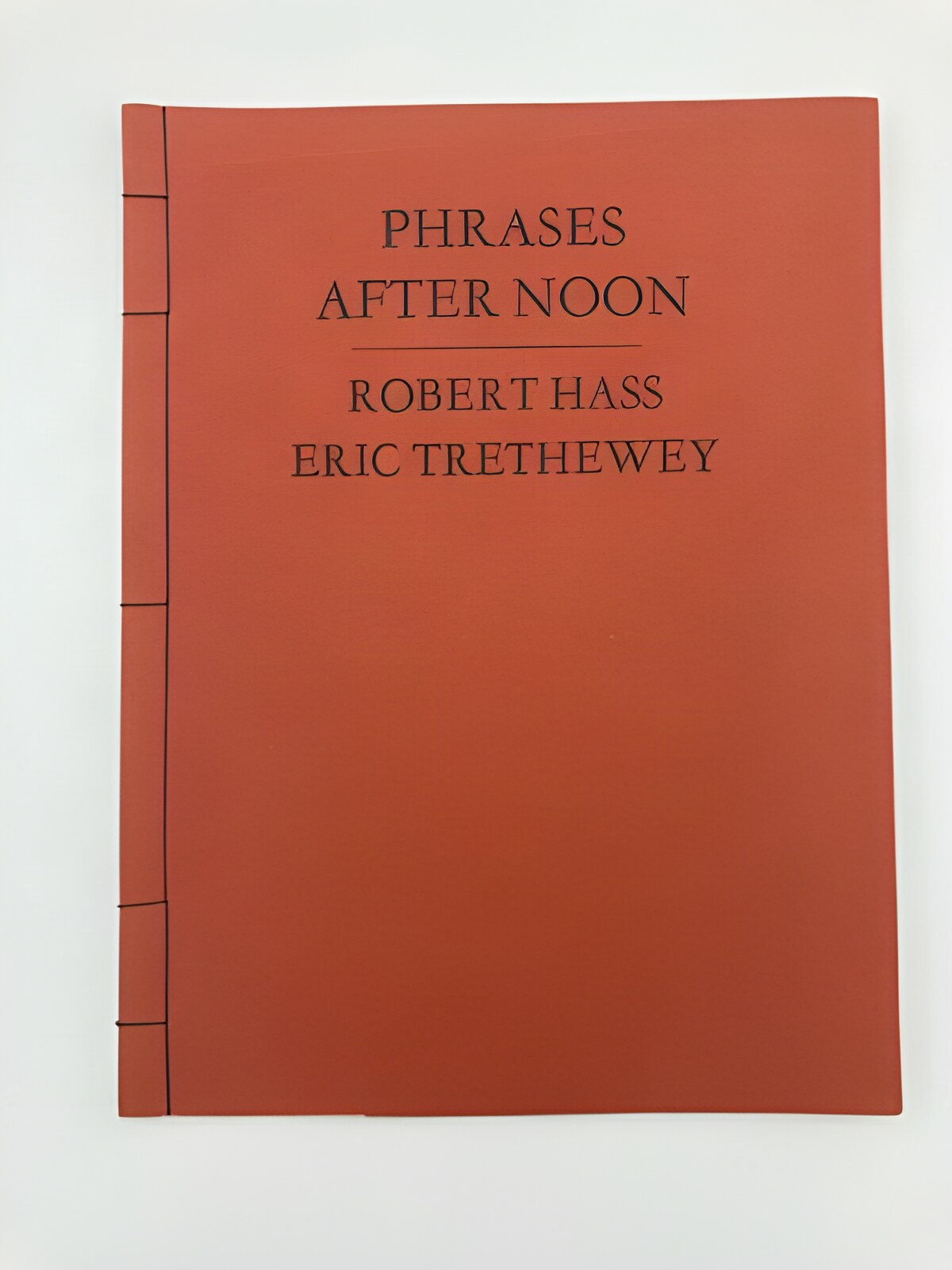
Softcover. Monterey KY, Frankfort Arts Foundation, Ltd. Ed., 1985, Book: Very Good, Dust Jacket: None, Softcover, Limited to 310 copies, this being #310. The first section of this handsome book publishes eight poems by Hass. The second section presents poems by Eric Trethewey and eight other poets. Designed and printed by Gray Zeitz at the Larkspur Press in Monterey, Kentucky. Japanese style binding. Clean, bright copy.
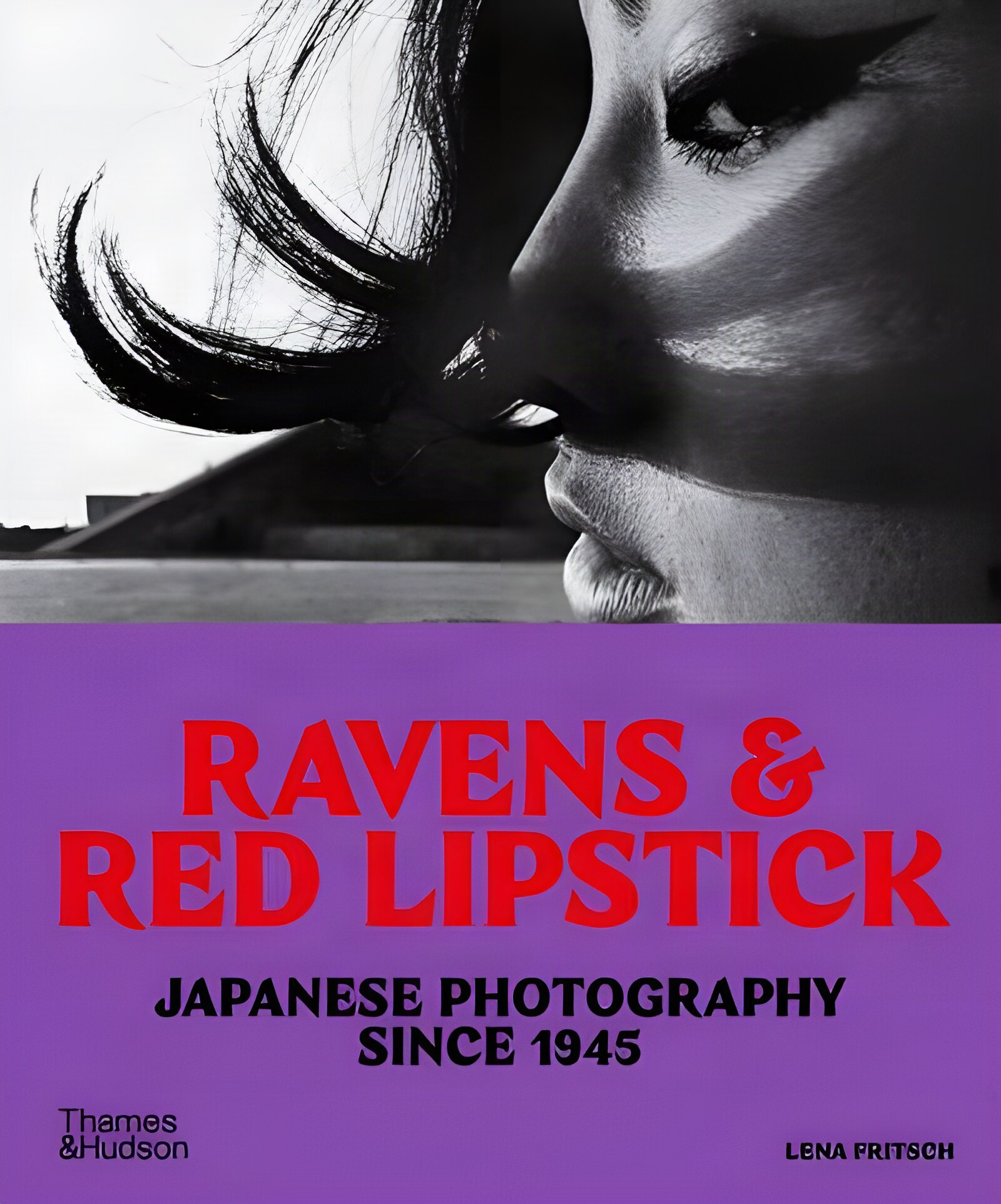
Softcover. London/NY, Thames & Hudson, 1st, 2024, Book: Very Good, Dust Jacket: None, Softcover, 288 pages. An accessible and visually rich study of Japanese photography since 1945 by an experienced curator specializing in Japanese art and culture. From the severity of post-war Realism to the diversity and technical ingenuity of the present, via movements and groups such as Vivo in the 1960s and 'girls' photography' in the 1990s, this visually bold and richly volume traces the development of Japanese photography since 1945. Interleaved are new interviews with some of the most influential practitioners in photographic history, from Moriyama Daido to Araki Nobuyoshi and Kawauchi Rinko. Lena Fritsch writes with imagination and clarity, interrogating a cross-section of photographic movements and works against the vivid, shifting backdrop of Japanese social, cultural and political history. The result is both an accessible introduction and an illuminating work of analysis for general readers and aficionados alike.
Hardcover. Cambridge MA, MIT Press, 2nd Pr., 1994, Book: Very Good, Dust Jacket: Very Good, Hardcover, 251 pages, with her photo-illustrated dust jacket. Who speaks? Who is silent? Who is seen? Who is absent? These questions focus on how cultures are constructed through pictures and words, how we are seduced into a world of appearances: into a pose of who we are and aren't. On both an emotional and an economic level, images and texts have the power to make us rich or poor. In these essays and reviews, written over the last decade, Barbara Kruger addresses that power with intelligence and wit, in the hope of engaging both our criticality and our dreams of affirmation. Barbara Kruger is an artist whose pictures and words engage issues of power, sex, money, difference, and death. Her work has appeared throughout America, Europe, and Japan in galleries, newspapers, magazines, and museums and on billboards, matchbooks, TV programs, t-shirts, postcards, and shopping bags. She has written about television, film, and cultures for Artforum, Esquire, the New York Times, and the Village Voice.
Hardcover. New York, George Braziller, 1st, 1993, Book: Very Good, Dust Jacket: Very Good, Hardcover in a bright dust jacket, Unpaginated. Color and black & white photography. British artist Long ( Walking in Circles ) takes nature treks--in England's Lake District, the Sahara, Japan, Nepal--and creates site-specific works along the way. He fashions a mud circle in the river Avon, traces a line of snow near a temple in Kyoto and erects a circle of stones on a Swiss mountainside. The spare, deeply meditative photographs that he took en route sometimes call to mind prehistoric British megalithic monuments or Native American earthworks, as if he wants to tune in on planetary patterns of energy. At other times Long simply records what he sees, providing dramatic vistas of Iceland's vast rolling hills, Bolivia's high plateau, Washington's forests and Mount Everest's calm majesty. His images, poetic captions and unobstrusive siteworks reflect an artist who is at once traveler, nature-lover and adventurer.
Hardcover. London, Ashgate, reprint, 2010, Book: Very Good, Dust Jacket: Very Good, 248 pages. Hardcover with dust jacket. Clean, unmarked copy with only minor wear to dust jacket. Silver gilt on spine. 'Like "the ring" itself, this book is viral: it gathers into itself literature and film, disease and survival, cultural studies and aesthetics, Japan and America, technology and the family. We won't read Suzuki's novels or watch the films in the same way again. A thoroughly readable and teachable text!' Steven Bruhm, Robert and Ruth Lumsden Professor of English, The University of Western Ontario, and author of Reflecting Narcissus: A Queer Aesthetic 'Taking as its point of departure the phenomenon of The Ring in all its manifestations"the Japanese novel, the Japanese film, the American film, and the various sequels"The Scary Screen offers an in-depth and sustained speculation about the anxiety created by the development of communication technologies. The collection introduces startling insights into the relationship between changes in media forms and widespread fears of contagion, while also identifying a new universal form of horror that has emerged in recent decades as the status of reproduction"both technological and biological"has undergone a profound transformation. The essays included here represent a powerful theoretical response to this transformation.' Todd McGowan, University of Vermont, and author of The Impossible David Lynch and The Real Gaze '... The Scary Screen is a useful contribution to studies of The Ring, horror film, and cultural anxieties evoked by technology.' Journal of the Fantastic in the Arts.
Softcover. Tokyo, Shinbaku Books, 1st, 2014, Book: Very Good, Dust Jacket: None, Softcover, 112 pages, illustrated in color. The modern era of underground doll-making in Japan began in the late 1960s, with the experiments of Simon Yotsuya and Nori Doi. Directly inspired by the Surrealist Doll constructed by Hans Bellmer in 1932, Simon Yotsuya created a series of ball-jointed, life-sized dolls which featured in his ground-breaking "Eve In The Past And The Future" exhibition in Tokyo, in 1973. Simon Yotsuya's work inspired a new wave of avant-garde Japanese doll-making, headed by artists such as Ryo Yoshida and Katan Amano, which has continued to flourish to the present day. SECRET DOLLeEUR^UNDERGROUND, presented by Yuichi Konno, features dolls by fifteen artists, from Simon Yotsuya onwards, with over 80 full-sized colour photographs never before published outside Japan. It also includes Konno's introductory history of the underground doll in Japan.
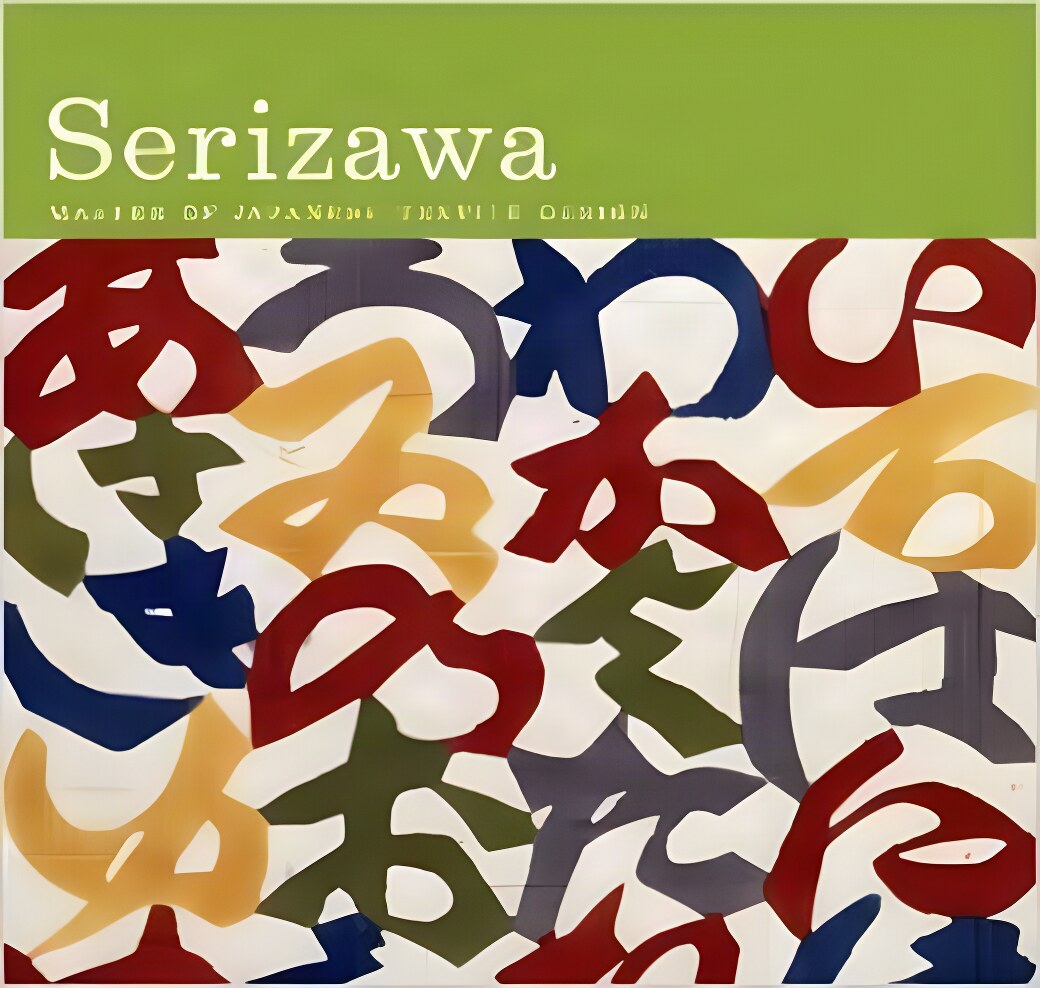
Softcover. New Haven CT, Yale University Press, 2009, Book: Very Good, Dust Jacket: None, Softcover, 144 pages. Like new in publisher's shrink-wrap. Designated a Living National Treasure in 1956, Serizawa Keisuke (1895-1984) was one of the greatest artists of 20th-century Japan. This is the first book in English to trace Serizawa's artistic biography in detail using the finest examples of his work from leading Japanese collections. A major exponent of the mingei (people's crafts) movement, Serizawa achieved fame as a textile designer using traditional stencil-dyeing techniques and often working in large-scale formats such as folding screens or kimonos. The stunning works in this catalogue are important not only for the originality of their conception, but also for the variety of their materials: cotton, silk, hemp and a range of other fibers, and paper decorated with the brilliant yet warm hues of vegetable dyes. Dramatic in design, Serizawa's textiles have an expressive power that far transcends expectations of a "craft" medium.
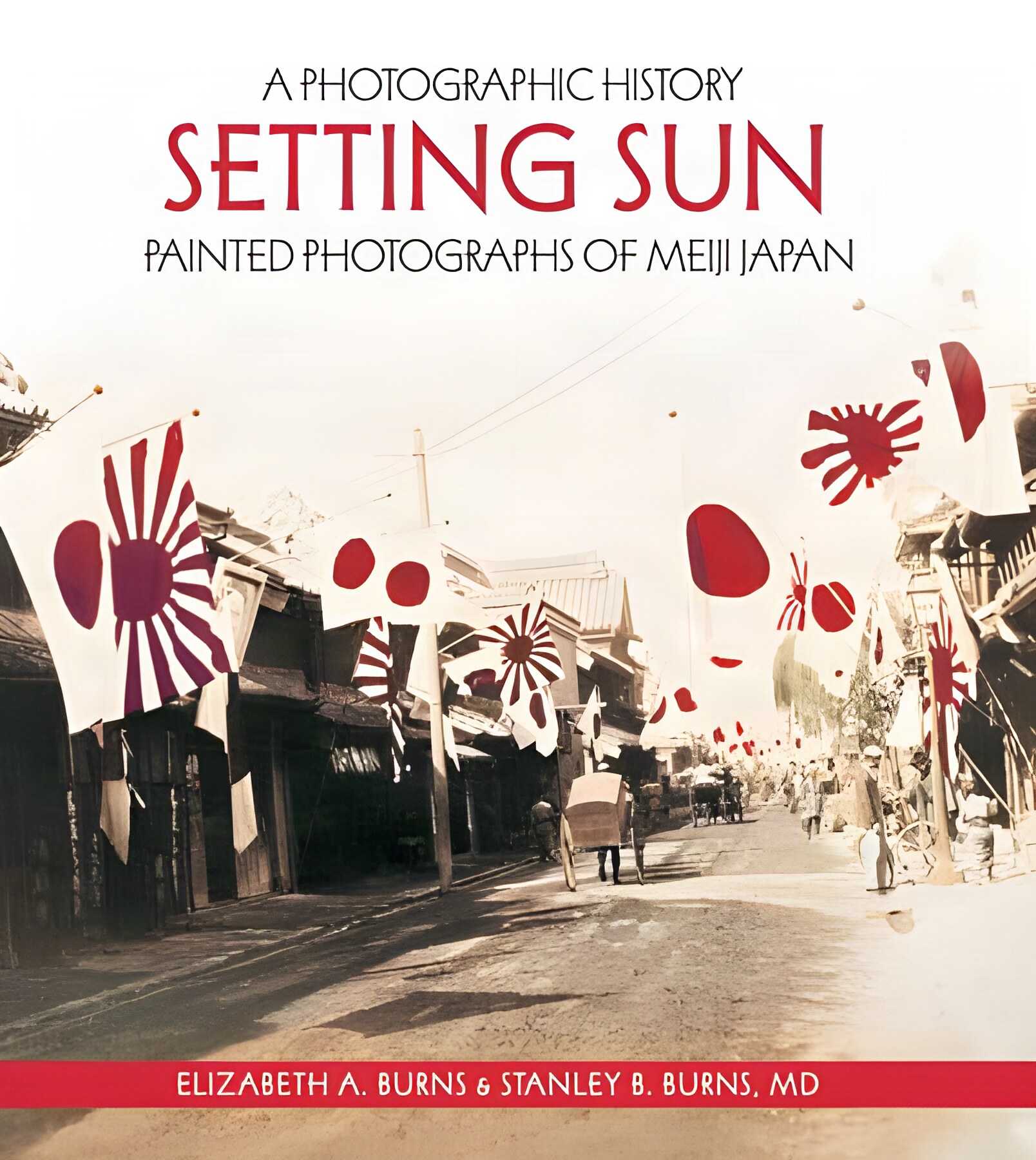
Softcover. NY, Burns Archive Press, 1st, 2017, Book: Very Good, Dust Jacket: None, Softcover, 106 pages, color plates throughout. SIGNED/INSCRIBED BY STANLEY BURNS on the title page. Japan, an island nation isolated until the mid-nineteenth century, opened its doors to foreign photographers in the 1860s. These photographers presented a visual cultural kaleidoscope of Japanese life to an eager outside world. The 160 photographs in this volume are curated from tourist albums and presented in the typical sequence. The modern reader will experience Meiji Japan in the way of a nineteenth century armchair traveler. While photographers in other countries were marketing sepia-toned prints, photographers in Japan took advantage of local artists and had their prints exquisitely painted. As with all hand-rendered artworks, quality varied; many photographs were executed so well as to challenge modern color photography. Photographers were limited by government restrictions and many scenes were set in studios rather than in real life. Despite the limitations, tourists visiting the country could purchase albums filled with colorful renditions of Japan's peoples and places. The carefully staged and approved photographs promoted an idealized and romanticized vision of Meiji Japan. Modernization and industrialization changed the country dramatically and the last vestiges of the disappearing feudal culture are captured by the camera. These intriguing photographs are beautiful multi-media artworks representing a vanished world. Clean copy.
Hardcover. NY, W. W. Norton, 1st, 1992, Book: Very Good, Dust Jacket: Very Good, Hardcover in a bright, unclipped dust jacket. This stimulating and comprehensive collection of original essays on twentieth-century Japan's history and culture provides a unique mix of American and Japanese perspectives on Showa. With an important, substantial Introduction by Carol Gluck, the volume explores the strengths of the Japanese economy, the issue of democracy and Japan's political culture, Japan's achievements in technology and the arts, and its relations with other Asian nations and the United States. Name on front fly leaf, otherwise clean.
Softcover. Santa Monica, The Lapis Press, First Edition, 1987, Book: Very Good, Dust Jacket: None, Non-paginated. Softcover with french flaps & light wear to edges. Previous owner's signature to front flyleaf. Pen marking to several pages in commentary sections. Poetry is clean & unmarked throughout. Black printed illustrations.
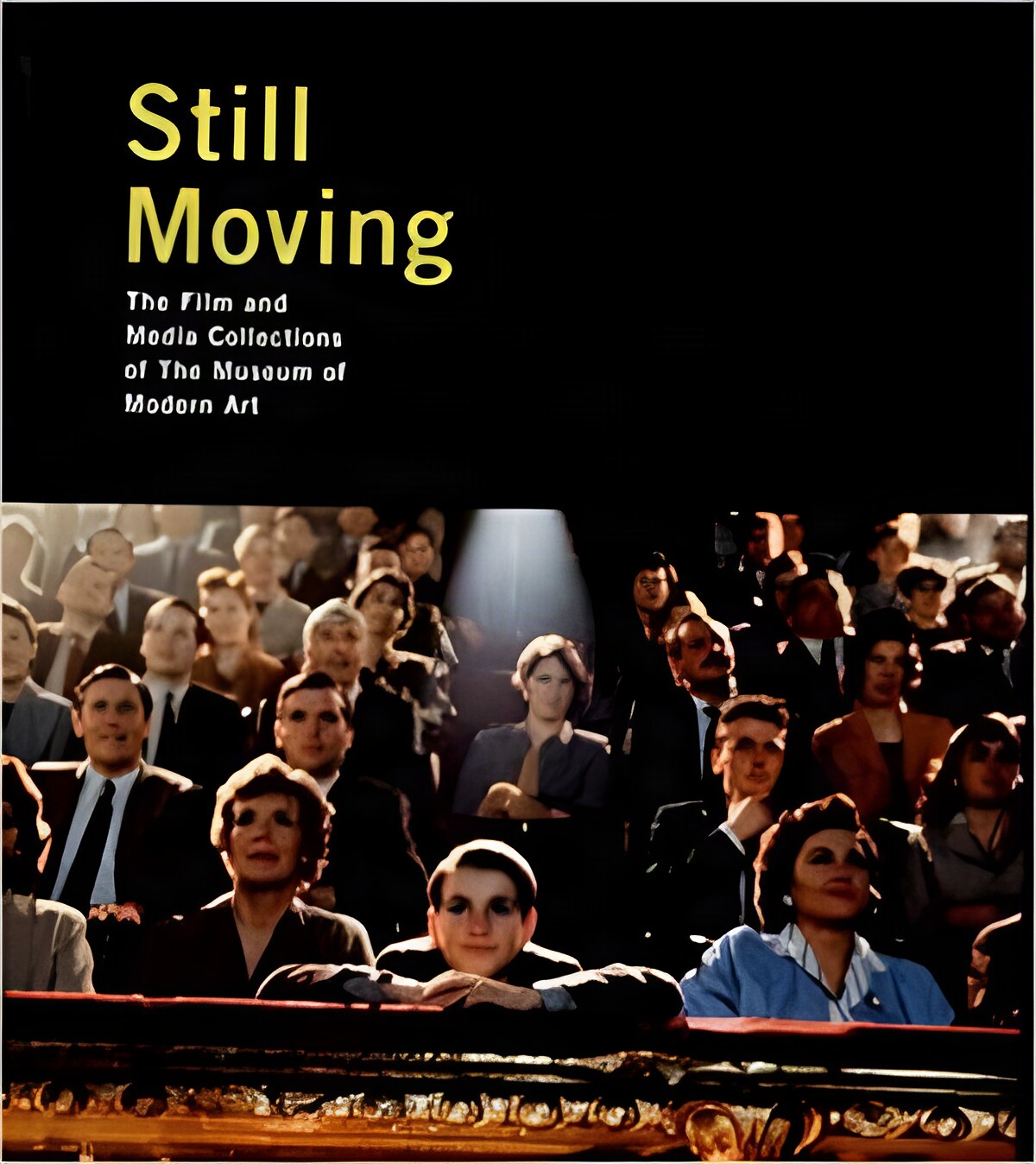
Hardcover. New York, The Museum of Modern Art, 1st, 2006, Book: Very Good, Dust Jacket: None, Hardcover, 375 pages, illustrated throughout in color and b&w. Clean, unmarked copy in excellent condition. 507 illustrations (108 in color, 399 in duotone). Founded in 1935, The Museum of Modern Art's Department of Film and Media is home to one of the most important moving-image archives in the world. Still Moving: The Film and Media Collections of The Museum of Modern Art marks the first time that MoMA has published a volume dedicated exclusively to these holdings. Drawn primarily from the Museum's vast library of film stills, the nearly 500 images in this book represent just a fraction of the department's renowned archive, including one of the world's most important collections of international silent cinema; classic early sound films from the United States, Great Britain, France, Germany, Italy, Russia, and Japan; extensive holdings of documentary and animation shorts and feature films; significant examples of Hollywood filmmaking from studios such as Warner Brothers, RKO, MGM, Twentieth Century-Fox, and Paramount; and more recent works by leading independent and avant-garde film and media artists.
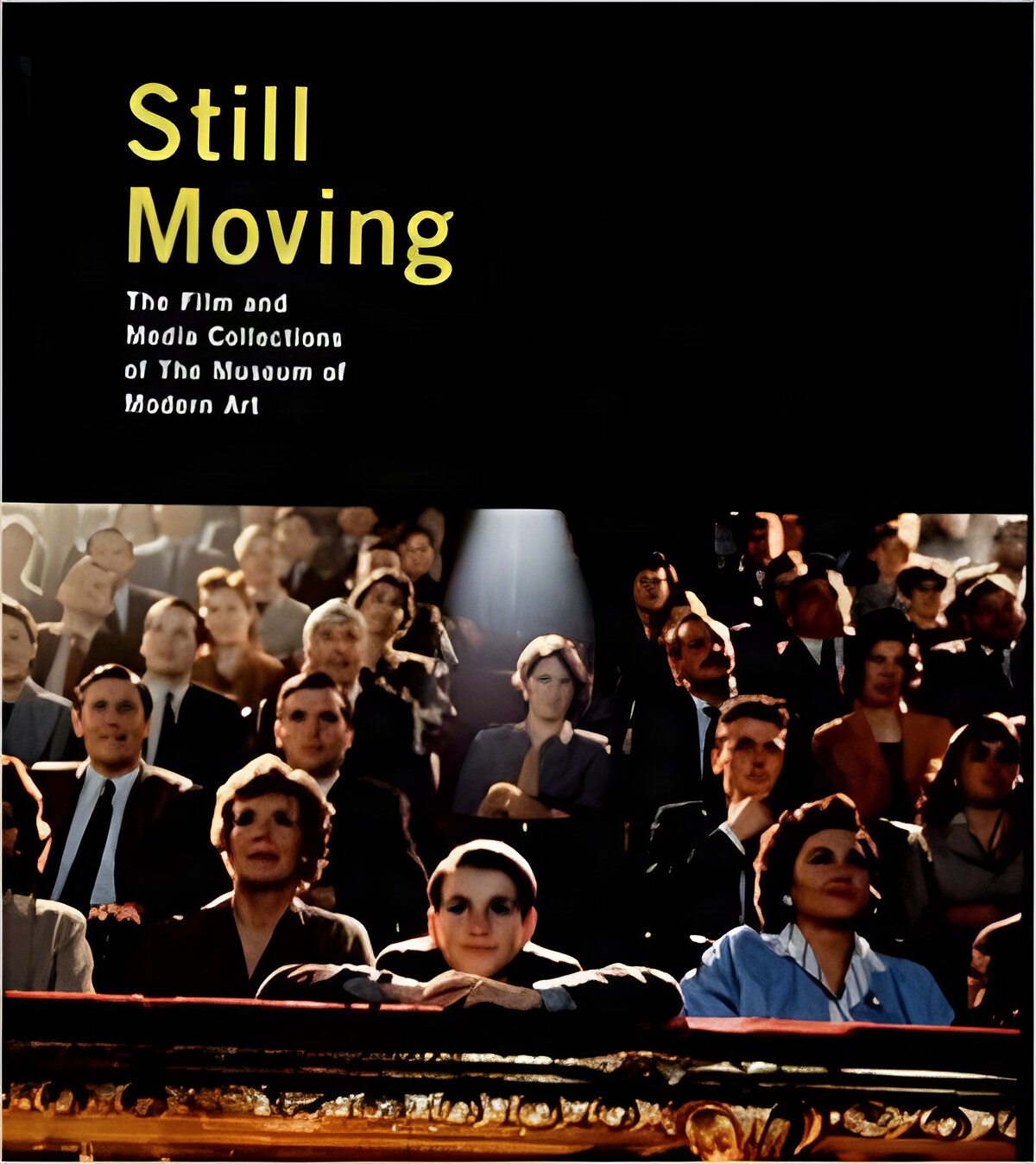
Hardcover. New York, The Museum of Modern Art, New York, 1st, 2006, Book: Very Good, Dust Jacket: None, Hardcover, 375 pages, illustrated throughout in color and b&w. Clean, unmarked copy in excellent condition. 507 illustrations (108 in color, 399 in duotone). Founded in 1935, The Museum of Modern Art's Department of Film and Media is home to one of the most important moving-image archives in the world. Still Moving: The Film and Media Collections of The Museum of Modern Art marks the first time that MoMA has published a volume dedicated exclusively to these holdings. Drawn primarily from the Museum's vast library of film stills, the nearly 500 images in this book represent just a fraction of the department's renowned archive, including one of the world's most important collections of international silent cinema; classic early sound films from the United States, Great Britain, France, Germany, Italy, Russia, and Japan; extensive holdings of documentary and animation shorts and feature films; significant examples of Hollywood filmmaking from studios such as Warner Brothers, RKO, MGM, Twentieth Century-Fox, and Paramount; and more recent works by leading independent and avant-garde film and media artists.
Hardcover. Clover Press , 1st, 2024, Book: Very Good, Dust Jacket: None, Hardcover in pictorial boards. The saga continues in Terry and the Pirates Volume 8, reproduced from Milton Caniff's personal set of color syndicate tabloid proofs. Pat Ryan's bittersweet reunion with the entire Sandhurst family including young daughter Merrily is cut short when they are captured and placed in a Japanese prisoner of war camp. Even worse, human weasel Tony Sandhurst is revealed as an Axis conspirator! Pat revs up an escape for Normandie, Merrily, and himself, but their path to freedom intersects with the Dragon Lady. When the Sandhurst women find themselves on their own behind enemy lines, their privations finally end in the same U.S. Army camp hospital where Terry Lee is recuperating! Terry has happy encounters with nurse Taffy Tucker and aviator Flip Corkin, and a less-pleasant encounter with the conniving redhead known only as Rouge! This tabloid-sized Volume 8 containing the 1942 dailies and Sundays is an unparalleled upgrade that no Terry fan can afford to pass up. Sill in publisher's shrinkwrap. DUE TO WEIGHT, DOMESTIC SHIPPING ONLY.
Hardcover. NY, Random House, 1st, 1954, Book: Very Good, Dust Jacket: Good, 403 pages. Hardcover. 65 illustrations, 40 in full color. Price clipped dust jacket worn with tape repairs, fading - jacket now protected with clear plastic cover. "An account of the life and death of an art, of the men who made it and of the lusty age in which they flourished. 65 illustrations, including 40 in full color." Index, glossary, bibliography, appendices, artist biographies, chronology. Clean, tight copy.
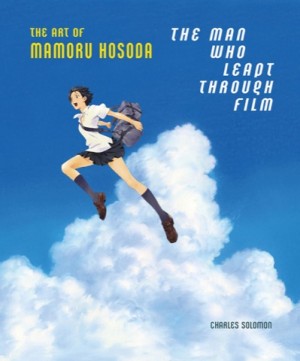
Hardcover. NY, Harry N. Abrams, 1st, 2022, Book: Very Good, Dust Jacket: None, Hardcover in pictorial boards, 271 pages. Journey into the mind and creative process of one of the most celebrated anime directors working today with The Man Who Leapt Through Film: The Art of Mamoru Hosoda. Written by renowned animation critic and historian Charles Solomon (The Art of WolfWalkers) and featuring exclusive interviews alongside hundreds of never-before-seen sketches, storyboards, background paintings, character designs, and concept art, this is the ultimate companion piece to Hosoda's work. Writer/director/animator Mamoru Hosoda's work includes Belle (2021), the Academy Award-nominated Mirai (2018); The Boy and the Beast (2015); Wolf Children (2012); Summer Wars (2009); and The Girl Who Leapt Through Time (2006). He is the cofounder of Studio Chizu, one of Japan's premier animation studios. Clean, bright copy.
Hardcover. Boston, David R. Godine, 3rd pr., 2008, Book: Very Good, Dust Jacket: Very Good, Hardcover in a bright, unclipped dust jacket. Tojiro, a nine-year-old orphan, sells rice cakes on the streets of 19th-century Edo, the bustling city we now call Tokyo. One of his customers is the grumpy, eccentric octogenarian Hokusai. The old man takes a liking to Tojiro, and soon employs him as his assistant. The boy's ignorance provides a convenient vehicle for introducing the artist's life and work. Much of the dialogue and action is written for the purpose of conveying information about Hokusai, as well as the technique of woodblock printing and the social customs of Edo. The book's greatest strength is not the text, but the art that enlivens every page. A combination of the author's watercolors and reproductions of Hokusai's drawings and woodblock prints, the illustrations are arranged in enticing and varied page designs.
Hardcover. NY, Alfred A. Knopf, 1st thus, 1976, Book: Very Good, Dust Jacket: Very Good, Two volumes in a pictorial cardboard slipcase, quarter bound in purple cloth and decorated boards without jackets, as issued. The Tale of Genji was written in the eleventh century by Murasaki Shikibu, a lady of the Heian court. It is universally recognized as the greatest masterpiece of Japanese prose narrative, perhaps the earliest true novel in the history of the world. Until now there has been no translation that is both complete and scrupulously faithful to the original text. Edward G. Seidensticker's masterly rendering was hailed as a classic of the translator's art. DOMESTIC SHIPPING ONLY. Clean, bright copy.
Hardcover. London, Souvenir Press, 1st UK, 1986, Book: Very Good, Dust Jacket: Very Good, Hardcover in a bright, unclipped dust jacket, 192 pages. First-person accounts of life in a Japanese POW camp are not common, and illustrated memoirs are rare indeed. Searle, a young British art student, was captured at the fall of Singapore and spent the next four years covertly sketching his captors and fellow prisoners. His work matured as the war progressed, growing from merely facile to totally captivating. He grew skilled at suggesting personality, and many of his drawings are unforgettable. A brief personal narrative accompanies the portfolio, placing the works into historic perspective. Artistically as as well as historically, this book is a treat.
Hardcover. Scarsdale NY, Bradbury Press, 1st, 1974, Book: Very Good, Dust Jacket: None, Hardcover, beige cloth stamped in black. Folklore about a Japanese farmer who digs up a huge imo (yam). Ed Young style pencil drawings by Japanese artist Mitsu Yashima. No dust jacket. Clean copy.
Softcover. NY, Japan Society, Inc, 1st, 1975, Book: Very Good, Dust Jacket: None, Softcover, pictorial wraps, 215 pages. With a preface by Maryell Semal and photographs by Michikazu Sakai. 8 color plates, numerous b&w photos. Clean, bright copy.
Hardcover. New York, Gallery Books, 1st US, 1991, Book: Very Good, Dust Jacket: Very Good, 390 pages, illustrated throughout in color. INSCRIBED BY YOSHIDA on half title page. Large, very heavy book. Light shelf-wear to dust jacket. Clean, tight copy.
Softcover. Nara, Nara National Museum, 1st, 2002, Book: Very Good, Dust Jacket: None, 375 pages. Softcover. Exhibition catalog. Full color photographs. Primary language of catalog is Japanese - Foreword and Exhibition Checklist in English. Light wear. Clean, tight copy.
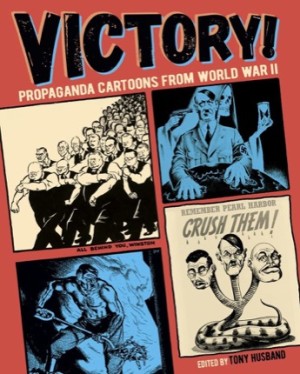
Softcover. London, Sirius, 1st, 2022, Book: Very Good, Dust Jacket: None, Softcover, 192 pages. Award-winning cartoonist Tony Husband tells the story of World War II through a selection of the era's finest political cartoons. Satire is one of the key weapons of war. Forget 'sticks and stones', each country uses cartoons to hit the enemy where it really hurts and to maintain morale on the home front. Each country brought their own unique style and this collection features work from Britain, the USA, Germany, Russia and Japan and features the work of some of World War II's greatest cartoonists including Bill Mauldin, Fougasse, Emett, David Low and Graham Laidler. Clean, bright copy.

 "Remote Control: Power Cultures and the World of Appearancesby: Kruger, Barbara")
 "Richard Long: Mountains and Watersby: Long, Richard")
 "Scary Screen, The: Media Anxiety in The Ringby: Lacefield (Ed.), Kristin")
 "Secret Doll Underground: Japanese Surrealist Dolls From The Yaso Collection, Tokyo (Japanese Art Perspectives)by: Yuichi Konno (Editor)")

 "Stelesby: Segalen, Victor")


 "The Old Man Mad about Drawing: A Tale of Hokusaiby: Place, Francois")
 "The Tale of Genji (2 Vols.)by: Murasaki Shikibu. Translated by Edward G. Seidensticker")
 "To the Kwai and Back: War Drawings 1939-1945by: Ronald Searle")

 "Tsutsumu: An Introduction to an Exhibition of the Art of the Japanese Package by: Oka, Hideyuki; Sakai, Michikazu")
 "Ukiyo-E: 250 Years of Japanese Art (SIGNED COPY)by: Yoshida, Susugu/Roni Neuer")
 "Ultimate Todai-ji - Incomparable Masterworks from Nara's Great Eastern Temple - Nara National Museum, Nara, Japan - April 20-July 7, 2002by: Nara National Museum")