Hardcover. New York, Random House, 1st, 2006, Book: Very Good, Dust Jacket: Very Good, 382 pages, b&w illustrations. Like new in a bright dust jacket. In this first biography of the great cartoonist, written with exclusive access to Addams's intimates and his private papers, we finally meet the man behind the famed cartoons and circling rumors. Here is his surprising childhood in New Jersey, the cartoon that offended the Nazis, the friend whose early death Addams long mourned. Here are his wives, the stories behind his most famous-and some of his most private-cartoons, and the Addams whom even his closest friends didn't know. With wit, humor, poignancy, and insight-enhanced by rare family photographs, classic and previously unpublished cartoons, and private drawings-Linda H. Davis paints an engaging and endearing portrait of a marvelous American original.
Hardcover. New York, Random House, 1st, 2006, Book: Very Good, Dust Jacket: Very Good, 382 pages, b&w illustrations. Like new in a bright dust jacket. In this first biography of the great cartoonist, written with exclusive access to Addams's intimates and his private papers, we finally meet the man behind the famed cartoons and circling rumors. Here is his surprising childhood in New Jersey, the cartoon that offended the Nazis, the friend whose early death Addams long mourned. Here are his wives, the stories behind his most famous-and some of his most private-cartoons, and the Addams whom even his closest friends didn't know. With wit, humor, poignancy, and insight-enhanced by rare family photographs, classic and previously unpublished cartoons, and private drawings-Linda H. Davis paints an engaging and endearing portrait of a marvelous American original.
Hardcover. Chicago, University of Chicago Press, 1st, 2016, Book: Very Good, Dust Jacket: Very Good, Hardcover 192 pages. On September 25, 1890, the Mormon prophet Wilford Woodruff publicly instructed his followers to abandon polygamy. In doing so, he initiated a process that would fundamentally alter the Latter-day Saints and their faith. Trading the most integral elements of their belief system for national acceptance, the Mormons recreated themselves as model Americans. Mary Campbell tells the story of this remarkable religious transformation in Charles Ellis Johnson and the Erotic Mormon Image. One of the church's favorite photographers, Johnson (1857-1926) spent the 1890s and early 1900s taking pictures of Mormonism's most revered figures and sacred sites. At the same time, he did a brisk business in mail-order erotica, creating and selling stereoviews that he referred to as his "spicy pictures of girls." Situating these images within the religious, artistic, and legal culture of turn-of-the-century America, Campbell reveals the unexpected ways in which they worked to bring the Saints into the nation's mainstream after the scandal of polygamy.
Hardcover. New York, Harry N. Abrams, Inc, 1st, 1982, Book: Very Good, Dust Jacket: Very Good, Hardcover in a bright dust jacket, 272 pages. 189 illustrations, including 98 plates in full color. Light brown cloth. Clean, bright copy. As good as new. Peale painted thousands of canvases and that provided a superb record of colonial and federal society. In mid-life Peale turned to the study of nature and assembled a museum in Philadelphia that was, at its time, the most important institution of its kind in the country.
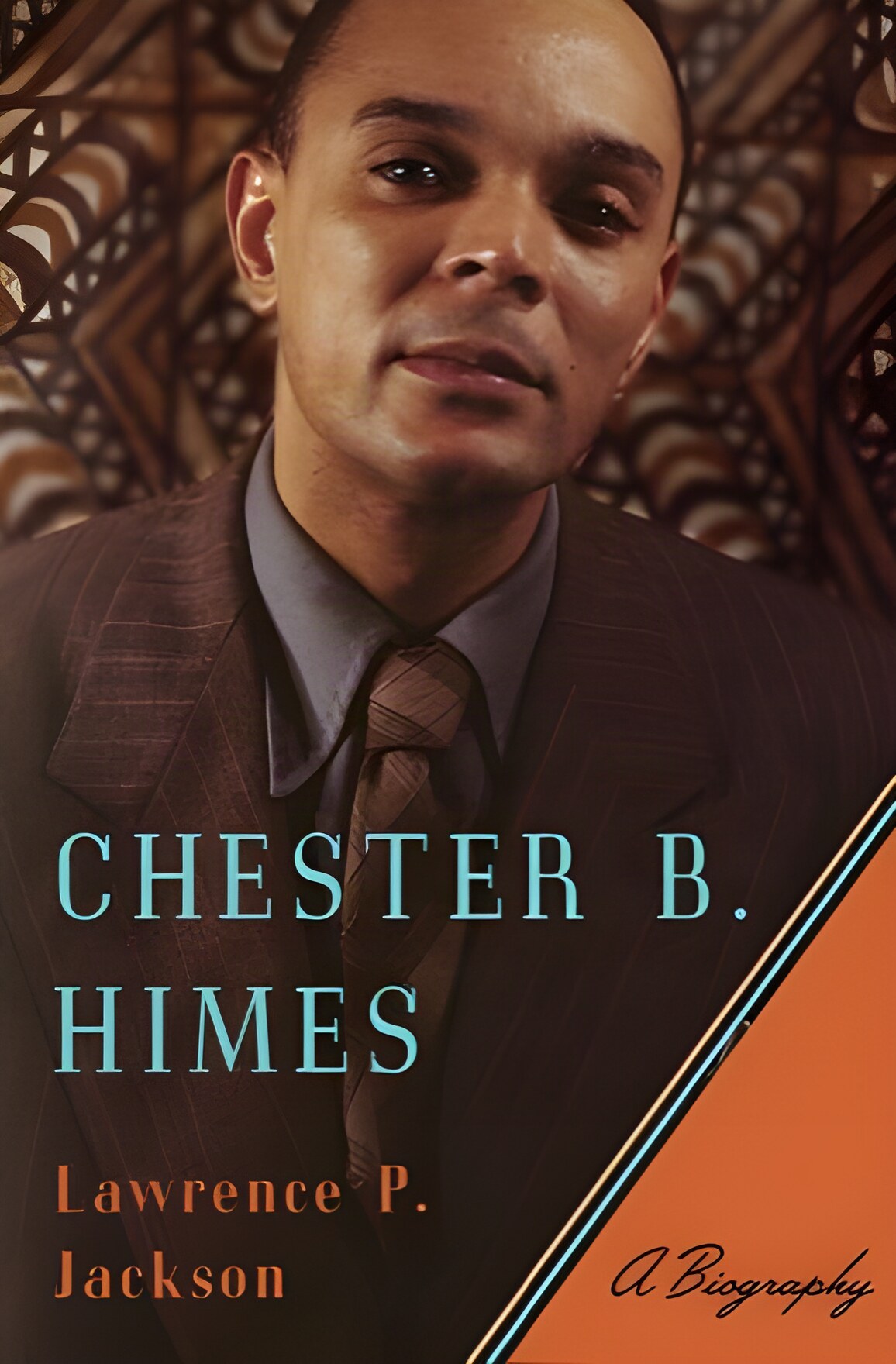
Hardcover. NY, W. W. Norton & Company, 1st, 2017, Book: Very Good, Dust Jacket: Very Good, Hardcover in a bright dust jacket, 606 pages. In this definitive biography of Chester B. Himes (1909-1984), Lawrence P. Jackson uses exclusive interviews and unrestricted access to Himes's full archives to portray a controversial American writer whose novels unflinchingly confront sex, racism, and black identity. Himes brutally rendered racial politics in the best-selling novel If He Hollers Let Him Go, but he became famous for his Harlem detective series, including Cotton Comes to Harlem. A serious literary tastemaker in his day, Himes had friendships-sometimes uneasy-with such luminaries as Ralph Ellison, Carl Van Vechten, and Richard Wright. Jackson's scholarship and astute commentary illuminates Himes's improbable life-his middle-class origins, his eight years in prison, his painful odyssey as a black World War II-era artist, and his escape to Europe for success. More than ten years in the writing, Jackson's biography restores the legacy of a fascinating maverick caught between his aspirations for commercial success and his disturbing, vivid portraits of the United States. Clean copy.
Hardcover. NY, Hachette, 1st, 2022, Book: Very Good, Dust Jacket: Very Good, Hardcover in a bright, unclipped dust jacket, 415 pages, b&w illustrations. In Chuck Berry, biographer RJ Smith crafts a comprehensive portrait of one of the great American entertainers, guitarists, and lyricists of the 20th century, bringing Chuck Berry to life in vivid detail. Based on interviews, archival research, legal documents, and a deep understanding of Berry's St. Louis (his birthplace, and the place where he died in March 2017), Smith sheds new light on a man few have ever really understood. By placing his life within the context of the American culture he made and eventually withdrew from, we understand how Berry became such a groundbreaking figure in music, erasing racial boundaries, crafting subtle political commentary, and paying a great price for his success. While celebrating his accomplishments, the book also does not shy away from troubling aspects of his public and private life, asking profound questions about how and why we separate the art from the artist. Clean copy.
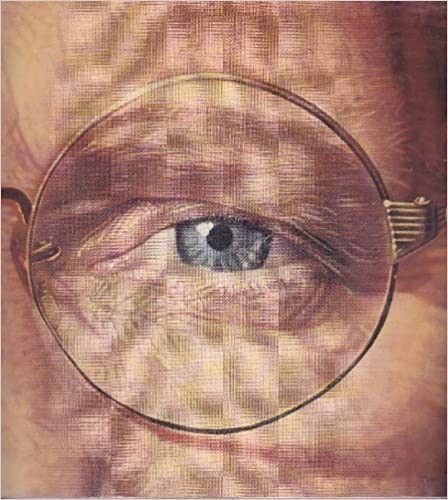
Hardcover. New York, Aperture, 1st, 2006, Book: Very Good, Dust Jacket: Very Good, 56 pages. Like new in publisher's shrink-wrap. A Couple of Ways of Doing Something replicates a deluxe limited-edition portfolio whose initial run was only 75 copies. This clothbound edition preserves the luxurious sensibility of the original with 22 extraordinary oversized daguerreotypes printed in rich tritone. Working with daguerreotype master Jerry Spagnoli to conquer the complexities of this venerable process, which yields images of astonishing detail and gravity, Chuck Close photographed many of the same artist-friends who have made regular appearances in his paintings over the years: Laurie Anderson, Lyle Ashton Harris, Cecily Brown, Gregory Crewdson, Carroll Dunham, Ellen Gallagher, Philip Glass, Bob Holman, Elizabeth Murray, Elizabeth Peyton, Andres Serrano, Cindy Sherman, James Siena, Lorna Simpson, Kiki Smith, James Turrell, Robert Wilson, Terry Winters, Lisa Yuskavage and himself. Each image is complemented by a poem on its subject by Bob Holman, the celebrated and widely published New York School poet who originated and hosted the famous Poetry Slams at the Nuyorican Poets Cafe and now runs the Bowery Poetry Club. With the counterpoint of Holman's engaging poetry, the collected work becomes a transfixing group portrait of Close's influential and highly creative circle of friends and colleagues, as well as an exploration of a challenging photographic medium.
Hardcover. New York, Aperture, 1st, 2006, Book: Very Good, Dust Jacket: None, 56 pages. Like new in publisher's shrink-wrap. A Couple of Ways of Doing Something replicates a deluxe limited-edition portfolio whose initial run was only 75 copies. This clothbound edition preserves the luxurious sensibility of the original with 22 extraordinary oversized daguerreotypes printed in rich tritone. Working with daguerreotype master Jerry Spagnoli to conquer the complexities of this venerable process, which yields images of astonishing detail and gravity, Chuck Close photographed many of the same artist-friends who have made regular appearances in his paintings over the years: Laurie Anderson, Lyle Ashton Harris, Cecily Brown, Gregory Crewdson, Carroll Dunham, Ellen Gallagher, Philip Glass, Bob Holman, Elizabeth Murray, Elizabeth Peyton, Andres Serrano, Cindy Sherman, James Siena, Lorna Simpson, Kiki Smith, James Turrell, Robert Wilson, Terry Winters, Lisa Yuskavage and himself. Each image is complemented by a poem on its subject by Bob Holman, the celebrated and widely published New York School poet who originated and hosted the famous Poetry Slams at the Nuyorican Poets Cafe and now runs the Bowery Poetry Club. With the counterpoint of Holman's engaging poetry, the collected work becomes a transfixing group portrait of Close's influential and highly creative circle of friends and colleagues, as well as an exploration of a challenging photographic medium.
Hardcover. Minneapolis MN, Walker Art Center/San Francisco Museum of Modern Art, 1st, 2005, Book: Very Good, Dust Jacket: None, Hardcover, 152 pages. No markings, Fine; no dust jacket as published. Boards, bibliography, color and B&W reproductions and photos of Close's amazing self-portraits.
Paperback. New York, Prestel, Revised, 2007, Book: Very Good, Dust Jacket: Very Good, 335 pages. Oversize hardcover with dust jacket. A very clean, unmarked copy with minor wear to dust jacket edges. Now available in a revised and expanded edition, this book offers the first comprehensive critical examination of one of America's most celebrated living artists. Chuck Close reinvented portraiture almost four decades ago with a series of nine-foot-tall, black-and-white likenesses of himself and fellow artists, which astonished an art world dominated by minimalism and conceptualism. Close has since explored an array of mediums. This lavish, large-format volume is the first to deal with all aspects of Close's career and to place them in a biographical context. Christopher Finch's insight into CLose's achievement comes by way of hundreds of studio visits and thousands of hours of conversation since he met Close in 1968. Finch provides an engaging, in-depth analysis of Close's portraits on canvas, from the continuous-tone airbrushed heads of the 1960s and '70s to the painterly "prismatic grids" of the past two decades. The more than 300 illustrations features in the book survey almost all of CLose's paintings, including his most recent work, together with a selection of his prints and multiples, and examples of his photographic oeuvre. This beautifully designed volume reveals not only the variety of pictorial strategies Close has devised, but the extrordinary personality of the artist behind the work.
Hardcover. NY, Museum of Modern Art , 1st, 1998, Book: Very Good, Dust Jacket: Very Good, Hardcover, 224 pages. This volume, the most comprehensive assessment of Chuck Close's work yet published, accompanied a mid-career retrospective exhibition that opened at The Museum of Modern Art, New York, on February 25, 1998. A leading figure in the New York art world since the early 1970s, Close has recently concentrated on portraits of his artist friends and colleagues, characterized by colorful patterning and vivid brushwork. Subjects include Robert Rauschenberg, Roy Lichtenstein, Alex Katz, Kiki Smith, Lucas Samaras, and Lorna Simpson. Here, more than 90 paintings, prints, drawings, and photographs are reproduced, along with details and comparative illustrations.
Softcover. NY, Thames & Hudson, reprint, 1997, Book: Very Good, Dust Jacket: None, Softcover, 220 pages. This comprehensive catalogue traces the career of Cindy Sherman, examining her achievements as one of the leading American artists of our time. By exploring the myriad constructions of female identity and the body in our culture, Sherman imitates and confronts assorted representational stereotypes, becoming for many an icon of the contemporary concerns of feminism and postmodernism. Essayists Amada Cruz, Elizabeth A. T. Smith, and Amelia Jones offer keen insight and observations from several distinct vantage points, demonstrating that Sherman's work is a lens through which to view contemporary art and its ongoing concern with the profound issues of the structures of the self. More than 200 images show the breadth of Sherman's body of work, from the Untitled Film Stills of the 1970s to series such as Centerfolds, Fashion, Disasters, Fairy Tales, and History Portraits, as well as photographs influenced by surrealist artists. Also included are intriguing excerpts from Sherman's notebooks, selections from her contact sheets, and numerous Polaroid studies, all of which shed light on the artist's process.
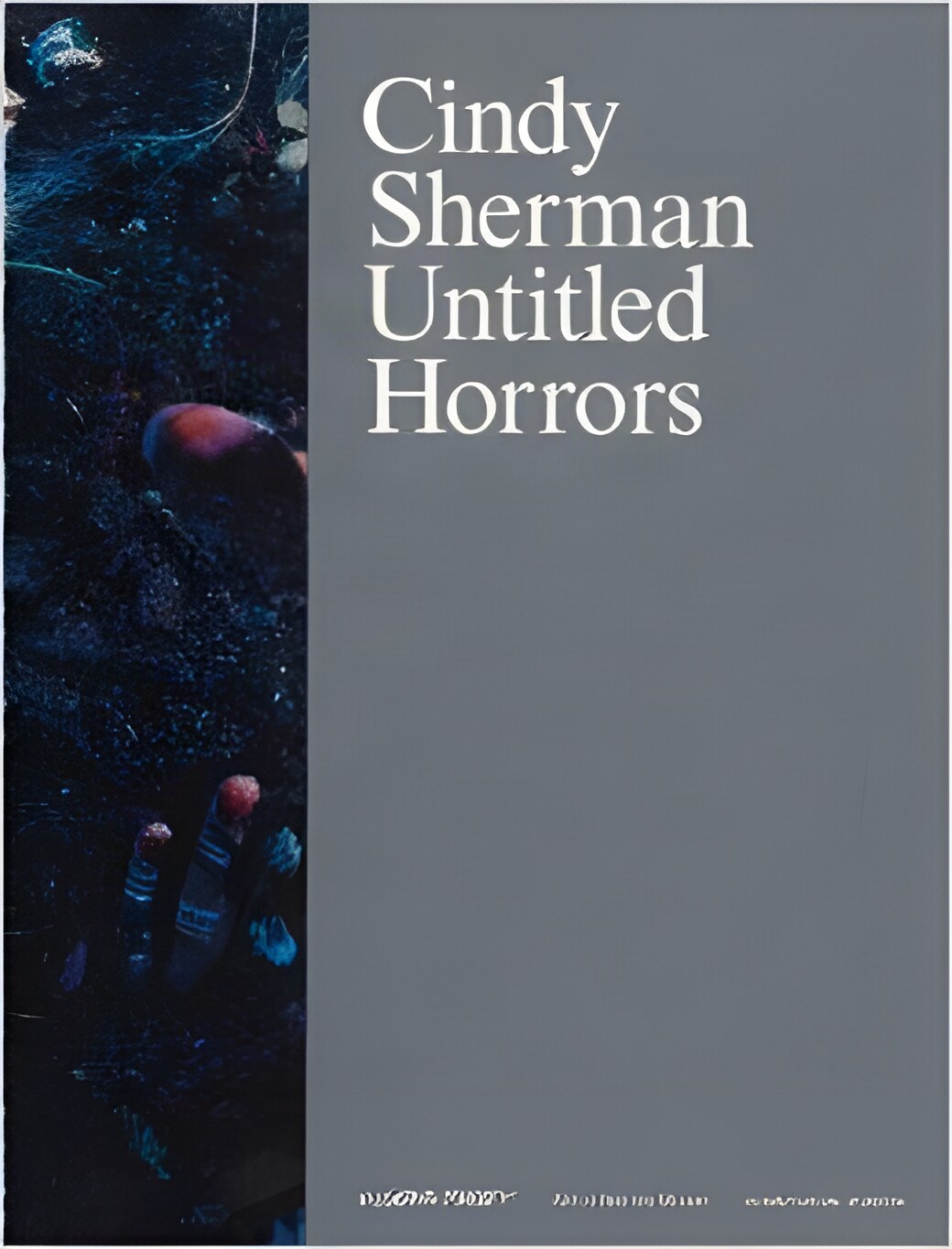
Softcover. Hatje Cantz, 1st, 2013, Book: Very Good, Dust Jacket: None, Like new in publisher's shrink-wrap. Softcover, 220 pages. Throughout her career, Cindy Sherman (born 1954) has been interested in exposing the darker sides of human nature, noticeable both in her selection of subject matter (fairytales, disasters, sex, horror, surrealism) and in her disquieting interpretations of well-established photographic genres, such as film stills, fashion photography and society portraiture. Delving relentlessly into the more grotesque extremes of delusion, vanity and self-image, Sherman probes deeply into the masks and distractions we all employ to set apart our public and our private personae, and challenges us to consider how bizarre and unconvincing our attempts at projecting a semblance of normality can be. Attracting a certain degree of notoriety, intense and ongoing public interest as well as extensive critical acclaim, Sherman's works continue to challenge and intrigue in equal measure. This richly illustrated publication deploys a selection of works from across her career to highlight and acknowledge these particular aspects of her art. These images are accompanied by more recent work, as well as essays from well-known authors, filmmakers and artists who likewise deal with the grotesque, the uncanny and the extraordinary in their practice.
Softcover. NY, The Museum of Modern Art, 1st, 2012, Book: Very Good, Dust Jacket: None, Softcover, 264 pages. 153 color illustrations and 102 duotone. Published to accompany the first major survey of Cindy Sherman's work in the United States in nearly 15 years, this publication presents a stunning range of work from the groundbreaking artist's 35-year career. Showcasing approximately 180 photographs from the mid-1970s to the present, including new works made for the exhibition and never before published, the volume is a vivid exploration of Sherman's sustained investigation into the construction of contemporary identity and the nature of representation. The book highlights major bodies of work including her seminal Untitled Film Stills (1977-80); centerfolds (1981); history portraits (1989-90); head shots (2000-2002); and two recent series on the experience and representation of aging in the context of contemporary obsessions with youth and status. An essay by curator Eva Respini provides an overview of Sherman's career, weaving together art historical analysis and discussions of the artist's working methods, and a contribution by art historian Johanna Burton offers a critical re-examination of Sherman's work in light of her recent series. A conversation between Cindy Sherman and filmmaker John Waters provides an enlightening view into the creative process.
Softcover. NY, The Museum of Modern Art, 1st, 2012, Book: Very Good, Dust Jacket: None, Softcover, 264 pages. 153 color illustrations and 102 duotone. Published to accompany the first major survey of Cindy Sherman's work in the United States in nearly 15 years, this publication presents a stunning range of work from the groundbreaking artist's 35-year career. Showcasing approximately 180 photographs from the mid-1970s to the present, including new works made for the exhibition and never before published, the volume is a vivid exploration of Sherman's sustained investigation into the construction of contemporary identity and the nature of representation. The book highlights major bodies of work including her seminal Untitled Film Stills (1977-80); centerfolds (1981); history portraits (1989-90); head shots (2000-2002); and two recent series on the experience and representation of aging in the context of contemporary obsessions with youth and status. An essay by curator Eva Respini provides an overview of Sherman's career, weaving together art historical analysis and discussions of the artist's working methods, and a contribution by art historian Johanna Burton offers a critical re-examination of Sherman's work in light of her recent series. A conversation between Cindy Sherman and filmmaker John Waters provides an enlightening view into the creative process.
Softcover. New York, Pantheon, 1st, 1984, Book: Very Good, Dust Jacket: None, Softcover, 197 pages, b&w and color photographs throughout. Light yellowing to edges of wrappers. Else a very clean, tight copy. 39 b&w and 50 color plates; 8.5 x 10.5 inches. An early retrospective of photographs by Cindy Sherman; introduction by Peter Schjeldahl; afterword by I. Michael Danoff.
Princeton University Art Museum, 1st, 2017, Book: Very Good, Dust Jacket: Very Good, Hardcover, 408 pages. Clarence H. White (1871-1925) was one of the most influential art photographers and teachers of the early 20th century and a founding member of the Photo-Secession. This beautiful publication offers a new appraisal of White's contributions, including his groundbreaking aesthetic experiments, his commitment to the ideals of American socialism, and his embrace of the expanding fields of photographic book and fashion illustration, celebrity portraiture, and advertising. Based on extensive archival research, the book challenges the idea of an abrupt rupture between prewar, soft-focus idealizing photography and postwar "modernism" to paint a more nuanced picture of American culture in the Progressive era. The illustrations are well reproduced and comprehensive.
Softcover. Minneapolis MN, Walker Art Center, 1st, 1980, Book: Very Good, Dust Jacket: None, 80 pages, color and b&w plates. Softcover exhibition catalog in like new condition.
Softcover. Brunswick ME, Bowdoin College Museum of Art, 1st, 1966, Book: Very Good, Dust Jacket: None, Softcover, 222 pages, color illustrated wrappers. Black and white, color plates. Clean, tight copy.
Hardcover. Cambridge, Cambridge University Press, 1st, 1986, Book: Very Good, Dust Jacket: Very Good, Hardcover with a bright dust jacket, 459 pages. Green cloth with silver gilt lettering on spine. Book comes with a press release from "News From Cambridge". Black and white plates throughout. Thirty-one essays on colonial painting organized in three chronological sections: Origins and Beginnings, to 1680; The Transition, 1680-1840; and The Culmination, 1740-1790. Bibliography.
Hardcover. Cleveland, Ohio, The Arthur H. Clark Company, reprint, 1910, Book: Very Good, Dust Jacket: None, Hardcover, blue cloth, 434 pages. Minor cover corner and spine edge wear. Gilt top edge and titles on spine. Tissue guard on frontispiece portrait of Commodore Rodgers. Very clean and tight copy.
Softcover. NY, Basic Books, reprint, 2007, Book: Very Good, Dust Jacket: None, Softcover, 359 pages. Stanley Crouch-MacArthur "genius" award recipient, co-founder of Jazz at Lincoln Center, National Book Award nominee, and perennial bull in the china shop of black intelligentsia- has been writing about jazz and jazz artists for over thirty years. His reputation for controversy is exceeded only by a universal respect for his intellect and passion. As Gary Giddons notes: "Stanley may be the only jazz writer out there with the kind of rhinoceros hide necessary to provoke and outrage and then withstand the fulminations that come back." Now, in a long-awaited collection, Crouch collects fifteen of his most influential, and most controversial pieces (published in Jazz Times, The New Yorker, the Village Voice, and elsewhere), and includes two new essays as well. The pieces range from the introspective "Jazz Criticism and its Effect on the Art Form" to a rollicking debate with Amiri Baraka, to vivid, intimate portraits of the legendary performers Crouch has known. The first, autobiographical essay reflects on his life in jazz as a drummer, a promoter, a critic, and most of all a lover of this quintessentially American art form. And the closing essay, about a young Italian saxophonist, expresses undaunted optimism for the worldwide vibrancy of jazz.Throughout, Crouch's work reminds us not only of why he is one of the world's most important living jazz critics, but also of why jazz itself remains, against all odds, an elemental component of our cultural identity. Clean, bright copy.
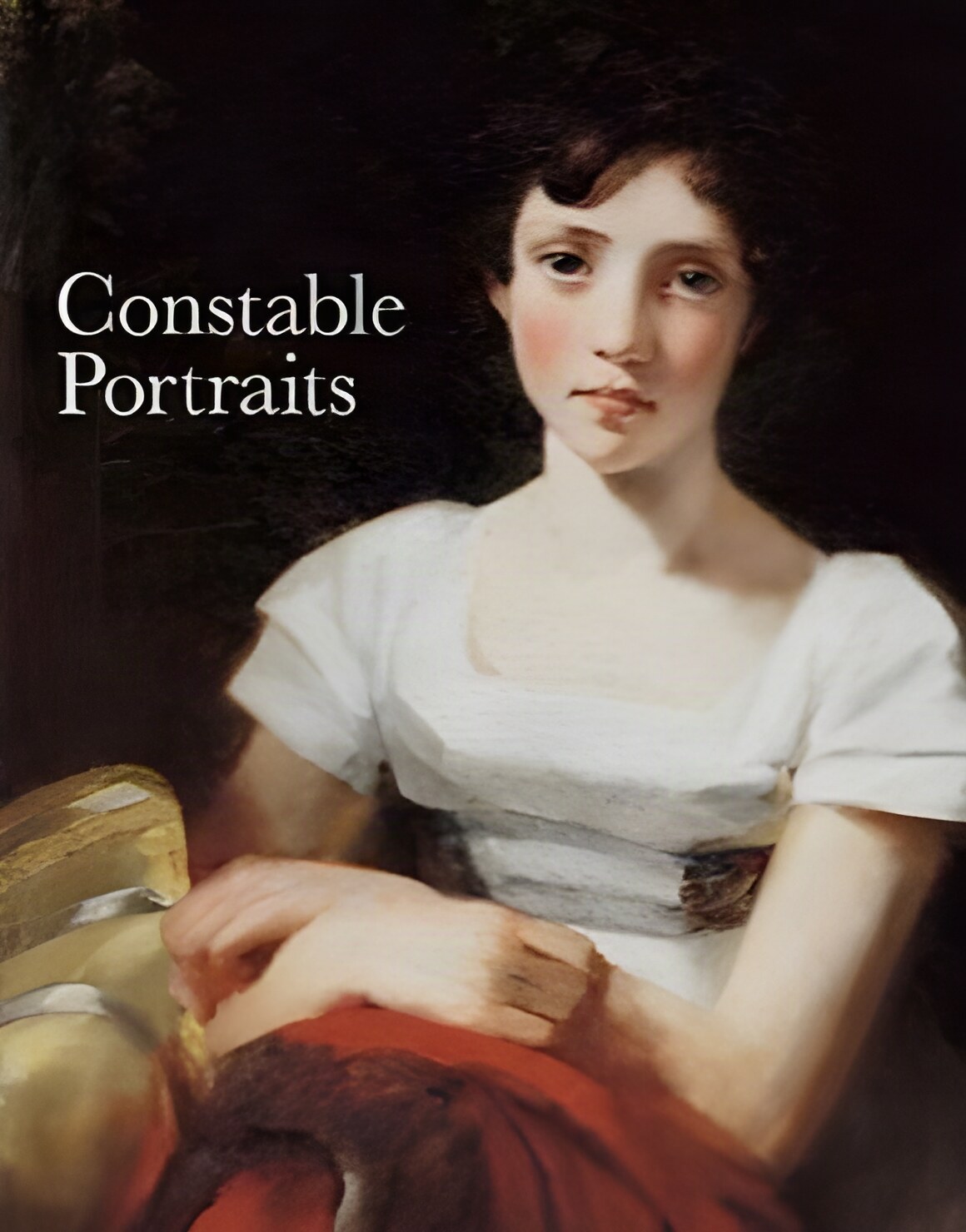
Hardcover. London, National Portrait Gallery, 1st, 2009, Book: Very Good, Dust Jacket: Very Good, Hardcover in a bright dust jacket, 160 pages, color illustrations. Published to coincide with the first ever exhibition dedicated to Constable's portraits, this book will present new scholarship and argue that many of these unexplored paintings are worthy of close attention, both for their contribution to the history of portraiture and for the insights they bring to a painter of international acclaim. Constable's sitters make up a 'Jane Austen' world, belonging to the middle and upper ranks of early nineteenth century provincial society: clergymen and their wives, landed gentry and families wealthy from trade. Clean copy.
Hardcover. London, Stacey International, 1st US, 2013, Book: Very Good, Dust Jacket: Very Good, 240 pages. Hardcover with dust jacket. Black and white photographs throughout. Clean, unmarked copy with only minor wear to dust jacket. A treasury of aristocratic photography from the 1850s to 1930s. England's leisured and affluent upper classes made an art form of their new picture-taking toy, creating intimate portraits of stunning beauty. Includes previously unpublished photographs discovered in dusty corners and attics of Britain's grandest houses.

 "Charles Addams: A Cartoonist's Lifeby: Davis, Linda H.")
 "Charles Addams: A Cartoonist's Lifeby: Davis, Linda H.")
 "Charles Ellis Johnson and the Erotic Mormon Imageby: Mary Campbell")
 "Charles Willson Peale and His Worldby: Richardson, Edgar P., Brooke Hindle")

 "Chuck Close: A Couple of Ways of Doing Somethingby: Close, Chuck (Artist) Bob Holman , et al.")
 "Chuck Close: A Couple of Ways of Doing Somethingby: Close, Chuck (Artist) Bob Holman , et al.")
 "Chuck Close: Self-Portraits 1967-2005by: Close, Chuck, and Halbreich, Kathy (Foreword by), and Engberg, Siri (Editor)")
 "Chuck Close: Workby: Finch, Christopher")
 "Chuck Closeby: Chuck Close, Robert Storr , et al.")
 "Cindy Sherman Retrospectiveby: Amanda Cruz, Amelia Jones, et al.")


 "Cindy Shermanby: Sherman, Cindy")


 "Clarence H. White and His World: The Art and Craft of Photography, 1895-1925by: McCauley, Anne")
 "Colonial & Federal Portraits at Bowdoin Collegeby: Sadik, Marvin S.")
 "Colonial American Portraitureby: Craven, Wayne")
 "Commodore John Rodgers: Captain, Commodore, and Senior Officer of the American Navy 1773-1838, A Biographyby: Paullin, Charles Oscar")

 "Country House Cameraby: Sykes, Christopher Simon")