Hardcover. NY, Cooper Square Press, 1st, 2002, Book: Very Good, Dust Jacket: Very Good, Hardcover, 432 pages. The most popular painter of his day, yet an artist whose reputation has fluctuated among art scholars and critics of the succeeding centuries, Peter Paul Rubens (1577-1640) is chiefly remembered today for his large canvases of sensual gardens, religious scenes, and voluptuous "Rubenesque" women. In Oppenheimer's account of his life, Rubens emerges not only as a talented painter but also as an intellectual with a unique conception of beauty that proved very influential and ahead of his time. Oppenheimer explores Rubens' ideas as he tells the story of his life, which included years as a diplomat, and illuminates his response to the humanism of the Renaissance in which he lived.
Hardcover. London, Thames and Hudson, 1st, 2015, Book: Very Good, Dust Jacket: Very Good, Hardcover in a bright dust jacket, 144 pages, Color photos by Ara Guller. Sinan was the greatest architect of the Ottoman Golden Age of the sixteenth century when the Ottoman Empire reached its zenith of power and magnificence. His style marks the apogee of Turkish art. Under Sleyman the Magnificent and his succcessor Selmi II, Sinan designed hundreds of buildings: mosques, palaces, tombs, mausolea, hospitals, schools, caravanserai, bridges, aqueducts and baths, many of them presented and analysed in this book. In his greatest works, he adapted Byzantine and Islamic styles to produce something quite new: a centralized organization of absolute space unhindered by pillars or columns and covered by a soaring dome. An architect of genius in a dynamic new empire expanding into both Asia and Europe, he was a true man of the Renaissance. Clean, bright copy.
Hardcover. London, William Pickering, 1st, 1835, Book: Good, Dust Jacket: None, Hardcover, 298 pages. Black leather covers with gilt rules, faded gilt title on ribbed spine. All edges gilt. Covers with edgewear and the top 6th of the spine leather is gone. Marbled endpapers with bookplate inside front cover. Rear flyleaf with a chunk cut out. Interior is very good. Medieval and Renaissance French poetry, translated into English by an acclaimed poet, travel writer, historian, and painter. Louisa Costello (1799-1870), was an accomplished Anglo-Irish artist and prolific poet and author. She was also a fine miniature painter, and her illustrations show her exquisite sensibility. 4 beautifully hand-colored lithograph plates by the author. Not all copies contain these plates.
Hardcover. Cambridge, The MIT Press, 1st Edition, 1977, Book: Very Good, Dust Jacket: Very Good, 220 pages. Hardcover. Black & white illustrations throughout.Light foxing to edges, pen markings on a couple pages. Dust jacket with shelf wear, small tears to edges. Previous owner's signature to front flyleaf. Otherwise clean, tight copy.
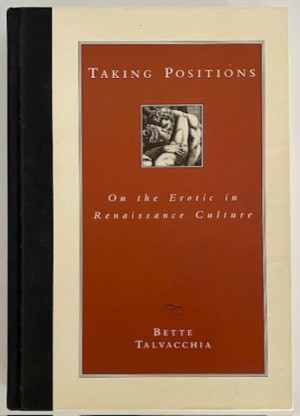
Hardcover. New Jersey, Princeton University Press, 1st, 1999, Book: Very Good, Dust Jacket: None, 302 pages. Hardcover. B/w illustrations throughout. Red endpapers. Decorated cover boards, black quarter cloth, gilt title on spine. An innovative exploration of the place of the erotic in Renaissance art and culture, focusing on a notorious set of images created by the young Italian master Giulio Romano. Clean copy.
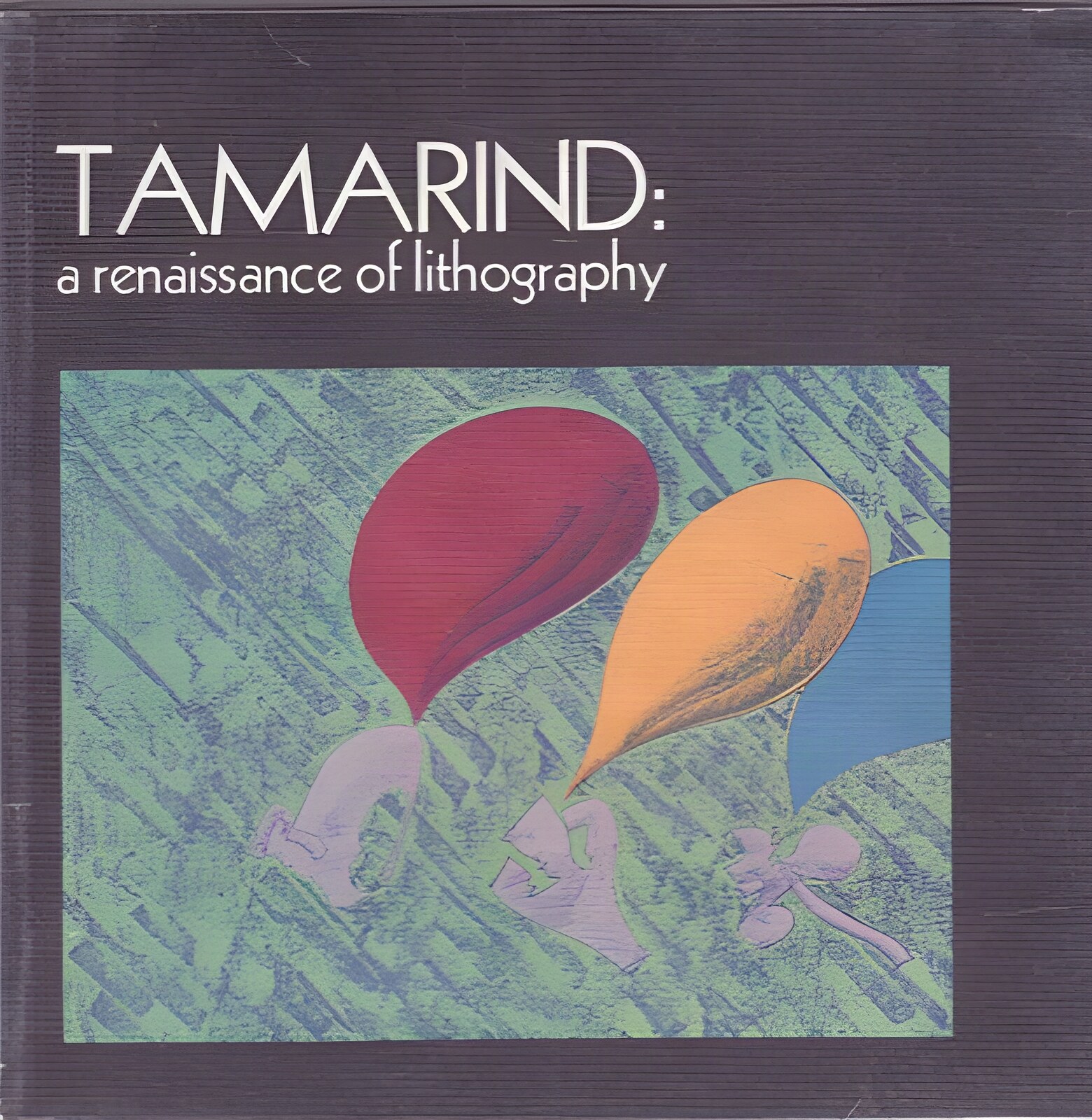
Softcover. Baltimore MD, International Exhibitions Foundation, 1st, 1972, Book: Very Good, Dust Jacket: None, Softcover. Black illustrated wraps. 95 pages. Numerous b&w plates. Accompanying a loan exhibition from the Tamarind Lithography Workshop, this catalogue includes an introduction by E. Maurice Bloch, prints by such artists as Albers, Altoon, Asawa, Celmins, Cremean, Diebenkorn, Frasconi, Townley and many more, as well as a bibliography. Clean copy.
Hardcover. London, Art / Books Publishing, 1st, 2013, Book: Very Good, Dust Jacket: Very Good, 240 pages. Hardcover with dust jacket. Very clean, like new in publishers shrink-wrap. A tight copy. Terence Donovan was one of the foremost photographers of his generation--among the greatest Britain has ever produced. He came to prominence in London as part of a postwar renaissance in art, fashion, graphic design and photography, and--alongside David Bailey and Brian Duffy (photographers of a similar working-class background)--he captured and helped create the Swinging London of the 1960s. Donovan socialized with celebrities and royalty, and found himself elevated to stardom in his own right, and yet, despite his success and status, there has never been a serious evaluation of Donovan's fashion work: he allowed no monographs to be published during his lifetime. Terence Donovan Fashion is therefore the first publication of his fashion photographs. Arranged chronologically, and with an illuminating text by Robin Muir (ex-picture editor of Vogue), the book considers Donovan in the social and cultural context of his time, showing how his constant experimentation not only set him apart, but also influenced generations to come. Designed by former art director of Nova magazine and Pentagram partner David Hillman, and with images selected by Hillman, the artist's widow Diana Donovan and Grace Coddington, creative director of American Vogue, this volume is indisputably a landmark publication in the history of fashion photography.
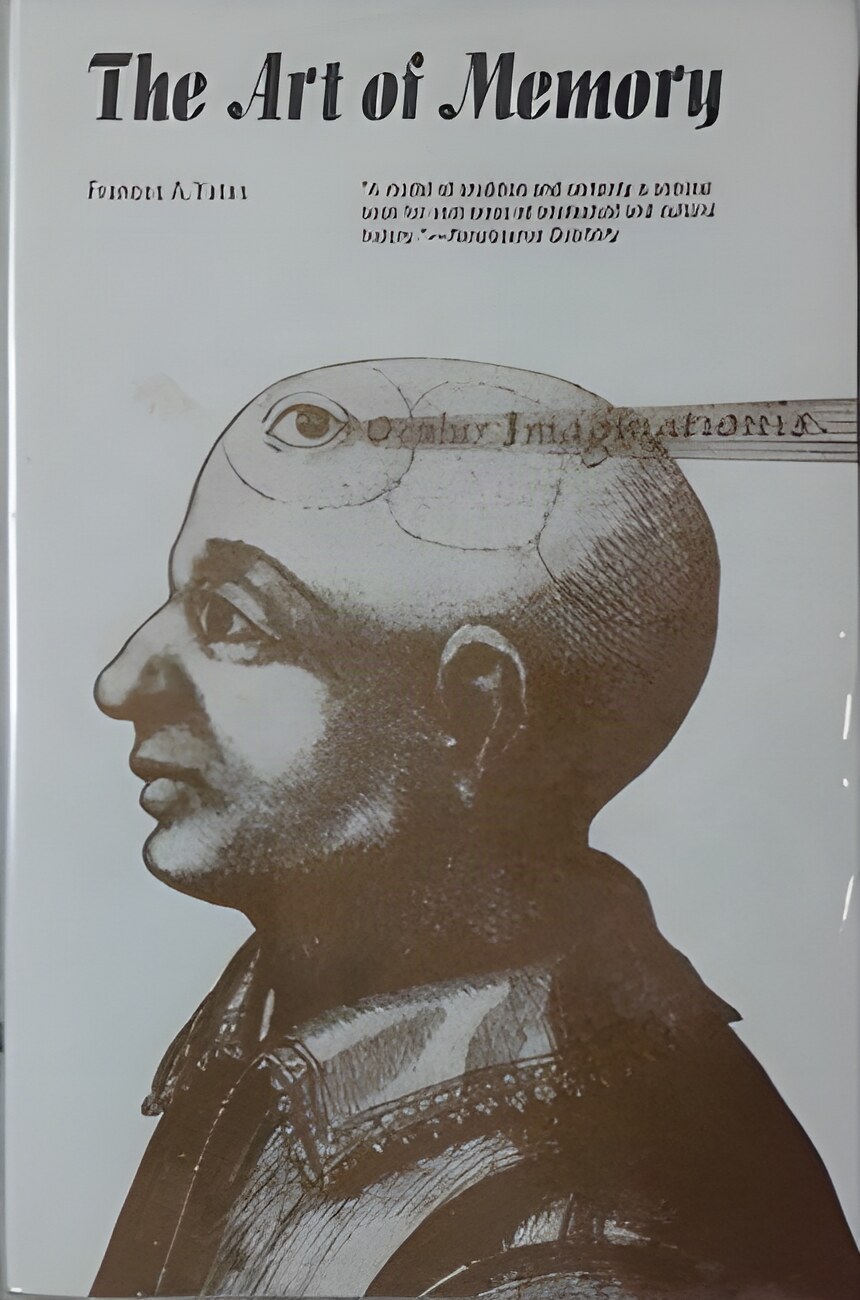
Softcover. Chicago, University of Chicago Press, reprint, 1978, Book: Very Good, Dust Jacket: None, Softcover, 400 pages. A landmark work by English historian Frances A. Yates (1899-1981); an examination of the mnemonic systems developed by the ancient Greeks, and their impact on the Renaissance thought of Giordano Bruno and others. Named one of the top 100 nonfiction books of the century by the Modern Library in 1999. One large fold-out plate, clean copy.
Hardcover. New Haven CT, Yale University Press, 1st, 2007, Book: Very Good, Dust Jacket: Very Good, Hardcover, 224 pages. How does the artist's self-conception change in old age? How does old age affect artistic practice? In this intriguing study, art historian Philip Sohm considers some of the greatest artists of Renaissance and Baroque Italy and their experiences of aging. Sohm investigates how art critics, collectors, biographers, and fellow artists dealt with old painters, what mental landscapes preconditioned responses to art by the elderly, and how biology and psychology were co-opted to explain the imprint that artists left on their art. He also looks carefully at the impact of prejudices, stereotypes, and other imaginary truths about old age. For some artists, the problems of old age were related to physical decline-Poussin's hands became shaky, Titian's eyesight dimmed. For others, psychological symptoms emerged. The book's cast of characters includes Michelangelo, the hypochondriac young fogy; Titian, the shrewd marketer of old age; the multiphobic Pontormo; and others. With sensitivity and insight, Sohm uncovers what it meant to be an old artist and how successive generations have looked at the art of an old master.
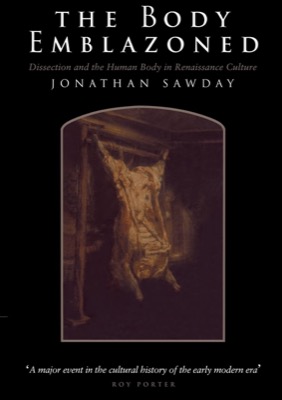
Softcover. London, Routledge, reprint, 1996, Book: Very Good, Dust Jacket: None, Softcover, 325 pages with index, b&w illustrations. An outstanding piece of scholarship and a fascinating read, The Body Emblazoned is a compelling study of the culture of dissection the English Renaissance, which informed intellectual enquiry in Europe for nearly two hundred years. In this outstanding work, Jonathan Sawday explores the dark, morbid eroticism of the Renaissance anatomy theatre, and relates it to not only the great monuments of Renaissance art, but to the very foundation of the modern idea of knowledge. Though the dazzling displays of the exterior of the body in Renaissance literature and art have long been a subject of enquiry, The Body Emblazoned considers the interior of the body, and what it meant to men and women in early modern culture. Clean, bright copy.
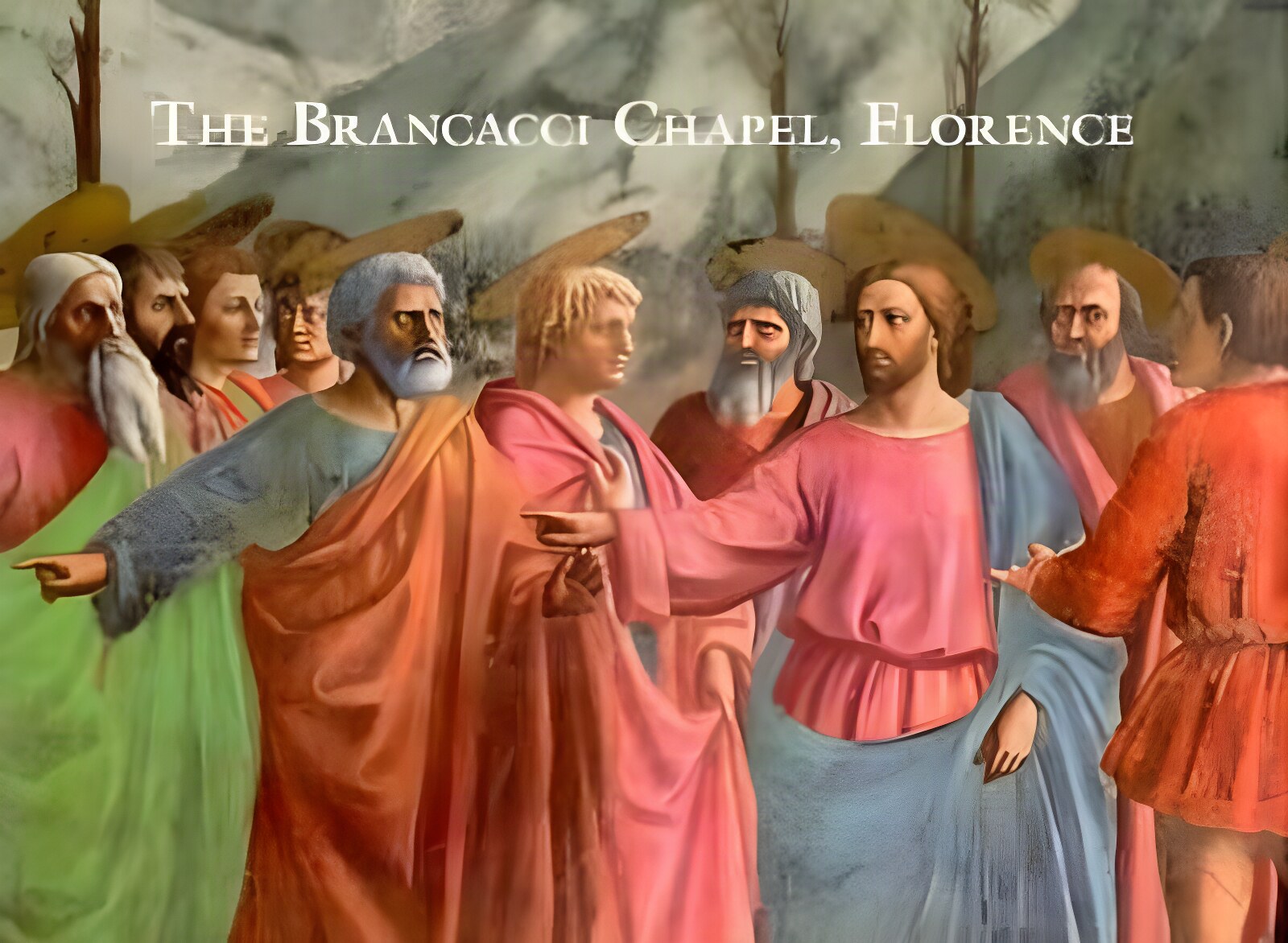
Hardcover. NY, George Braziller, 1st, 1993, Book: Very Good, Dust Jacket: Very Good, Hardcover in a bright dust jacket, 96 pages, oblong format.This chapel in Italy's great city of art is home to a marvelous cycle of frescoes, composed by three 15th-century masters: Masaccio, Masolino, and Filippino Lippi. Under the supervision of Masaccio, they moved farbeyond Giotto in creating figures more human, in spaces more realistic than ever, providing inspiration for succeeding artists like Leonardo and Michelangelo. More than 32 color plates. Short inscription on front fly leaf, otherwise clean.
Hardcover. NY, George Braziller, 1st, 1993, Book: Very Good, Dust Jacket: Very Good, Hardcover in a bright dust jacket, 96 pages, oblong format. This chapel in Italy's great city of art is home to a marvelous cycle of frescoes, composed by three 15th-century masters: Masaccio, Masolino, and Filippino Lippi. Under the supervision of Masaccio, they moved far beyond Giotto in creating figures more human, in spaces more realistic than ever, providing inspiration for succeeding artists like Leonardo and Michelangelo. More than 32 color plates. Short inscription on front fly leaf, otherwise clean.
Hardcover. NY, Narry H. Abrams, reprint, Book: Very Good, Dust Jacket: Good, Hardcover in pictorial boards with acetate dust jacket. 112 pages illustrated in color and b&w. Presents all the existing work of Piero della Francesca. Includes 64 color plates and 111 black-and-white illustrations. Introduction by Peter Murray. Clean copy.
Softcover. NY, Dover Publicastions, 1st pbk, 1968, Book: Very Good, Dust Jacket: None, Softcover, 208 pages. Reprint; The 203 Plates & Text of His Architectura published in 1598. Late Renaissance and early Baroque architectural ornament. Clean copy.
Hardcover. NY, Dutton Childrens Books, 1st, 2002, Book: Very Good, Dust Jacket: Very Good, Hardcover in a bright dust jacket. When Peter Bruegel, a young painter from Antwerp, went on a journey to Rome in 1550 to study and see the art and ruins of Rome, he found himself facing unexpected dangers along the way that were later reflected in his work when he became known as the Northern Renaissance master. Color illustrations by Shafer. Clean copy.
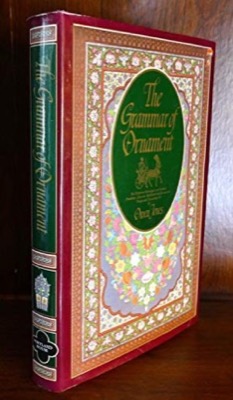
Hardcover. NY, Portland House, reprint, 1986, Book: Very Good, Dust Jacket: Very Good, Hardcover in a bright dust jacket. Illustrated with 100 full-page color plates, each with multiple patterns; additional black & white figures. Originally published in 1867 by S. & T. Gilbert of London. Folio.
Softcover. NY, Oxford University Press, 1st, 2009, Book: Very Good, Dust Jacket: None, Softcover, 366 pages illustrated in color. The widespread presence of jazz and blues in African American visual art has long been overlooked. The Hearing Eye makes the case for recognizing the music's importance, both as formal template and as explicit subject matter. Moving on from the use of iconic musical figures and motifs in Harlem Renaissance art, this groundbreaking collection explores the more allusive - and elusive - references to jazz and blues in a wide range of mostly contemporary visual artists. There are scholarly essays on the painters Rose Piper (Graham Lock), Norman Lewis (Sara Wood), Bob Thompson (Richard H. King), Romare Bearden (Robert G. O'Meally, Johannes Volz) and Jean-Michel Basquiat (Robert Farris Thompson), as well an account of early blues advertising art (Paul Oliver) and a discussion of the photographs of Roy DeCarava (Richard Ings). These essays are interspersed with a series of in-depth interviews by Graham Lock, who talks to quilter Michael Cummings and painters Sam Middleton, Wadsworth Jarrell, Joe Overstreet and Ellen Banks about their musical inspirations, and also looks at art's reciprocal effect on music in conversation with saxophonists Marty Ehrlich and Jane Ira Bloom. Clean, bright copy
Hardcover. Ithaca NY, Cornell University Press, 1st thus, 1976, Book: Very Good, Dust Jacket: None, Hardcover, tan cloth covers, 250 pages illustrated in color and b&w. Gilt title on spine. Chapters include: The heritage of Apelles; Light, form, and texture in fifteenth-century painting north and south of the Alps; The form of movement in water and air; The grotesque heads; The earliest description of the Triptych; 'As it was in the days of Noe'; From the revival of letters to the reform of the arts: Niccolo Niccoli and Filippo Brunelleschi; The leaven of criticism in Renaissance art: texts and episodes; The pride of Apelles: Vives, Durer and Bruegel. No dust jacket, clean copy.
Hardcover. NY, Rizzoli, 1st, 2000, Book: Very Good, Dust Jacket: None, Boxed set. Each volume is bound in burgundy linen with foil embossing on the cover and the two are housed in a matching slipcase with four-color paintings on both sides. Endpapers, production, and printing are of the highest quality.
Softcover. Santa Fe, Museum of New Mexico Press, 1st revised, 2003, Book: Very Good, Dust Jacket: None, Softcover, pages. Maria, the potter of San Ildefonso (1887-1981), is not only the most famous of Pueblo Indian potters but ranks among the best of international potters. Her work Is collected and exhibited around the world, and more than any other artist, Maria Martinez brought "signatures" to Indian art. She and other members of her family revived a dying art form and kindled a renaissance in pottery for all the Pueblos. She raised this regional art to one of international acclaim. This lavishly illustrated book draws from Spivey's 1979 classic work. Featuring entirely new photography and 120 added pots as well as a significantly expanded text, this volume considers the entirety of this artist's immense oeuvre and important works and developments in her collaboration with Julian, and after his death, with her daughter-in-law Santana, son Popovi Da, and grandson Tony Da, bringing the legacy of Maria into the bright future of Pueblo ceramics.
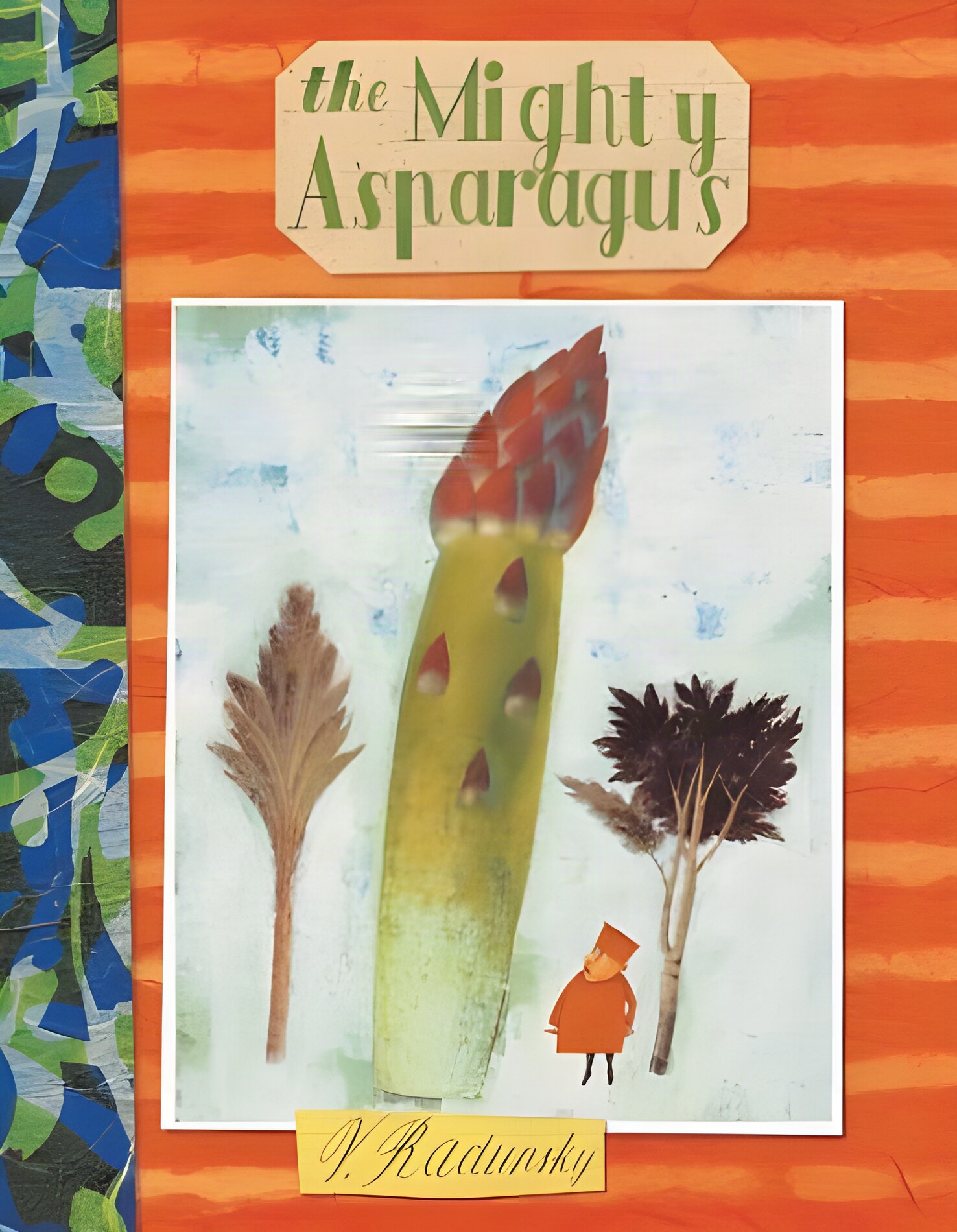
Hardcover. NY, Harcourt, 1st, 2004, Book: Very Good, Dust Jacket: Very Good, Hardcover in a bright, unclipped dust jacket, Long ago in Italy, a mighty asparagus grew smack-dab in front of the king's castle. Was the king happy about it? No. The asparagus had to go. But how does a king reason with an asparagus of such stature? With tongue planted firmly in cheek, Vladimir Radunsky tells the uproarious tale of an almost immovable vegetable. Drawing on Italian Renaissance art, the esteemed artist creates a breathtaking magical kingdom, where it's easy to imagine that such an asparagus existed. His artwork is as gorgeous as it is funny. Although the old masters may turn over in their graves, readers of all ages will clamor for more of The Mighty Asparagus.
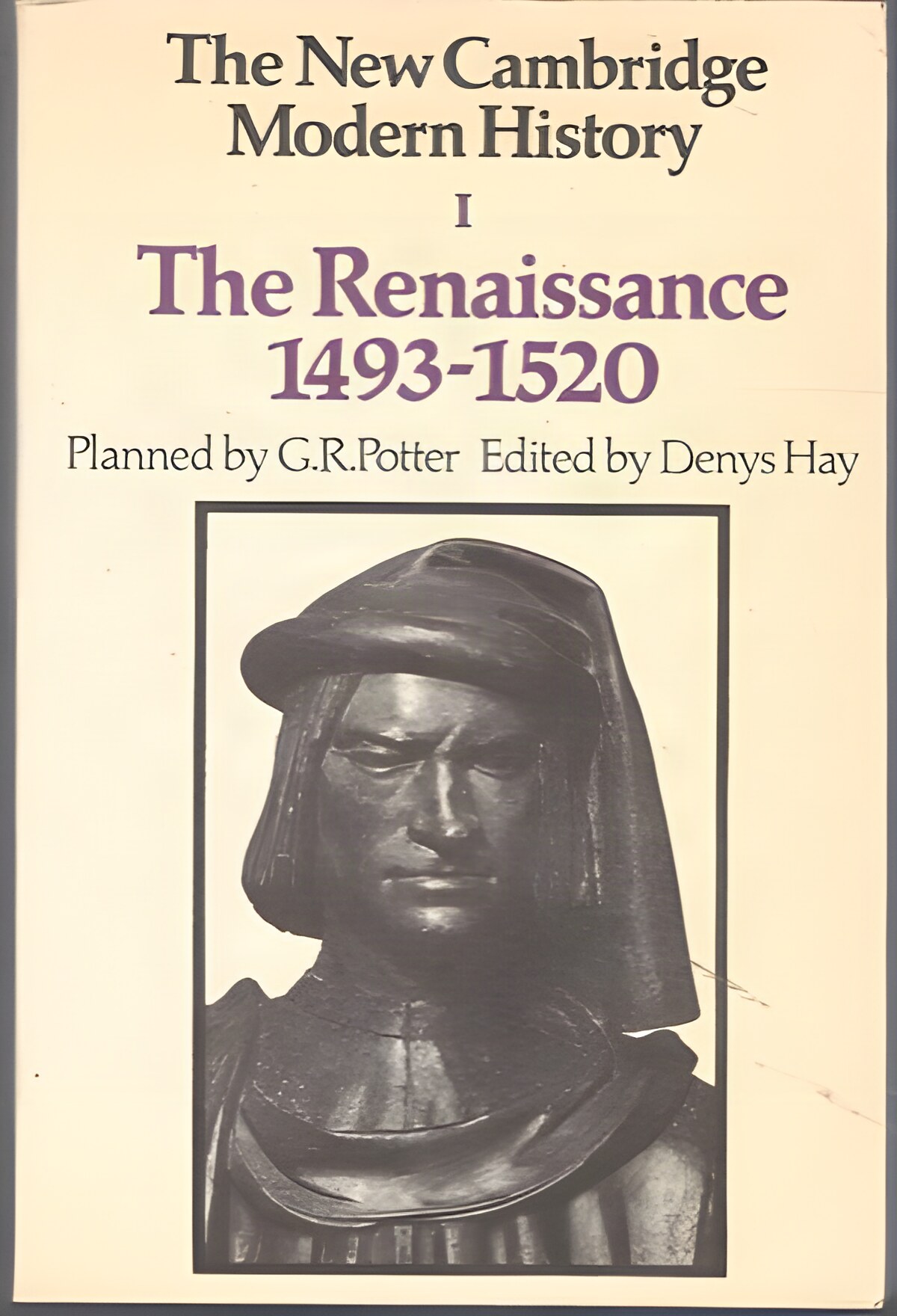
Softcover. Cambridge UK, Cambridge University Press, reprint, 1975, Book: Very Good, Dust Jacket: None, Softcover, 532 pages. In a preface written for this paperback edition, Professor Hay examines some of the changes in Renaissance scholarship since the first publication of this volume in 1957. Successive chapters examine the social and economic structure of a continent about to establish trade and colonies in the New World, the intellectual and artistic movements which made up the Renaissance, the position of the Church on the eve of the Reformation, the political inheritance of the Middle Ages, with its rising nation states, and the growth of the Ottoman Empire. Clean copy.
Hardcover. Chicago, University of Chicago Press, 1st, 1988, Book: Very Good, Dust Jacket: Very Good, Hardcover in a bright dust jacket, 178 pages. The drama is the most social of the arts, depending upon physical space, audience, and social factors for its existence. It is no surprise, therefore, that the most successful criticism approaches theater the way Barber and Mullaney do: as historical artifact. Barber is the better known, having authored the classic Shakespeare's Festive Comedy (1959); the present volume is based on his papers and examines three early Elizabethan tragedies"Tamburlaine" and "Dr. Faustus" by Marlowe and "The Spanish Tragedy" by Kyd. Particularly interested in locating these plays in the unstable religious atmosphere of the late 16th century, Barber ably demonstrates his understanding of the social, historical, and economic factors that defined the era. Mullaney takes the novel approach of examining the theater in light of London topography; the title thus refers to the physical location of the playhouses as well as the social importance of the theater. Mullaney points out that the prejudice that forced the great theaters of the age to operate outside the city walls encouraged a drama that was radical and iconoclastichence its greatness. Mullaney's argument is fascinating and thought-provoking, convincingly presented. Clean copy.
Softcover. Ithaca NY, Cornell University Press, 1st pbk, 1996, Book: Very Good, Dust Jacket: None, Softcover, 324 pages. An illustrated history of the theory and practice of perspective, looking at key texts from the Renaissance to the present. Fifty-six b&w plates. Appendix: Mathematics and Perspective. References. Index. Crease to front cover, Clean copy.

 "Rubens: A Porraitby: Oppenheimer, Paul")
 "Sinan:Architect of Suleyman the Magnificent and the Ottoman Golden Ageby: Freely, John; Burelli, Augusto Romano")


 "Studies in Italian Renaissance Architectureby: Lotz, Wolfgang")


 "Terence Donovan Fashionby: Hillman, David (Editor)")
 "The Artist Grows Old: The Aging of Art and Artists in Italy, 1500-1800by: Philip Sohm")




 "The Heritage of Apelles: Studies in the art of the Renaissance by: Gombrich, E.H.")
 "The Last Judgement: Volume 1: The Restoration, Volume 2: Color Plates (2 Volumes in a slipcase)by: The Vatican Museum")
 "The Legacy of Maria Poveka Martinezby: Richard L. Spivey , Maria Montoya Martinez, et al.")
 "The Place of the Stage: License, Play, and Power in Renaissance Englandby: Mullaney, Steven")