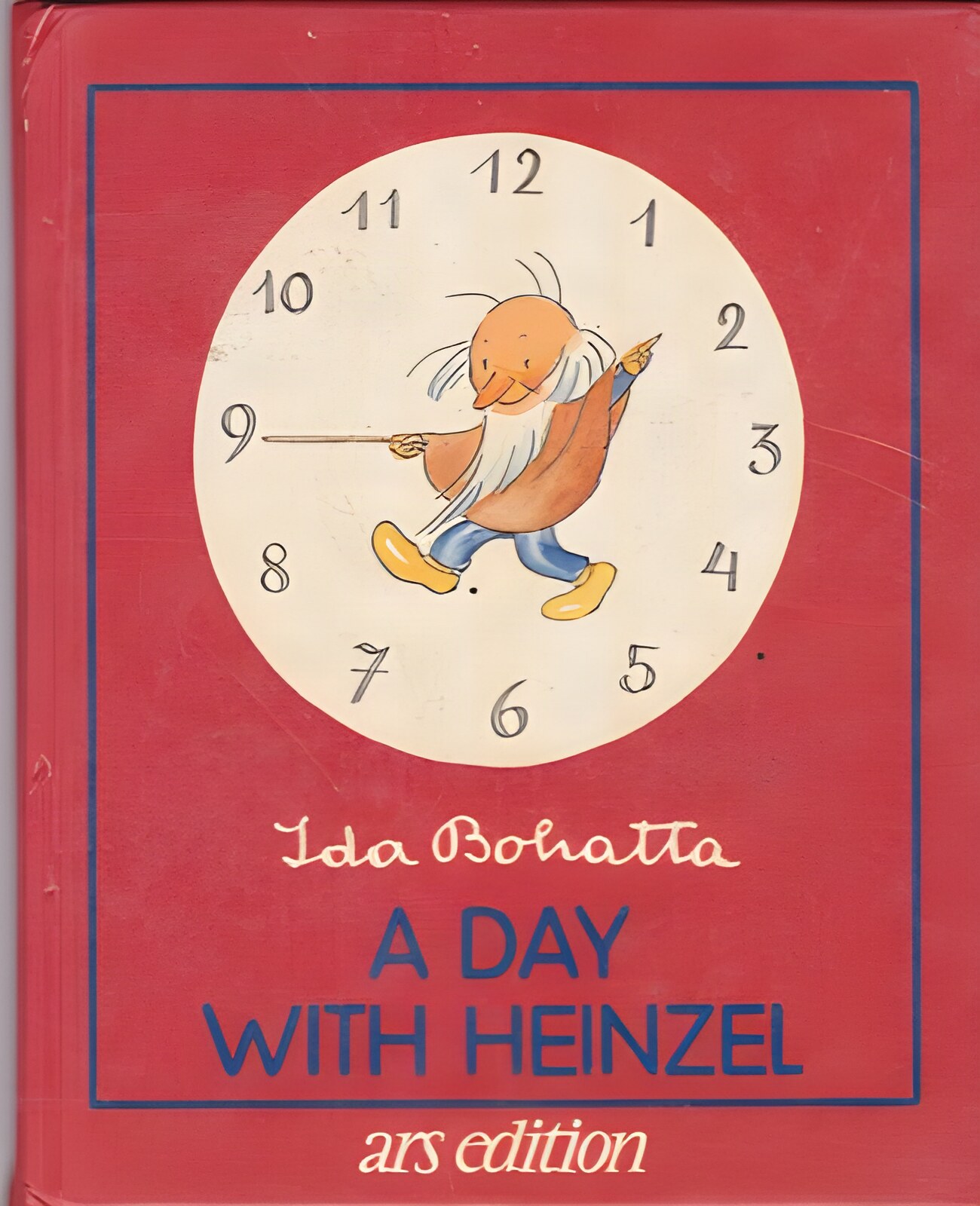
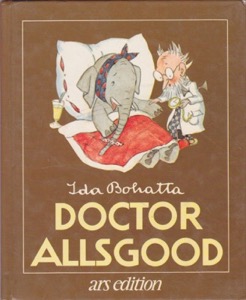
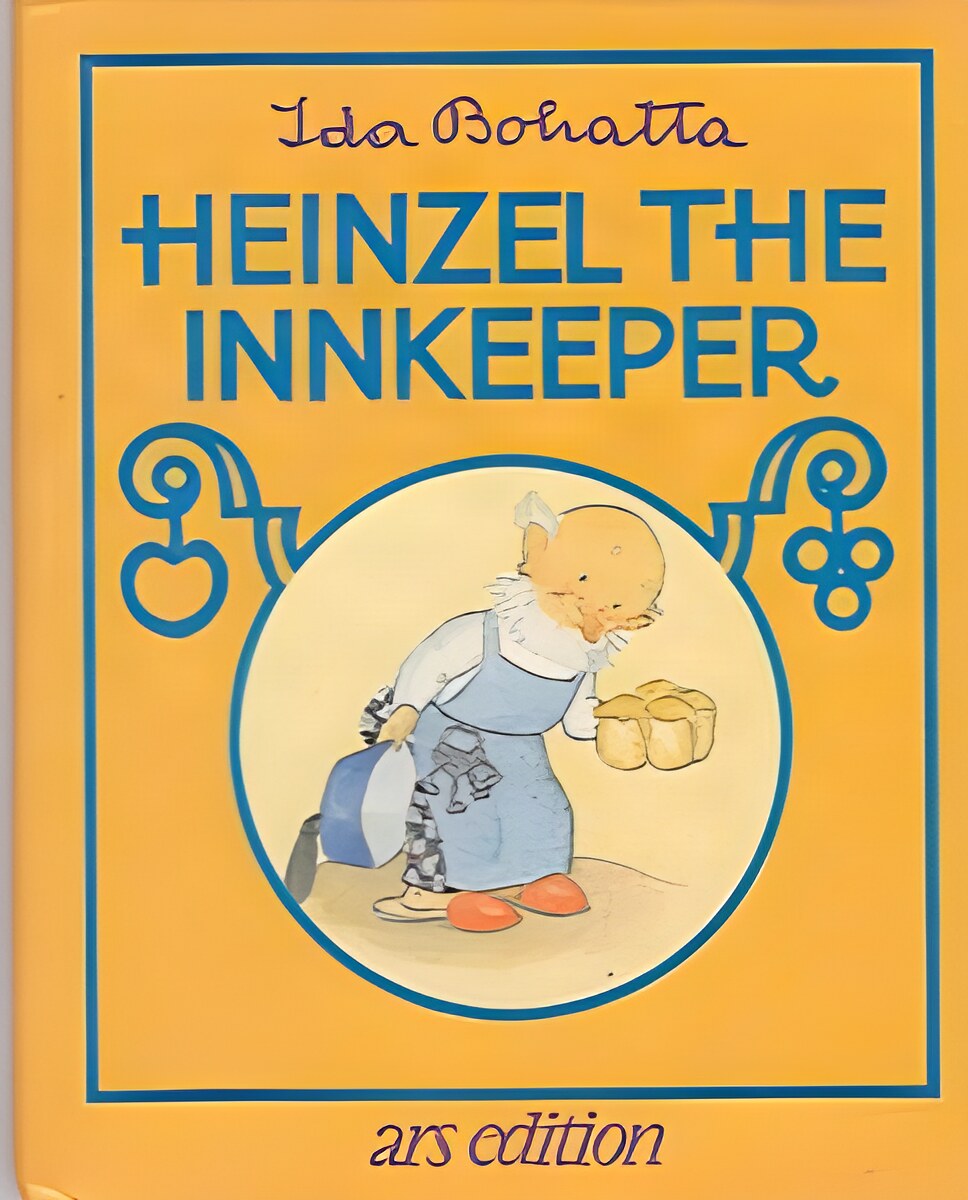
Hardcover. NY, Ars Edition, 1st US, 1981, Book: Very Good, Dust Jacket: None, Hardcover, pictorial glazed boards. Approximately 5 3/4" x 4 3/4", 24 pages. English version by John Theobald. Bohatta was a Austrian writer/artist whose titles were republished in the U.S. in small printings. Charming color illustrations. Clean copy.
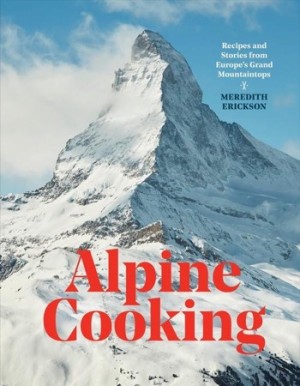
Hardcover. Ten Speed Press, 5th pr., 2019, Book: Very Good, Dust Jacket: None, Hardcover, pictorial cloth, 348 pages. A lushly photographed cookbook and travelogue showcasing the regional cuisines of the Alps, including 80 recipes for the elegant, rustic dishes served in the chalets and mountain huts situated among the alpine peaks of Italy, Austria, Switzerland, and France.A passionate exploration of all things Alpine . . . this one is a must-have for every ski bum foodie. Like new condition. DOMESTIC SHIPPING ONLY.
Hardcover. NY, Quantuck Lane Press, 1st, 2005, Book: Very Good, Dust Jacket: Good, 456 pages. Hardcover with dust jacket. Clean, unmarked copy with tear on front dust jacket and light wear to edges. Erich Lessing is a legend in photography. Born in 1923 in Vienna, he became a photo-reporter for Associated Press in 1947, and in 1951 he became one of the earliest members of the legendary Magnum photo cooperative. His remarkable 1950s images documenting post-World War Europe, and particularly his pictures of the 1956 Hungarian Revolution, garnered worldwide admiration. Lessing's works always revolve around the human condition at the moment when power and powerlessness come face to face, when the joy of living is suddnely overclouded with pain. His photographs seize the opportunity to recount an instant of history that will never be repeated. This monumental book is a tribute to Lessing's talent as a photojournalist and a visual record of a time of turmoil and great change. Lessing has received international honors, including the American Art Directors' Award, the Grand Austrian State Prize for Artistic Photography, and many others. 400 duotone photographs.
Hardcover. New York, Simon & Schuster, 1st, 1990, Book: Very Good, Dust Jacket: Very Good, Hardcover in a bright dust jacket, 283 pages, SIGNED BY AUTHOR on title page. Spotless and tight copy. In Joanna Scott's breakthrough novel Arrogance, the Austrian artist Egon Schiele comes to prismatic life in a narrative that defies convention, history, and identity. A self-professed genius and student of August Klimt, Scott's Schiele repeatedly challenges the boundaries of early twentieth-century Europe. Thrown in jail on charges of immorality, Schiele's Mephistophelean reputation only grows in stature until at the age of twenty-eight, the artist dies in the Great Flu Pandemic. Told from a crosscurrent of voices, viewpoints and times, this stunning novel won Scott a nomination for the 1991 PEN/Faulkner Award.
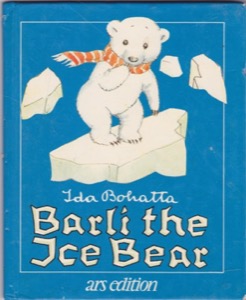
Hardcover. NY, Ars Edition, 1st US, 1981, Book: Very Good, Dust Jacket: None, Hardcover, pictorial glazed boards. Approximately 5 3/4" x 4 3/4", 18 pages. English version by John Theobald. Bohatta was a Austrian writer/artist whose titles were republished in the U.S. in small printings. Charming color illustrations. Clean copy.
Hardcover. Prestel, 1st, 2018, Book: Very Good, Dust Jacket: Very Good, Hardcover in a bright, unclipped dust jacket, 288 pages. profusely illustrated in color and b&w. This book assembles key works by leading artists such as Max Beckmann, Otto Dix, Max Ernst, Oskar Kokoschka, and Alfred Kubin, and artists less familiar to audiences in the United States including Friedl Dicker-Brandeis, Albert Paris GA 1/4 tersloh, Karl Hubbuch, Richard Oelze, Franz Sedlacek, Josef Scharl, and Rudolf Wacker, who will each be represented by small groups of significant works. Clean copy.
Softcover. Milwaukee Art Museum and Hatje Cantz, 1st, 2006, Book: Very Good, Dust Jacket: None, Softcover. Biedermeier examines Biedermeier painting, furniture and decorative arts as a style and a cultural attitude. Visual arts of the period, which are still largely unstudied as distinct from Romanticism or the Nazarenes, are highlighted here in the work of Georg Friedrich Kersting and Eduard Gaertner. With nearly 300 outstanding examples of German, Austrian and Czechoslovakian paintings, furniture, related decorative arts and works on paper, this is a superb document of the innovative character of the period and its importance as a precursor to modernism.
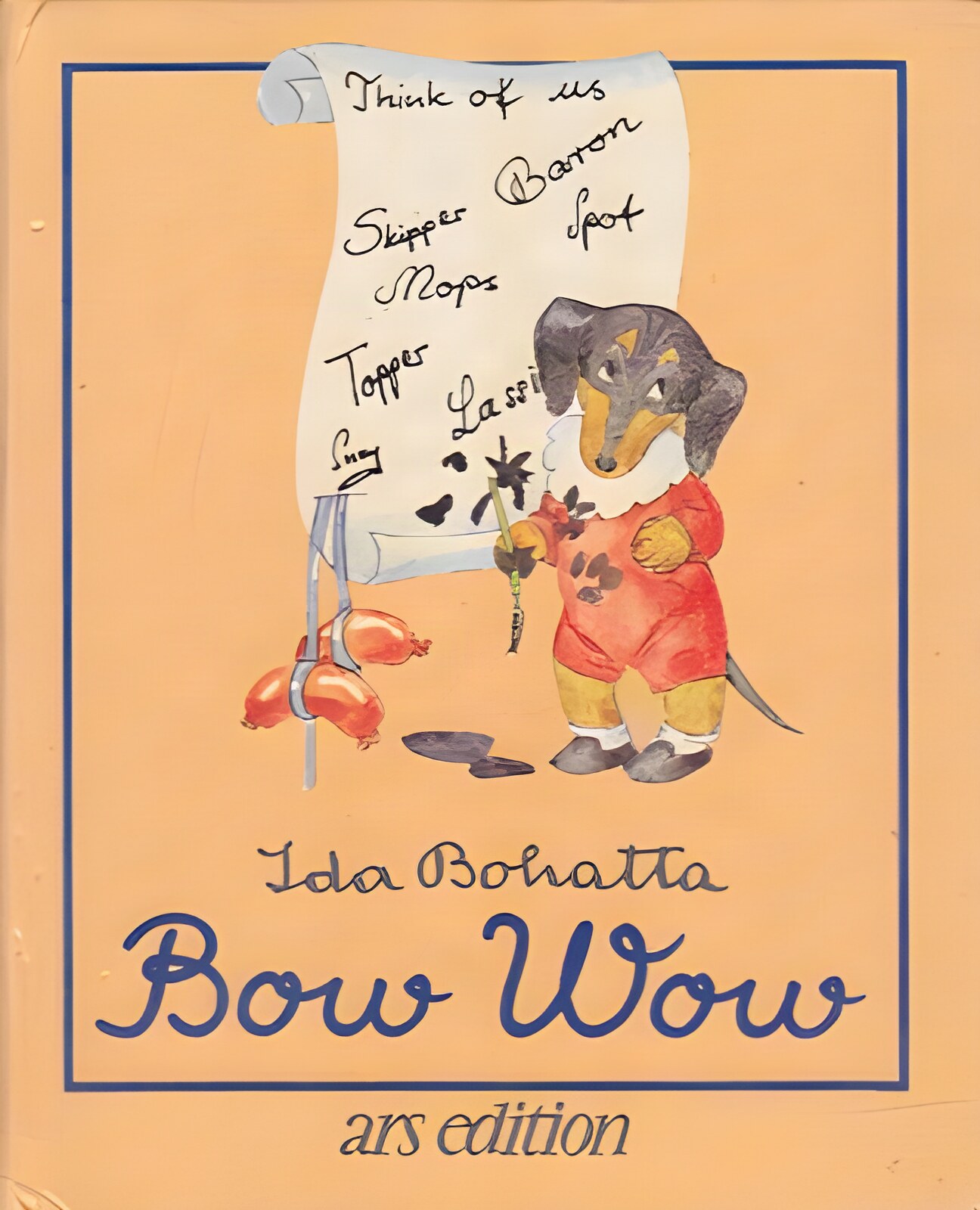
Hardcover. NY, Ars Edition, 1st US, 1981, Book: Very Good, Dust Jacket: None, Hardcover, pictorial glazed boards. Approximately 5 3/4" x 4 3/4", 18 pages. English version by June Head. Eight brief poems written from the various points of view of eight different dogs. Austrian children's author and artist Ida Bohatta (sometimes published as Ida Bohatta-Morpurgo) produced quite a few of these miniature picture-books during the course of her long career (which began in the 1920s), each containing approximately eight poems, with eight accompanying color illustrations. Color illustrations in the style of Thornton Burgess. Clean copy.
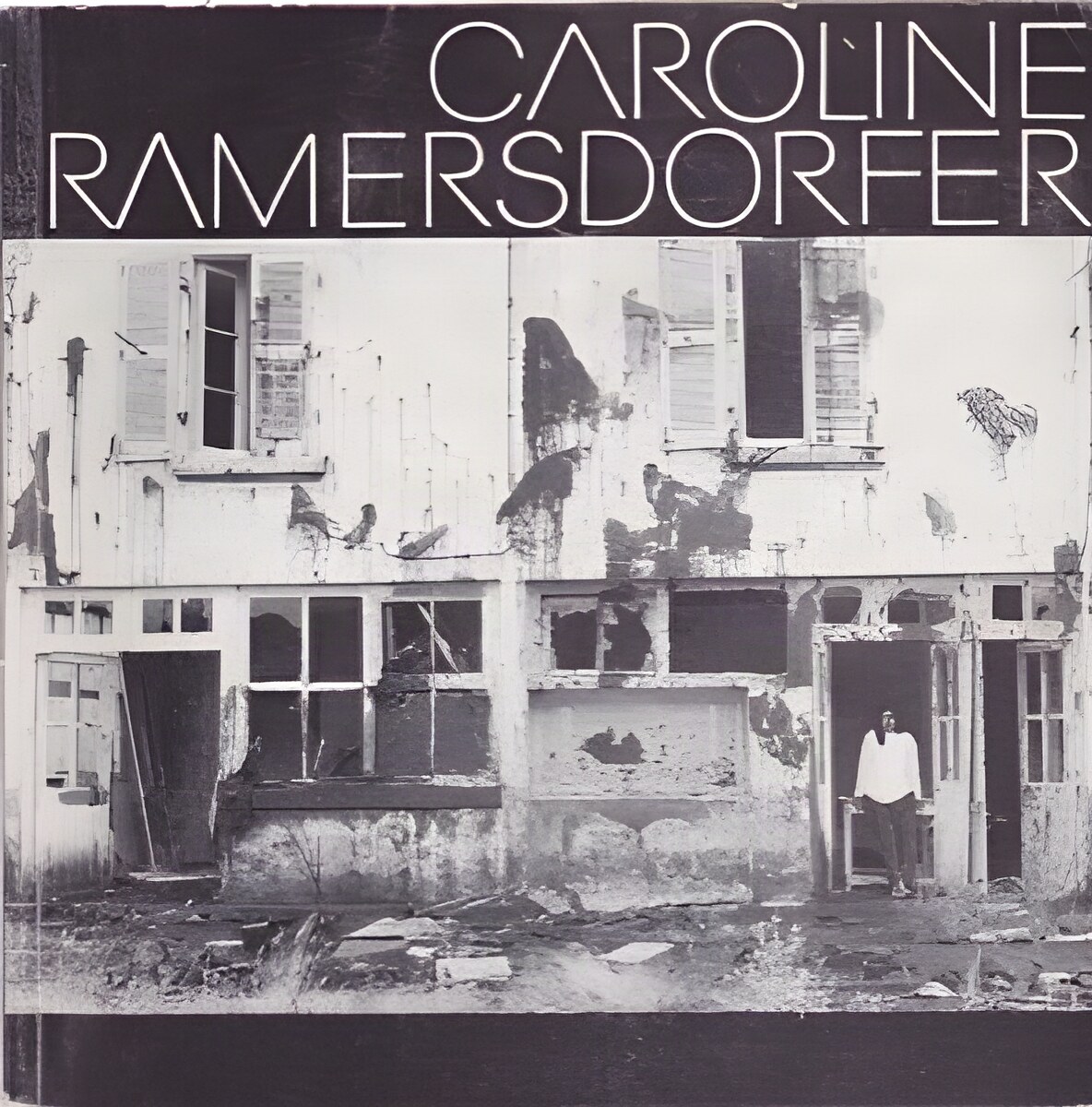
Softcover. Hohenems AUS, 1st, 1990, Book: Very Good, Dust Jacket: None, Softcover, 38 pages, b&w illustrations. German text. Caroline Ramersdorfer was born in Lustenau, Vorarlberg, Austria in 1960. She lives and works in Wells, NY. Ramersdorfer carves slabs of marble to reveal complex interior spaces creating a variety of "views" and perceptions. This catalog from the International Sculpture Symposia in Hohenems, Austria. Name inside front cover. Artist's name and addresses pasted in rear endpapers.
Hardcover. NY, Ars Edition, 1st US, 1981, Book: Very Good, Dust Jacket: None, Hardcover, pictorial glazed boards. Approximately 5 3/4" x 4 3/4", 18 pages. English version by June Head. Bohatta was a Austrian writer/artist whose titles were republished in the U.S. in small printings. Charming color illustrations. Clean copy.
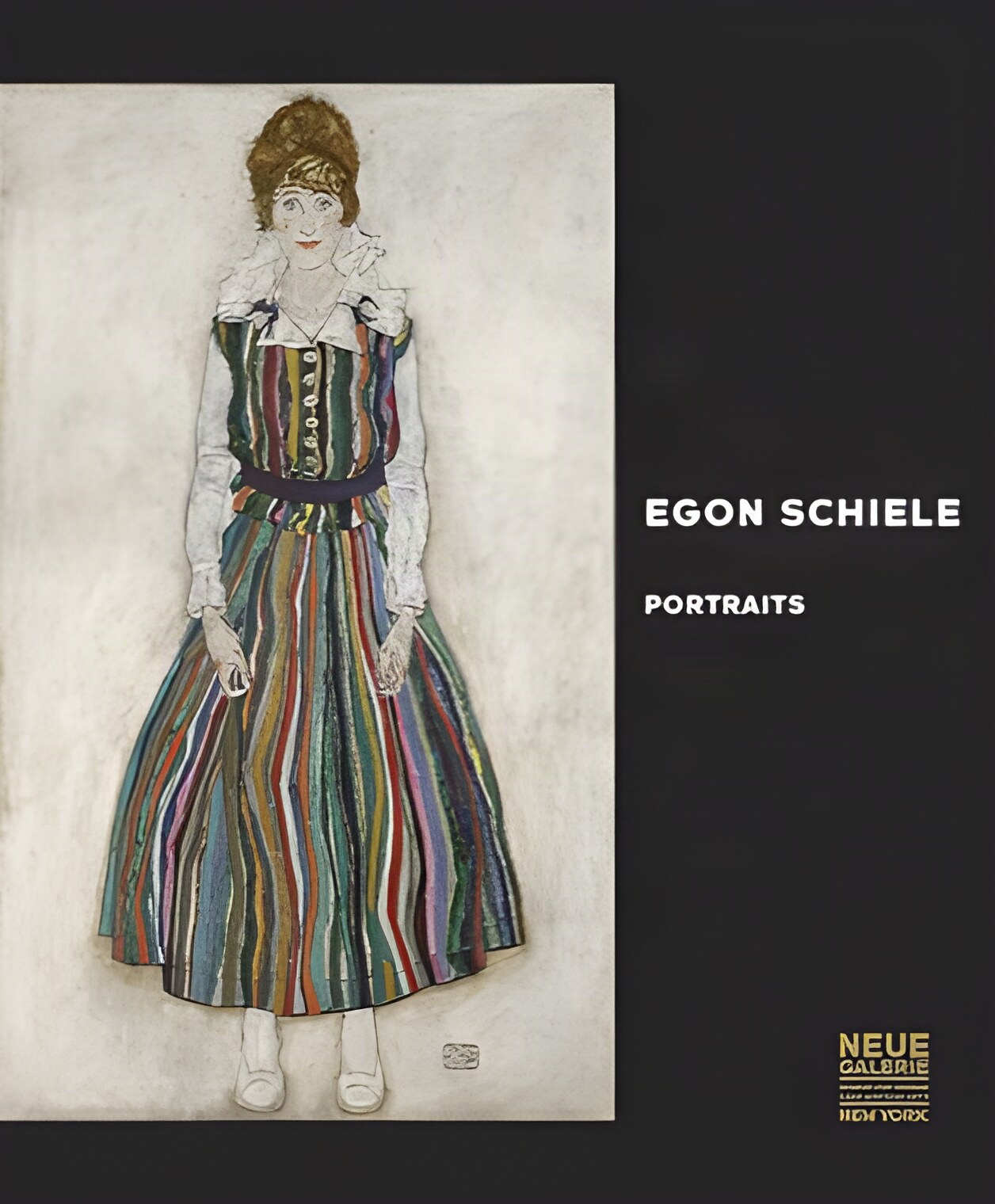
Hardcover. Munich/NY, Prestel, 1st, 2014, Book: Very Good, Dust Jacket: Very Good, Hardcover in a bright dust jacket, 296 pages, color illustrations and portraits throughout. Issued in conjunction with a 2014-2015 exhibition of portraiture rendered by Austrian painter Egon Schiele (1890-1918). "Despite a career that lasted less than a decade, Schiele is considered one of the most important artists of the twentieth century. A protege of Gustav Klimt, Schiele is celebrated for his singular style of draftsmanship, unusual use of color, and physically raw, often sexually provocative depictions of his sitters. Schiele's expressive style and controversial subject matter played an important role in the advancement of modernism in Europe. ... Both the catalogue and the exhibition are divided into six groupings of the artist's work: Family and Academy; Fellow Artists; Sitters and Patrons; Eros; Lovers; and Self-Portraits and Allegorical Self-Portraits. In addition, there is a section highlighting a traumatic and pivotal period in Schiele's life: his arrest and imprisonment during the spring of 1912. The color plates document the evolution of the artist's style, both pre- and post-imprisonment. Schiele's untimely death at the age of 28 adds a mythic quality to his abbreviated career." (dj) With five thematic and illustrated essays, and many illustrations. Clean copy.
Hardcover. Cologne, Dumont Buchverlag, 1st, 1997, Book: Very Good, Dust Jacket: Very Good, Hardcover, 363 pages, illustrated throughout in color and b&w. Clean, unmarked copy with only minor wear to dust jacket. This volume provides an extensive survey of painting in Austria from 1900-1930, with Egon Schiele as the focal point, through a representative selection of over 100 works by Schiele and 23 of his contemporaries from the collection of Dr. Rudolf Leopold. Contributions by: Antonia Hoerschelmann, Rudolf Leopold, Klaus Albrecht Schroder, Harald Szeemann, and Patrick Werkner. 139 color plates and 59 b&w illustrations.
Hardcover. NY, Random House, 1st, 1969, Book: Very Good, Dust Jacket: Very Good, Hardcover in a lightly worn dust jacket, 387 pages. These essays originated in a series of lectures and seminars held by the Graduate School of Contemporary European Studies and the Centre for the Advanced Study of Italian Society of the University of Reading in 1966-1967. The countries covered include Italy, Germany, Austria, Hungary, Rumania, Poland, Finland, Norway, Great Britain, France, Spain, and Portugal. Name on front fly leaf otherwise clean.
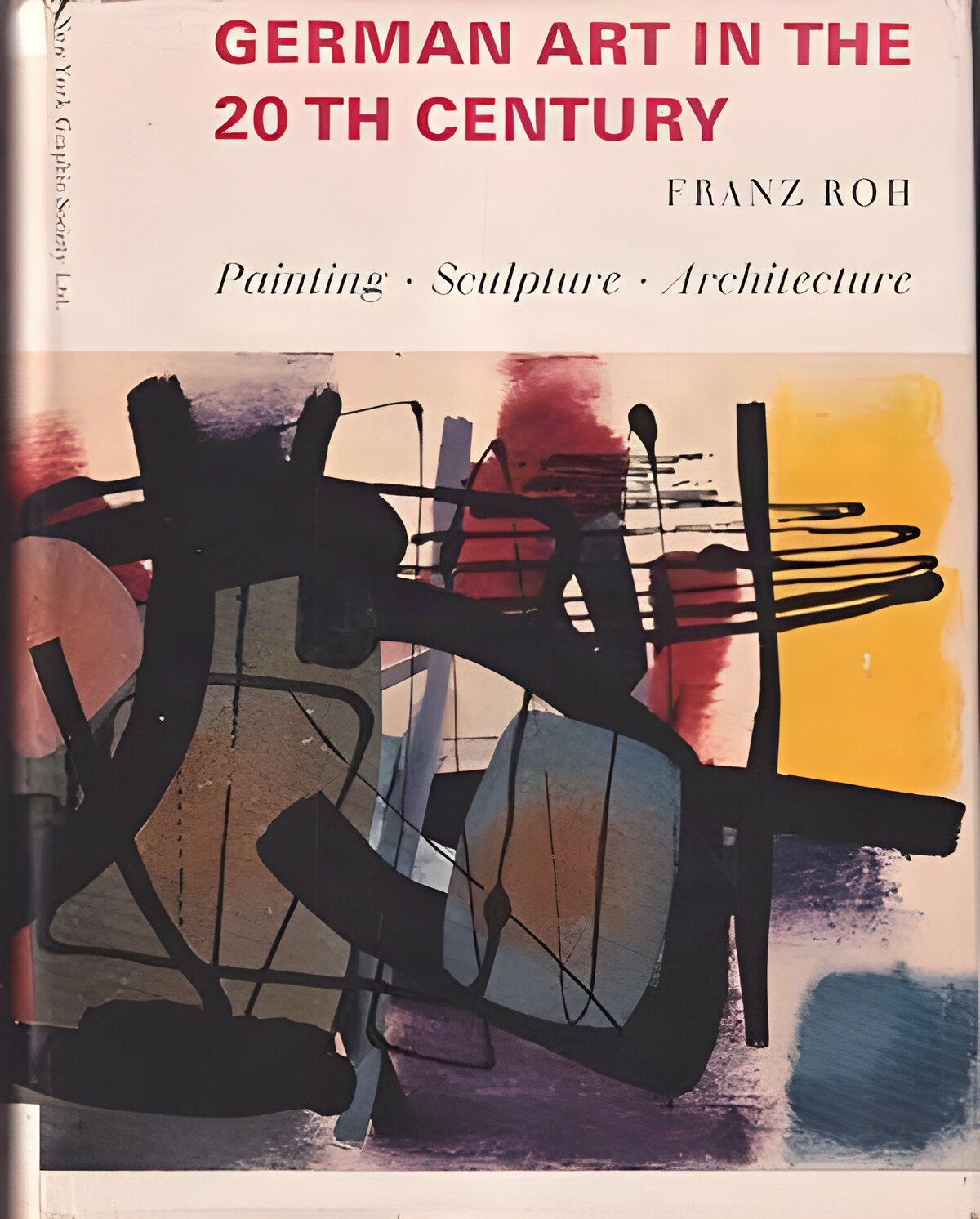
Hardcover. Greenwich CT, New York Graphic Society, 1st, 1968, Book: Very Good, Dust Jacket: Very Good, Hardcover in a lightly worn dust jacket with short, closed tears, 516 pages. 623 black and white illustrations, 42 color plates. "By 'German Art' we mean here 'Art in Germany,' the art that developed on German soil, even if it was created by a Swiss (Obrist), an Austrian (Kokoschka), a Russian (Kandinsky) or a Hungarian (Moholy). This definition should not be interpreted as nationalistic presumption, for cultural environment is more significant than the birth certificate." DOMESTIC SHIPPING ONLY.
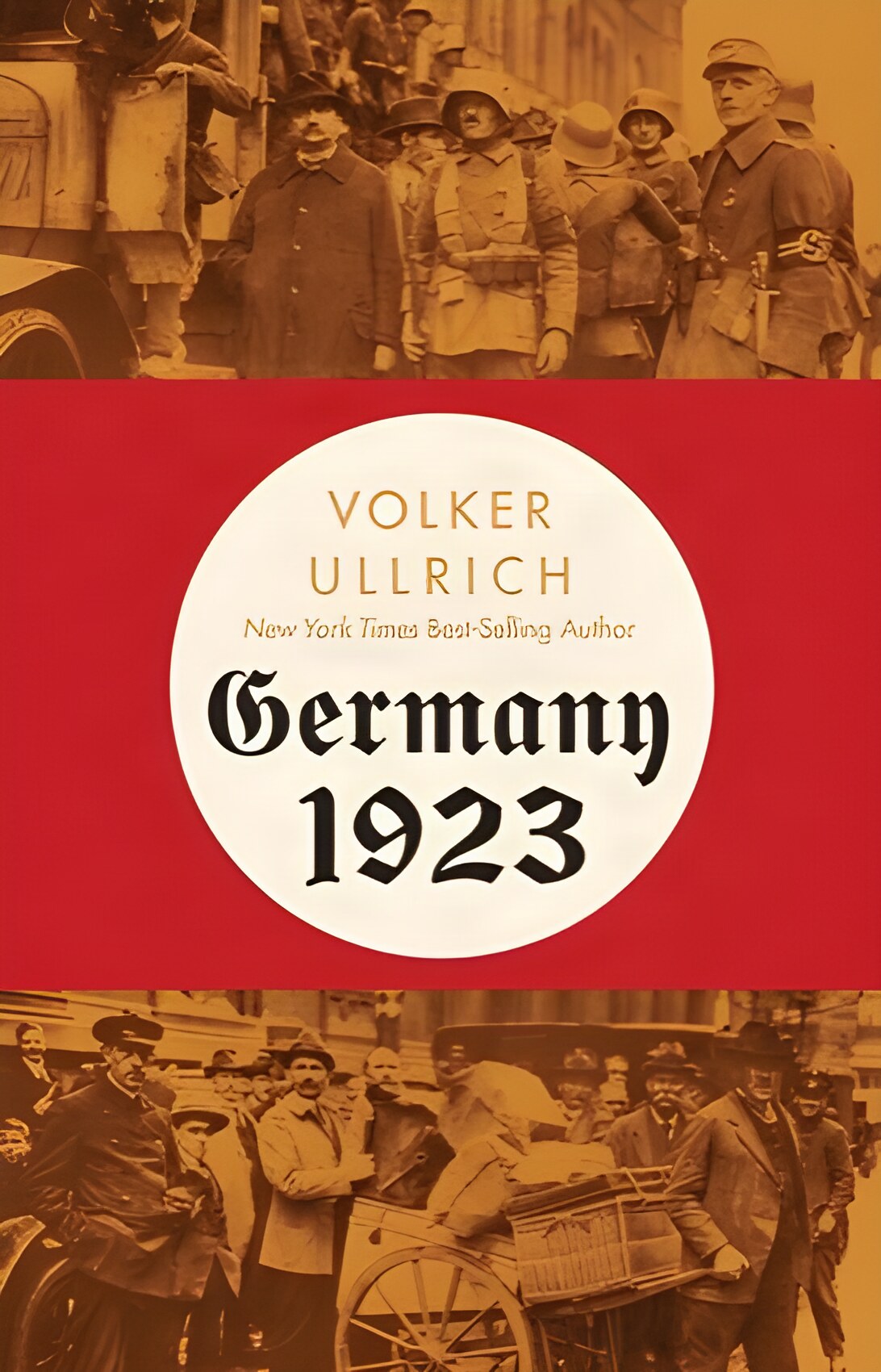
Hardcover. NY, Liveright, 1st, 2023, Book: Very Good, Dust Jacket: Very Good, Hardcover in a bright, unclipped dust jacket, 432 pages, b&w illustrations. As the great Austrian writer Stefan Zweig confided in his autobiography, written in exile, "I have a pretty thorough knowledge of history, but never, to my recollection, has it produced such madness in such gigantic proportions." He was referring to the situation in Germany in 1923. It was a "year of lunacy," defined by hyperinflation, a political system on the verge of collapse, and separatist movements that threatened Germany's territorial integrity. Most significantly, Adolf Hitler launched his infamous Beer Hall Putsch in Munich-a failed coup that nonetheless drew international attention and demonstrated the Nazis' ruthless determination to seize power. In Germany 1923, award-winning historian Volker Ullrich draws on letters, memoirs, newspaper articles, and other sources from the time to present a captivating new history of those explosive twelve months. Clean copy.
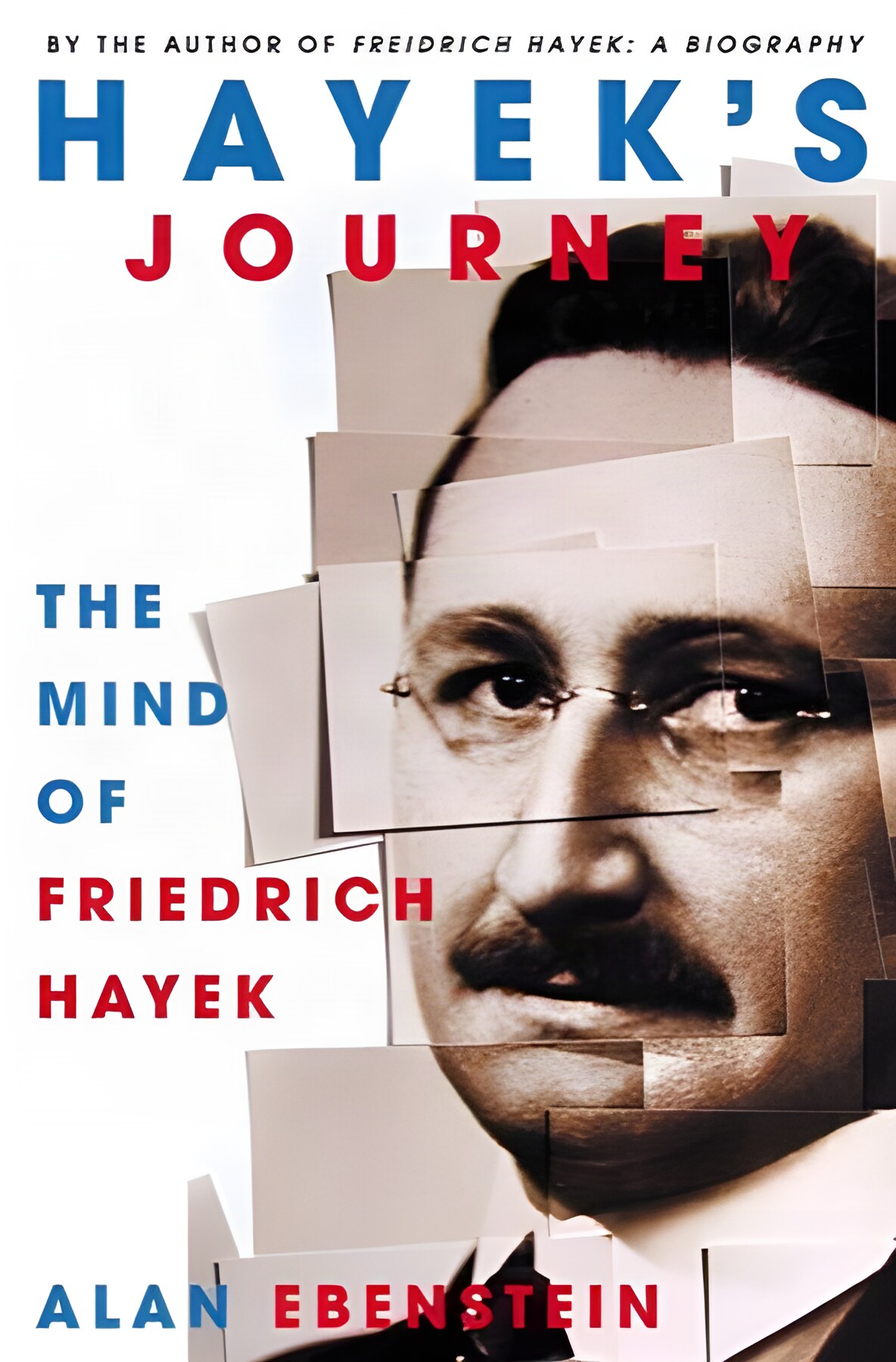
Hardcover. NY, Palgrave/Macmillan, 1st, 2003, Book: Very Good, Dust Jacket: Very Good, Hardcover in a bright dust jacket, 283 pages. Each chapter is devoted to a specific idea of, or a major influence on, Hayek. Foundational ideas incorporated into Hayek's thought are discussed (Darwinianism, German historicism, Austrian school economics) as are significant works that denoted major changes in his thought. Individual chapters deal with Mises, Keynes, Friedman and Popper, and another contrasts Hayek's thought with Marx, Mill, and Freud. Hayek's major economic thought is address in chapters devoted to both his early years and his later work. Ex-lib with stamp on top edge, residue on inside rear cover.
Hardcover. NY, Ars Edition, 1st US, 1981, Book: Very Good, Dust Jacket: None, Hardcover, pictorial glazed boards. Approximately 5 3/4" x 4 3/4", 18 pages. English version by June Head. Bohatta was a Austrian writer/artist whose titles were republished in the U.S. in small printings. Charming color illustrations. Front and rear endpapers paste-down with child's scribbles. Otherwise clean.
Hardcover. Cambridge MA, The MIT Press, 1st, 2001, Book: Very Good, Dust Jacket: Very Good, 144 pages. Hardcover with dust jacket. Clean, tight copy in publisher's shrinkwrap. Karl Blossfeldt (1865-1932) achieved overnight fame in the late 1920s with the first publication of his photographs of plants. Those photographs, which revealed the inner structures of the organic forms, immediately made him a pioneer of New Objectivity-an innovative movement in art and photography of the 1920s and 1930s. Blossfeldt, however, was neither a trained photographer nor a botanist. He was a sculptor and art professor who did his photographic work to generate teaching material for his students.The publication of this book is the result of an extraordinary event-the 1997 discovery in Blossfeldt's estate of sixty-one previously unknown collages, in virtually mint condition, of photographic contact prints arranged on large cardboard sheets. Blossfeldt apparently used these to study the relation and similarity of the photographs and to compare them graphically and aesthetically. On some, Blossfeldt had made marks or handwritten notations. Others show lines for cropping. The collages, published here for the first time, unveil a hidden treasure of modern photography and cast fresh light on the systematic approach Blossfeldt used in his photographic studies. All collages are reproduced in four colors. Introducing the book is an essay by Swiss art historian Ulrike Meyer-Stump, a Lecturer at the Zurich University of the Arts. Not for sale in France, Germany, Switzerland, Belgium, and Austria
Hardcover. NY, Ars Edition, 1st US, 1981, Book: Very Good, Dust Jacket: None, Hardcover, pictorial glazed boards. Approximately 5 3/4" x 4 3/4", 18 pages. English version by John Theobald. Bohatta was a Austrian writer/artist whose titles were republished in the U.S. in small printings. Charming color illustrations. Clean copy.
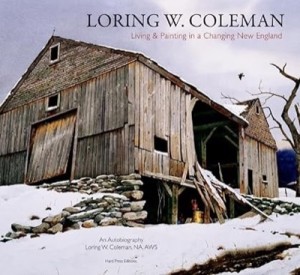
Hardcover. Hudson Hills, 1st, 2011, Book: Very Good, Dust Jacket: Very Good, Hardcover in a bright dust jacket, 240 pages, color illustrations. Loring Coleman's voice as a storyteller is full of his humor and sense of wonder as he tells us about his life and then gives us the tales behind the beauty and mystery of over 50 of his paintings, most of which are reflections of a disappearing life in New England. He begins by describing the moment when his eyesight failed, and he learned that after seven decades as an artist, he might never paint again. His creation of this book became his response. With spirited memories of the intriguing characters who affected his life, Loring describes his upbringing in the tough Chicago of the 1930s, his discovery of idyllic rivers in Concord, Massachusetts, and his adventures as a motorcyclist and young student of great art teachers. He tells of marrying his wife Katinka the day before Pearl Harbor, entering the military, and quickly finding himself commanding the U.S. Army's largest World War II art department. He then traces his energetic years as a teacher, traveling art historian, and lover of Bavaria and Austria. In the context of his rich personal life, Loring shows us his paintings, as he reveals the many amusing, exasperating, and provocative experiences surrounding the artistic choices he made as he became one of New England's most revered artists. Clean copy. DUE TO WEIGHT, DOMECTIC SHIPPING ONLY.
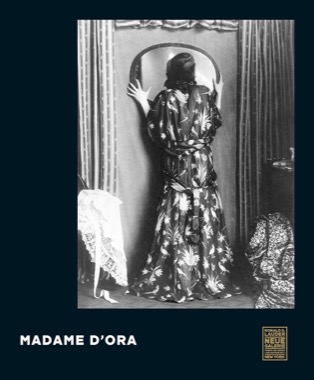
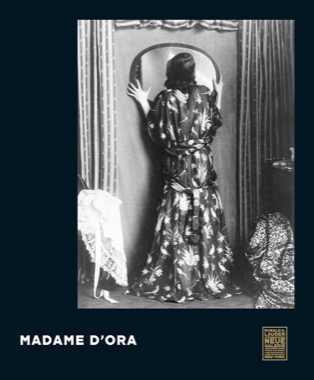
Hardcover. Munich, Prestel Verlag, 1st, 2020, Book: Very Good, Dust Jacket: Very Good, Hardcover in a bright dust jacket, pages. "Born Dora Kallmus (1881-1963), the Austrian fashion and portrait photographer who went by the moniker Madame d'Ora was the most acclaimed portraitist of fin de siecle Vienna. After relocating to Paris in the 1920s, she opened one of the most stylish Art Deco portrait studios where her models included Pablo Picasso, Josephine Baker, and Collette, among many others. This book, accompanying the largest exhibition devoted to Madame d'Ora ever presented in the United States, includes sections focusing on the different periods of the photographer's life, from her early upbringing as the daughter of Jewish intellectuals in Vienna, to her days as a premier society portraitist, through her survival during the Holocaust." Still in publisher's shrinkwrap.
Hardcover. Munich, Prestel Verlag, 1st, 2020, Book: Very Good, Dust Jacket: Very Good, Hardcover in a bright dust jacket, pages. "Born Dora Kallmus (1881-1963), the Austrian fashion and portrait photographer who went by the moniker Madame d'Ora was the most acclaimed portraitist of fin de siecle Vienna. After relocating to Paris in the 1920s, she opened one of the most stylish Art Deco portrait studios where her models included Pablo Picasso, Josephine Baker, and Collette, among many others. This book, accompanying the largest exhibition devoted to Madame d'Ora ever presented in the United States, includes sections focusing on the different periods of the photographer's life, from her early upbringing as the daughter of Jewish intellectuals in Vienna, to her days as a premier society portraitist, through her survival during the Holocaust." Still in publisher's shrinkwrap.
Hardcover. Munch/London/NY, Prestel, 1st, 2022, Book: Very Good, Dust Jacket: Very Good, Hardcover in a bright dust jacket. Still in publisher's shrinkwrap. 656 pages. Published on the twentieth anniversary of the founding of Neue Galerie New York, this stunning volume celebrates the varied achievements of modern art history in the German-speaking world by examining historical developments in Austria and Germany from 1890 to 1940. Illustrated throughout with exquisite reproductions of the museum's holdings, this book considers the influence of Friedrich Nietzsche and his writings on the fine arts and examines the founding of the Secessionist artists' organizations in Germany and Austria. Insightful essays trace the emergence of Expressionism and abstraction, as well as the development of such movements as Dada and New Objectivity. Evolutions in architecture and design are appraised through the legacy of the Arts and Crafts movement, as well as the establishment of the Darmstadt Artists' Colony and the Wiener Werkstatte. The book also examines the role of the German Werkbund and the founding of the Bauhaus school. Finally, the book briefly addresses the horrific impact of the National Socialists' degenerate art campaign, which resulted in incalculable damage and led to the exile and death of artists and designers of the era. From well-known artists such as Otto Dix, Josef Hoffmann, Vasily Kandinsky, Gustav Klimt, and Egon Schiele, to lesser recognized but equally important figures, including Albert Birkle, Alfred Kubin, Felix Nussbaum, and Dagobert Peche, this book offers an authoritative and kaleidoscopic look at a crucial moment in history and a portrait of radical thought that changed forever the way we experience art in our lives. DOMESTIC SHIPPING ONLY.
Softcover. Middlebury, VT, Middlebury College Museum of Art, 1st, 2015, Book: Very Good, Dust Jacket: None, 111 pages. Softcover with paper wrappers. Color pictures throughout. In 1899 Gustav Klimt's painting Nuda Veritas shook up the Austrian public with what many deem to be the painter's most political exploration of the nude female body. Klimt's provocative allegory challenged viewers to consider their own beliefs about the relationship between the nude (female) body and contemporary morality; this "naked truth" was shocking. Transcending accusations of pornography, Klimt's work paved the way for artistic examinations of the nude body as the site through which questions of freedom, desire, beauty, nature, culture, power, and their antonyms could be represented and negotiated. Taking these ideas as one critical point of departure, this volume and the accompanying exhibition feature selected prints, drawings, and watercolors by Klimt, Egon Schiele, Otto Dix, George Grosz, Max Beckmann and Kathe Kollwitz, among others. It explores the conceptions of the human body and the manner of its visualization in the period leading up to and following the First World War, which changed the world's notions of flesh and blood forever.

 "Arresting Time: Erich Lessing, Reportage Photography, 1948-1973by: Crawford, Alistair")
 "Arrogance (SIGNED COPY)by: Scott, Joanna")
 "Before the Fall; German and Austrian Art of the 1930'sby: Peters, Olaf")


 "Biedermeier: The Invention of Simplicityby: Hans; Klaus Albrecht Schroder; Laurie Winters; et al. Ottomeyer")
 "Egon Schiele: The Leopold Collection, Viennaby: Leopold, Rudolf")

 "Karl Blossfeldt: Working Collagesby: Wilde , Ann and Jurgen")




 "Modern Worlds: Austrian and German Art, 1890-1940by: Price, Renee / Lauder, Ronald S./Peters, Olaf/ Staggs, Janis")


 "Naked Truth: Approachers to the Body in Early-twentieth-Century German-Austrian Artby: Matthias, Bettina")