Hardcover. New York, Harry N. Abrams, 1st, 2014, Book: Very Good, Dust Jacket: None, 336 pages. Hardcover with no dust jacket. Very clean, unmarked copy. Black & white and color images throughout. Tight copy. Introduction by Martin Scorsese.
Hardcover. NA, By Subscription, 1825, Book: Fair, Dust Jacket: None, 431 pages. Brown leather covers. Spine with chipping and creases to gilt decoration. Black & white illustrations, including 1 fold-out. Previous owners name stamped on preliminary page. Light to moderate foxing throughout. Front cover detached.
Hardcover. NY, Cambridge University Press /Macmillan, 1st, 1948, Book: Very Good, Dust Jacket: Good, Hardcover in a worn, chipped dust jacket, 174 pages, color frontis. portrait of the author, several b&w plates. Flap price crossed out otherwise clean.
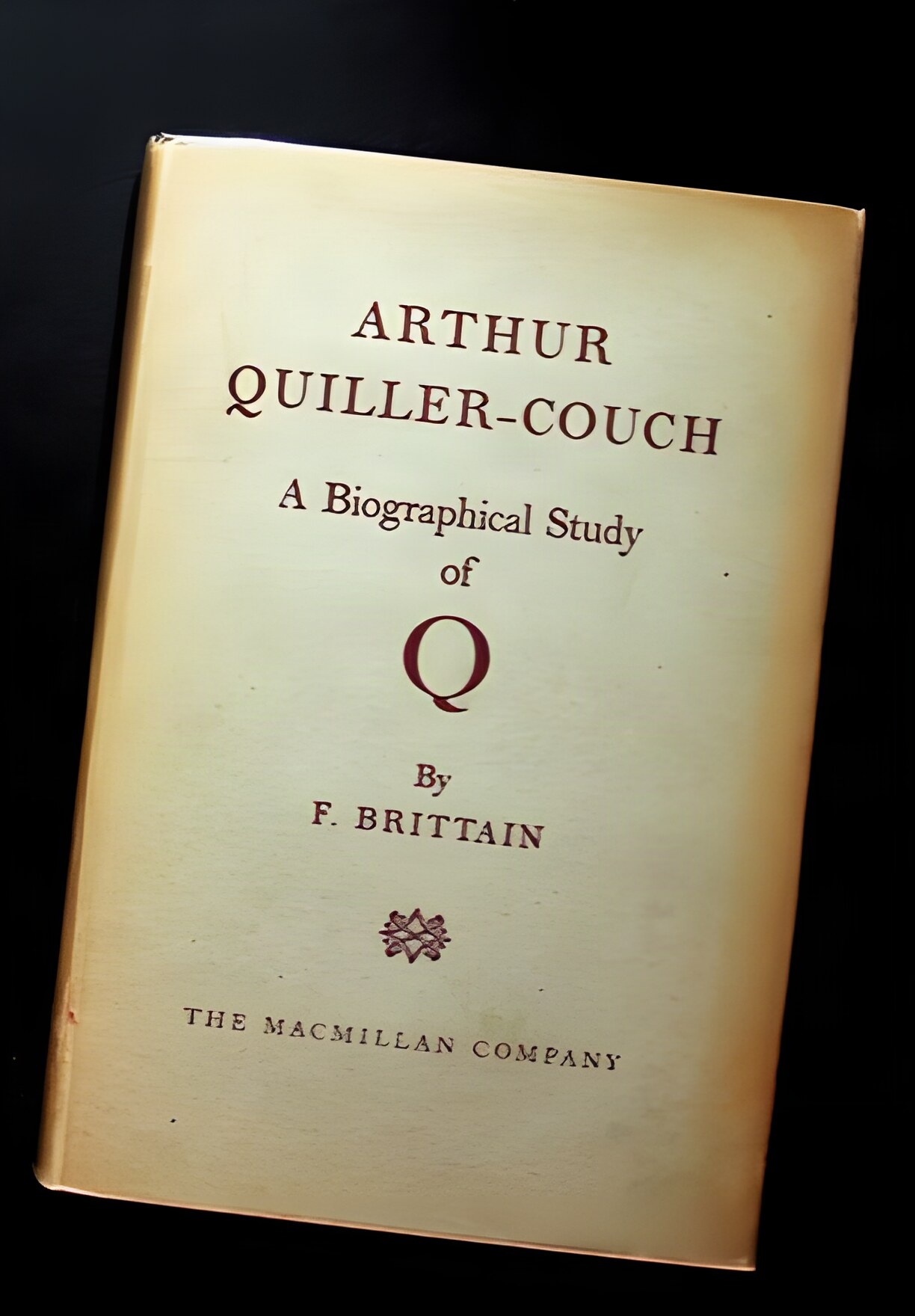
Hardcover. Totowa, NJ, Rowman and Littlefield, reprint, 1973, Book: Good, Dust Jacket: None, Hardcover, 223 pages. Foreword by Walter Shewring. Blue cloth covers with gilt decoration. First edition published in 1953. Frontispiece portrait of Gill and numerous facsimiles of type, text, and illustration. Written by Eric Gill's brother.
Hardcover. Five Continents, 1st, 2018, Book: Very Good, Dust Jacket: None, Hardcover in pictorial boards. Born into slavery around 1853-4 on a cotton plantation in Benton, Alabama, Traylor has become one of the most important self-taught artists of the twentieth century, and certainly one of the most celebrated African-American artists, along with Thorton Dial and William Edmondson. The story of Bill Traylor's life and work is a remarkable one. It is a story that deserves attention both nationally and internationally. This publication, generously illustrated with full-page high-quality reproductions, provides a close examination of Traylor's recurrent themes, composition schemes, favored iconography, and contextual information related to the artist's biography, creative process and tools, visual environment, and artistic mindset. Each artwork is considered in a context beyond that of an isolated image and in response to one another, forming a series of intricate and consistent narratives, intriguingly cinematic in its development. The elements of Traylor's biography are the anchors of an individual mythology. Instead of merely being a basic depiction, the subject becomes a visual statement structuring Traylor's mind, bringing together hidden symbols from Kongo Vodou, Hoodoo, Southern Baptist, Freemasonry, and Blues sources, as well as layers of references: slavery, uncensored violence in the Jim Crow era, and turbulence within the black enclave known as 'Dark Town' in Montgomery, Alabama. Bilingual edition in French and English. Still in publisher's shrinkwrap.
Hardcover. Barton, Frederick W. Baldwin, 1st, 1886, Book: Good, Dust Jacket: None, 303 pages. Hardcover. Black & white steel engraved portraits. Gilt titles on leather spine. Crack along top 5" of front hinge. Rubbing to cover edges. All edges gilt. Clean, unmarked pages.
Hardcover. London, Henry Colburn, 1st, 1848, Book: Good, Dust Jacket: None, Two volumes. 1/2 leather bindings with gold marbled covers and end papers. Gilt top edges. Volume 1 - 476 pages plus 16 pages of ads. Raised bands on spine. Rubbing to edges. Clean, unmarked text. Volume 2 - 510 pages. Raised bands on spine. Rubbing to edges. Clean, unmarked text.
Hardcover. Los Angeles, Vidal Sassoon Inc., 1st, 1978, Book: Very Good, Dust Jacket: None, 169 pages. Hardcover. Illustrated with black & white photographs. Original receipt from Vidal Sassoon Shop in London, England laid-in. Book has damp odor. Light foxing to edges. Light wear.
Hardcover. Cambridge, MA, Harvard Univ Press, 1st, 1946, Book: Very Good, Dust Jacket: Good, Hardcover, 351 pages including index. A list of writing relating to Charles Dickens and his works 1836-1944. A very useful bibliographic reference for Dickensiana.
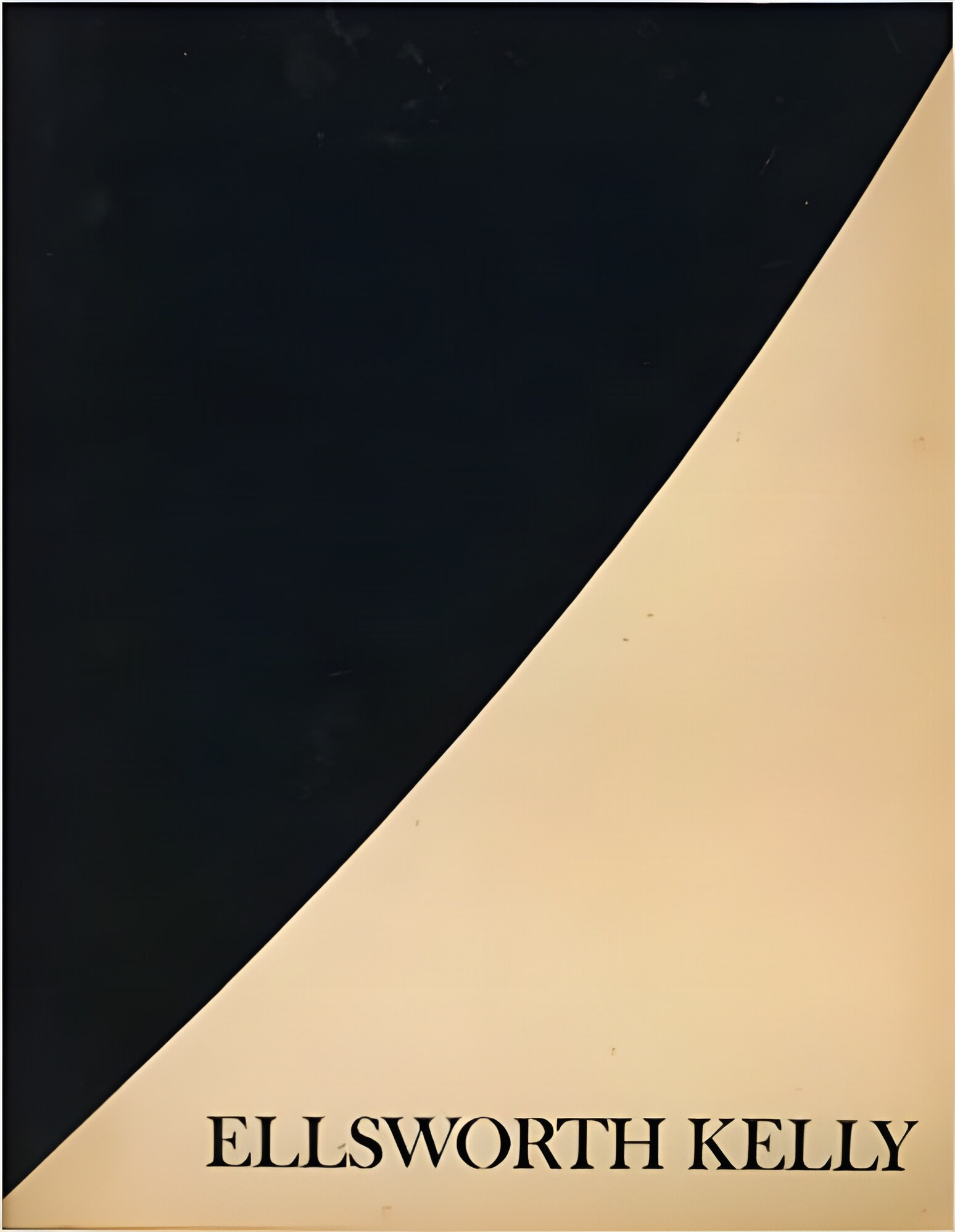
Softcover. New York, MOMA, 1st, 1973, Book: Very Good, Dust Jacket: None, Softcover, 127 pages, b&w and color illustrations. Light edge wear to wrappers; yellowing to spine. Else a clean, tight copy. Illustrated with eighty-four reproductions, eighteen of which are in color, as well as fifty-one reference illustrations. Bibliography. Index.
Softcover. New York, MOMA, 1st, 1973, Book: Very Good, Dust Jacket: None, Softcover, 127 pages, b&w and color illustrations. Light edge wear to wrappers; yellowing to spine. Else a clean, tight copy. Illustrated with eighty-four reproductions, eighteen of which are in color, as well as fifty-one reference illustrations. Bibliography. Index.
Hardcover. Washington DC, Microcard Editions, 1st, 1971, Book: Very Good, Dust Jacket: None, 122 pages. Hardcover with no dust jacket. Light edgewear to cover boards, light soil to top page block. SIGNED BY BRUCCOLI on title page.
Hardcover. Indianapolis, Indiana, Indianapolis Museum of Art, 1st, 2013, Book: Very Good, Dust Jacket: None, 160 pages. Hardcover no dust jacket. Color pictures throughout. Clean, unmarked copy with only minor wear to boards. Decoding Robert Indiana's work for a new generation, this revelatory book explores previously unknown autobiographical elements in the work of the Pop artist and printmaker. Famously proclaiming himself to be "an American painter of signs," Robert Indiana has created an enormous body of work, much of it boldly colored abstractions. In this incisive new examination of the artist, based on ongoing conversations with Indiana, art historian Martin Krause sifts through autobiographical clues within the artist's work and finds a wealth of affecting and affectionate references to Indiana's childhood, literary heroes, and the cultural icons of his generation. In addition, a penetrating essay by Pop art scholar John Wilmerding deconstructs Indiana's use of geometric shapes, making unexpected connections that enhance Krause's thesis. Accompanied by reproductions of more than 50 prints from the period 1960-2010--and focusing specifically on series such as Decade: Autoportraits, Vinalhaven Suite, and The Hartley Elegies as well as the "Love" and "Hope" images and studies of Marilyn Monroe, Picasso, and the Brooklyn Bridge--Krause's decryption of Indiana's visual language provides telling insight into the work of this quintessentially American artist.
Hardcover. NY, Columbia University Press, 1st, 1984, Book: Very Good, Dust Jacket: Very Good, Hardcover, 203 pages, b&w photos. Bright, clean copy in dust jacket.
Hardcover. San Francisco, Oceanic Publishing Company, 1st, 1920, Book: Very Good, Dust Jacket: None, Hardcover, dark blue cloth with white rules and lettering, 375 pages, b&w illustrations. Errata slip tipped-in. The book is a comprehensive reference guide for travelers interested in exploring the Pacific Ocean and its surrounding regions. The author shares his personal experiences and observations from his four decades of traveling the Pacific, including his encounters with the people, cultures, and landscapes of the various countries and islands he visited. In addition to providing practical travel advice, the book also offers a glimpse into the history, politics, and social customs of the Pacific region. With its vivid descriptions and engaging storytelling, a delightful read for armchair travelers. Clean copy.
Hardcover. London, Routledge, 1st, 2011, Book: Very Good, Dust Jacket: None, Hardcover in pictorial boards, 198 pages illustrated in color and b&w. Focusing on the house and museum and its considerable collections of architectural fragments, models, drawings folios and publications, this book is about thirteen Lincoln's Inn Fields in London, England, built in the early 1800s by the renowned eighteenth-century architect Sir John Soane. The book maps the influences, references, connections, extensions, and productions at play in Soane's house-museum. The house, still a public museum, was highly original in its period, and it continues to influence and impress architects and historians alike. Today's visitor is confronted by a dense, complex series of spaces, a strange aCCU1mulation of rooms, objects and effects. This book examines the ways in which Soane enlisted light, shadow, color, fiction and narrative, vistas, spatial complexity, the fragment, and the mirror to produce a spectacular space. No dj issued, clean copy.
Hardcover. New Haven, Yale University Press, 1st, 1971, Book: Very Good, Dust Jacket: Good, Hardcover set. Volume I: 558 pages. Cloth boards. Illustrated with black & white reproductions of works by Hogarth. Dust jacket quite worn along edges with some tape repair to small tears. Clean, tight copy. Volume II: 557 pages. Cloth boards. Illustrated with black & white reproductions of works by Hogarth. Fore-edge shows slightest foxing. Dust jacket worn along edges with small tears and creases. Clean, tight copy. NOTE: DUE TO WEIGHT AND SIZE, DOMESTIC SHIPPING ONLY.
Hardcover. Mendota IL, The Wayside Press, 1st, 1964, Book: Very Good, Dust Jacket: Very Good, Hardcover in a bright dust jacket with light edgewear, chipping. A superb, anecdotal and personal (Gardner was a great Alger collector) biography of Alger and history of the Alger juveniles, with superb color plates of rare Alger items and a descriptive bibliography. Clean copy.
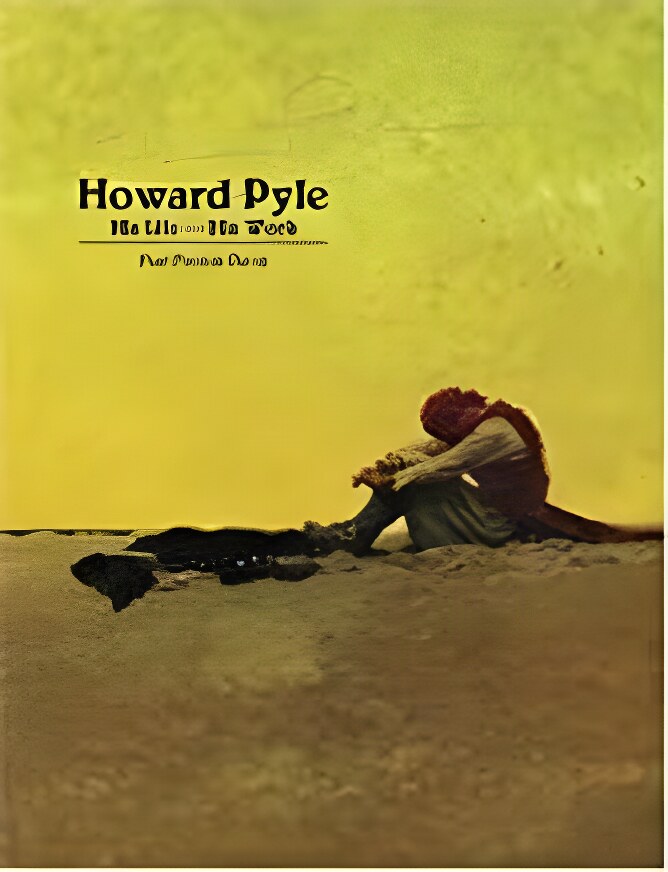
Hardcover. New Castle DE, Oak Knoll Press, 1st, 2004, Book: Very Good, Dust Jacket: Very Good, Two volumes, hardcovers with dust jacket, 872 pages. Burgundy cloth covered boards with gilt text stamping on the spines. Each is a quarto of 12 by 9 inches. At the dawn of the 20th century, Howard Pyle was America's most famous and influential illustrator. Through the illustrated pages of Harper's, Scribner's and Century magazines, the American public first became acquainted with the illustrator that they would come to love. Both by example and through his teaching, Pyle molded and influenced generations of young artists who have continued his unique vision of illustration far beyond his own lifetime. Published 93 years after the death of Howard Pyle, this book celebrates the enduring and far-reaching achievements of America's foremost illustrator. Illustrated with over 3300 images, this important research tool represents the complete record of all known Howard Pyle illustrations, hundreds of which have not been reproduced since their original publication over 100 years ago. DUE TO WEIGHT, This is a heavy and oversized book and will require extra shipping. International customers please ask for a shipping quote before purchasing.
Hardcover. Garden City, Doubleday & Co, 1st, 1976, Book: Very Good, Dust Jacket: Very Good, 549 pages. Tan cloth cover with gilt lettering to spine, color illustrated dust jacket, b&w illustrations, comprehensive reference work on Western American art. Light wear to dust jacket; overall a clean, tight copy.
Hardcover. Seattle, Fantagraphics, 1st, 2016, Book: Very Good, Dust Jacket: Very Good, Hardcover in a bright dust jacket, 304 pages. In 1976, the critic Paul Nelson spent several weeks interviewing his literary hero, legendary detective writer Ross Macdonald. Beginning in the late 1940s with his shadowy creation, ruminating private eye Lew Archer, Macdonald had followed in the footsteps of Dashiell Hammett and Raymond Chandler, but ultimately elevated the form to a new level. "We talked about everything imaginable," Nelson wrote-including Macdonald's often meager beginnings; his dual citizenship; writers, painters, music, books, and movies he admired; how he used symbolism to change detective writing; his own novels and why Archer was not the most important character-"my God, everything." It's All One Case provides an open door to Macdonald at his most unguarded. The book is far more than a collection of never-before-published interviews, though. Published in a handsome, oversized format, it is a visual history of Macdonald's professional career, illustrated with rare and select items from one of the world's largest private archives of Macdonald collectibles. Featuring in full color the covers of the various editions of Macdonald's more than two dozen books, facsimile reproductions of pages from his manuscripts, magazine spreads, and many never before seen photos of Macdonald and his friends (such as Kurt Vonnegut), including those by celebrated photojournalist Jill Krementz. It's All One Case is an intellectual delight and a visual feast, a fitting tribute to Macdonald's distinguished career. Full-color illustrations throughout
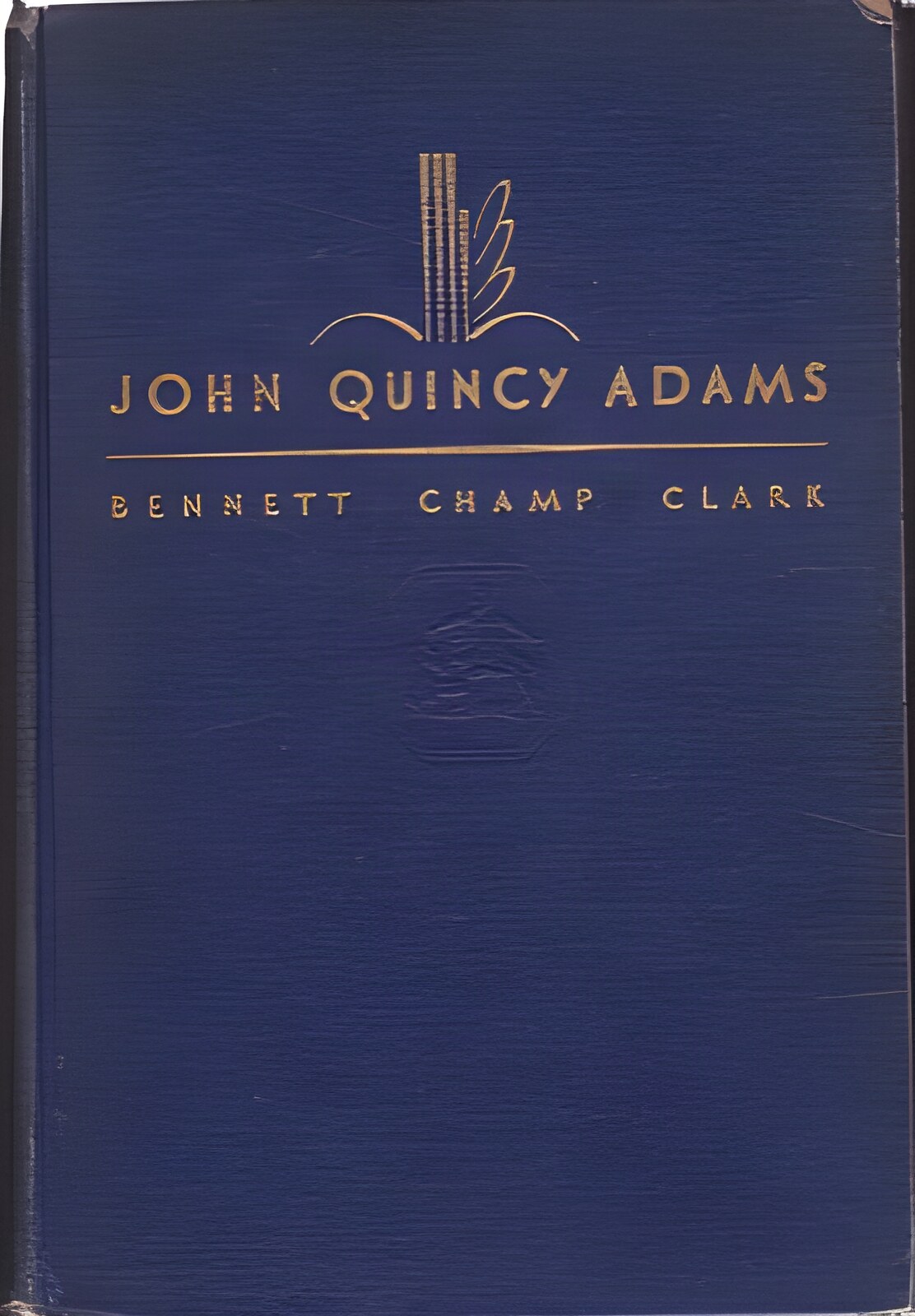
Hardcover. Boston, Little, Brown, and Company, 1st, 1932, Book: Good, Dust Jacket: None, Hardcover, dark blue cloth with gilt design and lettering, 437 pages. Includes [9] leaves of plates, illustrations, portraits, bibliographical references, and index. A fine biography on America's sixth President, and the second Adams to hold that office. Clark gives equal attention to Adams' early diplomatic career, his time in State politics, in the U.S. Senate, as Secretary of State, and of his extensive career as an elder-statesman after his Presidency. Spine gilt faded, corners worn, name on front endpapers, otherwise clean.
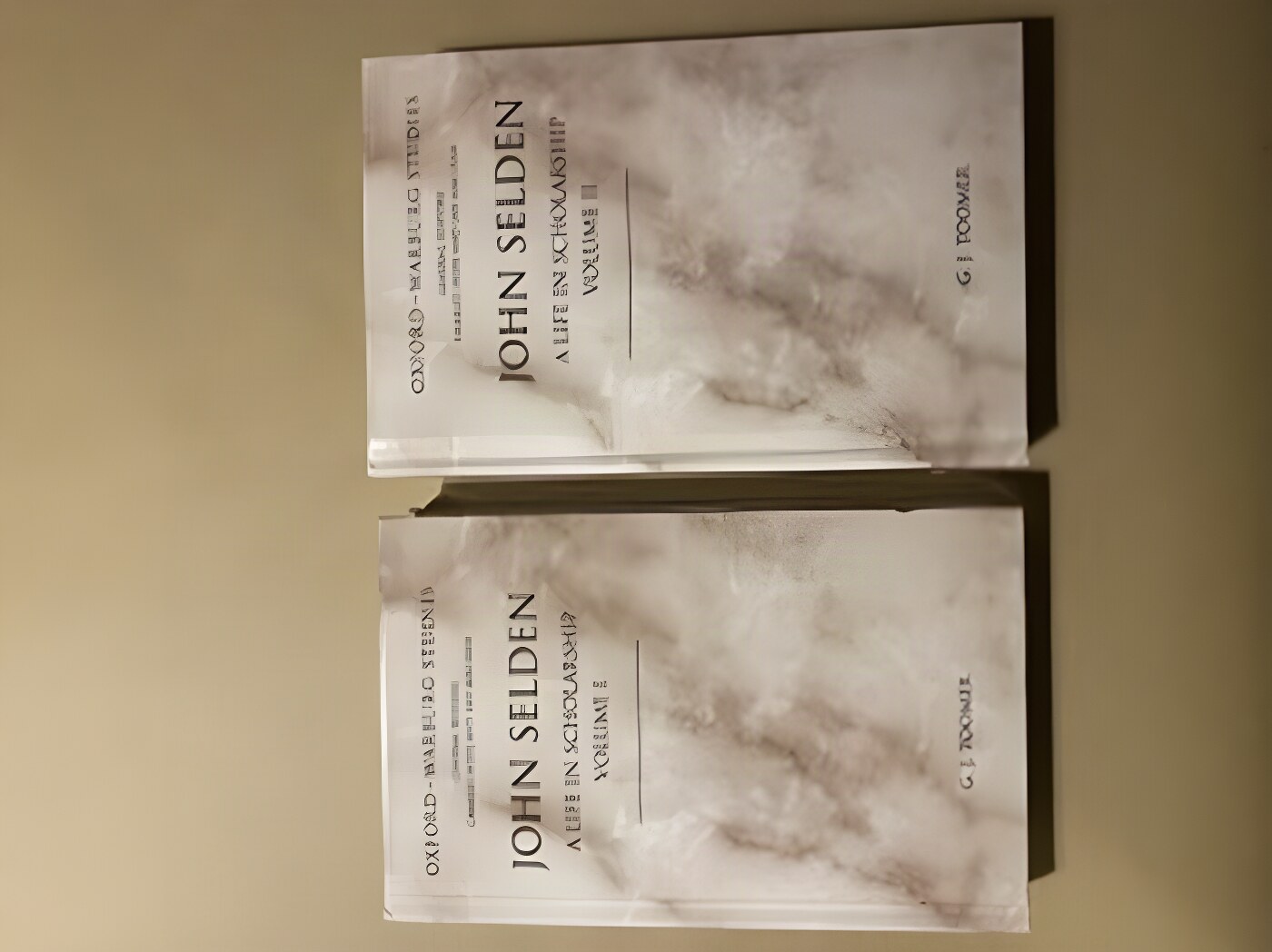
Hardcover. London, Oxford University Press, reprint, 2011, Book: Very Good, Dust Jacket: None, Two volume set complete, glossy boards, 977 pages in total. Professor Toomer's two-volume set is not only an indispensable reference work but also provides the first thorough treatment of the scholarship of John Selden, acknowledged as the most learned man of 17th-century England. All of his numerous published works, especially in the fields of history, law, and Hebraica, are critically examined and described in detail. The narrative also relates his writings to contemporary events, in the Civil War and the parliaments (including the Long Parliament) in which he played a prominent part, and to the work of other scholars in Europe (notably Scaliger and Grotius) and in Britain (including Camden and Ussher). Selden's involvement with the Universities, the support of libraries, and the promotion of scholarship is discussed. The work will be an essential resource, not only for the life of a major figure of his time, but also for the intellectual history of 17th-century England in general. No djs as issued, like new.

 "Altmanby: Altman, Kathryn R.")
 "American Military Biography; containing the Lives, Characters, and Anecdotes of the Officers of the Revolution, who were most Distinguished in Achieving our National Independence. - Also, The Life of Gilbert Motier La Fayette, Major")
 "Bibliography of Eric Gillby: Gill, Evan R.")

 "Biography of the Bar of Orleans County, Vermontby: Baldwin, Frederick W.")
 "Burr Bibliography: A List of Books Relating to Aaron Burrby: Tompkins, Hamilton Bullock")
 "Court and Times of James the First - Illustrated by Authentic and Confidential Letters, from Various Public and Private Collections - 2 Volumes, Theby: Williams, Robe")
 "Cutting Hair the Vidal Sassoon Wayby: Sassoon, Vidal")
 "Dickens Student and Collector, Theby: Miller, William")
 "Ellsworth Kellyby: Goossen, E. C")
 "Ernest Hemingway's Apprenticeship: Oak Park, 1916-1917 (SIGNED COPY)by: Bruccoli (editor), Matthew J.")
 "Essential Robert Indiana, Theby: Krause, Martin")
 "Films of George Roy Hill, Theby: Horton, Andrew")
 "Forty Years on the Pacific: The Lure of the Great Oceanby: Coffee, Frank")

 "Hogarth: His Life, Art, and Times - Volume I & IIby: Paulson, Ronald")

 "Illustrated Biographical Encyclopedia of Artists of the American West, Theby: Samuels, Peggy and Harold")
 "It's All One Case: The Illustrated Ross Macdonald Archivesby: Kevin Avery , Paul Nelson, et al.")