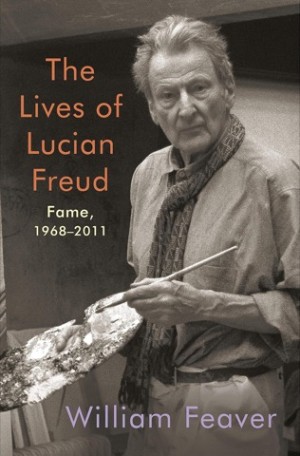
Hardcover. NY, Knopf, 1st, 2021, Book: Very Good, Dust Jacket: Very Good, Hardcover in a bright, unclipped dust jacket. 557 pages, b&w and color illustrations. In this brilliant second and final volume of the definitive biography of Lucian Freud--one of the most influential, enigmatic and secretive artists of the twentieth century--William Feaver, the noted art critic, draws on years of daily conversations with Freud, on his private papers and letters and on interviews with his friends and family to explore the intimate life of Freud, from age forty-five to his death in 2011 at the age of eighty-nine. The final forty years of Freud's life were a period of increasing recognition and fame, and of prodigious output. He was obsessed with his art, and with the idea of producing paintings that "astonish, disturb, seduce, convince." He was equally energetic and ambitious in his private life. This book opens with his dramatic affair with Jacquetta Eliot, which led to some of his most intimate portraits and to the start of two important, lifelong friendships, with Jane Willoughby and Susanna Chancellor. Freud talks about his art at all stages, how it changed in the seventies and his first retrospective in London in 1974. Small remainder dot on bottom edge otherwise clean.
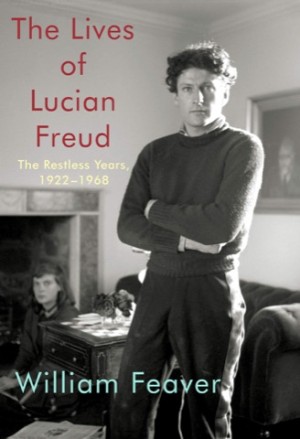
Hardcover. NY, Knopf, 1st, 2019, Book: Very Good, Dust Jacket: Very Good, Hardcover in a bright, unclipped dust jacket. The first biography of the epic life of one of the most important, enigmatic and private artists of the 20th century. Drawn from almost 40 years of conversations with the artist, letters and papers, it is a major work written by a well-known British art critic. This is an extremely intimate, lively and rich portrait of the artist, full of gossip and stories recounted by Freud to Feaver about people, encounters, and work. Freud's art was his life--"my work is purely autobiographical"--and he usually painted only family, friends, lovers, children, though there were exceptions like the famous small portrait of the Queen. With his later portraits, the subjects were often nude, names were never given and sittings could take up to 16 months, each session lasting five hours but subjects were rarely bored as Freud was a great raconteur and mimic.Small remainder dot on bottom edge otherwise clean.
Hardcover. NY, Knopf, 1st, 2019, Book: Very Good, Dust Jacket: Very Good, Hardcover in a bright, unclipped dust jacket. The first biography of the epic life of one of the most important, enigmatic and private artists of the 20th century. Drawn from almost 40 years of conversations with the artist, letters and papers, it is a major work written by a well-known British art critic. This is an extremely intimate, lively and rich portrait of the artist, full of gossip and stories recounted by Freud to Feaver about people, encounters, and work. Freud's art was his life--"my work is purely autobiographical"--and he usually painted only family, friends, lovers, children, though there were exceptions like the famous small portrait of the Queen. With his later portraits, the subjects were often nude, names were never given and sittings could take up to 16 months, each session lasting five hours but subjects were rarely bored as Freud was a great raconteur and mimic.Small remainder dot on bottom edge otherwise clean.
Hardcover. NY, W. W. Norton & Company, 1st, 2012, Book: Very Good, Dust Jacket: Very Good, Hardcover in a bright, unclipped dust jacket. From the Pulitzer Prize-winning biographer John Matteson, an account of the "Susan Sontag" of nineteenth-century America. A brilliant writer and a fiery social critic, Margaret Fuller (1810-1850) was perhaps the most famous American woman of her generation. Outspoken and quick-witted, idealistic and adventurous, she became the leading female figure in the transcendentalist movement, wrote a celebrated column of literary and social commentary for Horace Greeley's newspaper, and served as the first foreign correspondent for an American newspaper. While living in Europe she fell in love with an Italian nobleman, with whom she became pregnant out of wedlock. In 1848 she joined the fight for Italian independence and, the following year, reported on the struggle while nursing the wounded within range of enemy cannons. Amid all these strivings and achievements, she authored the first great work of American feminism: Woman in the Nineteenth Century. Despite her brilliance, however, Fuller suffered from self-doubt and was plagued by ill health. John Matteson captures Fuller's longing to become ever better, reflected by the changing lives she led. 28 black-and-white illustrations. Smallbump to top corner otherwise like new.
Hardcover. Charlestown MA, Printed and Sold By Samuel Etheridge, Revised Ed., 1810, Book: Very Good, Hardcovers, two volumes complete, 432 and 448 pages. bound in 3/4 calf, with red leather spine labels intact, bindings tight. New corrected edition. A collection of biographical studies on the life of important poets in the cannon of English literature, including: Cowley, Milton, Blackmore, Granville, Somerville, Thomson, Mallet, and Lyttelton. Written by Samuel Johnson, an English writer who made lasting contributions as a poet, playwright, essayist, moralist, critic, biographer, editor, and lexicographer. With the original advertisement to the first edition. originally published in 1779-81. Light edgewear to covers, mild water stain to first 4 pages of Vol. 2, otherwise clean, mild foxing, very good set overall.
Hardcover. NY, HarperCollins, 1st, 2002, Book: Very Good, Dust Jacket: Very Good, Hardcover in a bright, unclipped dust jacket. SIGNED BY PROSE on the title page. In a brilliant, wry, and provocative book, National Book Award finalist Francine Prose explores the complex relationship between the artist and his muse. In so doing, she illuminates with great sensitivity and intelligence the elusive emotional wellsprings of the creative process. Clean copy.
Hardcover. NY, Farrar, Straus and Giroux, 2nd pr, 2021, Book: Very Good, Dust Jacket: Very Good, Hardcover in a bright, unclipped dust jacket. 312 pages, color and b&w illustrations. A bristling and brilliant memoir of the mid-twentieth-century New York School of painters and their times by the renowned artist and critic Edith Schloss, who, from the early years, was a member of the group that shifted the center of the art world from Paris to New York. Schloss was born in Germany and moved to New York City during World War II. She became part of a thriving community of artists and intellectuals that included Elaine and Willem de Kooning, Larry Rivers, John Cage, and Frank O'Hara. She married the photographer and filmmaker Rudy Burckhardt. She was both a working artist and an incisive critic, and was a candid and gimlet-eyed witness of the close-knit community that was redefining the world of art. In Italy she spent time with Giorgio Morandi, Cy Twombly, Meret Oppenheim, and Francesca Woodman. Remainder dot to top edge otherwise clean.
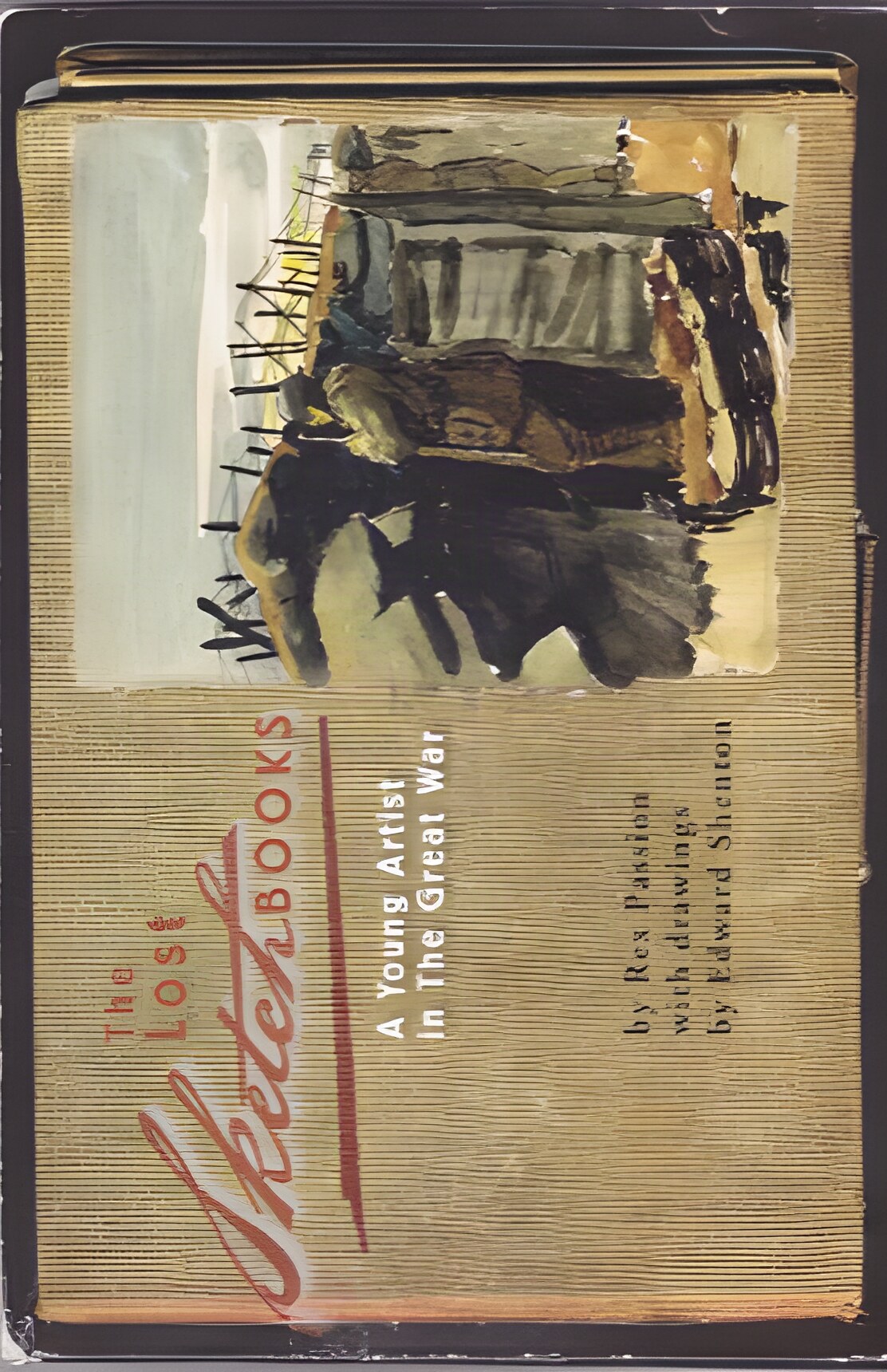
Softcover. Cambridge, Komatik Press, 1st, 2017, Book: Very Good, Dust Jacket: None, Softcover, oblong format. In 1917, while still in art school, Edward Shenton joined Company B, 103rd Engineers of the Pennsylvania National Guard. He stocked up on art materials, including many canvas-bound sketchbooks and a watercolor set, and went off to train and fight. Much of the war he witnessed made their way into his sketchbooks. When Ed returned home, no one wanted to hear about the war, much less see images of the horrors of battle. He went back to art school and his sketches were put away and forgotten. He had a brilliant career as an illustrator. His drawings graced the cover of Scribner's Magazine for ten years and embellished books by, among others, Hemingway, Fitzgerald and Thomas Wolf.Edward Shenton had a long career as an outstanding illustrator, author, and teacher and, after a very full life, died at the age of eighty-two. Nine decades after they were put away, his son came across Ed's sketchbooks and he and I decided that they, along with his father's wartime story, had to be shared with the world.
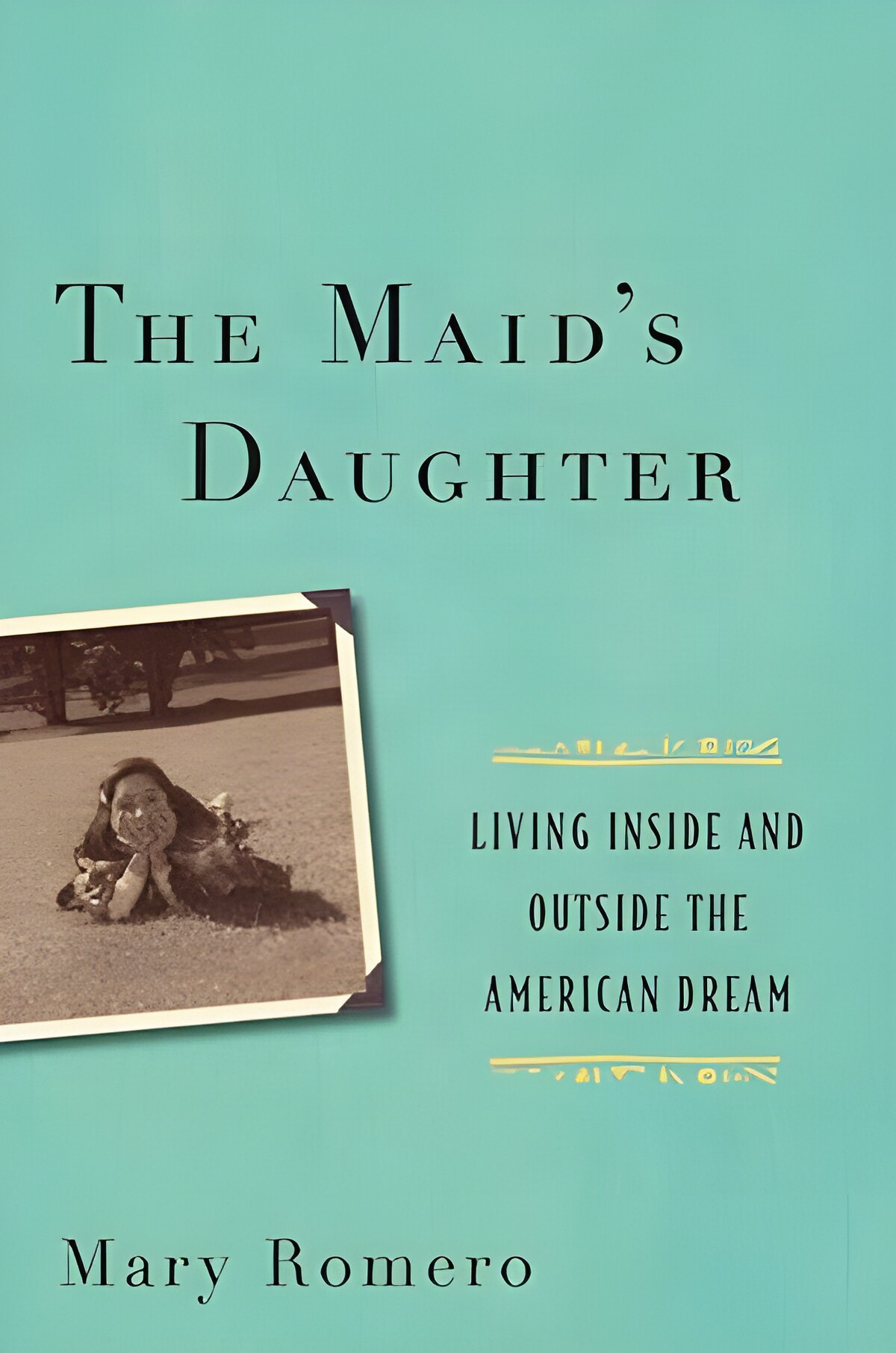
Hardcover. NY, New York University Press, 1st, 2011, Book: Very Good, Dust Jacket: Very Good, Hardcover in a bright dust jacket, 267 pages. A compelling true story of how a maid's daughter moves from a girlhood of rage and resentment to a level of empowerment, as a grown woman. Clean copy.
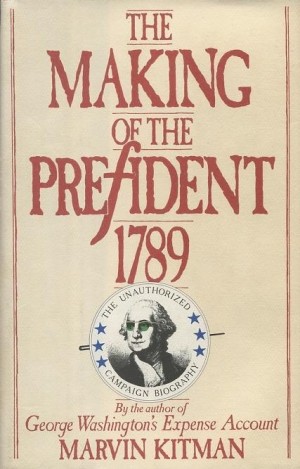
Hardcover. NY, Harper & Row, 1st, 1989, Book: Very Good, Dust Jacket: Very Good, Hardcover in a bright, unclipped dust jacket, 358 pages. Satirical analysis of the election of the first president running unopposed. A well researched commentary on the politics of the early republic. Includes notes, bibliography & index. Name on front fly leaf, otherwise clean.
Hardcover. NY, W. W. Norton , 1st, 2000, Book: Very Good, Dust Jacket: Very Good, Hardcover in a bright, unclipped dust jacket. After the Second World War, a newly affluent United States reached for its own gourmet culture, one at ease with the French international style of Escoffier, but also distinctly American. Enter James Beard, authority on cooking and eating, his larger-than-life presence and collection of whimsical bow ties were synonymous with the nation's food for decades, even after his death in 1985. In the first biography of Beard in twenty-five years, acclaimed writer John Birdsall argues that Beard's struggles as a closeted gay man directly influenced his creation of an American cuisine. Starting in the 1920s, Beard escaped loneliness and banishment by travelling abroad to places where people ate for pleasure, not utility, and found acceptance at home by crafting an American ethos of food likewise built on passion and delight. Informed by never-before-tapped correspondence and lush with details of a golden age of home cooking, The Man Who Ate Too Much is a commanding portrait of a towering figure who still represents the best in food. Clean copy.
Lebanon NH, University of New Hampshire Press, 1st, 2005, Book: Very Good, Dust Jacket: Very Good, Hardcover in a bright dust jacket. 294 pages, b&w illustrations. Presents a succinct, articulate examination of the work of the pioneering but controversial archaeologist Roland Wells Robbins (1908-1987) and the development of historical archaelogy in America. In 1945, the self-taught Robbins discovered the remains of Thoreau's cabin at Walden Pond. He excavated the site, documented his findings, and in 1947 published a short book, Discovery at Walden, about the experience. This project launched Robbins's career in archaeology, restoration, and reconstruction, and he went on to excavate at a number of New England iron works and other sites, including the Philipsburg Manor Upper Mills in New York, Stawbery Banke in New Hampshire, and Shadwell, Thomas Jefferson's Virginia birthplace. Although lacking academic training, Robbins quickly developed remarkably sophisticated techniques for the period. However, his "pick and shovel" methods were considered suspect and increasingly frowned upon by the emerging American historical archaeological establishment. Clean copy.
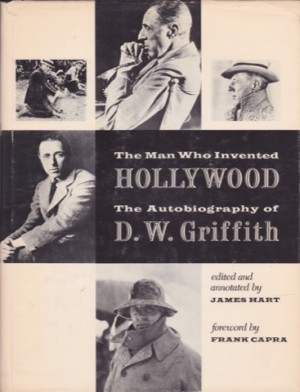
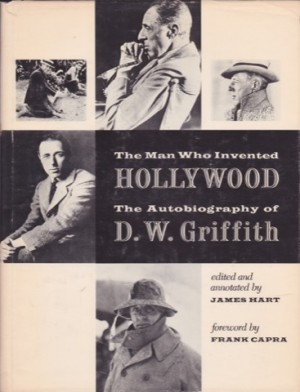
Hardcover. Louisville KY, Touchstone Publishing , 1st, 1972, Book: Very Good, Dust Jacket: Very Good, Hardcover in a lightly worn dust jacket, unclipped. Griffith's autobiography was never finished (Griffith died in 1948), here edited and annotated by James Hart, who was a friend of the filmmaker late in his life. Griffith was the leading exponent in the 'blockbuster' genre of popular film, but with style. Chronologic listing of his innovative works, all profusely illustrated. Forward by Frank Capra. Clean copy.
Hardcover. Louisville KY, Touchstone Publishing , 1st, 1972, Book: Very Good, Dust Jacket: Very Good, Hardcover in a lightly worn dust jacket, unclipped. Griffith's autobiography was never finished (Griffith died in 1948), here edited and annotated by James Hart, who was a friend of the filmmaker late in his life. Griffith was the leading exponent in the 'blockbuster' genre of popular film, but with style. Chronologic listing of his innovative works, all profusely illustrated. Forward by Frank Capra. Clean copy.
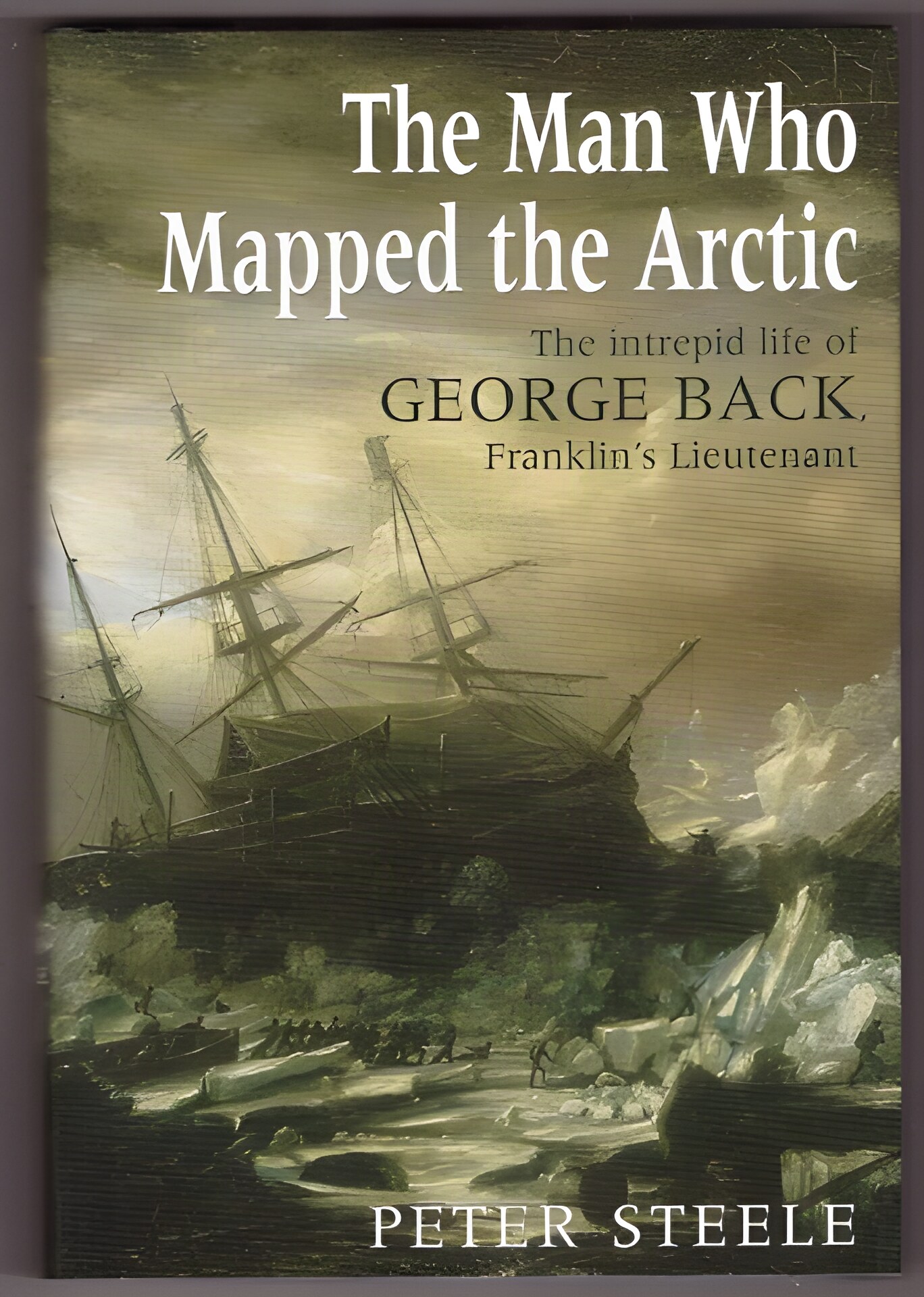
Hardcover. Vancouver, Raincoast Books, 1st, 2003, Book: Very Good, Dust Jacket: Very Good, Hardcover in a bright dust jacket, 307 pages. b&w illustrations. In the mid-1800s, George Back went on three Arctic expeditions with Sir John Franklin across the barren lands of the Canadian north. But unlike Franklin, Back lived to tell his tales in journals, drawings, watercolors, and maps. Noted writer Peter Steele drew on these sources, along with contemporary accounts, to craft this gripping tale of resilience in the face of incredible odds. The book thrillingly recounts the near-impossible circumstances of these expeditions -- the fights with the Hudson Bay Company, rations that failed to get through, even cannibalism. Back survived these horrors to lead an exploration of the Great Fish River, now named Back River in his honor. His return upstream, hauling his handmade boat up 83 sets of rapids, is one of the greatest-ever feats of heroism and endurance. Clean copy.
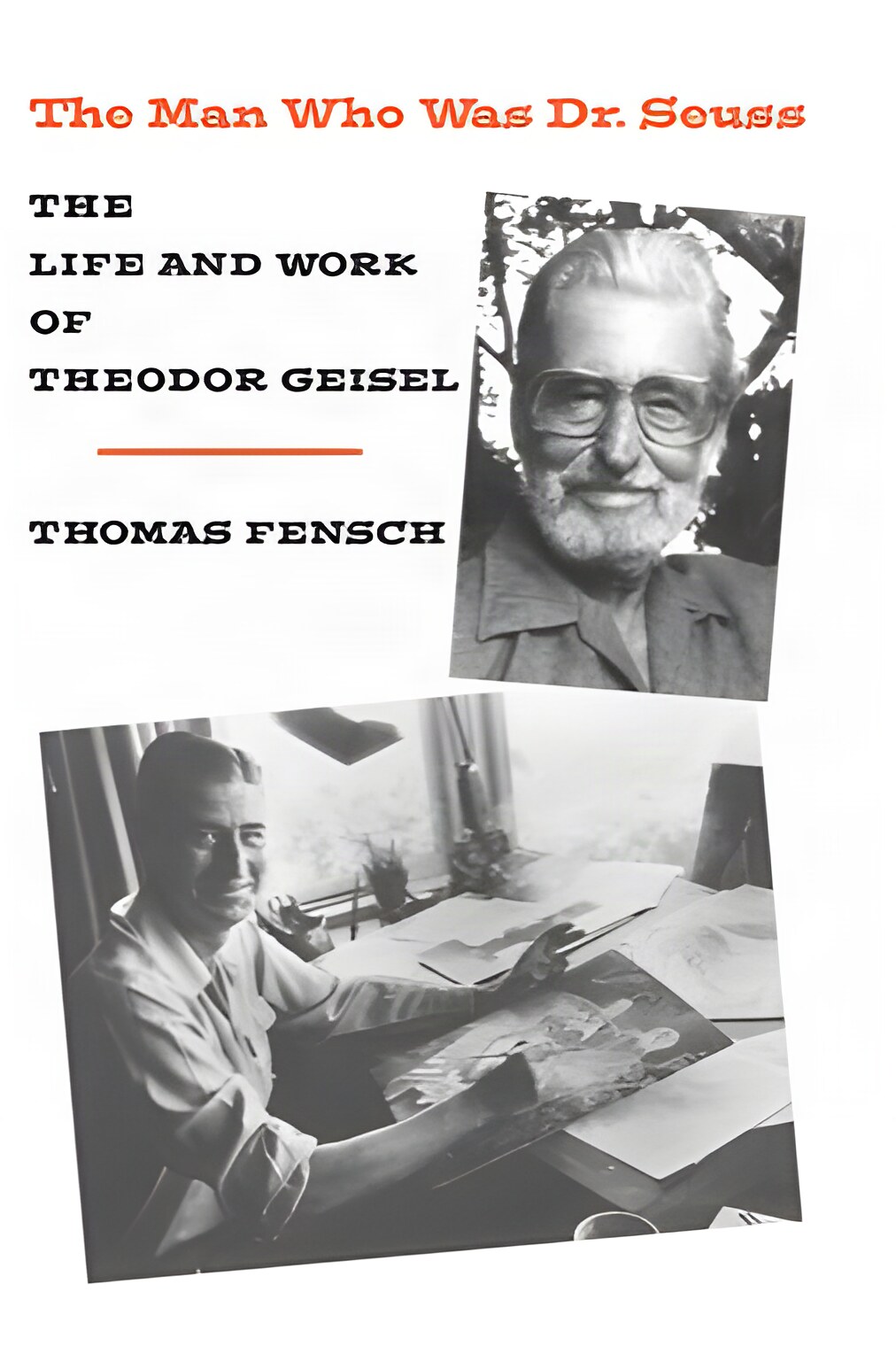
Softcover. The Woodlands,TX, New Century Books, 1st, 2001, Book: Very Good, Dust Jacket: None, Softcover, 210 pages. With a typewritten letter laid in containing an inscription and the author's signature, "Tom". The Man Who Was Dr. Seuss is the first major personal and literary biography of Theodor "Dr. Seuss" Geisel. It describes the origins of the rhyme scheme he used for many of his books; his views of international justice; the morals for children in his books; why parents are seldom seen in Dr. Seuss books and finally, among fabulouse facts and fanciful fables, how and why Dr. Seuss eventually became an American icon. Clean copy.
Hardcover. NY, Viking Press, 1st US, 1977, Book: Very Good, Dust Jacket: Good, Hardcover in a lightly sunned, price-clipped dust jacket, 254 pages. "In this elegant memoir, Quennell turns from biographer of others to creating a self-portrait as well as frank and affectionate pictures of his parents. His father, C.H.B. Quennell, was an architect, a popular historian, and a formidable eccentric. The two men could scarcely have been more dissimilar, yet they shared many tastes and traits, and although they were lifelong adversaries the influence of the father had a determining effect on the education of the son." (from the jacket) Previous owner's inscription on front fly leaf which is tanned from clipping laid in.
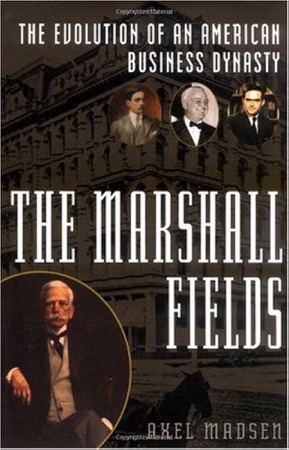
Hardcover. Hoboken NJ, John Wiley, 1st, 2002, Book: Very Good, Dust Jacket: Very Good, Hardcover in a bright dust jacket, 367 pages, with illustrations. Like Morgan, Rockefeller, Carnegie, Marshall Field was one of the overlords of capitalism in the Gilded Age of the late 19th C. His wealth and philanthropy masked a disastrous personal life. Alienated from his children, deserted by his wife, he left a legacy of immense wealth and misery. This multigenerational saga of money, madness, and mystery tells a Jekyll-and-Hyde story of American capitalism--a tale of drive and nerve and moral stumbles. Clean copy.
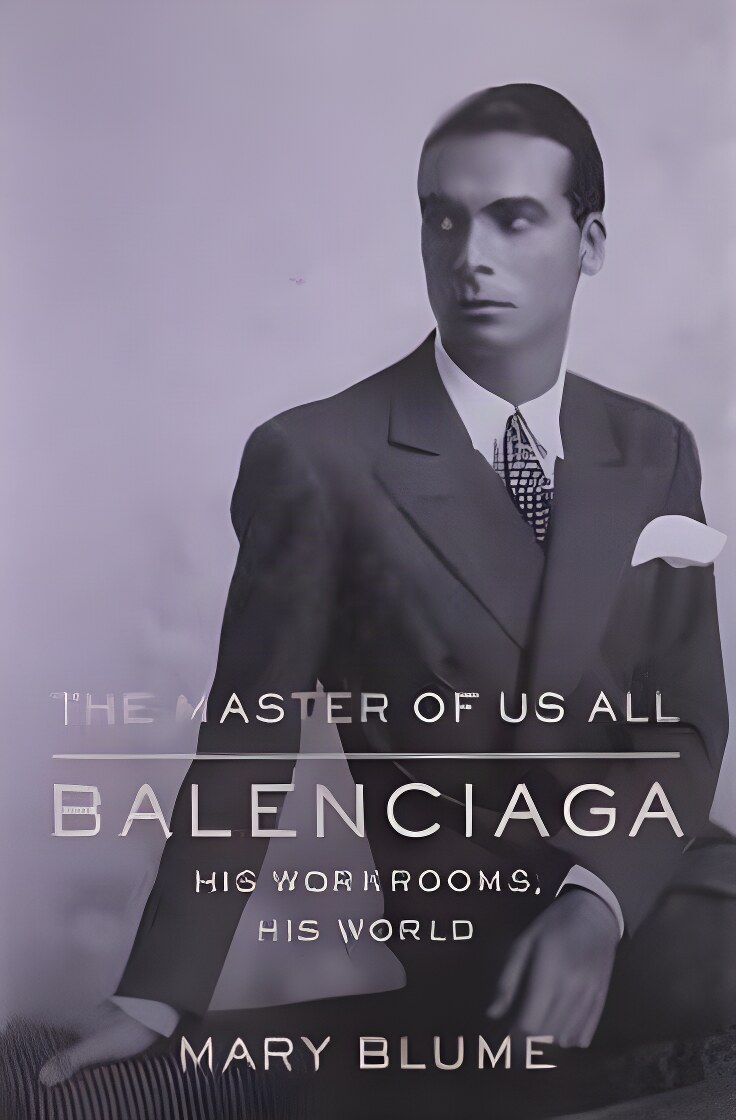
Hardcover. New York, Farrar, Straus and Giroux, 1st, 2013, Book: Very Good, Dust Jacket: Very Good, Hardcover, 224 pages, photos in color and b&w. Clean, unmarked copy with only minor wear to dust jacket. A sparkling life of the monumental fashion designer Cristobal Balenciaga. One of the most innovative and admired figures in the history of haute couture, Cristobal Balenciaga was, said Christian Dior, "the master of us all." Despite his extraordinary impact, Balenciaga was a man hidden from view. He saw to it that little was known about him, to the point that some French journalists wondered if he existed at all. Even his most devoted clients-Marlene Dietrich, Barbara Hutton, a clutch of Rothschilds-never met him. But one woman knew Balenciaga very well indeed. The first person he hired when he opened his Paris house was Florette Chelot, who became his top vendeuse. She witnessed the spectacular success of his first collection, and they worked closely for more than thirty years, until 1968, when Balenciaga abruptly closed his house without telling any of his staff. Youth-oriented fashion was taking over, Paris was in upheaval, and the elder statesman wanted no part of it. In The Master of Us All, Mary Blume tells the remarkable story of the man and his world. Intimate and revealing, this is an unprecedented portrait of a designer whose vision transformed an industry but whose story has never been told until now.
Hardcover. NY, Grosset & Dunlap, 1st, 1978, Book: Very Good, Dust Jacket: None, Hardcover First Edition SIGNED BY THE AUTHOR RICHARD NIXON. First printing (per publisher's statement upon copyright page). Blue cloth slipcase, Richard Nixon's blue ink signature appears on special leaf bound-in immediately between front free endpaper and half-title. A very good copy in a very good slipcase. No dust jacket. Please note that this thick book has an approximate shipping weight of 5.25 pounds and will require additional postage and insurance for any postal class other than domestic Media Mail.
Hardcover. London, Jonathan Cape, 1st thus, 1973, Book: Very Good, Dust Jacket: Very Good, Hardcover, 204 pages. With a portrait frontispiece. Original publisher's brown cloth, lettered in gilt, pictorial dustwrapper. Very minor shelf-wear, some spotting to dustwrapper. A 1973 reprint of the unexpurgated edition of T. E Lawrence's The Mint. Two editions were published simultaneously in 1955; an unexpurgated text in a limited edition, and an expurgated version (reprinted once in the same year); the present publication is a reissue of the former. The memoir records his service in the ranks of the R.A.F. Lawrence enlisted in 1922; in an effort to escape public and media attention he assumed the name John Hulme Ross. Upon the discovery of his identity he was discharged, but two and a half years later was permitted to re-enlist, this time using the name of Shaw, under which he had meanwhile served in the Tank Corps.
Hardcover. University of Nebraska Press, 1st, 2016, Book: Very Good, Dust Jacket: Very Good, Hardcover, 512 pages. Historians, biographers, and scholars of John James Audubon and natural history have long been mystified by Audubon's 1843 Missouri River expedition, for his journals of the trip were thought to have been destroyed by his granddaughter Maria Rebecca Audubon. Daniel Patterson is the first scholar to locate and assemble three important fragments of the 1843 Missouri River journals, and here he offers a stunning transcription and critical edition of Audubon's last journey through the American West. Patterson's new edition of the journals--unknown to Audubon scholars and fans--offers a significantly different understanding of the very core of Audubon's life and work. Readers will be introduced to a more authentic Audubon, one who was concerned about the disappearance of America's wild animal species and yet also loved to hunt and display his prowess in the wilderness. This edition reveals that Audubon's famous late conversion to conservationism on this expedition was, in fact, a literary fiction. Maria Rebecca Audubon created this myth when she rewrote her grandfather's journals for publication to make him into a visionary conservationist. In reality the journals detail almost gratuitous hunting predations throughout the course of Audubon's last expedition.







 "The Marble Foot: An Autobiography, 1905-1938by: Quennell, Peter")


 "The Mintby: Lawrence, T. E.")
 "The Missouri River Journals of John James Audubonby: John James Audubon and Daniel Patterson")