Hardcover. New York, Harper & Row, 1st, 1974, Book: Very Good, Dust Jacket: Very Good, 217 pages. Hardcover with price-clipped dust jacket. Clean, tight copy. Scarce biography of Robeson by Hamilton, a noted African-American children's book author.
Hardcover. NY, Knopf, 2nd pr., 1985, Book: Very Good, Dust Jacket: Very Good, 177 pages. Hardcover with dust jacket. Color illust. by Leo & Diane Dillon. Clean, tight copy with minor wear to dust jacket.
Hardcover. New York , Parents Magazine Press, 1st, 1969, Book: Very Good, Dust Jacket: Very Good, 48 pages with b&w photos by Gloir Kitt Lindauer and Carmel Roth. Clean, bright copy with unclipped dust jacket, $3.95. Mild soil to jacket.
Hardcover. New York, Thomas Nelson & Sons, 1st, 1938, Book: Good, Dust Jacket: None, Hardbound, 82 pages. Black & white illustrations by Erick Berry. Pink stain front cover. Story of a slave girl who lived at Mt. Vernon and was Nellie Custis's servant. Takes place at Mount Vernon in the years immediately following the Revolutionary War. No dust jacket.
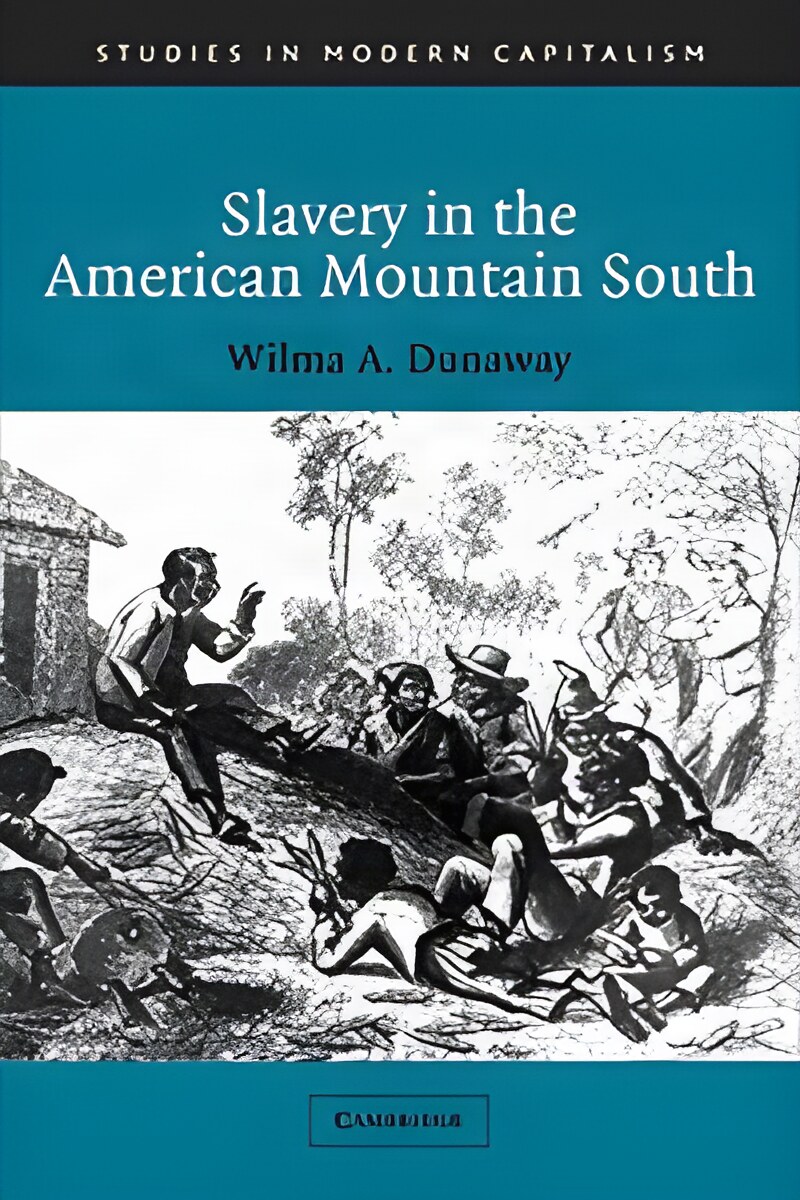
Softcover. UK, Cambridge University Press, 1st pbk, 2003, Book: Very Good, Dust Jacket: None, Softcover, 352 pages, b&w illustrations. Wilma Dunaway breaks new ground by focusing on slave experiences on small plantations in the Upper South. She argues that a region was not buffered from the political, economic, and social impacts of enslavement simply because it was characterized by low black population density and small slaveholdings. By drawing on a massive statistical data base derived from antebellum census manuscripts and county tax records of 215 counties in nine states, on a vast array of slaveholder manuscripts, and on regional slave narratives, she pinpoints several indicators that distinguished Mountain South enslavement from the Lower South. These include a higher incidence of ethnic mixing between African and Native American slaves, heavier reliance on the field labor of women and children, and more frequent assignment of slaves to non-agricultural occupations. Dunaway also calls into question the notion that large numbers were necessary before slaves could engage in community building and resistance. Clean, bright copy.
Hardcover. Chicago, American Colortype Company, 1st, 1940, Book: Good, Dust Jacket: None, Hardcover, pictorial boards with red cloth spine. 96 pages illustrated in 2-colors by Dorothy Wagstaff. 22 short stories of a stereotypical black boy done in the style of the time. Chipping and wear to paper on the covers, interior clean, solid binding.
Hardcover. New York, Harper Collins, 2nd, 1996, Book: Very Good, Dust Jacket: Very Good, Unpaginated. Hardcover with dust jacket. Color illust. by Fred Marcellino. SIGNED BY MARCELLINO ON TITLE-PAGE. Tight and bright copy.
Hardcover. Boston, Jr. Lit. Guild/Houghton Mifflin, 1st, 1940, Book: Very Good, Dust Jacket: None, 202 pages. Hardcover with black stamped illustration on front cover. B&w illustrations by Manning de V. Lee. Mild stain to several pages and light rubbing to covers, otherwise tight and clean. Faded spine.
Hardcover. New York , Dial Books, 10th pr., 1994, Book: Very Good, Dust Jacket: Very Good, 151 pages. Hardcover with dust jacket. Color, B&W illustrations by Jerry Pinkney. Tight copy. A retelling of the Afro-American tales about the adventures and misadventures of Brer Rabbit and his friends and enemies.
NY, Macmillan, 1st, 1973, Book: Good, Dust Jacket: Very Good, Hardcover in a bright, unclipped dust jacket. Black & white illustrations. by Ray Prather. Ex-lib with marking, residue to rear end papers, cover. Award winning-Hamilton's second "Jahdu" book of tales, in which Mama Luka who introduced young Lee Edward to the magical stories, must leave her tight little place in Harlem because her building is being torn down. The boy is sad but he knows that she will move where he can visit and grab a new Jahdu story for him out of the air.
Hardcover. Evanston IL, Northwestern University Press, 1st, 2023, Book: Very Good, Dust Jacket: Very Good, Hardcover in a bright dust jacket. A portrait of Black America in the nineteenth century. Over the course of two decades, award-winning poet Patricia Smith has amassed a collection of rare nineteenth-century photographs of Black men, women, and children who, in these pages, regard us from the staggering distance of time. Unshuttered is a vessel for the voices of their incendiary and critical era. Smiths searing stanzas and revelatory language imbue the subjects of the photos with dynamism and revived urgency while she explores how her own past of triumphs and losses is linked inextricably to their long-ago lives. Clean copy.
Hardcover. New York , Hyperion Books, 1st, 2008, Book: Very Good, Dust Jacket: Very Good, Hardcover in a bright, unclipped dust jacket. 96 pages illustrated by Nelson. SIGNED BY NELSON on title page. Featuring nearly fifty iconic oil paintings and a dramatic double-page fold-out, an award-winning narrative, a gorgeous design and rich backmatter, We Are the Ship is a sumptuous, oversize volume for all ages that no baseball fan should be without. Using an inviting first-person voice, Kadir Nelson shares the engaging story of Negro League baseball from its beginnings in the 1920s through its evolution, until after Jackie Robinson crossed over to the majors in 1947.
Boston, Little Brown , 1st , 1979, Book: Very Good, Dust Jacket: Very Good, Hardcover in an unclipped dust jacket with light fading to spine. A young black girl struggles to fulfill her papa's dream of a better future for their family in the southwestern town where in 1910 they are the only blacks.
Hardcover. NY, Lee & Low, 1st, 1994, Book: Very Good, Dust Jacket: Very Good, Hardcover in a bright, unclipped dust jacket. A beautifully rendered and colorfully illustrated account of the childhood of the great black writer and folklorist Zora Neale Hurston shows a young child triumphing over adversity and learning to pursue her dreams.

 "Paul Robeson: The Life and TImes of a Free Black Manby: Hamilton, Virginia")
 "People Could Fly, The - American Black Folktalesby: Hamilton, Virginia, Leo and Diane Dillon")
 "Ronnieby: Rosenbaum, Eileen")
 "Shipment for Susannah, Aby: Nolen/Erick Berry, Eleanor Weakley")
 "Stories of Little Brown Kokoby: Hunt, Blanch Seale and Dorothy Wagstaff (illus.)")
 "Story of Little Babaji, The (SIGNED BY ILLUSTRATOR)by: Bannerman/Fred Marcellino, Helen")


 "Sweet Possum Valleyby: Govan, Christine Noble")

 "Time-Ago Lost: More Tales of Jahduby: Hamilton, Virginia")

 "We Are the Ship: The Story of Negro League Baseball (SIGNED COPY)by: Nelson, Kadir")


 "Words By Heartby: Sebestyen, Ouida")
 "Zora Hurston and the Chinaberry Treeby: Miller, William, illustrated by Cornelius Van Wright and Ying-Hwa Hu")