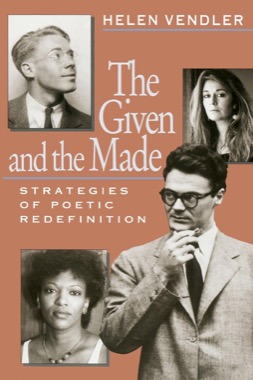
Softcover. Cambridge MA, Harvard University Press, 1st, 1995, Book: Very Good, Dust Jacket: None, Softcover, 139 pages. How does a poet repeatedly make art over a lifetime out of an arbitrary assignment of fate? By asking this question of the work of four American poets--two men of the postwar generation, two young women writing today--Helen Vendler suggests a fruitful way of looking at a poet's career and a new way of understanding poetic strategies as both mastery of forms and forms of mastery. Fate hands every poet certain unavoidable "givens." Of the poets Vendler studies, Robert Lowell sprang from a family famous in American and especially New England history; John Berryman found himself an alcoholic manic-depressive; Rita Dove was born black; Jorie Graham grew up trilingual, with three words for every object. In Vendler's readings, we see how these poets return again and again to the problems set out by their givens, and how each invents complex ways, both thematic and formal, of making poetry out of fate. Clean copy.
Hardcover. NY, powerHouse, 1st, 2009, Book: Very Good, Dust Jacket: Very Good, Hardcover, 112 pages. Established in 1866, the Ku Klux Klan still remains one of America's most secretive organizations. New York photojournalist Anthony Karen first transcended that secrecy several years ago when he got the opportunity to photograph a KKK cross-lighting ceremony. Since then, Karen has been documenting Klan organizations throughout the country. In The Invisible Empire: Ku Klux Klan, those photographs are compiled to form an absorbing document of one of the most notorious groups in history. Taken with unrestricted access, Karen's images bring us deep inside America's most private white nationalist organizations. Beginning with a brief introduction into the history of the Klan, the book provides detailed visual accounts of modern-day Klan life, including candid shots of rallies, individual portraits of Klansmen and women, as well as a look at the naturalization process for new members. Presented in intimate profiles are: a functioning Klan ministry, a group that has merged National Socialism with Klan ideologies, and a 58-year-old seamstress who makes custom Klan robes, among others. Accompanied by quotations from the late Dale Fox, Imperial Wizard of The Brotherhood of the Klans, The Invisible Empire: Ku Klux Klan offers an unprecedented glimpse into the shadowy society and its mysterious inner workings.
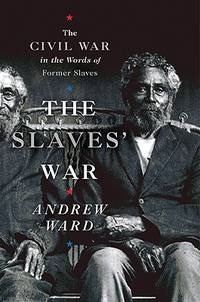
Hardcover. Boston, Houghton Mifflin, 1st, 2008, Book: Very Good, Dust Jacket: Very Good, Hardcover in a bright dust jacket, 386 pages. The first narrative history of the Civil War told by the very people it freed. Groundbreaking, compelling, and poignant, The Slaves' War delivers an unprecedented vision of the nation's bloodiest conflict. An acclaimed historian of nineteenth-century and African-American history, Andrew Ward gives us the first narrative of the Civil War told from the perspective of those whose destiny it decided. Woven together from hundreds of interviews, diaries, letters, and memoirs, here is the Civil War as seen from not only battlefields, capitals, and camps, but also slave quarters, kitchens, roadsides, farms, towns, and swamps. Speaking in a quintessentially American language of wit, candor, and biblical power, army cooks and launderers, runaways, teamsters, and gravediggers bring the war to vivid life. From slaves' theories about the causes of the war to their frank assessments of such major figures as Lincoln, Davis, Lee, and Grant; from their searing memories of the carnage of battle to their often startling attitudes toward masters and liberators alike; and from their initial jubilation at the Yankee invasion of the slave South to the crushing disappointment of freedom's promise unfulfilled, The Slaves' War is a transformative and engrossing vision of America's Second Revolution. Clean copy.
Hardcover. NY, Wiley, 2nd pr., 2001, Book: Very Good, Dust Jacket: Very Good, Hardcover in a bright, unclipped dust jacket. The long-awaited, untold, inside story of the rise of the legendary actor, singer, scholar, and activist. The first volume of this major biography breaks new ground. The greatest scholar-athlete-performing artist in U.S. history, Paul Robeson was one of the most compelling figures of the twentieth century. Now his son, Paul Robeson Jr., traces the dramatic arc of his rise to fame, painting a definitive picture of Paul Robeson's formative years. His father was an escaped slave; his mother, a descendent of freedmen; and his wife, the brilliant and ambitious Eslanda Cardozo Goode. With a law degree from Columbia University; a professional football career; title roles in Eugene O'Neill's plays and in Shakespeare's Othello; and a concert career in America and Europe, Robeson dominated his era. 383 pages, b&w illustrations. Clean copy.
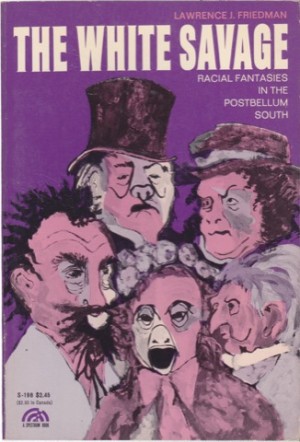
Softcover. NY, Prentice Hall, 1st pbk, 1970, Book: Very Good, Dust Jacket: None, Softcover, 184 pages. Revealing and disturbing study of the racist ideas and fantasies of southern whites after the Civil War and examines their racial fantasies and the social and psychological roots of those fantasies. He reveals how a complex set of anxieties and repressions in Southern life led whites to need "Negro" Inferiority." Name on title page otherwise clean.
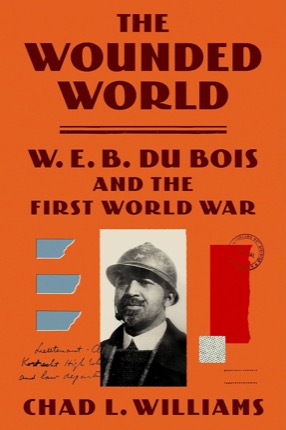
Hardcover. NY, Farrar Straus Giroux, 1st, 2023, Book: Very Good, Dust Jacket: Very Good, Hardcover in a bright, unclipped dust jacket. 530 pages, b&w illustrations. The dramatic story of W. E. B. Du Bois's reckoning with the betrayal of Black soldiers during World War I-and a new understanding of one of the great twentieth-century writers. When W. E. B. Du Bois, believing in the possibility of full citizenship and democratic change, encouraged African Americans to "close ranks" and support the Allied cause in World War I, he made a decision that would haunt him for the rest of his life. Seeking both intellectual clarity and personal atonement, for more than two decades Du Bois attempted to write the definitive history of Black participation in World War I. His book, however, remained unfinished. In The Wounded World, Chad Williams offers the dramatic account of Du Bois's failed efforts to complete what would have been one of his most significant works. The surprising story of this unpublished book offers new insight into Du Bois's struggles to reckon with both the history and the troubling memory of the war, along with the broader meanings of race and democracy for Black people in the twentieth century. Drawing on a broad range of sources, most notably Du Bois's unpublished manuscript and research materials, Williams tells a sweeping story of hope, betrayal, disillusionment, and transformation, setting into motion a fresh understanding of the life and mind of arguably the most significant scholar-activist in African American history. In uncovering what happened to Du Bois's largely forgotten book, Williams offers a captivating reminder of the importance of World War I, why it mattered to Du Bois, and why it continues to matter today. Remainder mark on top edhge, otherwise clean.
Softcover. NY, Harcourt Brace Jovanovich, reprint, 1992, Book: Very Good, Dust Jacket: None, Softcover, b&w illustrations, 416 pages. Presents Black history in America as a force of strong resistance to racism and slavery rather than accommodation and discusses the people and events of this struggle. Clean copy.
Softcover. Lincoln NE, Bison Books/University of Nebraska, reprint, 2004, Book: Very Good, Dust Jacket: None, Softcover, 276 pages, b&w illustrations. Through in-depth interviews with players, their families, coaches, teammates, and league officials, Ron Thomas tells the largely untold story of what basketball was really like for the first Black NBA players, including recent Hall of Fame inductee Earl Lloyd, early superstars such as Maurice Stokes and Bill Russell, and the league's first black coaches. They Cleared the Lane is both informative and entertaining, full of anecdotes and little-known history. Not all the stories have happy endings, but this unfortunate truth only emphasizes how much we have gained from the accomplishments of these pioneer athletes.
Hardcover. Los Angeles, CA, J. Paul Getty Museum, 1st, 2013, Book: Very Good, Dust Jacket: Very Good, 128 pages. Hardcover with dust jacket. Very clean, unmarked copy still in publishers shrink-wrap. This Is the Day: The March on Washington is a stirring photo-essay by photographer Leonard Freed documenting the March on Washington for Jobs and Freedom of August 28, 1963, the historic day on which Dr. Martin Luther King Jr. delivered his "I Have a Dream" speech at the base of the Lincoln Memorial. This book commemorates the fiftieth anniversary of the historic march that ultimately led to the passage of the Civil Rights Act of 1964.
Hardcover. Los Angeles, CA, J. Paul Getty Museum, 1st, 2013, Book: Very Good, Dust Jacket: Very Good, 128 pages. Hardcover with dust jacket. Very clean, unmarked copy with only minor wear to dust jacket edges. This Is the Day: The March on Washington is a stirring photo-essay by photographer Leonard Freed documenting the March on Washington for Jobs and Freedom of August 28, 1963, the historic day on which Dr. Martin Luther King Jr. delivered his "I Have a Dream" speech at the base of the Lincoln Memorial. This book commemorates the fiftieth anniversary of the historic march that ultimately led to the passage of the Civil Rights Act of 1964.
Softcover. Washington DC, Giles, 1st, 2015, Book: Very Good, Dust Jacket: None, Softcover, 80 pages. Beautiful and poignant photographs by African American and other photographers (selected from the large and growing photography collection of the Smithsonian National Museum of African American History and Culture), accompanied by three short, insightful essays, reveal the rich and significant contributions African Americans have made to to our great American heritage.
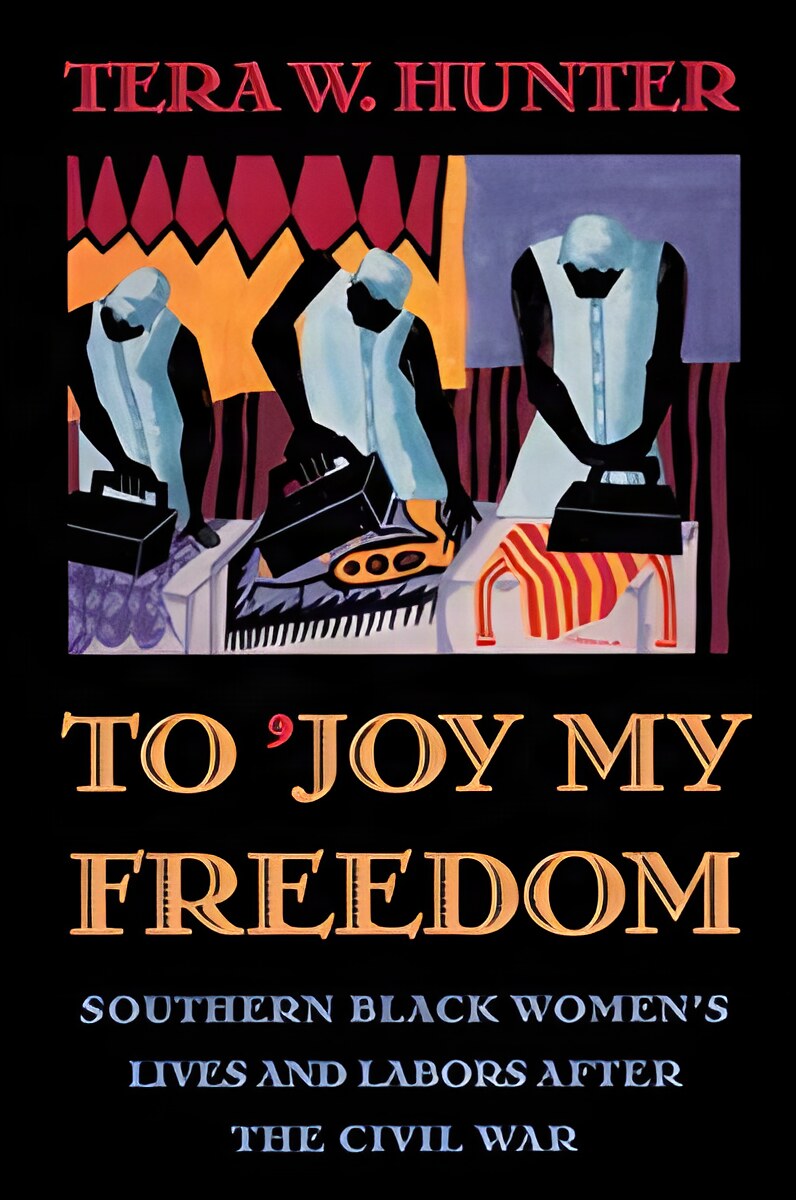
Softcover. Cambridge MA, Harvard University Press, reprint, 1998, Book: Very Good, Dust Jacket: None, Softcover, 311 pages. As the Civil War drew to a close, newly emancipated black women workers made their way to Atlanta-the economic hub of the newly emerging urban and industrial south-in order to build an independent and free life on the rubble of their enslaved past. In an original and dramatic work of scholarship, Tera Hunter traces their lives in the postbellum era and reveals the centrality of their labors to the African-American struggle for freedom and justice. Household laborers and washerwomen were constrained by their employers' domestic worlds but constructed their own world of work, play, negotiation, resistance, and community organization. Hunter follows African-American working women from their newfound optimism and hope at the end of the Civil War to their struggles as free domestic laborers in the homes of their former masters. We witness their drive as they build neighborhoods and networks and their energy as they enjoy leisure hours in dance halls and clubs. We learn of their militance and the way they resisted efforts to keep them economically depressed and medically victimized. Finally, we understand the despair and defeat provoked by Jim Crow laws and segregation and how they spurred large numbers of black laboring women to migrate north. Clean copy.
Hardcover. NY, Oxford University Press, 4th pr., 2000, Hardcover in a bright dust jacket. 670 pages, b&w illustrations. Written by the most prominent of the new generation of historians, this superb volume offers the most up-to-date and authoritative account available of African-American history, ranging from the first Africans brought as slaves into the Americas, to today's black filmmakers and politicians. Here is a panoramic view of African American life, rich in gripping first-person accounts and short character sketches that invite readers to relive history as African Americans experienced it. We begin in Africa, with the growth of the slave trade, and follow the forced migration of what is estimated to be between ten and twenty million people, witnessing the terrible human cost of slavery in the colonies of England and Spain. We read of the Haitian Revolution, which ended victoriously in 1804 with the birth of the first independent black nation in the New World, and of slave rebellions and resistance in the United States in the years leading up to the Civil War. There are vivid accounts of the Civil War and Reconstruction years, the backlash of notorious "Jim Crow" laws and mob lynchings, and the founding of key black educational institutions. The contributors also trace the migration of blacks to the major cities, the birth of the Harlem Renaissance, the hardships of the Great Depression and the service of African Americans in World War II, the struggle for Civil Rights in the 1950s and '60s, and the emergence of today's black middle class. From Harriet Tubman and Frederick Douglass to Martin Luther King, Jr., and Louis Farrakhan, To Make Our World Anew is an unforgettable portrait of a people. Clean copy.
Hardcover. New York , Viking Press , 1st, 1973, Book: Very Good, Dust Jacket: Good, Hardcover, 260 pages, b&w illustrations. Light edgewear to dust jacket with creases to both front and rear flap. Internally very good.
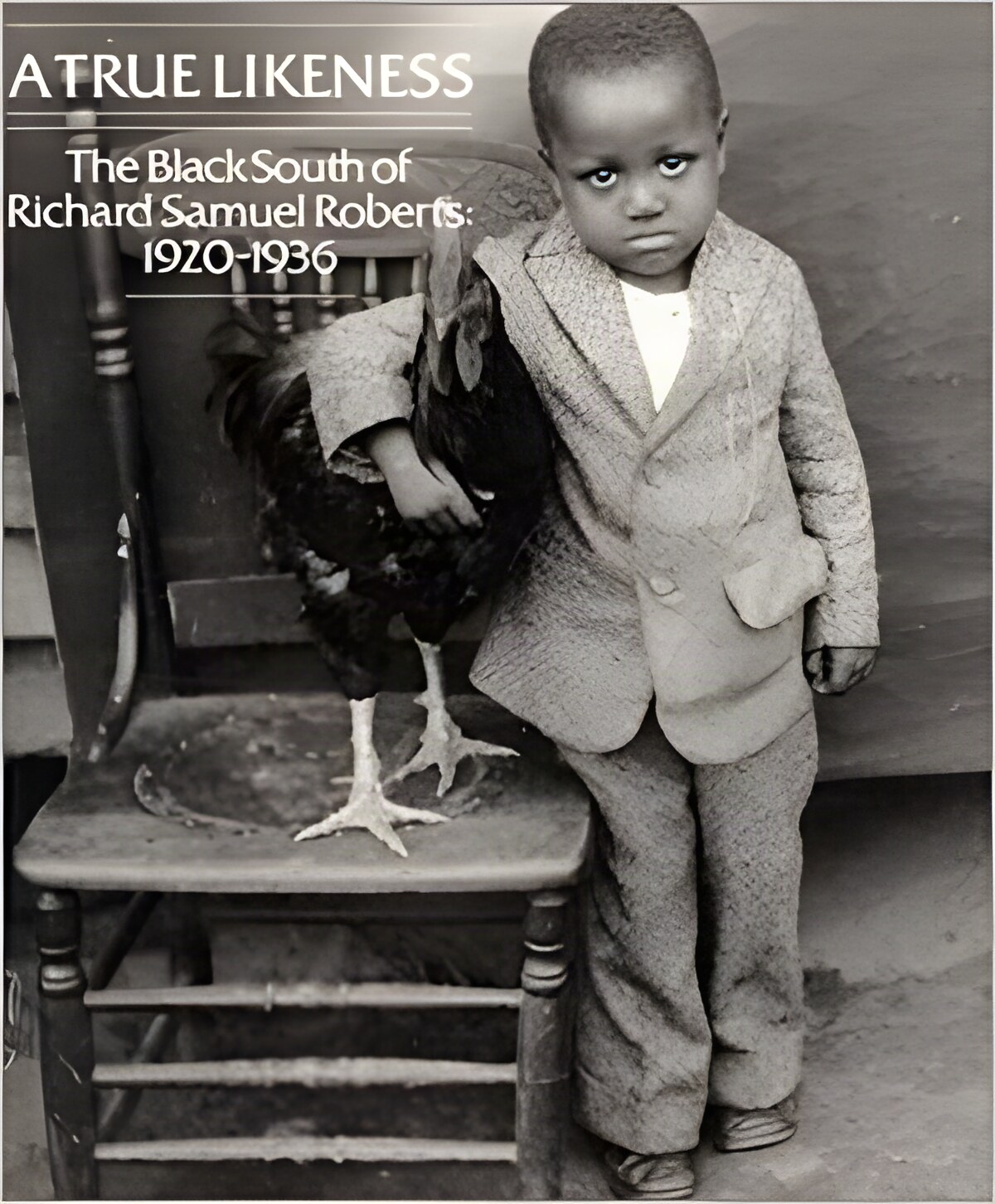
Softcover. New York, Writers and Readers Pub., reprint, 1994, Book: Very Good, Dust Jacket: None, 200 pages, softcover. Extensive b&w photography throughout. Light edge wear, otherwise clean, tight copy. Collects recently discovered portraits made by a commercial Black photographer of Columbia, South Carolina's Black middle class during the 1920's and '30's
Hardcover. Hartford, Canfield and Robins, 1st, 1836, Book: Fair, Dust Jacket: None, 610 pages. Hardcover with brown leather covers. Heavy soil and wear to the leather. Moderate foxing throughout. Black and white illustrations/engraved plates. Iceland to New Zealand, including the Americas, Europe, Asia, and Africa. Water stain to first 40 pages, about one sixth of page. Previous owner's signature on front fly leaf. Sound binding.
Softcover. Berkeley, University of California Press, 1st, 1995, Book: Very Good, Dust Jacket: None, Softcover, 536 pages. Illustrated in color and black-and-white. A landmark study of California's visual arts and poetry, 1925 to 1975, Utopia and Dissent demonstrates the profound influence this regional culture had on American art and thought. Bookselle's label on rear cover, wrinkle to page 513, otherwise clean, very good.
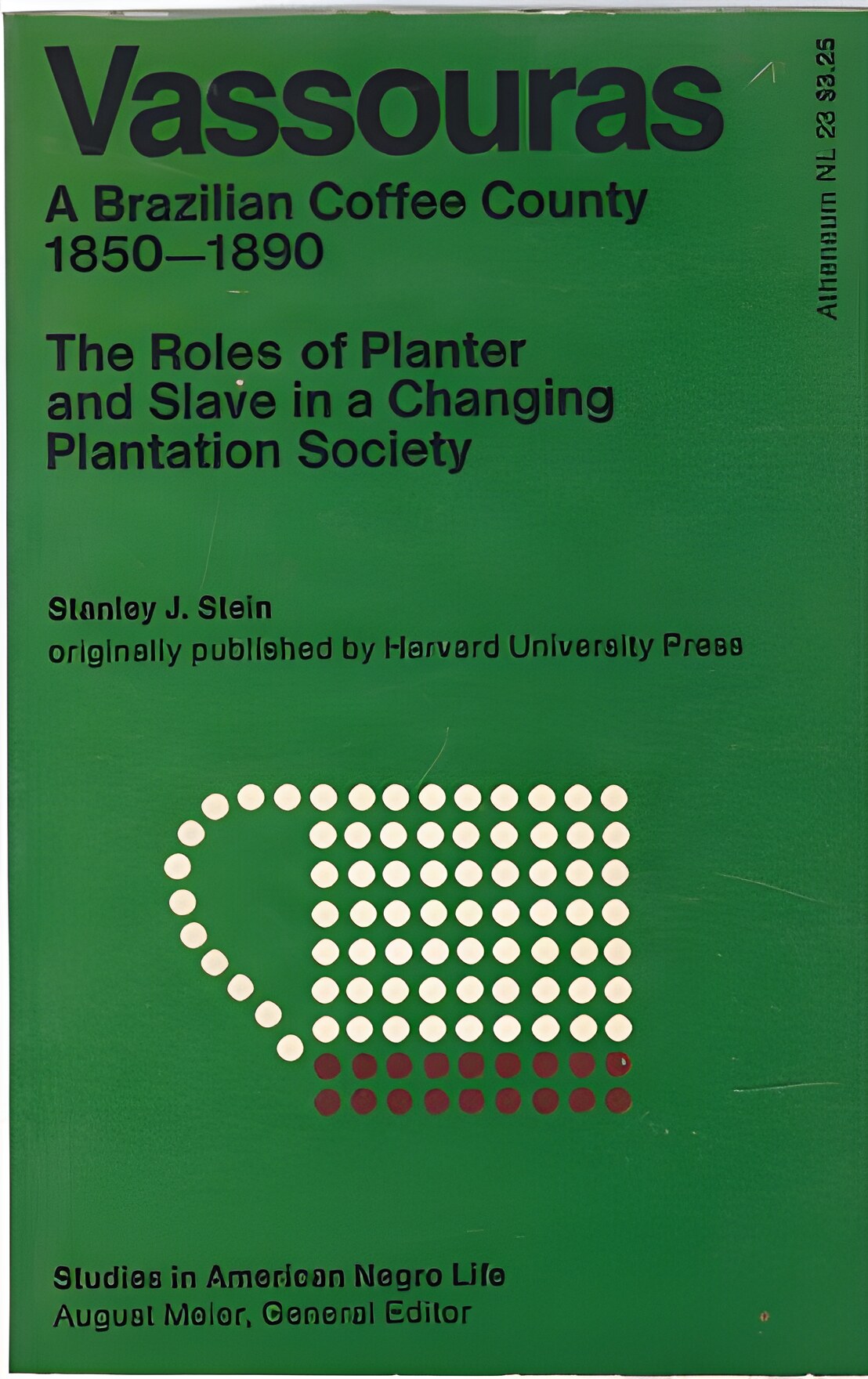
Softcover. NY, Atheneum, reprint, 1970, Book: Very Good, Dust Jacket: None, Softcover, 314 pages. The roles of planter and slave in a changing plantation society in Brazil. Clean, bright copy.
Softcover. NY, Palgrave Macmillan, reprint, 2002, Book: Very Good, Dust Jacket: None, Softcover, 270 pages, b&w illustrations. The career of Norton and Margot, a ballroom dance team whose work was thwarted by the racial tenets of the era, serves as the barometer of the times and acts as the tour guide on this excursion through the worlds of African American vaudeville, black and white America during the swing era, the European touring circuit, and pre-Civil Rights era racial etiquette. Clean copy.
Hardcover. Gretna LA, Pelican Publishing, 1st, 2003, Book: Very Good, Dust Jacket: Very Good, Hardcover in a bright dust jacket. In June 1892, a thirty-year-old shoemaker named Homer Plessy bought a first-class railway ticket from his native New Orleans to Covington, north of Lake Pontchartrain. The two-hour trip had hardly begun when Plessy was arrested and removed from the train. Though Homer Plessy was born a free man of color and enjoyed relative equality while growing up in Reconstruction-era New Orleans, by 1890 he could no longer ride in the same carriage with white passengers. Plessy's act of civil disobedience was designed to test the constitutionality of the Separate Car Act, one of the many Jim Crow laws that threatened the freedoms gained by blacks after the Civil War. This largely forgotten case mandated separate-but-equal treatment and established segregation as the law of the land. It would be fifty-eight years before this ruling was reversed by Brown v. Board of Education. Keith Weldon Medley brings to life the players in this landmark trial, from the crusading black columnist Rodolphe Desdunes and the other members of the Comite des Citoyens to Albion W. Tourgee, the outspoken writer who represented Plessy, to John Ferguson, a reformist carpetbagger who nonetheless felt that he had to judge Plessy guilty. Clean copy.
Art Intitute of Chicago/Yale University Press, 1st, 2021, Book: Very Good, Dust Jacket: None, Hardcover, pictorial cloth, 251 pages illustrated in color. The extraordinary life of a captivating American artist, beautifully illustrated with his dreamlike drawings Much of Joseph Elmer Yoakum's story comes from the artist himself--and is almost too fantastic to believe. At a young age, Yoakum (1891-1972) traveled the globe with numerous circuses; he later served in a segregated noncombat regiment during World War I before settling in Chicago. There, inspired by a dream, he began his artistic career at age seventy-one, producing some two thousand drawings over a decade. How did Yoakum gain representation in major museum collections in Chicago and New York? What fueled his process, which he described as a "spiritual unfoldment"? This volume delves into the friendships Yoakum forged with the Chicago Imagists that secured his place in art history, explores the religious outlook that may have helped him cope with a racially fractured city, and examines his complicated relationship to African American and Native American identities. With hundreds of beautiful color reproductions of his dreamlike drawings, it offers the most comprehensive study of the artist's work, illuminating his vivid and imaginative creativity and giving definition and dimension to his remarkable biography. Clean copy. NOTE: DUE TO WEIGHT, DOMESTIC SHIPPING ONLY.
Hardcover. Chicago, University of Chicago Press, 1st, 1969, Book: Very Good, Dust Jacket: Very Good, Hardcover in a lightly worn dust jacket, 482 pages. William Wells Brown was a Black author and reformer of the nineteenth century, a Kentucky-born slave who became a self-educated writer and advocate of abolition, temperance, and international peace. The author argues for Brown's place alongside that of William Lloyd Garrison, Frederick Douglass, and Wendell Phillips. There's an extensive bibliography and an index. Name on front fly leaf, dj spine faded.
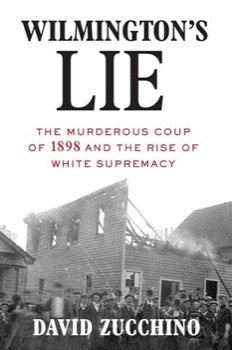
Hardcover. NY, Atlantic Monthly Press, 1st, 2020, Book: Very Good, Dust Jacket: Very Good, Hardcover in a bright, unclipped dust jacket, 426 pages, illustrations. From Pulitzer Prize-winner David Zucchino comes a searing account of the Wilmington riot and coup of 1898, an extraordinary event unknown to most Americans. By the 1890s, Wilmington was North Carolina's largest city and a shining example of a mixed-race community. It was a bustling port city with a burgeoning African American middle class and a Fusionist government of Republicans and Populists that included black aldermen, police officers and magistrates. There were successful black-owned businesses and an African American newspaper, The Record. But across the state-and the South--white supremacist Democrats were working to reverse the advances made by former slaves and their progeny. In 1898, in response to a speech calling for white men to rise to the defense of Southern womanhood against the supposed threat of black predators, Alexander Manly, the outspoken young Record editor, wrote that some relationships between black men and white women were consensual. His editorial ignited outrage across the South, with calls to lynch Manly. Clean copy.

 "The Invisible Empire: Ku Klux Klanby: Anthony S. Karen")
 "The Undiscovered Paul Robeson , An Artist's Journey, 1898-1939by: Paul Robeson Jr.")
 "There Is a River: The Black Struggle for Freedom in America by: Harding, Vincent")
 "They Cleared the Lane: The NBA's Black Pioneers by: Thomas, Ron")
 "This Is the Day: The March on Washingtonby: Freed, Leonard")
 "This Is the Day: The March on Washingtonby: Freed, Leonard")
 "Through the African American Lens: Double Exposureby: National Museum of African American History and Culture")
 "To Make Our World Anew: A History of African Americansby: Kelley, Robin D. G./ Lewis, Earl (Editor)")
 "Toms, Coons, Mulattoes, Mammies, and Bucks: An Interpretive History of Blacks in American Filmsby: Bogle, Donald")
 "Universal Traveller: Designed to introduce Readers at home to an Acquaintance with the Arts, Customs and Manners of the Principal Modern Nations on the Globe...by: Go")
 "Utopia and Dissent: Art Poetry and Poltics in Californiaby: Richard Candida Smith")
 "We As Freemen: Plessy v. Fergusonby: Keith Weldon Medley")

 "William Wells Brown: Author and Reformer by: William Edward Farrison")