Hardcover. Boston, The Horn Book, 1977, Book: Very Good, Dust Jacket: None, Hardcover, six issues of the bi-monthly bound in tan cloth. Clean. Articles by and about Geoffrey Trease, Eric Kimmel, Children's Bookstores, Alvin Schwartz, M.E. Kerr, The Dillons, Mildred D. Taylor, Paula Fox, John Tunis, many more. Dozens of book reviews, ads.
Hardcover. Boston, The Horn Book, 1978, Book: Very Good, Dust Jacket: None, Hardcover, six issues of the bi-monthly bound in tan cloth. Clean. Articles by and about Penelope Lively, Lawrence Yep, Mollie Hunter, Leonard Wibberley, Peter Spier, Katherine Paterson, Paula Fox, Virginia Hamilton, Ellen Raskin, Margaret Hodges, many others. Dozens of book reviews, ads.
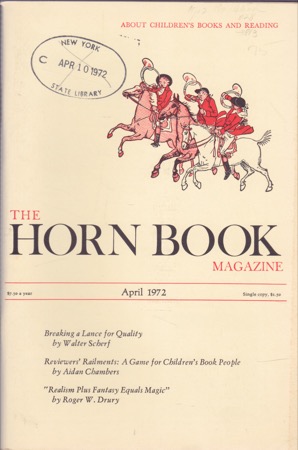
Softcover. Boston, The Horn Book, 1972, Book: Very Good, Dust Jacket: None, Softcover, stapled, b&w illustrations. Reviews of current children's book, articles on their creators, publisher's ads. Articles include: Robert Lawson's America (Part 2), Realism Plus Fantasy Equals Magic by Roger Drury, Reviewer's Railments by Aidan Chambers. 127 pages. Light stamp to cover, interior bright and clean.
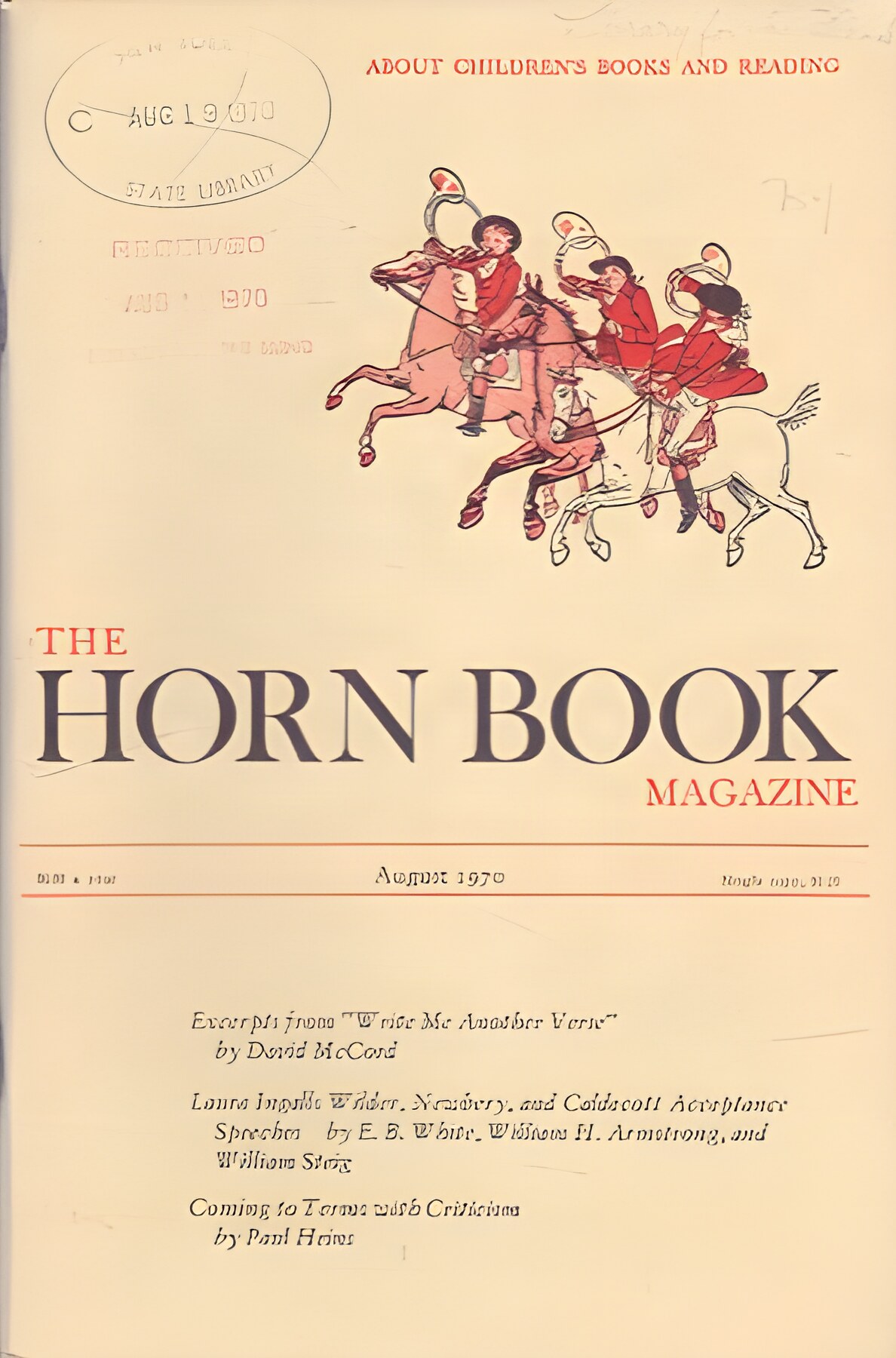
Softcover. Boston, The Horn Book, 1970, Book: Very Good, Dust Jacket: None, Softcover, stapled, b&w illustrations. Reviews of current children's book, articles on their creators, publisher's ads. Articles include: Excerpts from "Write Me Another Verse" by David McCord, Laura Ingalls Wilder, Newbery, and Caldecott Acceptance Speeches by E.B. White, William H. Armstrong and William Steig. 95 pages. Light stamp to cover, interior bright and clean.
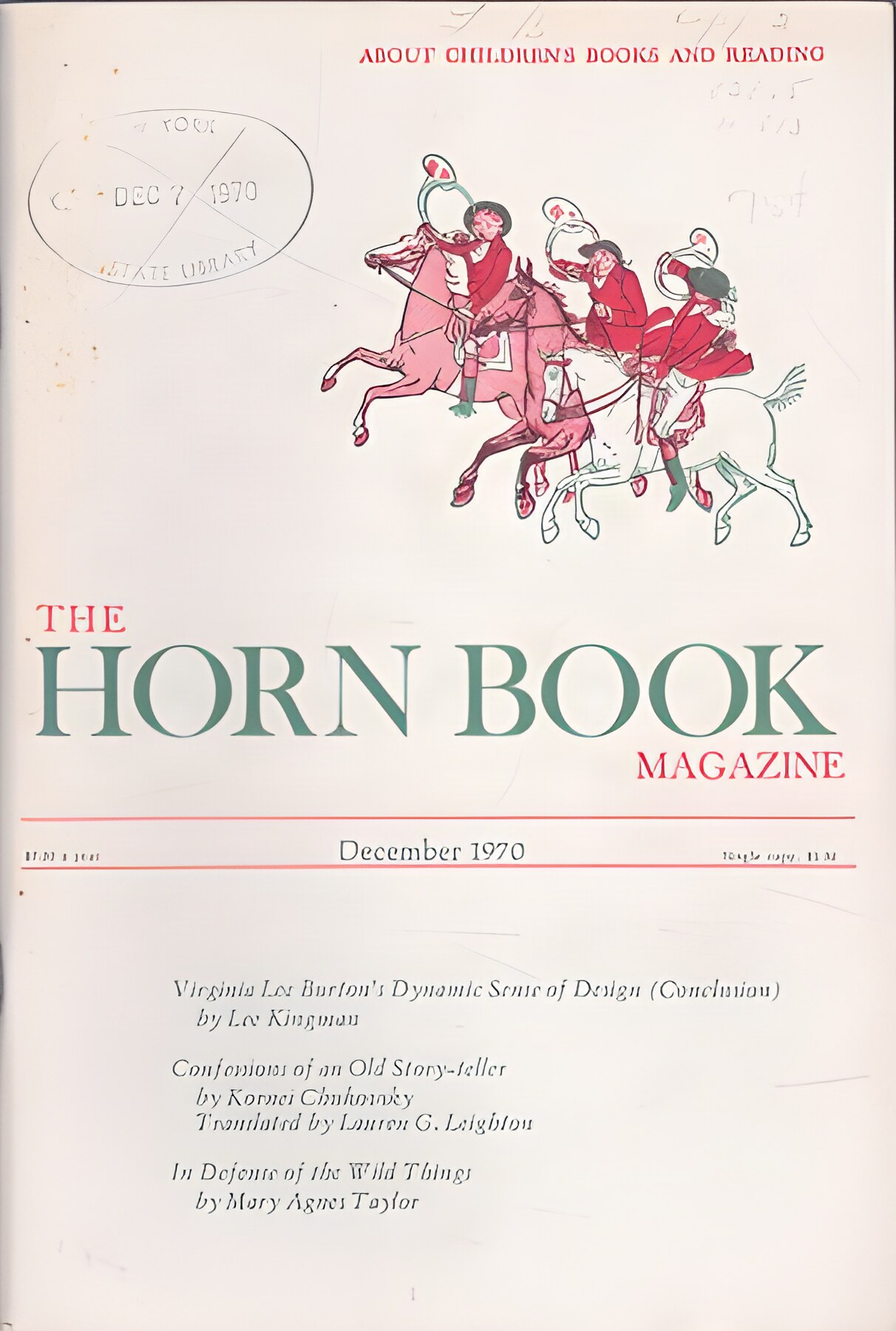
Softcover. Boston, The Horn Book, 1970, Book: Very Good, Dust Jacket: None, Softcover, stapled, b&w illustrations. Reviews of current children's book, articles on their creators, publisher's ads. Articles include: Virginia Lee Burton's Dynamic Sense of Design (Conclusion) by Lee Kingman, Confessions of an Old Story-teller by Kornei Chukovsky. 111 pages. Light stamp to cover, interior bright and clean.
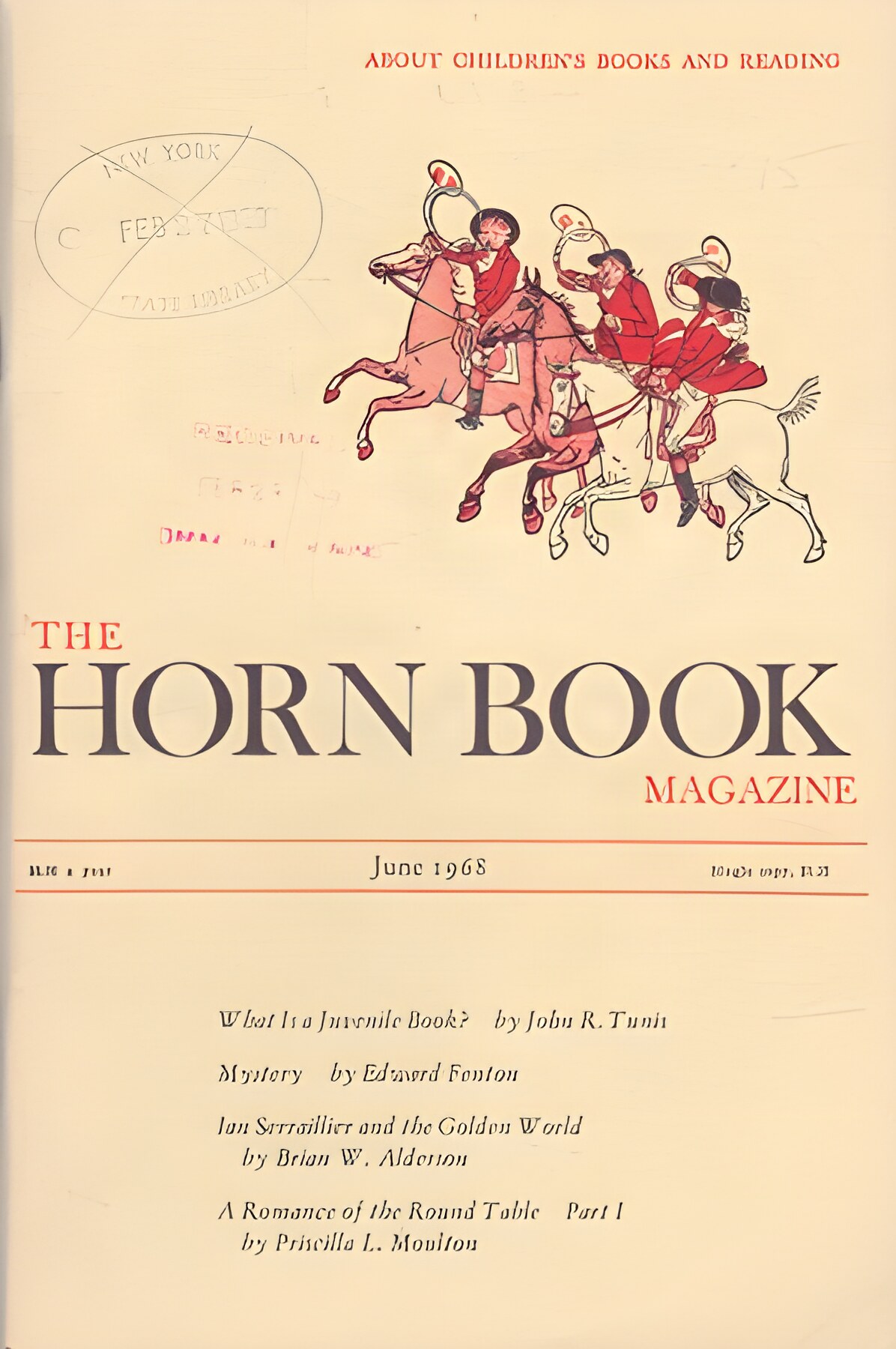
Softcover. Boston, The Horn Book, 1968, Book: Very Good, Dust Jacket: None, Softcover, stapled, b&w illustrations. Reviews of current children's book, articles on their creators, publisher's ads. Articles include: What Is a Juvenile Book by John Tunis, Mystery by Edward Fenton, Ian Serraillier and the Golden World (about Robin Hood), A Romance of the Round Table by Priscilla Moulton. 111 pages. Light stamp to cover, interior bright and clean.
Softcover. Boston, The Horn Book, 1968, Book: Very Good, Dust Jacket: None, Softcover, stapled, b&w illustrations. Reviews of current children's book, articles on their creators, publisher's ads. Articles include: What Is a Juvenile Book by John Tunis, Mystery by Edward Fenton, Ian Serraillier and the Golden World (about Robin Hood), A Romance of the Round Table by Priscilla Moulton. 111 pages. Light stamp to cover, interior bright and clean.
Softcover. Boston, The Horn Book, 1968, Book: Very Good, Dust Jacket: None, Softcover, stapled, b&w illustrations. Reviews of current children's book, articles on their creators, publisher's ads. Articles on the Centenary of "Little Women" (1868-1968) by Cornelia Meigs, Lavinia Russ, Aileen Fisher and Olive Rabe. Frank Merrill illustrations, 159 pages. Light stamp to cover, interior bright and clean.
Softcover. Boston, The Horn Book , 1st, 1971, Book: Very Good, Softcover, 95 pages. Reference of books and reading for children and young people. Featuring: 'Newbery and Caldecott Acceptance Speeches by Betsy Byars and Gail E. Haley, 'In Literary Terms' by John Rowe Townsend, 'A Second Golden Age? In a Time of Flood?' by Virginia Haviland and more. Light marking or library stamp on cover. Black & white illustrations. Interior clean and bright.
Hardcover. New York, Random House, reprint, Book: Good, Dust Jacket: None, Red illustrated boards, no dust jacket, lovely full page color illustrations. Pages crisp, clean and unmarked. Early printing, mid-50s, 16 titles on rear cover starting with Yertle the Turtle. This is the tall 12x9 retail edition; not the smaller book club edition. Copyright page has the Redbook reference that was removed in the bookclub editions. This copy has the original illustration of 2 Seuss characters with a black complexion from the fictional African island of Yerka; which has since become objectionable; also stereotypical drawings of Asian characters. The top 2 inches of the cardboard spine is missing. Binding sound. One of the six discontinued Seuss titles.
Hardcover. New York, Random House, reprint, Book: Good, Dust Jacket: None, Red illustrated boards, no dust jacket, lovely full page color illustrations. Rubbing and edgewear to boards, corners worn, especially top of spine., though book binding is not affected, pages crisp, clean and unmarked. Early printing, mid-50s, 16 titles on rear cover starting with Yertle the Turtle. This is the tall 12x9 retail edition; not the smaller book club edition. Copyright page has the Redbook reference that was removed in the bookclub editions. This copy has the original illustration of 2 Seuss characters with a black complexion from the fictional African island of Yerka; which has since become objectionable; also stereotypical drawings of Asian characters.
Detroit, Wayne State Univ., 1st, 1977, Book: Very Good, Dust Jacket: Very Good, Hardcover in a bright, unclipped dust jacket. Black & white, color illustrations. 211 pages. This catalog was compiled to document the complete holdings of the Detroit Public Library's Kate Greenaway Collection. Over 400 items catalogued here. 9 color plates + numerous black & white illustrations. Selected bibliography. 10" high X 7" wide.
Hardcover. NY, Harry Abrams, 1st, 1988, Book: Very Good, Dust Jacket: Very Good, Hardcover in a bright dust jacket, 95 pages. 77 beautiful full color illustrations. Foreword by Bernard McTigue, Introduction by Rodney Engen. Like new. After more than a century, the never-before-published complete facsimile pages of the artist's two sketchbooks, in which she designed this little masterpiece, are presented in a single volume, the work as crisp and colourful as the day it was made.
Hardcover. NY, Schocken Books, 1st , 1981, Book: Very Good, Dust Jacket: Very Good, Hardcover, 56 pages. Features Greenaway's original 12 pencil sketches for a planned edition that was never published because of her death in 1901. Afterword by Michael Patrick Hearn. Dust jacket with chip from rear panel at top edge.
Hardcover. London, Adam and Charles Black, reprint, 1905, Book: Good, Dust Jacket: None, Hardcover, 300 pages. Contains black & white and color illustrations. Faded spine and chipping to top of spine. Foxing to front edge. Gilt top edge.
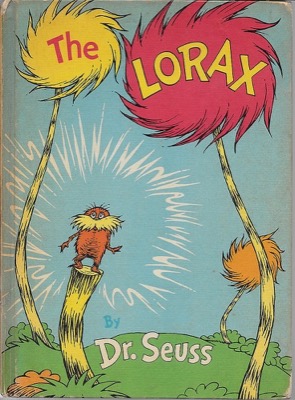
Hardcover. New York, Random House, reprint, 1971, Book: Good, Unpaginated, color illustrated boards with light soil, corners worn, Internally clean. Back cover references 32 books by Seuss ending with The Lorax in the first group. Yellow box present with Rudolf Flesch quote, but no reference to Lake Erie.
Hardcover. London, Faber and Faber, 1st, 2013, Book: Very Good, Dust Jacket: Very Good, Unpaginated. Hardcover no dusk jacket issued. Color boards with black and white comics throughout. Light rubbing to rear board. Marble Season is the semiautobiographical novel by the acclaimed cartoonist Gilbert Hernandez, author of the epic masterpiece Palomar and cocreator, with his brothers, Jaime and Mario, of the groundbreaking Love and Rockets comic book series. Marble Season is his first book with Drawn & Quarterly, and one of the most anticipated books of 2013. It tells the untold stories from the early years of these American comics legends, but also portrays the reality of life in a large family in suburban 1960s California. Pop-culture references-TV shows, comic books, and music-saturate this evocative story of a young family navigating cultural and neighborhood norms set against the golden age of the American dream and the silver age of comics. Middle child Huey stages Captain America plays and treasures his older brother's comic book collection almost as much as his approval. Marble Season subtly and deftly details how the innocent, joyfully creative play that children engage in (shooting marbles, backyard performances, and organizing treasure hunts) changes as they grow older and encounter name-calling naysayers, abusive bullies, and the value judgments of other kids. An all-ages story, Marble Season masterfully explores the redemptive and timeless power of storytelling and role play in childhood, making it a coming-of-age story that is as resonant with the children of today as with the children of the sixties.
Hardcover. NY, Scholastic Press, 1st, 2004, Book: Very Good, Dust Jacket: Very Good, Hardcover in a bright, unclipped dust jacket. SIGNED BY BOTH AUTHOR & ILLUSTRATOR with a tiny sketch. Another graphically minimalist yet utterly effective picture book for the very young. "Snug inside her warm den, a polar bear cub wakes. Something in the moonlit stillness quietly beckons. What is it?" The tug of this gentle mystery will draw children into Thompson's simple bedtime story, and the hypnotic ebb and flow of her alliterative lines (on a night that's "keen and cold," little cub "sets out for the snow and sky and sea and ice") will keep children immersed as the young explorer encounters floating, dreaming sea creatures, and witnesses a meteor shower that further transforms the already exotic nighttime surroundings. As arresting as Thompson's language are Savage's powerful linocuts, which beautifully reference the textures and forms of Inuit stone carvings and evoke the arctic landscape in a few elemental colors per spread: glacial blues, grays, and sea greens; the pinks and lavenders of the aurora borealis.
Hardcover. NY, Scholastic Press, 1st, 2004, Book: Very Good, Dust Jacket: Very Good, Hardcover in a bright, unclipped dust jacket. SIGNED BY BOTH AUTHOR & ILLUSTRATOR with a tiny sketch. Another graphically minimalist yet utterly effective picture book for the very young. "Snug inside her warm den, a polar bear cub wakes. Something in the moonlit stillness quietly beckons. What is it?" The tug of this gentle mystery will draw children into Thompson's simple bedtime story, and the hypnotic ebb and flow of her alliterative lines (on a night that's "keen and cold," little cub "sets out for the snow and sky and sea and ice") will keep children immersed as the young explorer encounters floating, dreaming sea creatures, and witnesses a meteor shower that further transforms the already exotic nighttime surroundings. As arresting as Thompson's language are Savage's powerful linocuts, which beautifully reference the textures and forms of Inuit stone carvings and evoke the arctic landscape in a few elemental colors per spread: glacial blues, grays, and sea greens; the pinks and lavenders of the aurora borealis.
Hardcover. New York, Wise-Parslow Company, Reprint, 1930, Book: Good, Dust Jacket: None, 96 pages. Hardcover. Full color and black & white illustrations by Alexander Key. Pages 15-51 with shallow bump to top right corner of pages. Front cover with 2 quarter size stains, standard wear. Clean, tight copy.
Hardcover. Garden City, Doubleday Doran and Company, Inc., 1st, 1943, Book: Very Good, Dust Jacket: Good, Non-paginated. Hardcover. Illustrations by Jeanne Bendick. Dust jacket with light fading to spine, short closed tears along edges. Clean, tight copy.
Softcover. New York, Sotheby's, 1st, 1995, Book: Very Good, Dust Jacket: None, 75 pages. Softcover with paper warppers. Like new. Color photographs throughout.
Hardcover. Carbondale IL, Southern Illinois University, 1st, 1969, Book: Very Good, Dust Jacket: Very Good, Hardcover in a bright, unclipped dust jacket with mild edgewear. In a wide-ranging study of unusual interest, Paul Weiss, Sterling Professor of Philosophy at Yale University, applies the principles and methods of philosophy to athletics. Every culture, he notes, has games of some kind; few activities seem to interest both children and young men as much as sports do; and few attract so many spectators, rich and poor. Yet none of the great philosophers, claiming to take all knowledge and being as their province, have made more than a passing reference to sport, in part, Professor Weiss suggests, because they thought that what pleased the vulgar was not worth sustained study by the leisured.

 "Horn Book Magazine - 1977by: Ethel Heins (Ed,)")
 "Horn Book Magazine - 1978by: Ethel Heins (Ed,)")

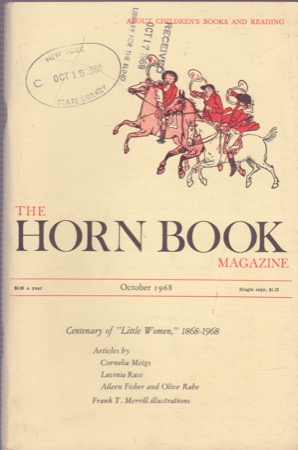
 "Horn Book Magazine: August 1971by: Betsy Byars, Gail E. Haley, John Rowe Townsend, Virginia Haviland")
 "If I Ran the Zooby: Seuss, Dr.")
 "Kate Greenaway - A Catalogue of the Kate Greenaway Collection Rare Book Room, Detroit Public Libraryby: Thomson (Compiler), Susan Ruth")
 "Kate Greenaway's Mother Goose or Old Nursery Rhymes - The Complete Facsimile Sketchbooks from the Arents Collections, The New York Public Libraryby: Greenaway, Kate")
 "Kate Greenaway's Original Drawings for the Snow Queen by Hans Christian Andersenby: Greenaway, Kate")
 "Kate Greenawayby: Spielmann, M. H. and G. S. Layard")
 "Marble Seasonby: Hernandez, Gilbert")
 "Polar Bear Night (SIGNED COPY)by: Lauren Thompson / Stephen Savage")
 "Polar Bear Night (SIGNED COPY)by: Lauren Thompson / Stephen Savage")
 "Red Eagle - Being the Adventurous Tale of Two Young Flyers, Theby: Key, Alexander")
 "Shipby: Macaulay, David")
 "Soldiers, Sailors, Fliers and Marinesby: Elting, Mary/Robert T. Weaver/Jeanne Bendick")
 "Sotheby's Auction Catalog - Enid Blyton - October 29, 1997 - Sale #LN7643by: Sotheby's (Enid Blyton)")
 "Sport: a Philosophic Inquiry by: Weiss, Paul")