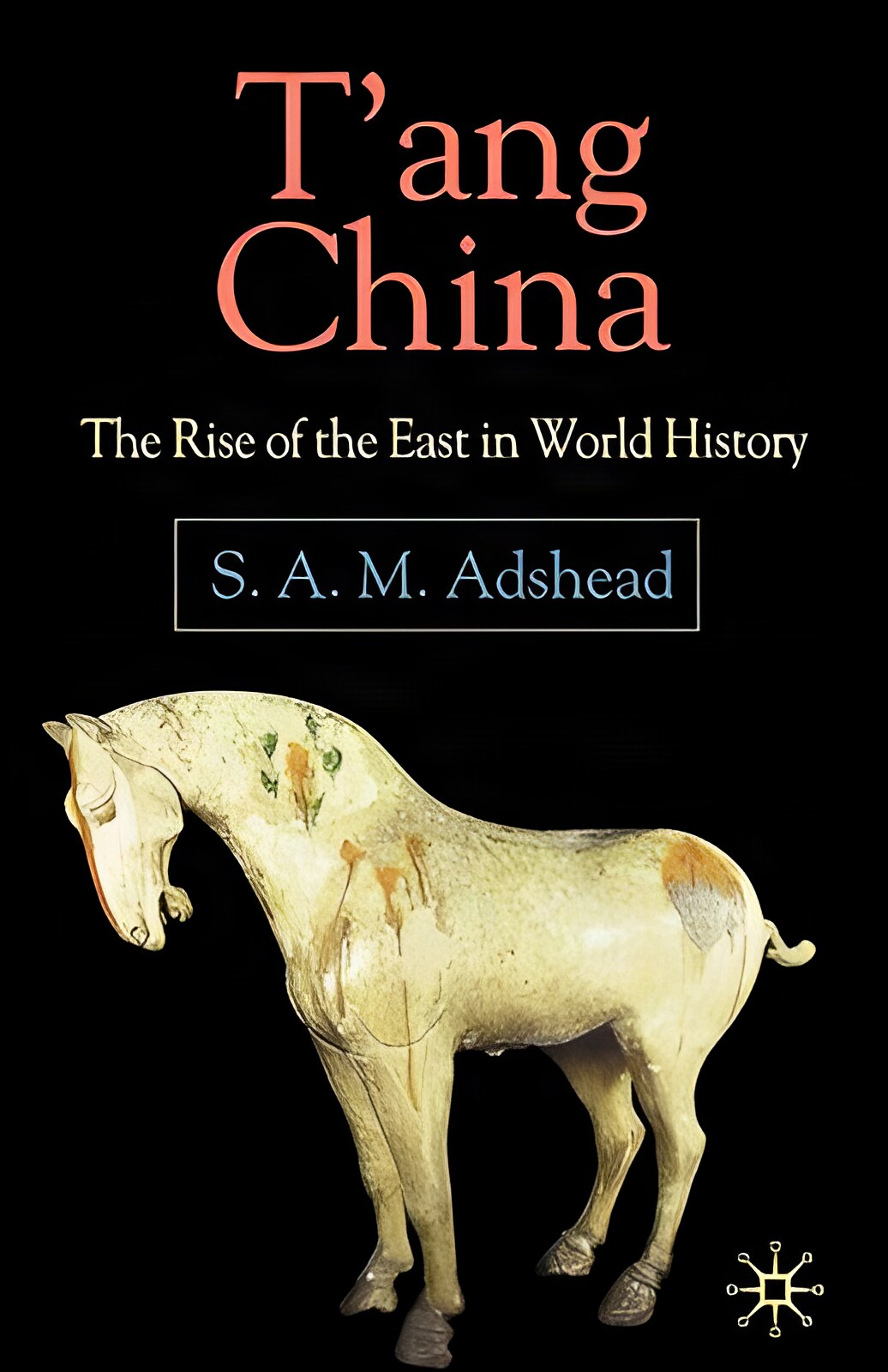
Softcover. London/NY, Palgrave Macmillan, 2nd pr., 2004, Book: Very Good, Dust Jacket: None, Softcover, 233 pages. China's role in world history has been controversial, especially as seen through an economic lens. This book presents an alternative interpretation of that role, less exclusively economic, more broadly based, and focused on the T'ang period, one of China's acknowledged golden ages. It shows how a different China, Buddhist or Taoist rather than Confucian, aristocratic as much as meritocratic, achieved, through openness to the outside world and partnership with its elites, a multiple preeminence in politics, economics, society and the intellect, not unlike that enjoyed by the United States today. Within a looser web of globalization, the T'ang period and its dynamics offers a distant mirror of our own time, casting a new light on issues in contemporary politics. Clean copy.
Hardcover. New Haven CONNECTICUT, Yale University Press, 1st, 1978, Book: Very Good, Dust Jacket: Very Good, Hardcover, 317 pages, b&w illustrations, red cloth with gilt lettering on spine. Bright dust jacket with price-clip.
Hardcover. NY, Doubleday, 1st, 2002, Book: Very Good, Dust Jacket: Very Good, Hardcover in a bright, unclipped dust jacket. The discovery of gold by a team of Mormon mill workers in 1848 sparked a frenzy that shook the world. People swarmed to California from as far as China and Australia. They came from England and France, from Ireland and Chile, leaving behind their families and everything they owned in the hope of making their fortunes in the new world. They came by ship and overland, braving Tierra del Fuego and the pestilences of Panama, lured by the promise of gold. In a spellbinding narrative that spans several continents, Brands brings the fervour and excitement of the gold rush vividly to life. The Age of Gold is narrative history at its best -- the astonishing tale of one of the most extraordinary speculative frenzies in history, told by a master historian. 547 pages, clean copy.
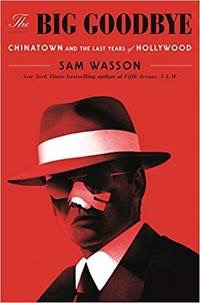
Hardcover. NY, Flatiron, 1st, 2020, Book: Very Good, Dust Jacket: Very Good, Hardcover in a bright dust jacket, 397 pages. Wasson for the first time peels off layers of myth to provide the true account of its creation. Looming over the story of this classic movie is the imminent eclipse of the '70s filmmaker-friendly studios as they gave way to the corporate Hollywood we know today.
Hardcover. Seattle, University of Washington Press, 1st, 2009, Book: Very Good, Dust Jacket: Very Good, Hardcover, 210 pages, illustrated throughout in b&w. Clean, unmarked copy with only minor wear to dust jacket. Stafford worked for Commerical Press in Shanghai and his photographs capture both sides of the revolutionary struggle in China.
Hardcover. NY, WW Norton & Co,, 1st, 2018, Book: Very Good, Dust Jacket: Very Good, Hardcover in a bright, unclipped dust jacket. As World War II came to an end, General George Marshall was renowned as the architect of Allied victory. Set to retire, he instead accepted what he thought was a final mission-this time not to win a war, but to stop one. Across the Pacific, conflict between Chinese Nationalists and Communists threatened to suck in the United States and escalate into revolution. His assignment was to broker a peace, build a Chinese democracy, and prevent a Communist takeover, all while staving off World War III. In his thirteen months in China, Marshall journeyed across battle-scarred landscapes, grappled with Mao Zedong and Zhou Enlai, and plotted and argued with Generalissimo Chiang Kai-shek and his brilliant wife, often over card games or cocktails. The results at first seemed miraculous. But as they started to come apart, Marshall was faced with a wrenching choice. Its consequences would define the rest of his career, as the secretary of state who launched the Marshall Plan and set the standard for American leadership, and the shape of the Cold War and the US-China relationship for decades to come. It would also help spark one of the darkest turns in American civic life, as Marshall and the mission became a first prominent target of McCarthyism, and the question of "who lost China" roiled American politics. Remainder dot to top edge, otherwise like new.
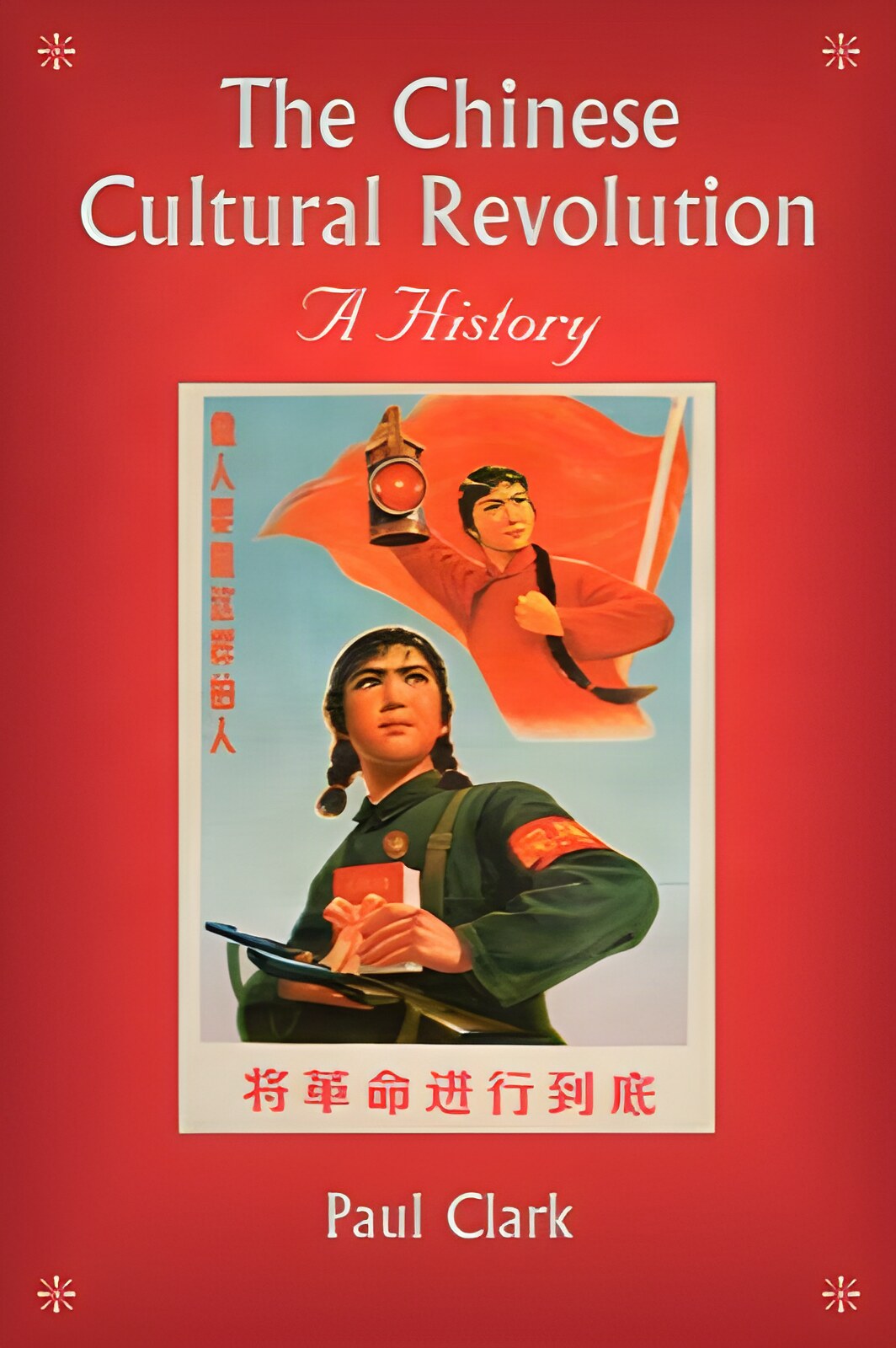
Softcover. UK, Cambridge University Press, 1st pbk, 2008, Book: Very Good, Dust Jacket: None, Softcover in pictorial wrappers, 352 pages. A groundbreaking study of cultural life during a turbulent and formative decade in contemporary China, this book seeks to explode several myths about the Cultural Revolution (officially 1966-1976). Through national and local examination of the full range of cultural forms (film, operas, dance, other stage arts, music, fine arts, literature, and even architecture), Clark argues against characterizing this decade as one of chaos and destruction. Rather, he finds that innovation and creativity, promotion of participation in cultural production, and a vigorous promotion of the modern were all typical of the Cultural Revolution. Using a range of previously little-used materials, Clark forces us to fundamentally reassess our understanding of the Cultural Revolution, a period which he sees as the product of innovation in conflict with the effort by political leaders to enforce a top-down modernity. Clean copy.
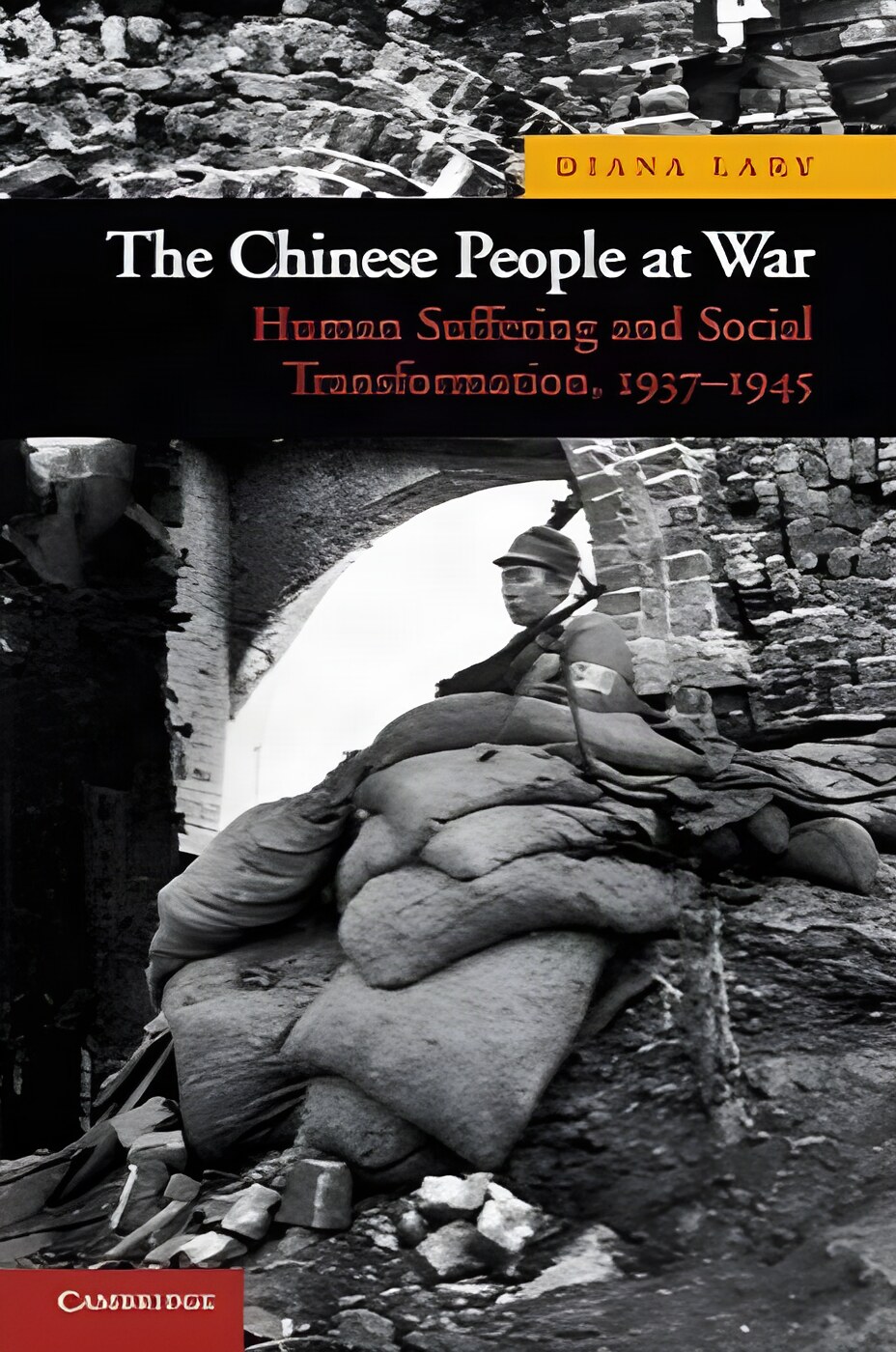
Softcover. UK, Cambridge University Press, reprint, 2011, Book: Very Good, Dust Jacket: None, Softcover, 231 pages, b&w illustrations. The Chinese peoples' experience of war during the Second World War, as it is known in the West, was one of suffering and stoicism in the face of dreadful conditions. China's War of Resistance began in 1937 with the Japanese invasion and ended in 1945 after eight long years. Diana Lary, one of the foremost historians of the period, tells the tragic history of China's war and its consequences from the perspective of those who went through it. Using archival evidence only recently made available, interviews with survivors, and extracts from literature, she creates a vivid and highly disturbing picture of the havoc created by the war, the destruction of towns and villages, the displacement of peoples, and the accompanying economic and social disintegration. Her focus is on families torn apart, men, women, and children left homeless and struck down by disease and famine. It is also a story of courage and survival. By 1945, the fabric of China's society had been utterly transformed, and entirely new social categories had emerged. As the author suggests in a new interpretation of modern Chinese history, far from stemming the spread of communism from the USSR, which was the Japanese pretext for invasion, the horrors of the war, and the damage it created, nurtured the Chinese Communist Party and helped it to win power in 1949. Clean copy.
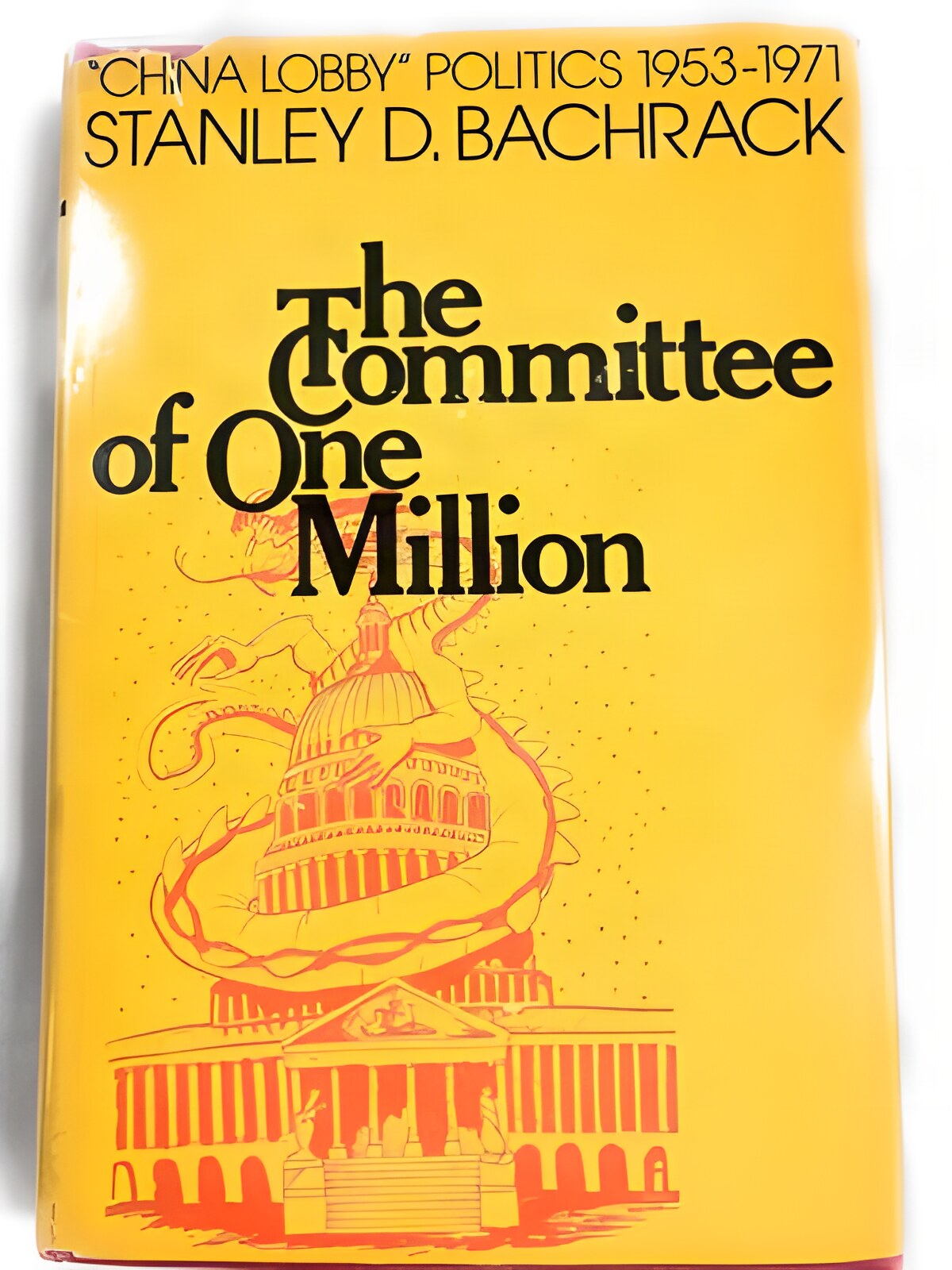
Hardcover. NY, Columbia University Press, 1st, 1976, Book: Very Good, Dust Jacket: Very Good, Hardcover in a bright, price-clipped dust jacket, 371 pages. Looks into the origins and activities of a foreign-policy interest group which emerged after the Korean War and exerted pressure on the federal government not to recognize the People's Republic of China. Name on front fly leaf, otherwise clean.
Hardcover. Chicago, University of Chicago Press, 1st, 2010, Book: Very Good, Dust Jacket: Very Good, Hardcover in a bright dust jacket, 321 pages, b&w illustrations. In The Cruel Radiance, Susie Linfield challenges the idea that photographs of political violence exploit their subjects and pander to the voyeuristic tendencies of their viewers. Instead she argues passionately that looking at such images--and learning to see the people in them--is an ethically and politically necessary act that connects us to our modern history of violence and probes the human capacity for cruelty. Grappling with critics from Walter Benjamin and Bertolt Brecht to Susan Sontag and the postmoderns--and analyzing photographs from such events as the Holocaust, China's Cultural Revolution, and recent terrorist acts--Linfield explores the complex connection between photojournalism and the rise of human rights ideals. In the book's concluding section, she examines the indispensable work of Robert Capa, James Nachtwey, and Gilles Peress and asks how photography should respond to the increasingly nihilistic trajectory of modern warfare. Clean copy.
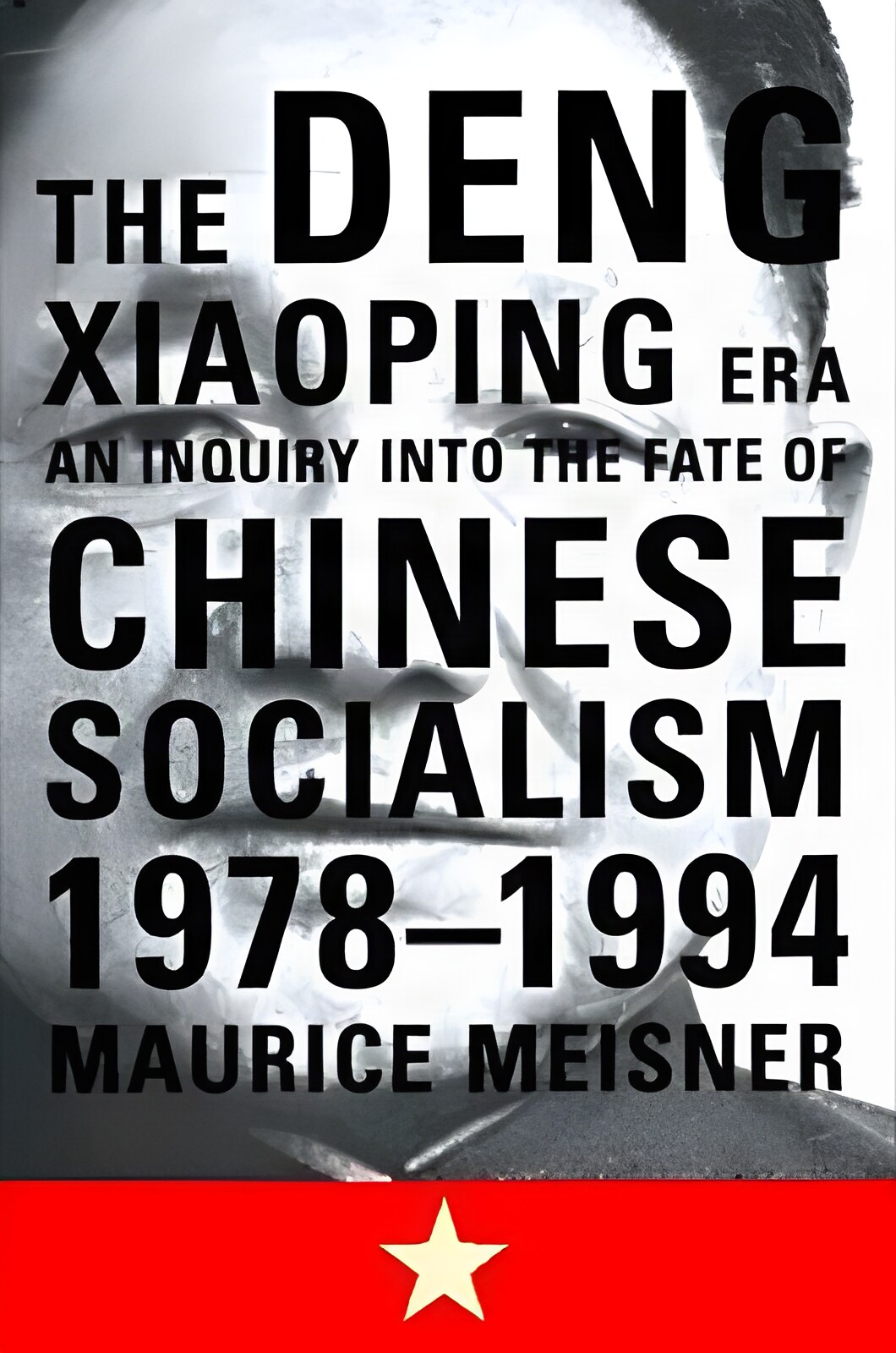
Hardcover. NY, Hill & Wang, 1st, 1996, Book: Very Good, Dust Jacket: Very Good, Hardcover in a bright, unclipped dust jacket, 544 pages. A bold new history of the Deng years by a leading China scholar. Unlike the former Soviet Union and the once "socialist" countries of Eastern Europe, China's current economy is now the world's second largest and most rapidly growing. Remarkably, today's problems in China are spiritual in nature-"a crisis of faith"-stemming from the clash between capitalist realities and lingering socialist values and ideas. "The Deng Xiaoping Era "is the story of that crisis and of Deng Xiaoping's promise of socialist democracy that has degenerated into bureaucratic capitalism. Maurice Meisner shows how the social contract between the Chinese Communist Party and the people was grossly violated by the Deng regime, and why capitalism has emerged as the dynamic force in today's socioeconomic and cultural life. Now, after more than a decade of capitalist reforms, he argues that Chinese spiritual malaise is deepening with the brutal suppression of the 1989 Democracy Movement and its politically repressive aftermath. This is an indispensable study of contemporary Chinese history-from the Chinese Revolution and the founding of the Maoist state to the establishment of the Deng regime and the social consequences of Deng's reforms-as well as a formidable analysis of the failure of the world's greatest socialist experiment. Clean copy.
Hardcover. NY, Viking, 1st, 2018, Book: Very Good, Dust Jacket: Very Good, Hardcover in a bright, unclipped dust jacket. 294 pages, b&w photos. Sam Kleiner's The Flying Tigers uncovers the hidden story of the group of young American men and women who crossed the Pacific before Pearl Harbor to risk their lives defending China. Led by legendary army pilot Claire Chennault, these men left behind an America still at peace in the summer of 1941 using false identities to travel across the Pacific to a run-down airbase in the jungles of Burma. In the wake of the disaster at Pearl Harbor this motley crew was the first group of Americans to take on the Japanese in combat, shooting down hundreds of Japanese aircraft in the skies over Burma, Thailand, and China. At a time when the Allies were being defeated across the globe, the Flying Tigers' exploits gave hope to Americans and Chinese alike. Clean copy.
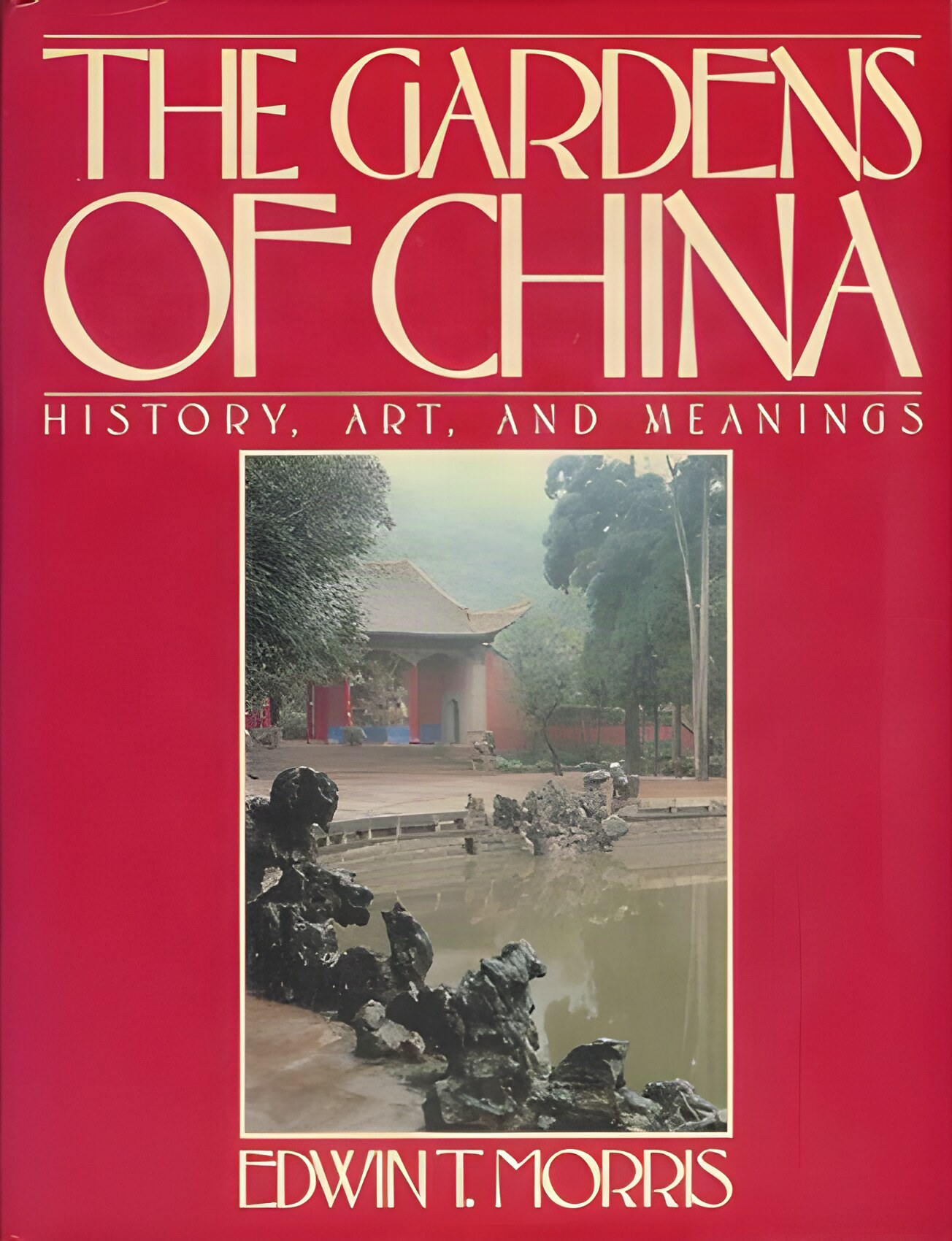
Hardcover. NY, Charles Scribner's Sons, 1st, 1983, Book: Very Good, Dust Jacket: Very Good, Hardcover in a bright, unclipped dust jacket. Illustrated in b&w and color. Clean copy.
Hardcover. NY, New York University Press, 1st, 2002, Book: Very Good, Dust Jacket: Very Good, Hardcover in a bright dust jacket, pages. The GI War Against Japan recounts the harrowing experiences of American soldiers in Asia and the Pacific. Based on countless diaries and letters, it sweeps across the battlefields, from the early desperate stand at Guadalcanal to the tragic sinking of the U.S.S. Indianapolis at war's very end. From the daunting spaces of the China-India theater to the fortress islands of Iwo Jima and Okinawa, Schrijvers brings to life the GIs' struggle with suffocating wilderness, devastating diseases, and Japanese soldiers who preferred death over life. Amidst the frustration and despair of this war, American soldiers abandoned themselves to an escalating rage that presaged Hiroshima and Nagasaki.
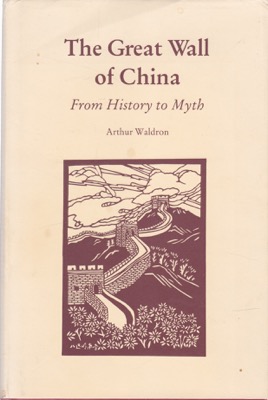
Hardcover. Cambridge UK, Cambridge University Press, 1st, 1990, Book: Very Good, Dust Jacket: Very Good, Hardcover in a lightly worn dust jacket, 296 pages, b&w illustrations. This is the first full scholarly study of the Great Wall of China to appear in any language, and it challenges many deeply held ideas about Chinese history. Drawing both on primary sources and on the latest archaeology, the book first demonstrates that the standard account of the Great Wall is untrue and misleading and then presents a convincing new account. It begins by tracing the various walls and systems of frontier defences that existed in early Chinese history, and shows how the greatest of these achieved a mythical symbolic stature which long survived the Wall itself. A striking concluding chapter traces how the true history of the Wall was lost in the early twentieth century as it was gradually transformed into a Chinese national symbol explained through historical myth. The book is an important contribution to the history of China's defensive policy, and her ideological attitudes, and will be of interest both to students of Chinese history and of international relations in the pre-modern world. Clean, bright copy.
Hardcover. New Haven CT, Yale /Houston Museum of Fine Arts, 1st, 2007, Book: Very Good, Dust Jacket: Very Good, Hardcover, 168 pages. Chen Changfen (b. 1941) began to photograph the Great Wall twenty years before the Chinese government officially adopted it as the national symbol in 1984. This fascinating book presents a small fraction of his decades-long study of the monumental form and conveys the fertile range of themes and ideas that Chen has investigated, each informed by traditional Chinese art, history, and philosophy. Combining a unique blend of traditional and contemporary technical processes, Chen's richly evocative photographs at once celebrate the remarkable series of building campaigns that produced the Wall and memorialize the thousands of conscripted laborers whose lives were sacrificed to its construction.One of the most striking features of Chen's photographs is their unexpected variety of perspectives and moods, capturing the vicissitudes of weather, time, and human history that have acted upon it. By excluding the people, highways, factories, and modern buildings that encroach on and daily destroy sections of the Wall, however, Chen eliminates major aspects of the Wall's present reality from his pictures. In a thoughtful essay and interview with the artist, Anne Wilkes Tucker probes the meanings of such omissions and guides the reader through Chen's extraordinary images. The Great Wall of China is essential reading for photographers, historians, and travelers.
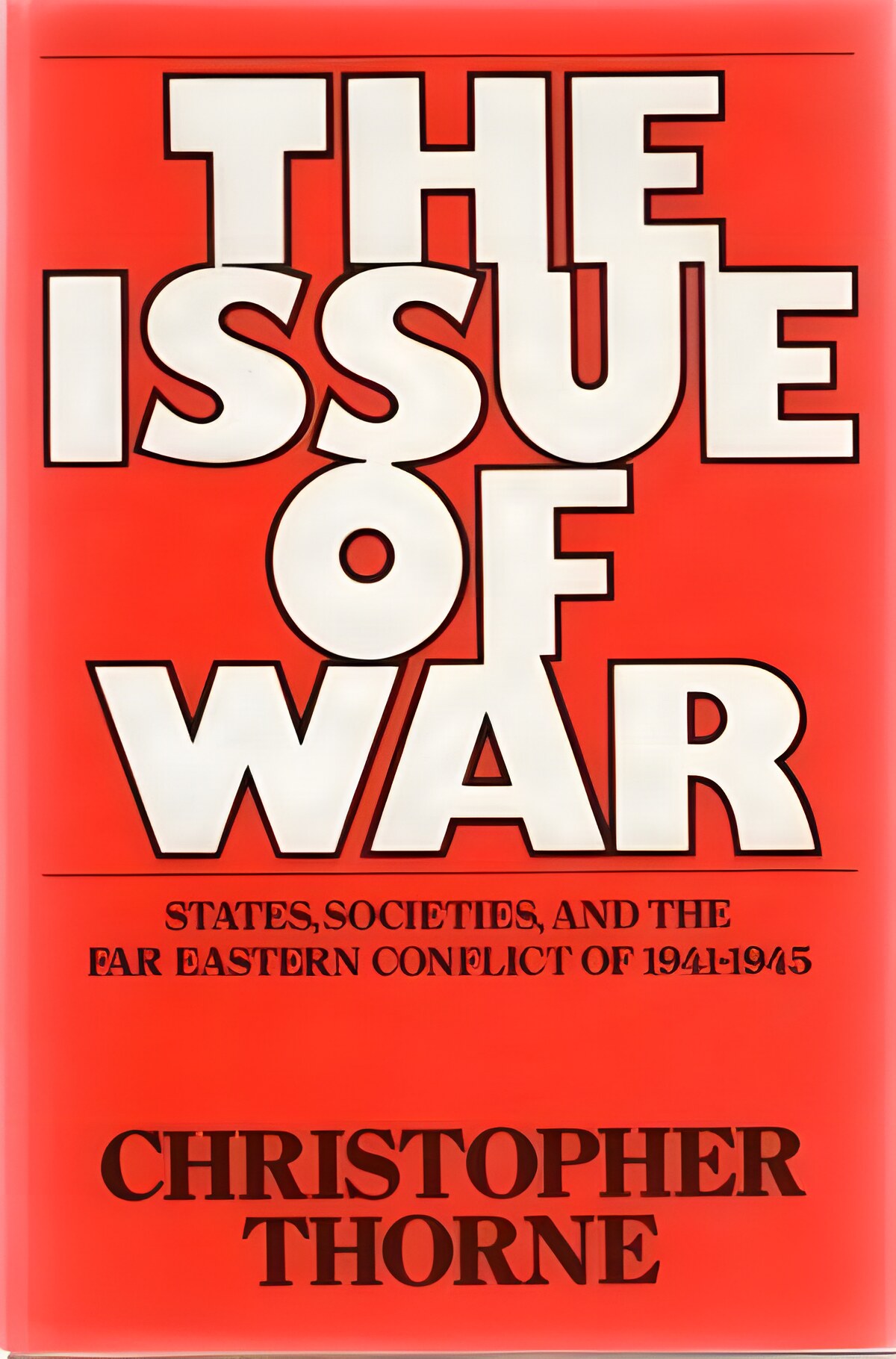
Hardcover. NY, Oxford University Press, 1st, 1985, Book: Very Good, Dust Jacket: Very Good, Hardcover in a bright, unclipped dust jacket, 364 pages. The Second World War's Pacific conflict was one of the most complex in history. It embrioled peoples from opposite sides of the globe; it was fought in China, across the expanses of the Pacific, and in the jungles of Southeast Asia; and it was devastating in its consequences for civilians and servicemen alike. It saw the first use of atomic weapons, hastened the end of the Western empires in Asia, and marked America's rise to the position of the most powerful nation in the world. Christopher Thorne, whose previous studies of the war in the Pacific have become landmarks in the field, here weaves together both the entire network of international relations surrounding the war and the impact the war had on all the societies involved--Indian as well as American; Australian and New Zealand as well as Japanese; Korean, Chinese, and Southeast Asian as well as British, French, and Dutch. The Issue of War draws on material gathered over many years in the Far East, Western Europe, and the U.S.--material including wartime films, broadcasts, and newspapers,as well as countless private and offical papers. Representing a synthesis of military, diplomatic, economic, intellectual, and social history, it not only places the war in the context of developments before 1941, but illuminates various patterns that cut across the familiar distinctions between Asia and the West or between Japan and the Allies. Name on front fly leaf, otherwise clean.
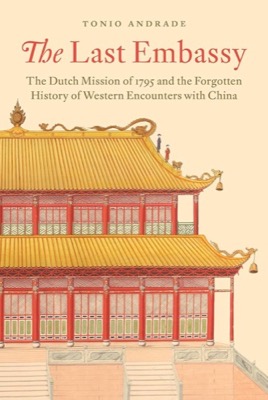
Hardcover. Princeton NJ, Princeton University Press, 1st, 2021, Book: Very Good, Dust Jacket: Very Good, Hardcover in a bright dust jacket, 408 pages. A book that casts new light on the history of China and the West at the turn of the nineteenth century. George Macartney's disastrous 1793 mission to China plays a central role in the prevailing narrative of modern Sino-European relations. Summarily dismissed by the Qing court, Macartney failed in nearly all of his objectives, perhaps setting the stage for the Opium Wars of the nineteenth century and the mistrust that still marks the relationship today. But not all European encounters with China were disastrous. The Last Embassy tells the story of the Dutch mission of 1795, bringing to light a dramatic but little-known episode that transforms our understanding of the history of China and the West. Drawing on a wealth of archival material, Tonio Andrade paints a panoramic and multifaceted portrait of an age marked by intrigues and war. China was on the brink of rebellion. In Europe, French armies were invading Holland. Enduring a harrowing voyage, the Dutch mission was to be the last European diplomatic delegation ever received in the traditional Chinese court. Andrade shows how, in contrast to the British emissaries, the Dutch were men with deep knowledge of Asia who respected regional diplomatic norms and were committed to understanding China on its own terms.
Hardcover. NY, Columbia University Press, 1st, 1994, Book: Very Good, Dust Jacket: Very Good, Hardcover in a bright dust jacket with a small closed tear to front panel. 187 pages, 117 b.w. photos, index, bibliography, 187p., notes. A scholarly monograph, addressing our image of the Chinese artist, the painters' livelihood, studio & hand. A grand essay, giving us the kind of insights to really appreciate the full art of Chinese painters & paintings.
Hardcover. NY, St. Martin's, 1st, 1999, Book: Very Good, Dust Jacket: Very Good, Hardcover, 342 pages. Dark blue cloth covers, gilt titles, color-illustrated dust jacket, profusely illustrated with b&w plates. A comprehensive chronicle of the various arctic expeditions, lasting from the sixteenth to the twentieth century, that searched for a Northern route by sea to China, includes accounts of the ill-fated John Franklin effort and Amundsen's eventual success. Clean copy.
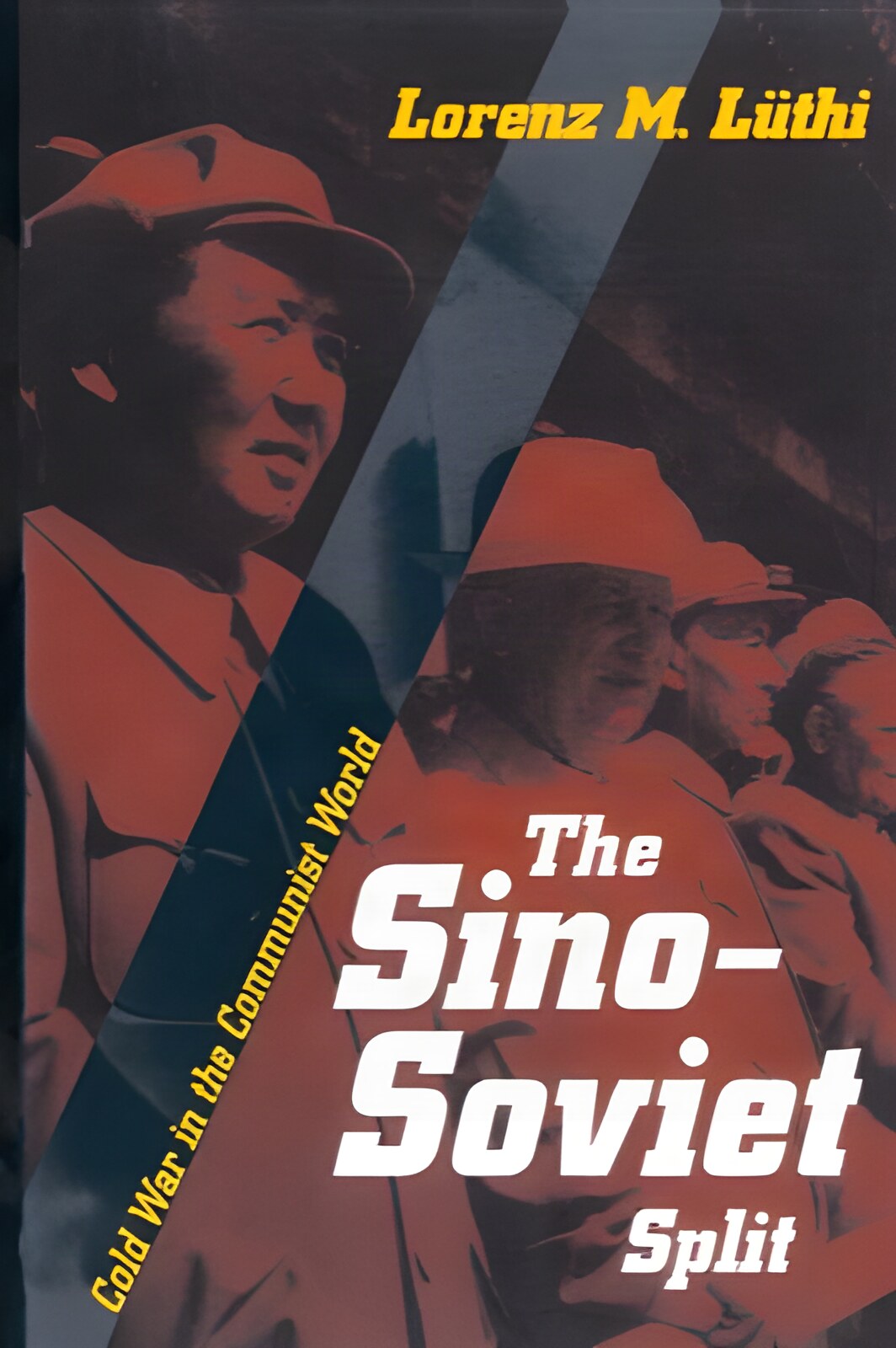
Softcover. Princeton NJ, Princeton University Press, 3rd pr., 2008, Book: Very Good, Dust Jacket: None, Softcover in pictorial wraps, 375 pages, maps. A decade after the Soviet Union and the People's Republic of China established their formidable alliance in 1950, escalating public disagreements between them broke the international communist movement apart. In The Sino-Soviet Split, Lorenz Luthi tells the story of this rupture, which became one of the defining events of the Cold War. Identifying the primary role of disputes over Marxist-Leninist ideology, Luthi traces their devastating impact in sowing conflict between the two nations in the areas of economic development, party relations, and foreign policy. The source of this estrangement was Mao Zedong's ideological radicalization at a time when Soviet leaders, mainly Nikita Khrushchev, became committed to more pragmatic domestic and foreign policies. Using a wide array of archival and documentary sources from three continents, Luthi presents a richly detailed account of Sino-Soviet political relations in the 1950s and 1960s. He explores how Sino-Soviet relations were linked to Chinese domestic politics and to Mao's struggles with internal political rivals. Furthermore, Luthi argues, the Sino-Soviet split had far-reaching consequences for the socialist camp and its connections to the nonaligned movement, the global Cold War, and the Vietnam War. Clean copy.
Hardcover. London, Routledge & Kegan Paul, 3rd pr., 1950, Book: Very Good, Dust Jacket: None, Hardcover, maroon cloth with gilt lettering on spine. 439 pages, b&w illustrations with fold-out map of Polo's travels in rear. First published in 1931, this is the 1950 third printing. None of the manuscripts which have come down to us represents the original form of Marco Polo's narrative, but it is clear that certain texts are closer to the lost original than others. Entrusted with the task of preparing a new Italian edition of Marco Polo, Benedetto discovered many unknown manuscripts. He carefully edited the most famous of the manuscripts (the Geographic text) and collated it with the other best known ones. * An invaluable index has been added to Aldo Ricci's of Benedetto's text, which includes all the identifications made in the Geographic text and also later editions by Marsden (1818), Pauthier (1865) and Yule (1871). * The difficulty of following Polo on his many journeys has also been simplified by the process of distinguishing between those places on his main route to China and his return journey by sea to Persia and those places which he visited during his stay in China and those he never visited at all. Clean copy.
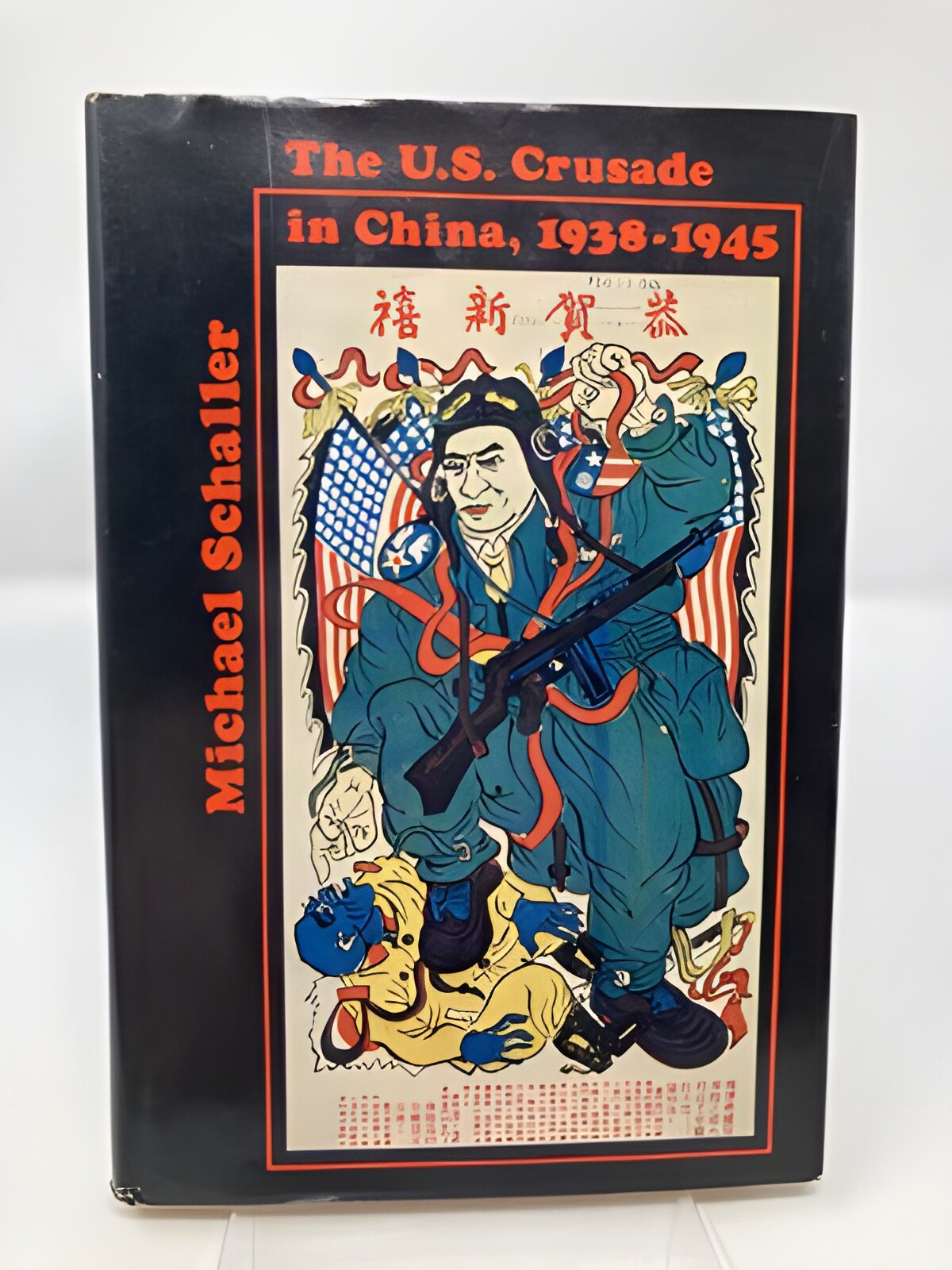
Hardcover. NY, Columbia University Press, 2nd pr., 1979, Book: Very Good, Dust Jacket: Very Good, Hardcover in a bright, price-clipped dust jacket, 364 pages. Tells of the Americans who came to China, openly and in secret, and their role in the ultimate U. S. decision to spurn Chinese Communist overtures of friendship and throw greater support to the sinking regime of Chiang Kai-shek. Name on front fly leaf, otherwise a clean copy.
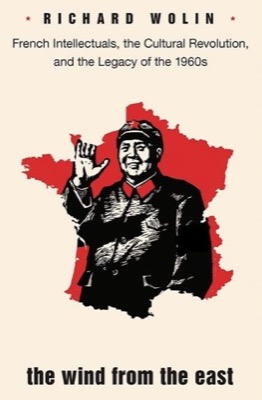
Hardcover. Princeton NJ, Princeton University Press, 1st, 2010, Book: Very Good, Dust Jacket: Very Good, Hardcover in a bright, unclipped dust jacket, 391 pages. How Maoism captured the imagination of French intellectuals during the 1960s. Michel Foucault, Jean-Paul Sartre, Julia Kristeva, Phillipe Sollers, and Jean-Luc Godard. During the 1960s, a who's who of French thinkers, writers, and artists, spurred by China's Cultural Revolution, were seized with a fascination for Maoism. Combining a merciless expose of left-wing political folly and cross-cultural misunderstanding with a spirited defense of the 1960s, The Wind from the East tells the colorful story of this legendary period in France. Richard Wolin shows how French students and intellectuals, inspired by their perceptions of the Cultural Revolution, and motivated by utopian hopes, incited grassroots social movements and reinvigorated French civic and cultural life.

 "Teachings of Taoist Master Chuang, Theby: Saso, Michael")