Softcover. Santa Monica, The Lapis Press, First Edition, 1987, Book: Very Good, Dust Jacket: None, Non-paginated. Softcover with french flaps & light wear to edges. Previous owner's signature to front flyleaf. Pen marking to several pages in commentary sections. Poetry is clean & unmarked throughout. Black printed illustrations.
Hardcover. NY, Dial Books, 1st, Book: Very Good, Dust Jacket: Very Good, Hardcover in a bright, price-clipped dust jacket, 300 pages, b&w illustrations. The children's book author has won the Newberry Medal and National Book Award. Now in these fascinating stories from her life, she reveal the origins of her book characters from events in her life; from China with missionary parents to single life in Japan to life in Maryland with four children. Filled with personal photos and letters. Clean copy.
Hardcover. Urbana IL, University of Illinois Press, 1st, 1999, Book: Very Good, Dust Jacket: Very Good, Hardcover in a bright, unclipped dust jacket. 162 pages, b&w illustrations. In the wake of Kristallnacht, November 9, 1938, Sigmund Tobias and his parents fled their home in Germany and relocated to one of the few cities in the world that offered shelter without requiring a visa: the notorious pleasure capital, Shanghai. Seventeen thousand Jewish refugees flocked to Hongkew, a section of Shanghai ruled by the Japanese, and they created an active community that continued to exist through the end of the war. Tobias's coming-of-age story unfolds within his descriptions of Jewish life in the exotic sanctuary of Shanghai. Depleted by disease and hunger, constantly struggling with primitive and crowded conditions, the refugees faced shortages of food, clothing, and medicine. Tobias also observes the underlife of Shanghai: the prostitution and black market profiteering, the brutal lives of the Chinese workers, the tensions between Chinese and Japanese during the war, and the paralyzing inflation and the approach of the communist "liberators" afterward. Richly detailed, Strange Haven opens a little-documented chapter of the Holocaust and provides a fascinating glimpse of life for these foreigners in a foreign land. An epilogue describes the changes Tobias observed when he returned to Shanghai forty years later as a visiting professor.
Hardcover. Harrisburg, Stackpole Company, 1st, 1961, Book: Good, Dust Jacket: None, 322 pages. Hardcover. Features 16 pages of black & white photographs. Notations in red pencil on 2 maps - pages 92 and 97. Light wear to yellow cloth covers. No dust jacket.
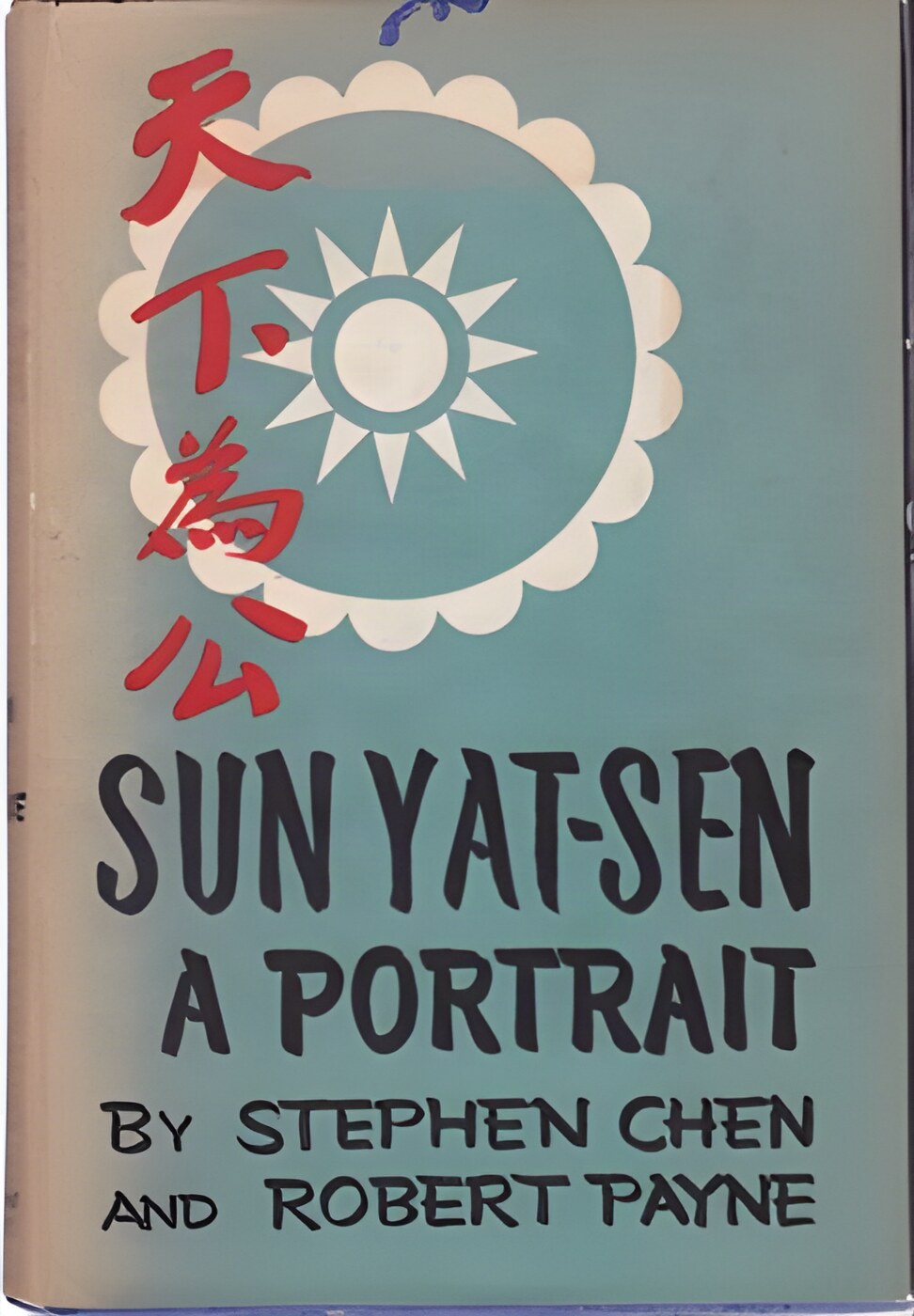
Hardcover. NY, John Day Co., 1st, 1946, Book: Very Good, Dust Jacket: Good, Hardcover in a worn, chipped dust jacket. A biography of Sun Yat-Sen, founder of the short-lived Chinese Republic. Dust jacket spine faded, bookplate inside front cover.
Hardcover. Berkeley, University of California Press, 2nd pr., 1970, Book: Good, Dust Jacket: None, Hardcover, black cloth with gilt lettering on spine, 412 pages with index. Frontis. map. Ex-lib with stamping to edges and endpapers, name on front fly leaf.
Hardcover. Hong Kong, Chinese University Press, 1st, 1978, Book: Very Good, Dust Jacket: Very Good, Hardcover in a lightly worn dust jacket, 598 pages, errata slip laid in. Spine slightly cocked, light shelfwear.
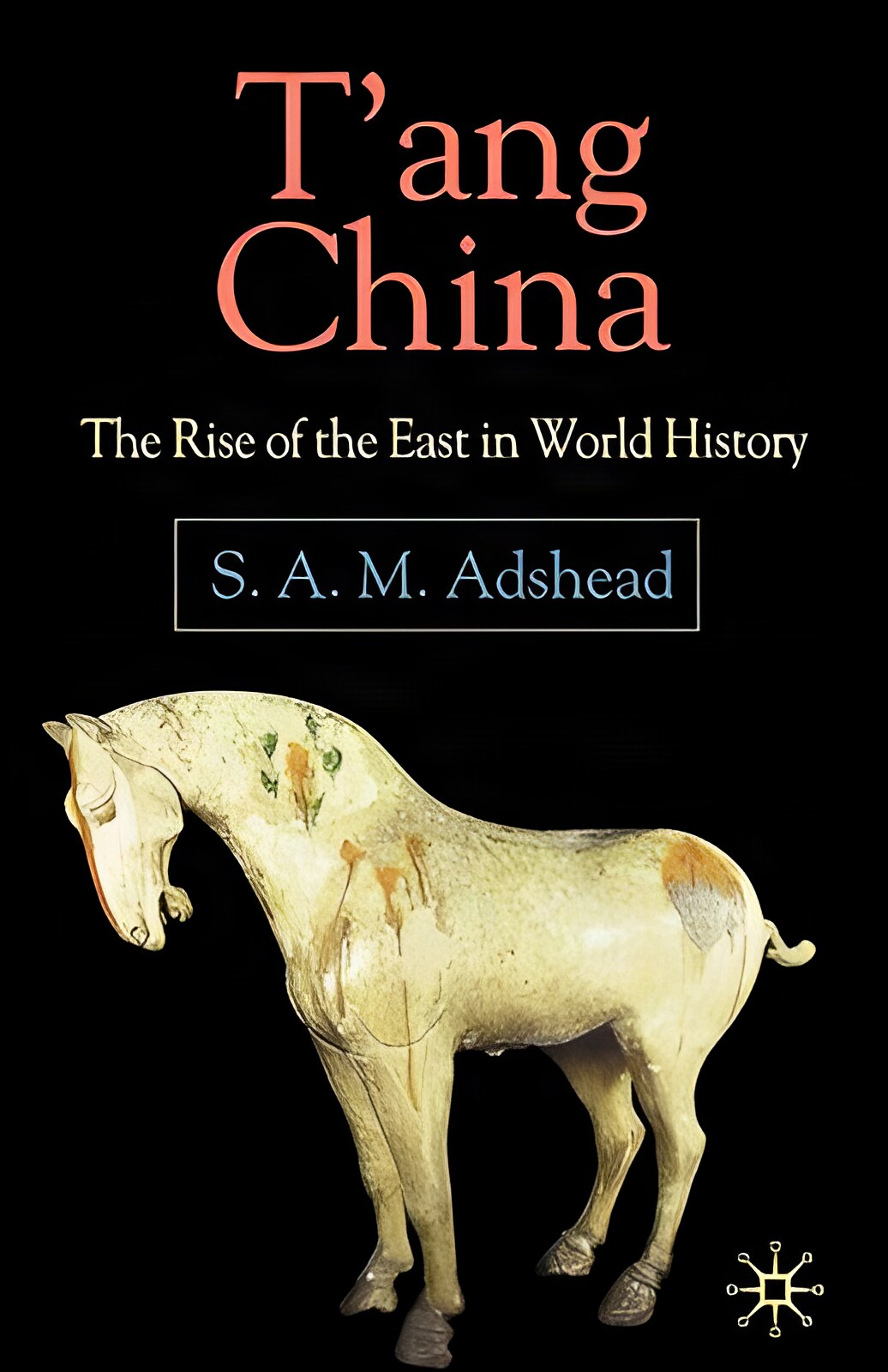
Softcover. London/NY, Palgrave Macmillan, 2nd pr., 2004, Book: Very Good, Dust Jacket: None, Softcover, 233 pages. China's role in world history has been controversial, especially as seen through an economic lens. This book presents an alternative interpretation of that role, less exclusively economic, more broadly based, and focused on the T'ang period, one of China's acknowledged golden ages. It shows how a different China, Buddhist or Taoist rather than Confucian, aristocratic as much as meritocratic, achieved, through openness to the outside world and partnership with its elites, a multiple preeminence in politics, economics, society and the intellect, not unlike that enjoyed by the United States today. Within a looser web of globalization, the T'ang period and its dynamics offers a distant mirror of our own time, casting a new light on issues in contemporary politics. Clean copy.
Softcover. Boston, MFA Publications, 1st, 2000, Book: Very Good, Dust Jacket: None, Softcover, 269 pages. Color and b&w reproductions of paintings throughout. A work issued in conjunction with an exhibition held in 1997, providing a survey of the extensive collection of paintings from China, including critical commentary on the work throughout, examining the cultural importance of the pieces discussed. 9 3/4" to 12" tall; interior is clean and unmarked.
Hardcover. New Haven CONNECTICUT, Yale University Press, 1st, 1978, Book: Very Good, Dust Jacket: Very Good, Hardcover, 317 pages, b&w illustrations, red cloth with gilt lettering on spine. Bright dust jacket with price-clip.
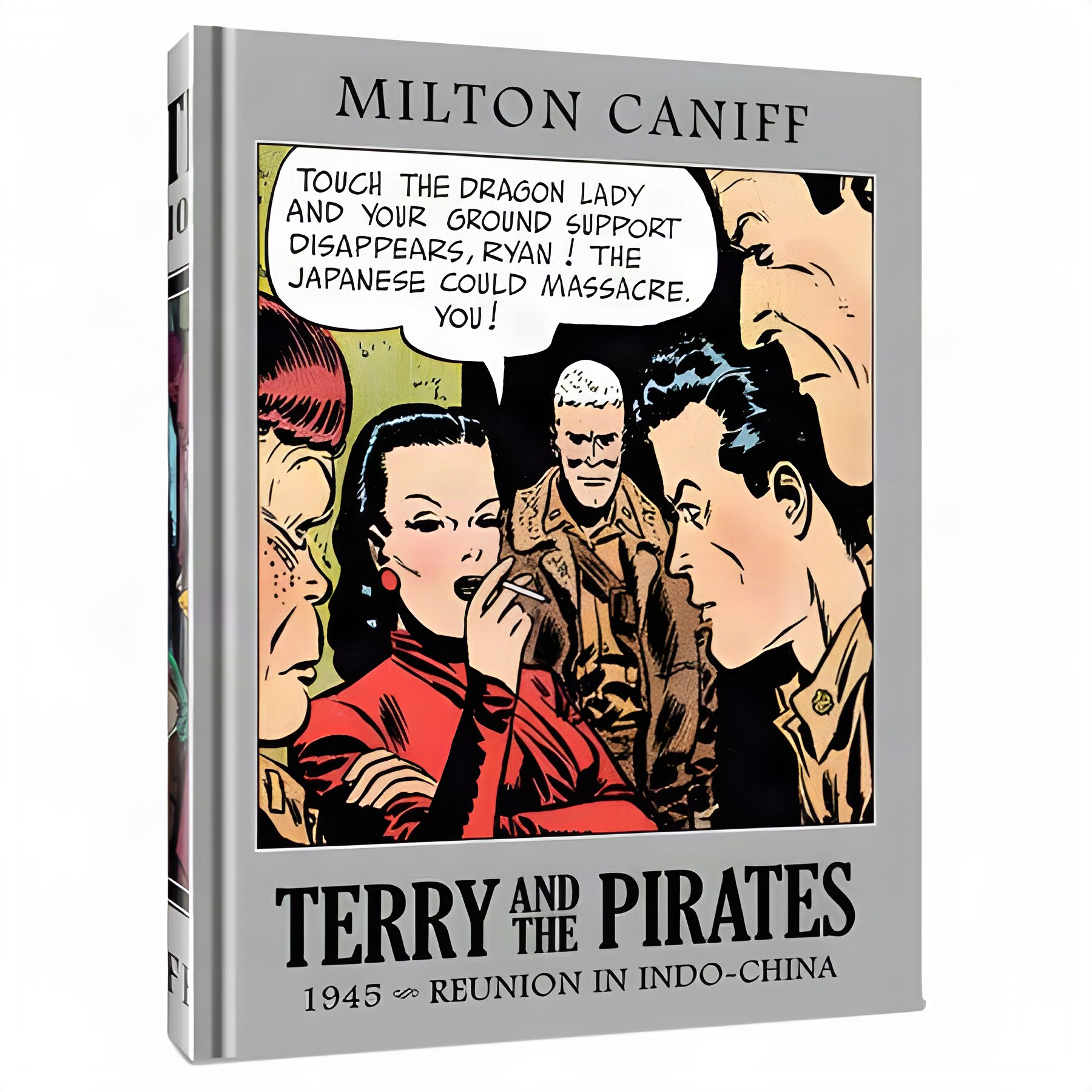
Hardcover. Clover Press, 1st, 2025, Book: Very Good, Dust Jacket: None, Hardcover in pictorial boards, 164 pages. The saga continues in Terry and the Pirates Volume 11, reproduced from Milton Caniff's personal set of color syndicate tabloid proofs! It's a new year of reunions, not resolutions--Terry and Pat join forces! They connect with the Dragon Lady--and with Terry's old flame, Hu Shee! Terry, Hotshot Charlie, and Hu Shee cross paths with swashbuckling pirate Johnny Jingo, in turn joining Terry's old friend April Kane before a new encounter with Nazi collaborator Papa Pyzon! Papa is exactly who he seems, yet his henchman, Mr. Hutch, may have a different trick up his sleeve. Meanwhile, the trick up April's sleeve is less successful, positioning Terry to weather a wintry storm with the delightful Fob Cobb and the prune-faced Ilse Grosse-Nach. This tabloid-sized Volume 11 contains all the 1945 dailies and Sundays. DOMESTIC SHIPPING ONLY.
Hardcover. NY, Doubleday, 1st, 2002, Book: Very Good, Dust Jacket: Very Good, Hardcover in a bright, unclipped dust jacket. The discovery of gold by a team of Mormon mill workers in 1848 sparked a frenzy that shook the world. People swarmed to California from as far as China and Australia. They came from England and France, from Ireland and Chile, leaving behind their families and everything they owned in the hope of making their fortunes in the new world. They came by ship and overland, braving Tierra del Fuego and the pestilences of Panama, lured by the promise of gold. In a spellbinding narrative that spans several continents, Brands brings the fervour and excitement of the gold rush vividly to life. The Age of Gold is narrative history at its best -- the astonishing tale of one of the most extraordinary speculative frenzies in history, told by a master historian. 547 pages, clean copy.
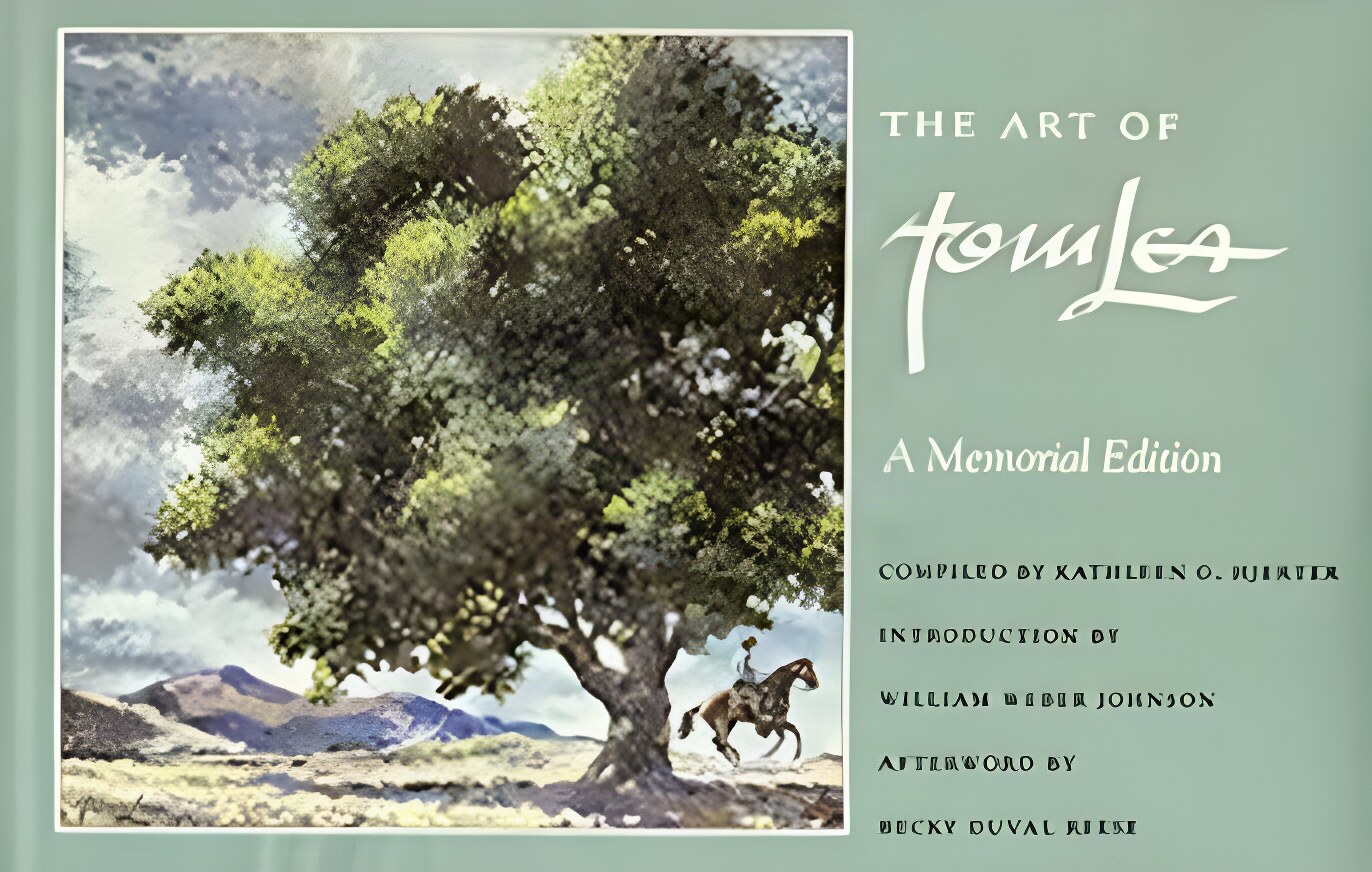
Hardcover. Texas A&M University Press;, 1st, 2003, Book: Very Good, Dust Jacket: Very Good, Hardcover, 276 pages. Tom Lea was a realist who painted things as they are, but just happened to see more of what they are than most of us do. A muralist, painter, book illustrator, World War II artist-correspondent, historian, novelist, and humanist, Lea died in 2001 after creating in some sixty years a corpus of work that has captivated those who know it. This volume makes available the full range of his vigorous work. Old admirers of Lea's talents will delight in this presentation, and a whole new generation will be awed by the unique contribution he has made. A Southwesterner from multicultural El Paso, Lea gave new vision to the misunderstood lands often thought of as barren wastes. As Kathleen G. Hjerter says in her foreword, in his paintings "the desert's melded colors are vibrant under many subtle gradations of light; the mesas and mountains reach up to a sky enormous enough to hold everyone's soul." But it is not just the southwest. its life and lore that Lea knew. Any subject he portrayed in picture or words (he wrote several outstanding books, including The Wonderful Country) he first researched minutely. Thus, he brought marvelous detail to his portrayal of the Mexican bullfighter, the Australian ranches and Texas cattle of the King empire, and the Indians, pioneers, and ranch hands of his own corner of the world. In the Second World War, as an artist-correspondent for Life magazine, he captured both the weaponry and the emotions of war. On assignment in China he developed a love for that land that gave him not only many subjects for paintings but also his favorite and, in later years, most characteristic medium: Chinese ink applied with a fine brush. This is a heavy and oversized book and will require extra shipping. International customers please ask for a shipping quote before purchasing.
Hardcover. NY, Henry Holt, 1st, 1991, Book: Very Good, Dust Jacket: Very Good, Hardcover in a bright, unclipped dust jacket, In ancient China a jealous artist plots to eliminate the favorite architect of the emperor. Once again Demi captivatingly presents a Chinese folktale with just enough text to tell the story and keep the interest of her young readers. Rendered in vibrant reds and pale blues and yellows, her illustrations feature finely detailed buildings and costumes, all the while retaining a fresh, clean look.Clean copy.
Hardcover. NY, Flatiron, 1st, 2020, Book: Very Good, Dust Jacket: Very Good, Hardcover in a bright dust jacket, 397 pages. Wasson for the first time peels off layers of myth to provide the true account of its creation. Looming over the story of this classic movie is the imminent eclipse of the '70s filmmaker-friendly studios as they gave way to the corporate Hollywood we know today.
Hardcover. NY, Hyperion Books, 1st, 2005, Book: Very Good, Dust Jacket: Very Good, Hardcover, color illustrations by Milton Glaser. SIGNED by both Shirley and Milton Glaser. When Harry Hare and Tommy Tortoise decide to have a race, Harry takes off like the wind. In this version, Harry passes some world-famous sights, including the Leaning Tower of Pisa, the Great Wall of China, the Pyramids, the Parthenon, and more! But when he grows weary and stops for a nap-guess who manages to beat him to the finish? In this clever format, though, the end is also the beginning, as the book turns over to keep the story continuing again and again. Parents will love sharing this age-old fable with their children through this ingeniously designed picture book.
Hardcover. Seattle, University of Washington Press, 1st, 2009, Book: Very Good, Dust Jacket: Very Good, Hardcover, 210 pages, illustrated throughout in b&w. Clean, unmarked copy with only minor wear to dust jacket. Stafford worked for Commerical Press in Shanghai and his photographs capture both sides of the revolutionary struggle in China.
Hardcover. NY, Farrar Straus & Giroux, 1st, 1985, Book: Very Good, Dust Jacket: Very Good, Hardcover in a bright dust jacket, SIGNED BY AUTHOR on the half-title page. In 1942, Ruth and Simeon must leave their missionary parents to escape the perils of war, and Ruth learns much about human nature and life as she and her brother make the dangerous trip through China to India. Clean copy.
Hardcover. Harborside ME, Social Science Institute, 1st, 1958, Book: Very Good, Dust Jacket: Very Good, Hardcover in a lightly worn dust jacket, 247 pages. SIGNED BY THE NEARINGS on the front fly leaf. The authors have also written about homesteading and living off the land - both were vegetarians. Scott Nearing was an American radical economist, educator, writer, political activist, pacifist, and advocate of simple living. This volume describes their experiences on trips to the Soviet Union and People's China in 1957-58. Light tanning to endpapers, otherwise clean.
Hardcover. Boston, Little, Brown & Company, 1st, 1922, Book: Very Good, Dust Jacket: None, Hardcover, decorated binding; designed by Decorated Designers (DD). No dj. Cover lettering and design intact, with some loss of gold, but lettering has disappeared from the spine. About 50 pages of black and white photos. A vivid and intimate record of Chinese life, revealing its glamour and fascination, its callousness and disregard of human values. Minor foxing to front endpapers. Clean copy.
Hardcover. NY, WW Norton & Co,, 1st, 2018, Book: Very Good, Dust Jacket: Very Good, Hardcover in a bright, unclipped dust jacket. As World War II came to an end, General George Marshall was renowned as the architect of Allied victory. Set to retire, he instead accepted what he thought was a final mission-this time not to win a war, but to stop one. Across the Pacific, conflict between Chinese Nationalists and Communists threatened to suck in the United States and escalate into revolution. His assignment was to broker a peace, build a Chinese democracy, and prevent a Communist takeover, all while staving off World War III. In his thirteen months in China, Marshall journeyed across battle-scarred landscapes, grappled with Mao Zedong and Zhou Enlai, and plotted and argued with Generalissimo Chiang Kai-shek and his brilliant wife, often over card games or cocktails. The results at first seemed miraculous. But as they started to come apart, Marshall was faced with a wrenching choice. Its consequences would define the rest of his career, as the secretary of state who launched the Marshall Plan and set the standard for American leadership, and the shape of the Cold War and the US-China relationship for decades to come. It would also help spark one of the darkest turns in American civic life, as Marshall and the mission became a first prominent target of McCarthyism, and the question of "who lost China" roiled American politics. Remainder dot to top edge, otherwise like new.
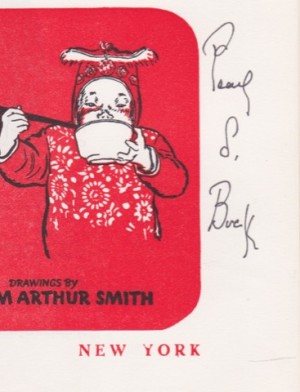
Hardcover. NY, John Day Company, reprint, 1969, Book: Very Good, Dust Jacket: None, Hardcover, oblong pictorial cloth, 64 pages illustrated in two-colors by William Arthur Smith. SIGNED BY BUCK on the title page. Originally published 1n 1942, this is the 17th printing and was most likely signed in 1969 by Buck in Danby, Vermont, where she lived in her later years. Bright, clean copy, no dust jacket.
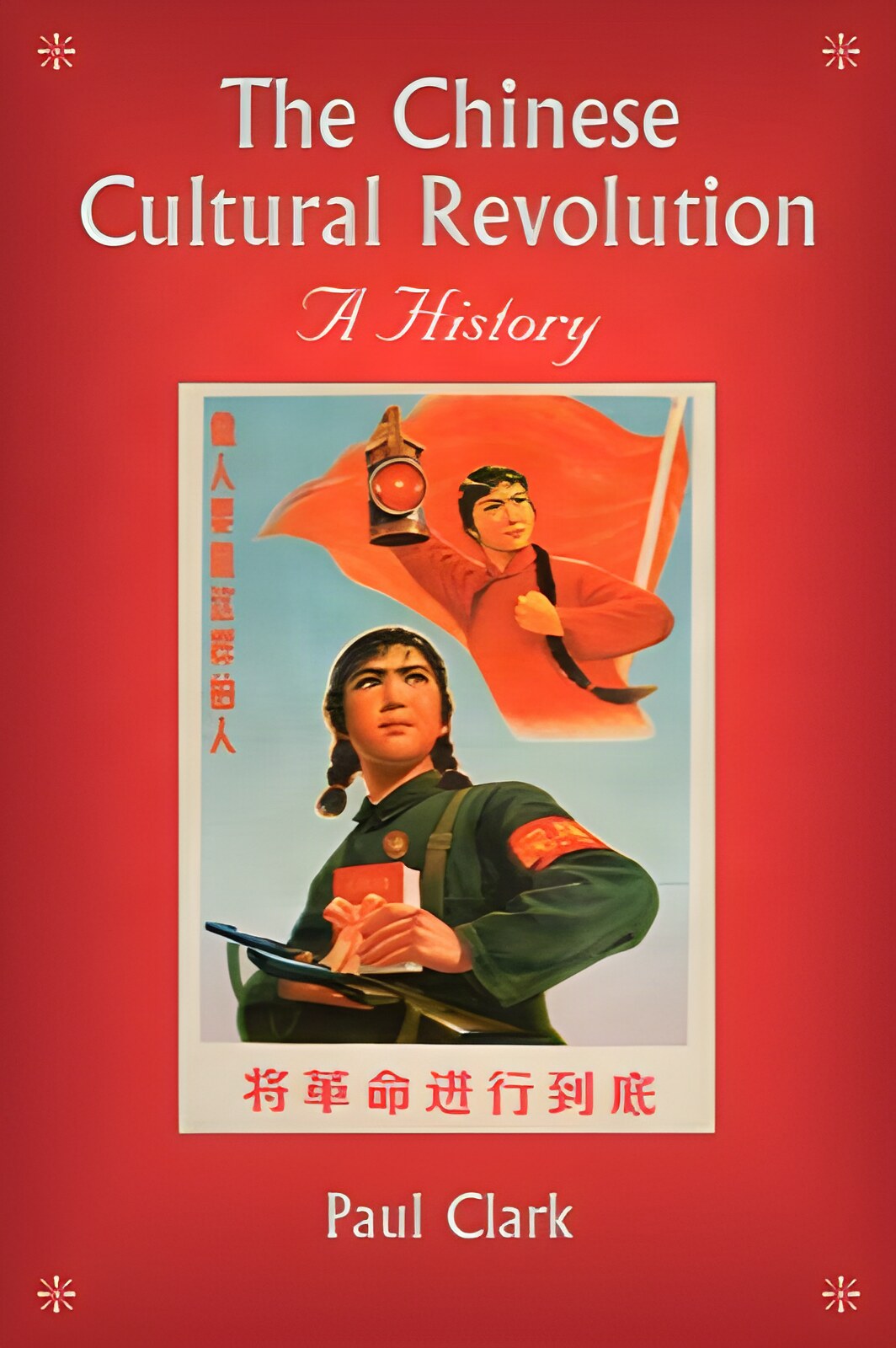
Softcover. UK, Cambridge University Press, 1st pbk, 2008, Book: Very Good, Dust Jacket: None, Softcover in pictorial wrappers, 352 pages. A groundbreaking study of cultural life during a turbulent and formative decade in contemporary China, this book seeks to explode several myths about the Cultural Revolution (officially 1966-1976). Through national and local examination of the full range of cultural forms (film, operas, dance, other stage arts, music, fine arts, literature, and even architecture), Clark argues against characterizing this decade as one of chaos and destruction. Rather, he finds that innovation and creativity, promotion of participation in cultural production, and a vigorous promotion of the modern were all typical of the Cultural Revolution. Using a range of previously little-used materials, Clark forces us to fundamentally reassess our understanding of the Cultural Revolution, a period which he sees as the product of innovation in conflict with the effort by political leaders to enforce a top-down modernity. Clean copy.
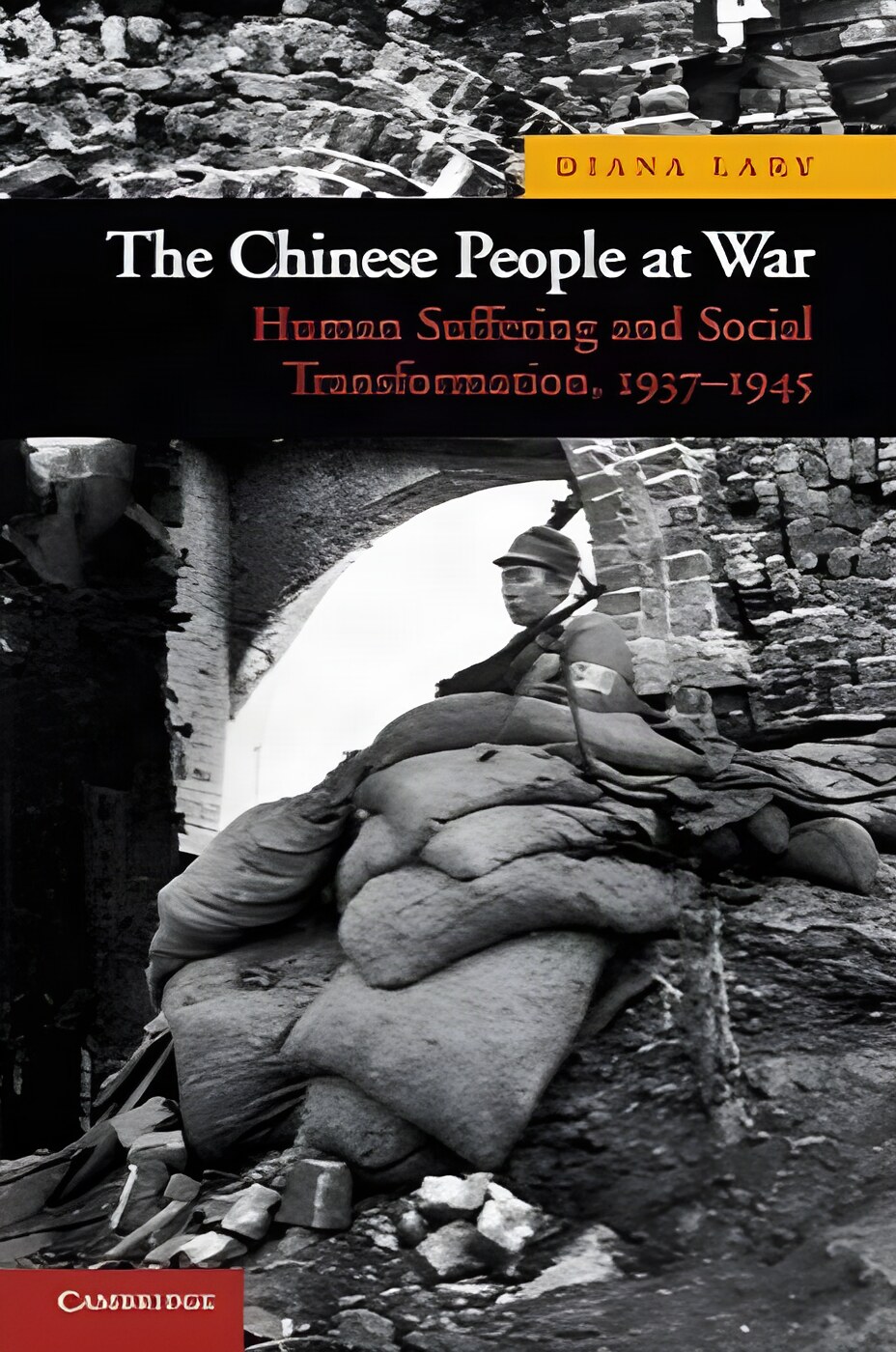
Softcover. UK, Cambridge University Press, reprint, 2011, Book: Very Good, Dust Jacket: None, Softcover, 231 pages, b&w illustrations. The Chinese peoples' experience of war during the Second World War, as it is known in the West, was one of suffering and stoicism in the face of dreadful conditions. China's War of Resistance began in 1937 with the Japanese invasion and ended in 1945 after eight long years. Diana Lary, one of the foremost historians of the period, tells the tragic history of China's war and its consequences from the perspective of those who went through it. Using archival evidence only recently made available, interviews with survivors, and extracts from literature, she creates a vivid and highly disturbing picture of the havoc created by the war, the destruction of towns and villages, the displacement of peoples, and the accompanying economic and social disintegration. Her focus is on families torn apart, men, women, and children left homeless and struck down by disease and famine. It is also a story of courage and survival. By 1945, the fabric of China's society had been utterly transformed, and entirely new social categories had emerged. As the author suggests in a new interpretation of modern Chinese history, far from stemming the spread of communism from the USSR, which was the Japanese pretext for invasion, the horrors of the war, and the damage it created, nurtured the Chinese Communist Party and helped it to win power in 1949. Clean copy.

 "Stelesby: Segalen, Victor")

 "Strange Haven: A Jewish Childhood in Wartime Shanghai by: Tobias, Sigmund")
 "Street Without Joy - Indochina at War - 1946-54by: Fall, Bernard B.")

 "Sung Bibliography, A (Bibliographie des Sung)by: Balazs, Etienne and Yves Hervouet")
 "Tales from the Land of Dragons: 1,000 Years of Chinese Painting by: Wu Tung")
 "Teachings of Taoist Master Chuang, Theby: Saso, Michael")


 "The Big Goodbye: Chinatown and the Last Years of Hollywood by: Wasson, Sam")
 "The Birth of a Republic: Francis Stafford's Photographs of China's 1911 Revolution and Beyond (A China Program Book)by: Lu, Hanchao")
 "The Bombers' Moon (SIGNED COPY)by: Betty Vander Els")
 "The Charm of the Middle Kingdomby: Marsh, James Reid")