Hardcover. NY, Humanities Press, 1st, 1973, Book: Very Good, Dust Jacket: Very Good, Hardcover in a bright dust jacket, 276 pages. George Lukacs on Appearance and Essence, Erwin Pracht on Socialist Realism, S. Petrov on Realism, Robert Weimann on point of view in fiction, B. G. Zhantieva on Joyce's Ulysses, Werner Mittzenzwei on the Brecht-Lukacs debate, and five other major essays. Clean copy.
Hardcover. New York, NYUP, 1st, 1969, Book: Very Good, Dust Jacket: Very Good, Hardcover. 208 pages of text followed by a ection of corresponding black & white illustrations. Titian's fame as the greatest colorist in the history of painting has led students of his art to concentrate on problems of style and authenticity rather than on problems of content and meaning. Dr. Panofsky treats this neglected aspect of the Venetian master's work with a wealth of humanistic scholarship, exploring such varied topics as Titian's relationship to the philosophy and literature of his time, his attitude toward the antique, and the reasons behind his unrivaled acclaim as a portraitist. These studies show Titian to have been a man of far richer and more complex culture than hitherto assumed, possessed not only of the supremely gifted hand but of a subtle and poetic mind.Light wear. Clean, tight copy.
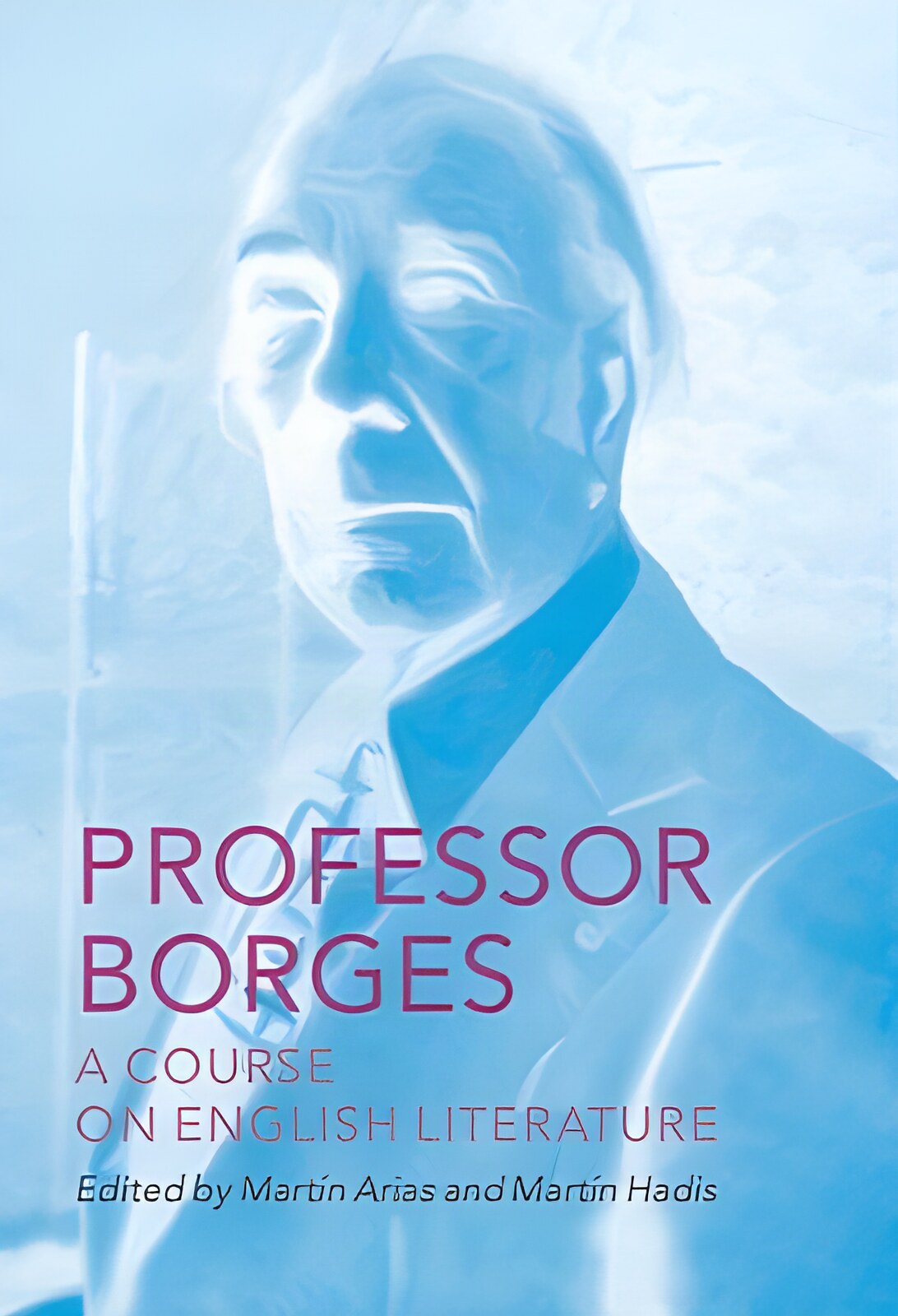
Hardcover. NY, New Directions, 1st, 2013, Book: Very Good, Dust Jacket: Very Good, Hardcover in a bright, unclipped dust jacket. In English at last, Borges's erudite and entertaining lectures on English literature from Beowulf to Oscar Wilde. Writing for Harper's Magazine, Edgardo Krebs describes Professor Borges: "A compilation of the twenty-five lectures Borges gave in 1966 at the University of Buenos Aires, where he taught English literature. Starting with the Vikings' kennings and Beowulf and ending with Stevenson and Oscar Wilde, the book traverses a landscape of 'precursors,'cross-cultural borrowings, and genres of expression, all connected by Borges into a vast interpretive web. This is the most surprising and useful of Borges's works to have appeared posthumously." Clean copy.
Hardcover. Princeton University Press, 1st, 1956, Book: Very Good, Dust Jacket: None, Hardcover, green cloth covers with gilt and black title on spine, 353 pages. WITH THE AUTHOR'S INSCRIPTION pasted to front fly leaf. Clean copy.
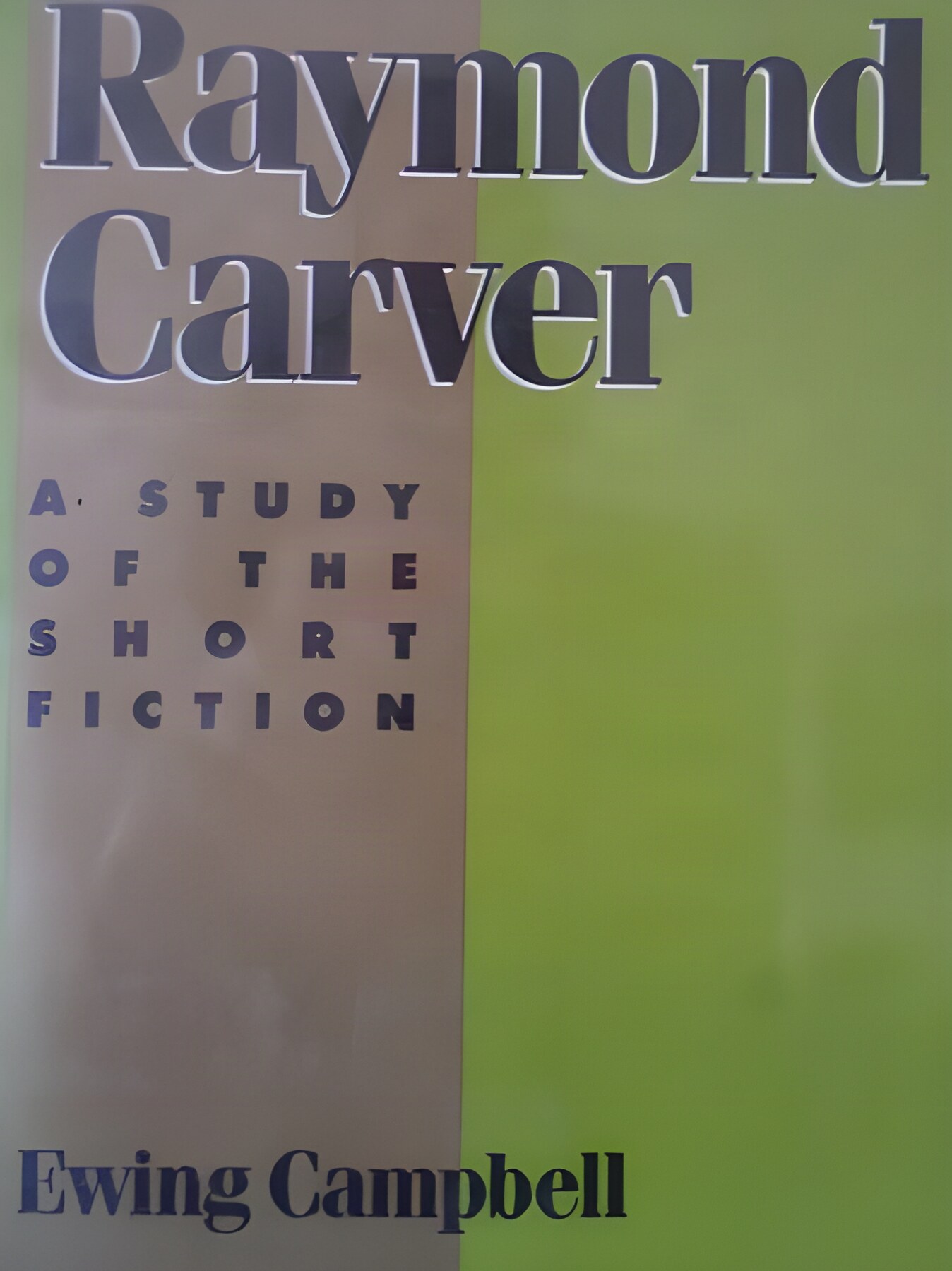
Hardcover. Twayne Publishers, 1st, 1992, Book: Very Good, Dust Jacket: Very Good, Hardcover in a bright, unclipped dust jacket, 177 pages. Perhaps the most significant and influential figure in this century's wave of American realism, Raymond Carver (1938-1988) is credited not only with reviving the short story as an artistically legitimate form, but also with perfecting minimalist fiction. Moving chronologically through Carver's complete short fiction canon and examining key stories in depth, Ewing Campbell traces the author's development through and beyond literary minimalism, into the tradition of tragic allegory. He explores Carvers persistent use of myth and archetype; motifs of the grotesque; religious iconography; and oppressed, spiritually paralyzed characters. From the earliest stories through the latest, Campbell illuminates Carvers constant fascination with the way individuals connect or fail to connect with one another. Clean copy.
Hardcover. NY, St. Martin's Press, 1st, 1995, Book: Very Good, Dust Jacket: Very Good, Hardcover in a violet dust jacket with light fading to spine, 232 pages. A collection of essays exploring all aspects on a controversial English poet, the 17th century libertine, The Earl of Rochester. Different sections focus on sexual politics, on the poetry of intellect, and on Rochester and his contemporaries. Name, date and light pencil notations on front fly leaf, otherwise clean.
Softcover. Los Angeles, The Augustan Reprint Society , reprint, 1985, Book: Very Good, Dust Jacket: None, Softcover, 12 page introduction by Peter Sabor plus a 56 page facsimile reprint of Sarah Fielding's (Henry"s sister) criticism of Samuel Richardson's novel. Clean copy.
Hardcover. Madison WI, University of Wisconsin Press, 1st, 1989, Book: Very Good, Dust Jacket: Good, Hardcover in a lightly worn dust jacket with fading to the spine. "Cary Nelson performs an invaluable service to the reader by recovering the work of dozens of forgotten poets, especially women, blacks, and writers on the left, while making it clear that the texts we recover inevitably gain new meaning from their positioning within contemporary culture." Nicely illustrated in b&w and some color, mostly book jackets and title pages of books discussed. Some light pencil marking in margins.
Hardcover. New Haven, Yale University Press, 1st, 1993, Book: Very Good, Dust Jacket: Very Good, Hardcover in a bright, unclipped dust jacket. INSCRIBED BY AUTHOR on the title page. What motivates us to reread literary works? How is our pleasure, interpretation, involvement, and evaluation different when we read a literary work and when we reread it? This fascinating book by Matei Calinescu is the first to focus on the implications of rereading for critical understanding. Drawing on literary theory, cultural anthropology, psychology, philosophy, and previous theories of reading, Calinescu describes the dynamics of rereading and explores the sometimes complementary, sometimes sharply conflicting relationships between reading and rereading. Calinescu analyzes fictional works by Borges, Nabokov, Proust, Robbe-Grillet, and Henry James, among others, explaining how reading texts is related both to symbolic play or make-believe and to games with rules. He reviews the history of reading in modern times, discussing, for example, how the Reformation led to rereadings of Scripture and how the proliferation of books during the Enlightenment led to a shift from "intensive reading" to "extensive reading." Calinescu looks at the distinctions between reading and rereading from the perspectives of the age, situation, and gender of the individual reader. He discusses the problems raised by secret or oblique languages and codes - devised to evade censors, communicate with a select audience of "secret sharers," or play games of hide-and-seek with the reader - and shows that they naturally lead to rereading a text. Calinescu argues persuasively that an understanding of rereading is useful in formulating both analytic strategies of practical criticism and a poetics of reading. Clean, bright copy.
Softcover. Chicago, University Of Chicago Press, 1st pbk, 2005, Book: Very Good, Dust Jacket: None, Softcover, 123 pages, SIGNED BY AUTHOR on title page. Very clean and tight copy.
Hardcover. Lexington Books , 1st, 2017, Book: Very Good, Dust Jacket: None, Hardcover in glazed boards, 299 pages. John McWilliams has written the first, much needed account of the ways the promise and threat of political revolution have informed masterpieces of the historical novel. McWilliams provides close readings of some twenty historical novels, from Scott and Cooper through Tolstoy, Zola and Hugo, to Pasternak and Lampedusa, and ultimately to Marquez and Hilary Mantel, but with continuing regard to historical contexts past and present. He traces the transformation of the literary conventions established by Scott's Waverley novels, showing both the continuities and the changes needed to meet contemporary times and perspectives. Although the progressive hopes imbedded in Scott's narrative form proved no longer adaptable to twentieth century carnage and the rise of totalitarianism, the meaning of any single novel emerges through comparison to the tradition of its predecessors. A foreword and epilogue explore the indebtedness of McWilliams's perspective to the Marxist scholarly tradition of Georg Lukacs and Frederic Jameson, while defining his differences from them. This is a scholarly work of no small ambition and achievement. Clean copy.
Hardcover. London, Faber & Faber, 1st, 1937, Book: Very Good, Dust Jacket: None, Hardcover, green cloth lettered in gilt at the spine. Illustrated with eight photographic plates. 422 pages. Extended passages from Jefferies' work, with a general introduction in two parts: 'The English Genius' and 'To the Two Types of Jefferies Readers', introductions to each section, notes on the text, and the Epigraph. No dust jacket, clean copy.
Hardcover. NY, Twayne Publishers, 1st, 1996, Book: Very Good, Dust Jacket: Very Good, Hardcover in a bright dust jacket, 162 pages. The first full-length critical treatment of this significant and neglected figure in American realism. Arguing that raw naturalism and subtle craftsmanship - seemingly incompatible qualities join to make Yates one of the most accomplished writers of the post - World War II period, the authors provide a comprehensive survey of his life and work. An introductory chapter outlines the historical, literary, and social contexts important to Yates's writings, comparing him, for example, with his contemporaries Philip Roth and Mary McCarthy and articulating strong lines of continuity between his themes and the ideas of the French historian Alexis de Tocqueville, the Marxist-oriented socialist C. Wright Mills, and the social theoretician Erving Goffman. Next a thorough biographical portrait illuminates Yates's obsession with the American middle class and its dislocated, disordered, and psychologically stifled populace, followed by sharp readings of the novels and story collections, including unfinished and minor works. Clean copy.
Hardcover. NY, Thomas Y. Crowell, 1st, 1972, Book: Very Good, Dust Jacket: Very Good, Hardcover in a bright dust jacket. 166 pages. Lardner was one of the most remarkable satirists in American literature and one of the sharpest cultural historians of his time but is better known to many people as a successful journalist and popular entertainer. Geismar examines the development of this distinguished writer, a biographical and critical account. Clean copy.
Hardcover. NY, Henry Holt, 1st, 1995, Book: Very Good, Dust Jacket: Very Good, Hardcover in a bright dust jacket, 524 pages. Robert Graves was astonishingly prolific and worked in many genres. He wrote lyric poetry, scholarly studies of mythology, drama, criticism, and journalism, he translated from Latin, and is probably best known for his potboilers "I, Claudius" and "Claudius the God," works that he considered purely commercial and took little interest in. And, as Miranda Seymour makes clear, he was as odd a duck as ever walked. His life was defined by the women to whom he devoted himself. "Abased himself" would perhaps be the better term. The first and most influential was the American Laura Riding, a second-rate poet who fancied herself some sort of prophetess who would save the world from war and turned Graves into her adoring puppy. Later in life Graves devoted himself to a series of young women, each of whom he claimed embodied "the goddess" in whose service he thought he dwelled. Seymour (a novelist herself) writes beautifully, and with the cooperation of key members of the Graves family she has produced what will surely be the definitive biography of Graves for years to come.
Hardcover. New Haven, Yale University Press, 1st, May 11, 2000, Book: Very Good, Dust Jacket: Very Good, Hardcover, 303 pages, illustrated throughout. Very clean and tight copy. Although lumped together with Pop artists such as Roy Liechtenstein and Andy Warhol, and often the movement's spokesperson, Indiana and his paintings actually have an uneasy fit in Pop company, mostly because his work isn't grounded in the commodity-oriented (Campbell Soup) realism of most Pop Art. Instead, his work engages with literature and poetry and with the popular rhetoric of the American dream-all permeated by the particularities of his upbringing and life. Ryan's dual accomplishments are in articulating the dynamics of Indiana's art-especially the connections between the artworks and the sources of imagery and themes in his own biography-and in rendering a sophisticated and judicious roundup of the Pop Art movement.
Hardcover. Oxford, Basil Blackwell, 1st, 1926, Book: Very Good, Dust Jacket: None, Hardcover, blue cloth with faded gilt lettering on spine. 191 pages, b&w frontis. of Hawker. Small name stamp on front fly leaf, otherwise clean copy.
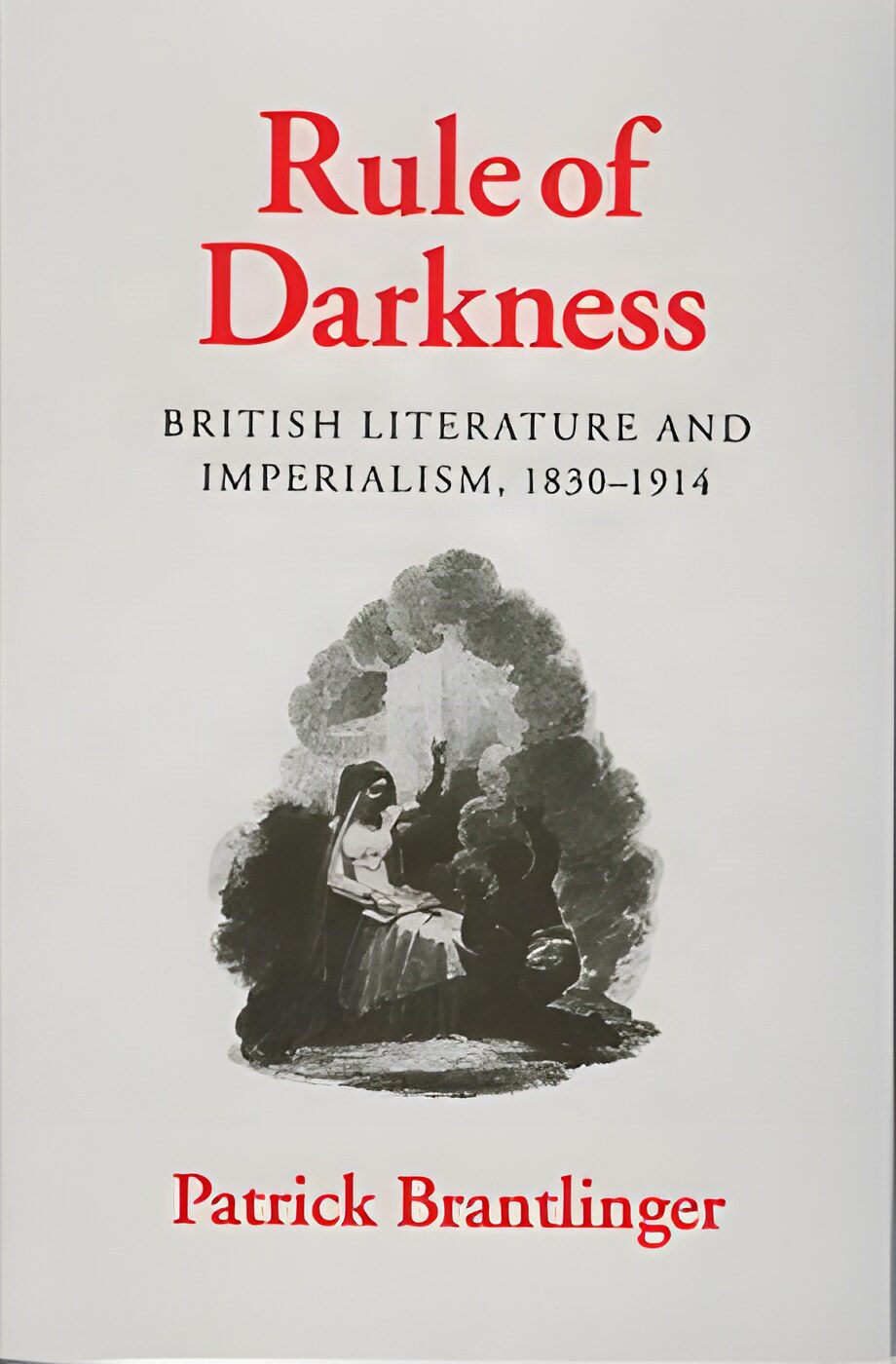
Softcover. Ithaca NY, Cornell University Press, reprint, 1990, Book: Very Good, Dust Jacket: None, Softcover, 309 pages. A major contribution to the cultural and literary history of the Victorian age, Rule of Darkness maps the complex relationship between Victorian literary forms, genres, and theories and imperialist, racist ideology. Critics and cultural historians have usually regarded the Empire as being of marginal importance to early and mid-Victorian writers. Patrick Brantlinger asserts that the Empire was central to British culture as a source of ideological and artistic energy, both supported by and lending support to widespread belief in racial superiority, the need to transform "savagery" into "civilization," and the urgency of promoting emigration. Rule of Darkness brings together material from public records, memoirs, popular culture, and canonical literature. Brantlinger explores the influence of the novels of Captain Frederick Marryat, pioneer of British adolescent adventure fiction, and shows the importance of William Makepeace Thackeray's experience of India to his novels. He treats a number of Victorian best sellers previously ignored by literary historians, including the Anglo-Indian writer Philip Meadows Taylor's Confessions of a Thug and Seeta. Brantlinger situates explorers' narratives and travelogues by such famous author-adventurers as David Livingstone and Sir Richard Burton in relation to other forms of Victorian and Edwardian prose. Through readings of works by Arthur Conan Doyle, Joseph Conrad, H. Rider Haggard, Rudyard Kipling, John Hobson, and many others, he considers representations of Africa, India, and other non-British parts of the world in both fiction and nonfiction. Clean, bright copy.
Hardcover. Baltimore, Johns Hopkins, 1st, 1981, Book: Very Good, Dust Jacket: Very Good, Hardcover in a bright dust jacket, 184 pages. Saving the Text cuts through Jacques Derrida's complex blend of philosophy, commentary, and elaborate wordplay to ascertain his place in the history of criticism and the significance of Glas as a literary event. Distinguished critic and scholar Geoffrey Hartman explores the usefulness of Derrida's style of close reading for English and American scholarship and establishes its relevance to the division that has arisen between European and Anglo-American critical approaches.
Hardcover. London, Ashgate, reprint, 2010, Book: Very Good, Dust Jacket: Very Good, 248 pages. Hardcover with dust jacket. Clean, unmarked copy with only minor wear to dust jacket. Silver gilt on spine. 'Like "the ring" itself, this book is viral: it gathers into itself literature and film, disease and survival, cultural studies and aesthetics, Japan and America, technology and the family. We won't read Suzuki's novels or watch the films in the same way again. A thoroughly readable and teachable text!' Steven Bruhm, Robert and Ruth Lumsden Professor of English, The University of Western Ontario, and author of Reflecting Narcissus: A Queer Aesthetic 'Taking as its point of departure the phenomenon of The Ring in all its manifestations"the Japanese novel, the Japanese film, the American film, and the various sequels"The Scary Screen offers an in-depth and sustained speculation about the anxiety created by the development of communication technologies. The collection introduces startling insights into the relationship between changes in media forms and widespread fears of contagion, while also identifying a new universal form of horror that has emerged in recent decades as the status of reproduction"both technological and biological"has undergone a profound transformation. The essays included here represent a powerful theoretical response to this transformation.' Todd McGowan, University of Vermont, and author of The Impossible David Lynch and The Real Gaze '... The Scary Screen is a useful contribution to studies of The Ring, horror film, and cultural anxieties evoked by technology.' Journal of the Fantastic in the Arts.
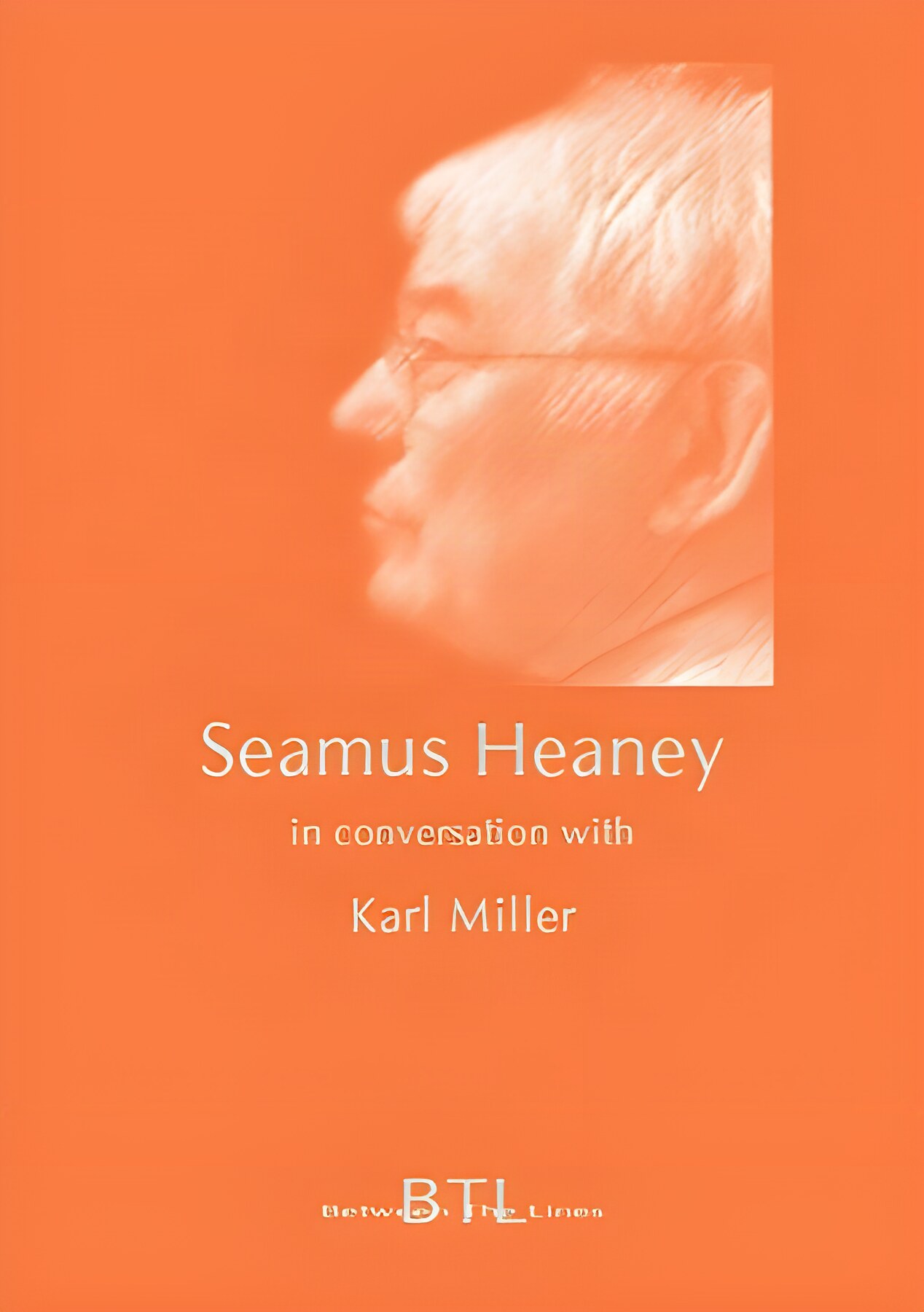
Softcover. London, Between the Lines, 1st, 2000, Book: Very Good, Dust Jacket: None, Softcover, 112 pages. A 17,000 word interview, with a career sketch, a comprehensive bibliography, and a representative list of quotations from Heaney's critics and reviewers. Also included is Heaney's poem, 'Known World'. Spine faded, clean copy.
Hardcover. New York, Viking Press, 1st, 1973, Book: Very Good, Dust Jacket: Very Good, 276 pages. Hardcover in a bright dust jacket. Clean, tight copy.
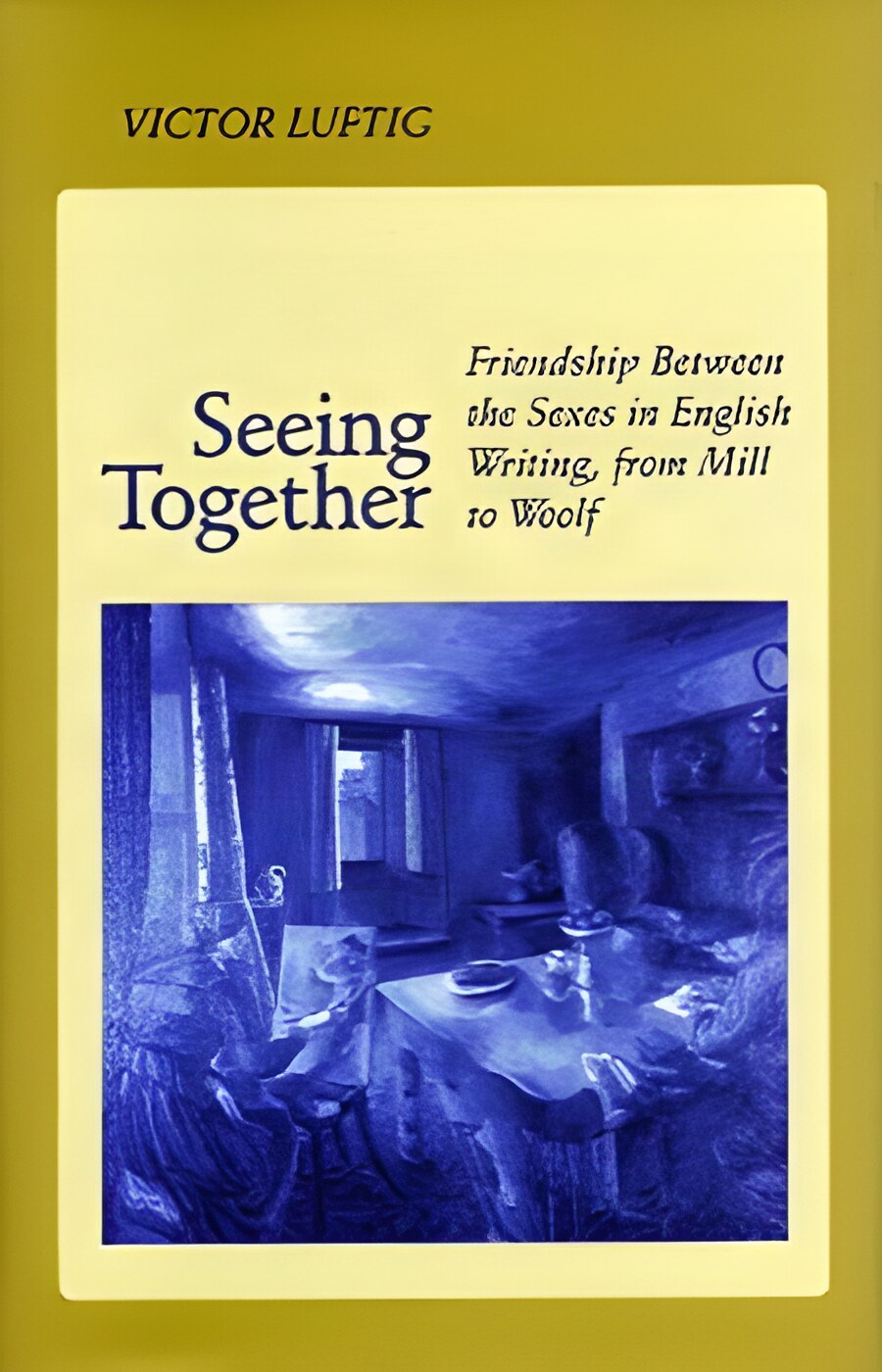
Hardcover. Stanford CA, Stanford University Press, 1st, 1993, Book: Very Good, Dust Jacket: Very Good, Hardcover in a bright dust jacket, 308 pages including index. Friendship between the sexes is notoriously difficult to describe. Seeing Together examines the efforts of some of England's key writers - from poets to propagandists - during a period when 'mere friendship' came to seem intensely important and when discussion of professional relations between men and women came to touch upon a troubling network of sexual, social and political dynamics. Among the authors discussed are John Stuart Mill, Robert Browning, George Eliot, Thomas Hardy, Henry James, Joseph Conrad, D. H. Lawrence and Virginia Woolf. Small name on fly leaf otherwise a bright, clean copy.



![Remarks on Clarissa (1749)by: [Fielding, Sarah]](https://www.browsingisarousing.com/shop/images/Remarks-on-Clarissa-1749_by_Fielding-Sarah386961-441314.jpg "Remarks on Clarissa (1749)by: [Fielding, Sarah]")
 "Repression And Recovery: Modern American Poetry & Politics Of Cultural Memory 1910-1945by: Cary Nelson")
 "Rereading (INSCRIBED COPY)by: Calinescu, Matei")
 "Resistance to Poetry, The (SIGNED COPY)by: Longenbach, James")




 "Robert Graves: Life on the Edgeby: Miranda Seymour")
 "Robert Indiana: Figures of Speechby: Ryan, Professor Susan Elizabeth")

 "Saving the Text: Literature/Derrida/Philosophyby: Geoffrey H. Hartman")
 "Scary Screen, The: Media Anxiety in The Ringby: Lacefield (Ed.), Kristin")
 "Second Flowering - Works and Days of the Lost Generation, Aby: Cowley, Malcolm")