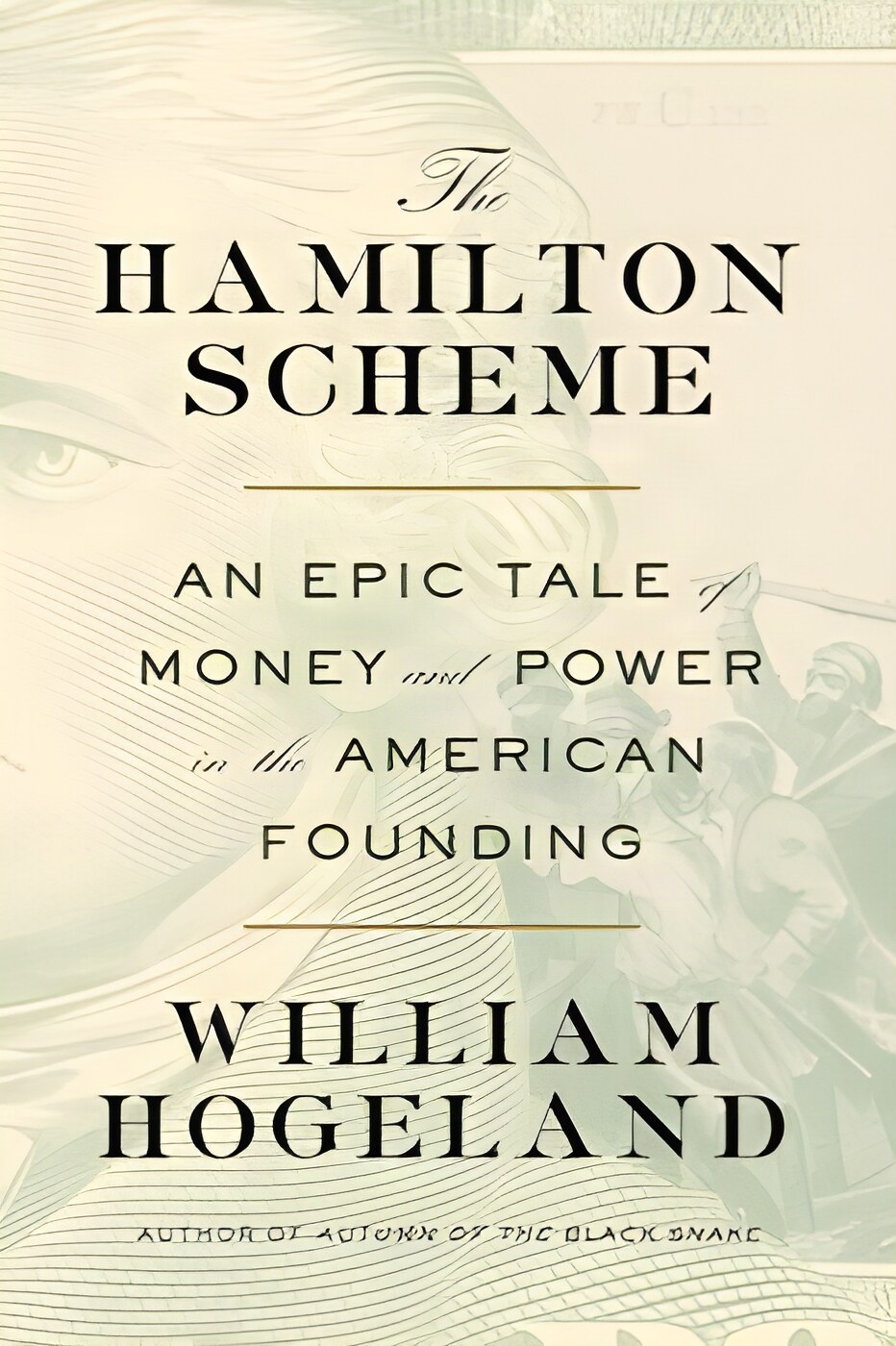
Hardcover. NY, Farrar, Straus and Giroux, 1st, 2024, Book: Very Good, Dust Jacket: Very Good, Hardcover in a bright dust jacket, 525 pages. "Forgotten founder" no more, Alexander Hamilton has become a global celebrity. Millions know his name. Millions imagine knowing the man. But what did he really want for the country? What risks did he run in pursuing those vaulting ambitions? Who tried to stop him? How did they fight? It's ironic that the Hamilton revival has obscured the man's most dramatic battles and hardest-won achievements-as well as downplaying unsettling aspects of his legacy. Thrilling to the romance of becoming the one-man inventor of a modern nation, our first Treasury secretary fostered growth by engineering an ingenious dynamo-banking, public debt, manufacturing-for concentrating national wealth in the hands of a government-connected elite. Seeking American prosperity, he built American oligarchy. Hence his animus and mutual sense of betrayal with Jefferson and Madison-and his career-long fight to suppress a rowdy egalitarian movement little remembered today: the eighteenth-century white working class. Clean copy.
Hardcover. New York, AMS Press, Inc. , Reprint, 1967, Book: Very Good, Dust Jacket: None, 455 pages. Hardcover. Reprint of 1936 edition. B/w illustrations (maps/diagrams). Blue cloth cover boards, gilt title on spine. Pages unmarked. Spine straight. Binding tight. Very good condition throughout. This volume is not only an admirable study in social and economic history, but a unique and valuable contribution to the history of American agriculture as well.
Hardcover. NY, Creative Age Press, 2nd pr., 1944, Book: Very Good, Dust Jacket: Fair, Hardcover in a worn, chipped dust jacket. 368 pages, red cloth, black border and gilt title on upper cover. Black label with gilt title on spine. Second printing copy of this detailed look at FDR's New Deal. Jacket art by C.B. Falls. Some tape repair to dj, name on inside front cover hidden by dj flap. Otherwise a clean copy,
Hardcover. NY, Burdick Brothers, reprint, 1857, Book: Very Good, Dust Jacket: None, Hardcover, embossed brown cloth with gilt lettering on spine. Ninth thousand. The Impending Crisis is often considered the only popular antislavery work by a southern author prior to the outbreak of the Civil War. Helper (1829-1909)'s argument that "slavery was economically unsound" caused this work to be "officially banned in the South"; in the North, it "vied in popularity and influence with Uncle Tom's Cabin" (Howes). The book stoked fears among southern slaveholders that the "North would promote a class conflict among southern whites," and helped drive many towards secessionism. Bookplate on inside front cover, front fly leaf missing. Otherwise a clean copy in exceptionally nice condition.
Softcover. NY, Red Sea Press, 1st, 2018, Book: Very Good, Dust Jacket: None, Softcover, 321 pages. This book tells the story about an African Jewish community known as the Beta Israel that used to live in the northern part of Ethiopia. They were repatriated to Israel in many waves with the aid of the Israeli government and the Jewish Diaspora. The Beta Israel had struggled and faced hardships in order to live out their destiny which was to migrate to the Promised Land. However, their struggle did not stop there. They have had to struggle again to overcome unexpected and new challenges after their long anticipated migration. The book is organized around these two issues. The early chapters of the book describe the quest for Beta Israel identity within Ethiopia and explore their origins. The discussion on this topic is based on mainly textual analyses of previous works on the Beta Israel. It outlines their history and explores their origins. It examines whether the different types of oppressive Ethiopian regimes have contributed to their decision to leave for the Promised Land. It sketches the socio-economic background of the twentieth-century Aliyah, and briefly analyses the impact of the political upheavals in Ethiopia between 1974 and 1991 when the Derg, the post Haile Selassie military regime, was in power.
Hardcover. NY, Oxford University Press, 1st, 1985, Book: Very Good, Dust Jacket: Very Good, Hardcover in a bright, unclipped dust jacket, 364 pages. The Second World War's Pacific conflict was one of the most complex in history. It embrioled peoples from opposite sides of the globe; it was fought in China, across the expanses of the Pacific, and in the jungles of Southeast Asia; and it was devastating in its consequences for civilians and servicemen alike. It saw the first use of atomic weapons, hastened the end of the Western empires in Asia, and marked America's rise to the position of the most powerful nation in the world. Christopher Thorne, whose previous studies of the war in the Pacific have become landmarks in the field, here weaves together both the entire network of international relations surrounding the war and the impact the war had on all the societies involved--Indian as well as American; Australian and New Zealand as well as Japanese; Korean, Chinese, and Southeast Asian as well as British, French, and Dutch. The Issue of War draws on material gathered over many years in the Far East, Western Europe, and the U.S.--material including wartime films, broadcasts, and newspapers,as well as countless private and offical papers. Representing a synthesis of military, diplomatic, economic, intellectual, and social history, it not only places the war in the context of developments before 1941, but illuminates various patterns that cut across the familiar distinctions between Asia and the West or between Japan and the Allies. Name on front fly leaf, otherwise clean.
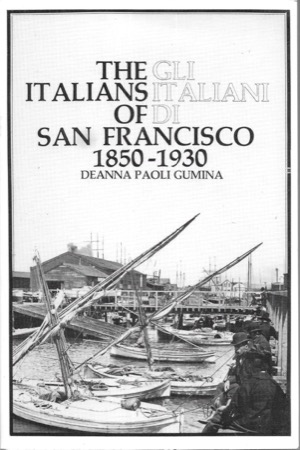
Softcover. NY, Center For Migration Studies, 3rd pr., 1999, Book: Very Good, Dust Jacket: None, Softcover, 230 pages. The Italians of San Francisco is the first comprehensive description of the economic and social aspects of the Italian migratory experience in San Francisco to be presented in a side-by-side bilingual edition, providing teachers and students of Italian and English with a linguistically definitive and an historically important learning tool. This text pieces together the fragmented story of one of the largest immigrant groups to come to California charting the history of their economic and social development as it began in San Francisco, and as it was to be found throughout California. The Italians of San Francisco tells the story of a community whose strength was maintained in the vibrancy and perseverance of its members, and whose accomplishments were achieved through the ambition and efforts of each of its members. Clean copy.
Softcover. NY, Macmillan, reprint, 1963, Book: Good, Dust Jacket: None, Softcover, 674 pages, b&w illustrations. According to Keynes' biographer, "Keynes' contributions to the theory of economics tended to be closely related to his practical proposals, and these in turn were also influenced by his general philosophy. An understanding of the background of his thought is indispensable for a correct interpretation of his conclusions. Furthermore, I venture to think that those who come after will be interested in Keynes, not only on account of his teachings and influence, but also for what he was in himself. If I am right in supposing that he was one of the greatest Englishmen of his age, then it is expedient that an attempt should be made to bring together all the varied aspects of his character and interests into a single biography." Light shelfwear.
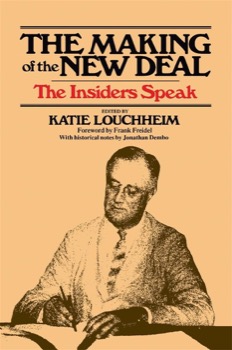
Hardcover. Cambridge MA, Harvard University Press, 1st, 1983, Book: Very Good, Dust Jacket: Good, Hardcover in lightly worn dust jacket with sunning to spine, 368 pages. There has never been a phenomenon in American life to equal the invasion of Washington by the young New Dealers, hundreds of men and women still in their twenties and thirties, brilliant and dedicated, trained in the law, economics, public administration, technology, pouring into public life to do nothing less than restructure American society. They proposed new programs, drafted legislation, staffed the new agencies. They were active in the Administration, the Congress, the courts, the news media. They fanned out all over America to discover the facts, plan ways of easing the pain of their foundering country, and report on the results. Many of them went on to be rich, famous, and powerful, but their early experience in Washington was perhaps the most inspiriting of their lives. Katie Louchheim was among those who arrived in Washington in the 1930s, and being a keen writer as well as the wife of a member of the SEC, she had a front-row seat for the spectacle of social progress. Now, a half-century later, she has gathered reminiscences from her old friends and colleagues, interviewed others, and woven them together into a lively, informal word-picture of that exciting time. Name on front fly leaf, otherwise clean.
Hardcover. Seattle, University of Washington Press, 1st, 2003, Book: Very Good, Dust Jacket: Very Good, Hardcover in a bright dust jacket. 290 pages, b&w illustrations. In 1896, a small group of prospectors discovered a stunningly rich pocket of gold at the confluence of the Klondike and Yukon rivers, and in the following two years thousands of individuals traveled to the area, hoping to find wealth in a rugged and challenging setting. Ever since that time, the Klondike Gold Rush - especially as portrayed in photographs of long lines of gold seekers marching up Chilkoot Pass - has had a hold on the popular imagination. In this first environmental history of the gold rush, Kathryn Morse describes how the miners got to the Klondike, the mining technologies they employed, and the complex networks by which they obtained food, clothing, and tools. She looks at the political and economic debates surrounding the valuation of gold and the emerging industrial economy that exploited its extraction in Alaska, and explores the ways in which a web of connections among America's transportation, supply, and marketing industries linked miners to other industrial and agricultural laborers across the country. The profound economic and cultural transformations that supported the Alaska-Yukon gold rush ultimately reverberate to modern times. Clean copy.
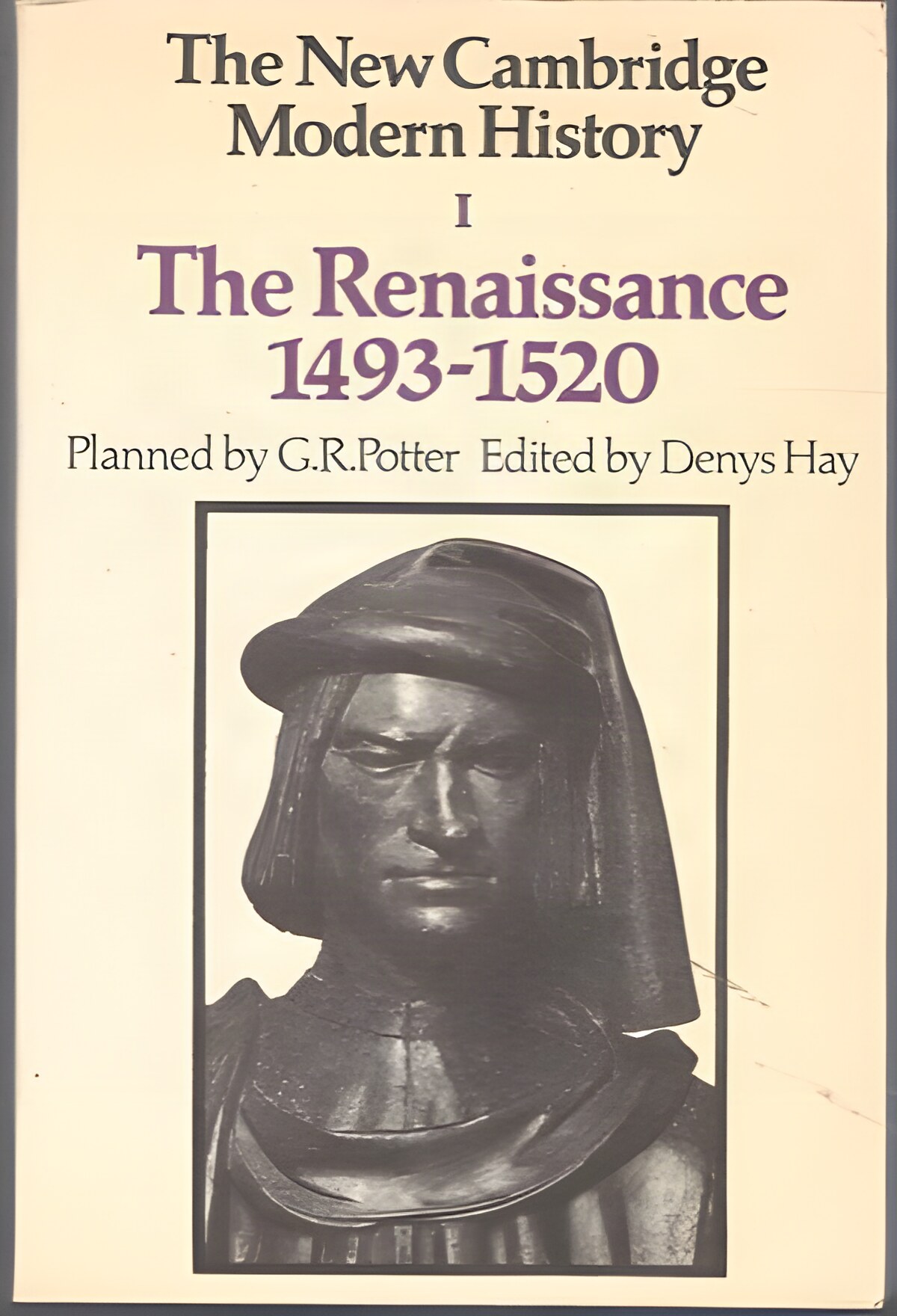
Softcover. Cambridge UK, Cambridge University Press, reprint, 1975, Book: Very Good, Dust Jacket: None, Softcover, 532 pages. In a preface written for this paperback edition, Professor Hay examines some of the changes in Renaissance scholarship since the first publication of this volume in 1957. Successive chapters examine the social and economic structure of a continent about to establish trade and colonies in the New World, the intellectual and artistic movements which made up the Renaissance, the position of the Church on the eve of the Reformation, the political inheritance of the Middle Ages, with its rising nation states, and the growth of the Ottoman Empire. Clean copy.
Hardcover. NY, Verso, 1st, 2009, Hardcover in a bright, unclipped dust jacket, 561 pages. The New Old World looks at the history of the European Union, the core continental countries within it, and the issue of its further expansion into Asia. It opens with a consideration of the origins and outcomes of European integration since the Second World War, and how today's EU has been theorized across a range of contemporary disciplines. It then moves to more detailed accounts of political and cultural developments in the three principal states of the original Common Market-France, Germany and Italy. A third section explores the interrelated histories of Cyprus and Turkey that pose a leading geopolitical challenge to the Community. The book ends by tracing ideas of European unity from the Enlightenment to the present, and their bearing on the future of the Union. The New Old World offers a critical portrait of a continent now increasingly hailed as a moral and political example to the world at large. Clean copy.
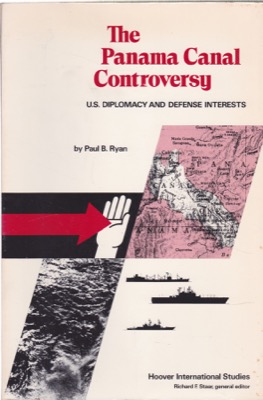
Softcover. Stanford CA, Hoover Institution Press, 1st, 1977, Book: Very Good, Dust Jacket: None, Softcover, 198 pages. History, politics, economics, and diplomacy surrounding the Panama Canal controversy in the 1970s. Illustrations., maps, appendix, bibliographic note, index. Name on front fly leaf, otherwise clean.
Hardcover. London, Routledge & Kegan Paul , 1st, 1981, Book: Very Good, Dust Jacket: Very Good, Hardcover in a bright dust jacket, 366 pages. This book concerns itself with the different ways in which money is used, the relationships which then arise, and the institutions concerned in maintaining its various functions. Thomas Crump examines the emergence of institutions with familiar and distinctive monetary roles: the state, the market and the banking system. However, other uses of money - such as for gambling or the payment of fines - are also taken into account, in an exhaustive, encyclopedic treatment of the subject, which extends far beyond the range of conventional treatises on money. Clean copy.
Hardcover. Chicago, University of Chicago Press, 1st, 1988, Book: Very Good, Dust Jacket: Very Good, Hardcover in a bright dust jacket, 178 pages. The drama is the most social of the arts, depending upon physical space, audience, and social factors for its existence. It is no surprise, therefore, that the most successful criticism approaches theater the way Barber and Mullaney do: as historical artifact. Barber is the better known, having authored the classic Shakespeare's Festive Comedy (1959); the present volume is based on his papers and examines three early Elizabethan tragedies"Tamburlaine" and "Dr. Faustus" by Marlowe and "The Spanish Tragedy" by Kyd. Particularly interested in locating these plays in the unstable religious atmosphere of the late 16th century, Barber ably demonstrates his understanding of the social, historical, and economic factors that defined the era. Mullaney takes the novel approach of examining the theater in light of London topography; the title thus refers to the physical location of the playhouses as well as the social importance of the theater. Mullaney points out that the prejudice that forced the great theaters of the age to operate outside the city walls encouraged a drama that was radical and iconoclastichence its greatness. Mullaney's argument is fascinating and thought-provoking, convincingly presented. Clean copy.
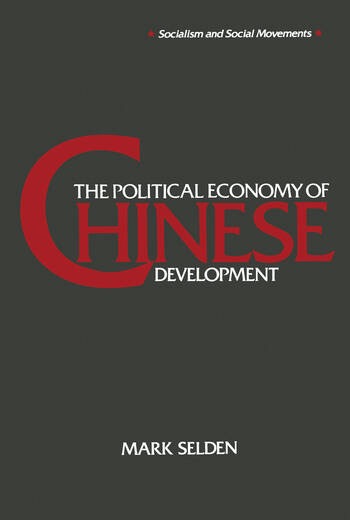
Softcover. Armonk NY, M.E. Sharpe, 1st pbk, 1993, Book: Very Good, Dust Jacket: None, Softcover, 272 pages. "The Political Economy of Chinese Socialism" re-conceptualized the political economy of China by highlighting the changing character of urban-rural and state-society conflicts in the era of Mao Zedong's leadership and in the contemporary post-Mao reforms. The economic and social crises that engulfed China - and indeed much of the rest of the socialist world - in the late 1980s, culminating in the 1989 democratic movement and its suppression, stimulated a rethinking of central propositions of the first edition. It particularly led the author to inquire anew into the meaning of socio-political as well as economic development in a populous and poor agrarian nation. This volume, then, assesses the economic performance and social consequences of China's political economy over four decades, with a focus on China's countryside and city-countryside relations.
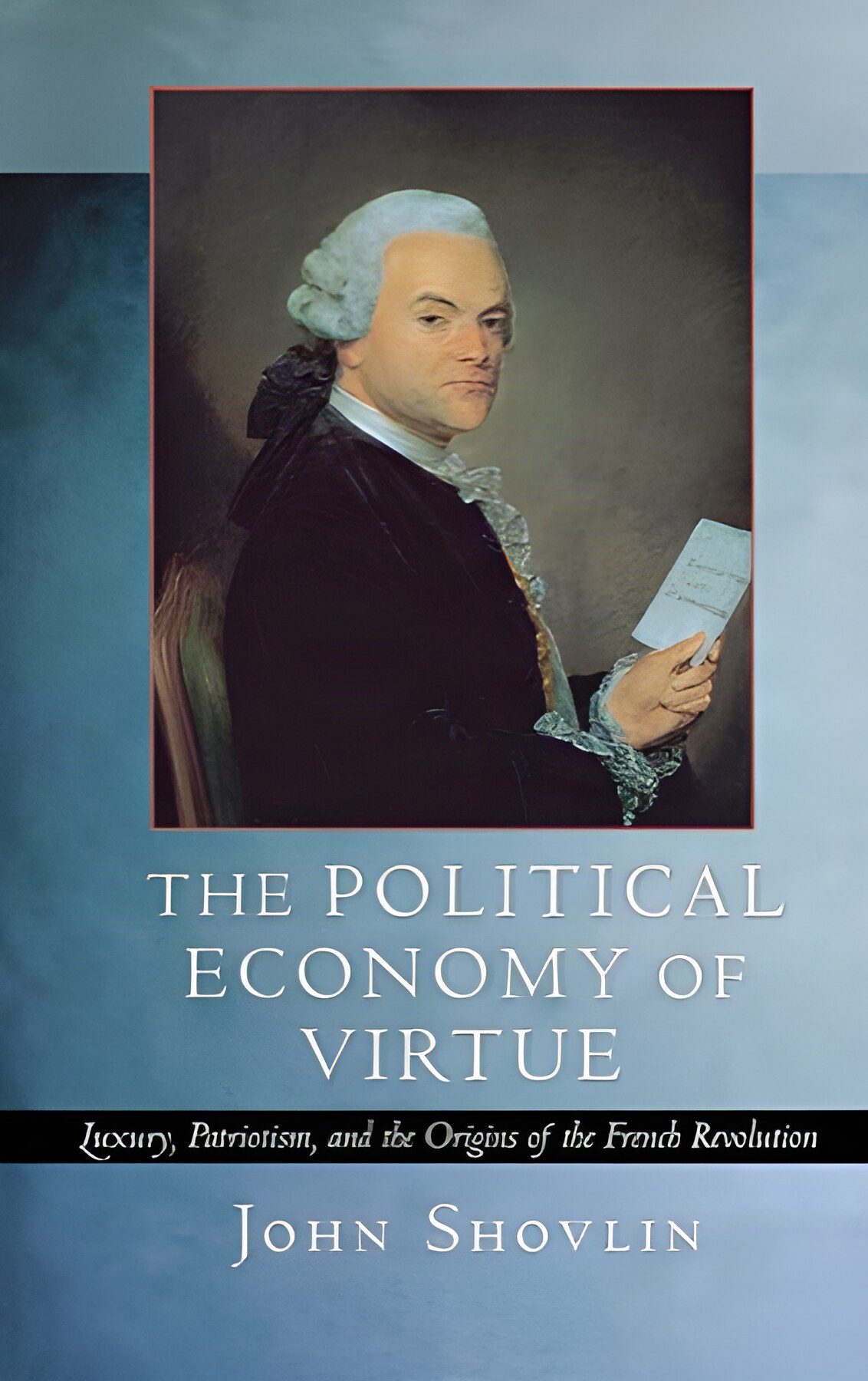
Softcover. Ithaca NY, Cornell University Press, 1st pbk., 2007, Book: Very Good, Dust Jacket: None, Softcover, 265 pages. Drawing on hundreds of political economic tracts published in France between the 1740s and the early nineteenth century, Shovlin shows how mid-level French elites (magistrates, clerics, lawyers, soldiers, landed gentlemen) sought to balance their interests and values with the need to regenerate a nation that had seemingly entered a period of decline. In their view, France's moral, political, and economic power depended not simply on expanding the national wealth but also on reviving civic spirit. The "political economy of virtue" held that luxury was the cause of the nation's economic and moral degeneration. When the monarchy failed to reform its political economic structures in the 1760s and 1770s, mid-level elites sought to eliminate the stranglehold of the plutocracy. Clean copy.
Softcover. Cambridge UK, Cambridge University Press, reprint, 1995, Book: Very Good, Dust Jacket: None, Softcover, 290 pages. This study provides a comprehensive reinterpretation of the meaning of Locke's political thought. John Dunn restores Locke's ideas to their exact context, and so stresses the historical question of what Locke in the Two Treatises of Government was intending to claim. By adopting this approach, he reveals the predominantly theological character of all Locke's thinking about politics and provides a convincing analysis of the development of Locke's thought. In a polemical concluding section, John Dunn argues that liberal and Marxist interpretations of Locke's politics have failed to grasp his meaning. Locke emerges as not merely a contributor to the development of English constitutional thought, or as a reflector of socio-economic change in seventeenth-century England, but as essentially a Calvinist natural theologian. Name on front fly leaf, otherwise clean.
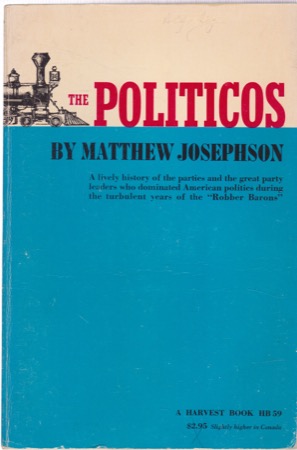
Softcover. NY, Harcourt, Brace & World, reprint, 1963, Book: Very Good, Dust Jacket: None, Softcover, 760 pages. This is a frank and insightful analysis of the political and economic influences in the United States during the Reconstruction Era, covering the years immediately after the Civil War and the death of Abraham Lincoln, and ending shortly before the Spanish-American War. Originally published in 1938. Name on front fly leaf, otherwise clean.
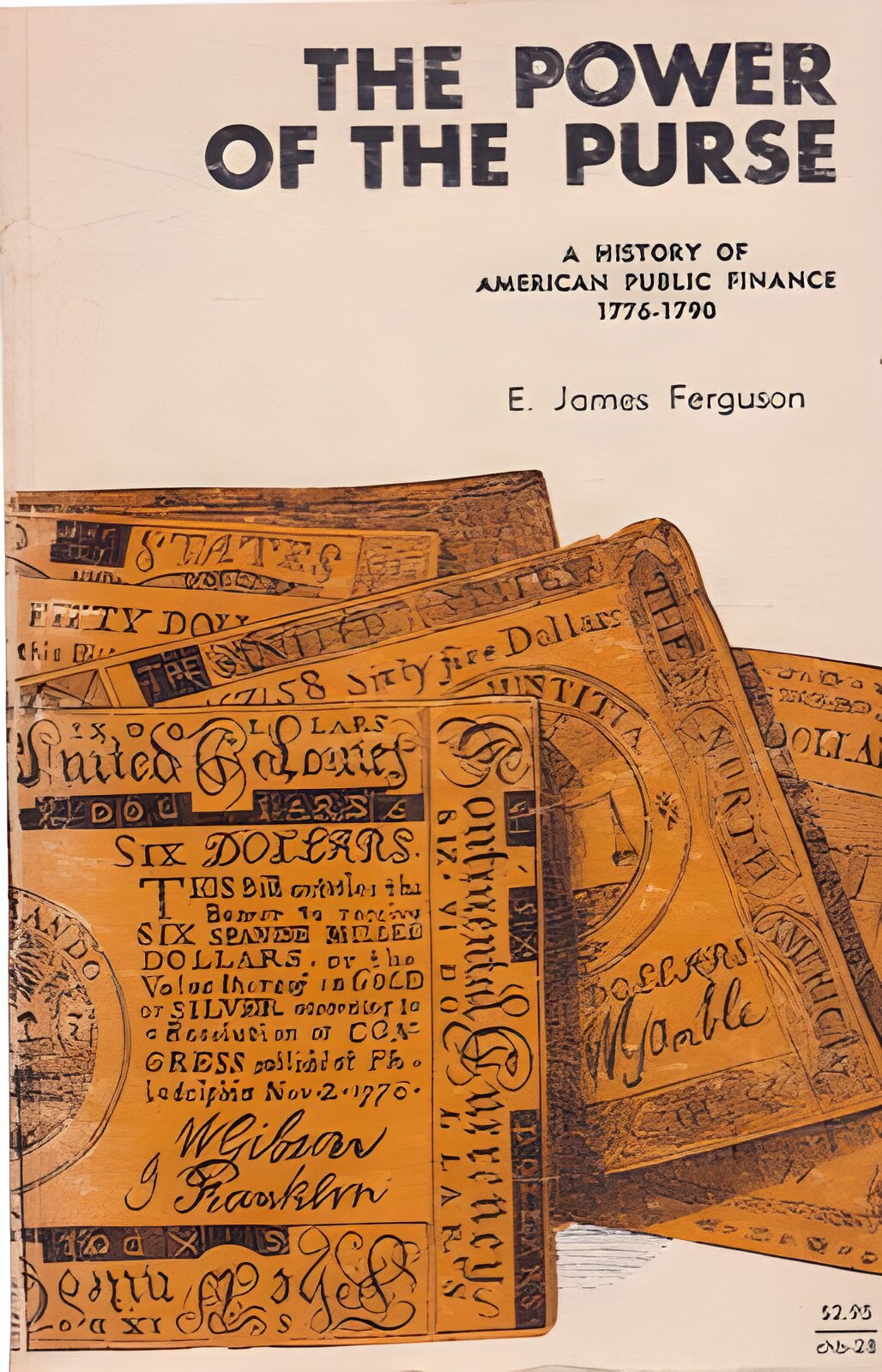
Softcover. Chapel Hill, University of North Carolina Press, 1st, 1961, Book: Very Good, Dust Jacket: None, Softcover, 358 pages with index. In The Power of the Purse, E. James Ferguson examines the intricate financial history of the American Revolution and the Confederation and connects it to political and constitutional developments in the period. Whether states or Congress should pay the debts of the Revolution and collect the taxes was a pivotal question whose solution would largely determine the country's progress toward national union. Ultimately, says Ferguson, the Revolutionary debt fulfilled an important purpose as a "bond of union." Ferguson's masterful analysis has become a classic among the literature on the American Revolution. Name on front fly leaf, otherwise clean.
Softcover. NY, Harper Torchbooks, reprint, 1966, Book: Very Good, Dust Jacket: None, Softcover, 302 pages. This book presents the historical setting of the industrial revolution in a form suitable for the general reader. It seeks to explain why 18th-century England was the theatre of the great series of mechanical inventions that caused the revolution, and what were the great social changes that preceded, accompanied and followed it. Clean copy.
Hardcover. Indianapolis, Liberty Press, 1st, 1976, Book: Very Good, Dust Jacket: Good, Hardcover in a worn, chipped dust jacket. 293 pages. SIGNED BY CHAMBERLAIN on title page, also INSCRIBED by him on the front fly leaf. Capitalism is a system that can stand on its own attainments, says John Chamberlain, and he offers here a fast-paced, provocative look at the intellectual forces and practical accomplishments that have created American capitalism. In clear, unequivocal language he discusses the ideas responsible for our economic institutions, the originators of these ideas, and the times in which they first became important. The political theories of the men who hammered out the Magna Carta and the Declaration of Independence; the thinking of John Locke, James Madison, and Adam Smith; the deeds and discoveries of the James Watts, Eli Whitneys, and Henry Fords-all these diverse elements are shown to be part of the tradition of a free society in which American capitalism has grown and flourished. A unique blend of political and economic theory and the practical accomplishments of businessmen and innovators, The Roots of Capitalism provides valuable insights into the ideas underlying the free economy. Clean copy.
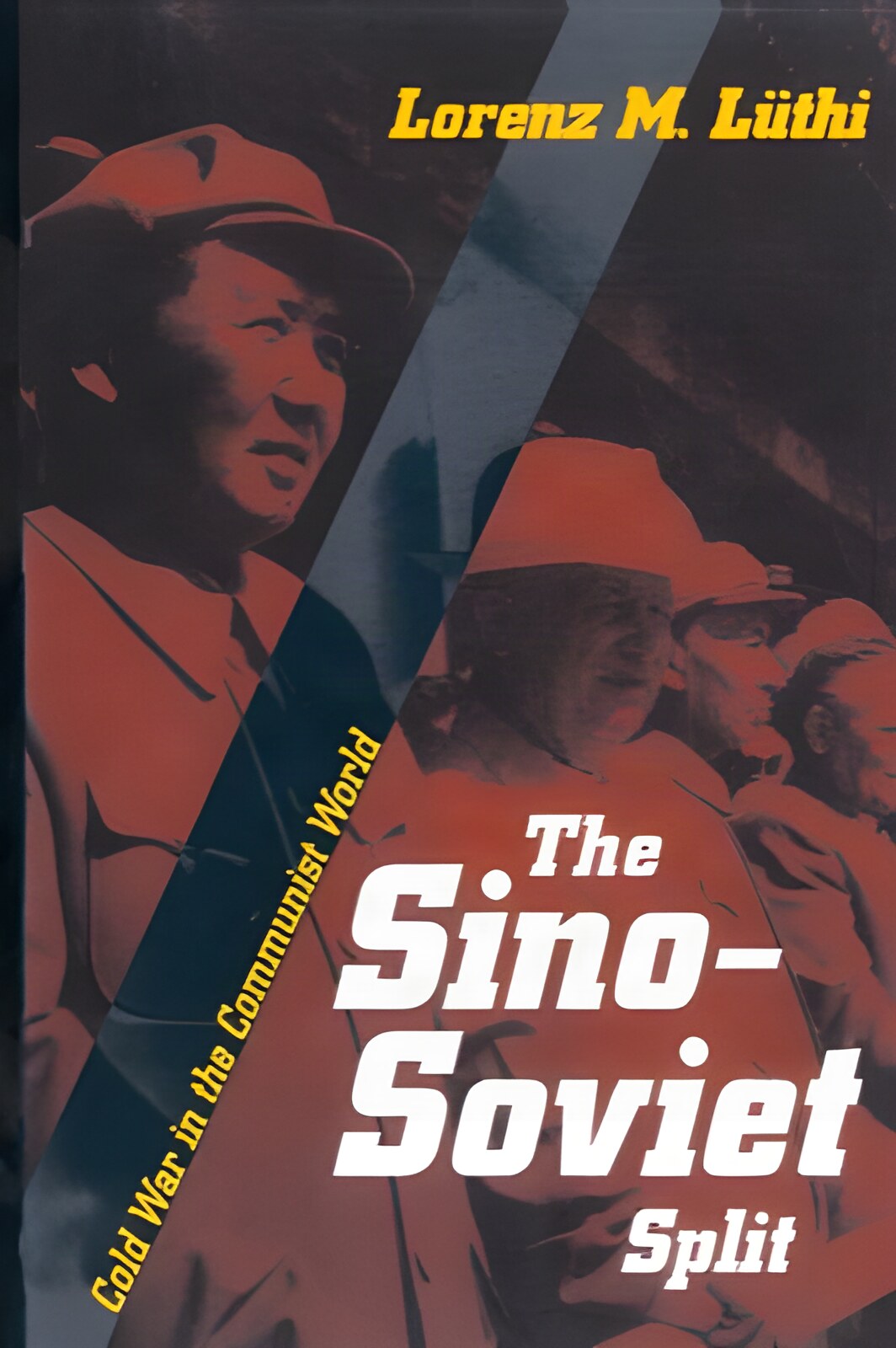
Softcover. Princeton NJ, Princeton University Press, 3rd pr., 2008, Book: Very Good, Dust Jacket: None, Softcover in pictorial wraps, 375 pages, maps. A decade after the Soviet Union and the People's Republic of China established their formidable alliance in 1950, escalating public disagreements between them broke the international communist movement apart. In The Sino-Soviet Split, Lorenz Luthi tells the story of this rupture, which became one of the defining events of the Cold War. Identifying the primary role of disputes over Marxist-Leninist ideology, Luthi traces their devastating impact in sowing conflict between the two nations in the areas of economic development, party relations, and foreign policy. The source of this estrangement was Mao Zedong's ideological radicalization at a time when Soviet leaders, mainly Nikita Khrushchev, became committed to more pragmatic domestic and foreign policies. Using a wide array of archival and documentary sources from three continents, Luthi presents a richly detailed account of Sino-Soviet political relations in the 1950s and 1960s. He explores how Sino-Soviet relations were linked to Chinese domestic politics and to Mao's struggles with internal political rivals. Furthermore, Luthi argues, the Sino-Soviet split had far-reaching consequences for the socialist camp and its connections to the nonaligned movement, the global Cold War, and the Vietnam War. Clean copy.







 "The Life of John Maynard Keynesby: R. F. Harrod")
 "The Nature of Gold: An Environmental History of the Klondike Gold Rushby: Morse, Kathryn")


 "The Place of the Stage: License, Play, and Power in Renaissance Englandby: Mullaney, Steven")
 "The Political Thought of John Locke: An Historical Account of the Argument of the 'Two Treatises of Government'by: Dunn, John/John Locke")

 "The Rise of Modern Industry by: Hammond, J. L. and Barbara")