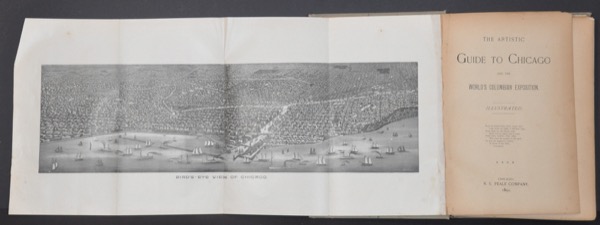
Hardcover. Columbian Art Company, 1st, 1892, Book: Very Good, Dust Jacket: None, Hardcover, bound in gray cloth with black and gilt titles and black embossed images to front. Illustrated with a fold-out frontispiece and with several full-page black and white illustrations, styled as plates, all illustrations in black and white. First published by R.S. Peale Co. the year before. A lovely overview of tourist spots in Chicago that World's Fair attendees could visit while enjoying the fair.
Hardcover. NY, Ecco Press, 1st, 1984, Book: Very Good, Dust Jacket: Very Good, Hardcover in a bright dust jacket, 101 pages. In Fort Bragg, North Carolina, three recent paratrooper training graduates are temporarily attached to an airborne infantry company as they await orders to report to Vietnam. Because most of the men in the company fought together in Vietnam, the three newcomers are treated as outsiders and ignored. When money and personal property are discovered missing from the barracks, suspicion falls on the three newcomers. The narrative structure of the book contains several shifts of tone and point of view as the story unfolds. Clean copy.
Hardcover. Houston, Rice University, 1st, 1990, Book: Very Good, Dust Jacket: None, Hardcover, embossed blue cloth covers, 143 pages. Comprised of 72 duotone images, explanatory text, and an afterword co-authored with Anne W. Tucker, this elegant book presents a view of an area of the United States often passed over; this is deep East Texas, where Keith Carter grew up. "Keith Carter's luminous, poetic photographs are moving documents of people and places where time seems to have stopped. They tell the story of hard lives lived with simple dignity outside the frantic movement and gaudy neon of the big city."--the publisher. No dust jacket, clean copy. This is a heavy and oversized book and will require extra shipping. International customers please ask for a shipping quote before purchasing.
Softcover. U. S. Department of the Interior, 1st, 2007, Book: Very Good, Dust Jacket: None, Softcover, horizontal format, 264 pages with b&w illustrations plus 14 pages of vintage packaging labels in rear. Chronicles the world's greatest concentration of salmon and canneries and their influence on Native and non-Native people in southwestern Alaska. This book documents long abandoned canneries, and those still in use, during the hey-day in the late nineteenth and early twentieth centuries with maps, historic photographs, and first hand accounts that give the reader an impression of the unique Bristol Bay way of life. Also offers a view of life upriver, during the winter, along the length and breadth of the three great salmon rivers in the Bay, The Nushagak, the Kvichak, and the Naknek. Historic photographs document a variety of cabins, houses, caches, and some of the people who built them and relied on them for shelter and storage. NOTE: front cover is missing so title page serves as cover, otherwise a clean, tight copy of this scarce regional history.
Hardcover. NY, Basic Books, 4th pr., 2017, Book: Very Good, Dust Jacket: Very Good, Hardcover in a bright dust jacket, 710 pages. We think of the Cold War as a clash of two superpowers, the United States and the Soviet Union. But in The Cold War, award-winning historian Odd Arne Westad argues that the war must be understood as a global confrontation, with roots in the Industrial Revolution and ongoing repercussions around the world. The Cold War may have begun on the perimeters of Europe, but it had its deepest reverberations in Asia, Africa, and the Middle East. Stunning in its breadth and revelatory in its perspective, The Cold War expands our understanding of the Cold War both geographically and chronologically, and offers a new history of how today's world was creased. Clean copy.
Hardcover. Washington DC, Brookings Institution Press, 1st, 2021, Book: Very Good, Dust Jacket: Very Good, Hardcover in a bright dust jacket, 305 pages. Disinformation. Trolling. Conspiracies. Social media pile-ons. Campus intolerance. On the surface, these recent additions to our daily vocabulary appear to have little in common. But together, they are driving an epistemic crisis: a multi-front challenge to America's ability to distinguish fact from fiction and elevate truth above falsehood. In this path-breaking book, Jonathan Rauch reaches back to the parallel eighteenth-century developments of liberal democracy and science to explain what he calls the "The Constitution of Knowledge" our social system for turning disagreement into truth. By explicating the Constitution of Knowledge and probing the war on reality, Rauch arms defenders of truth with a clearer understanding of what they must protect, why they must do it, and how they can do it. His book is a sweeping and readable description of how every American can help defend objective truth and free inquiry from threats as far away as Russia and as close as the cellphone. Clean copy.
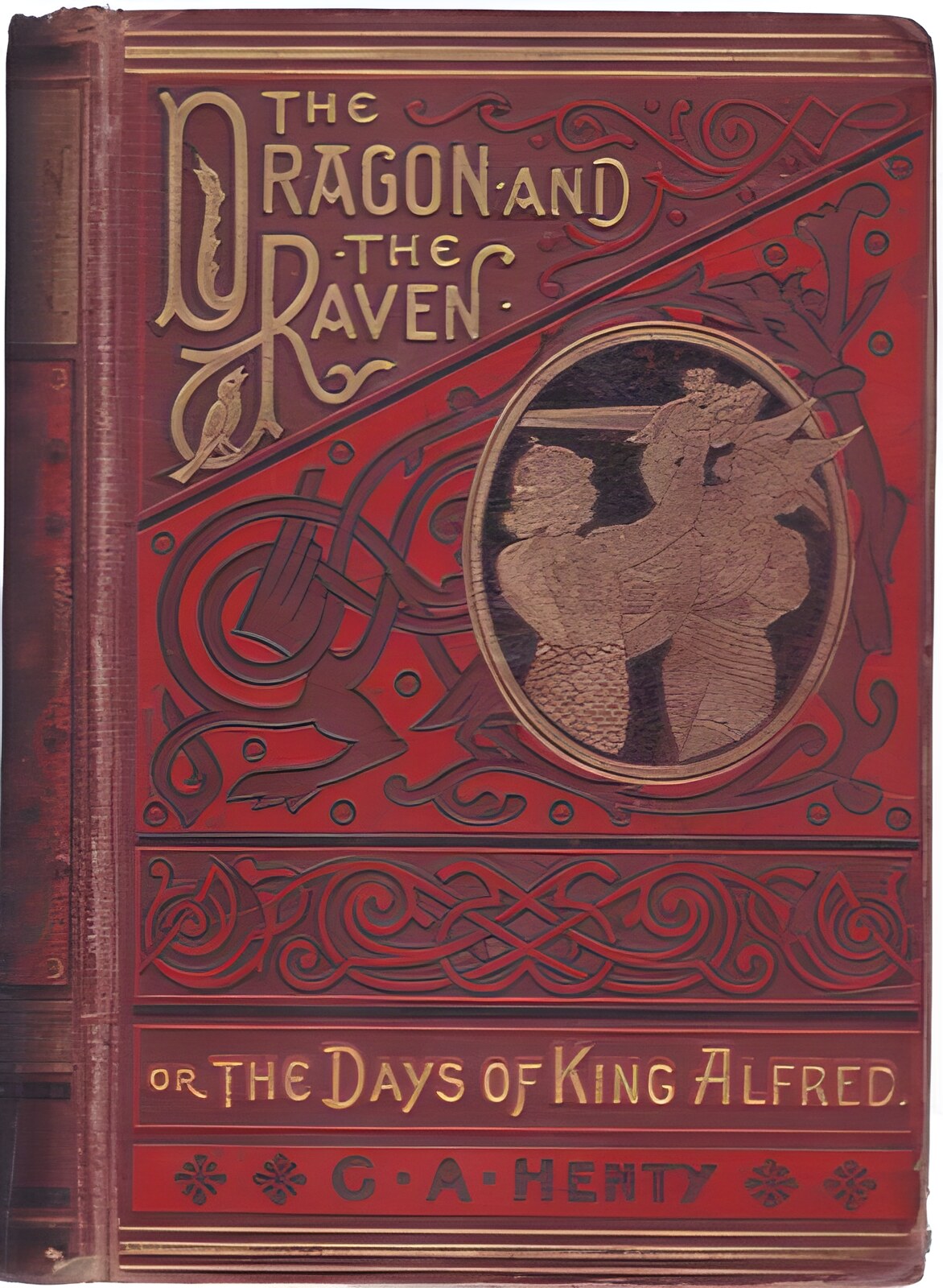
Hardcover. London, Blackie & Son, nd, Book: Good, Dust Jacket: None, Hardcover with ornate decoration to covers in gilt and 2-colors, 352 pages. A short Preface by Henty. In this story the author gives an account of the fierce struggle between Saxon and Dane for supremacy in England, and presents a vivid picture of the misery and ruin to which the country was reduced by the ravages of the sea-wolves. The hero, a young Saxon thane, takes part in all the battles fought by King Alfred. He is driven from his home, takes to the sea, and resists the Danes on their own element, and being pursued by them up the Seine, is present at the long and desperate siege of Paris. Eight b&w plates by C.J. Staniland. Worn copy with cracked hinges. Spine slightly cocked. Interior clean.
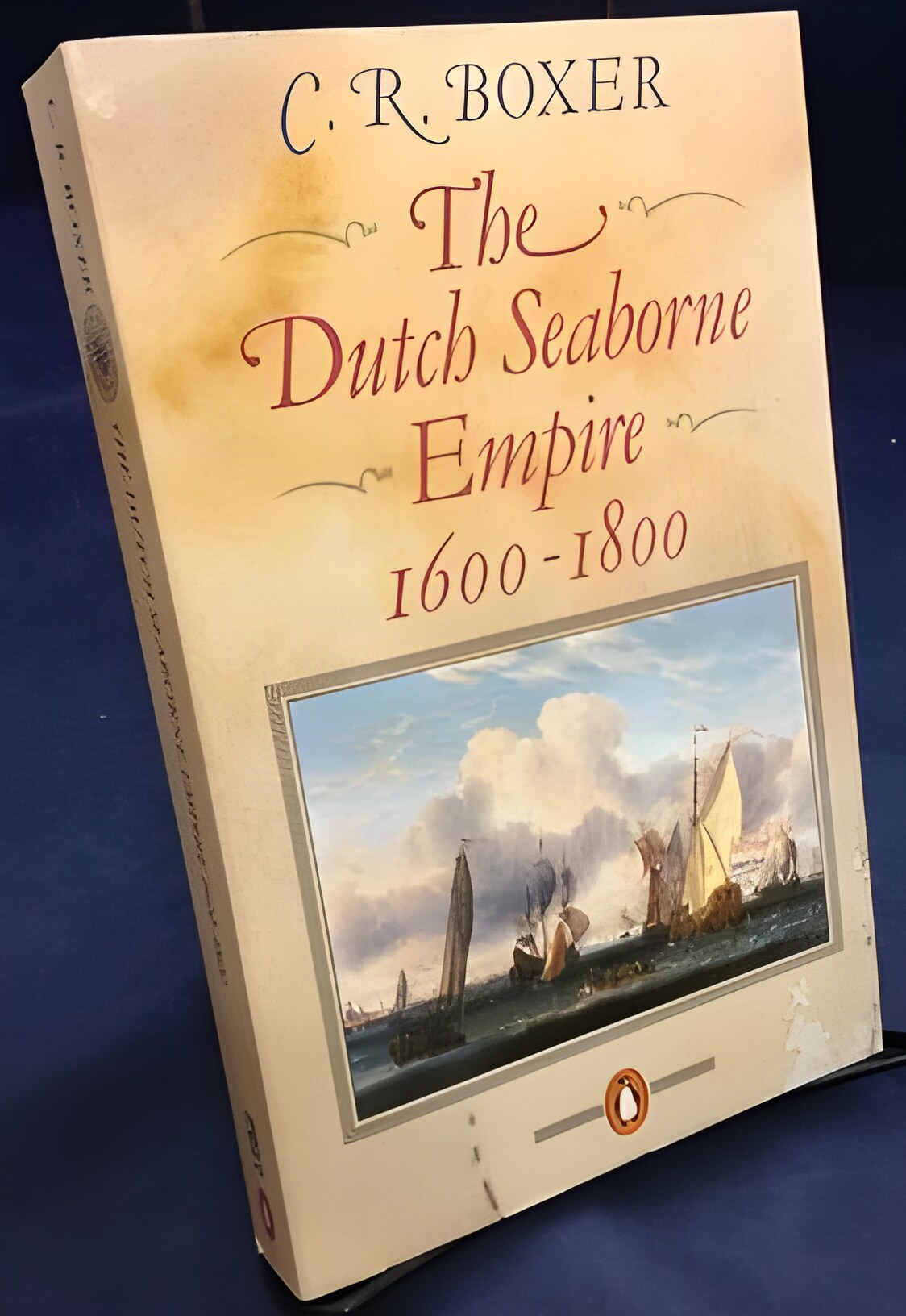
Softcover. NY, Penguin Books, reprint, 1990, Book: Very Good, Dust Jacket: None, Softcover, 363 pages. Despite ceaseless conflict between different classes and cities, Holland's rise to power was almost miraculously rapid. In a few short years a tiny country gained control of territory from Indonesia to the West Indies, from South Africa to South America. In this marvelously evocative book Professor Boxer recaptures the scenes of adventure and dissipation in the four corners of the earth , the up surge in the arts and sciences, and the sad decoines from the ' Golden Century' to the 'Periwig Period'. Few stories could be as rich and colorful, yet it was largely inspired by the ' grave and sober people of Holland', the Calvinist merchants of Amsterdam who forged a nation based on ' gain and godliness'. Such were the people whom Rembrandt painted, who debated policies of apartheid or assimilation, who founded factories and forts. The Dutch Seaborne empire offers a portrait of them all, as they made their spectacular entrance into the modern world. Clean copy.
Softcover. Princeton University Press, 1st, 1983, Book: Very Good, Dust Jacket: None, Softcover, 475 pages. A balance sheet of thirty years of revolutionary experiment, this work is a comprehensive analysis of the failure of the socialist transformation of Egypt during the regimes of Nasser and Sadat. Testing recent theories of the nature of the developing states and their relation both to indigenous class forces and to external pressures from advanced industrial societies, John Waterbury describes the limited but complex choices available to Egyptian policy-makers in their attempts to reconcile the goals of reform and capital accumulation. Clean copy.
Hardcover. London, Conway Maritime Press, 1st, 1995, Book: Very Good, Dust Jacket: Very Good, Hardcover in a bright dust jacket, 264 pages, many b&w illustrations. The editor of this volume has created a fascinating and coherent narrative which describes the development of the sailing ship in both northern and southern Europe from mediaeval times through to the renaissance. Amongst the contributors are R Morton Nance, H H Brindley and Geoffrey Callender who might be viewed as the very fathers of modern maritime research. Beautifully written and clearly illustrated with the original line drawings, these extracts will come as a revelation to modern-day enthusiasts and historians, and represent a valuable reference tool for all those with an interest in the age of sail. Clean copy.
Hardcover. NY, Scribner, 1st, 2023, Book: Very Good, Dust Jacket: Very Good, Hardcover in a bright dust jacket, 409 pages. In 1963, a female student was attending a lecture given by Nobel Prize winner James Watson, then tenured at Harvard. At nineteen, she was struggling to define her future. She had given herself just ten years to fulfill her professional ambitions before starting the family she was expected to have. For women at that time, a future on the usual path of academic science was unimaginable--but during that lecture, young Nancy Hopkins fell in love with the promise of genetics. In 1999, Hopkins, now a noted molecular geneticist and cancer researcher at MIT, divorced and childless, found herself underpaid and denied the credit and resources given to men of lesser rank. Galvanized by the flagrant favoritism, Hopkins led a group of sixteen women on the faculty in a campaign that prompted MIT to make the historic admission that it had long discriminated against its female scientists. The sixteen women were a formidable group: their work has advanced our understanding of everything from cancer to geology, from fossil fuels to the inner workings of the human brain. And their work to highlight what they called "21st-century discrimination"--a subtle, stubborn, often unconscious bias--set off a national reckoning with the pervasive sexism in science. Clean copy.
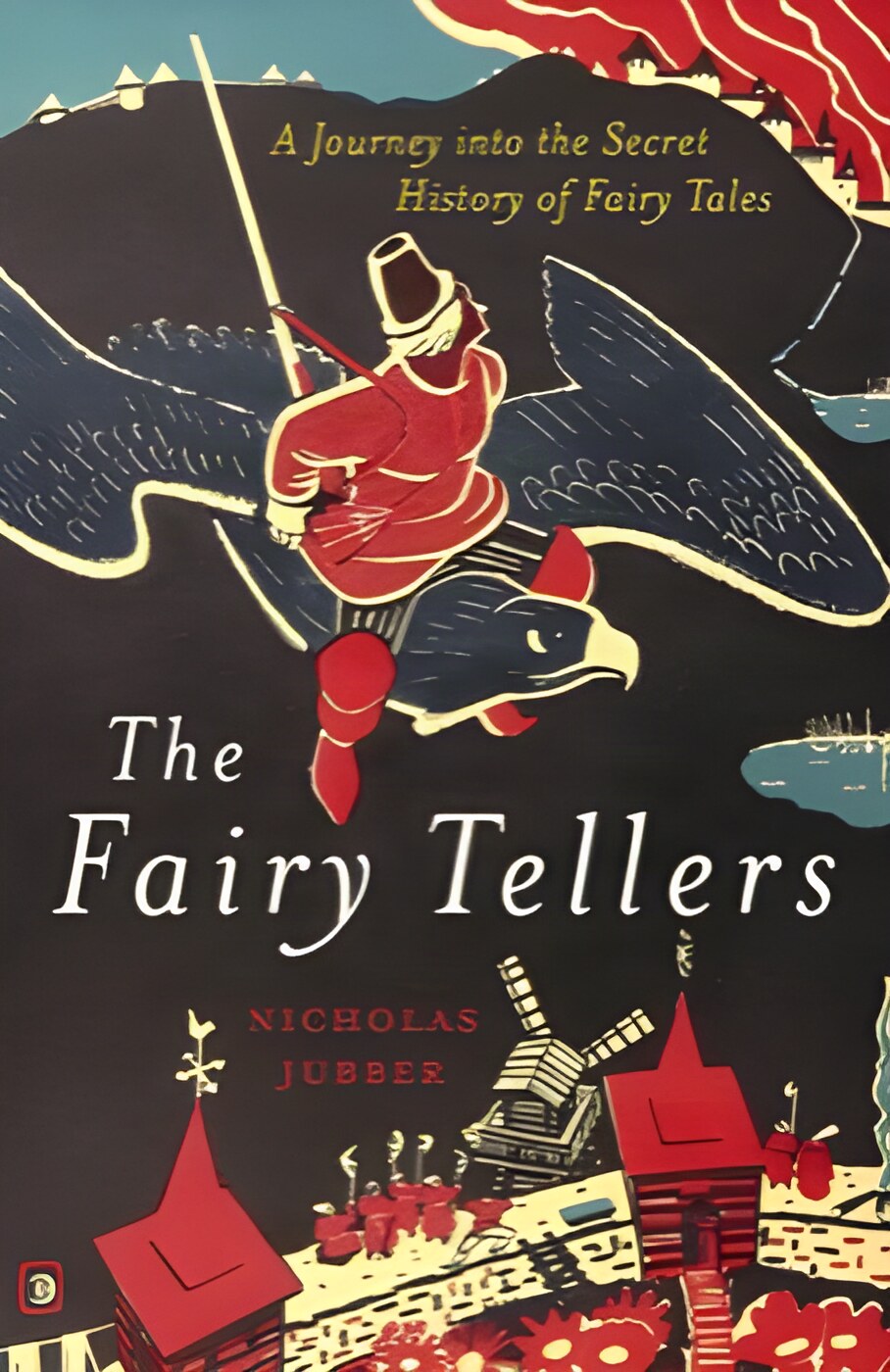
Hardcover. NY, Nicholas Brealey, 1st US, 2022, Book: Very Good, Dust Jacket: Very Good, Hardcover in a bright dust jacket, 326 pages. In this far-ranging quest, award-winning author Nicholas Jubber unearths the lives of the dreamers who made our most beloved fairy tales: inventors, thieves, rebels and forgotten geniuses who gave us classic tales such as 'Cinderella', 'Hansel and Gretel', 'Beauty and the Beast' and 'Baba Yaga'. Clean copy.
Hardcover. Boston, Houghton Mifflin, 1st US, 1932, Book: Very Good, Dust Jacket: None, Hardcover, red cloth stamped in blue, 313 pages. A borderline science fiction novel by the Scottish author John Buchan, known for his classic mysteries. Part of the action is autobiographical, featuring the agonies of a contemporary up-and-coming politician. It explores the theory of serial time put forward by J W Dunne: Buchan had been reading An Experiment with Time. Mild soil to covers, no markings.
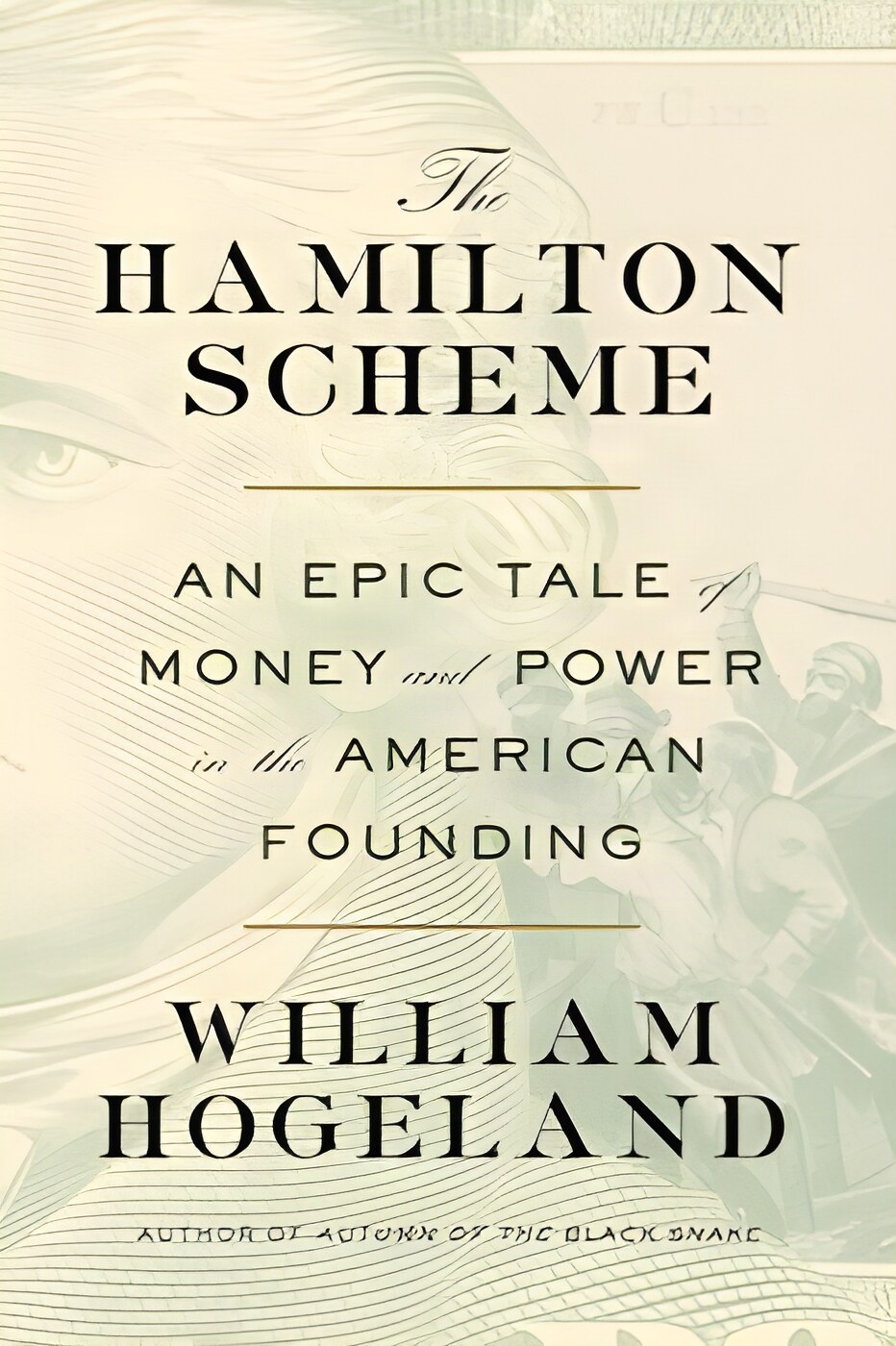
Hardcover. NY, Farrar, Straus and Giroux, 1st, 2024, Book: Very Good, Dust Jacket: Very Good, Hardcover in a bright dust jacket, 525 pages. "Forgotten founder" no more, Alexander Hamilton has become a global celebrity. Millions know his name. Millions imagine knowing the man. But what did he really want for the country? What risks did he run in pursuing those vaulting ambitions? Who tried to stop him? How did they fight? It's ironic that the Hamilton revival has obscured the man's most dramatic battles and hardest-won achievements-as well as downplaying unsettling aspects of his legacy. Thrilling to the romance of becoming the one-man inventor of a modern nation, our first Treasury secretary fostered growth by engineering an ingenious dynamo-banking, public debt, manufacturing-for concentrating national wealth in the hands of a government-connected elite. Seeking American prosperity, he built American oligarchy. Hence his animus and mutual sense of betrayal with Jefferson and Madison-and his career-long fight to suppress a rowdy egalitarian movement little remembered today: the eighteenth-century white working class. Clean copy.
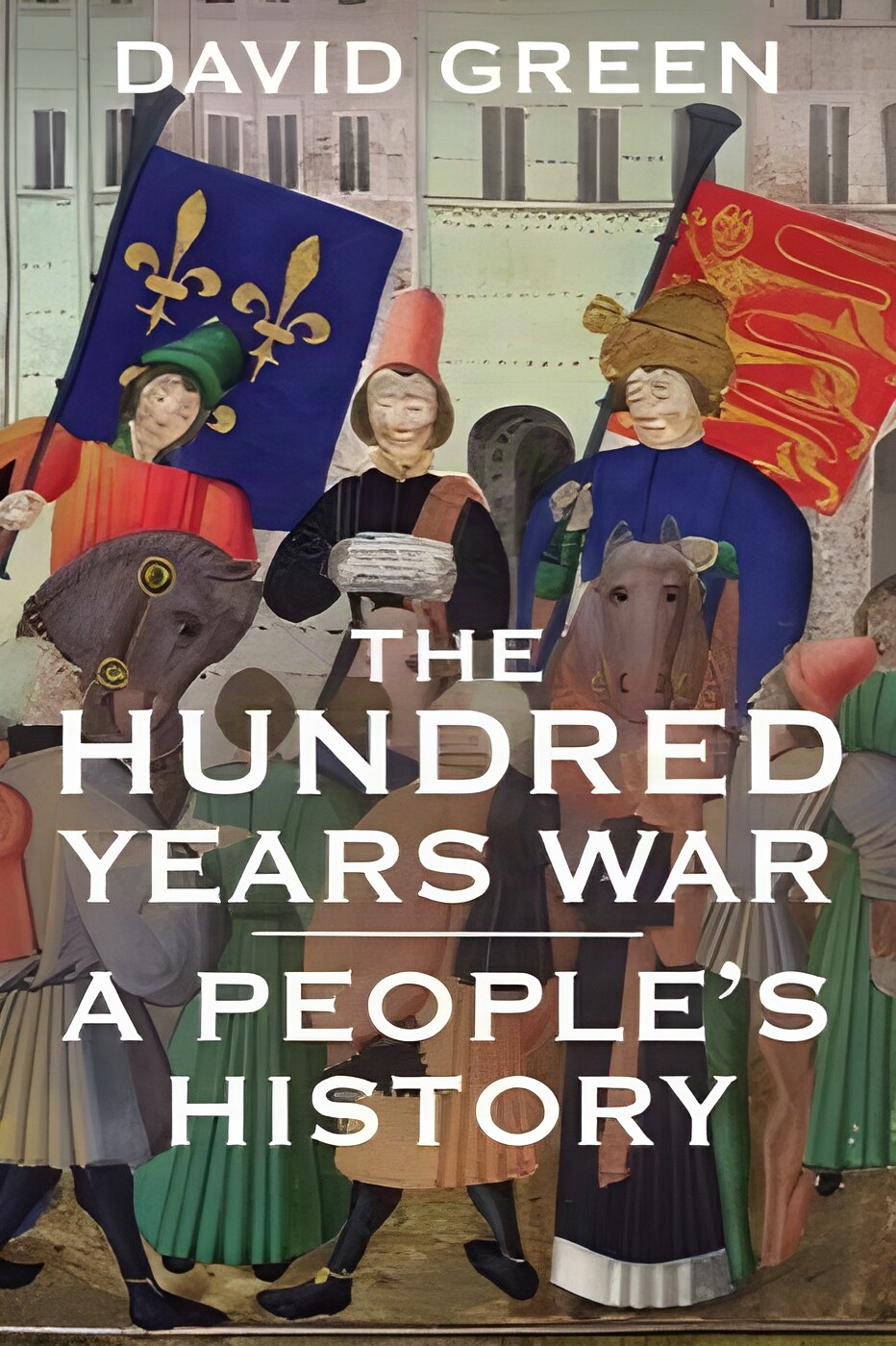
Softcover. New Haven CT, Yale University Press, 1st, 2014, Book: Very Good, Dust Jacket: Very Good, Softcover, 339 pages, b&w illustrations. The Hundred Years War (1337-1453) dominated life in England and France for well over a century. It became the defining feature of existence for generations. This sweeping book is the first to tell the human story of the longest military conflict in history. Historian David Green focuses on the ways the war affected different groups, among them knights, clerics, women, peasants, soldiers, peacemakers, and kings. He also explores how the long war altered governance in England and France and reshaped peoples' perceptions of themselves and of their national character. Clean copy.
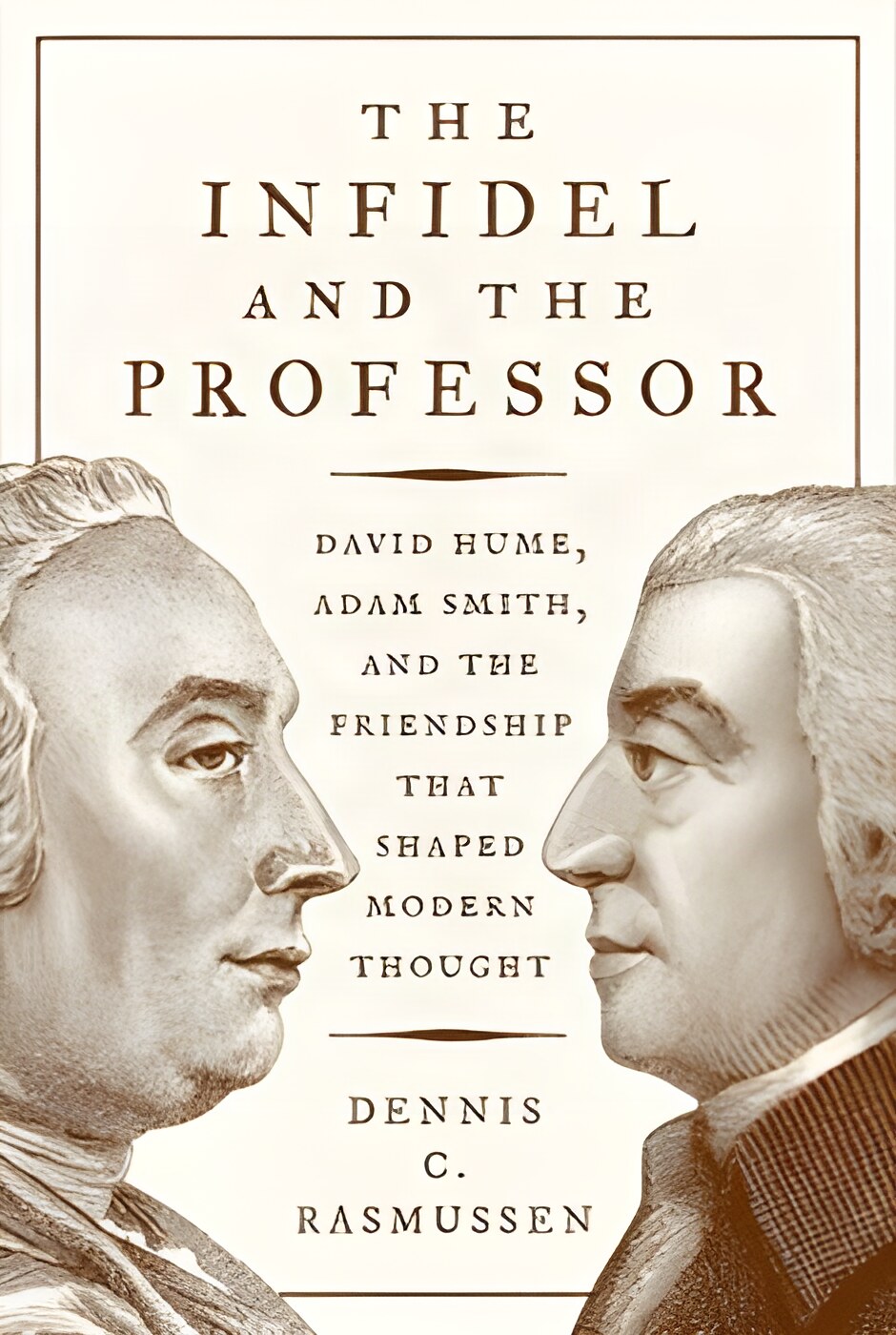
Hardcover. Princeton NJ, Princeton University Press, 3rd pr., 2017, Book: Very Good, Dust Jacket: Very Good, Hardcover in a bright dust jacket, 316 pages. David Hume is widely regarded as the most important philosopher ever to write in English, but during his lifetime he was attacked as "the Great Infidel" for his skeptical religious views and deemed unfit to teach the young. In contrast, Adam Smith was a revered professor of moral philosophy, and is now often hailed as the founding father of capitalism. Remarkably, the two were best friends for most of their adult lives, sharing what Dennis Rasmussen calls the greatest of all philosophical friendships. The Infidel and the Professor is the first book to tell the fascinating story of the friendship of these towering Enlightenment thinkers-and how it influenced their world-changing ideas. The book follows Hume and Smith's relationship from their first meeting in 1749 until Hume's death in 1776. It describes how they commented on each other's writings, supported each other's careers and literary ambitions, and advised each other on personal matters, most notably after Hume's quarrel with Jean-Jacques Rousseau. Clean copy.
Softcover. Middletown CT, Wesleyan University Press, 1st thus, 2003, Softcover, 157 pages. A new English translation by I.F. Clarke of this "demise of the human race" story. Originally published in French in 1805, The Last Man is a powerful story of the demise of the human race. Drawing on the traditional account in Revelations, The Last Man was the first end-of-the-world story in future fiction. As the first secular apocalypse story, The Last Man served as the departure point for many other speculative fictions of this type throughout the 19th century, including works by Shelley, Flammarion and Wells. Grainville's masterful imagination is evident in the vast scale of the action as Omegarus, the Last Adam, and Syderia, the Last Eve, are led toward the moment when "the light of the sun and the stars is extinguished." Essential reading for anyone interested in the roots of apocalyptic science fiction. Clean copy.
Softcover. Cambridge University Press, 1st, 2006, Book: Very Good, Dust Jacket: None, Softcover, 485 pages, b&w illustrations. By analytically de-coupling war and violence, this book explores the causes and dynamics of violence in civil war. Against the prevailing view that such violence is an instance of impenetrable madness, the book demonstrates that there is logic to it and that it has much less to do with collective emotions, ideologies, and cultures than currently believed. Kalyvas specifies a novel theory of selective violence: it is jointly produced by political actors seeking information and individual civilians trying to avoid the worst but also grabbing what opportunities their predicament affords them. Violence, he finds, is never a simple reflection of the optimal strategy of its users; its profoundly interactive character defeats simple maximization logics while producing surprising outcomes, such as relative nonviolence in the 'frontlines' of civil war. Clean copy.
Softcover. Blue Mountain Lake NY, Adirondack Museum, 2nd pr., 1976, Softcover, 28 pages, b&w illustrations. A history of a mining enterprise started in 1826 in the Adirondack Mountains that went from business failure to success in the 1940s. Light tanning to covers, otherwise clean.
Softcover. Princeton NJ, Princeton University Press, 1st, 1983, Book: Very Good, Dust Jacket: None, Softcover, 419 pages. The author clarifies the mutually constructive relationship between transnational and the modernizing Peruvian state, showing how the state maintains this relationship while simultaneously nurturing the new class. This book presents a useful analysis of Peru's mining sector in the post-1968 period. It has four sections: background on Peruvian mining and the international market; the role of transnational mining corporations in Peru; the characteristics of the domestically owned mining sector; and a class analysis of the mining bourgeoisie and proletariat. Although these chapters are mostly based on secondary sources, that material is supplemented by interviews conducted by Becker and some limited access to company and government documents. A particularly interesting section is a comparative analysis of the two major foreign firms in Peruvian mining: Cerro de Pasco and Southern Peru Copper Corporation. Useful detail is also supplied on the development of the main government mining corporation, Mineroperu. In addition, Becker provides a careful class analysis of the "new bourgeoisie" in social, economic, and political terms. Included are discussions of education, career patterns, and guild associations as well as of ideology. Clean copy.
Softcover. NY, Quill/ William Morrow, reprint, 1988, Book: Very Good, Dust Jacket: None, Softcover, 432 pages, b&w illustrations. Dotted with stunning disclosures of crimes and cover-ups, this is a startling narrative of the way Japan conducted World War II: from Nanking to Pearl Harbor to the attempted assassination of Stalin to their final surrender. Clean copy.
Softcover. UK, Cambridge University Press, reprint, 2012, Book: Very Good, Dust Jacket: None, Softcover, 273 pages, b&w illustrations. Despite the fact that its capital city and over one third of its territory was within the continent of Europe, the Ottoman Empire has consistently been regarded as a place apart, inextricably divided from the West by differences of culture and religion. A perception of its militarism, its barbarism, its tyranny, the sexual appetites of its rulers and its pervasive exoticism has led historians to measure the Ottoman world against a western standard and find it lacking. In recent decades, a dynamic and convincing scholarship has emerged that seeks to comprehend and, in the process, to de-exoticize this enduring realm. Dan Goffman provides a thorough introduction to the history and institutions of the Ottoman Empire from this new standpoint, and presents a claim for its inclusion in Europe. Clean copy.
Hardcover. NY, Orange Judd Publishing, 1st, 1928, Book: Very Good, Dust Jacket: Good, Hardcover in a lightly worn dust jacket, small paper scar to front panel, chip to top of spine. 125 pages with b&w illustrations. A comprehensive and practical guide dedicated to the art and science of growing pears. Written by renowned pomologist H. B. Tukey, this classic horticultural work explores the intricate details of orchard management, offering valuable insights into the selection of varieties, soil requirements, and planting techniques essential for successful fruit production. The text provides in-depth coverage of critical topics such as pruning strategies, pollination requirements, and the management of common pests and diseases that affect pear trees. Tukey's expertise shines through as he discusses the propagation of trees and the nuances of harvesting and handling the fruit to ensure peak quality. Whether addressing the needs of the commercial orchardist or the dedicated home gardener, "The Pear and Its Culture" serves as a foundational resource for understanding the specific biological and environmental factors that contribute to a thriving pear crop. Clean copy.
Softcover. Ithaca NY, Cornell University Press, 1st pbk., 2007, Book: Very Good, Dust Jacket: None, Softcover, 265 pages. Drawing on hundreds of political economic tracts published in France between the 1740s and the early nineteenth century, Shovlin shows how mid-level French elites (magistrates, clerics, lawyers, soldiers, landed gentlemen) sought to balance their interests and values with the need to regenerate a nation that had seemingly entered a period of decline. In their view, France's moral, political, and economic power depended not simply on expanding the national wealth but also on reviving civic spirit. The "political economy of virtue" held that luxury was the cause of the nation's economic and moral degeneration. When the monarchy failed to reform its political economic structures in the 1760s and 1770s, mid-level elites sought to eliminate the stranglehold of the plutocracy. Clean copy.







 "The Canneries, Cabins and Caches of Bristol Bay, Alaskaby: John B. Branson")

 "The Constitution of Knowledge: A Defense of Truthby: Jonathan Rauch")

 "The Evolution of the Sailing Ship, 1250-1580by: Basil Greenhill (Editor)")



 "The New Bourgeoisie and the Limits of Dependency: Mining, Class, and Power in Revolutionary Peruby: Becker, David G.")