Hardcover. Oxford UK, Cambridge University Press, 1st, 1992, Book: Good, Dust Jacket: Very Good, Hardcover in a bright dust jacket, 287 pages. This collection of essays looks at the distinctively English intellectual, social and political phenomenon of Latitudinarianism, which emerged during the Civil War and Interregnum and came into its own after the Restoration, becoming a virtual orthodoxy after 1688. Dividing into two parts, it first examines the importance of the Cambridge Platonists, who sought to embrace the newest philosophical and scientific movements within Church of England orthodoxy, and then moves into the later seventeenth century, from the Restoration onwards, culminating in essays on the philosopher John Locke. These contributions establish a firmly interdisciplinary basis for the subject, while collectively gravitating towards the importance of discourse and language as the medium for cultural exchange. The variety of approaches serves to illuminate the cultural indeterminacy of the period, in which inherited models and vocabularies were forced to undergo revisions, coinciding with the formation of many cultural institutions still governing English society. Name on front fly, pencil marking to about 20 pages.
Hardcover. NY, The Viking Press, 1st, 1936, Book: Good, Dust Jacket: None, Hardcover, bound in black cloth with design of a phoenix on the front cover. No dust jacket. First edition with Published in October 1936 on copyright page and no additional printings noted. Fading to the spine. 852 pages. A complete collection of D H Lawrence's unpublished essays. Discoloration to black cloth along bottom of front cover and spine, Interior is bright and clean.
Hardcover. Boston, J. Paul Getty Museum, 1st, 2012, Book: Very Good, Dust Jacket: Very Good, 112 pages. Hardcover with dust jacket. Very clean, unmarked copy with only minor edgewear. Featuring eighty-seven photographs, all drawn from the collection of the J. Paul Getty Museum, that span nearly 150 years of image making.
Softcover. Duke University Press, 1st, 2017, Book: Very Good, Dust Jacket: None, Softcover, 381 pages, color and b&w illustrations. Photography is one of the principal filters through which we engage the world. The contributors to this volume focus on Walter Benjamin's concept of the optical unconscious to investigate how photography has shaped history, modernity, perception, lived experience, politics, race, and human agency. In essays that range from examinations of Benjamin's and Sigmund Freud's writings to the work of Kara Walker and Roland Barthes's famous Winter Garden photograph, the contributors explore what photography can teach us about the nature of the unconscious. They attend to side perceptions, develop latent images, discover things hidden in plain sight, focus on the disavowed, and perceive the slow. Of particular note are the ways race and colonialism have informed photography from its beginning. The volume also contains photographic portfolios by Zoe Leonard, Kelly Wood, and Kristan Horton, whose work speaks to the optical unconscious while demonstrating how photographs communicate on their own terms. The essays and portfolios in Photography and the Optical Unconscious create a collective and sustained assessment of Benjamin's influential concept, opening up new avenues for thinking about photography and the human psyche. Clean, bright copy.
Softcover. NY, Ziff-Davis Publications,, 1st, 1957, Book: Very Good, Dust Jacket: None, Softcover, magazine format. 250 pages of b&w and color photographs by various photographers from the previous year. Bright, clean copy. . Photographers' Index. Photographic essays : Ansel Adams "Master of Daylight", Ed Feingersh "Master of Available Light", Philippe Halsman "Master of Artifical Light", and more
Hardcover. Boston, J. Paul Getty Museum, 1st, 2011, Book: Very Good, Dust Jacket: Very Good, 112 pages. Hardcover with dust jacket. Very clean, unmarked copy still in publishers shrink-wrap. Photography as Fiction includes seventy-six color plates illustrating works from the J. Paul Getty Museum's collection that embrace theatricality and are unconcerned with documenting the world as it exists.
Hardcover. US, The MIT Press, 1st, 2000, Book: Very Good, Dust Jacket: Very Good, Like new in publisher's shrink-wrap. Remainder mark on top page block. Boston played a crucial role in the development of American photography, including criticism, collecting, and curating, in the second half of the twentieth century. This book accompanies a landmark exhibition at the DeCordova Museum that includes such important American artists as Berenice Abbott, Harry Callahan, Paul Caponigro, Marie Cosindas, Harold Edgerton, Nan Goldin, Jerome Liebling, Nicholas Nixon, Barbara Norfleet, Olivia Parker, Rosamond Purcell, Aaron Siskind, and Minor White.The period from 1955 to 1985 reflects photography's acceptance as an art form, the influence of modernism, and the coalescence of a unique constellation of educational institutions, museums, and technological development in the Boston area that directly influenced artistic options for photography. Minor White's arrival at the Massachusetts Institute of Technology in 1965 to run the Center for Creative Photography and the Polaroid Corporation's innovative support of photographic art suggest how developments built upon one another to create a regional critical mass in photography.The book contains twenty-five color plates, sixty duotones, and essays by A. D. Coleman, Rachel Rosenfield Lafo, Arno Rafael Minkkinen, and Kim Sichel.
Hardcover. US, The MIT Press, Book: Very Good, Dust Jacket: Very Good, Like new in publisher's shrink-wrap. Remainder mark on top page block. Boston played a crucial role in the development of American photography, including criticism, collecting, and curating, in the second half of the twentieth century. This book accompanies a landmark exhibition at the DeCordova Museum that includes such important American artists as Berenice Abbott, Harry Callahan, Paul Caponigro, Marie Cosindas, Harold Edgerton, Nan Goldin, Jerome Liebling, Nicholas Nixon, Barbara Norfleet, Olivia Parker, Rosamond Purcell, Aaron Siskind, and Minor White.The period from 1955 to 1985 reflects photography's acceptance as an art form, the influence of modernism, and the coalescence of a unique constellation of educational institutions, museums, and technological development in the Boston area that directly influenced artistic options for photography. Minor White's arrival at the Massachusetts Institute of Technology in 1965 to run the Center for Creative Photography and the Polaroid Corporation's innovative support of photographic art suggest how developments built upon one another to create a regional critical mass in photography.The book contains twenty-five color plates, sixty duotones, and essays by A. D. Coleman, Rachel Rosenfield Lafo, Arno Rafael Minkkinen, and Kim Sichel.
Hardcover. Fort Worth, TX, Amon Carter Museum, 1st, 1991, Book: Very Good, Dust Jacket: Very Good, Hardcover in a bright dust jacket. Essays by Various authors on the history of photography in America. 244 black & white illustrations, 16 in color. 335 pages.
Softcover. NY/London, Routledge, reprint, 2007, Book: Very Good, Dust Jacket: None, Softcover, 470 pages. Forty of the world's most active art historians and theorists, including Victor Burgin, Joel Snyder, Rosalind Krauss, Alan Trachtenberg, Geoffrey Batchen, Carol Squiers, Margaret Iversen and Abigail Solomon-Godeau in animated debate on the nature of photography. Photography has been around for nearly two centuries, but we are no closer to understanding what it is. For some people, a photograph is an optically accurate impression of the world, for others, it is mainly a way of remembering people and places. Some view it as a sign of bourgeois life, a kind of addiction of the middle class, whilst others see it as a troublesome interloper that has confused people's ideas of reality and fine art to the point that they have difficulty even defining what a photograph is. For some, the whole question of finding photography's nature is itself misguided from the beginning. This provocative second volume in the Routledge The Art Seminar series presents not one but many answers to the question what makes a photograph a photograph? Clean copy.
Hardcover. NY, Rizzoli, 1st, 1996, Book: Very Good, Dust Jacket: Very Good, Hardcover, 208 pages. Pictorial photography is noted for its artistic expressiveness, careful design and composition, and muted focus. In 1914 Clarence White (1871-1925) left Alfred Stieglitz's Photo-Secession group, abandoned his ambitions to be a photographic illustrator, and opened the Manhatten-based Clarence H. White School of Photography. Lecturers at his school included Stieglitz, Paul Strand, and Edward Steichen. White's unique teaching skills, especially his encouragement of women students, nurtured the careers of such talented photographers as Margaret Bourke-White, Laura Gilpin, and Dorothea Lange. Presented by the Detroit Institute of Arts and the George Eastman House, this companion volume for a traveling exhibition contains the elegant photographic imagery of White and his students. The clear text by two photography curators imparts how the revered teacher's romantic pictorialism became the foundation for the student's avant-garde modernism. By far the most substantial review of White's work and influence in print.
Softcover. Durham NC, Duke University Press, 2012, Book: Very Good, Dust Jacket: None, Softcover, 387 pages. Pictures and Progress explores how, during the nineteenth century and the early twentieth, prominent African American intellectuals and activists understood photography's power to shape perceptions about race and employed the new medium in their quest for social and political justice. They sought both to counter widely circulating racist imagery and to use self-representation as a means of empowerment. In this collection of essays, scholars from various disciplines consider figures including Frederick Douglass, Sojourner Truth, Ida B. Wells, Paul Laurence Dunbar, and W. E. B. Du Bois as important and innovative theorists and practitioners of photography. In addition, brief interpretive essays, or "snapshots," highlight and analyze the work of four early African American photographers. Featuring more than seventy images, Pictures and Progress brings to light the wide-ranging practices of early African American photography, as well as the effects of photography on racialized thinking. Still in publisher's shrinkwrap.
Softcover. London/NY, I. B. Tauris & Company, 1st, 2003, Book: Very Good, Dust Jacket: None, Softcover, 354 pages, b&w illustrations. The advent of photography opened new worlds to 19th-century viewers, who became able to visualize themselves, their immediate surroundings, their communities, and the world beyond. The geographical imagination--the ability to know the world and situate oneself in space and time--fostered the expectations and applications of photographic technologies, and photographic technologies expresses the form and reach of the geographical imagination. This dialectic is the basis of this collection of intriguing essays, which explore the diverse ways in which the relationship manifested.
Hardcover. NY, Farrar, Straus and Giroux, 1st, 1975, Book: Very Good, Dust Jacket: Very Good, Hardcover in a bright, unclipped dust jacket. First edition of this collection of pieces penned in the first half of the 1970s, by four-time Pulitzer nominee. Included are reflections on man and nature in rural Georgia ("Travels in Georgia"), a profile of an Arkansas horseman hoping to make it big in an important horse race ("Ruidoso"), a quest to discover the true location that inspired the "Marvin Gardens" square in the Monopoly game, ("In Search of Marvin Gardens"), and more. Very bright, clean copy.
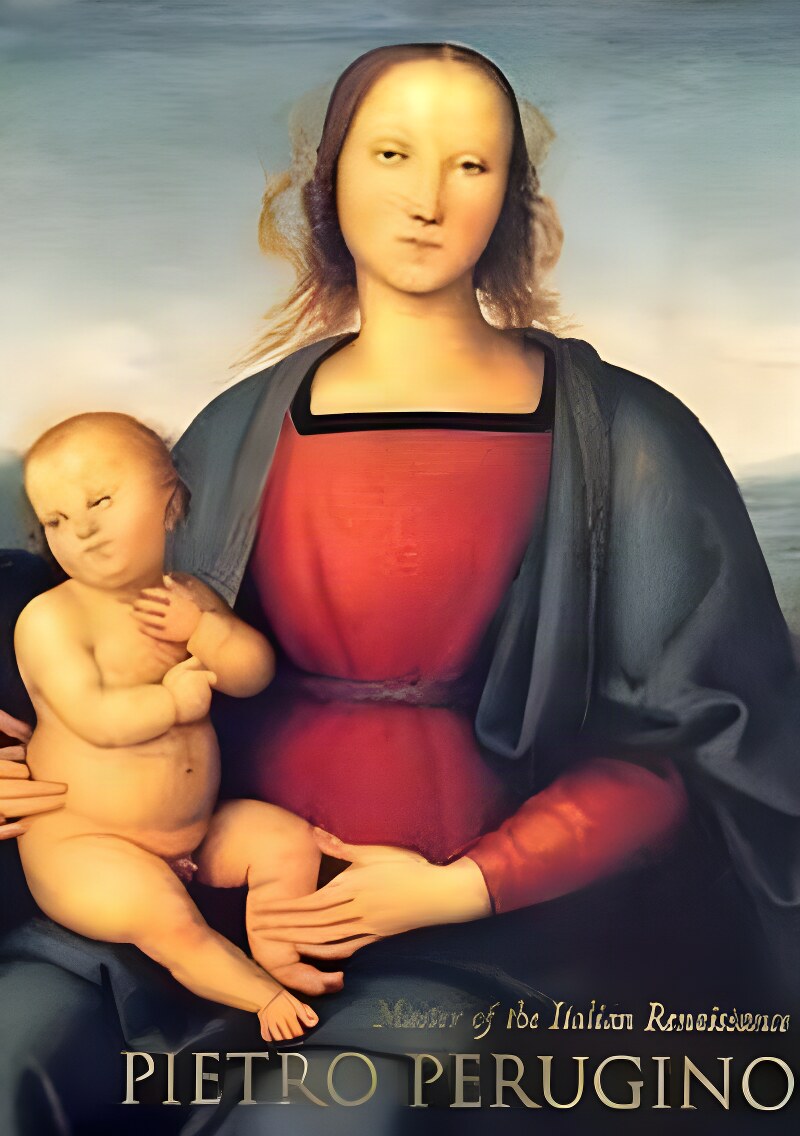
Hardcover. Grand Rapids MI, Rizzoli for the Grand Rapids Art Museum, 1st, 1997, Book: Very Good, Dust Jacket: Very Good, Hardcover in a bright dust jacket, 317 pages. illustrated throughout in color, some b/w., major scholarly exhibition catalogue on Perugino, known as Raphael's teacher. Contains 7 essays by 8 contributors and much reference material. Clean copy. PLEASE NOTE: Due to weight, domestic shipping only.
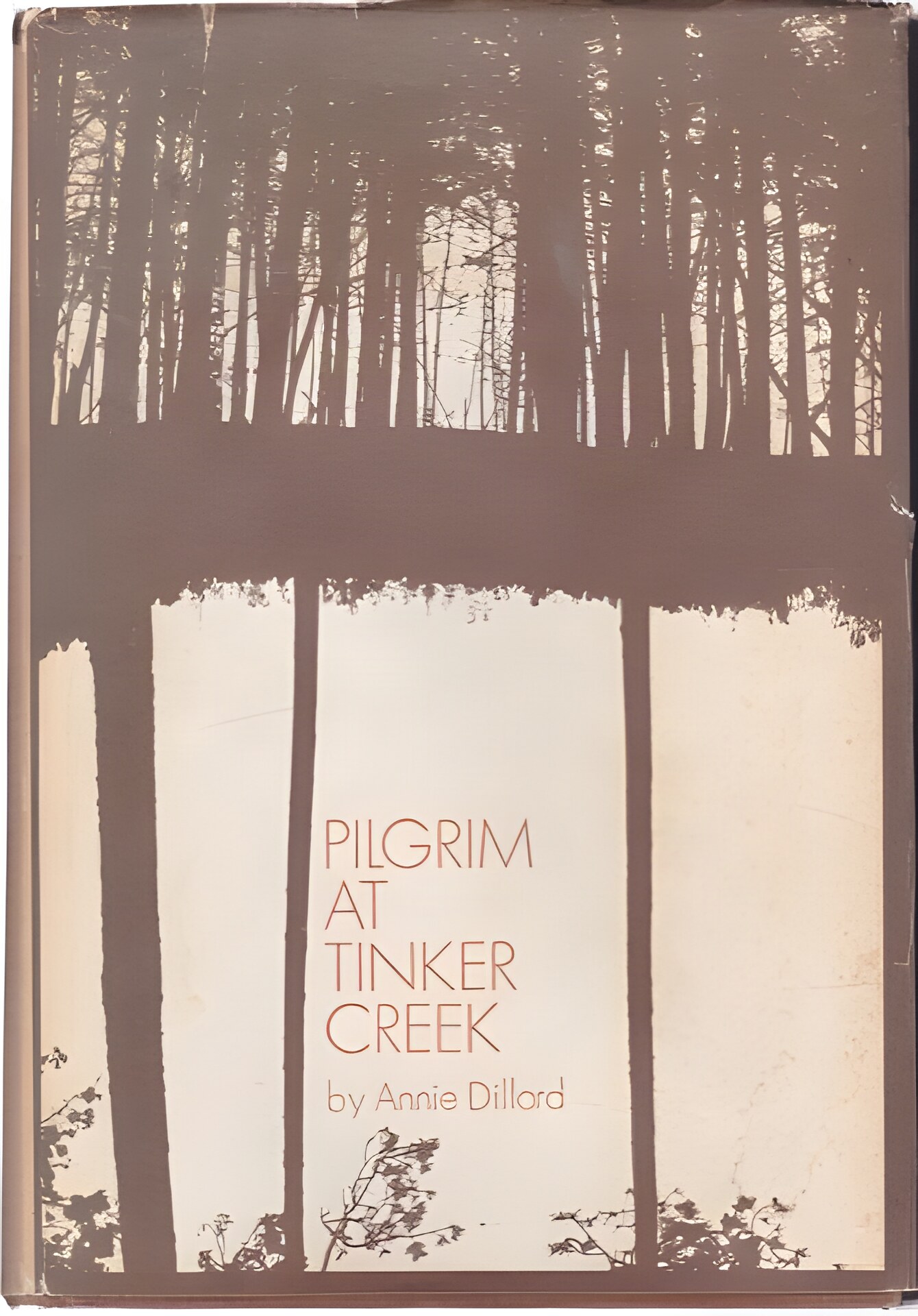
Hardcover. NY, Harper's Magazine Press, BC Ed., 1974, Book: Very Good, Dust Jacket: Good, Hardcover in a worn, chipped dust jacket, 271 pages. 1st edition, 1st printing with complete number line at the last rear paper of: 74 75 76 77 10 9 8 7 6 5 4 3 2 1. Lacks a price on unclipped jacket so an assumed Book Club Edition. Winner of the 1975 Pulitzer Prize for Nonfiction. B&w illustrations by Dillard. No markings.
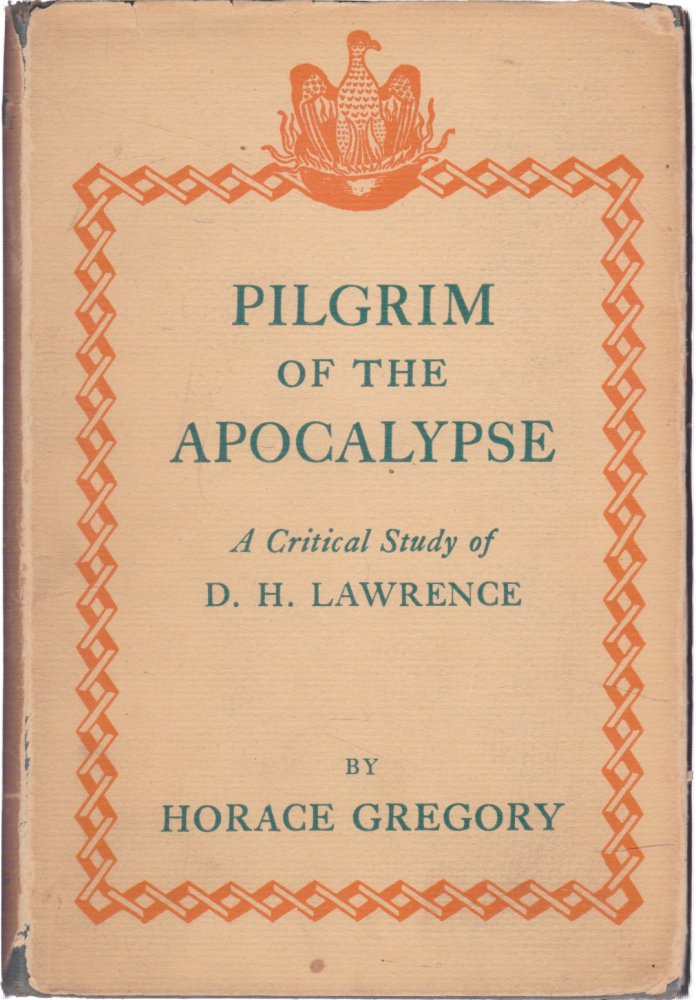
Hardcover. NY, Viking Press, 1st, 1933, Book: Very Good, Dust Jacket: Good, Hardcover in a worn, chipped dust jacket, 111 pages. A comprehensive analysis of the works of the famous British author, D. H. Lawrence. The book delves deep into Lawrence's literary career, examining his novels, poems, and essays, and exploring the themes that are central to his writing. Horace Gregory, a renowned literary critic and poet, provides a detailed analysis of Lawrence's works, exploring the author's unique style and his use of language, imagery, and symbolism. Clean copy.
Hardcover. New York, Aperture , 1st, 2001, Book: Very Good , Dust Jacket: Very Good, Hardcover, 144 pages, B&W photos. In original shrink wrap. For almost sixty years Pirkle Jones has chronicled the people, politics, and landscape of Northern California-a "promised land" which has long held sway in the American cultural imagination. Within the confines of that locale, he has unearthed a universe of beauty and meaning, photographing everything from flea-market finds to some of the most important American social movements of the second half of the twentieth century. Operating primarily within a social-documentary framework, Jones has made images characterized by sensitivity and acute observation. With uncanny prescience, a sense of urgency, and a sympathetic eye, Jones often plays the dual roles of artist and witness, combining portraiture, landscapes, and architectural photographs to create thorough documents of social structure and upheaval. Among the photo-essays included in Pirkle Jones: California Photographs are a compassionate and controversial piece on the Black Panther Party in the San Francisco Bay Area, Jones's portraits of the Sausalito houseboat community known as Gate 5, and a notable 1956 photo-essay done in collaboration with Dorothea Lange photographing the destruction and dislocation of the Berryessa Valley before it was flooded on completion of the Monticello Dam. Produced as a single issue of Aperture magazine in 1960 under the name "Death of a Valley", this essay remains a powerful testament to the price of progress. The book also includes Jones's work from the last few decades, in which he shifted his focus to an extended series of elegant, contemplative landscapes. A biographical essay by curator Tim B. Wride frames Jones and his work within the context of photographic history, the people he collaborated with-including Ansel Adams as well as Lange-and the great scope of Californian life.
Hardcover. NY, Harper and Brothers, 1st US, 1882, Book: Very Good, Dust Jacket: None, Hardcover, green cloth with gilt stamping. 249 pages plus publisher's ads Candid opinions, in a series of essays on literature, music, fashion and character by the author of "John Halifax Gentleman". 'If I say somewhat hard things, I beg my readers to believe me that it is not out of a hard heart, careless of giving pain, but a sad heart, knowing pain must be given.' (Preliminary.) Uncommon. Mild spotting to covers otherwise clean, very good.
Softcover. Souix City IA, Parnassos Press, 1st, 2019, Book: Very Good, Dust Jacket: None, Softcover, 312 pages. This book is born from a desire to understand how Plato influenced and was influenced by the intellectual culture of Western Greece, the ancient Hellenic cities of Sicily and Southern Italy. In 2018, a seminar on Plato at Syracuse was organized, in which a small group of scholars discussed a new translation of the Seventh Letter and several essays on the topic. The essays consider the historical, political, and philosophical implications of Plato's involvement in Syracuse. They also look at the reception of his voyage among fellow philosophers, ancient and modern. Clean copy.
Hardcover. New Haven, CT, Yale University Art Gallery, 1st, 2014, Book: Very Good, Dust Jacket: None, 207 pages. Hardcover with no dust jacket. Very clean, unmarked copy still in shrink wrap. Images of New Orleans and the city's jazz culture, performers, bands, and clubs between 1957 and 1982. Over 200 black and white photographs taken by Friedlander. Tight copy.
Hardcover. New Haven, CT, Yale University Art Gallery, 1st, 2014, Book: Very Good, Dust Jacket: None, 207 pages. Hardcover with no dust jacket. Very clean, unmarked copy still in shrink wrap. Images of New Orleans and the city's jazz culture, performers, bands, and clubs between 1957 and 1982. Over 200 black and white photographs taken by Friedlander. Tight copy.
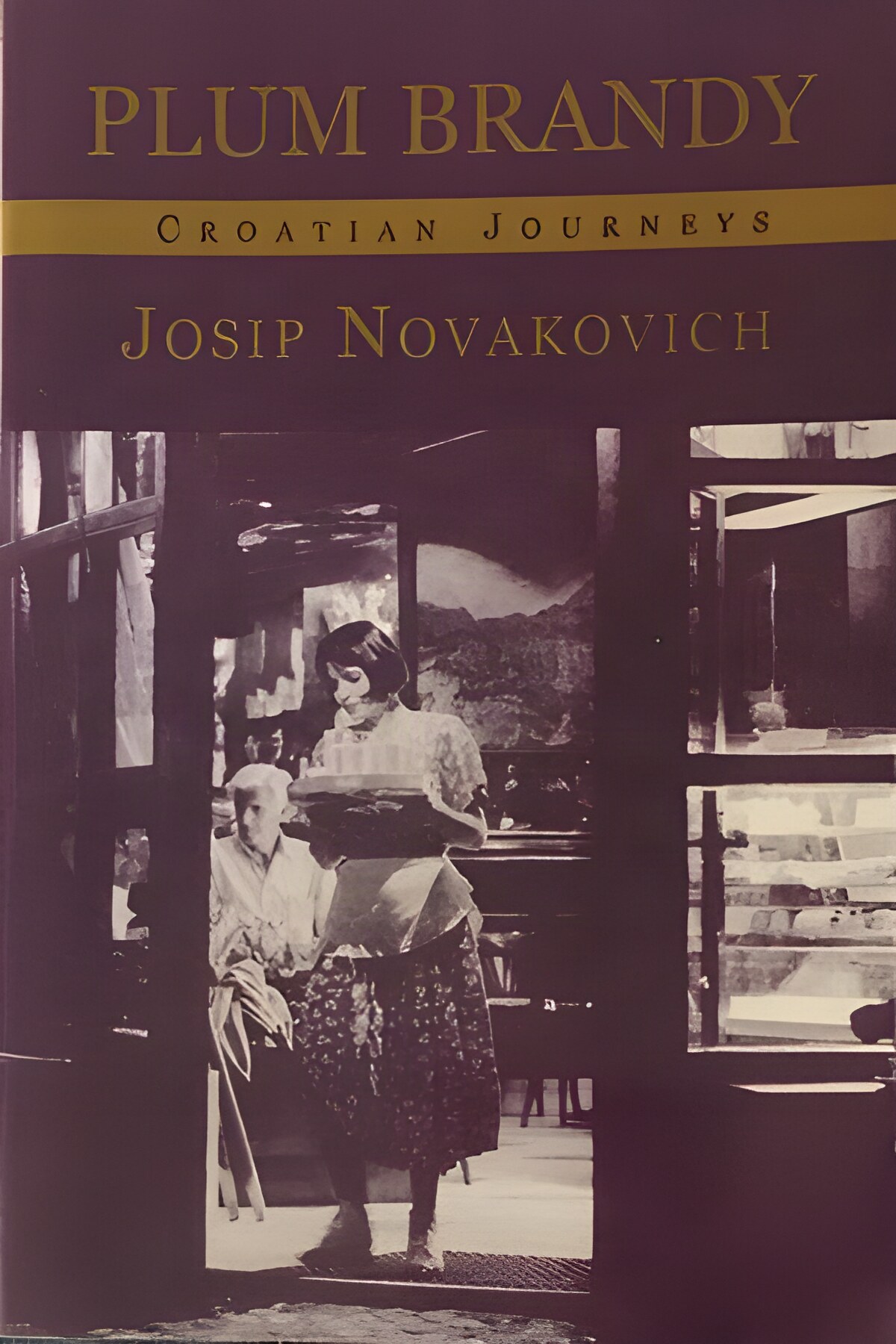
Softcover. Buffalo NY, White Pine Press, 1st, 2003, Book: Very Good, Dust Jacket: None, Softcover, 181 pages. INSCRIBED BY AUTHOR on the title page. Immigrant writer Novakovich records his journeys to find his roots, some to his native Croatia, some no farther than Cleveland, where he searches for the grave of his grandmother, who refused to return to Croatia with the rest of her family. This moving collection reflects the joys and the difficulties in returning to a homeland left behind. Clean copy.
Softcover. New York , Thames and Hudson, 1st, 2004, Book: Very Good, Dust Jacket: None, Softcover, 112 pages, 54 color photographs by Stefano de Luigi. With an essay by Martin Amis, "A Rough Trade". Tight, clean and crisp. Explores the world of pornography in Los Angelas, Tokyo, Budapest, Milan, Prague and Dortmund. Features interviews conducted with industry workers and stars in LA.



 "Photography and Playby: Garcia, Erin C.")

 "PHOTOGRAPHY ANNUAL. 1957 A Selection of the World's Greatest photographs by the Editors of Popular Photography.by: Bruce Downes (Ed. Popular Photography)")
 "Photography as Fictionby: Garcia, Erin C.")
 "Photography in Boston: 1955-1985by: Nagler, Gillian (Editor)/Rachel Rosenfield Lafo")
 "Photography in Boston: 1955-1985by: Nagler, Gillian (Editor)")
 "Photography in Nineteenth-Century Americaby: Sandweiss, Martha A. (Ed.)")
 "Photography Theoryby: James Elkins")
 "Pictorialism into Modernism: The Clarence H. White School of Photographyby: Marianne Fulton")
 "Pictures and Progress: Early Photography and the Making of African American Identity by: Wallace, Maurice O. & Smith, Shawn Michelle (Editors)")




 "Pirkle Jones - California Photographs 1935-1982by: Jones, Pirkle")
 "Plain Speaking by: MULOCK, Dinah Maria,")

 "Playing for the Benefit of the Band: New Orleans Music Cultureby: Friedlander, Lee")
 "Playing for the Benefit of the Band: New Orleans Music Cultureby: Friedlander, Lee")
 "Pornolandby: Luigi Stefano de; Martin Amis")