Hardcover. NY, Da Capo Press, reprint, 1979, Book: Very Good, Dust Jacket: None, Hardcover, red cloth with silver gilt lettering. First published in 1962 Jazz Panorama presents roughly forty short articles from the pages of The Jazz Review from the late 1950s and early 1960s, selected by respected jazz historian Martin Williams, the magazine's co-founder (with Nat Hentoff). This is the type of book that one can dip into from time to time and always find something both enjoyable and educational. Written in clear, understandable prose, the book collects short essays, record reviews (usually of multiple LPs), and two interviews. A wide range of jazz styles and movements is covered here, everything from Dixieland to "third stream" and the avant-garde of Ornette Coleman.The jazz musicians included for discussion range from King Oliver and Jelly Roll Morton to Bix Biederbecke. Louis Armstrong, Billie Holiday, Stan Getz, and Miles Davis. 318 pages, clean copy. No dust jacket.
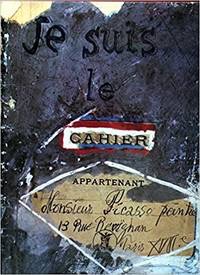
Hardcover. Boston, The Atlantic Monthly Press , 1st, 1986, Book: Very Good, Dust Jacket: Very Good, Hardcover in a bright, unclipped dust jacket, 349 pages., profusely illustrated. In the first section, the six sketchbooks that relate to the scholarly essays are reproduced in full and in sequence, exactly as Picasso created them. The images in the second section have been taken from thirty of the finest sketchbooks. The final section is a CATALOGUE RAISONNE, which fully describes all 175 extant sketchbooks and features one image from each. A landmark volume, revealing for the first time the full glory of Picasso's hidden sketchbook masterpieces in over 700 color, duotone, and black-and-white reproductions, representing Picasso's astounding range and diversity. A clean, tight copy.
Softcover. New York , Guggenheim Museum, 1st, 2008, Book: Very Good, Dust Jacket: None, First edition, first printing. Softcover. Photographically illustrated stiff wrappers; no dust jacket as issued. Photographs by Jeff Wall. Essays by Jennifer Blessing and Katrin Blum. Includes an exhibition checklist and list of illustrations. 60 pages with 18 four-color illustrations and 19 black-and-white illustrations. 12 x 10 inches. Published on the occasion of an exhibition at Deutsche Guggenheim, Berlin.
Hardcover. New York, New Press, 1st, 2008, Book: Very Good, Dust Jacket: Very Good, Hardcover, 198 pages, b&w illustrations. Readers have long cherished the work of comic masters such as Will Eisner, Jules Feiffer, and Art Spiegelman, all of whom happen to be Jewish. Few, however, are probably aware that the Jewish role in creating the American comic art form is no less significant than the Jewish influence on Hollywood filmmaking. Filled with the most stunning examples of this vital artistic tradition, Jews and American Comics tells us how the "people of the book" became the people of the comic book. With three brief essays by Paul Buhle, the well-known historian of American Jewish life, Jews and American Comics offers readers a pictorial backstory tracing Jewish involvement in comic art from several little-known strips in Yiddish newspapers of the early twentieth century through the mid-century origins of the modern comic book and finally to contemporary comic art, which has at last found its place in museums, in private collections, and on the bookshelves of both critics and millions of avid readers.
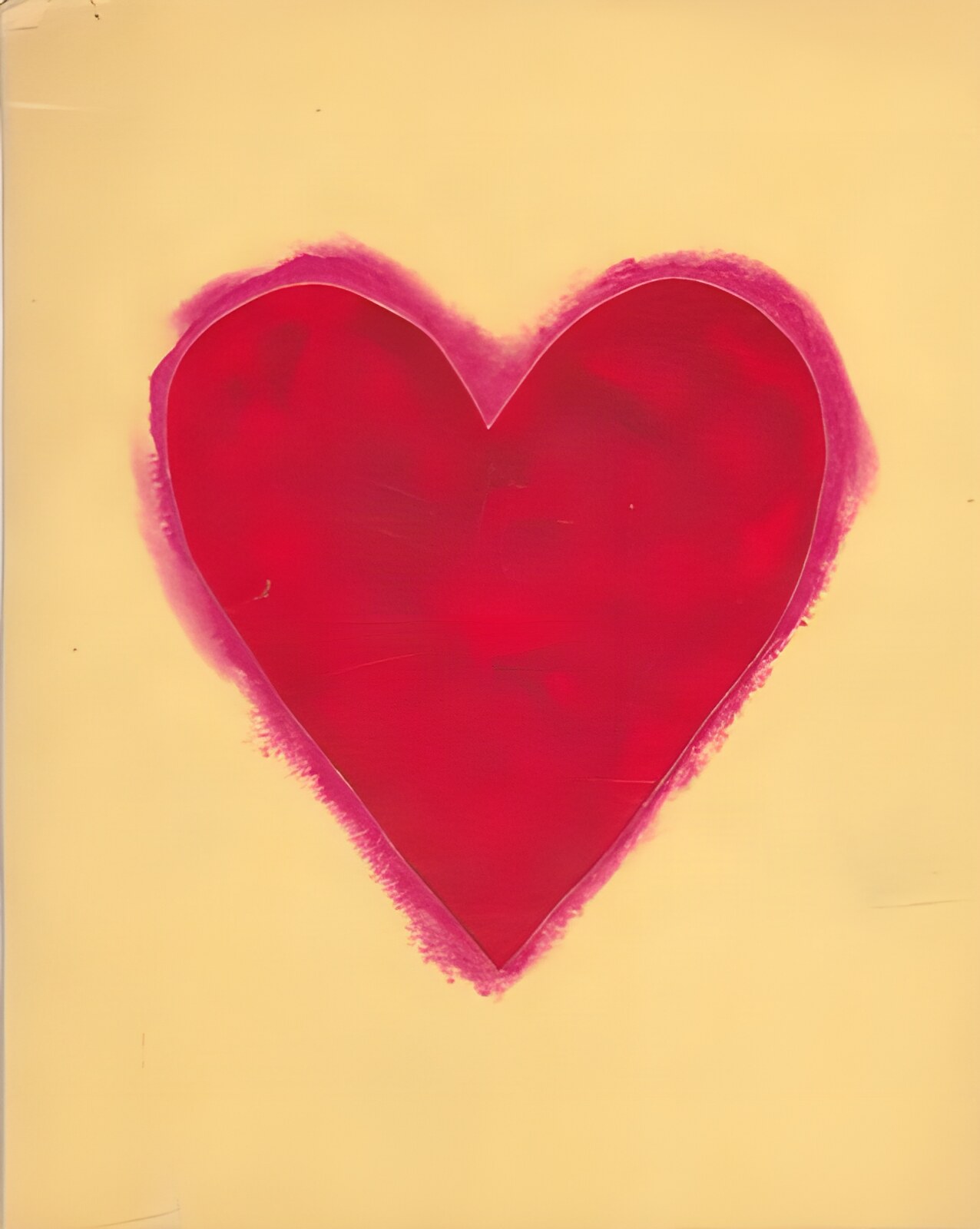
Softcover. NY, Whitney Museum of American Art, 1st, 1970, Book: Very Good, Dust Jacket: None, Softcover, yellow wraps with die-cut heart in front cover. 98 pages. 99 color & bw plates. Issued in conjunction with a 1970 exhibition of work by American pop artist Jim Dine (b. 1935). With opening essays and an artist statement. The catalogue addresses 126 works, and quite a few are pictured here. Includes a lengthy bibliography and exhibition history. Clean.
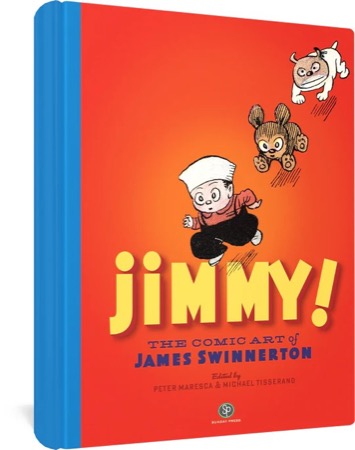
Hardcover. Seattle, Fantagraphics, 1st, 2025, Book: Very Good, Dust Jacket: None, Hardcover, large format, pictorial boards, 160 pages. The definitive collection of comics and illustration from 1892 to 1942 by James Swinnerton, one of the founding fathers of the American comic strip. This sumptuous volume covers Swinnerton's six-decade career in comics, from his beginnings as a sports/editorial cartoonist for William Randolph Hearst in San Francisco to his years in the America's Southwest desert, where his love for the land and its people came through in his comics and illustration. Jimmy! includes an illustrated biography and essays by co-editor Michael Tisserand and Eddie Campbell. The comic strips in this volume are carefully restored to their original colors and printed at near-full size. Swinnerton lovers will be delighted by the richness and variety of the works seen here. Those new to this uniquely American artist will likely join the growing numbers who appreciate his important role in the history of the comics. Clean, bright copy. DOMESTIC SHIPPING ONLY.
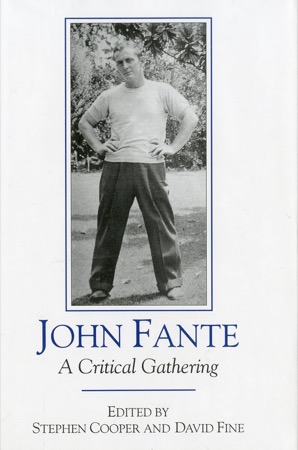
Hardcover. Fairleigh Dickinson University Press, 1st, 1999, Book: Very Good, Dust Jacket: Very Good, Hardcover in a bright dust jacket, 160 pages. This book offers eleven essays on Fante's career, ranging from close thematic analysis of individual stories and novels to broadly informed assessments of Fante's life and art in the context of his times. Major areas explored in the book include Fante's treatment of the Italian-American experience; his relationship to other American writers of the 1930s and beyond; the deeply Catholic nature of Fante's fiction; his unique and still-seminal vision of Los Angeles; and his lifelong concern to render in fiction both the comedy and the horrors of the writing life. Clean copy.
Hardcover. New Haven CT, Yale University Press, 1st, 2010-11-09, Book: Near Fine, Dust Jacket: Near Fine, 224 pages, profuse color and b&w illustrations and plates. The essays in John La Farge's Second Paradise explore the artist's reemergence as a plain air landscape painter, his use of the sketchbook, and his late decorative work, which was reinvigorated by the experience of light and color he discovered in the South Seas. Further discussions examine the prevailing notions of tropical paradise perpetuated since Captain Cook's "discovery" of Polynesia in the late 18th century, and offer the first extended comparison of the careers and art of La Farge and Paul Gauguin, who arrived in Tahiti only days after La Farge left in 1891. Featuring many previously unpublished works, this beautiful book is a major contribution to the study of La Farge's life and art. Like new in publishers shrink-wrap.
Hardcover. New Haven CT, Yale University Press, 1st, 2010, Book: Very Good, Dust Jacket: Very Good, Hardcover, 224 pages, profuse color and b&w illustrations and plates. The essays in John La Farge's Second Paradise explore the artist's reemergence as a plain air landscape painter, his use of the sketchbook, and his late decorative work, which was reinvigorated by the experience of light and color he discovered in the South Seas. Further discussions examine the prevailing notions of tropical paradise perpetuated since Captain Cook's "discovery" of Polynesia in the late 18th century, and offer the first extended comparison of the careers and art of La Farge and Paul Gauguin, who arrived in Tahiti only days after La Farge left in 1891. Featuring many previously unpublished works, this beautiful book is a major contribution to the study of La Farge's life and art. Like new in publishers shrink-wrap.
Hardcover. New York, Abbeville Press, 1st, 1987, Book: Very Good, Dust Jacket: Very Good, Hardcover, 280 pages, 164 illustrations (76 in color). Essays by Henry Adams, Kathleen A. Foster, Henry A. La Farge, H. Barbara Weinberg, Linnea H. Wren, and James L. Yarnall. John La Farge was not only a painter of still lifes and landscapes in watercolor and oil, but he created extraordinary decorative schemes and revolutionary stained glass art for some of the country's most impressive churches and mansions as well.
Hardcover. New York, Hudson Hills Press, 1st, 1999, Book: Near Fine, Dust Jacket: Near Fine, Hardcover. Still wrapped in plastic. In great condition. Color photographs of Raimondi's artwork throughout. A nice, tight copy.
Softcover. Philadelphia, PA, Philadelphia Museum of Art, 1st, 1984, Book: Very Good, Dust Jacket: None, Exhibition catalog. 201 pages, illustrated throughout in color and b&w. Pictorial stiff wrappers. Minor wear to edges, slight wrinkle to lower front cover, else like new. This exhibition catalog explores the artist, his history, his views and his works in as comprehensive a fashion as any living artist could desire. Black and white and full-color plates on heavy coated paper. Essays by Mark Rosenthal and Richard Marshall. Exhibition travelled to Philadelphia, the Whitney in NY, Berkeley U. Art Museum, Walker Art Center and the Corcoran in Washington.
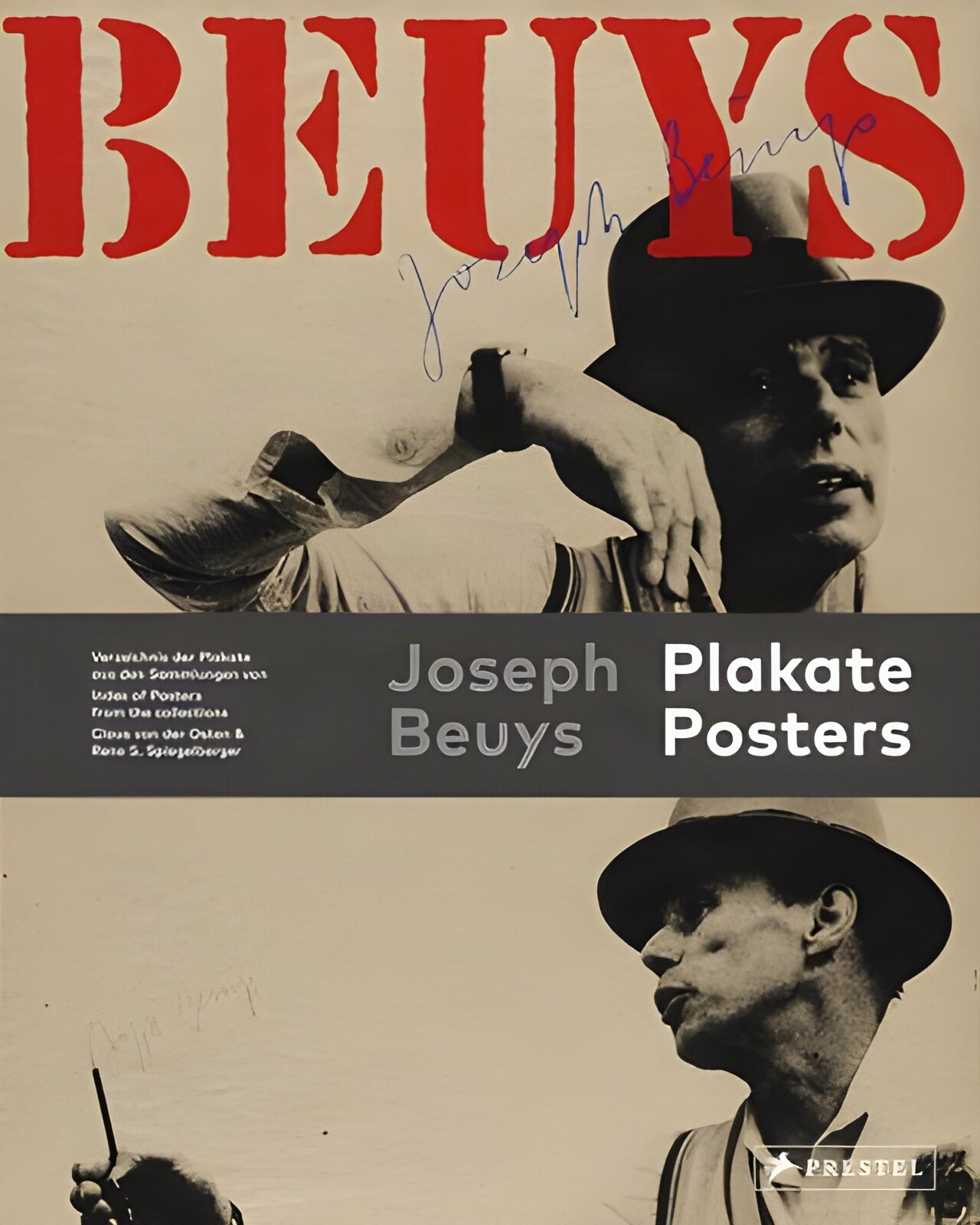
Hardcover. Munich/NJ, Prestel, 1st, 2021, Book: Very Good, Dust Jacket: Very Good, Hardcover in a bright dust jacket, 256 pages. One of the most important German postwar artists, Joseph Beuys is known for his drawings, performance art, activism, and teaching, influencing a generation of younger artists and expanding the concept of what art is. He had an ambitious goal for his art: to transform western culture into a more peaceful, democratic, and creative place. He also considered everyone to be an artist and that art and life should not be viewed separately. This book pulls together all of the avant-garde artist's posters from his entire oeuvre. His earliest posters often announced exhibitions of his own performance art, while later posters expressed his philosophical and political opinions, such as those for Germany's Green Party, which he was a founding member of. This book includes full page illustrations of Beuys' most important posters, essays about Beuys' influence, an extensive biography of the artist and a complete catalogue of all posters created under his guidance. Text in English and German. Still in publisher's shrinkwrap.
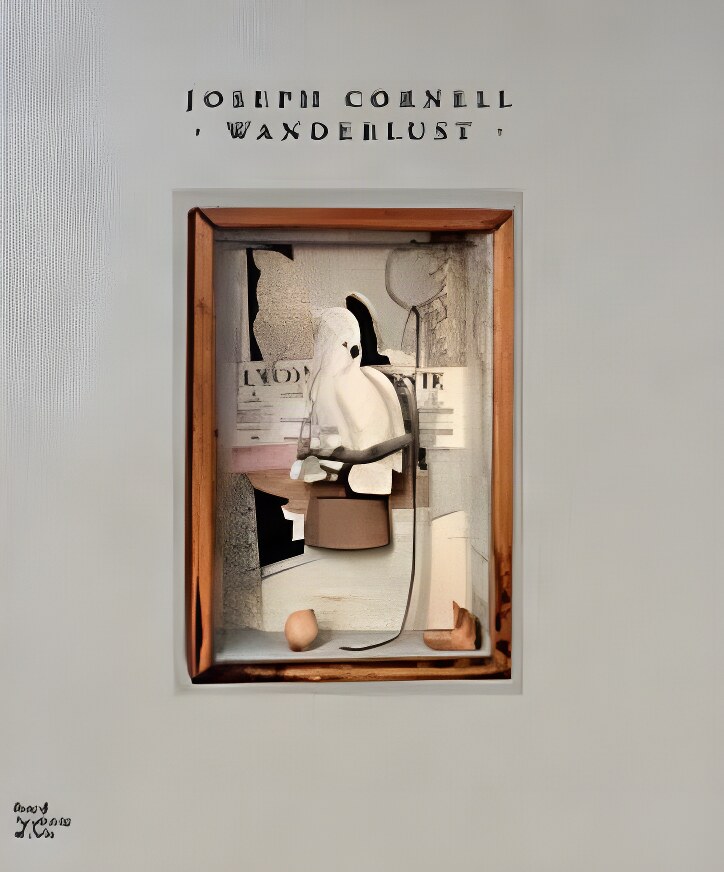
Hardcover. London , Royal Academy of Arts , 1st, 2015, Book: Very Good, Dust Jacket: None, Hardcover, 272 pages, without dust jacket. Like new in publisher's shrink-wrap. Joseph Cornell (1903-1972) was one of the 20th century's leading exponents of collage and assemblage. A connoisseur of an astonishing array of subjects, Cornell's captivation with bygone imagery encompassed astronomical charts and geographical maps, Italian and Spanish Old Master paintings, historical ballet, early film, literature, poetry and ornithology. Most iconic among his works are his box constructions-microcosmic curiosity cabinets-filled with once-precious fragments that he collected in thrift shops in his native New York. Joseph Cornell: Wanderlust is a landmark publication examining this remarkable work. It brings together some of Cornell's most compelling assemblages and box constructions (including Medici slot machines, soap-bubble sets and animal habitats). The contributors raise questions about Cornell's artistic processes while drawing parallels with historical modes of inquiry such as connoisseurship, exploration and classification.
Hardcover. NY, Thames & Hudson, 1st, 2012, Book: Very Good, Dust Jacket: None, Hardcover, 152 pages. A fabulous facsimile of an almost unknown masterpiece by Joseph Cornell, presented in a box, along with a volume of essays and an interactive DVD One of Joseph Cornell's favorite pastimes was to meander through the used bookstalls of lower Manhattan, sorting through old books, magazines, postcards, photos, and other ephemera in search of items to spark his creative impulses. Sometime in the early 1930s he came upon the Journal d'Agriculture Practique (Volume 21, 1911), a voluminous handbook of advice for farmers. Though he was very much an urban creature, he adored French culture of that period, and the book was filled with charming black and white engraving and photographs of pigs, horses, vegetables, and farm machinery. Over time Cornell altered and reinvented many of the pages in the Journal. He inserted collages, photomontages, and occasional drawings; he crossed out words in the text and made French puns with others. Hand-colored engravings, cutouts, and lift-ups intricately transport the reader from page to page. The dazzling elegance of Cornell's work on the Journal has rarely been viewed. It was discovered in his basement studio soon after his death in 1972 and is now in the collection of the Philadelphia Museum of Art. Due to its fragility, the work is not well known, even among Cornell scholars. Now, in a unique venture, sixty of the most extraordinary pages have been re-created in virtual facsimile, with cutouts, glue-ons, and other unique handmade details. Included in a specially designed box are a DVD of the entire work, including pop-up commentaries, and a volume of illustrated essays on the Journal and Cornell's artistic practice. 103 illustrations
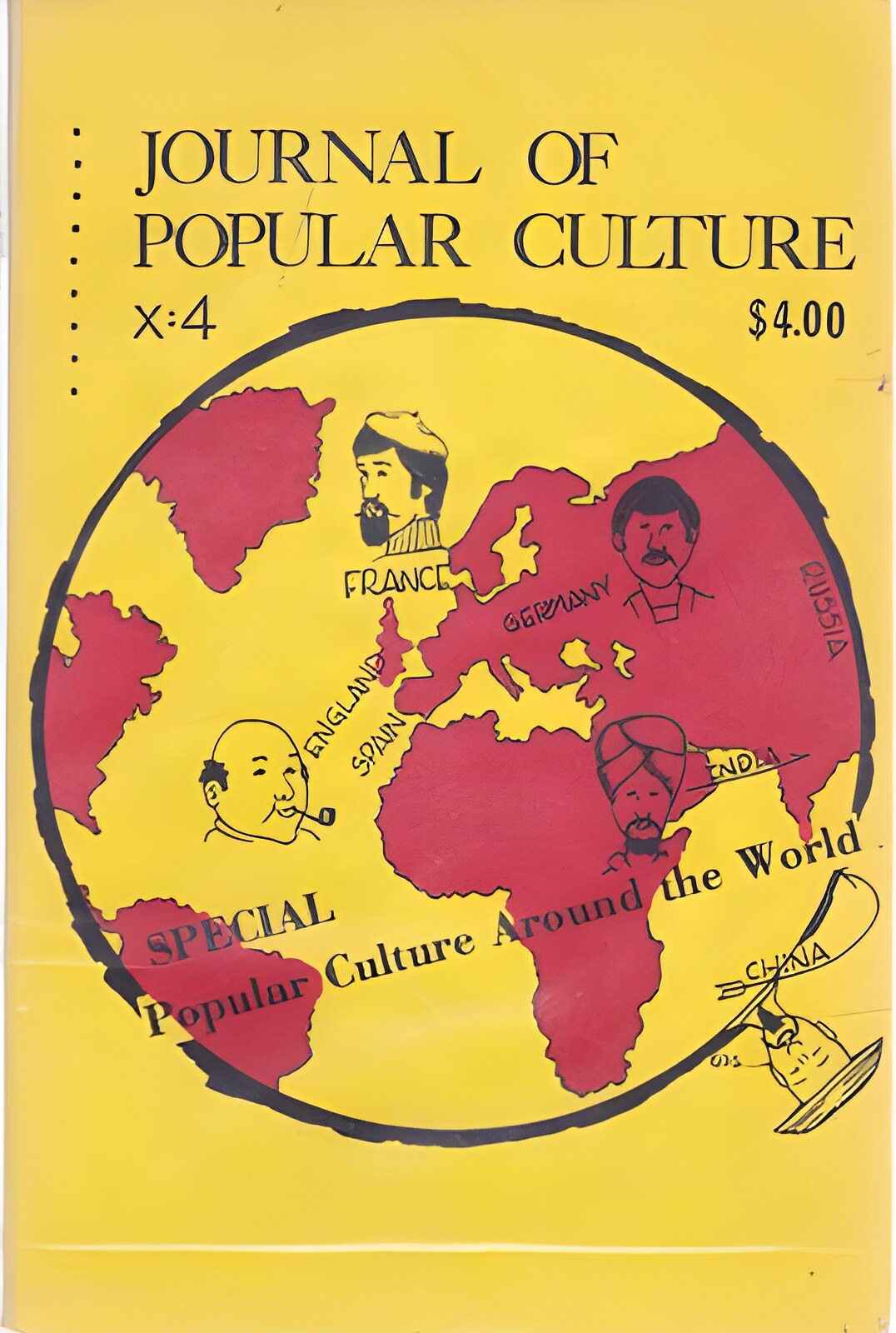
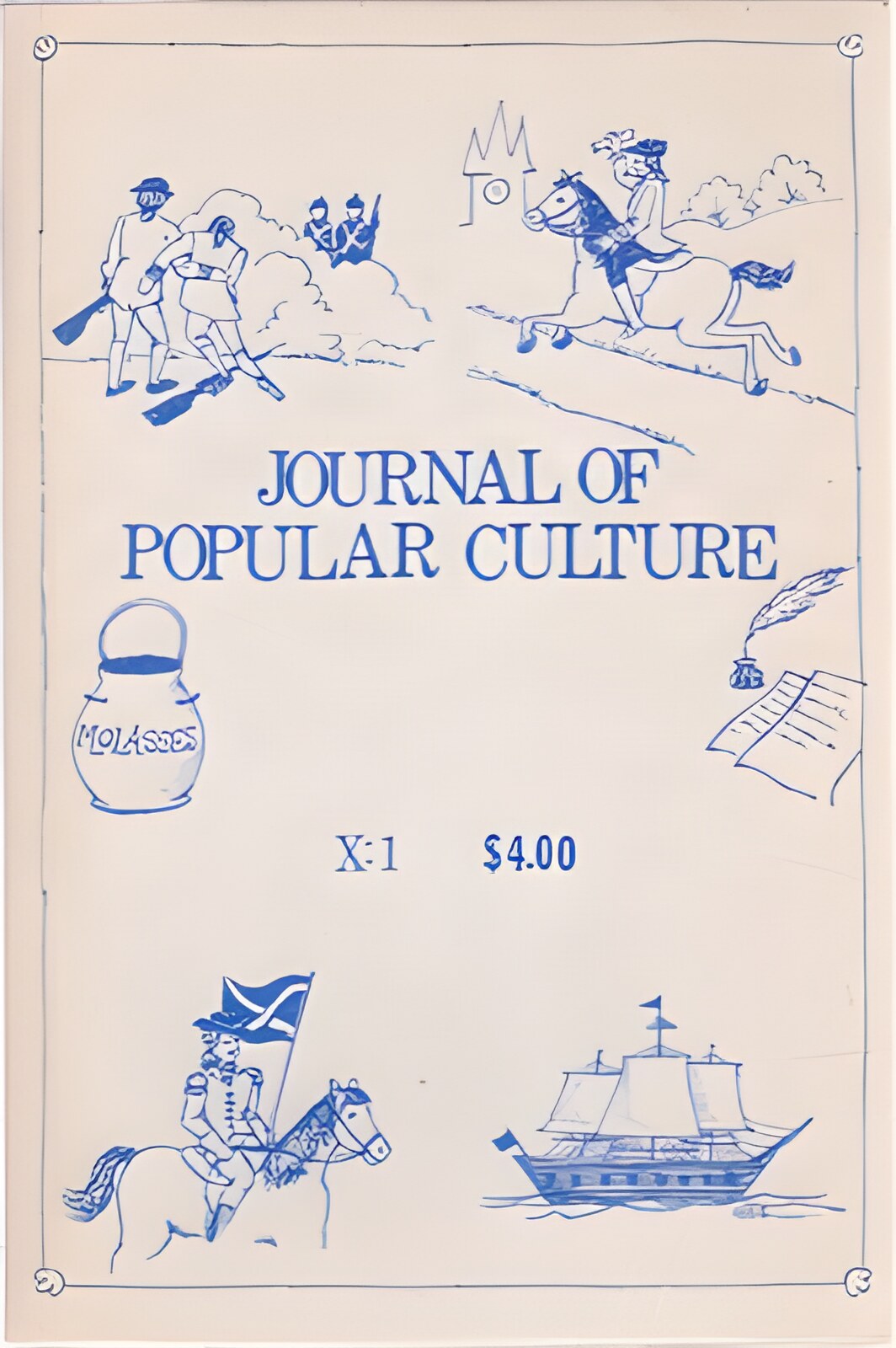
Softcover. Bowling Green OH, Journal of Popular Culture, 1st, 1977, Book: Very Good, Dust Jacket: None, Softcover, pages 701-909. Articles include: Philip Gordon on Ayn Rand. Louis F. Helbig on Struwwelpeter: an inquiry into the effects of violence in children's literature. French folk songs. D. L. Ashliman on the American Indian in German Travel Narratives and Literature. Clean.
Softcover. Bowling Green OH, Journal of Popular Culture, 1st, 1976, Book: Very Good, Dust Jacket: None, Softcover, pages 1-258. Articles include: The tragedy of Bert Williams, mystery writer John D. MacDonald, Edward R. Murrow's WW2 radio broadcasts, the dance marathon craze, Spider-Man - Superhero in the Liberal Tradition, others. Clean.
Softcover. San Rafael CA, Coracle Press, reprint, 2007, Book: Very Good, Dust Jacket: None, Softcover, 330 pages, b&w frontis. A new printing of the journal and letters of Stephen Mackenna (1872-1934), a vivid and representative thinker whose life intersected with many of the leading figures of his day, and especially those of the Irish literary renaissance. The editor, E. R. Dodds, writes: Stephen MacKenna's working life was divided among three countries, and was further broken by two complete changes of occupation and by continual changes of residence. When he died, he left behind him no wife, child or lifelong friend; . . . and with the exception of the 1907-9 Journal no papers of any considerable biographical value. He left instead a legend. In the Memoir which follows I have endeavored to recover and present the facts underlying the legend. Best known for what AE (George William Russell) called his 'noble translation of Plotinus', MacKenna nonetheless harbored views that collided with those of Plotinus, and so speaks to us as an authentic forerunner of the 'modern' human being, by which is meant those who, once their individual inner light is lit-and no matter how it may gutter in the wind of uncertain freedoms-must, even while hallowing earlier and magisterial records of paths of spiritual ascent, accept the need for a complete 'descent' (without which the whole engine of creation will have had no final purpose), with all the provisional darkness this may entail, so that the final ascent may be made in personal love and freedom. Clean, bright copy.
Softcover. Lincoln NE, University Of Nebraska Press , 1st pbk, 1995, Book: Very Good, Dust Jacket: None, Softcover, 432 pages. Collects letters and essays that are published during the 1850s and 1860s. This title highlights the notorious 1850 article "Judaism in Music". It includes prose pieces such as "On the Performing of Tannhauser"; "On Musical Criticism"; and, "Music of the Future". It offers suggestions for the reform of opera houses in Vienna, Paris, and Zurich. Clean copy.
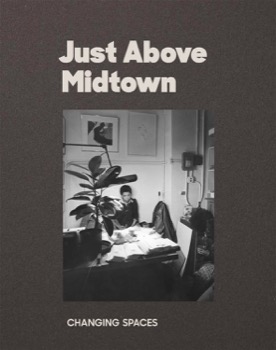
Softcover. NY, Museum of Modern Art, 1st, 2022, Book: Very Good, Dust Jacket: None, Softcover, 184 pages, illustrated in color and b&w. Just Above Midtown, or JAM, was an art gallery and self-described laboratory for experimentation led by Linda Goode Bryant that foregrounded African American artists and artists of color. Open from 1974 to 1986, it was a place where an expansive idea of contemporary art flourished and debate was cultivated. The gallery offered early opportunities for artists recognized as pivotal figures in late-20th-century art-including David Hammons, Butch Morris, Senga Nengudi, Lorraine O'Grady and Howardena Pindell-as well as a nonhierarchical approach to art that welcomed artists without stylistic proscription. Published in conjunction with the first museum exhibition to focus on this visionary gallery and its ongoing impact, Just Above Midtown: Changing Spaces showcases rarely seen material from JAM's history-artworks, ephemera and photographs-that collectively document the gallery's communal and programmatic activities. This richly illustrated, jacketed paperback catalog includes essays that contextualize JAM and consider its legacy, a conversation between Goode Bryant and Thelma Golden, Director and Chief Curator of the Studio Museum in Harlem, a complete exhibition chronology written by MoMA and Studio Museum staff with nearly 50 annotated entries, and excerpts from oral histories with JAM staff and artists conducted especially for this project. Clean copy.
Hardcover. Livingston, MT, Clack City Press, 1st, 1991, Book: Very Good, Dust Jacket: Very Good, 318 pages. Hardcover with dust jacket. Clean, tight copy with minor wear to edges.
Hardcover. New York, Knopf, 1st, 1989, Book: Very Good, Dust Jacket: Very Good, Hardcover, 210 pages. Faint foxing to top edge, otherwise a clean, tight copy. Twenty-two essays on art with subjects ranging from Andrew Wyeth's Helga paintings to children's book illustrators to classic masters Vermeer, Monet, Degas and others.
Hardcover. New York, PowerHouse Books, 1st, 2004, Book: Very Good, Dust Jacket: Very Good, 160 pages. Hardcover with dust jacket. Very clean, unmarked copy still in publishers shrink-wrap. For his second powerHouse Books monograph, Juvenile, photographer Joseph Rodriguez spent several years following several youths, from arrest, counseling, trial adjudication, and incarceration, to release, probation, house arrest, group homes, and the search for employment and meaning in their lives. Through the power of his photographs, Rodriguez shows us how these kids struggle and how they fight to change their lives.

 "Jazz Panorama: from the Pages of the Jazz Reviewby: Williams, Martin T.")
 "Jeff Wall: Exposureby: Blessing, Jennifer and Jeff Wall")
 "Jews and American Comics: An Illustrated History of an American Art Formby: Buhle, Paul")



 "John La Farge's Second Paradise: Voyages in the South Seas, 1890-1891 (Yale Art Gallery)by: Hodermarsky, Elisabeth")
 "John La Fargeby: Adams, Henry")

 "John Raimondi Sculptorby: Corbett, William")
 "Jonathan Borofskyby: Rosenthal, Mark & Richard Marshall")




 "Joseph Cornell's Manual of Marvels: How Joseph Cornell reinvented a French agricultural manual to create an American masterpieceby: Dickran Tashjian and Analisa Leppa")




 "Just Before Dark: Collected Nonfictionby: Harrison, Jim")
 "Just Looking: Essays on Artby: Updike, John")
 "Juvenileby: Rodriguez, Joseph (Photographer)")