Hardcover. Princeton NJ, Princeton University Press, 1st, 1969, Book: Very Good, Dust Jacket: None, Hardcover, decorated boards with green cloth spine with gilt lettering. 116 pages, clean, bright copy, no dj. This is a collection of excerpts from the public addresses of Robert F. Goheen during his twelve years as President of Princeton University. The emphasis is on the people whose responsibility it is to promote and defend the principles underlying the modern American university-students, faculty, administrators, trustees, alumni. Several fundamental themes emerge the theme of individual responsibility, and the ever-present need to join rational intelligence with moral commitment, for example. Dr. Goheen sees the university as a continuing institution with long range goals, responding conservatively (in its best sense) to the human needs of the times. He seeks to define its institutional relationships in the context of the university's tasks in educ1tion and research, which must be understood and kept in balance if universities are to serve their functions effectively. Laid in are two reprints of postcards from the 1890s featuring Princeton athletes.
Hardcover. Pinceton NJ, Princeton University Press, 1st, 1979, Book: Very Good, Dust Jacket: Very Good, Hardcover in a bright dust jacket, 315 pages. The Western ideal of individualism had a pervasive influence on the culture of the Meiji period in Japan (1868-1912). Janet Walker argues that this ideal also had an important influence on the development of the modern Japanese novel. Focusing on the work of four late Meiji writers, she analyzes their contribution to the development of a type of novel whose aim was the depiction of the modern Japanese individual. Professor Walker suggests that Meiji novels of the individual provided their readers with mirrors in which to confront their new-found sense of individuality. Her treatment of these novels as confessions allows her to discuss the development of modern Japanese literature and "the modern literary self" both in themselves and as they compare their prototypes and analogues in European literature. The author begins by examining the evolution of a literary concept of the inner self in Futabatei Shimei's novel Ukigumo (The Floating Clouds), Kitamura Tokoku's essays on the inner life, and Tayama Katai's I-novel Futon (The Quilt). She devotes the second half of her book to Shimazaki Toson, the Meiji novelist who was most influenced by the ideal of individualism. Here she traces Toson's development of a personal ideal of selfhood and analyzes in detail two examples of the lengthy confessional novel form that he created as a vehicle for its expression.
Hardcover. NY/Oxford UK, Berghahn Books, 1st, 2003, Book: Very Good, Dust Jacket: None, Hardcover, 232 pages, pictorial boards. Milena Jesenska, born in Prague in 1896, is most famous as one of Franz Kafka's great loves. Although their relationship lasted only a short time, it won the attention of the literary world with the 1952 publication of Kafka's letters to Milena. Her own letters did not survive. Later biographies showed her as a fascinating personality in her own right. In the Czech Republic, she is remembered as one of the most prominent journalists of the interwar period and as a brave one: in 1939 she was arrested for her work in the resistance after the German occupation of Bohemia and Moravia, and died in Ravensbruck concentration camp in 1944. It is estimated that Jesenska wrote well over 1,000 articles but only a handful have been translated into English. In this book her own writings provide a new perspective on her personality, as well as the changes in Central Europe between the two world wars as these were perceived by a woman of letters. The articles in this volume cover a wide range of topics, including her perceptions of Kafka, her understanding of social and cultural changes during this period, the threat of Nazism, and the plight of the Jews in the 1930s. Clean copy.
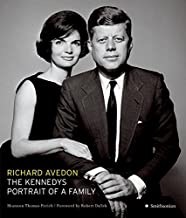
Hardcover. NY, Harper Design, 1st, 2007, Book: Very Good, Dust Jacket: Very Good, Hardcover, 128 pages. In the early 1960s, Richard Avedon was commissioned by Harper's Bazaar to create Observations, a column that consisted of a series of nine photographic essays. The subject of the first essay was John F. Kennedy and his young family, who sat for formal black-and-white portraits just three weeks prior to Kennedy's presidential inauguration. Six images appeared in the magazine's February 1961 issue. That same day, Avedon created more informal color portraits of Kennedy and his family at the Kennedy compound in Palm Beach. One of these images ran as the cover of LOOK magazine's February 28 issue, with photographs by Avedon inside. Just before the magazine hit the newsstands and was delivered to over 6.5 million people, a set of photographs, comprised mostly of the LOOK images, was released by the White House and appeared in newspapers across the country. During his lifetime, Richard Avedon donated more than two hundred images to the Smithsonian Institution, including all of the photographs of the Kennedy family sitting for Harper's Bazaar. Smithsonian curator Shannon Thomas Perich has culled more than seventy-five images from that donation for The Kennedys: Portrait of a Family, making these stunning photographs available for view for the first time. Perich's introductory essay--accompanied by a wealth of archival photographs of both Avedon and the Kennedy family--provides historical background on the two sittings within a political and cultural context and critically examines the work of one of the finest photographers of the twentieth century. A foreword by Robert Dallek, distinguished historian and author of the bet-selling An Unfinished Life: John F. Kennedy, 1917-1963, provides authoritative and compelling insight to one of the most fascinating presidents in American history.
Hardcover. London, Jonathan Cape, 1st, 1934, Book: Good, Dust Jacket: None, Hardcover, blue cloth faded on spine and cover edges, gilt lettering on spine. 315 pages, b&w photographic plates. Some fifty essays, reviews, studies and other short pieces, including a section devoted to Williamson's travels in North America and passages from 'The Sun in the Sands' which do not appear in the 1941 book of the same name. No markings.
Hardcover. NY, Harcourt, Brace & World, 1st, 1955, Book: Very Good, Dust Jacket: Fair, Hardcover in a worn, chipped dust jacket, 309 pages. A collection of essays from the famed literary critic. Clean copy.
Hardcover. NY, HarperCollins, 1st, 2002, Book: Very Good, Dust Jacket: Very Good, Hardcover in a bright, unclipped dust jacket. SIGNED BY PROSE on the title page. In a brilliant, wry, and provocative book, National Book Award finalist Francine Prose explores the complex relationship between the artist and his muse. In so doing, she illuminates with great sensitivity and intelligence the elusive emotional wellsprings of the creative process. Clean copy.
Hardcover. NY/London, G. P. Putnum's Sons, 1st illust. thus, 1933, Book: Very Good, Dust Jacket: None, Hardcover, green cloth with gilt stamping, 242 pages. 24 woodcuts and some decorations by Tunnicliffe. First Illustrated Edition which has been enlarged by the author and contains several new essays. No dust jacket.
Hardcover. University of Nebraska Press, 1st, 2017, Book: Very Good, Dust Jacket: Very Good, Hardcover, 592 pages. Ring Lardner's influence on American letters is arguably greater than that of any other American writer in the early part of the twentieth century. Lauded by critics and the public for his groundbreaking short stories, Lardner was also the country's best-known journalist in the 1920s and early 1930s, when his voice was all but inescapable in American newspapers and magazines. Lardner's trenchant, observant, sly, and cynical writing style, along with a deep understanding of human foibles, made his articles wonderfully readable and his words resonate to this day. Ron Rapoport has gathered the best of Lardner's journalism from his earliest days at the South Bend Times through his years at the Chicago Tribune and his weekly column for the Bell Syndicate, which appeared in 150 newspapers and reached eight million readers. In these columns Lardner not only covered the great sporting events of the era--from Jack Dempsey's fights to the World Series and even an America's Cup--he also wrote about politics, war, and Prohibition, as well as parodies, poems, and penetrating observations on American life.
Hardcover. Oxford UK, Clarendon Press, 1st, 1993, Book: Very Good, Dust Jacket: Very Good, Hardcover in a bright dust jacket, Maurice Wiles was Regius Professor of Divinity at the University of Oxford from 1970-1991. To celebrate his seventieth birthday, a group of distinguished friends and colleagues have written this important series of original and perceptive essays on the twin themes of making and remaking Christian doctrine. The topics covered in this thought-provoking collection range from the notion of divine action in Hebrew Wisdom literature to reflections on the nature of the ministry, from the concept of God and the doctrines of Christology and of the Trinity to the character of theological reflection, and from revelation and tradition to the "lex orandi," the nature of interpretation in religion and the historical basis of theological understanding. Clean copy.
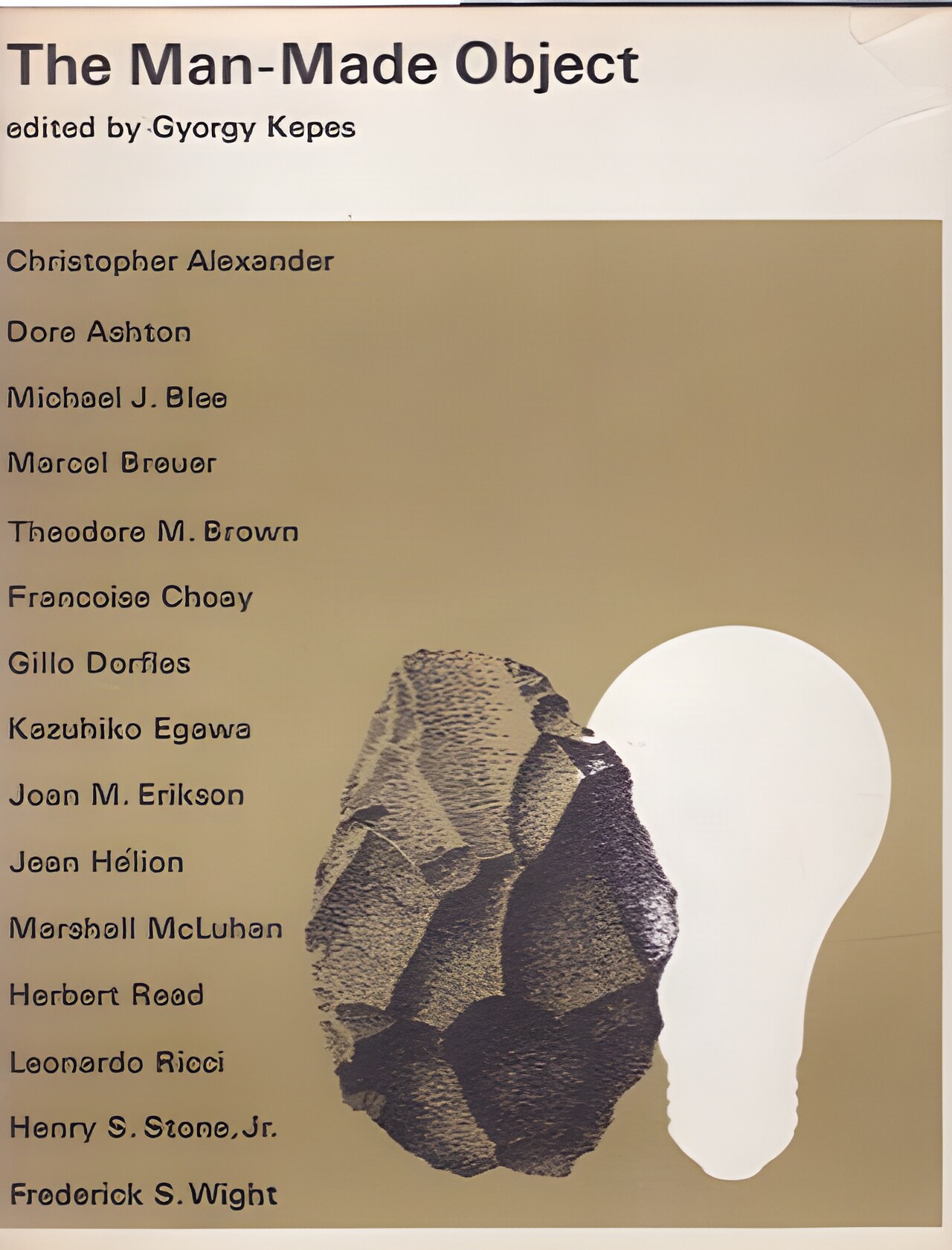
Hardcover. NY, George Braziller, 1st, 1966, Book: Very Good, Dust Jacket: Very Good, Hardcover in slightly worn dust jacket, 230 pages illustrated with b&w photos. A series of articles by Francoise Choay, Herbert Read, Marcel Breuer, and others, on the role of man-made objects in 20th-Century society. Small owner's sticker on the front fly leaf, otherwise clean.
Hardcover. NY, Aperture, reprint, 1999, Book: Very Good, Dust Jacket: Very Good, Hardcover in a bright dust jacket, 107 pages. Henri Cartier-Bresson's writings on photography and photographers have been published sporadically over the past 45 years. His essays--several of which have never before been translated into English--are collected here for the first time. The Mind's Eye features Cartier-Bresson's famous text on "the decisive moment" as well as his observations on Moscow, Cuba and China during turbulent times. These essays ring with the same immediacy and visual intensity that characterize his photography. Clean copy.
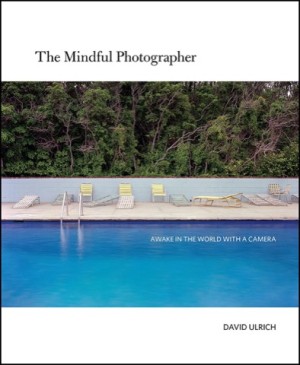
Hardcover. San Rafael CA, Rocky Nook, 1st, 2022, Book: Very Good, Dust Jacket: None, Hardcover in pictorial cloth, 202 pages. In The Mindful Photographer, teacher, author, and photographer David Ulrich follows up on the success of his previous book, Zen Camera, by offering photographers, smartphone camera users, and other cultural creatives 55 short (1-5 pages) essays on topics related to photography, mindfulness, personal growth, creativity, and cultivating personal and social awareness. Whether you're seeking to become a better photographer, find your voice, enhance your ability to "see" the world around you, realize your full potential, or refine your personal expression, The Mindful Photographer can help you. Clean copy.
Hardcover. Chicago, The University of Chicago Press, 1st, 1952, Book: Good, Dust Jacket: Good, Hardcover, green cloth covers in a worn and chipped dust jacket. 438 pages, mild waviness to pages. A collection of his most important essays, selected by Kroeber himself.
Hardcover. NY, Knopf, 2nd pr., 2002, Book: Very Good, Dust Jacket: Very Good, Hardcover in a bright dust jacket, 963 pages. An updated edition of the film reference provides more than 1,300 entries on leading international actors and actresses, directors, and producers, along with critical essays, profiles, and film analyses. Like new condition. DUE TO WEIGHT, DOMESTIC SHIPPING ONLY.
Hardcover. NY/Beijing, Chambers Fine Arts, 1st, 2005, Book: Very Good, Dust Jacket: Very Good, Hardcover copy in black boards with the artists' name embossed in darker black on the front cover, in a bright red dust jacket, with some edge-wear. This is the most complete catalog of Lu Shengzhong's works to date. The catalog was prepared to accompany the exhibition at the University at Albany Art Museum. Text In English and Chinese. Essays by a dozen scholars. Biographical sketch. 34 page illustrated chronology, records Lu Shengzhong's artworks from 1980 to 2005. Illustrated throughout in color, some black & white, vintage photographs. 11" high X 8" wide, 155 pages.
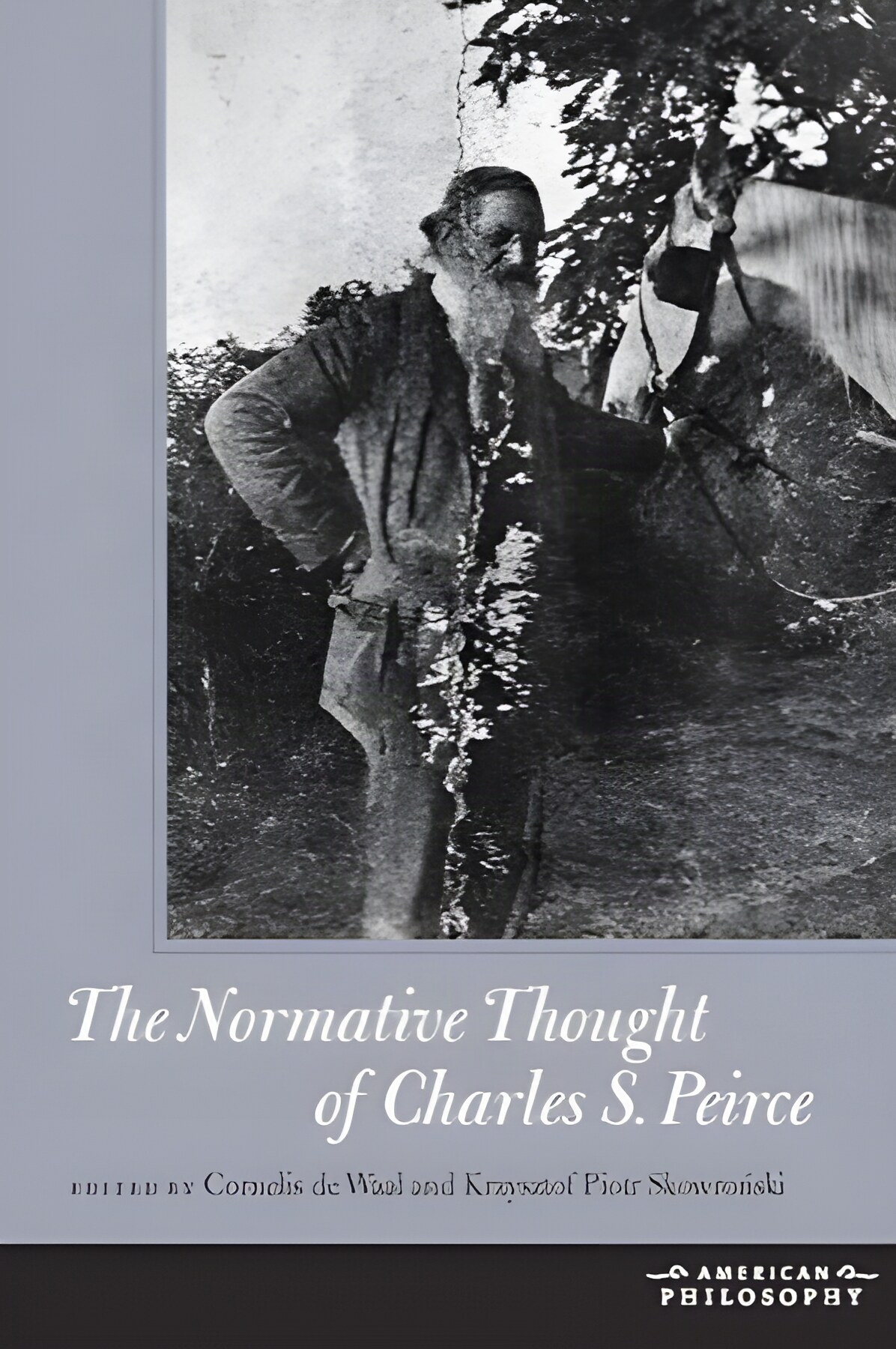
Hardcover. NY, Fordham University Press, 1st, 2012, Book: Very Good, Dust Jacket: Very Good, Hardcover in a bright dust jacket, 321 pages. This volume explores the three normative sciences that Peirce distinguished (aesthetics, ethics, and logic) and their relation to phenomenology and metaphysics. The essays approach this topic from a variety of angles, ranging from questions concerning the normativity of logic to an application of Peirce's semiotics to John Coltrane's A Love Supreme. A recurrent question throughout is whether a moral theory can be grounded in Peirce's work, despite his rather vehement denial that this can be done. Some essays ask whether a dichotomy exists between theoretical and practical ethics. Other essays show that Peirce's philosophy embraces meliorism, examine the role played by self-control, seek to ground communication theory in Peirce's speculative rhetoric, or examine the normative aspect of the notion of truth. Proceedings of a conference held June 26-30, 2007 at Opole University, Poland. Clean copy.
Softcover. NY, Onassis Foundation, 1st, 2009, Book: Very Good, Dust Jacket: None, Softcover, 131 pages illustrated in color. The Origins of El Greco focuses on the evolution of the multifaceted relationship of Cretan painters with Western art during this rich period. The icon painters in the workshops on Crete in the 15th and 16th centuries-the setting in which El Greco was trained-were renowned for their skill in painting impeccable panels not only in the traditional Byzantine manner but also in a style inspired by Western models. The Origins of El Greco presents an extraordinary group of 15th and 16th century paintings, including works by El Greco. The color-illustrated catalogue features detailed descriptions of all 46 masterpieces included in the exhibition, some of them published for the first time, as well as 3 informative essays: Anastasia Drandaki, Curator, Byzantine Collection, Benaki Museum, Athens writes on "Between Byzantium and Venice: Icon Painting in Venetian Crete in the Fifteenth and Sixteenth Centuries", Olga Gratziou, Professor of Byzantine Art and Archaeology, University of Crete writes on "Cretan Architecture and Sculpture in the Venetian Period" and Nicos Hadjinicolaou, Professor Emeritus in Art History, University of Crete, and Honorary Fellow of the Institute for Mediterranean Studies, writes on "Early and Late El Greco". Clean, bright copy.
Hardcover. Madison WI, University of Wisconsin Press, reprint, 1989, Book: Very Good, Dust Jacket: None, Hardcover, brown cloth with white lettering on spine. 276 pages. Between 1868 and 1897 Henry James wrote a number of short essays and reviews of artists and art collections; these essays were published in magazines such as "Atlantic Monthly" and "Harper's Weekly" and in newspapers such as the "New York Tribune". They included James' comments on Ruskin, Turner, Whistler, Sargent, and the Impressionists, among many others. Thirty of these essays were collected and first published in a modern edition in 1956, accompanied by John Sweeney's introduction which sketched James' interests in the visual arts over a period of years, focusing on the ways in which painting and painters entered his work as subjects. Susan Griffin's new foreword places James' observations in a contemporary context. Some of the novelist's judgements will seem wrong to today's readers: he was very critical of the Impressionists, for example, but all of these essays bear the stamp of James' critical intelligence, and they tell us a great deal about his development as a writer during those years. Bight, clean copy.
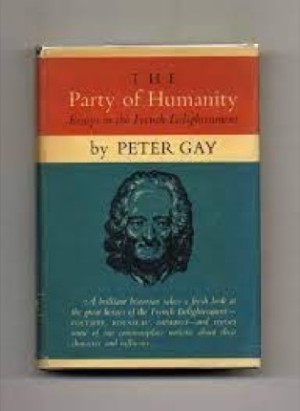
Hardcover. NY, Knopf, 1st, 1964, Book: Very Good, Dust Jacket: Very Good, Hardcover in a nice, unclipped dust jacket with light tanning to spine. 290 pages plus index. Clean copy. THE ENLIGHTENMENT has long been the victim of uninformed or hostile criticisms. Even so respected a source as the Shorter Oxford English Dictionary defines the Enlightenment as "shallow and pretentious intellectualism, unreasonable contempt for authority and tradition," thus collecting in one sentence most of our current prejudices. In this provocative book--at once a scholarly study and a vigorous polemic--Peter Gay sets out to shatter old myths, to sort out illusion from reality, and to restore the men of the Enlightenment--Voltaire, Rousseau, Diderot--to the esteem they deserve.
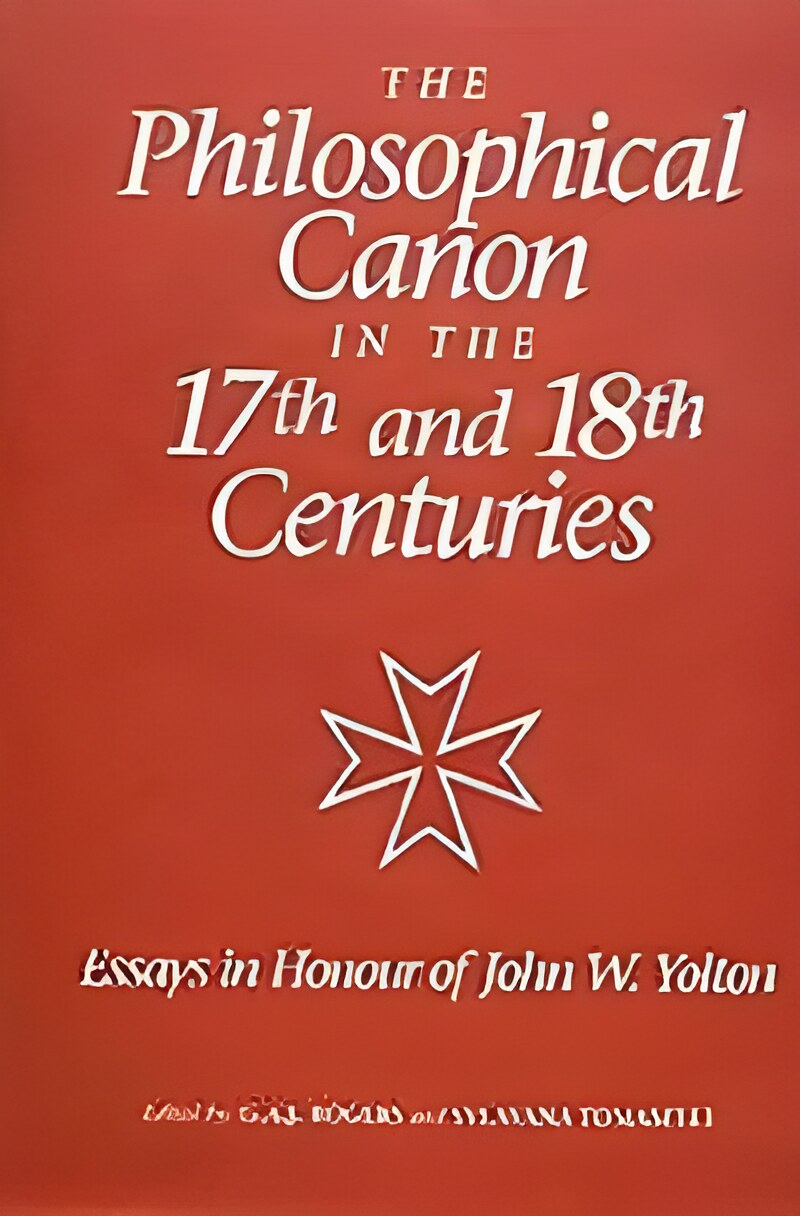
Hardcover. Rochester NY, University of Rochester Press, 1st, 1996, Book: Very Good, Dust Jacket: Very Good, Hardcover in a bright dust jacket, 224 pages. 10 Essays, ranging from Locke, Berkeley, and Hume to Foucault's Critique of the Enlightenment, with an Introduction by Sylvana Tomaselli. Contributors include Richard H. Popkin, Peter Laslett, and Michael Ayers.
Hardcover. NY, Abrams, 1st, 2008, Book: Very Good, Dust Jacket: Very Good, Hardcover, 300 pages. In this lavishly produced volume, journalist Gaudriault accompanies photographer Rancinan to Africa, Asia, Europe and the United States to interview 23 masters of contemporary photography, paying homage to fashion photographers and photojournalists, traditional chroniclers of their times and conceptual artists. Rancinan's photographs record each encounter in portraits that encapsulate each subject's relationship with his shared discipline. Readers follow paparazzo Ron Galella fending off the camera; Martin Parr, the sardonic chronicler of middle-class British life, having tea in a cafe; Rankin, the creator of the hip magazine Dazed and Confused, hopping into a trashcan filled with his own cast-off images. Gaudriault's short essays quote liberally from her interviews and provide both biographical information and incisive commentary. Several of the older photographers strike an elegiac tone and confess to finding themselves at the end of the eras that gave birth to their visions, but optimism reigns among younger practitioners: David LaChapelle is reinventing himself in Hawaii; Rankin is bearing witness to an age that is still young; and Oliviero Toscani, the radical combination of journalist and marketer behind the Benetton campaigns, describes billboards as the church frescoes of today.
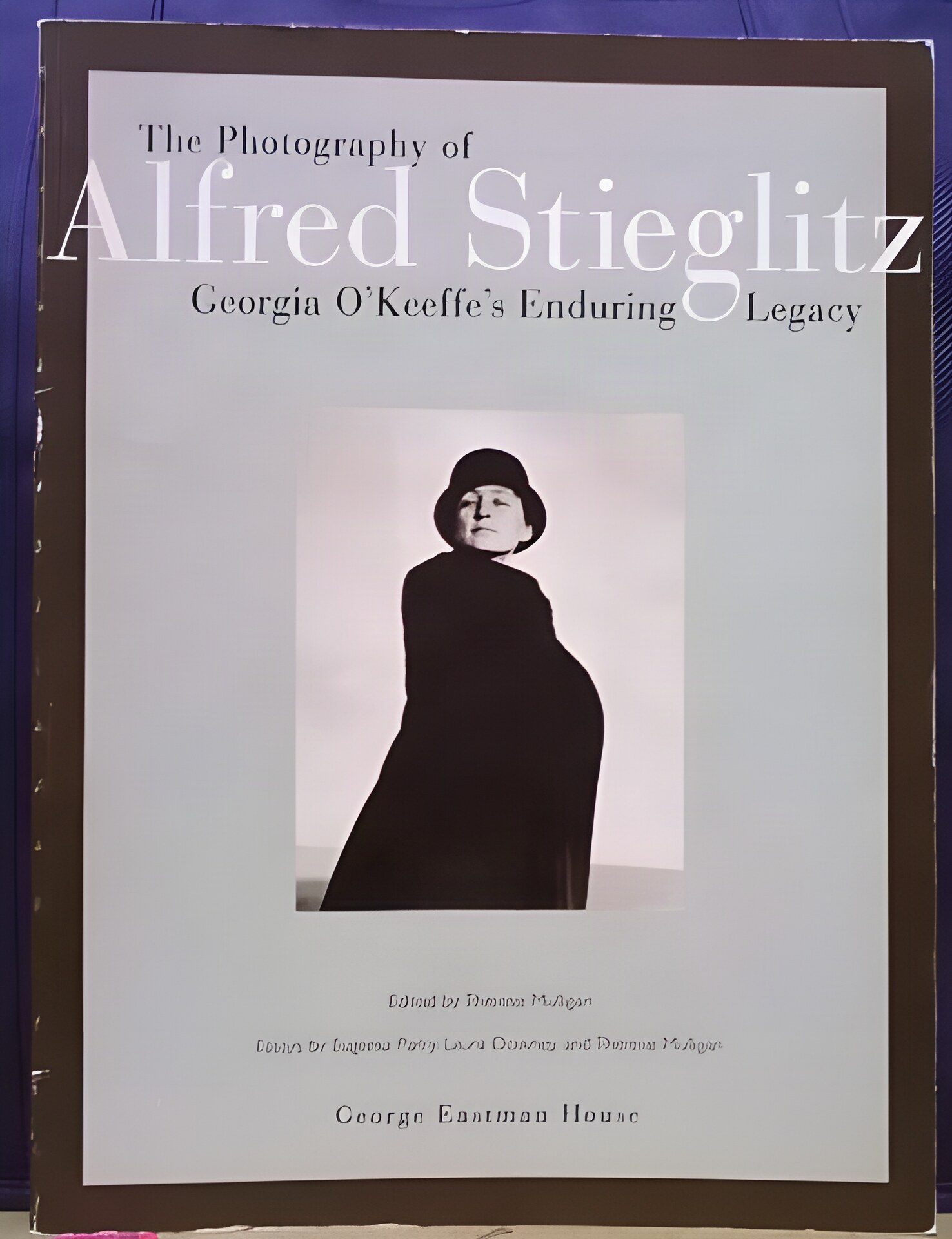
Softcover. Rochester NY, George Eastman House, 1st, 2000, Book: Very Good, Dust Jacket: None, Softcover, 127 page book with 40 black & white and color images by Stieglitz. Essays by Eugenia Parry, Laura Downey and Therese Mulligan. A complete illustrated catalog in rear of the collection O'Keeffe left to George Eastman House in 1951.

 "The Human Nature of a University by: Goheen, Robert F.")
 "The Japanese Novel of the Meiji Period and the Ideal of Individualismby: Janet A. Walker")


 "The Lives of the Muses: Nine Women & the Artists They Inspired (SIGNED COPY)by: Prose, Francine")



 "The Lost Journalism of Ring Lardnerby: Ring Lardner, Ron Rapoport , et al.")

 "The Mind's Eye: Writings on Photography and Photographers by: Cartier-Bresson, Henri")


 "The Nature of Cultureby: Kroeber, A.L.")

 "The New Emerging from the Old - Lu Shengzhong: Works 1980- 2005 by: Shengzhong, Lu")
 "The Photographer by: Gerard Rancinan and Caroline Gaudriault")