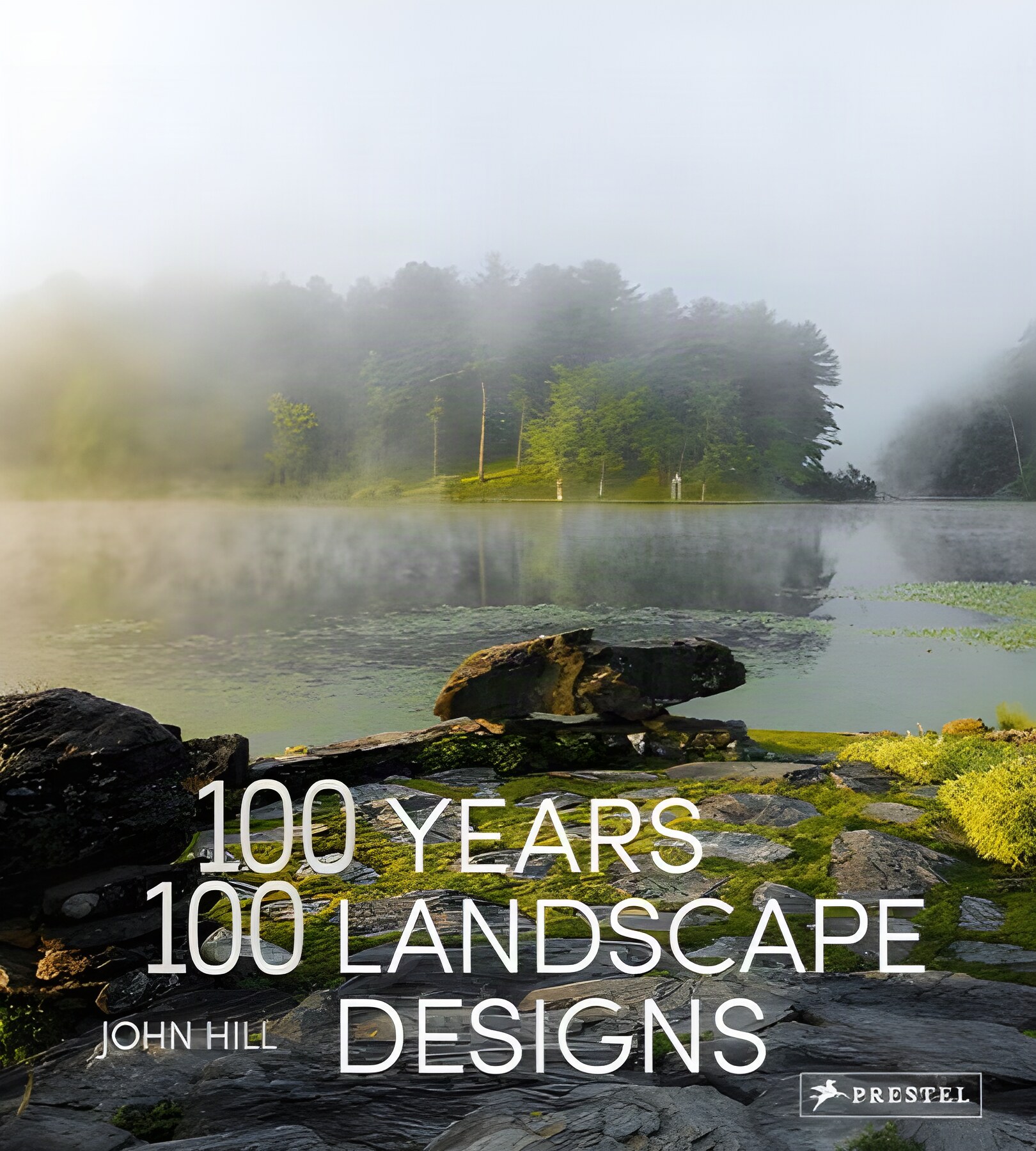
Hardcover. NY, Prestel, 1st, 2017, Book: Very Good, Dust Jacket: Very Good, Hardcover in a bright dust jacket. 224 pages illustrated in color. A century's worth of the most breathtaking and significant landscape designs around the globe. Beginning with Filoli, the century-old, forward-looking estate situated just south of San Francisco, and closing with The Park, the first public garden ever created in Las Vegas, John Hill takes readers on a worldwide tour, one per year, of beautiful, inspiring, creatively designed, and historically significant landscapes. Clean copy.
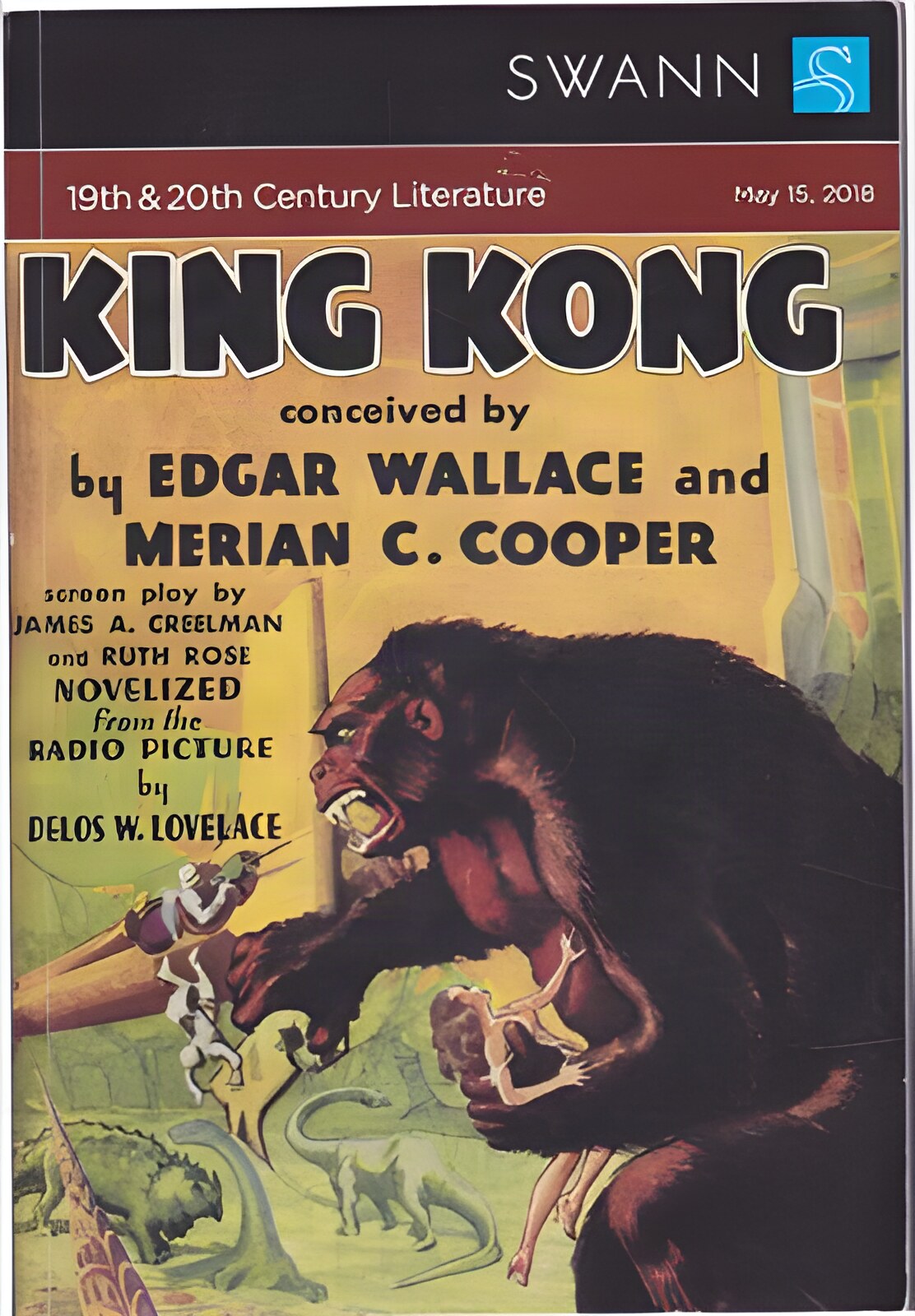
Softcover. NY, Swann Auction Galleries, 2018, Book: Very Good, Dust Jacket: None, Softcover, 310 lots illustrated with color photos of rare books, many in dust jackets. Description and comments for each lot, prices realized list laid in. Great reference for the avid collector. Clean copy.
Hardcover. UK, Cambridge University Press, 1st, 1973, Book: Very Good, Dust Jacket: Very Good, Hardcover in a bright dust jacket, 215 pages. This was the first anthropological monograph to have dealt at length with the labour force of a major East African industry. It is a study of the African employees of the East African Railways and Harbours stationed at Kampala, Uganda, and living on the Railway-owned Nsambya housing estate. Name on front fly leaf, otherwise clean.
Hardcover. New Haven/Atlanta, Yale/High Museum of Art, 1st, 2001, Book: Very Good, Dust Jacket: Very Good, Hardcover, 176 pages, color illustrated. Like new copy in a bright dust jacket. Expressing the anxieties of the late nineteenth century and the uncertainties of the modern world, Edvard Munch (1862-1944) often depicted in his works dangerously seductive fin de siecle women, sickly figures, and isolated characters in barren landscapes. These powerful, haunting paintings are widely recognized and revered, especially his iconic work The Scream (1893). Yet few admirers of Munch's early works realize that the artist lived well into the twentieth century and was enormously productive almost to the time of his death. This compelling book, focusing on more than sixty of Munch's later paintings, reveals the surprising, vibrant work of a fascinating man who never ceased to grow as an artist. Following decades of restless wandering among the capitals of Europe, Munch suffered a breakdown in Copenhagen in 1908 and retreated to his native Norway. In 1916 he purchased an estate near present-day Oslo where he lived and worked, mostly in his outdoor studio, for the next twenty years. Although Munch never abandoned a deeply introspective approach to image-making,
Hardcover. Boston, Little Brown, 1st, 1986, Book: Very Good, Dust Jacket: Good, Hardcover, 129 pages. The 'upper class' in America might also be called the hidden class. To be born into wealth in America is to belong to a world apart, a world most of us never glimpse. This group -- whose wealth is several generations old -- has been envied, castigated, and mythologized, but rarely documented or photographed. Barbara Norfleet, photographer and sociologist, depicts this hidden world through a series of candid images at once fascinating and unsettling, combined with interviews. Norfleet captures her subjects in context: at social gatherings, athletic events, in their exclusive clubs and vast private estates. Dust jacket has some sun-fade along spine edge otherwise clean, very good.
Softcover. New York, Doubleday, 1st, 1990, Book: Very Good, Dust Jacket: None, 297 pages. Softcover. A very clean, unmarked copy with only minor edgewear to paper wrappers. Faded spine. A Livingston descendant once called the Hudson Valley, Livingston Valley, and with good reason. The original 1686 Royal patent of 160,000 acres on the east side of New York's Hudson River to Scottish merchant Robert Livingston grew within two generations to nearly one million acres and included vast portions of the Catskill Mountains as well. Intermarriages with other wealthy and influential Hudson Valley families, the Roosevelts, Delanos, Van Rensselaers, Schuylers, Astors, and Beekmans, to name a few created a dynasty and a landed aristocracy on the banks of the new republic s most important river an irony embedded at the core of the American experiment. At one time forty Livingston mansions lined the east shore, and the family s reach into NYS and American politics, economics, and social scene was profound and enduring. Their influence on early American politics was pervasive, with Livingstons on the Provincial Assembly, as members of the Continental Congress, on the committee to draft a Declaration of Independence, as first Chancellor of New York State and co-drafter with John Jay of the state s Constitution, justice of the NYS Supreme Court, Minister to France the list goes on. And, of course, there was the patron of Robert Fulton who brought a revolution to commerce with the world s first steamship, known as the Clermont after the Livingston estate in Columbia County that is now a State Historic Site Text includes a map of the Hudson Valley showing Livingston family land holdings, and a family genealogy from 1654 to 1964.
Hardcover. New York, Norton, 1st, 2005, Book: Very Good, Dust Jacket: Very Good, A monograph focusing for the first time exclusively on Kertesz's early Hungarian prints; selected from more than 1,000 contact prints in the artist's estate and reproduced actual size. Photographs by Andre Kertesz; introduction by Bruce Silverstein; essay by Robert Gurbo. 160 pages; 66 duo-toned b&w plates + 11 text illustrations; 5.25 x 5.25 inches.
Hardcover. US, Smart Art Press, 1st, 2001, Book: Very Good, Dust Jacket: Very Good, 90 pages. Like new in publisher's shrink-wrap. ''Anthony Hernandez's "Pictures for Rome" (1998-99), made while he was a fellow at the American Academy, make no reference to any iconic images of that historic city and its famous edifices. Instead, these elegantly disturbing color photographs examine what could be considered a series of unofficial urban monuments composed from the distressed architectural elements and detritus found inside abandoned buildings..."Pictures for Rome" are pictures of haunted places. Whether they chronicle the bones and viscera of an aborted commercial structure or never-finished hospital, a vacant housing complex or long-deserted schoolhouse, these images engage the ghostly relic of urban renewal, the failed construction projects and real estate disasters that conjure modernism's less glamorous side. And they remind us that even in Rome, the mother city, everything is disposable... "Pictures for Rome" are not, in other words, the same thing as pictures "of" Rome. These images do not describe a specific city at all; instead, they chart concealed landscapes that exist in a world apart from the vitality and velocity of today's consumerist metropolis...A deep undersea silence seems to engulf the modern ruins that Hernandez photographs... Blurring the line dividing past and present, they leave our temporal compass spinning wildly.''--Ralph Rugoff
Hardcover. NY, St. Martin's Press , 1st, 1992, Book: Very Good, Dust Jacket: Very Good, Hardcover in a bright, unclpped dust jacket. The hideously disfigured body was found in the atrium. The only clues are a blood-soaked cloak, and, carved into the stone at the corpse's feet, the word Sparta. The murdered man was the overseer of Marcus Crassus's estate, apparently killed by two runaway slaves bent on joining Spartacus's revolt. In response to the murder, the wealthy, powerful Crassus vows to honor an ancient law and kill his ninety-nine remaining slaves in three days. Now Gordianus the Finder has been summoned from Rome by a mysterious client to find out the truth about the murder before the three days are up.
Softcover. Bright Mountain Books , 1st, 2007, Book: Very Good, Dust Jacket: None, Softcover, 358 pages, b&w illustrations throughout, Sometimes called the Paris of the South, Asheville, North Carolina, is known for its grand mountain views, rich and diverse culture, deep-rooted artistic heritage, historic architecture, and the legendary Biltmore Estate. Asheville: Mountain Majesty is an excellent source for discovering, or rediscovering, these and other facets of the city and its history.A lifelong resident of Asheville and regional historian, author Lou Harshaw offers a firsthand look at the history and development of this magnificent city by drawing upon a host of historical sources as well as an extensive oral tradition. She follows the development of Asheville from village to town to city, always reflecting the feeling of the times. The result is a journey through time, documenting the evolution of one of the most intriguing cities in the United States.Asheville: Mountain Majesty is enhanced by a wealth of period images, complemented by the author's contemporary photography.
Softcover. US, 21 Pub, 1st, 2001, Book: Very Good, Dust Jacket: None, Softcover, 112 pages, illustrated throughout in color. Clean, unmarked copy with only minor wear to wrappers. During his lifetime, Francis Bacon maintained that he painted directly onto canvas without the benefit of preparatory studies. Since his death in 1992, however, several groups of works on paper have come to light, offering amazing new insights into Bacon's working methods and personal obsessions. "Bacon's Eye" showcases a unique collectiion of works on paper that were bundled up and given by the artist to his friend Barry Joule just prior to his death. This collection includes a remarkable album of 70 oil sketches that relate to his work from the '50s and '60s, as well as over 900 "working documents": images torn from books, magazines and newspapers that have been painted and sketched over, revealing an artist's-eye-view of some of the most important people and events of the 20th century. As of yet, these works have not been officially recognized as being by Bacon. Permission to to show these works alongside finished paintings was denied by the Bacon Estate. The gallery, 21 Publishing, and a host of Bacon experts firmly believe in the authenticity of these works. This book, along with an exhibition at the Barbican Gallery in London, are a means of allowing the public to judge for itself. Edited by Georgia Mazower. Foreword by John Hoole. Introduction by Mark Sladen. Essay by Mark Sladen.
Softcover. US, 21 Pub, 1sat, 2001, Book: Very Good, Dust Jacket: None, Softcover, 112 pages, illustrated throughout in color. Clean, unmarked copy with only minor wear to wrappers. During his lifetime, Francis Bacon maintained that he painted directly onto canvas without the benefit of preparatory studies. Since his death in 1992, however, several groups of works on paper have come to light, offering amazing new insights into Bacon's working methods and personal obsessions. "Bacon's Eye" showcases a unique collectiion of works on paper that were bundled up and given by the artist to his friend Barry Joule just prior to his death. This collection includes a remarkable album of 70 oil sketches that relate to his work from the '50s and '60s, as well as over 900 "working documents": images torn from books, magazines and newspapers that have been painted and sketched over, revealing an artist's-eye-view of some of the most important people and events of the 20th century. As of yet, these works have not been officially recognized as being by Bacon. Permission to to show these works alongside finished paintings was denied by the Bacon Estate. The gallery, 21 Publishing, and a host of Bacon experts firmly believe in the authenticity of these works. This book, along with an exhibition at the Barbican Gallery in London, are a means of allowing the public to judge for itself. Edited by Georgia Mazower. Foreword by John Hoole. Introduction by Mark Sladen. Essay by Mark Sladen.
Hardcover. NY, Simon & Schuster, 1st, 2018, Book: Very Good, Dust Jacket: Very Good, Hardcover in a bright, unclipped dust jacket. There was a time, back when the United States was young and the robber barons were just starting to come into their own, when fortunes were made and lost importing luxury goods from China. It was a secretive, glamorous, often brutal business--one where teas and silks and porcelain were purchased with profits from the opium trade. But the journey by sea to New York from Canton could take six agonizing months, and so the most pressing technological challenge of the day became ensuring one's goods arrived first to market, so they might fetch the highest price. "With the verse of a natural dramatist" (The Christian Science Monitor), Steven Ujifusa tells the story of a handful of cutthroat competitors who raced to build the fastest, finest, most profitable clipper ships to carry their precious cargo to American shores. They were visionary, eccentric shipbuilders, debonair captains, and socially ambitious merchants with names like Forbes and Delano--men whose business interests took them from the cloistered confines of China's expatriate communities to the sin city decadence of Gold Rush-era San Francisco, and from the teeming hubbub of East Boston's shipyards and to the lavish sitting rooms of New York's Hudson Valley estates. Clean, like new copy.
Hardcover. NY, Knopf, 1st, 2000, Book: Very Good, Dust Jacket: Very Good, Hardcover in a bright, unclpped dust jacket. Cassidy Sanderson is a scout for the Los Angeles Dodgers--the only female scout in the major leagues. Hard-living and hard-drinking, a gifted athlete herself, she takes pride in successfully competing in a male world. But recently she has been losing prospects on the sign, and her job security is teetering on the edge. When she gets a tip from a close friend and fellow scout about Alberto Cruz, a young phenom in the Dominican Republic, she impulsively catches a flight to Santo Domingo--even though it is out of her territory and she will undoubtedly incur her boss's wrath. If Alberto Cruz is as good as she's been told, the trip will be worth the risk. The risk starts quickly. Not only has Cruz "got it all--the heart, the guts, the aptitude," he may also have "a bad spirit on him." And he's not the only man Cassidy meets on the island who might change her life for good or ill. The other is Joe Galinis, a powerful financier and real estate developer, "one of the most provocative men she has ever met." When Cassidy returns to Los Angeles, she finds herself entangled in a blackmail scheme laced with otherworldly vodou and real-life violence: a tightening triangle of suspicion and deception that leads her to the back rooms (and backstabbing) of high-stakes sports and finance--where she is about to discover that there is a thin line between a competitor and a killer.
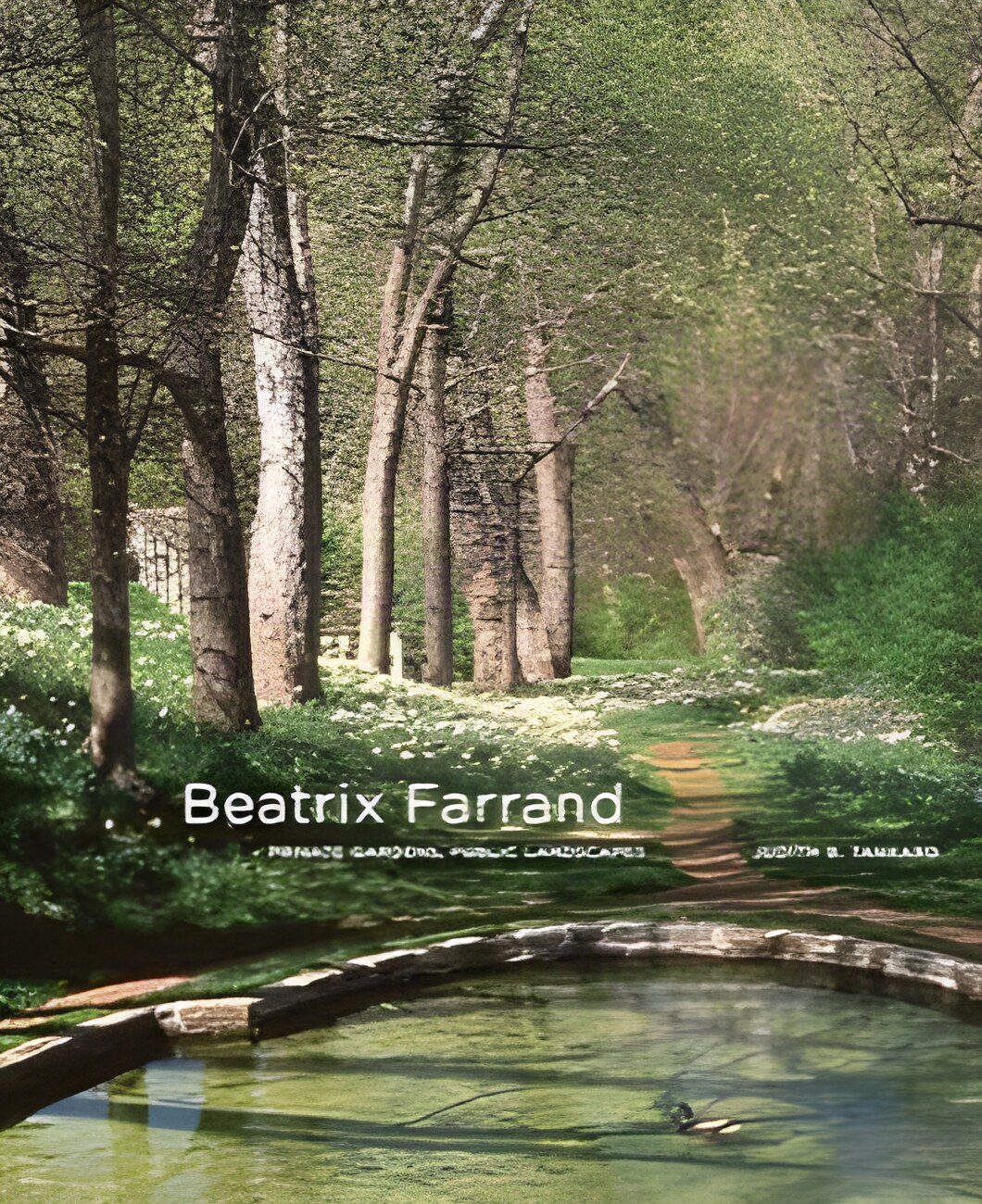
Hardcover. NY, Monacelli Press, 1st, 2009, Book: Very Good, Dust Jacket: Very Good, Hardcover in a bright dust jacket, 240 pages illustrated in color. Presents the life and work of one of the foremost landscape designers of the early 1900s. Born into a prominent New York family (she was the niece of Edith Wharton), Farrand eschewed the traditional social life of the Gilded Age to pursue her passion for landscape and plants. Many of her clients were members of the highest echelon of society with estates in Newport, the Berkshires, and Maine, but Farrand ultimately became a consultant for university campuses, including Yale and Princeton, and for public gardens, including the Santa Barbara Botanic Garden and the Rose Garden at The New York Botanical Garden. Perhaps her best-known work is the extensive garden at Dumbarton Oaks, originally a private residence and now a research institute of Harvard University. Deeply influenced by the English landscape designer Gertrude Jekyll, Farrand was known for broad expanses of lawn with deep swaths of borders planted in a subtle palette of foliage and flowers. Her gardens have been photographed at their peak especially for this book, and these lush illustrations are complemented by beautiful watercolor wash renderings of her designs, now preserved at the library of the University of California at Berkeley. Clean copy.
Softcover. London/NY, Cambridge University Press, reprint, 2002, Book: Very Good, Dust Jacket: None, Softcover, 234 pages with index, b&w illustrations. Brazil once enjoyed a near monopoly in rubber when that commodity was gathered in the wild. By 1913, however, cultivated rubber from Southeast Asia swept the Brazilian gathered product from the market. In this innovative study, Warren Dean demonstrates that environmental factors have played a key role in the many failed attempts to once again produce a significant rubber crop in Brazil. Dean traces the numerous attempts to plant rubber in Brazil, including the ill-fated Ford estates, and others established by the major multinational tire companies. He also analyzes the struggles of the Brazilian government to foster rubber development, in the hope of obtaining a domestic source of supply for national industries that are now dependent on imports from Southeast Asia. Bookseller label on rear cover otherwise clean.
Hardcover. NY, Villard Books, 1st, 1994, Book: Very Good, Dust Jacket: Very Good, Hardcover in a bright, unclipped dust jacket, 258 pages, b&w illustrations. Beginning with the 1987 death of Andy Warhol, the author traces the ensuing dispute between the Warhol estate and the Andy Warhol Foundation for the Visual Arts over the artist's multimillion-dollar estate. Clean copy.
Hardcover. London, Fourth Estate, 2nd pr., 2002, Book: Very Good, Dust Jacket: Very Good, Hardcover, 287 pages. A very clean, tight copy. Here is the true story of the strike that upset the diamond kings, and with it, a history of the world's most acclaimed diamonds, the process by which they are cut, smuggled and stolen, legends and superstitions, and of the shadowy hand of De Beers, for whom diamonds are forever.
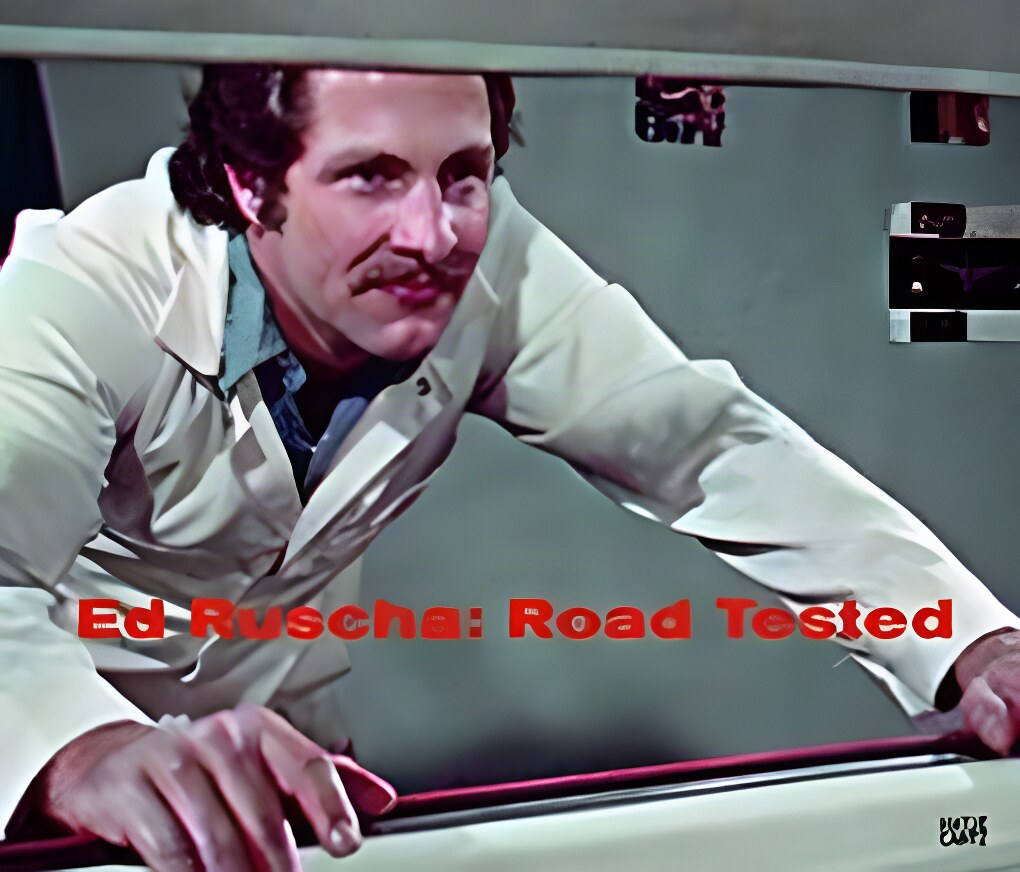
Hardcover. Hatje Cantz, 1st, 2011, Book: Very Good, Dust Jacket: Very Good, Harcover, 128 pages. Since his first road trip in 1956, driving from Oklahoma City to Los Angeles, Ed Ruscha has continued to muse on America as seen from the road: "I like being in the car, and seeing things from that vantage point," he has said. "Sometimes I give myself assignments to go out on the road and explore different ideas. My books are an example of that." Consisting of around 75 works spanning the artist's entire career, Ed Ruscha: Road Tested includes many of the famous aforementioned artist's books, including Twenty-Six Gasoline Stations, Real Estate Opportunities, Some Los Angeles Apartments, Thirty-Four Parking Lots and the groundbreaking artist's book Every Building on the Sunset Strip; some of Ruscha's most iconic paintings, such as the "Standard Stations" and the "Hollywood Signs," as well as paintings inspired by street names and road signs; and his exploration of the topography of greater Los Angeles in paintings that depict aerial grids of the city, as well as various southern California horizons and sunsets. Also examined here is the rarely seen Ruscha film Miracle (1975), which tells the story of a mechanic whose obsessive repair of the carburetor on a 1965 Mustang dooms his date with a beautiful woman. The first-ever treatment of a primary theme in the artist's career, Road Tested at last gives Ed Ruscha his own road show.
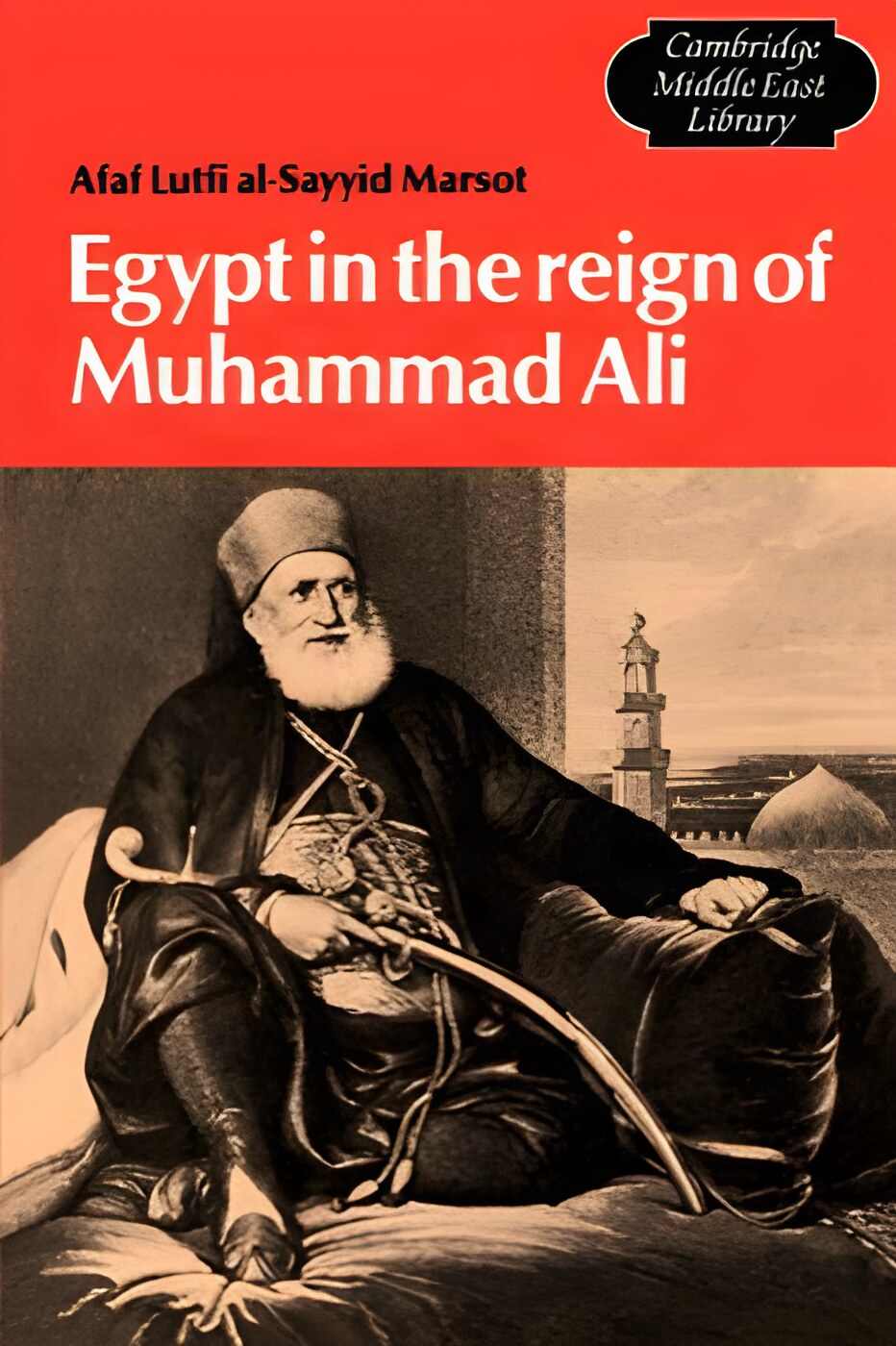
Softcover. UK, Cambridge University Press, 1st pbk., 1984, Book: Very Good, Dust Jacket: None, Softcover, 300 pages. This account of Egyptian society in the reign of Muhammad Ali traces the beginnings of the nation state in Egypt. It considers Muhammad Ali as part of a social group whose economic interests led them in the direction of trade with Europe as a means of raising money for further investments. They attempted to increase agricultural exports and to use the profits to create industry; then, following the logic of imperialists, their next step was to seek to conquer the surrounding areas to find markets for their industries and sources of raw materials. These policies brought them into conflict with their suzerain, the Ottoman sultan, and with England, since England needed markets in the Middle East. England sought to destroy the new regime in Egypt as a means of exerting influence on the region. In carrying out these economic changes, the country underwent a series of internal developments that were to revolutionize the structure and shape of Egyptian society. The rules of landownership were altered and large estates were formed, Egyptian fallahin were drafted into the army, and the administration was Egyptianized, establishing the groundwork for a nation state. Small embossed stamp on title page, otherwise clean.
Hardcover. London, Routledge, 1st, 1989, Book: Very Good, Dust Jacket: Very Good, Hardcover in a bright dust jacket, 210 pages, b&w illustrations. Beard examines the English country house life, its gentry, and the changes they undertook through the century in order to survive. The author shows how after World War Two, their political power had eroded and they began to run their estates as businesses, instead of paternalistic rural communities. Clean copy.
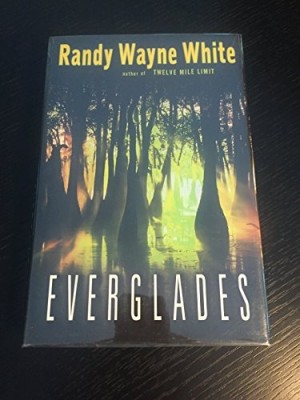
Hardcover. NY, G. P. Putnam's Sons, 1st, 2003, Book: Very Good, Dust Jacket: Very Good, Hardcover in a bright, unclipped dust jacket. Meeting a former lover whose real-estate husband has disappeared and been pronounced dead, Doc Ford investigates the woman's suspicions of foul play and finds himself deep in the Everglades, where a big business owner is hatching a scheme to promote his cash flow and personal power. Clean copy.
Hardcover. Princeton NJ, Princeton Architectural Press, 1st, 2001, Book: Very Good, Dust Jacket: Very Good, 326 pages, illustrated with b&w photographs, several color plates and architectural drawings by Vitale. Foreword by Horace Havemeyer III. Ferruccio Vitale is America's forgotten landscape architect. Though his works like Skylands and Longwood Gardens are well known, his name has been eclipsed by his contemporary, Frederick Law Olmsted, Jr. Yet Vitale's influence on the modern direction of landscape design and his promotion of it as a profession is arguably more significant than Olmsted's. His unique designs and philosophy, which challenged the then-dominant pictorial mode of landscape architecture, influenced generations of followers, and is still felt today. Vitale (1875-1933) developed his rationale designs, based on the principles of composition from the fine arts and architecture, in both civic commissions and, most notably, at the country estates of captains of industry and finance. He introduced an idealized and abstracted type of formal design that created beautiful spaces, structured large sites, and reflected informal and relaxed plant compositions. Ferruccio Vitale tours over 40 of his masterworks, photographed by some of the best landscape photographers of the time, including Samuel Gottscho. It recounts the compelling story of a life in the early twentieth century, influenced by immigrant dreams, social clubs, and professional connections, and its culmination in some of the greatest landscapes of the 20th century.
Hardcover. Princeton NJ, Princeton Architectural Press, 1st, 2001, Book: Very Good, Dust Jacket: Very Good, 326 pages, illustrated with b&w photographs, several color plates and architectural drawings by Vitale. Foreword by Horace Havemeyer III. Ferruccio Vitale is America's forgotten landscape architect. Though his works like Skylands and Longwood Gardens are well known, his name has been eclipsed by his contemporary, Frederick Law Olmsted, Jr. Yet Vitale's influence on the modern direction of landscape design and his promotion of it as a profession is arguably more significant than Olmsted's. His unique designs and philosophy, which challenged the then-dominant pictorial mode of landscape architecture, influenced generations of followers, and is still felt today. Vitale (1875-1933) developed his rationale designs, based on the principles of composition from the fine arts and architecture, in both civic commissions and, most notably, at the country estates of captains of industry and finance. He introduced an idealized and abstracted type of formal design that created beautiful spaces, structured large sites, and reflected informal and relaxed plant compositions. Ferruccio Vitale tours over 40 of his masterworks, photographed by some of the best landscape photographers of the time, including Samuel Gottscho. It recounts the compelling story of a life in the early twentieth century, influenced by immigrant dreams, social clubs, and professional connections, and its culmination in some of the greatest landscapes of the 20th century.


 "After the Scream: The Late Paintings of Edvard Munchby: Prelinger, Elizabeth")
 "All the Right Peopleby: Norfleet, Barbara")
 "American Aristocracy, An: The Livingstonsby: Brandt, Clare")
 "Andre Kertesz: The Early Yearsby: Kertesz, Andre")
 "Anthony Hernandez: Pictures for Romeby: Rugoff, Ralph")
 "Arms of Nemesis: A Novel of Ancient Romeby: Saylor, Steven")
 "Asheville: Mountain Majestyby: Harshaw Lou")
 "Bacon's Eye: Works on Paper Attributed to Francis Bacon from the Barry Joule Archiveby: Sladen, Mark/John Hoole, et al.")
 "Bacon's Eye: Works on Paper Attributed to Francis Bacon from the Barry Joule Archiveby: Sladen, Mark")

 "Be the Oneby: Smith, April")

 "Death and Disaster: The Rise of the Warhol Empire and the Race for Andy's Millions by: Paul Alexander")
 "Diamond : The History of a Cold-Blooded Love Affairby: Hart, Matthew")
 "English Landed Society in the Twentieth Centuryby: Beard, Madeleine")
 "Ferruccio Vitale: Landscape Architect of the Country Place Eraby: Schnadelbach, R. Terry")
 "Ferruccio Vitale: Landscape Architect of the Country Place Eraby: Schnadelbach, R. Terry")