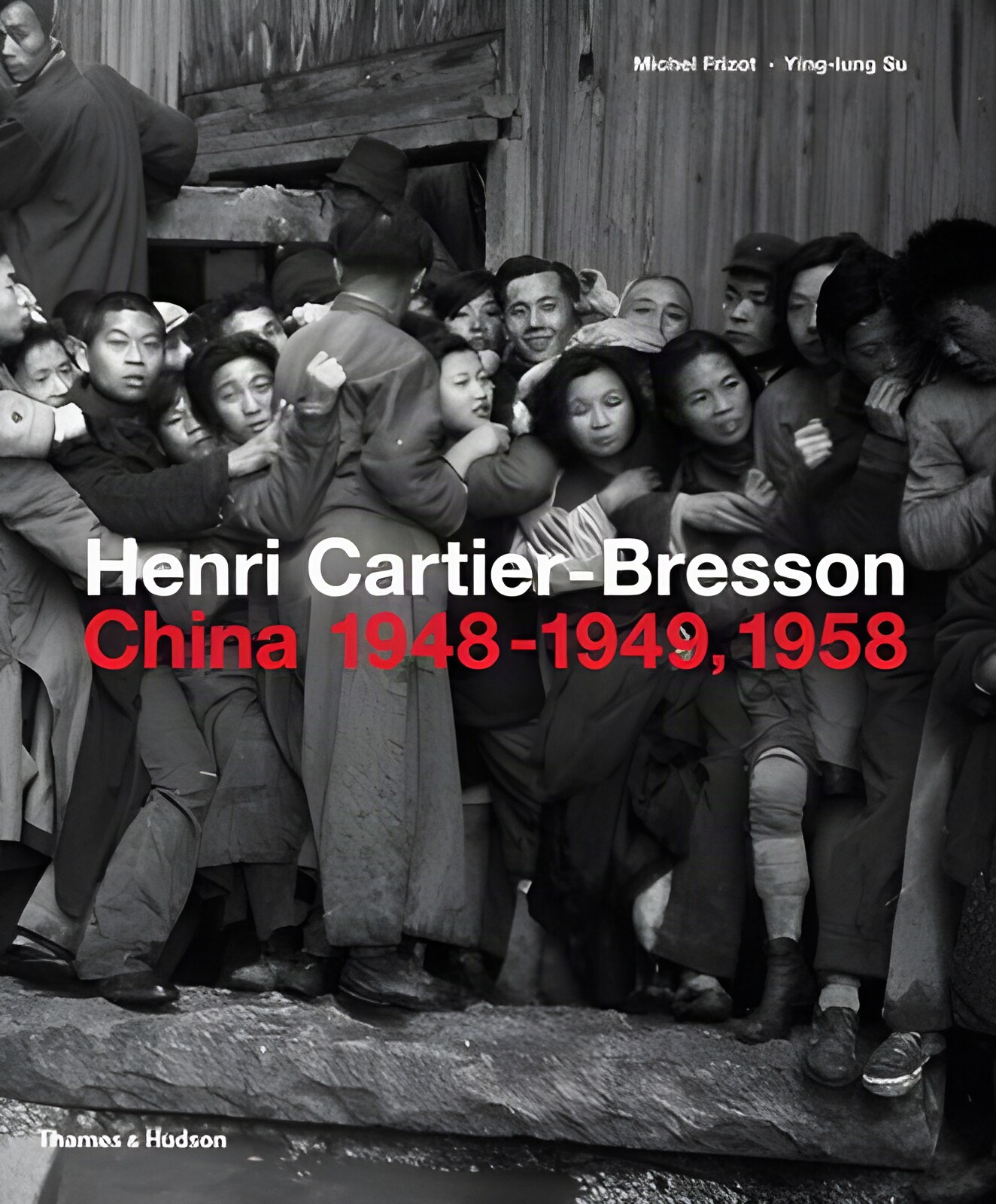
Hardcover. London/NY, Thames & Hudson, 1st, 2019, Book: Very Good, Dust Jacket: Very Good, Hardcover in a bright dust jacket The first visual chronicle of a little-known chapter in the career of Henri Cartier-Bresson--one of the great photographers of the twentieth century. In December 1948, Henri Cartier-Bresson traveled to China at the request of Life magazine. He wound up staying for ten months and captured some of the most spectacular moments in China's history: he photographed Beijing in "the last days of the Kuomintang," and then headed back to Shanghai, where he bore witness to the new regime's takeover. Moreover, in 1958, Henri Cartier-Bresson was one of the first Western photographers to go back to China to explore the changes that had occurred over the preceding decade. The "picture stories" he sent to Magnum and Life on a regular basis played a key role in Westerners' understanding of Chinese political events. Many of these images are among the best-known and most significant photographs in Cartier-Bresson's oeuvre; his empathy with the populace and sense of responsibility as a witness making them an important part of his legacy. This volume allows these photographs to be reexamined along with all of the documents that were preserved: the photographer's captions and comments, contact sheets, and abundant correspondence, as well as the published versions that appeared in both American and European magazines. Clean copy. DOMESTIC SHIPPING ONLY.
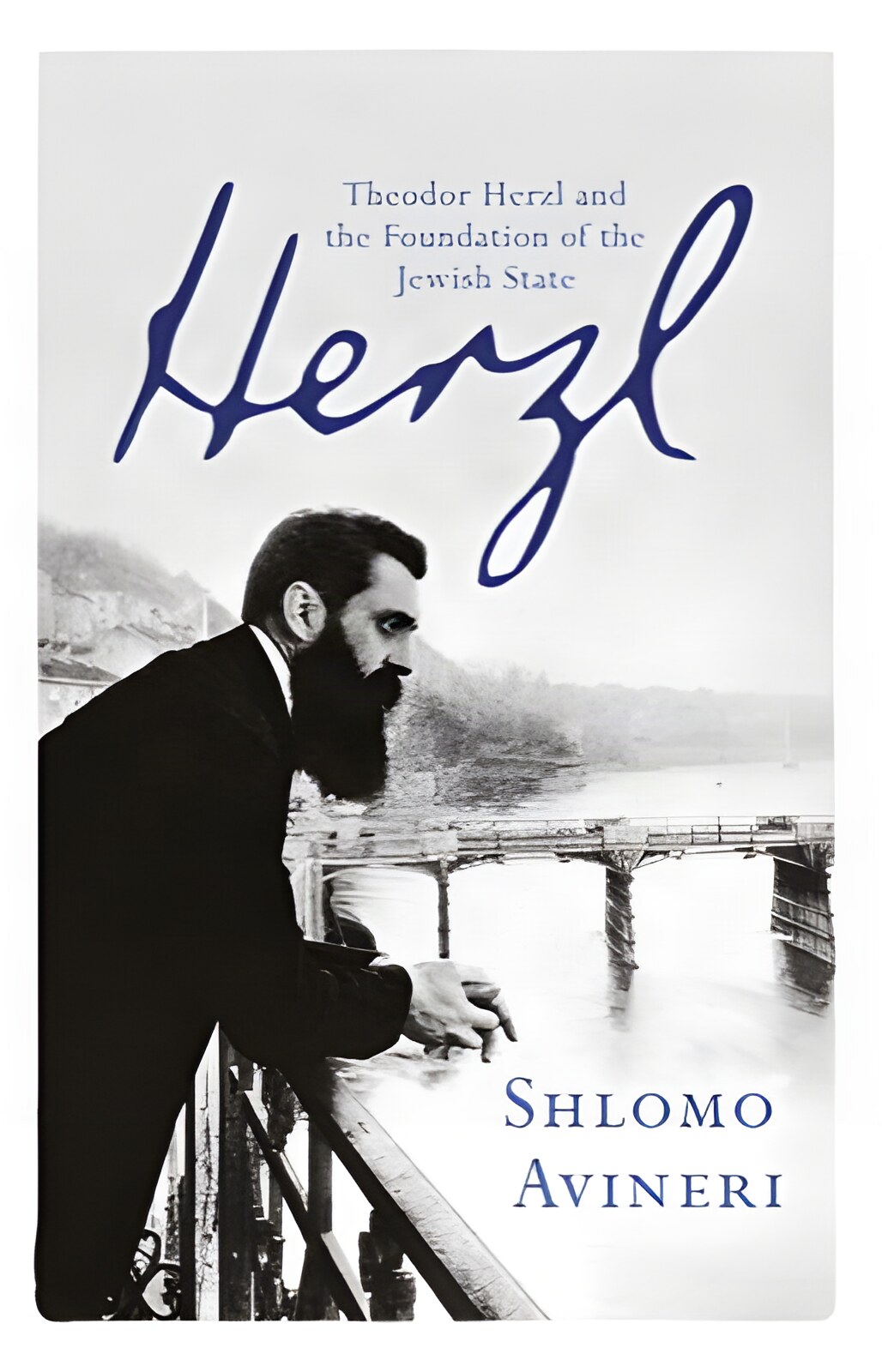
Hardcover. London, Weidenfeld & Nicolson, 1st UK, 2013, Book: Very Good, Dust Jacket: Very Good, Hardcover in a bright, unclipped dust jacket. Drawing extensively on his diaries as well as his published works, this intellectual biographical follows Herzl's transformation from a private person into the founder and leader of a political movement which made the quest for a Jewish state into a player in international politics. Contrary to the conventional view which saw the Dreyfus affair as the trigger for Herzl's loss of belief in the promise of Jewish emancipation, Avineri shows how it was the political crisis of the Austro-Hungarian Habsburg Empire, torn apart by contending national movements, which convinced Herzl of the need for a Jewish polity. In response to the wide resonance for his 1896 The Jewish State, Herzl convened the first Zionist Congress in Basel in 1897, which established the World Zionist Organization with its representative and elected institutions; this in turn became the foundation for Israel's democratic political system. In his efforts to gain international support for a Jewish state, Herzl met with the Ottoman Sultan, the German Emperor Wilhelm II, Pope Pius X, British, Russian and German ministers, as well as an enormous number of other government and public opinion leaders of most European countries. By the time of his early death in 1904 at the age of 44, Herzl succeeded in putting Zionism on the map of world politics, no longer an esoteric idea held by a small group of Jewish intellectuals in Eastern Europe. Clean copy.
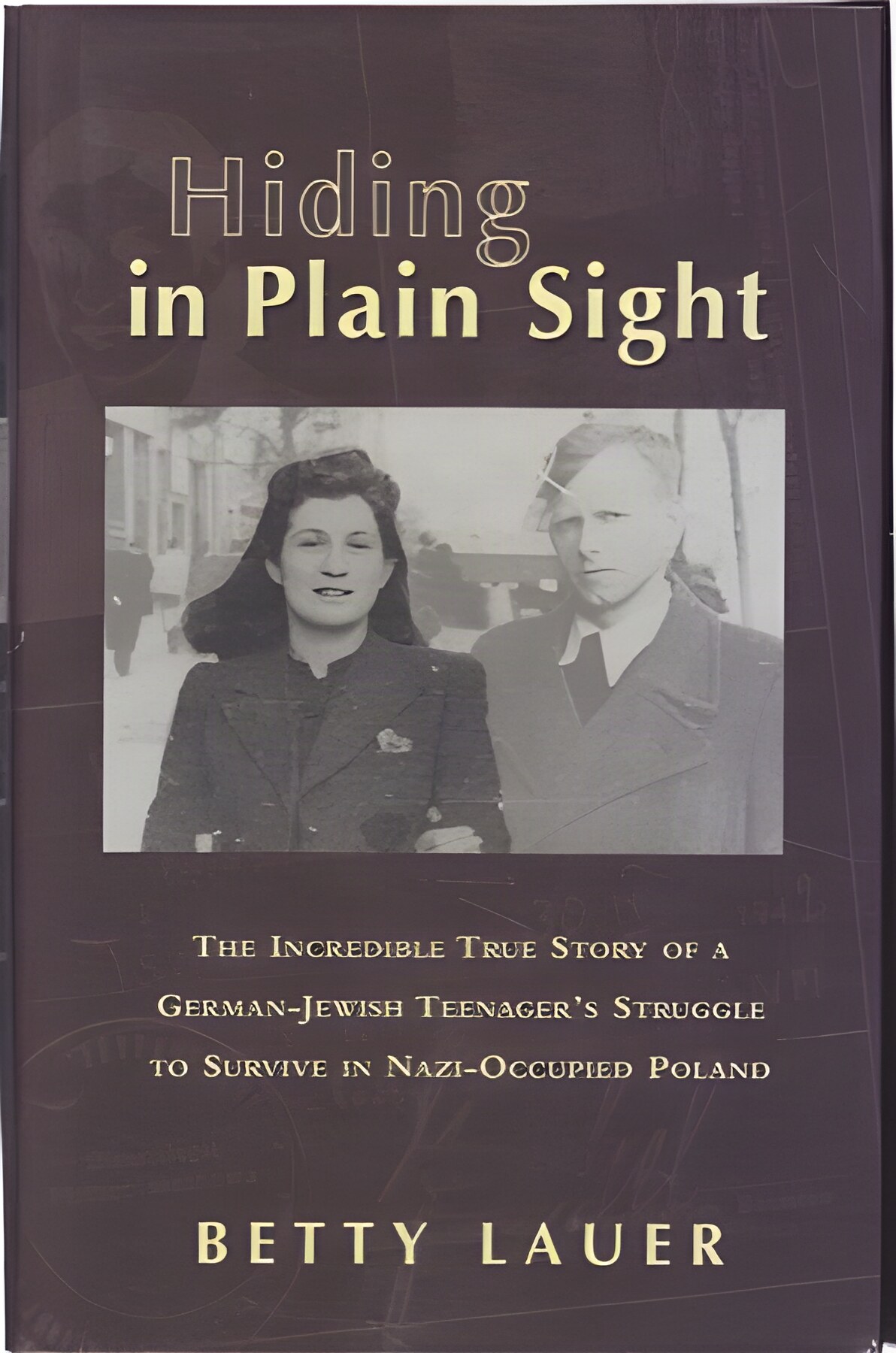
Hardcover. Hanover NH, Smith and Kraus, 1st, 2004, Book: Very Good, Dust Jacket: Very Good, Hardcover in a bright dust jacket, 561 pages, b&w illustrations. 12 year old Bertel, living in Hindenburg, Germany in 1938, was forced by the Nazis to leave Germany for Poland. Disguising herself as a young Polish woman, this is the story of Bertel's survival. INSCRIBED TWICE BY LAUER on the front fly leaf. Clean copy.
Hardcover. Amsterdam, Ludion Ghent/Abrams, 1st, 2001, Book: Very Good, Dust Jacket: None, 208 pages with 282 color plates, 53 in b&w. No dust jacket. Published to coincide with a major exhibition of the artist's work in Europe, this loving tribute to one of the greatest, and most bizarre, of the medieval painters introduces readers to the often grotesque vision expressed in his work.
Hardcover. New York, Viking, 1st, 1989, Book: Very Good, Dust Jacket: Very Good, Hardcover, 218 pages. Mylar cover. Remainder mark to bottom edge, else like new. "A haunting triptych of the dispossessed and the abandoned" - in Africa where a man is recounting his days during the slave trade, in America with a young man serving a sentence of life imprisonment, and in Europe, where a woman, survivor of the Holocaust, realizes that she cannot really escape.
Hardcover. Paris, Corbet Aine Libraire, 1st Thus, 1836, Book: Good, Dust Jacket: None, 2 leather bound volumes. FRENCH TEXT. Black & white illustrations, each volume with fold-out map in rear. Volume 1 with rubbing, chipping to leather covers. 1" piece of leather missing at bottom of spine. Marbled endpapers. Light foxing throughout. Volume 2 with rubbing, chipping to leather covers. Marbled endpapers. Light to moderate foxing throughout. Both volumes with clean, unmarked texts.
Hardcover. New York, Robert Carter & Brothers, Reprint, 1867, Book: Good, Dust Jacket: None, 184 pages. Previous owners name on front endpaper. Foxing to pages. Cloth covers rubbed along edges and corners. Chipping to cloth at top and bottom of spine.
Hardcover. Geneva, Edito-Service, 1st English Ed., 1968, Book: Very Good, Dust Jacket: None, Hardcover, pebbled red cloth with gilt decoration and color label on front cover. Good general overview of painting in Western Europe during the later Medieval period. Illustrated in color and b&w. Clean copy.
Hardcover. New York, Abbeville Press, 1st, 1992, Book: Very Good, Dust Jacket: Very Good, 496 pages. Hardcover with dust jacket in slipcase. A very clean, unmarked copy with only minor wear to slipcase edges. A tight copy. Color illustrations throughout.
Nafziger Collection , reprint, 2007, Book: Very Good, Dust Jacket: None, Softcover, 214 pages. Large size 28cm x 21cm in soft card covers. Clean and sound. History of the Polish Revolution of 1830 by Joseph Hordynski - Major of the Late Tenth Regiment of Lithuanian Lancers (Originally pub. in 1833) .
Hardcover. New York, Harper Brothers, 1st Edition, 1869, Book: Very Good, Dust Jacket: None, 2326 total pages. 4 volume set. Hardcovers. DOMESTIC SHIPPING ONLY. B/w illustrated fold-out map in volume 1. Decorated marbled edges. Decorated endpapers. Decorated cover boards with leather corners and quarter cloths. Leather spines with raised bands, gilt title and decorations. Spines straight. Light tanning from age to pages.
Hardcover. NY, G. P. Putnam's Sons, 1st, 1881, Book: Very Good, Dust Jacket: None, Hardcover, brown cloth. Cover has gilt drawing of a windmill and black lettering. Gilt lettering on the spine. Translated from Italian by Caroline Tilton. 408 pages, 18 b&w plates. With chapters on Zealand, Rotterdam, Delft, The Hague, Leyden, Haarlem, Amsterdam, Utrecht, Broek, Zaandam, Almaar, Helder, Zuyder Zee, Friesland, Groningen. Names on prelim pages, otherwise a clean, bright copy.
Hardcover. Boston, MFA Publications, Museum of Fine Arts, 1st, 2014, Book: Very Good, Dust Jacket: Very Good, Hardcover in a bright dust jacket, 256 pages, profusely illustrated. From the 1890s through the turn of the century, there was a flourishing of new, imaginative art and craft throughout Europe that we now know as Art Nouveau. The Netherlands experienced an inventive variant of this art and design phenomenon, but until now it has been largely overshadowed by its counterparts in other countries, especially France. This richly illustrated book is the first in English to celebrate the Dutch contribution to Art Nouveau through a tour of more than 100 works on paper--posters, decorative calendars and illustrated books, as well as prints and drawings. These innovative works of graphic design reveal the progressive Dutch artists' conscious reaction against the past, their inspiration in natural forms and exotic cultures, and their embrace of the principle that art should transform everyday life. They also show how the New Art--Nieuwe Kunst in Dutch--coexisted and sometimes intertwined in the Netherlands with other artistic strands, including persistent realist trends, Symbolism and the emergence of modernism. Included here are early drawings by well-known artists Vincent van Gogh and Bart van der Leck, as well as new discoveries from Jan Toorop, Theo Nieuwenhuis, Samuel Jessurun de Mesquita, Theo Hoytema, G. W. Dijsselhof and C. A. Lion Cachet. This beautifully illustrated book is the first in English to celebrate the Dutch contribution to Art Nouveau through a tour of over one hundred posters, decorative calendars, and illustrated books, as well as prints and drawings. With text by Clifford S. Ackley, one of the leading specialists on Dutch prints and drawings, Holland on Paper in the Age of Art Nouveau provides a fascinating and visually rewarding introduction to a rich and creative artistic era.
Hardcover. NY, Basic Books, 2nd pr., 1986, Book: Very Good, Dust Jacket: Very Good, Hardcover in a bright dust jacket, 416 pages. How did the West--Europe, Canada, and the United States--escape from immemorial poverty into sustained economic growth and material well-being when other societies remained trapped in an endless cycle of birth, hunger, hardship, and death? In this elegant synthesis of economic history, two scholars argue that it is the political pluralism and the flexibility of the West's institutions--not corporate organization and mass production technology--that explain its unparalleled wealth. Clean copy.
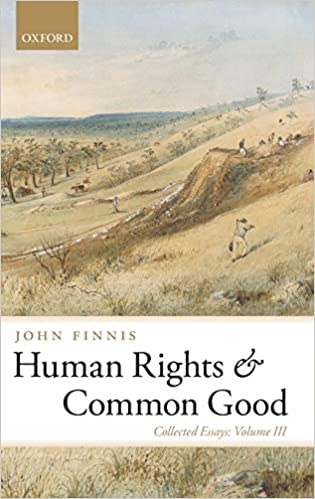
Hardcover. NY/London, Oxford University Press, 1st, 2011, Book: Very Good, Dust Jacket: Very Good, Hardcover in a bright, unclipped dust jacket, 470 pages. This central volume in the Collected Essays brings together John Finnis's wide-ranging contribution to central issues in political philosophy. The volume begins by examining the general theory of political community and social justice. It includes the powerful and well-known Maccabaean Lecture on Bills of Rights -- a searching critique of Ronald Dworkin's moral-political arguments and conclusions, of the European Court of Human Rights' approach to fundamental rights, and of judicial review as a constitutional institution. It is followed by an equally searching analysis of Kant's thought on the intersection of law, right, and ethics. Other papers in the book's opening section include an early assessment of Rawls's A Theory of Justice, a radical re-interpretation of Aquinas on limited government and the significance of the private/public distinction, and a challenging paper on virtue and the constitution. The volume then focuses on central problems in modern political communities, including the achievement of justice in work and distribution; the practice of punishment; war and justice; the public control of euthanasia and abortion; and the nature of marriage and the common good. There are careful and vigorous critiques of Nietzsche on morality, Hart on punishment, Dworkin on the enforcement of morality and on euthanasia, Rawls on justice and law, Thomson on the woman's right to choose, Habermas on abortion, Nussbaum and Koppelman on same-sex relations, and Dummett and Weithman on open borders. The volume's previously unpublished papers include a foundational consideration of labor unions, a fresh statement of a new grounding for the morality of sex, a surprising reading of C.S. Lewis's Abolition of Man on contraception, and an introduction reviewing some of the remarkable changes in private and public morality over the past half-century.
Hardcover. London, Phaidon Press, 1st, 1994, Book: Very Good, Dust Jacket: Very Good, Hardcover, 320 pages. George Rodger began his photographic career with the BBC as a stills photographer. His baptism as a photo reporter came with his appointment as a 'stringer' for Life magazine during the Blitz on London in the most threatening days of 1940. Many of his images from that time are still in constant use, because his instinct has always been to concentrate on the humanity of his subjects, even in the face of terrible adversity.It was for Life that George Rodger embarked on a series of adventures that were to take him to almost every theatre of the Second World War in Africa, the Middle East and Asia. The fulcrum of his career came with the liberation of Belsen. As for the first few days he was the only photographer present, the images he captured became crucially important in making known the depravity of the camps. 1948 he embarked on a campaign of photography rediscovering humanity, starting with an expedition from Cape Town to Cairo by road. He found in Africa tribes almost untouched by European influence and was able to create images of enormous power that quickly became world-famous.This book presents the pictures that define George Rodger's long career and a commentary on his extraordinary journey. With a Foreword by Henri Cartier-Bresson and over 260 powerful images, it represents a fitting tribute to George Rodger and a celebration of his life's work.
Hardcover. London, Oxford University Press, 1st UK, 1979, Book: Very Good, Dust Jacket: Very Good, Hardcover, 64 pages of text. 638 photographs. Beautifully illustrating the Hungarian folk art and gives insight into the customs and lore of Hungarian peasantry. Folio. Gray cloth, decorated end papers. Small stain to dust jacket spine. Minute crinkling to spine bottom edge. A very clean, attractive and well preserved copy.
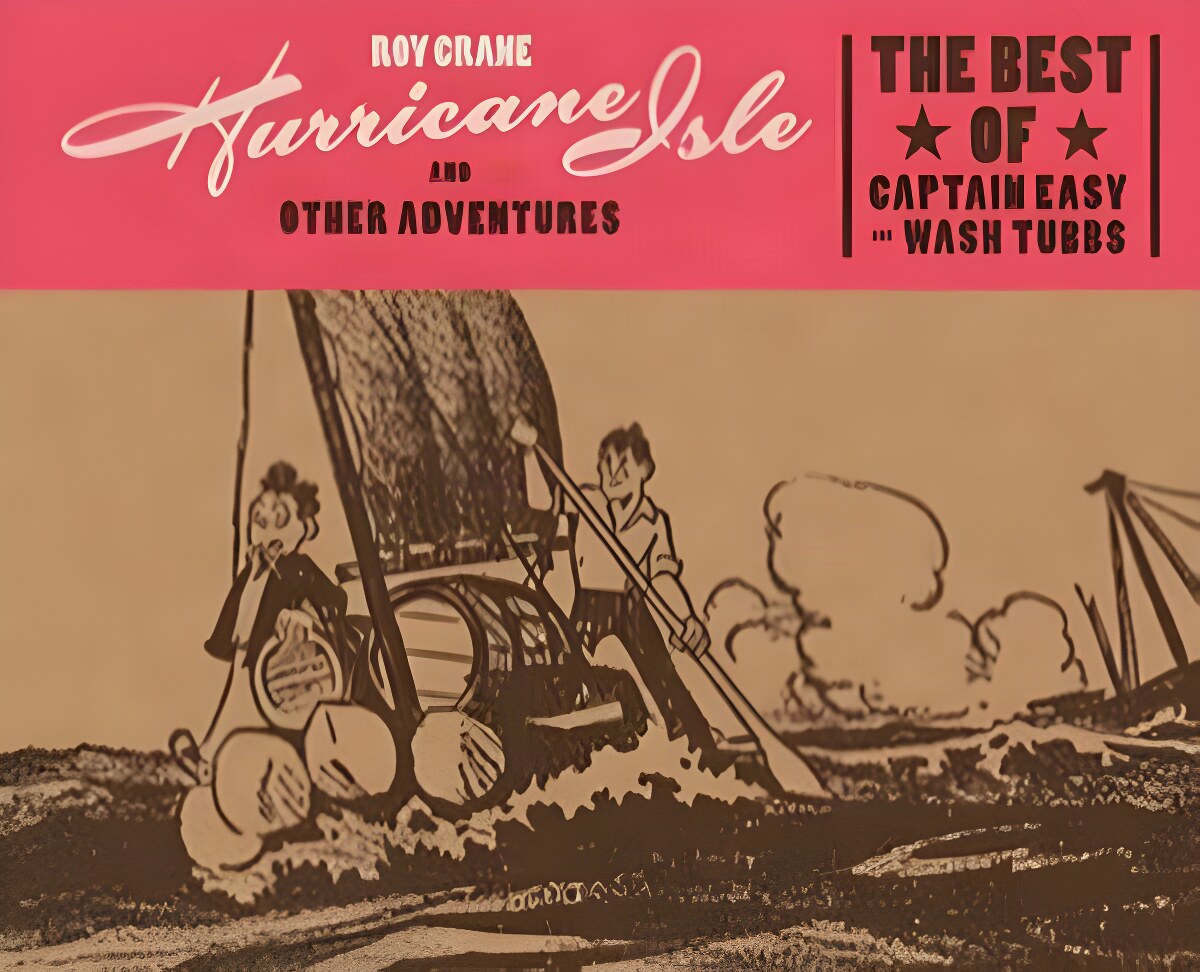
Hardcover. Seattle, Fantagraphics Books, 1st, 2015, Book: Very Good, Dust Jacket: None, Hardcover, oblong format, pictorial boards, 319 pages illustrated in b&w. Royston Campbell Crane (1901-1977), who signed his work Roy Crane, created the comic-strip characters Wash Tubbs, Captain Easy, and Buz Sawyer. His work continues to inspire cartoonists today. A collection of his classic Captain Easy and Wash Tubbs. The very best of the indispensable daily comic strip adventures featuring Wash running a dinky railroad in a comic-opera version of Eastern Europe, the gripping narrative of Easy waging total war against The Phantom King, battles with pirates in the South Seas, and the harrowing story of Easy and Wash as prisoners on the infamous Devil's Island. Clean copy.
Softcover. Seattle, University of Washington Press, 1st, 2000, Book: Very Good, Dust Jacket: None, Softcover. Like new in publishers shrink-wrap. Chief Joseph's exhausted words of surrender, 'Hear me, my chiefs, I am tired; my heart is sick and sad. From where the sun now stands, I will fight no more forever', are the accepted end of the Nez Perce War of 1877, in which several bands of Nez Perce attempting to find a new home outside their diminished Idaho reservation clashed with the U.S. military (and occasionally other Indians) along the Clearwater and Big Hole Rivers, and finally at the foot of the Bear Paw Mountains. However, a number of Nez Perce escaped transportation to Indian Territory with Joseph and continued their flight to Canada, with perhaps a hundred eventually joining Sitting Bull's Lakota."I Will Tell of My War Story" reproduces, describes, and discusses a remarkable series of drawings by an anonymous Indian artist who fought with Chief Joseph and later reached Canada. The drawings, in red, blue, and black pencil, include portraits of principal participants in the war, battle scenes, and views of Nez Perce camp life and celebrations during the war and after. The drawings are preserved in a small pocket ledger labeled 'Cash Book' on the front, which was acquired by Indian Agent Charles D. Warner in the 1880s. It was willed by him to a family living in northern Idaho, and is now in the collection of the Idaho State Historical Society. Scott Thompson worked closely both with the owners and with members of the Nez Perce community in preparing his manuscript. Thompson's detective work and research methods to identify Nez Perce and other parties pictured in the Cash Book make fascinating reading. He is careful to point out what is speculation and what has been documented or attested to by experts on dress, weapons, ceremony, and other aspects of Native culture. The Cash Book drawings are unique in several ways. They are one of very few firsthand pictorial records of the Nez Perce War, representing an even scarcer record of this war as seen from the Indian viewpoint. They contain invaluable historical and ethnographic information not only explicit in the form of military and Native dress, regalia, and quite graphic battle scenes, but also implicit. The drawings reveal an important stage of cultural adaptation as shown by the mixture of white and Native goods combined in Nez Perce material culture during the 1870s and 1880s, and by the artist's assimilation of white/European drawing techniques such as texture and perspective. The artist combined these drawing techniques with Native art traditions to make exceptionally effective pictorial communications. Scott M. Thompson is an art teacher at Chase Middle School in Spokane, Washington.
Hardcover. NY, Oxford University Press, 1st, 1986, Book: Very Good, Dust Jacket: Very Good, Hardcover in a bright, unclipped dust jacket. 453 pages, b&w illustrations. At the turn of the century, an unprecedented attack on women erupted in virtually every aspect of culture: literary, artistic, scientific, and philosophic. Throughout Europe and America, artists and intellectuals banded together to portray women as static and unindividuated beings who functioned solely in a sexual and reproductive capacity, thus formulating many of the anti-feminine platitudes that today still constrain women's potential. BramDijkstra's Idols of Perversity explores the nature and development of turn-of-the-century misogyny in the works of hundreds of writers, artists, and scientists, including Zola, Strindberg, Wedekind,Henry James, Rossetti, Renoir, Moreau, Klimt, Darwin, and Spencer. Clean, bright copy.
Hardcover. London, Macmillan Co., 2nd pr., 1898, Book: Very Good, Dust Jacket: None, Hardcover, 604 pages, 3 fold-out color maps in rear of book. Red coth covers, hinges tender, spine with fading. An account of the landscape, vegetation and wildlife of southern Africa precedes an historical survey of the non-European inhabitants and the arrival and spread of the European settlers.
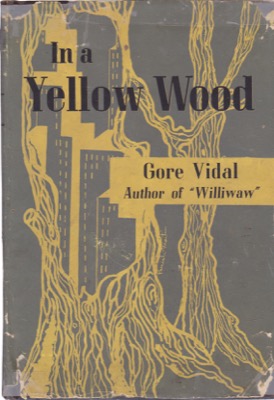
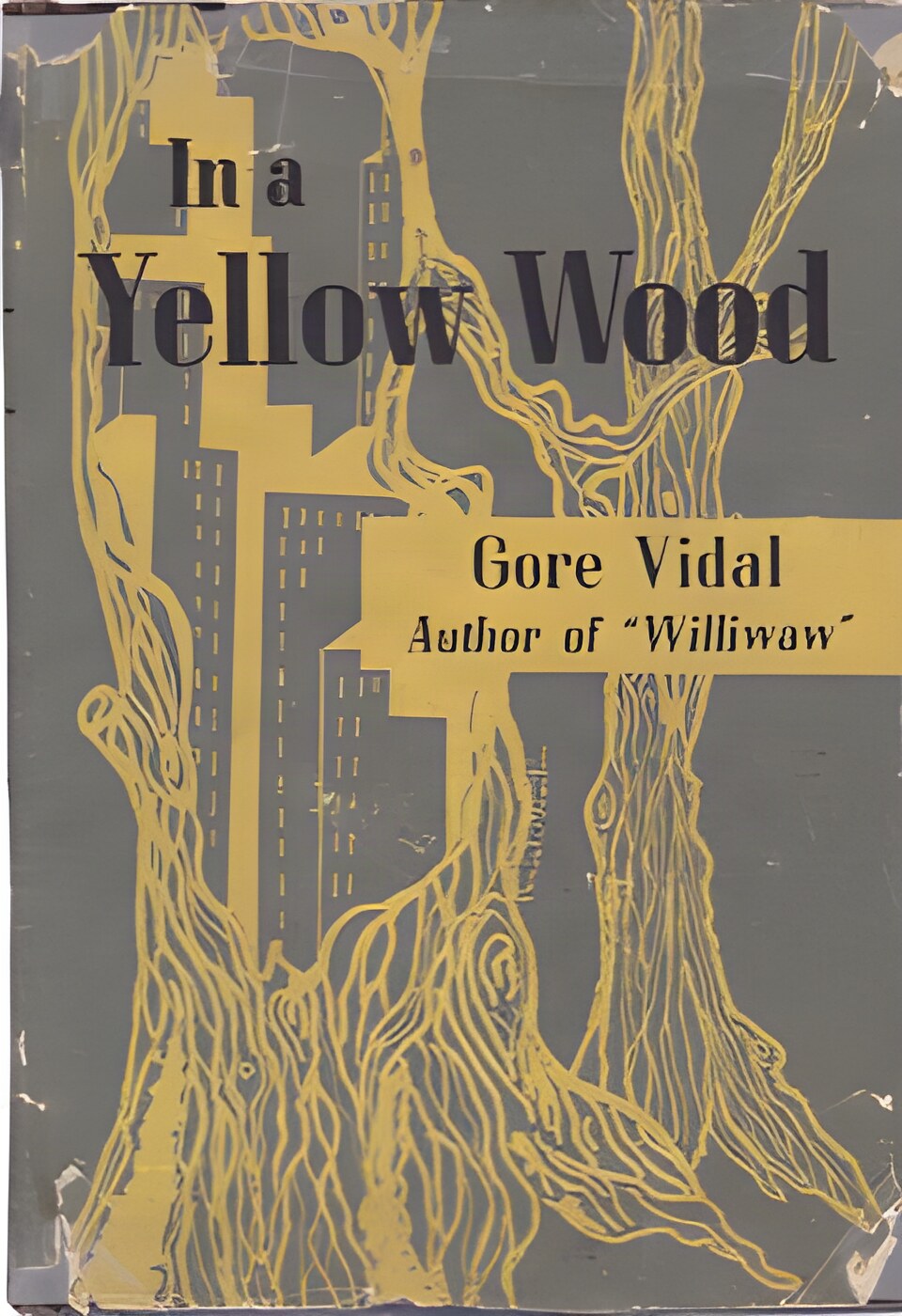
Hardcover. NY, E.P. Dutton, 1st, 1947, Book: Very Good, Dust Jacket: Poor, Hardcover in a very worn dust jacket with tape repairs. Black cloth with gilt lettering to spine. Vidal's second novel, a work with some gay aspects but one in which the author felt he played things a bit too safely. "Robert Holton has just returned from the torment and strife of war in Europe and settled in a solitary existence working for a New York stockbroking business The haunting memories of nights of love spent in Florence are suppressed as he struggles to succeed in an arid city." Book is tight and clean.
Hardcover. NY, E.P. Dutton, 1st, 1947, Book: Very Good, Dust Jacket: Good, Hardcover in a lightly worn dust jacket with tape repairs. Black cloth with gilt lettering to spine. Vidal's second novel, a work with some gay aspects but one in which the author felt he played things a bit too safely. "Robert Holton has just returned from the torment and strife of war in Europe and settled in a solitary existence working for a New York stockbroking business The haunting memories of nights of love spent in Florence are suppressed as he struggles to succeed in an arid city." Book is tight and clean. There is some light soil, foxing to the dust jacket.
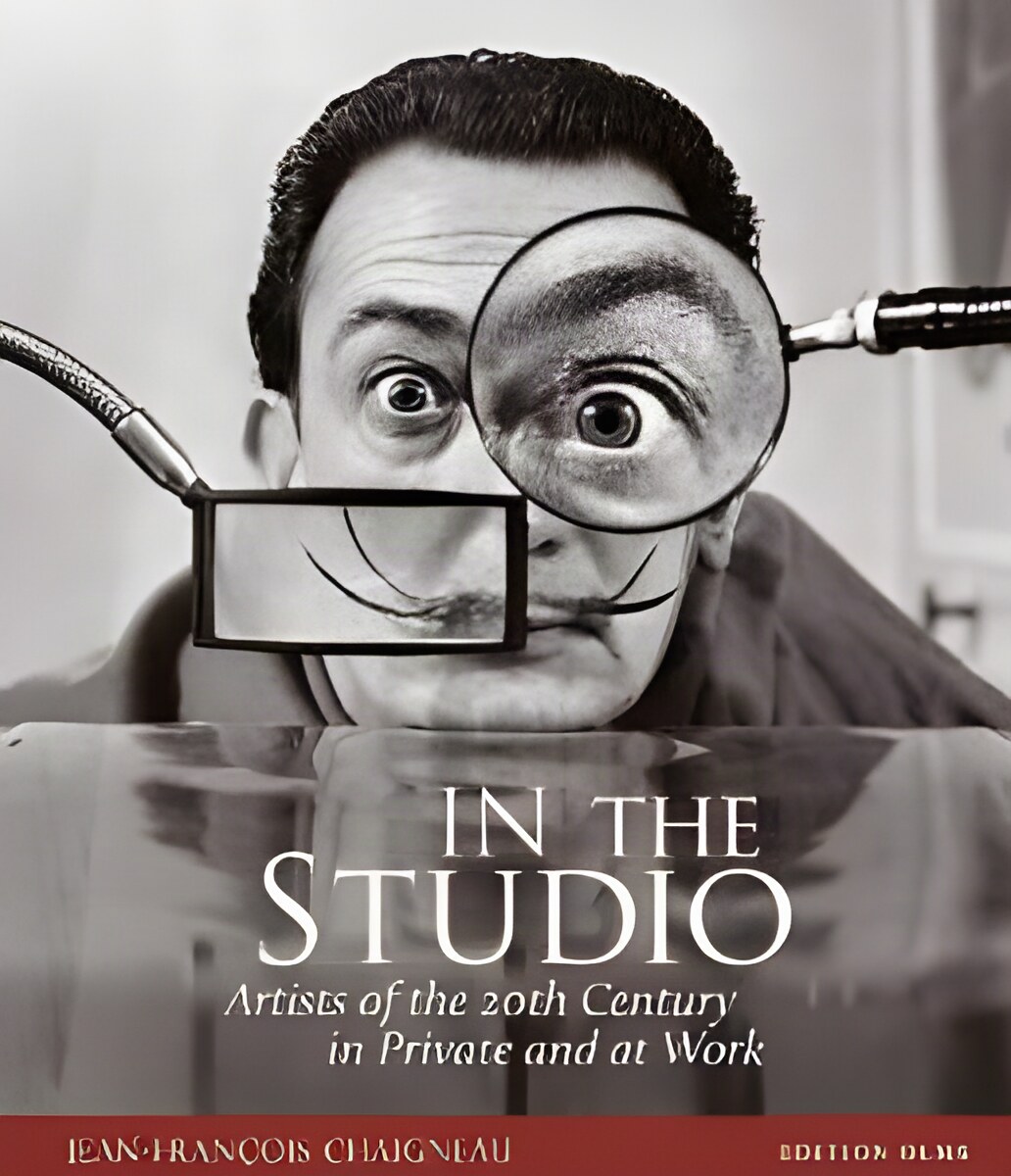
Hardcover. Zurich, Edition Olms, 1st, 2012, Book: Very Good, Dust Jacket: Very Good, Hardcover, 208 pages, with dust jacket. Like new in publisher's shrink-wrap. Delving into the photo archives of French magazine, Paris Match, where Chaigneau is an editor, and accompanied by several of the interviews and articles the magazine published, the author offers a glimpse into the working processes and personal lives of some of the 20th century's canonical visual artists . Focused mostly on European masters such as Pablo Picasso, Bernard Buffet, Rene Magritte, Marc Chagall, and Joan Miro, the book's highly accessible, if minimal, commentary and anecdotes allow the photos to take center stage. Georg Baselitz, for example, is pictured perched on a chair with his head in his arms, as if "haunted by invisible demons," with several large scale paintings in the background. In contrast, Salvador Dali, ever the "wily publicist," seems to relish the camera's presence: in one shot dressed as a Spanish nobleman with an expression of faux-seriousness. Elsewhere, as a testament to his creative drive, Henri Matisse is pictured in 1954, bedridden but still painting with a specially devised long brush mere months before his death. Moving beyond the studio, some attention is given to the private lives of the artists, adding a human element to these creative giants. Photographer Willy Rizzo captures Picasso in a rare candid and intimate moment, reading the comics of a newspaper while his boxer, Yan, looks on. But perhaps the most illuminating moments are when the artists, in interviews, talk about their creative process; there is something humble and brave, for instance, in Jacques Villon's quip, "I don't know what I've discovered... but I know that I'm still looking". Color and b&w photos.

 "Hieronymus Bosch: The Complete Paintings and Drawingsby: Koldeweij, Jos, Paul Vandenbroeck and Bernard Vermet")
 "Higher Groundby: Phillips, Caryl")
 "Histoire de la decouverte de l'Amerique - traduite de l'allemand de Campe - 2 Volumesby: Piton, E. C.")
 "Historic Doubts Relative to Napolean Buonaparte, and Historic Certainties Respecting the Early History of Americaby: Whately, Richard")

 "History of Decorative Arts, The: Classicism and the Baroque in Europe by: Gruber, Alain (Editor)")
 "History of the Polish Revolution of 1830by: Hordynski, Joseph")
 "History of the United Netherlands: From the Death of William the Silent to the Twelve Years Truce - 1609 (4 vol. set)by: Motley, John Lothrop")


 "Holland on Paper: In the Age of Art Nouveauby: Clifford Ackley")



 "Humanity and Inhumanity: The Photographic Journey of George Rodger by: BERNARD, Bruce and George Rodger")
 "Hungarian Folk Artby: Hofer, Tamas")
 "I Will Tell of My War Story: A Pictorial Account of the Nez Perce War (Samuel and Althea Stroum Book)by: Thompson, Scott M.")

 "Impressions of South Africaby: Bryce, James")