Hardcover. NY, Frederick Ungar, 1st thus, 1974, Book: Very Good, Dust Jacket: Very Good, Hardcover in a lightly worn dust jacket, 263 pages. 1st American Edition of this Abridged Translation. This is Kraus's masterpiece, with half of Europe as its stage. It is presented here in English for the first time, in an abridged version that preserves the essence of the 800-page original. Its influence on Brecht, Ionesco, and other playwrights is acknowledged. Mingling actual quotations, news reports, and government orders with Kraus's own satiric dialogue, this immense drama (never meaning to be performed) offers a vast fresco of events at the front and at home during, as it prophesied, the last days of the Austro-Hungarian Empire. Indeed, Kraus anticipated the development of atomic warfare and its threat to all mankind. Some of Kraus is untranslatable, but, as Stanley Kauffmann wrote in his New Republic review, "Ungar has done us a benefit at least by bringing us a bit closer to this sharp-eyed, angry, prickly, lover-hater of mankind." INSCRIBED BY FREDERICK UNGAR, the editor and publisher on the half-title page. He also wrote the 14 page introduction. Clean copy.
Hardcover. Princeton NJ, Princeton University Press, 1st, 2021, Book: Very Good, Dust Jacket: Very Good, Hardcover in a bright dust jacket, 408 pages. A book that casts new light on the history of China and the West at the turn of the nineteenth century. George Macartney's disastrous 1793 mission to China plays a central role in the prevailing narrative of modern Sino-European relations. Summarily dismissed by the Qing court, Macartney failed in nearly all of his objectives, perhaps setting the stage for the Opium Wars of the nineteenth century and the mistrust that still marks the relationship today. But not all European encounters with China were disastrous. The Last Embassy tells the story of the Dutch mission of 1795, bringing to light a dramatic but little-known episode that transforms our understanding of the history of China and the West. Drawing on a wealth of archival material, Tonio Andrade paints a panoramic and multifaceted portrait of an age marked by intrigues and war. China was on the brink of rebellion. In Europe, French armies were invading Holland. Enduring a harrowing voyage, the Dutch mission was to be the last European diplomatic delegation ever received in the traditional Chinese court. Andrade shows how, in contrast to the British emissaries, the Dutch were men with deep knowledge of Asia who respected regional diplomatic norms and were committed to understanding China on its own terms.
Softcover. Evanston IL, Northwestern University Press, reprints, 1995, Book: Very Good, Dust Jacket: None, Two softcover books, like new condition. The first volume INSCRIBED BY VOINOVICH on the half-title page and dated September 27, 1996. Clean copies. Published in NUP's European Classics series.
Hardcover. NY, W. W. Norton & Company, 1st, 2012, Book: Very Good, Dust Jacket: Very Good, Hardcover in a bright, unclipped dust jacket. From the Pulitzer Prize-winning biographer John Matteson, an account of the "Susan Sontag" of nineteenth-century America. A brilliant writer and a fiery social critic, Margaret Fuller (1810-1850) was perhaps the most famous American woman of her generation. Outspoken and quick-witted, idealistic and adventurous, she became the leading female figure in the transcendentalist movement, wrote a celebrated column of literary and social commentary for Horace Greeley's newspaper, and served as the first foreign correspondent for an American newspaper. While living in Europe she fell in love with an Italian nobleman, with whom she became pregnant out of wedlock. In 1848 she joined the fight for Italian independence and, the following year, reported on the struggle while nursing the wounded within range of enemy cannons. Amid all these strivings and achievements, she authored the first great work of American feminism: Woman in the Nineteenth Century. Despite her brilliance, however, Fuller suffered from self-doubt and was plagued by ill health. John Matteson captures Fuller's longing to become ever better, reflected by the changing lives she led. 28 black-and-white illustrations. Smallbump to top corner otherwise like new.
Hardcover. Princeton Architectural Press , 1st, 2004, Book: Very Good, Dust Jacket: Very Good, Hardcover, 144 pages. With photos taken in the mid 1980s the author takes us on a pictorial trip along the former Iron Curtain from the Baltic sea coast at Travemunde (West-East Germany) to the Adriatic sea coast at Trieste (Italy-Yugolsalvia [today Slovenia]); with a separate chapter on the Berlin Wall. They are superb photos full of (sad) atmosphere, poignancy and historical importance.
Hardcover. Chicago, University of Chicago Press, 1st, 2011, Book: Very Good, Dust Jacket: Very Good, Hardcover in a bright dust jacket, 250 pages. With The Lucretian Renaissance, Gerard Passannante offers a radical rethinking of a familiar narrative: the rise of materialism in early modern Europe. Passannante begins by taking up the ancient philosophical notion that the world is composed of two fundamental opposites: atoms, as the philosopher Epicurus theorized, intrinsically unchangeable and moving about the void; and the void itself, or nothingness. Passannante considers the fact that this strain of ancient Greek philosophy survived and was transmitted to the Renaissance primarily by means of a poem that had seemingly been lost--a poem insisting that the letters of the alphabet are like the atoms that make up the universe. Name and date on front fly leaf, light pencil marginalia and a few underlinings.
Softcover. Bloomington IN, Indiana University Press, 2nd Ed., 1994, Book: Very Good, Dust Jacket: None, Softcover, 418 pages. Like the other republics floating free after the demise of the Soviet empire, the independent republic of Georgia is reinventing its past, recovering what had been forgotten or distorted during the long years of Russian and Soviet rule. Whether Georgia can successfully be transformed from a society rent by conflict into a pluralistic democratic nation will depend on Georgians rethinking their history. This is the first comprehensive treatment of Georgian history, from the ethnogenesis of the Georgians in the first millennium B.C., through the period of Russian and Soviet rule in the nineteenth and twentieth centuries, to the emergence of an independent republic in 1991, the ethnic and civil warfare that has ensued, and perspectives for Georgia's future.
Softcover. NY, Thames & Hudson, 1st pbk., 1988, Book: Very Good, Dust Jacket: None, Softcover in pictorial wrappers, 304 pages. Profusely illustrated in b&w. Piranesi has a powerful appeal for our time. His brilliance as a graphic artist, his transformation of the European vision of Classical antiquity, and his themes of fantasy have been the focus of considerable study in recent years. But though these aspects are important for an appreciation of Piranesi's visual significance, they have tended to obscure other factors essential for a complete understanding of his unique achievement. In this copiously illustrated study, John Wilton-Ely - one of the world's foremost authorities on Piranesi - offers a full reappraisal of the complex personality of an astonishingly versatile artist. His book covers every aspect of Piranesi's life and work, emphasizing especially his importance as a pioneer of Roman archaeology, the high quality of his technical illustrations, and his role in the great Graeco-Roman debate of the 1760s. The author brings to life the Enlightenment world of the artist's ideas - fundamentally bound up with the birth of Neo-Classicism - and the search for an appropriately modern form of expression; and he shows the practical and influential form taken by these ideas in Piranesi's architectural projects, his designs for furniture and decorative schemes and his imaginative restoration of antiquities. Clean copy.
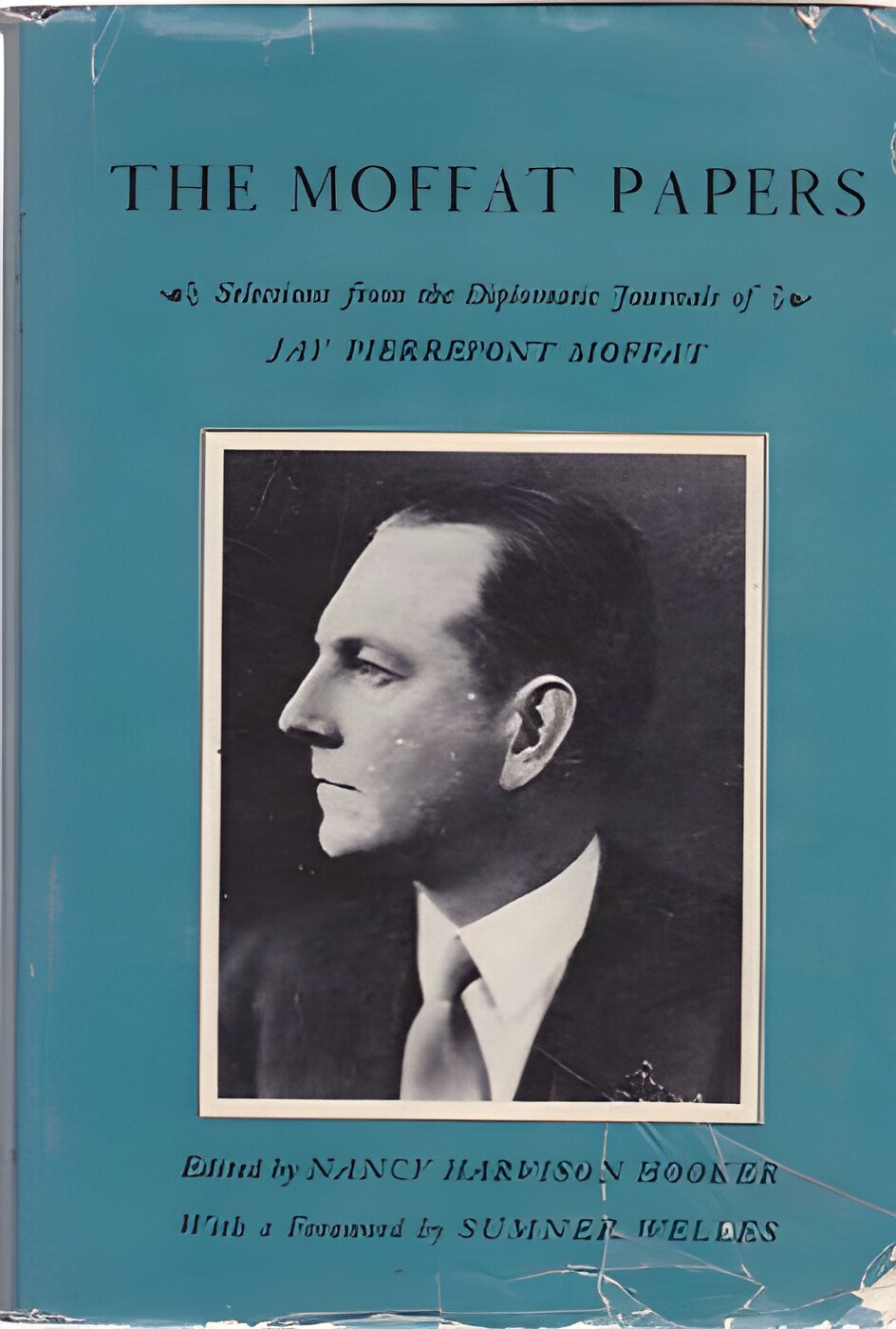
Hardcover. Cambridge MA, Harvard University Press, 1st, 1956, Book: Very Good, Dust Jacket: Fair, Hardcover in a worn, chipped dust jacket, 408 pages, index. Black and white frontis photo portrait of author. "Moffat served for a protracted period and with notable distinction in the key position of what was then termed Chief of the Division of European affairs; he accompanied me as my chief assistant when FDR sent me to Europe as his personal representative in the spring of 1940; and I was in the closest touch with him during the time he served as American Minister to Canada, a service so tragically terminated by his untimely death in 1943. I know of no man who came up through the ranks of the Foreign Service with whose work I am personally familiar who impressed me as having in his latter years greater knowledge, a wiser and more balanced judgement, or a greater devotion to the highest interests of this country." - Sumner Welles.
Hardcover. Algonquin Books, 1st, 2015, Book: Very Good, Dust Jacket: Very Good, Hardcover in a bright, unclipped dust jacket. SIGNED BY AUTHOR on title page. When Alizee Benoit, a young American painter working for the Works Progress Administration (WPA), vanishes in New York City in 1940, no one knows what happened to her. Not her Jewish family living in German-occupied France. Not her arts patron and political compatriot, Eleanor Roosevelt. Not her close-knit group of friends and fellow WPA painters, including Mark Rothko, Jackson Pollock, and Lee Krasner. And, some seventy years later, not her great-niece, Danielle Abrams, who, while working at Christie's auction house, uncovers enigmatic paintings hidden behind works by those now famous Abstract Expressionist artists. Do they hold answers to the questions surrounding her missing aunt? Entwining the lives of both historical and fictional characters, and moving between the past and the present, The Muralist plunges readers into the divisiveness of prewar politics and the largely forgotten plight of European refugees refused entrance to the United States. It captures both the inner workings of New York's art scene and the beginnings of the vibrant and quintessentially American school of Abstract Expressionism.
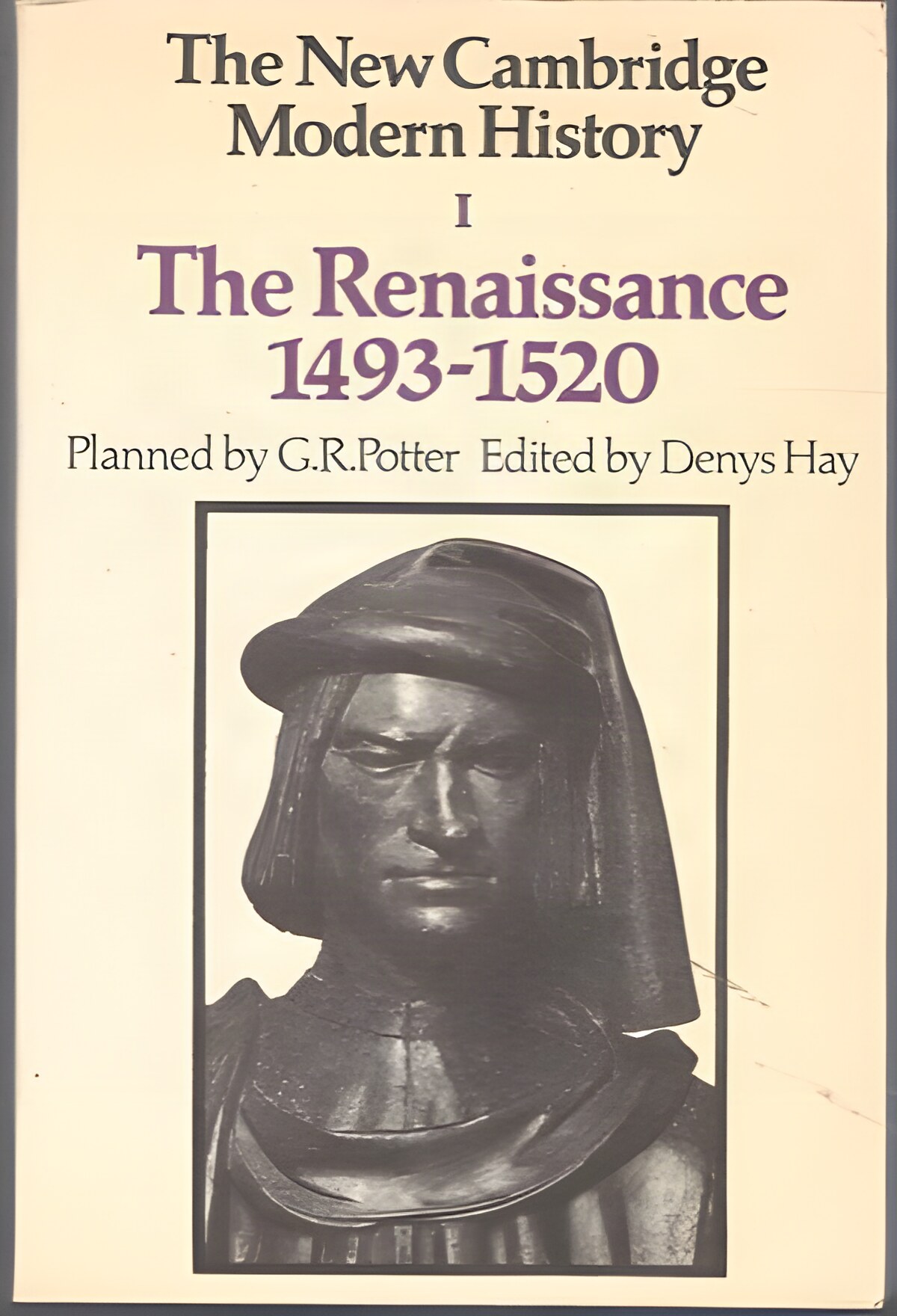
Softcover. Cambridge UK, Cambridge University Press, reprint, 1975, Book: Very Good, Dust Jacket: None, Softcover, 532 pages. In a preface written for this paperback edition, Professor Hay examines some of the changes in Renaissance scholarship since the first publication of this volume in 1957. Successive chapters examine the social and economic structure of a continent about to establish trade and colonies in the New World, the intellectual and artistic movements which made up the Renaissance, the position of the Church on the eve of the Reformation, the political inheritance of the Middle Ages, with its rising nation states, and the growth of the Ottoman Empire. Clean copy.
Hardcover. NY, Verso, 1st, 2009, Hardcover in a bright, unclipped dust jacket, 561 pages. The New Old World looks at the history of the European Union, the core continental countries within it, and the issue of its further expansion into Asia. It opens with a consideration of the origins and outcomes of European integration since the Second World War, and how today's EU has been theorized across a range of contemporary disciplines. It then moves to more detailed accounts of political and cultural developments in the three principal states of the original Common Market-France, Germany and Italy. A third section explores the interrelated histories of Cyprus and Turkey that pose a leading geopolitical challenge to the Community. The book ends by tracing ideas of European unity from the Enlightenment to the present, and their bearing on the future of the Union. The New Old World offers a critical portrait of a continent now increasingly hailed as a moral and political example to the world at large. Clean copy.
Hardcover. Boston, Little, Brown and Company, 1st US, 1954, Book: Very Good, Dust Jacket: None, Hardcover, 242 pages. Gray cloth cover with minor bumping to corners and edges. Residue from small sticker on front flyleaf. Inside is bright and clean. A nice copy. A series of short stories based around the Nazi regime during it's tenure in Germany and Europe.
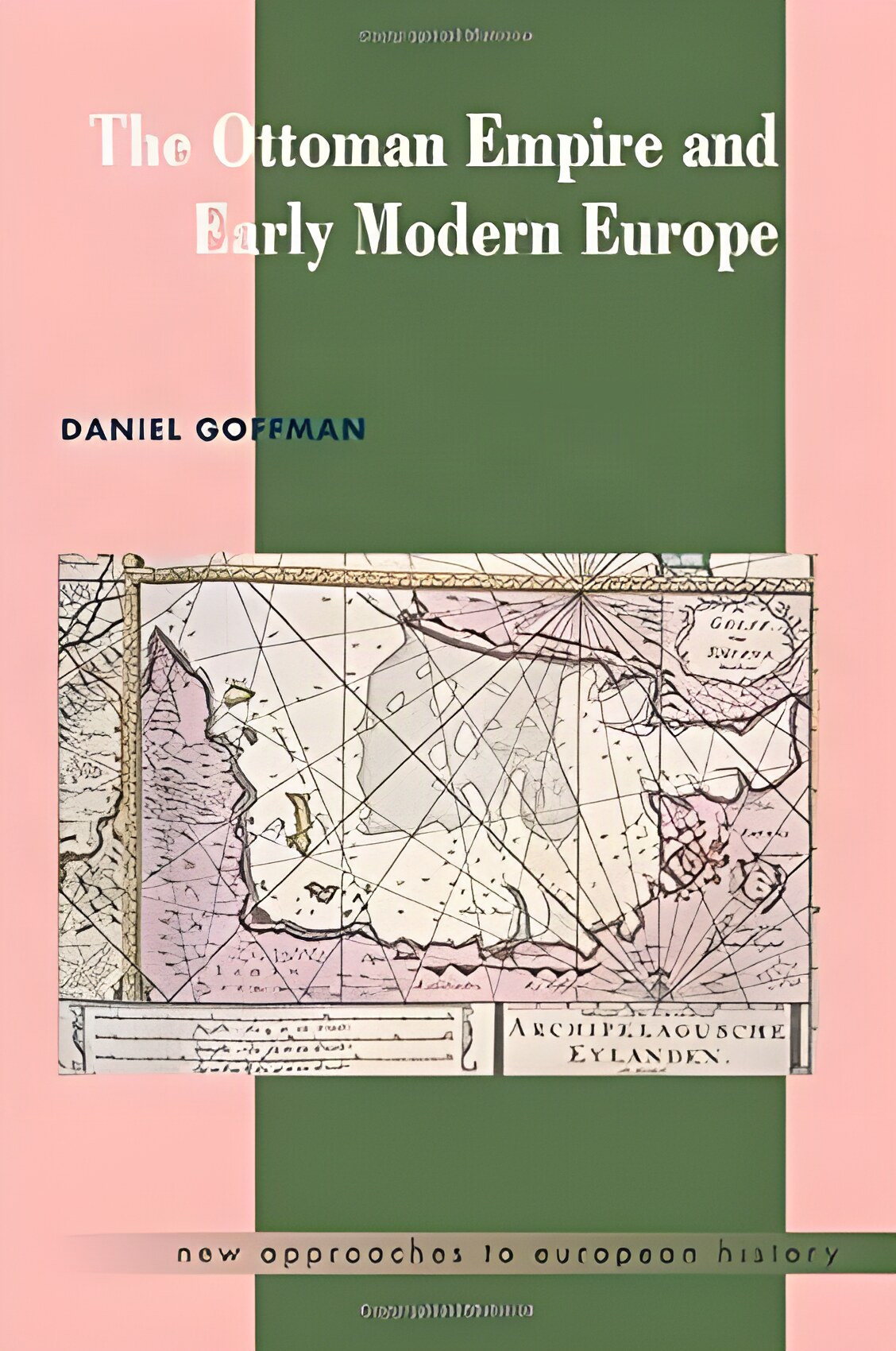
Softcover. UK, Cambridge University Press, reprint, 2012, Book: Very Good, Dust Jacket: None, Softcover, 273 pages, b&w illustrations. Despite the fact that its capital city and over one third of its territory was within the continent of Europe, the Ottoman Empire has consistently been regarded as a place apart, inextricably divided from the West by differences of culture and religion. A perception of its militarism, its barbarism, its tyranny, the sexual appetites of its rulers and its pervasive exoticism has led historians to measure the Ottoman world against a western standard and find it lacking. In recent decades, a dynamic and convincing scholarship has emerged that seeks to comprehend and, in the process, to de-exoticize this enduring realm. Dan Goffman provides a thorough introduction to the history and institutions of the Ottoman Empire from this new standpoint, and presents a claim for its inclusion in Europe. Clean copy.
Hardcover. NY, Walker & Company, 1st, 2000, Book: Very Good, Dust Jacket: Very Good, Hardcover in a bright, unclipped dust jacket. chronicles the Roman Catholic Church's crusade against--and ultimate annihilation of--the Albigenses, or Cathars, a group of heretical Christians who thrived in what is now the Languedoc region of Southern France. The Cathars held revolutionary beliefs that threatened the authority of the church. The world, they maintained, was not created by a benevolent God. Rather, it was the creation of a force of darkness, immanent in all things. They considered worldly authority a fraud, and authority based on some divine sanction, such as claimed by the church, outright hypocrisy. Innocent III, resolved to eradicate the Cathar threat to church authority, recruited the military powers of France, eager to expand their territory to the south. Together, they systematically exterminated the Cathars and their supporters in a series of crusades between 1209 and 1229. The Dominican-led Inquisition that ensued built upon this momentum of intolerance and tormented Europe for centuries to come. 333 pages, endpapers map.
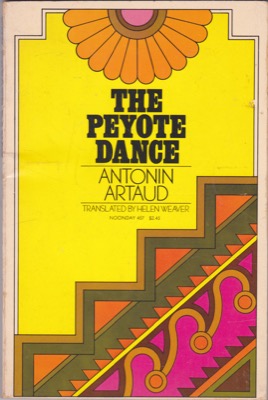
Softcover. NY, Farrar, Straus and Giroux, 1st, 1976, Book: Very Good, Dust Jacket: None, Softcover, 105 pages. Translated by Helen Weaver. Writings by Artaud about his experience with the Tarahumara Indians in 1936, their rituals and ceremonies, and his efforts to find alternatives to what he felt was an increasingly limited European view of the mind and consciousness. Clean copy.
Hardcover. NY, The Monacelli Press, 1st, 2008, Book: Very Good, Dust Jacket: None, Hardcover, 208 pages. Debate and banter between the irascible Philip Johnson and the equally articulate and opinionated Robert A. M. Stern generates a provocative combination of astute commentary and personal observation on the state of architecture in the twentieth century. Philip Johnson's multifaceted career as an architect, curator, and collector extended from the early 1920s to his death in 2005. Captivated by the work of the European modernists Gropius, Le Corbusier, and Mies van der Rohe, Johnson assembled the seminal exhibition "Modern Architecture--International Exhibition" at the Museum of Modern Art in 1932. Among his most notable achievements are the famous Glass House in Connecticut, designed for his own use, and the Seagram Building in New York, in association with Mies van der Rohe. Recognized as the dean of American architecture, Johnson had a profound influence on the next generation of architects, including Robert A. M. Stern. Stern has conducted a series of ten interviews with Johnson, each covering a decade of his life, that provide an illuminating assessment of a significant period of American architecture. No dj issued.
Hardcover. NY, Abrams, 1st, 2008, Book: Very Good, Dust Jacket: Very Good, Hardcover, 300 pages. In this lavishly produced volume, journalist Gaudriault accompanies photographer Rancinan to Africa, Asia, Europe and the United States to interview 23 masters of contemporary photography, paying homage to fashion photographers and photojournalists, traditional chroniclers of their times and conceptual artists. Rancinan's photographs record each encounter in portraits that encapsulate each subject's relationship with his shared discipline. Readers follow paparazzo Ron Galella fending off the camera; Martin Parr, the sardonic chronicler of middle-class British life, having tea in a cafe; Rankin, the creator of the hip magazine Dazed and Confused, hopping into a trashcan filled with his own cast-off images. Gaudriault's short essays quote liberally from her interviews and provide both biographical information and incisive commentary. Several of the older photographers strike an elegiac tone and confess to finding themselves at the end of the eras that gave birth to their visions, but optimism reigns among younger practitioners: David LaChapelle is reinventing himself in Hawaii; Rankin is bearing witness to an age that is still young; and Oliviero Toscani, the radical combination of journalist and marketer behind the Benetton campaigns, describes billboards as the church frescoes of today.
Hardcover. Boston, Bulfinch Press, 1st, 2002, Book: Very Good, Dust Jacket: Very Good, Hardcover in a bright dust jacket, 224 pages. Essays by leading authorities on the artist's work accompany a stunning collection of nearly two hundred photographs by modernist American photographer Charles Sheeler, offering a landmark retrospective of of the work of the influential master of twentieth-century photography. Sheeler visited Europe in 1929 and an important part of this trip was to photograph Chartres Cathedral, he called it "...one of the outstanding experiences of a lifetime". The book includes thirteen beautiful shots of the Cathedral and they look remarkably like his photos of the Ford Motor Rouge River blast furnaces and other exterior bits of the industrial plant which he took in 1927. After 1929 Sheeler concentrated on his paintings. The photos in the book for this period: 1929 to 1939, include house interiors and several for his Power series. One of these, the wheels of a Hudson steam loco was the basis of his famous super realist 1939 painting 'Rolling Power'. The images in the book are taken from Lane Collection, of the Museum of Fine Art, Boston, who own the Sheeler photographic estate and the book was originally published in conjunction with exhibitions in 2003/4. The 190 photos are printed as tritones with a 250 screen. Clean, bright copy. DOMESTIC SHIPPING ONLY.
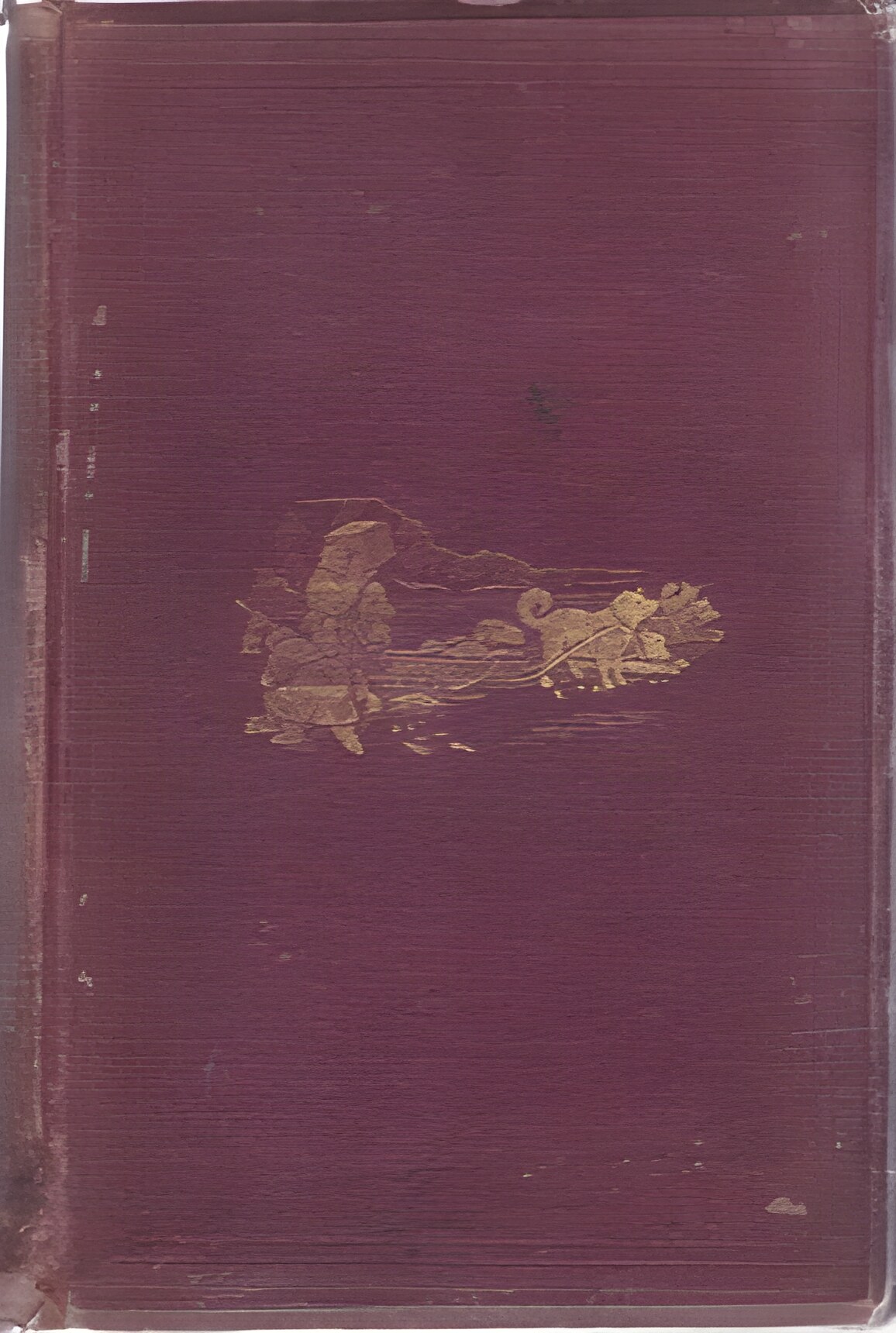
Hardcover. NY, Harper and Brothers, 1st, 1869, Book: Good, Dust Jacket: None, Hardcover, maroon cloth with beveled edges. Engraved frontispiece with tissue guard and profusely illustrated throughout with 163 wood-engravings. The author of several other scientific works here gives a description of the Arctic and Antarctic regions of the globe in both a popular and scientific way. He gives a succinct history of the several polar expeditions, American and European. Covers with edge wear and fraying to spine, gilt blindstamped scene of dog sled on front cover, gilt kayak scene and lettering on spine faded. Interior of book very good, no markings.
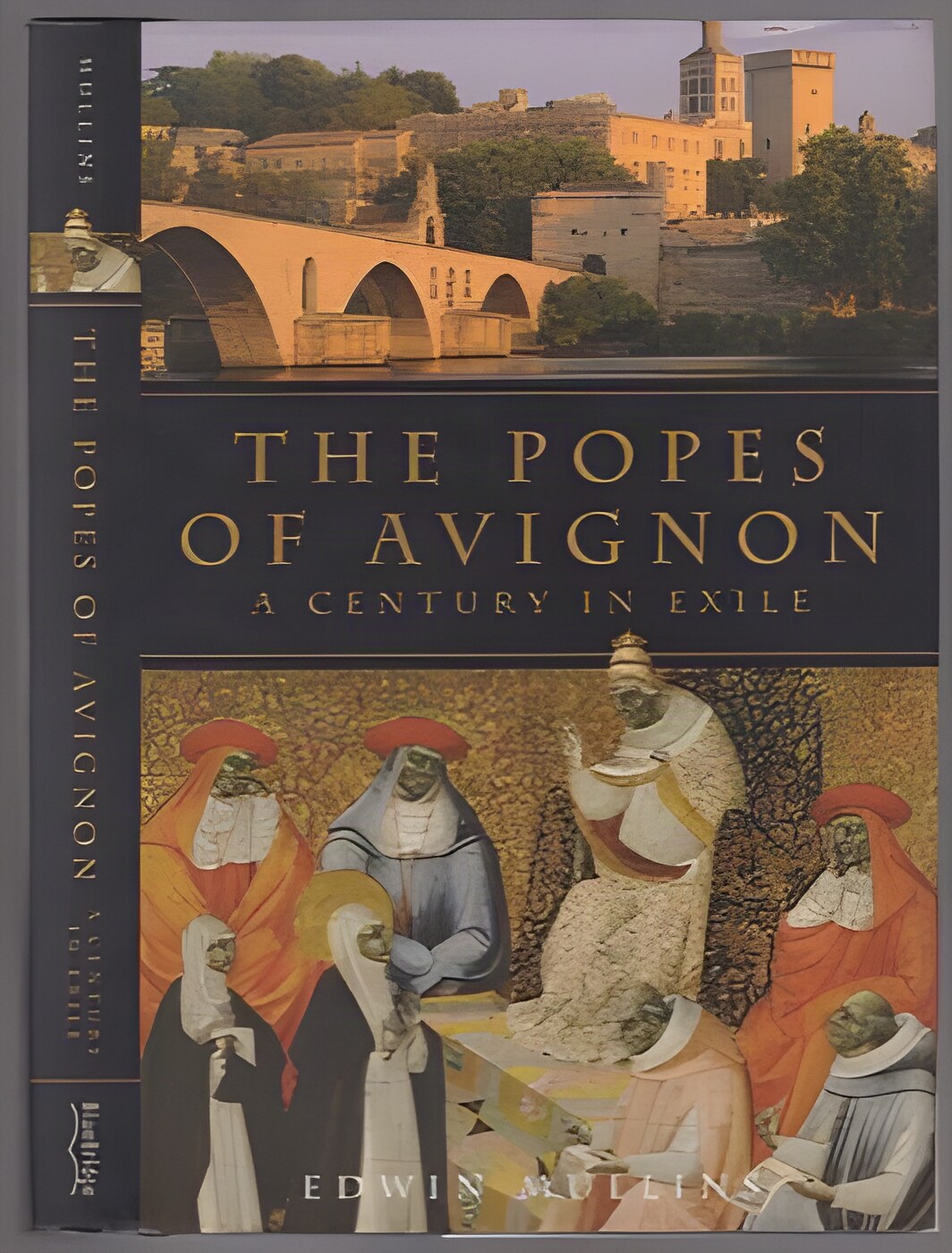
Hardcover. NY, BlueBridge, 1st US, 2008, Book: Very Good, Dust Jacket: Very Good, Hardcover in a bright dust jacket, 246 pages. This narrative history masterfully weaves together the sweeping events surrounding what has become known as the "Babylonian captivity" of the popes into the broader story of 14th-Century Europe?one of the most turbulent times in the continent's history. It was a time of fear, ferocity, and religious agony, which saw the suppression of the Knights Templar and the Cathars, the first onslaught of the plague, and the beginning of the Hundred Years' War. The century also produced some of the greatest writers and artists in the western tradition, including Giotto, Boccaccio, Petrarch, and Chaucer. Central to this period was the movement of the papal seat from Rome to Avignon in the south of France, where seven successive popes held power from 1309 to 1377. The drama, intrigue, and tumult associated with the papacy in exile forms the perfect lens through which to clearly see a Europe making the transition from the Middle Ages to the Renaissance. Clean copy.
Hardcover. Boston, Little Brown, 1st, 1960, Hardcover, 336 pages, b&w drawings by Lea. Dust jacket with light edgewear, chipping. Novel about Hank Spurling, a Marine hero of the war in the Pacific, who returned to the Cloudrock Mountains in Wyoming. In the early days of World War II, Lea became a war correspondent for Life magazine, executing paintings of action in the North Atlantic, the South Pacific, China, North Africa, and Europe. Lea's career thereafter involved both painting and writing, on a variety of subjects but generally reflective of his roots in the Southwest. Clean copy.
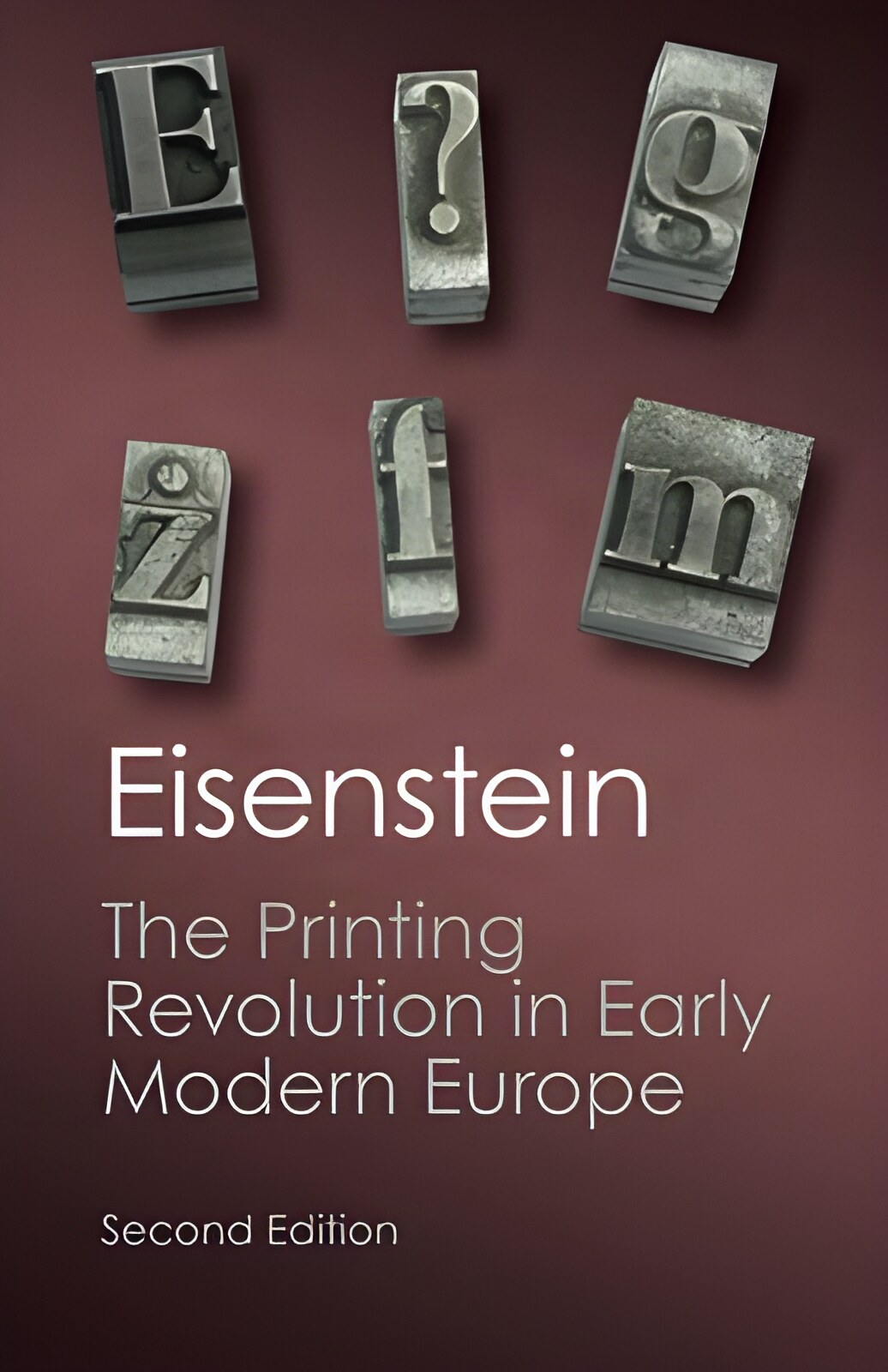
Softcover. UK, Cambridge University Press, reprint, 2012, Book: Very Good, Dust Jacket: None, Softcover, 384 pages, b&w illustrations. In 1979 Elizabeth Eisenstein provided the first full-scale treatment of the fifteenth-century printing revolution in the West in her monumental two-volume work, The Printing Press as an Agent of Change. This abridged edition, after summarising the initial changes introduced by the establishment of printing shops, goes on to discuss how printing challenged traditional institutions and affected three major cultural movements: the Renaissance, the Reformation, and the rise of modern science. Also included is a later essay which aims to demonstrate that the cumulative processes created by printing are likely to persist despite the recent development of new communications technologies. Clean copy.
Hardcover. Boyds Mills Press, 1st, 2002, Book: Very Good, Dust Jacket: Very Good, Hardcover in a bright dust jacket. Long ago in a part of the world once known as Mesopotamia, a nomadic tribesman led his people through the wilderness in search of a mystical land called Canaan. This journey would change the course of human history. Since that time, entire civilizations have flourished and vanished, along with their religions. Only one people has survived the tumult of the centuries--the Jews. What accounts for their remarkable survival? Neil Waldman tells the story of the Jewish people from their arrival in Canaan to the Exodus from Egypt. His paintings capture emotional scenes of Jewish life in the ancient world and in Europe. He shows how generation upon generation of Jews, in the face of profound crisis, have drawn strength from God's promise of a land flowing with milk and honey. The key to the Jewish people's survival is found in the story of their birth. Clean copy.

 "The Last Days of Mankind: A Tragedy in Five Acts by: Kraus, Karl; /Ungar, Frederick(Ed.) /Wright, E Sue (transl.)")




 "The Lost Border: The Landscape of the Iron Curtainby: Brian Geoffrey Rose")


 "The Mind and Art of Giovanni Battista Piranesi by: John Wilton-Ely")


 "The Muralist: A Novel (SIGNED COPY)by: B.A. Shapiro")
 "The Nightmareby: Forester, C.S.")

 "The Philip Johnson Tapes: Interviews by Robert A. M. Sternby: Robert A.M. Stern")
 "The Photographer by: Gerard Rancinan and Caroline Gaudriault")


 "The Promised Land: The Birth of the Jewish People by: Neil Waldman")