Hardcover. New York, Assouline, 1st, 2005, Book: Very Good, Dust Jacket: Very Good, Hardcover, 349 pages, color illustrations throughout. DVD included. Representing Jean-Paul Goude's life and work from the late 1960s up to the present, the book spans Goude's years at Esquire; his revolutionary work with Grace Jones, his videos for MTV and for Azzedine Alaia; his advertising work for Chanel, and more. With text and images by Goude himself, So Far So Goude is the definitive book on the work of an extraordinarily innovative, talented and unorthodox man. With more than 350 illustrations in full color, this book is a fascinating reference for anyone interested in fashion illustration, photography, and all other avenues of commercial design and advertising.
Hardcover. New York, Assouline, 1st, 2005, Book: Very Good, Dust Jacket: Very Good, Hardcover, 349 pages, color illustrations throughout. DVD included. Representing Jean-Paul Goude's life and work from the late 1960s up to the present, the book spans Goude's years at Esquire; his revolutionary work with Grace Jones, his videos for MTV and for Azzedine Alaia; his advertising work for Chanel, and more. With text and images by Goude himself, So Far So Goude is the definitive book on the work of an extraordinarily innovative, talented and unorthodox man. With more than 350 illustrations in full color, this book is a fascinating reference for anyone interested in fashion illustration, photography, and all other avenues of commercial design and advertising.
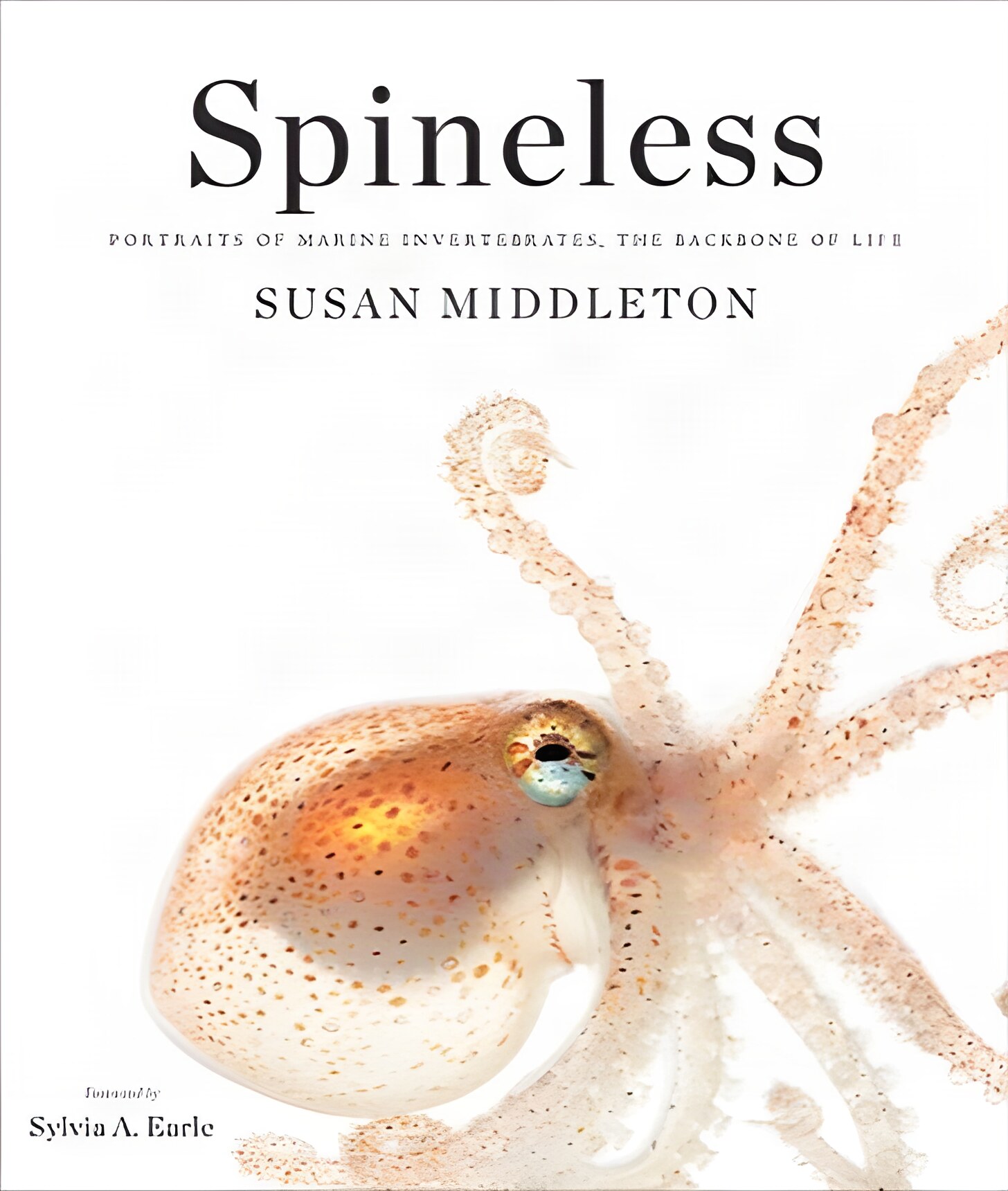
Hardcover. NY, Abrams, 1st, 2014, Book: Very Good, Dust Jacket: Very Good, Hardcover in a bright dust jacket. This collection of more than 250 remarkable images is the result of seven years of painstaking fieldwork across the Pacific Ocean, using photographic techniques that Middleton developed to capture these extremely fragile creatures on camera, creatures who are astonishingly diverse in their shapes, patterns, textures, and colors--in nature's fashion show, they are the haute couture of marine life. Middleton also provides short essays that examine the place these invertebrates occupy on the tree of life, their vast array of forms, and their lives in the ocean. Scientist Bernadette Holthuis contributes profiles describing each species, many of them for the first time. Middleton's book is a stunning view of nature that harmoniously combines art and science. 255 pages in color. Clean copy. PLEASE NOTE: DUE TO SIZE & WEIGHT, DOMESTIC SHIPPING ONLY.
Hardcover. New York, Sports Illustrated, 1st, 2010, Book: Very Good, Dust Jacket: Very Good, IHardcover, 256 pages, illustrated throughout in color. Light edgewear to dust jacket, else a clean, tight copy. In it's 47 years of publication, "Sports Illustrated"'s annual Swimsuit issue has put the 'super' in the careers of countless supermodels. The man who showcased these beautiful faces in such beautiful places? Legendary photographer Walter Iooss Jr., who now shares his personal catalogue of swimsuit shots through the years, annotated with recollections, journal entries, personal collages and private snapshots. With 272 large-format pages of iconic imagery.
Hardcover. New York, Sports Illustrated, 1st, 2001, Book: Very Good, Dust Jacket: Very Good, Hardcover, 276 pages, illustrated throughout in color. Clean, unmarked copy with only minor wear to dust jacket. Celebrates the art of that uniquely American institution, the Sports Illustrated annual swimsuit issue.Beginning with the inaugural issue on January 24, 1964, which featured model Babette March in a modest four-page spread, Knockouts goes on to document the evolution of the swimsuit issue through five decades of models who, largely by virtue of their appearances here, became celebrities, including Elle Macpherson, Cheryl Tiegs, Tyra Banks, and Kathy Ireland.Besides assembling a selection of the best photographs in book form for the first time, Knockouts offers an ample selection of outtakes and other previously unpublished photos, various quotes from models, photographers, art directors, and commentaries on the logistics and technical aspects of the shoots and the exotic ports of call in which they were staged.
Hardcover. NY, Stewart Tabori & Chang, 1st, 1996, Book: Very Good, Dust Jacket: Very Good, Hardcover, 113 pages. Anton Corbijn initiated a new era in portrait photography for the rock and pop music scene with his atmospheric, often melancholy images. Here is a photographer who travels the world, tirelessly seeking to capture its idols in quiet moments and catch a trace of their essential being behind all the fame and glamour. Taken primarily in black and white with a hand-held camera and without auxiliary lighting, most of Corbijn's photographs are shot in those quiet moments between performances. Beyond the reach of the glaring spotlights, on the dark side of the star cult - literally and metaphorically - Corbijn finds what interests him more than gesture, image or glamour: the unusual degree of privacy and closeness that turns his portraits into genuine character studies.Corbijn has now moved beyond the boundaries of music photography and Star Trak reads like a visual encyclopedia of the icons of our culture, gathering together outstanding personalities from the worlds of film, literature, rock music and fashion. He visits film directors Wim Wenders, David Lynch, and Martin Scorsese, actors Johnny Depp, Gerard Depardieu and Jodie Foster, and alongside the older rebels - like Mick Jagger and Leonard Cohen - he includes the enfants terribles of the Eighties and Nineties - Kurt Cobain, Billy Idol, and Slash. Corbijn couples the excesses of William S. Burroughs with the beauty of supermodels Naomi and Christy, and brings Salman Rushdie and Bono together in front of the camera.
Hardcover. NY, Rizzoli, 1st, 2012, Book: Very Good, Dust Jacket: Very Good, Hardcover, 240 pages. A love letter to the cinema from the House of Dior, featuring legendary screen actresses in signature Dior. Embraced by Hollywood and the iconic women who are its stars, the fashions of Christian Dior have been worn by the likes of Marlene Dietrich in Stage Fright, Lauren Bacall in How to Marry a Millionaire, Ava Gardner, Marilyn Monroe, Sophia Loren, Elizabeth Taylor and, more recently, Charlize Theron, Penelope Cruz, and Nicole Kidman. Well before the successes that were to propel Dior to the forefront of the fashion world, the master couturier put his talent to work as a costume designer for the cinema, collaborating with renowned filmmakers and creating timeless ensembles for legendary actresses. Following the untimely death of the designer, the House of Dior's involvement with the cinema continued, from 1958 to the present, with more than fifty films featuring the stars of the silver screen dressed in signature Dior. Combining fashion photography and rarely seen and never before published behind-the-scenes photographs, this gorgeously produced volume showcases Dior's creations for film and the movie stars who brought them to life, and is a must for those who aspire to high style.
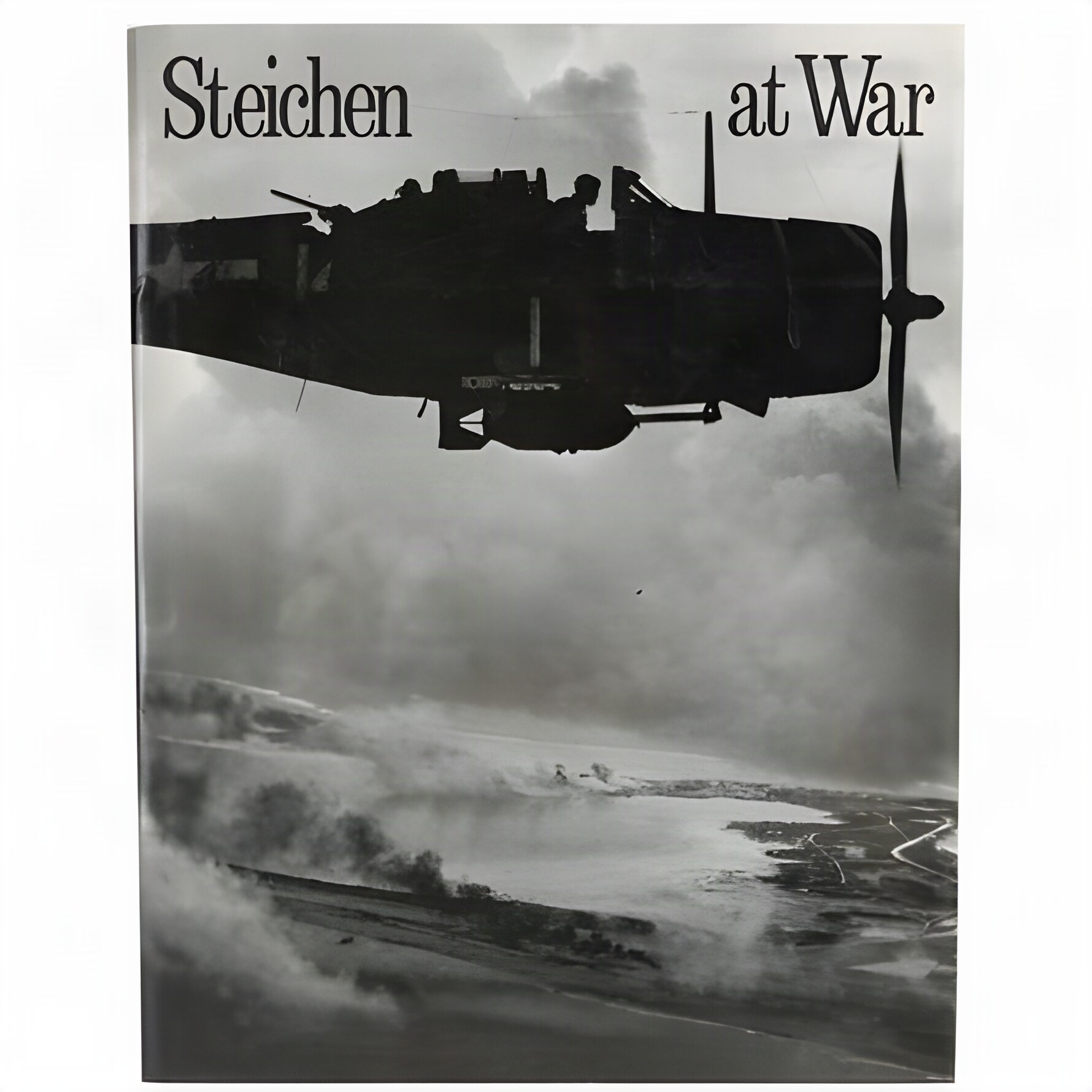
Hardcover. NY, Abrams, 1st, 1981, Book: Very Good, Dust Jacket: Very Good, Hardcover, 256 pages, in a bright, unclipped dust jacket. Edward Steichen virtually created the world of high fashion and advertising photography, but his military coverage of two World Wars was equally remarkable. He received the Croix de Guerre for pioneering photoreconnaissance as part of Pershing's American Expeditionary Force in 1918, and his team's shots of the American Navy's advance across the Pacific from 1942 to 1945 form the visual core of our memory of that crucial period. Tragically, however, Steichen's thousands of incisive images of military action were dissolved into the morass of the National Archives, and attempts to retrieve specific subjects of his are often as effective as trying to taste fine brandy after pouring it into a swimming pool. Hence the value of retrospectives such as Christopher Phillips' hefty book on Steichen's coverage of the U.S. Navy in the Pacific War. Combining skillfully chosen anecdotes from Steichen's life with vivid evocation of the pioneering photographer's joy in capturing memorable images, Phillips gives us not only an unforgettable slice of Steichen's work but also enough historical background to let readers sense the excitement and drama of a nation's best young warriors fighting for freedom's sake. Lieutenant Commander Steichen's parade of images didn't begin until after the pivotal Battle of Midway in June 1942, but the ensuing carrier warfare and savage island fighting appear in unforgettable clarity. As in all great photographs, the humanity of the subjects shines through amid their triumph, or pain, or mere existence. Students of both military history and photography can spend days poring over these astonishingly revealing images.
Hardcover. NY, Abrams, 1st, 1981, Book: Very Good, Dust Jacket: Very Good, Hardcover, 256 pages, in a bright, unclipped dust jacket. Edward Steichen virtually created the world of high fashion and advertising photography, but his military coverage of two World Wars was equally remarkable. He received the Croix de Guerre for pioneering photoreconnaissance as part of Pershing's American Expeditionary Force in 1918, and his team's shots of the American Navy's advance across the Pacific from 1942 to 1945 form the visual core of our memory of that crucial period. Tragically, however, Steichen's thousands of incisive images of military action were dissolved into the morass of the National Archives, and attempts to retrieve specific subjects of his are often as effective as trying to taste fine brandy after pouring it into a swimming pool. Hence the value of retrospectives such as Christopher Phillips' hefty book on Steichen's coverage of the U.S. Navy in the Pacific War. Combining skillfully chosen anecdotes from Steichen's life with vivid evocation of the pioneering photographer's joy in capturing memorable images, Phillips gives us not only an unforgettable slice of Steichen's work but also enough historical background to let readers sense the excitement and drama of a nation's best young warriors fighting for freedom's sake. Lieutenant Commander Steichen's parade of images didn't begin until after the pivotal Battle of Midway in June 1942, but the ensuing carrier warfare and savage island fighting appear in unforgettable clarity. As in all great photographs, the humanity of the subjects shines through amid their triumph, or pain, or mere existence. Students of both military history and photography can spend days poring over these astonishingly revealing images. DOMESTIC SHIPPING ONLY.
Hardcover. NY, Abrams, 1st, 1981, Book: Very Good, Dust Jacket: Very Good, Hardcover, 256 pages, in a bright, unclipped dust jacket. Edward Steichen virtually created the world of high fashion and advertising photography, but his military coverage of two World Wars was equally remarkable. He received the Croix de Guerre for pioneering photoreconnaissance as part of Pershing's American Expeditionary Force in 1918, and his team's shots of the American Navy's advance across the Pacific from 1942 to 1945 form the visual core of our memory of that crucial period. Tragically, however, Steichen's thousands of incisive images of military action were dissolved into the morass of the National Archives, and attempts to retrieve specific subjects of his are often as effective as trying to taste fine brandy after pouring it into a swimming pool. Hence the value of retrospectives such as Christopher Phillips' hefty book on Steichen's coverage of the U.S. Navy in the Pacific War. Combining skillfully chosen anecdotes from Steichen's life with vivid evocation of the pioneering photographer's joy in capturing memorable images, Phillips gives us not only an unforgettable slice of Steichen's work but also enough historical background to let readers sense the excitement and drama of a nation's best young warriors fighting for freedom's sake. Lieutenant Commander Steichen's parade of images didn't begin until after the pivotal Battle of Midway in June 1942, but the ensuing carrier warfare and savage island fighting appear in unforgettable clarity. As in all great photographs, the humanity of the subjects shines through amid their triumph, or pain, or mere existence. Students of both military history and photography can spend days poring over these astonishingly revealing images.
Hardcover. New York, Sterling Innovation, 1st, 2010, Book: Very Good, Dust Jacket: Very Good, 127 pages. Hardcover. Color illustrations throughout. Decorated endpapers. Dust jacket sleeve present. Clean inside and out. In good shape. From the back cover: Achieving great artisitc succes and recognition, Edward Steichen brought enthusiasm, curiosity, and passion to the world of photography. This remarkable book offers a fresh take on Steichen by focusing exclusively on his color images from the collections of George Eastman House."
Hardcover. NY, Ipso Facto, 1st, 2001, Book: Very Good, Dust Jacket: None, Hardcover, 175 pages. A visual tribute to the author's mother, 1950's fashion model Stella Maret. Black & white (some color) photos. Constantly travelling across the Atlantic, Stella embodied the high expectations of haute couture. Through photography by Willy Maywald, the Harcourt Studio, Sam Levin, and other famous photographers, this book takes the reader through an almost unreal world of beauty, appearances, and glamour. No dust jacket issued.
Hardcover. Bologna, Italy, Damiani, 1st, 2012, Book: Very Good, Dust Jacket: None, Hardcover. Includes decorative slip case. Like new in publisher's shrink-wrap. Shoebox Studio records a moment in a fashion model's career that is rarely seen by a wider public: the model's first "getting-acquainted" photoshoot, in which no attempt is made to beautify or exaggerate her face, pose or expression. Having produced photo campaigns for some of the world's premier beauty clients (Lancome, L'Oreal, Revlon), French photographer and painter Stephane Coutelle is ideally placed to make these portraits of vulnerability and aspiration: his Shoebox Studio sees an unending parade of young women, newly arrived from all over the world and pursuing their first career. His first meeting with a model aims to establish their character and psychology, before professional reflexes take hold, and before complicity is established between photographer and model. Shoebox Studio gathers portraits of aspiring models taken between 2006 and 2010.
Hardcover. New York, Glitterati Incorporated, 1st, 2008, Book: Very Good, Dust Jacket: Very Good, Hard cover, 128 pages. Clean, unmarked copy with only minor wear to dust jacket. Relatively unknown peer of innovative photographers Slim Aarons and Richard Avedon, Ronny Jaques' photographs captured the fashion, travel, food and lifestyle scenes for magazines like Town & Country, Harper's Bazaar, and Gourmet, where he established himself as the first true innovator of food photography. His work is chronicled and explained for the first time in book form by fashion luminary and friend, Pamela Fiori, editor for the past fifteen years of Town & Country magazine.
Hardcover. New York, Abrams, 1st, 2016, Book: Very Good, Dust Jacket: Very Good, 256 pages. Hardcover with dust jacket. Very clean, like new in publishers shrinkwrap. The book features images by a who's who of legendary photographers: Anton Corbijn, Patrick Demarchelier, Steven Klein, Annie Leibovitz, Helmut Newton, Irving Penn, Mario Testino, Tim Walker, and Bruce Weber. The book includes a foreword by Anna Wintour and is punctuated with Posnick's personal memories and irreverence.
Softcover. Zach Feuer Gallery, 1st, 2006, Book: Very Good, Dust Jacket: None, Softcover, 70 pages. Priya Bhatnagar in Flash Art has written "Threatening to unravel pop culture's abstractions, Hawkins's images call into question the socially coded nature of its identities, icons, meanings and values while contesting its homogenization of beauty and fashion. Joel Sternfeld's foreword calls this survey of recent work "an achievement of the first magnitude." Inviting friends and strangers in Nepal to pose for the camera, Blue Eyes includes three photographic series and three video projects that reveal the ubiquity of American media culture while underscoring certain behaviors as they pertain to global capitalism and race. Each image investigates the experience of cultural imperialism as seen through the eyes of those living in the developing world. Hawkins highlights the visual dialogue that comprises consumer and popular culture and asks the viewer to consider a world of differences increasingly veiled by surface similarities.
Softcover. Zach Feuer Gallery, 1st, 2006, Book: Very Good, Dust Jacket: None, Softcover, 70 pages. Priya Bhatnagar in Flash Art has written "Threatening to unravel pop culture's abstractions, Hawkins's images call into question the socially coded nature of its identities, icons, meanings and values while contesting its homogenization of beauty and fashion. Joel Sternfeld's foreword calls this survey of recent work "an achievement of the first magnitude." Inviting friends and strangers in Nepal to pose for the camera, Blue Eyes includes three photographic series and three video projects that reveal the ubiquity of American media culture while underscoring certain behaviors as they pertain to global capitalism and race. Each image investigates the experience of cultural imperialism as seen through the eyes of those living in the developing world. Hawkins highlights the visual dialogue that comprises consumer and popular culture and asks the viewer to consider a world of differences increasingly veiled by surface similarities.
Hardcover. NY, Rizzoli International, 1st, 2017, Book: Very Good, Dust Jacket: None, Hardcover, folio, 394 pages, 250 color and black and white Illustrations. Black cloth stamped in silver and gold gilt. There has never been--and will never be--another nightclub to rival the sheer glamour, energy, and wild creativity that was Studio 54. Now, in the first official book on the legendary club, co-owner Ian Schrager presents a spectacular volume brimming with star-studded photographs and personal stories from the greatest party of all time. From the moment it opened in 1977, Studio 54 celebrated spectacle and promised a never-ending parade of anything goes. Although it existed for only three years, it served as a catalyst that brought together some of the most famous and creative people in the world. It quickly became known for its celebrity guest list and uniquely chic clientele. From the cutting-edge lighting displays to its elaborate sets, it was the beginning of nightclub as performance art. Now, Studio 54 explores this cultural zeitgeist and gives us Schrager's personal firsthand account of what it was like to create and run the most famous nightclub of our age. With hundreds of photographs, many of which have never been seen before, of the celebrities and beautiful people and engaging stories and quotes from such cultural luminaries as Liza Minelli, David Geffen, Brooke Shields, Pat Cleveland, and Diane von Furstenberg, this exciting volume depicts the wild energy and glittering creativity of the era. One of the most important cultural landmarks of the twentieth century, Studio 54 continues to inspire with its legendary glamour. This exhilarating volume is a must-have for style and fashion aficionados today. DOMESTIC SHIPPING ONLY.
Hardcover. NY, Rizzoli/Electa/Brooklyn Museum, 1st, 2020, Book: Very Good, Dust Jacket: None, Glazed boards, 176 pages in color and b&w. Documents the infamous New York disco club in the 1970s. There has never been--and will never be--another nightclub to rival the sheer glamour, energy, and wild creativity that was Studio 54. This catalog accompanies an exhibition at the Brooklyn Museum exploring how Studio 54 was a unique zeitgeist of an era. From the moment it opened in 1977, Studio 54 celebrated spectacle and promised a never-ending parade of anything goes. Although it existed for only three years, it served as a catalyst that brought together some of the most famous, creative, and strangest people in the world. It quickly became known for its all-ages celebrity guest list and its uniquely chic clientele of superstars and freaks of all races and sexual preferences who would often show up half-dressed or in costume. From the cutting-edge lighting displays and sound system to its elaborate sets that would change on a whim, altering the environment and ambiance, it was the beginning of nightclub as performance art.
Hardcover. NY, Rizzoli International, 1st, 2017, Book: Very Good, Dust Jacket: None, Hardcover, folio, 394 pages, 250 color and black and white Illustrations. Black cloth stamped in silver and gold gilt. There has never been--and will never be--another nightclub to rival the sheer glamour, energy, and wild creativity that was Studio 54. Now, in the first official book on the legendary club, co-owner Ian Schrager presents a spectacular volume brimming with star-studded photographs and personal stories from the greatest party of all time. From the moment it opened in 1977, Studio 54 celebrated spectacle and promised a never-ending parade of anything goes. Although it existed for only three years, it served as a catalyst that brought together some of the most famous and creative people in the world. It quickly became known for its celebrity guest list and uniquely chic clientele. From the cutting-edge lighting displays to its elaborate sets, it was the beginning of nightclub as performance art. Now, Studio 54 explores this cultural zeitgeist and gives us Schrager's personal firsthand account of what it was like to create and run the most famous nightclub of our age. With hundreds of photographs, many of which have never been seen before, of the celebrities and beautiful people and engaging stories and quotes from such cultural luminaries as Liza Minnelli, David Geffen, Brooke Shields, Pat Cleveland, and Diane von Furstenberg, this exciting volume depicts the wild energy and glittering creativity of the era. One of the most important cultural landmarks of the twentieth century, Studio 54 continues to inspire with its legendary glamour. This exhilarating volume is a must-have for style and fashion aficionados today. DOMESTIC SHIPPING ONLY.
Hardcover. London, Art / Books Publishing, 1st, 2013, Book: Very Good, Dust Jacket: Very Good, 240 pages. Hardcover with dust jacket. Very clean, like new in publishers shrink-wrap. A tight copy. Terence Donovan was one of the foremost photographers of his generation--among the greatest Britain has ever produced. He came to prominence in London as part of a postwar renaissance in art, fashion, graphic design and photography, and--alongside David Bailey and Brian Duffy (photographers of a similar working-class background)--he captured and helped create the Swinging London of the 1960s. Donovan socialized with celebrities and royalty, and found himself elevated to stardom in his own right, and yet, despite his success and status, there has never been a serious evaluation of Donovan's fashion work: he allowed no monographs to be published during his lifetime. Terence Donovan Fashion is therefore the first publication of his fashion photographs. Arranged chronologically, and with an illuminating text by Robin Muir (ex-picture editor of Vogue), the book considers Donovan in the social and cultural context of his time, showing how his constant experimentation not only set him apart, but also influenced generations to come. Designed by former art director of Nova magazine and Pentagram partner David Hillman, and with images selected by Hillman, the artist's widow Diana Donovan and Grace Coddington, creative director of American Vogue, this volume is indisputably a landmark publication in the history of fashion photography.
Hardcover. Zurich, Edition Stemmle, 1st, 2002, Book: Very Good, Dust Jacket: Very Good, Hardcover. Color, black & white photos of his parents, all done in various off-beat styles.
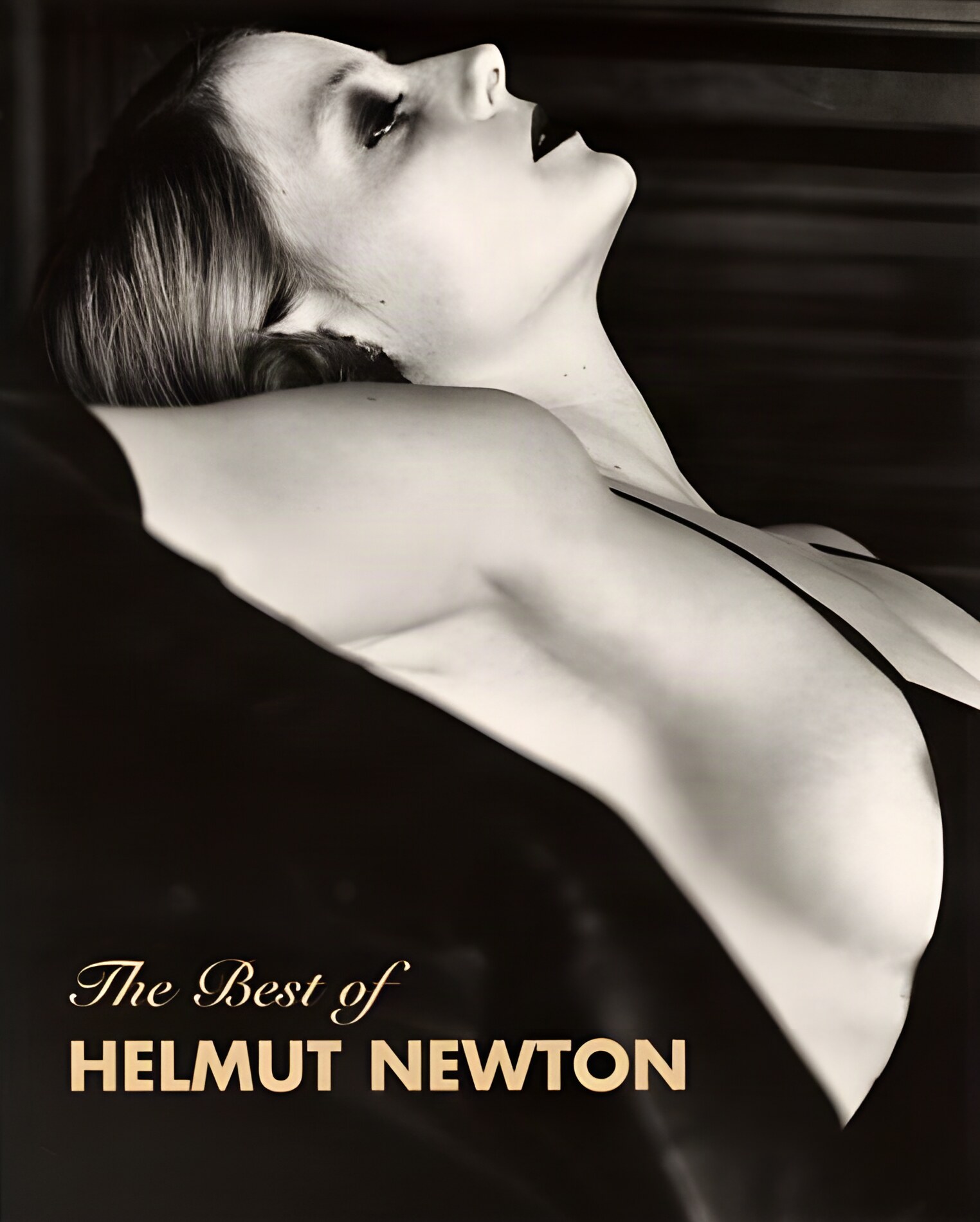
Softcover. NY, Thunders Mouth Press, 1sts thus, 1996, Book: Very Good, Dust Jacket: None, Softcover, 156 pages in color and b&w. Helmut Newton's best photographic work from the 1960's to the 1990's traveled around Europe in a major retrospective in 1993. This 1996 first printing collection contains all the icons of Newton's special fields of interest including fashion, nudes, portraits as well as works for which he became world famous: the sensational fashion photos for the British magazine Vogue, Liz Taylor with a parrot in a swimming pool, Helmut Berger naked at his fireplace, Helmut Kohl with a German oak, Salvador Dali on an IV drip, the "Big Nudes" and some of his later macabre wax figures. Clean copy.
Hardcover. Zurich, Scalo/DAP, 1st, 1997, Book: Very Good, Dust Jacket: None, Hardcover, 267 pages. Liz Jobey's brief but illuminating introduction brings cohesion to thie fab book of photos of EMI pop and rock musicians of the late 1950's and the 1960's. It's EMI, and only EMI, but considering the artists who once signed with this British label, including the Beatles, Little Richard, David Bowie, Jeff Beck Group, Rod Stewart, Pretty Things, Pink Floyd, Steppenwolf, (Sir) Cliff Richards, Three Dog Night, Chubbie Checkers, Spencer Davis Group, the Yardbirds--EMI's talent pool was as rich as any label. The most only obvious omissions among the Brits (i.e., EMI never signed them) would probably be the Stones, the Who, and the Kinks. The photographs are enjoyable as kitsch, as a window into period fashion and sensibilities, and, occasionally, as great photography.

 "So Far So Goudeby: Goude, Jean-Paul with Patrick Mauries")
 "So Far So Goudeby: Goude, Jean-Paul with Patrick Mauries")
 "Sports Illustrated Swimsuit Heavenby: Iooss, Walter")
 "Sports Illustrated: Knockouts, Five Decades of Sports Illustrated Swimsuit Photographyby: Reilly, Rick")

 "Stars in Dior: From Screen to Streetsby: Jerome Hanover, Florence Muller, et al.")
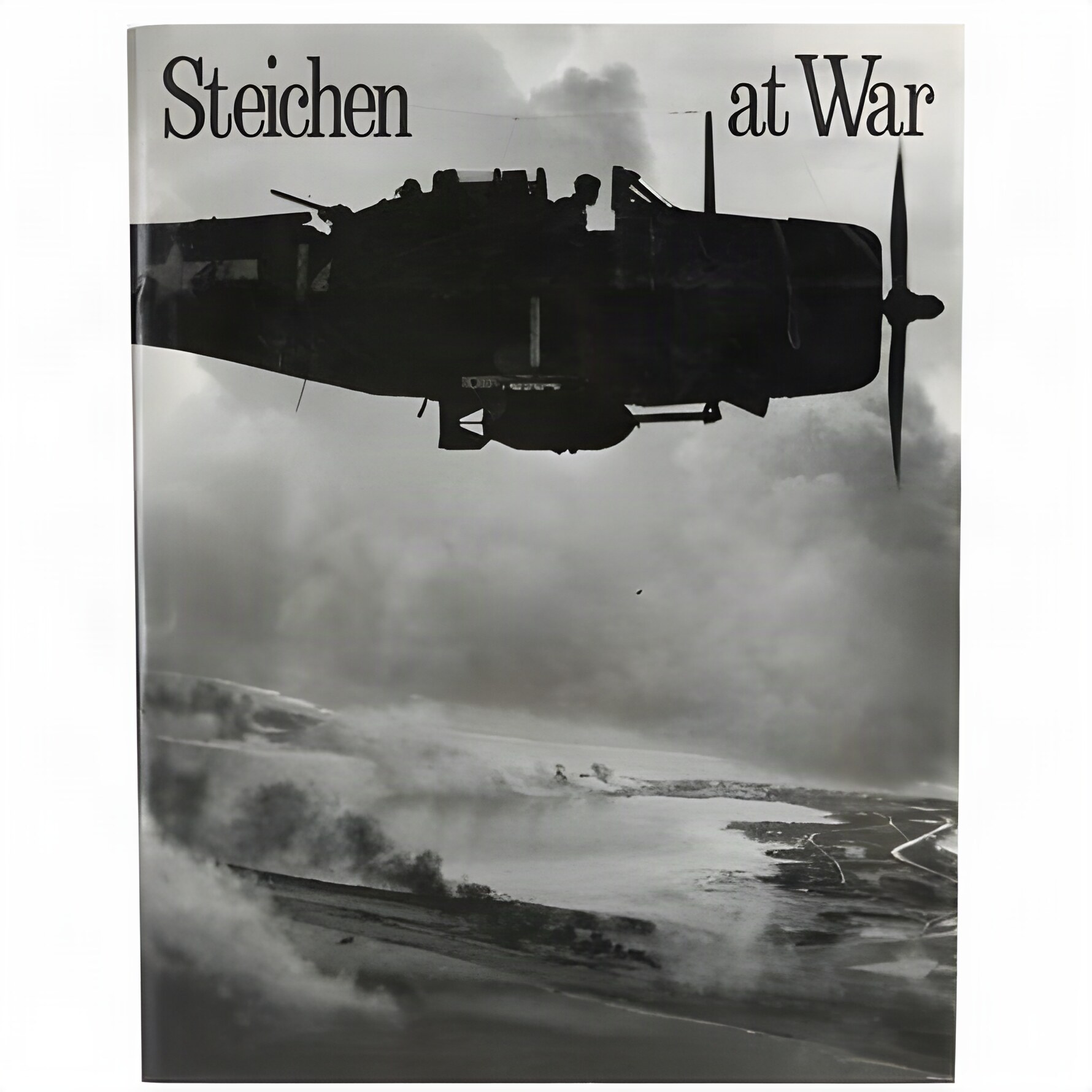
 "Steichen At Warby: Christopher Phillips")
 "Steichen in Color: Portraits, Fashion, & Experiments by Edward Steichenby: Steichen (Forward), Joanna")
 "Stellaby: Parent, Marc")
 "Stephane Coutelle: Shoebox Studioby: Saint-Jacques, Camille (Introduction)")
 "Stolen Moments: The Photographs of Ronny Jaquesby: Fiori, Pamela")
 "Stoppers: Photographs From My Life at Vogueby: Posnick, Phyllis")
 "Stuart Hawkins: Blue Eyesby: Hawkins Stuart and Joel Sternfeld")
 "Stuart Hawkins: Blue Eyesby: Hawkins Stuart and Joel Sternfeld")
 "Studio 54 by: Ian Schrager/Bob Colacello (Foreword)")


 "Studio 54: Night Magicby: Yokobosky, Matthew")


 "Studio 54by: Ian Schrager/Bob Colacello (Foreword)")


 "Terence Donovan Fashionby: Hillman, David (Editor)")
 "Thai-Cong My Parents - An Homage to Fashion, Photography and Lifeby: Tai-Cong")