Hardcover. NY, Doubleday, 1st, 1979, Book: Very Good, Dust Jacket: Very Good, Hardcover, 369 pages, b&w photos. In a bright, unclipped dust jacket. The author presents a memoir of her father the well-known playwright, producer, director and screenwriter of such Hollywood classics as The Desert Fox, How to Marry a Millionaire, The Man in the Gray Flannel Suit, The Three Faces of Eve, The Dirty Dozen and many others.
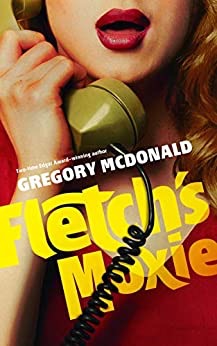
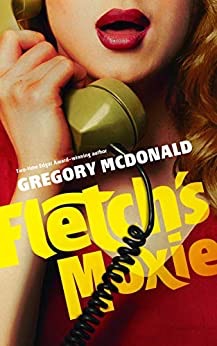
Softcover. Ashland OR, Blackstone Publishing, reprint, 2018, Book: Very Good, Dust Jacket: None, Softcover, pictorial wraps. Ms. Moxie Mooney is Hollywood royalty--and she's in trouble. At the summons of his on-again, off-again lover, Fletch drops in on Moxie's film set, located in sunny Florida. If being called up for help by the box office beauty isn't work enough, Steve Peterman, Moxie's sleazy manager, is murdered while the cameras are rolling, and no one managed to see a thing. Despite the obvious lack of evidence, the rumor mill is still quick to churn up a potentially plausible suspect: Moxie. Realizing the need for a little R&R away from prying eyes, he hastily flies Moxie and her drunken father off to Key West. But trouble follows Fletch, in every sense of the word, and soon enough he's playing host to a full house of Hollywood's brightest.I n true Fletch style, he delves into the investigation, dodging police inquiry, betting on race horses, taking a leisurely sail, and talking up his elite houseguests to get the dirt and solve this perplexing murder.
Softcover. Ashland OR, Blackstone Publishing, reprint, 2018, Book: Very Good, Dust Jacket: None, Softcover, pictorial wraps. Ms. Moxie Mooney is Hollywood royalty--and she's in trouble. At the summons of his on-again, off-again lover, Fletch drops in on Moxie's film set, located in sunny Florida. If being called up for help by the box office beauty isn't work enough, Steve Peterman, Moxie's sleazy manager, is murdered while the cameras are rolling, and no one managed to see a thing. Despite the obvious lack of evidence, the rumor mill is still quick to churn up a potentially plausible suspect: Moxie. Realizing the need for a little R&R away from prying eyes, he hastily flies Moxie and her drunken father off to Key West. But trouble follows Fletch, in every sense of the word, and soon enough he's playing host to a full house of Hollywood's brightest.I n true Fletch style, he delves into the investigation, dodging police inquiry, betting on race horses, taking a leisurely sail, and talking up his elite houseguests to get the dirt and solve this perplexing murder.
Hardcover. NY, Hastings House, 1st , 1969, Book: Good, Dust Jacket: Good, 1,100 pages. Large, heavy hardcover. Black & white diagrams and illustrations throughout. Gilt titles on spine. Some wear to price-clipped dust jacket. Faint foxing to top edge, otherwise a clean, tight copy.
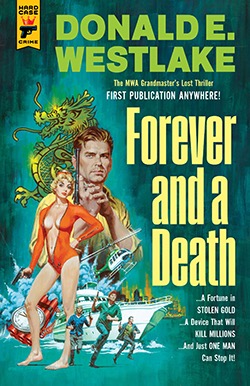
Hardcover. London, Hard Case Crime, 1st, 2017, Book: Very Good, Dust Jacket: Very Good, Hardcover in a bright dust jacket featuring a retro-style illustration by Paul Mann. In the late 90s, the producers of the James Bond movies hired legendary crime novelist Donald E. Westlake to come up with a story for the next Bond film. The plot Westlake dreamed up--about a Western businessman seeking revenge after being kicked out of Hong Kong when the island was returned to Chinese rule--had all the elements of a classic Bond adventure, but political concerns kept it from being made. Never one to let a good story go to waste, Westlake wrote an original novel based on the premise instead--a novel he never published while he was alive. Hard Case Crime gives that novel its first publication ever, together with a brand new afterword by one of the movie producers describing the project's genesis, and to give fans their first taste of the Westlake-scripted Bond that might have been.
Hardcover. New York, Abrams, 1st, 2010, Book: Very Good, Dust Jacket: None, 511 pages. Hardcover, slipcase, ribbon marker. Like new in publisher's shrink-wrap. Candid accounts of the people, hit movies, and adventures that have shaped his career enliven these memoirs from the director of Romeo and Juliet, Endless Love, and Jesus of Nazareth. 24 black-and-white, 16 color illustrations.
Hardcover. New York, Silverstein Photography, 1st, 2007, Book: Very Good, Dust Jacket: Very Good, Hardcover, 176 pages, 89 b&w images. Like new in publisher's shrink-wrap. Born in 1926, Paulin came of age as a photographer in the 1940s studying with the likes of Harry Callahan and art director Alexey Brodovitch. By the 1950s, the streets of New York City had established themselves as Paulin's primary muse, and black-and-white film his medium. The book features images from his prodigous body of work created over four decades, in New York City, as well as Paris, Seville, New Orleans and Atlantic City.
Hardcover. New York, Silverstein Photography, 1st, 2007, Book: Very Good, Dust Jacket: Very Good, Hardcover, 176 pages, 89 b&w images. Like new in publisher's shrink-wrap. Born in 1926, Paulin came of age as a photographer in the 1940s studying with the likes of Harry Callahan and art director Alexey Brodovitch. By the 1950s, the streets of New York City had established themselves as Paulin's primary muse, and black-and-white film his medium. The book features images from his prodigous body of work created over four decades, in New York City, as well as Paris, Seville, New Orleans and Atlantic City.
Hardcover. Berlin, Hatje Cantz, reprint, 2023, Book: Very Good, Dust Jacket: None, Hardcover, pictorial boards, 319 pages. Text by David Campany, Jeff Wall, Hans-Michael Koetzle. Text in English and German. Fred Herzog is known for his unusual use of color in the 1950s and 1960s, a time when art photography was almost exclusively associated with black and white imagery. The Canadian photographer worked almost exclusively with Kodachrome slide film for over 50 years, and only in the past decade has technology allowed him to make archival pigment prints that match the exceptional color and intensity of the Kodachrome slide. In this respect, his photographs can be seen as a pre-figuration of the New Color photographers of the seventies. This book brings together over 230 images, many never before reproduced, and will feature essays by acclaimed authors David Campany and Hans-Michael Koetzle. Small bunp tp top of front board otherwise very good, clean copy.
Hardcover. NY, Charles Scribner's Sons, 1st, 1992, Book: Very Good, Dust Jacket: Very Good, Hardcover in a bright dust jacket, 256 pages. With the aid of some 400 photographs, the great film director, now 85, recalls 50 years of film-making and more than 20 major films, including High Noon, From Here to Eternity, Oklahoma!, A Man for All Seasons, The Day of the Jackal, Julia, and The Nun's Story. Light musty smell. Clean.
Hardcover. NY, Glitterati Incorporated, 1st, 2017, Book: Very Good, Dust Jacket: Very Good, Hardcover in a bright dust jacket, 368 pages. An expanded edition of the best-selling collection, Freeze Frame: Second Cut, featuring 150 new photographs (more than 450 in all) of stars shot on-set over a period of more than 50 years, by the planet's most famous on-set photographer, Douglas Kirkland. From Angelina Jolie and Brigitte Bardot to Baz Luhrmann and Antonio Banderas, Kirkland, an artist in his own right, has been chronicling the making of films for more than half a century through his lens, and his riveting images take us behind the scenes to reveal much about the way movies are made. Going beyond the first edition, this book includes stories and anecdotes of behind the scenes, along with the pictures ranging from the 1960s through the 2000s. Here is a glamorous volume in a luxurious oversized format, chock-full of amazing portraits of the most illustrious and talented movie stars, directors, and performers from the last half-century of movie-making. Clean copy. PLEASE NOTE: DUE TO SIZE & WEIGHT, DOMESTIC SHIPPING ONLY.
Hardcover. NY, St Martin's Press, 1st, 1997, Book: Very Good, Dust Jacket: Very Good, Hardcover in a bright dust jacket, 548 pages, b&w illustrations. The book contains a 65 page Filmography, notes and sources and index. Old price sticker on rear of dust jacket, otherwise clean.
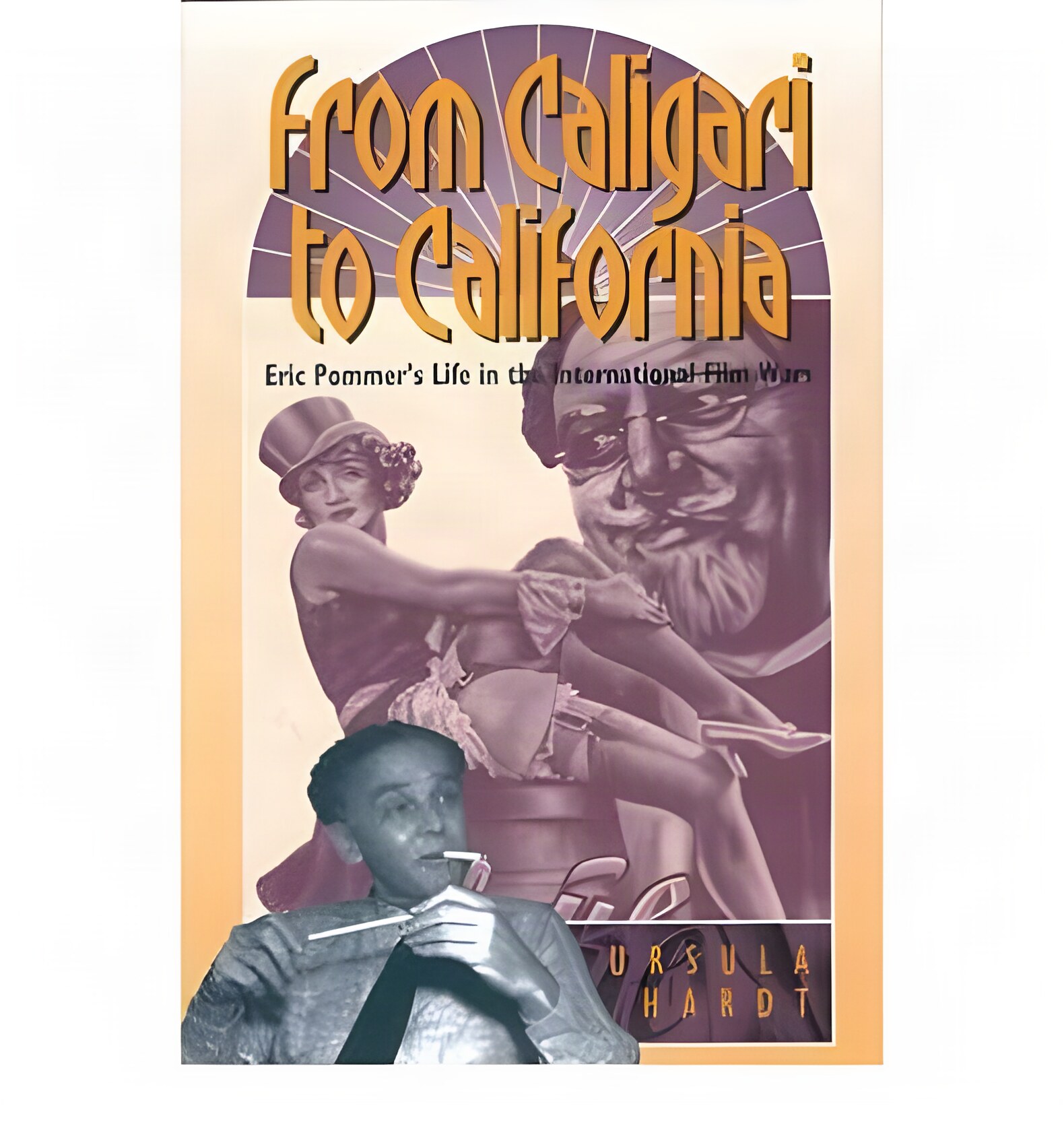
Softcover. Providence RI, Berghahn Books, 1st, 1996, Book: Very Good, Dust Jacket: None, Softcover, 256 pages. Known as one of the great producers and promoters of the film industry, Eric Pommer had a life-long commitment to German film - despite his emigration in 1933 - and worked in France and Britian, as well as the United States. As German producer, studio executive, and film politician in the pre-Hitler era Erich (later Eric) Pommer (1889-1966), a native of Germany, was an innovator and pioneer, a vital force in leading German cinema to international acclaim with successes such as The Cabinet of Dr Caligari, The Nibelungen and The Blue Angel. As Motion Picture Control Officer of the US Military Government he undertook , from 1946-49, the difficult task of rebuilding West Germany's film industry from the ashes of the Second World War. He succeeded brilliantly, but not without paying the hefty price of becoming embroiled in the turmoil of postwar German politics which made him many friends, but also many enemies. This book is the first detailed account in English of the remarkable career of Pommer who became a legend in his own lifetime. Clean copy.
Hardcover. NY, Harry N. Abrams , 1st, 2021, Book: Very Good, Dust Jacket: None, Hardcover in pictorial boards, 352 pages. A visual history of 100 years of filmmaking in New York City, featuring exclusive interviews with NYC filmmakers. Fun City Cinema gives readers an in-depth look at how the rise, fall, and resurrection of New York City was captured and chronicled in ten iconic Gotham films across ten decades: The Jazz Singer (1927), King Kong (1933), The Naked City (1948), Sweet Smell of Success (1957), Midnight Cowboy (1969), Taxi Driver (1976), Wall Street (1987), Kids (1995), 25th Hour (2002), and Frances Ha (2012). A visual history of a great American city in flux, Fun City Cinema reveals how these classic films and legendary filmmakers took their inspiration from New York City's grittiness and splendor, creating what we can now view as "accidental documentaries" of the city's modes and moods. In addition to the extensively researched and reported text, the book includes both historical photographs and production materials, as well as still-frames, behind-the-scenes photos, posters, and original interviews with Noah Baumbach, Larry Clark, Greta Gerwig, Walter Hill, Jerry Schatzberg, Martin Scorsese, Susan Seidelman, Oliver Stone, and Jennifer Westfeldt. Extensive "Now Playing" sidebars spotlight a handful of each decade's additional films of note.
Softcover. NY, Kelly O'Quinn, 1st, 1979, Book: Very Good, Dust Jacket: None, Softcover magazine, 70 pages. Very light wear. A periodical devoted to scientific speculation about the future. This issue contains: Jane Fonda's China Syndrome by Nancy Naglin; War in Space by Stella Morris; The Great H. G. Wells Film Revival by Joseph Kay; H. G. Wells Revival - Return of the Time Traveler by Barbara Lewis; Interview: Timothy Leary by Robin Snelson; The 23rd Century: A Vision for Star Trek by Jesco von Puttkamer; Building the First Space Colonies by Gerard O'Neill; The Sound of the Future by Todd Rundgren; and How to Design a Getaway Special to Space by G. Harry Stine; along with the usual features, including a painting of Titan by Don Davis.
Softcover. NY, Kelly O'Quinn, 1st, 1979, Book: Very Good, Dust Jacket: None, Softcover magazine, 68 pages. Very light wear. A periodical devoted to scientific speculation about the future. This issue contains: Man on Mars by '88, Bradbury's Martian Chronicles on TV, Frank Herbert on filming Dune, Farming Beneath the Sea, Russian Space Art, much more.
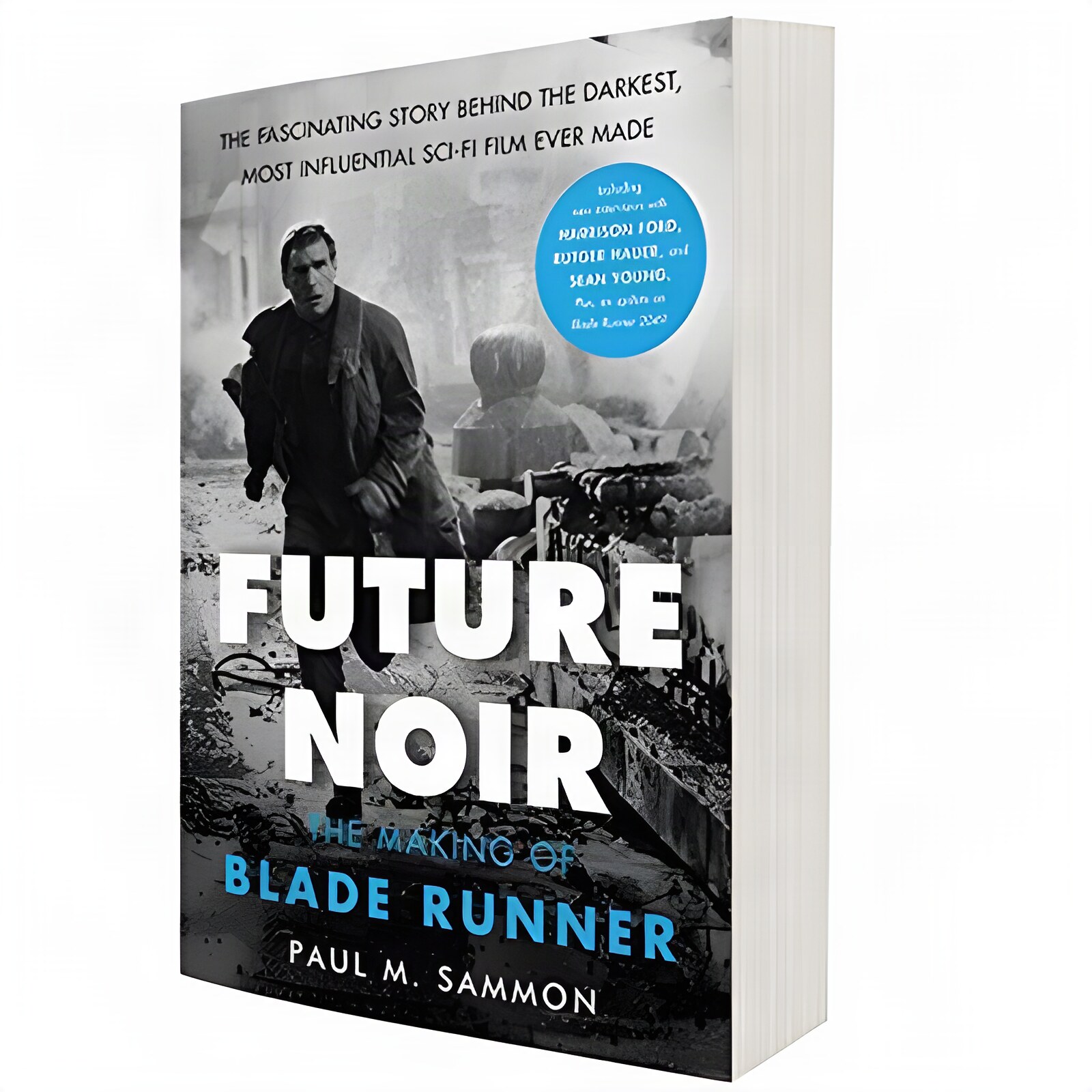
Softcover. NY, Dey Street Books, reprint, 2017, Book: Very Good, Dust Jacket: None, Softcover, 594 pages, b&w illustrations. Rediscover the groundbreaking magic of Blade Runner with this revised and updated edition of the classic guide to Ridley Scott's transformative film and published in anticipation of its sequel, Blade Runner 2049, premiering October 2017 and starring Ryan Gosling, Jared Leto, Robin Wright, and Harrison Ford. Ridley Scott's 1992 "Director's Cut" confirmed the international film cognoscenti's judgment: Blade Runner, based on Philip K. Dick's brilliant and troubling science fiction masterpiece Do Androids Dream of Electric Sheep?, is the most visually dense, thematically challenging, and influential science fiction film ever made. Future Noir offers a deeper understanding of this cult phenomenon that is storytelling and visual filmmaking at its best. In this intensive, intimate and anything-but-glamorous behind-the-scenes account, film insider and cinephile Paul M. Sammon explores how Ridley Scott purposefully used his creative genius to transform the work of science fiction's most uncompromising author into a critical sensation, a commercial success, and a cult classic that would reinvent the genre. Sammon reveals how the making of the original Blade Runner was a seven-year odyssey that would test the stamina and the imagination of writers, producers, special effects wizards, and the most innovative art directors and set designers in the industry at the time it was made.
Softcover. San Francisco, Sierra Club Books, 1st pbk., 1995, Book: Very Good, Dust Jacket: None, Softcover, 288 pages illustrated in color. In sixty practical yet inspirational essays drawn from his Outdoor Photographer column, and in 145 stunning color photographs, world-renowned photographer Galen Rowell explains and demonstrates the techniques he uses to transform light and color into vivid, uniquely expressive art. The illuminating essays in Galen Rowell's Vision are grouped into four chapters covering the fundamental aspects of the art of adventure photography as practiced by one of its masters: "Goals," transforming dreams into realities through personal vision; "Preparations," pushing the limits of equipment, film, and technique; "Journeys," merging visions with realities; and "Realizations," communicating one's worldview through photography. Throughout, Rowell includes examples of some of his most memorable images and relates fascinating anecdotes from his extraordinary photographic career. Clean copy.
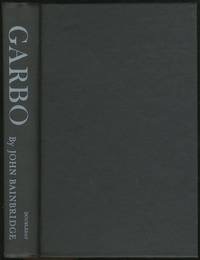
Hardcover. NY, Doubleday & Company, 1st, 1955, Book: Very Good, Dust Jacket: None, Hardcover, black cloth, stated first edition, 256 pages, b&w photos. "This is the completely fascinating, thorough and dispassionate biography of Greta Lovisa Gustafsson, the Swedish girl who became "one of the great ornaments and excitements of her age." Clean copy, no dust jacket.
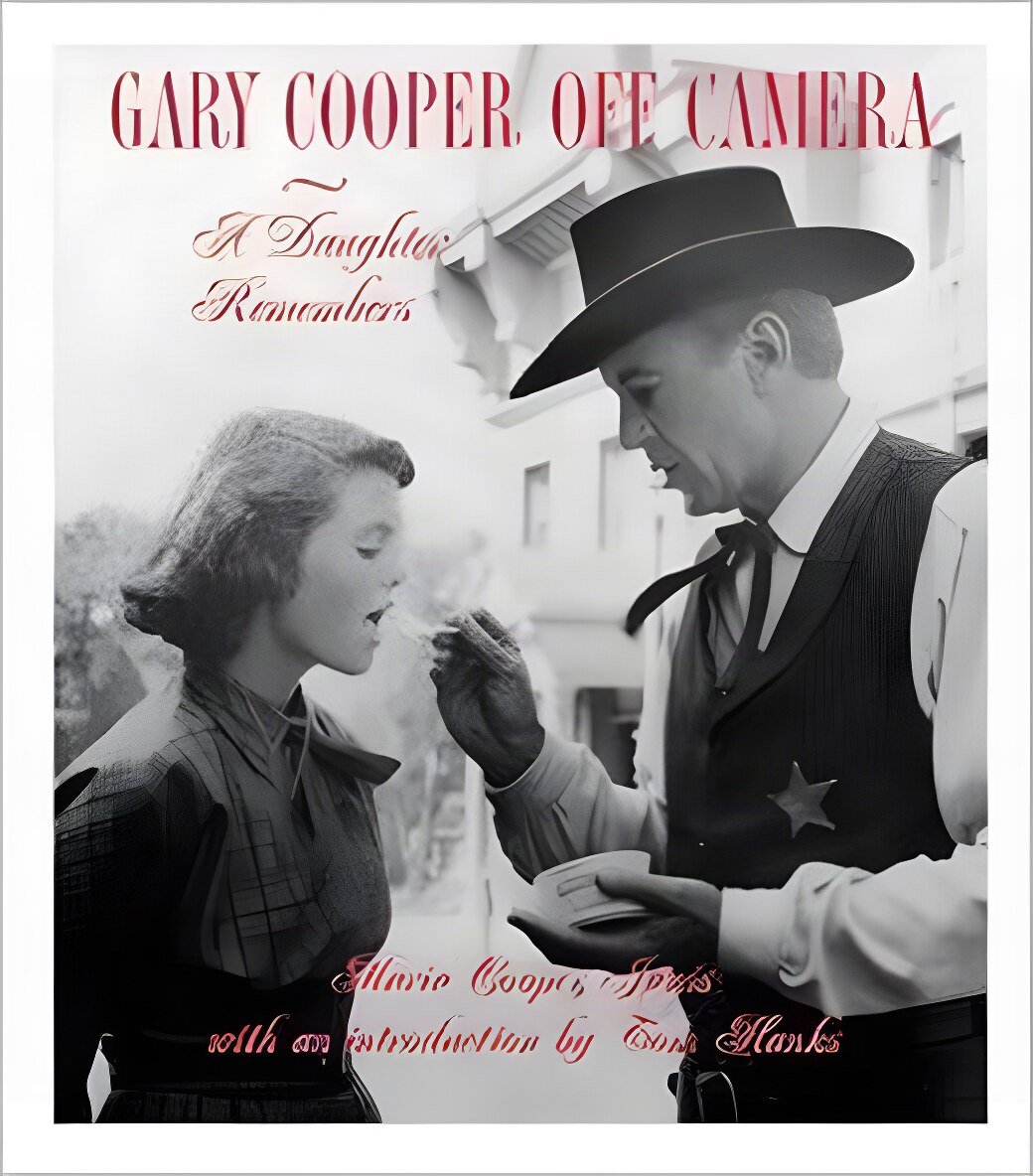
Hardcover. New York , Harry N. Abrams, 1st, 1999, Book: Very Good, Dust Jacket: Very Good, 175 pages. Hardcover. Black and white photographs. Clean, unmarked copy with only minor wear to dust jacket. A photographic memoir charts Gary Cooper's off-screen life from his boyhood in Montana, to his family life in Hollywood, to his relationships with Ernest Hemingway, Pablo Picasso, and Jimmy Stewart, among many others.
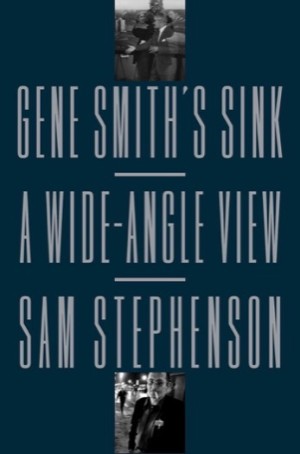
Hardcover. NY, Farrar, Straus and Giroux, 1st, 2017, Book: Very Good, Dust Jacket: Very Good, Hardcover in a bright dust jacket, 206 pages. Famously unabashed, W. Eugene Smith was photography's most celebrated humanist. As a photo essayist at Life magazine in the 1940s and '50s, he established himself as an intimate chronicler of human culture. His photographs of war and disaster, villages and metropolises, doctors and midwives, revolutionized the role of images in journalism, transforming photography for decades to come. When Smith died in 1978, he left behind eighteen dollars in the bank and forty-four thousand pounds of archives. He was only fifty-nine, but he was flat worn-out. His death certificate read "stroke," but, as was said of the immortal jazzman Charlie Parker, Smith died of "everything," from drug and alcohol benders to weeklong work sessions with no sleep. Lured by the intoxicating trail of people that emerged from Smith's stupefying archive, Sam Stephenson began a quest to trace his footsteps. In Gene Smith's Sink, Stephenson merges traditional biography with rhythmic digressions to revive Smith's life and legacy. Traveling across twenty-nine states, Japan, and the Pacific, Stephenson profiles a lively cast of characters, including the playwright Tennessee Williams, to whom Smith likened himself; the avant-garde filmmaker Stan Brakhage, with whom he once shared a Swiss chalet; the artist Mary Frank, who was married to his friend Robert Frank; the jazz pianists Thelonious Monk and Sonny Clark, whose music was taped by Smith in his loft; and a series of obscure caregivers who helped keep Smith on his feet. The distillation of twenty years of research, Gene Smith's Sink is an unprecedented look into the photographer's potent legacy and the subjects around him. Clean, bright copy.
Hardcover. New York, Grosset & Dunlap, 1st, 1927, Book: Very Good, Dust Jacket: Good, 182 pages. Hardcover with dust jacket. Illustrated with 12 photos from the Buster Keaton Silent Comedy. Dust jacket shows heavy chipping and small tears. Lightly darkened pages, otherwise tight copy.





 "Franco Zeffirelli: Complete Work: Theatre, Opera, Filmby: Zeffirell, Franco")
 "Frank Paulin: Out of the Limelightby: Paulin, Frank")
 "Frank Paulin: Out of the Limelightby: Paulin, Frank")

 "Fred Zinnemann: An Autobiography : A Life in the Moviesby: Fred Zinnemann")






 "Garbo - Her Storyby: Gronowicz, Antoni")