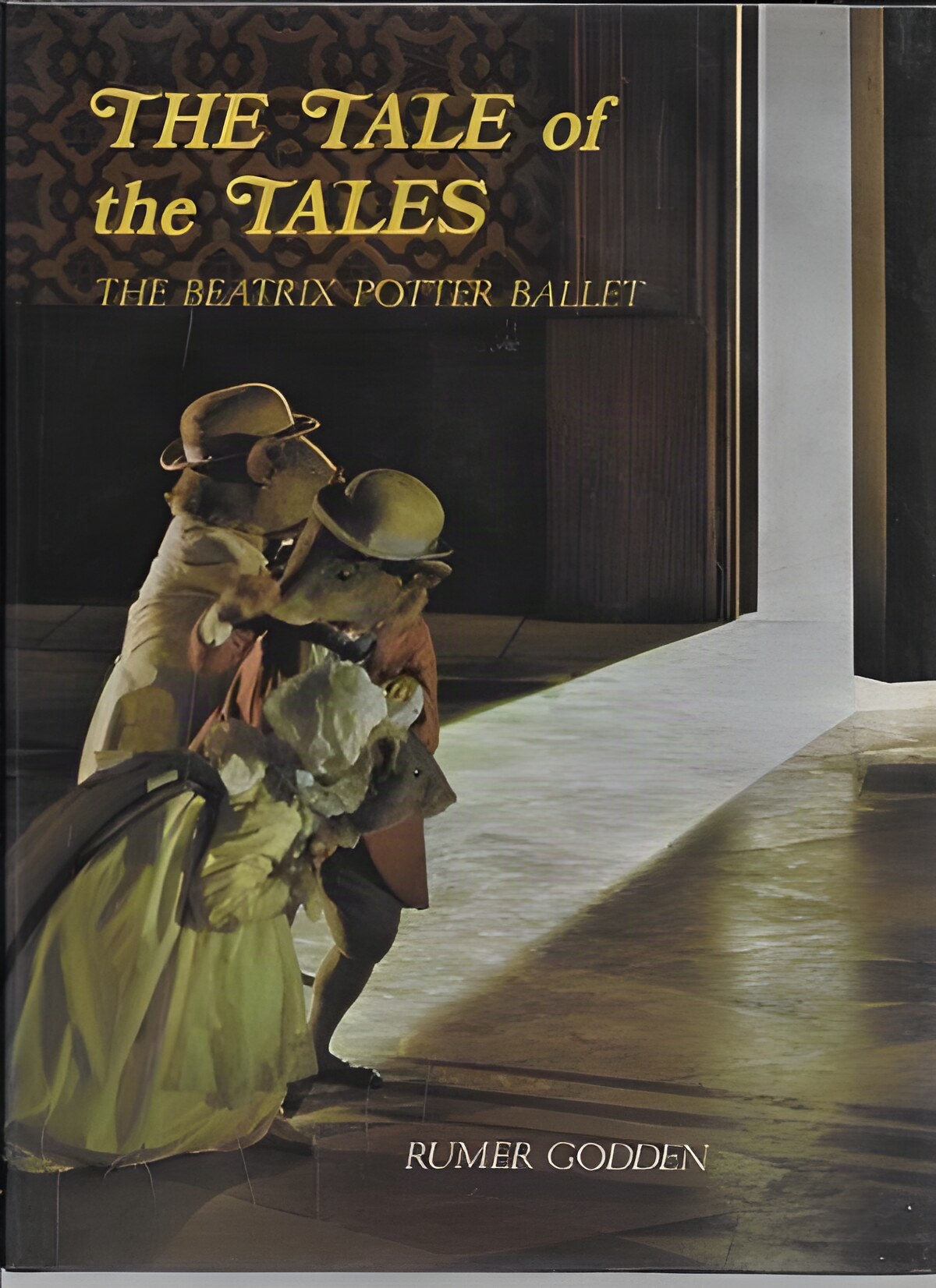
Hardcover. London, Frederick Warne & Co, 1st, 1971, Book: Very Good, Dust Jacket: Very Good, Behind the scenes story of "Tales of Beatrix Potter," the ballet-film. Dark brown boards with gilt titles to spine, color illustrated dust jacket with protective acetate covering, profusely illustrated with lovely color and b&w plates. Slight edgewear to covers, very mild rubbing to dust jacket, pages crisp, clean and unmarked; a very clean, tight copy in great condition.
Hardcover. New York, Abrams, 1st US, 1999, Book: Very Good, Dust Jacket: Very Good, Hardcover, 251 pages. Illustrated with 200 black & white photographs by Tazio Secchiaroli. Lots of Sophia Loren. Black remainder line on bottom edge at spine. Clean, bright copy.
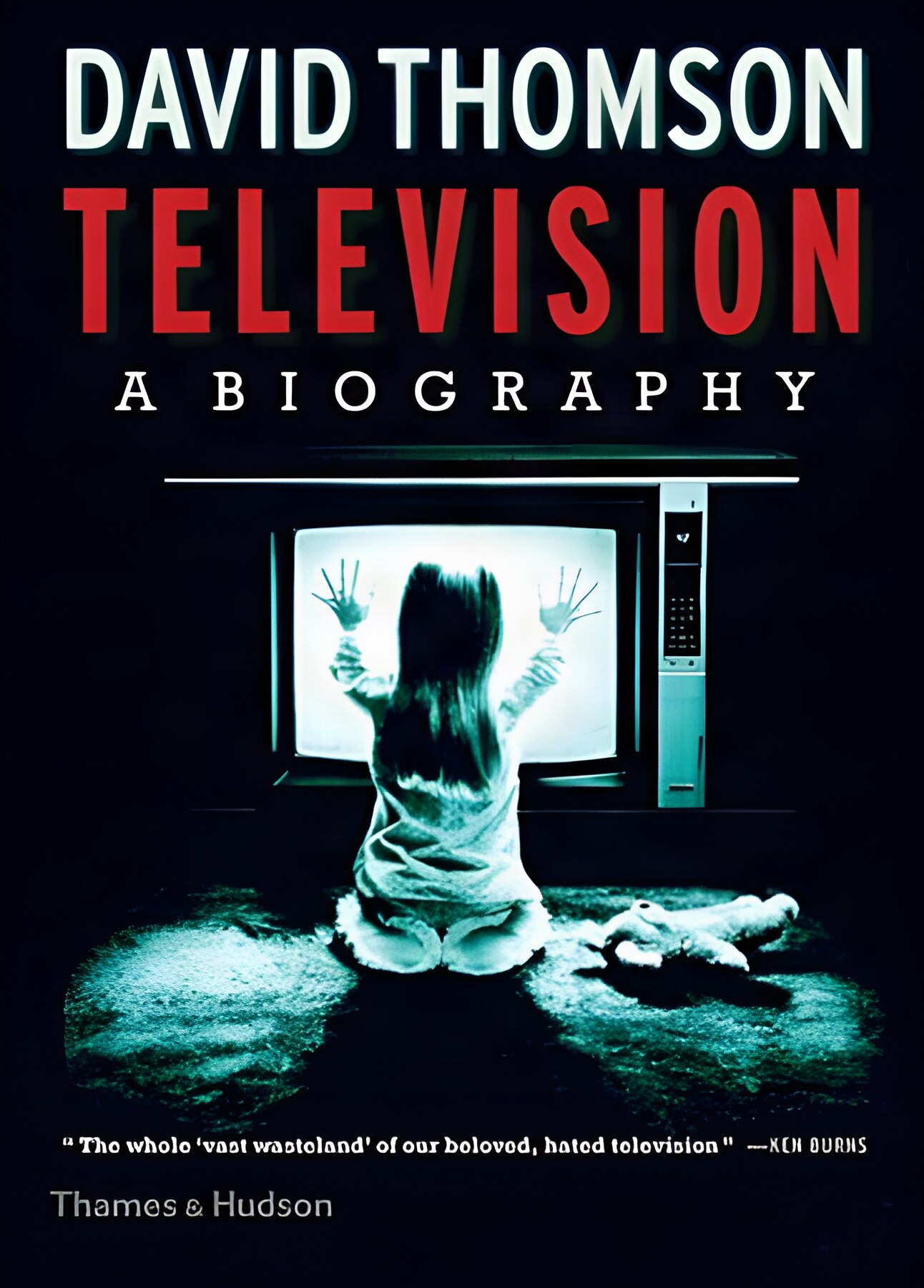
Hardcover. London, Thames & Hudson, 1st, 2016, Book: Very Good, Dust Jacket: Very Good, Hardcover in a bright dust jacket, 304 pages illustrated in b&w and some color. In just a few years, what used to be an immobile piece of living room furniture, which one had to sit in front of at appointed times in order to watch sponsored programming on a finite number of channels, morphed into a glowing cloud of screens with access to a near-endless supply of content available when and how viewers want it. With this phenomenon now a common cultural theme, a writer of David Thomson's stature delivering a critical history, or "biography" of the six-decade television era, will be a significant event which could not be more timely. With Television, the critic and film historian who wrote what Sight and Sound's readers called "the most important film book of the last 50 years" has finally turned his unique powers of observation to the medium that has swallowed film whole. Over twenty-two thematically organized chapters, Thomson brings his provocatively insightful and unique voice to the life of what was television. David Thomson surveying a Boschian landscape, illuminated by that singular glow-always "on"-and peopled by everyone from Donna Reed to Dennis Potter, will be the first complete history of the defining medium of our time. Clean copy.
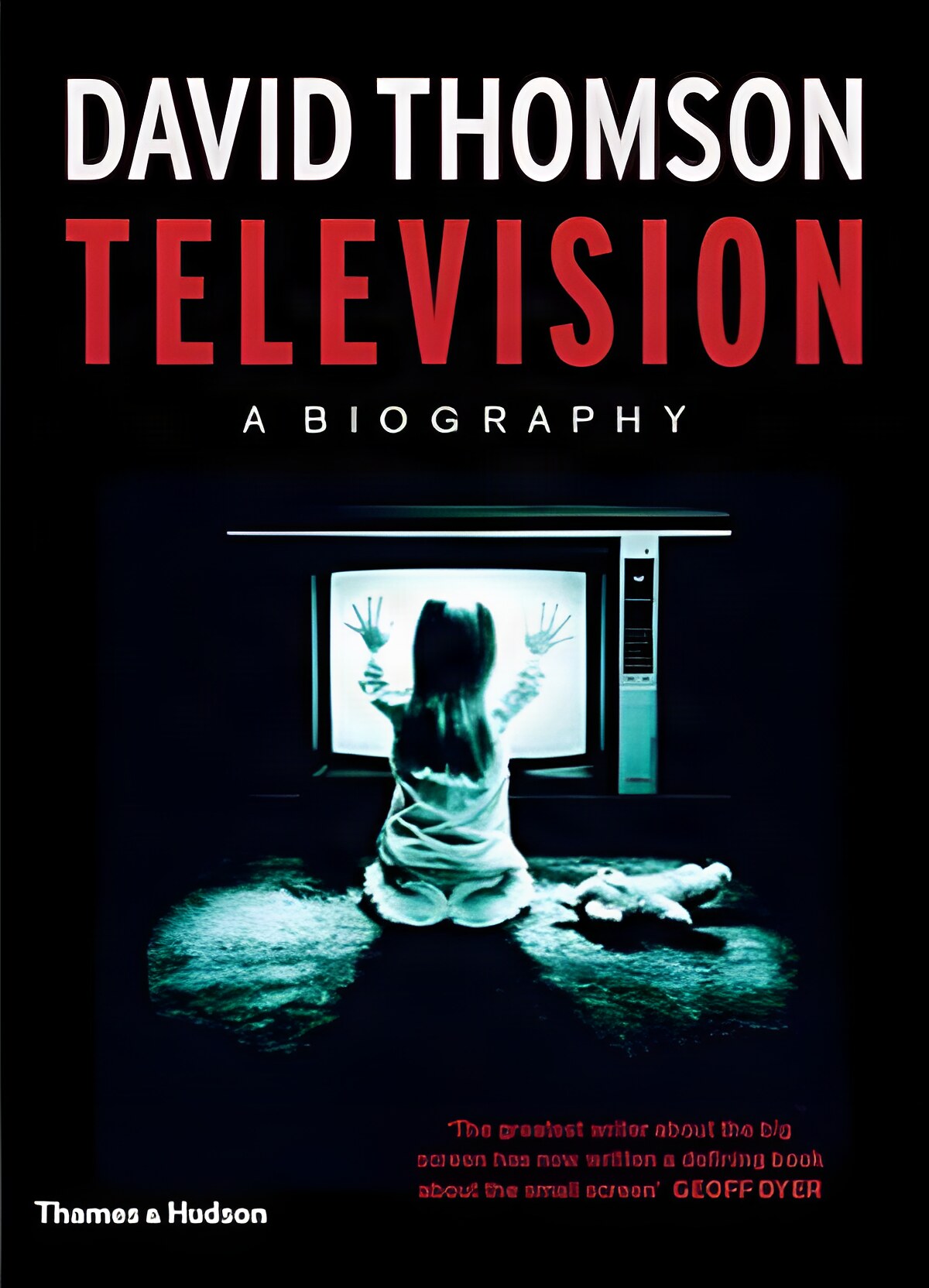
Hardcover. NY, Thames & Hudson, 1st, 2016, Book: Very Good, Dust Jacket: Very Good, Hardcover in a bright, unclipped dust jacket. 412 pages illustrated in color and b&w. In just a few years, what used to be an immobile piece of living room furniture, which one had to sit in front of at appointed times in order to watch sponsored programming on a finite number of channels, morphed into a glowing cloud of screens with access to a near-endless supply of content available when and how viewers want it. With this phenomenon now a common cultural theme, a writer of David Thomson's stature delivering a critical history, or "biography" of the six-decade television era, will be a significant event which could not be more timely. With Television, the critic and film historian who wrote what Sight and Sound's readers called "the most important film book of the last 50 years" has finally turned his unique powers of observation to the medium that has swallowed film whole. Over twenty-two thematically organized chapters, Thomson brings his provocatively insightful and unique voice to the life of what was television. David Thomson surveying a Boschian landscape, illuminated by that singular glow-always "on"-and peopled by everyone from Donna Reed to Dennis Potter, will be the first complete history of the defining medium of our time. Clean copy.
Hardcover. New York, Grosset & Dunlap, 1st, 1924, Book: Very Good, Dust Jacket: Very Good, 236 pages plus ads. Illustrated with black & white stills from the film by Cecil B. De Mille. Previous owners name in small print at top of half title page. Very good dust jacket shows light chipping along edges. Clean, tight copy.
Hardcover. New York, Henry Holt and Company, 1st, 1988, Book: Very Good, Dust Jacket: Very Good, Hardcover, 252 pages. B&W and color animation throughout. Pictorial dust jacket, slight wear to covers, edges, and spine. Dust jacket price-clipped. Blue boards with gilt title to spine. Overall, a clean, tight copy.
Softcover. NY, Pocket Books, 1st pbk, 1940, Book: Very Good, Dust Jacket: None, Paperback, #69. Stated first printing, July 1940. VG to VG+ in black pictorial wraps with orange & white lettering & cover art picturing a suit with a knife in his chest. World War II spy story featuring Richard Hannay, basis for the film starring Robert Donat. Clean copy.
Hardcover. London, Pavilion, 1st, 2007, Book: Very Good, Dust Jacket: Very Good, Hardcover, 144 pages. Genius innovators in haute couture, AP have commissioned Mike Figgis to portray Kate Moss in her first acting role, resulting in four unique films: "Shadows", "Scale", "Exhibitionist and "Narcissus" - "The 4 Dreams of Miss X". Shot in night vision, these films are intensely intimate: a beautiful woman's private dream experiences. Two films have been released online in 2006, with the final two released in January and March 2007. Brought together for the first time on DVD, you can now enjoy Kate Moss' first ever speaking role at home and full screen.
Hardcover. Atlanta, Turner Publishing, 1st, 1994, Book: Very Good, Dust Jacket: None, Hardcover in a bright dust jacket, 192 pages. Illustrated in color and b&w. Showcases some of the greatest cartoons of all time, including characters from Disney, Warner Brothers, Fleischer Studio, Walter Lantz, MGM, and others. A bright, clean copy that has a light smoker's odor.
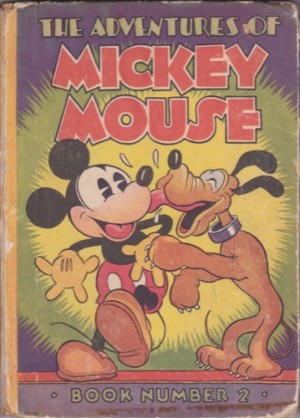
Hardcover. Philadelphia, David McKay Co., 1st, 1932, Book: Good, Dust Jacket: None, Color pictorial Illustrated boards are lightly rubbed, worn at edges and corners. Front hinge is cracked, light finger smudges to a few pages, yellow paper on cardboard spine chipped. Illustrated in color throughout. A follow-up to The Adventures of Mickey Mouse Book 1, featuring a supporting cast and personalities that align more closely to the Mickey Mouse short films and comic strip of the time. Characters include Captain Church Mouse, Tanglefoot, Peg-Leg Pete, and Pluto along with Mickey and Minnie Mouse.
Softcover. NY, Collier Books, 1st, 1977, Book: Very Good, Dust Jacket: None, Softcover, large format. 175 pages, 82 b&w portraits of film directors including many who were just beginning their careers ie. Scorsese, Coppola, Spielberg and Lucas along with some of the great directors in the history of American film including Cukor, Hitchcock, Wellman and many others. Includes filmographies and some commentaries. DOMESTIC SHIPPING ONLY.
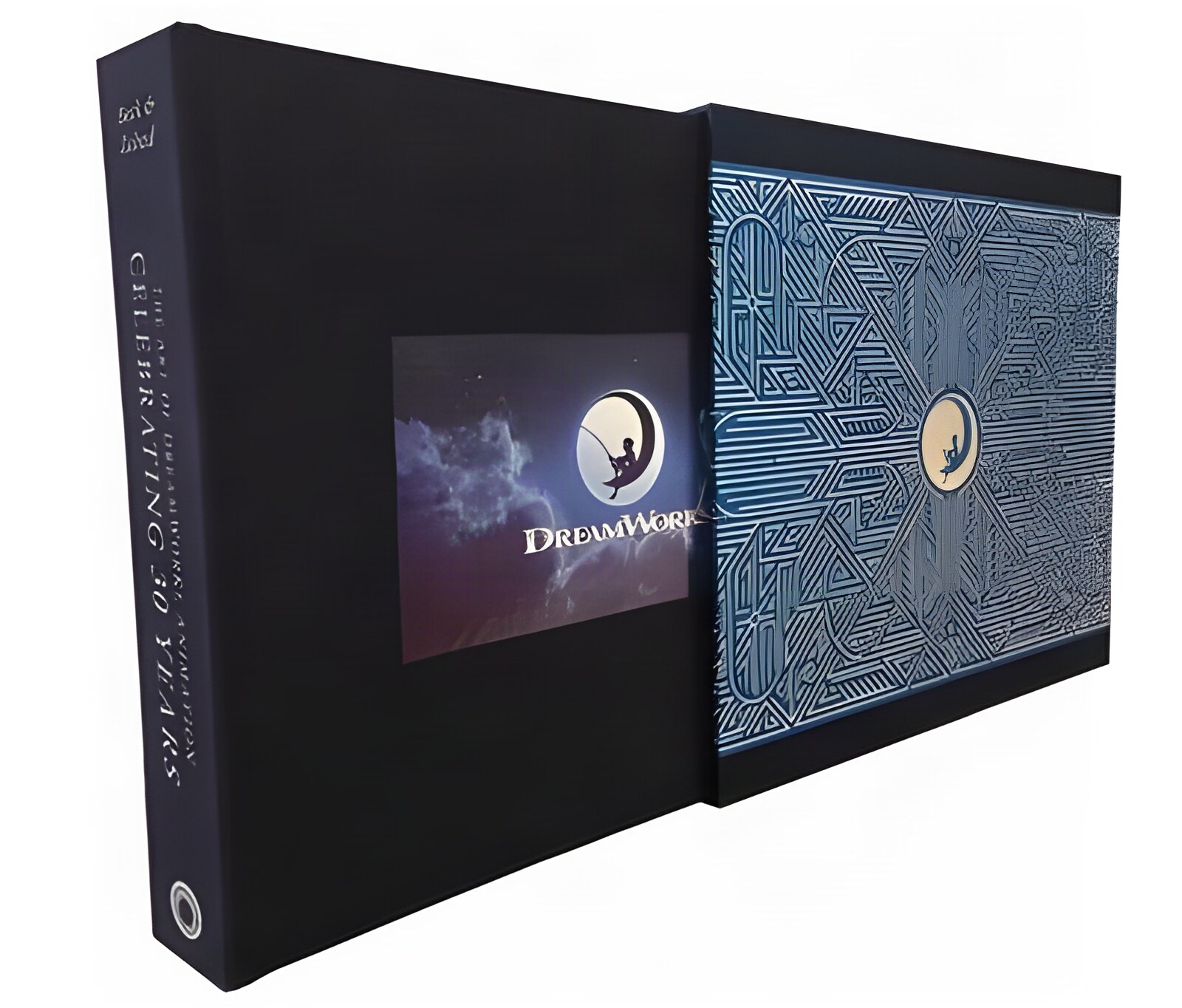
Hardcover. NY, Abrams, 1st, 2024, Book: Very Good, Dust Jacket: None, Hardcover, slipcase edition. Celebrate 30 years of DreamWorks Animation's visually rich worlds with this luxurious edition of the studio's artistic achievements in both film and television Brimming with rare concept art, preproduction designs, and character sketches, this comprehensive collection offers behind-the-scenes access to the DreamWorks archives. Featuring a foreword from Cameron Diaz, along with insider anecdotes and perspectives from actors, directors, producers, and artists, 571 pages in color. Over the past 30 years, the premier studio has produced some of the most groundbreaking and illustrious animated movies of all time, such as Shrek, Trolls, Kung Fu Panda, How to Train Your Dragon, The Bad Guys, Madagascar, and the newest addition, The Wild Robot, as well as acclaimed TV shows, such as Gabby's Dollhouse, Jurassic World: Camp Cretaceous, Trollhunters, and Spirit Riding Freeamong many others. Like new, in publisher's shrinkwrap. Due to size and weight, DOMESTIC SHIPPING ONLY.
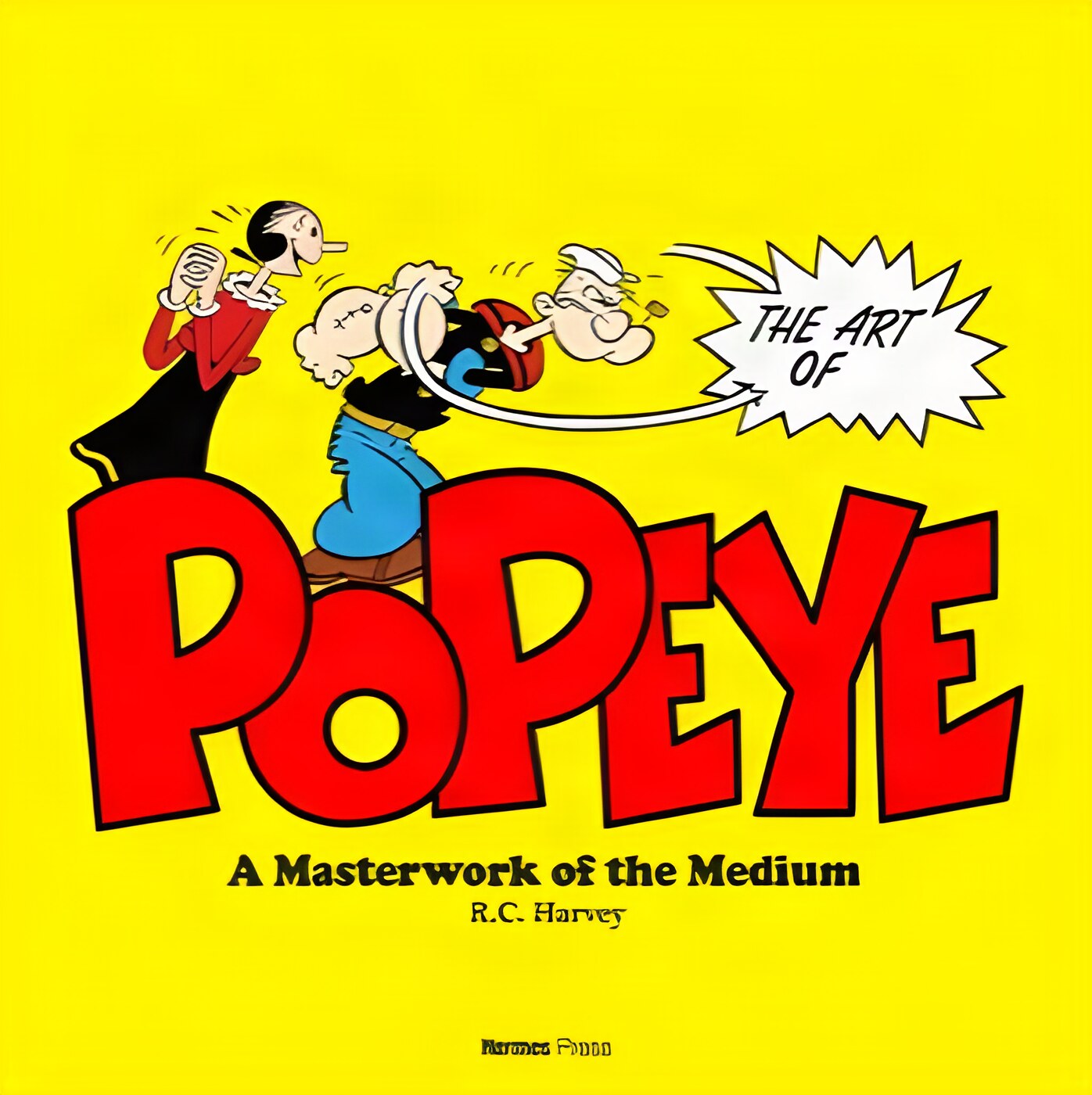
Hardcover. Hermes Press, 1st, 2024, Book: Very Good, Dust Jacket: None, Hardcover, pictorial boards, 190 pages. When cartoonist Elzie Segar created Popeye, as a minor character ten years into the run of the Thimble Theatre strip in 1929, little did he know that the world's most famous sailor would still be around over ninety years later and still being offered as a Sunday feature. To celebrate Popeye, the character, the comic strip and his universe, a feature cartoonist Charles M. Schulz described as "perfect... consistent in drawing and humor," Hermes Press is publishing the definitive art monograph on the subject. This book features a comprehensive essay written by pop culture historian R.C. Harvey accompanied by over 350 illustrations of original strip and comic book art, animation art, illustrations, advertising art, products, the Robert Altman film, and everything Popeye. Every aspect of Popeye is explored, from Olive Oyl and Eugene the Jeep to Wimpy and Bluto. Clean, bright copy.
Hardcover. Chronicle Books, 1st, 2007, Book: Very Good, Dust Jacket: Very Good, Hardcover in a bright dust jacket, 160 pages. Explores the artistic vision upon which the film of an ambitious rat was built with a concept art, including storyboards, full-colour pastels, pencil sketches, maquettes, and others. This book includes extensive quotes from the artists and production team and a foreword by director Brad Bird. 300 plates in color.
Hardcover. Pittsburgh PA, GoodKnight Books, 1st, 2017, Book: Very Good, Dust Jacket: Very Good, Hardcover in a bright, unclipped dust jacket. The Art of Selling Movies presents the first-ever look at 60 years of newspaper advertising for motion pictures great and small. These ads created by Hollywood and adapted by local and regional exhibitors motivated patrons to leave their homes, part with precious income, and spend time in the dark. Because of the high stakes involved, theater operators used wildly creative means to make that happen. They made movie advertising equal parts art and psychology, appealing to every human instinct (especially sex) in an effort to push product and keep their theatres in business. From the pen-and-ink masterpieces of the 1920s and 30s to location-specific folk art to ad space jam-packed with enticements for every member of the family, The Art of Selling Movies dissects the psyche of the American movie-going public ... and the advertisers seeking to push just the right buttons.
Hardcover. Pittsburgh PA, GoodKnight Books, 1st, 2017, Book: Very Good, Dust Jacket: Very Good, Hardcover in a bright, unclipped dust jacket. The Art of Selling Movies presents the first-ever look at 60 years of newspaper advertising for motion pictures great and small. These ads created by Hollywood and adapted by local and regional exhibitors motivated patrons to leave their homes, part with precious income, and spend time in the dark. Because of the high stakes involved, theater operators used wildly creative means to make that happen. They made movie advertising equal parts art and psychology, appealing to every human instinct (especially sex) in an effort to push product and keep their theatres in business. From the pen-and-ink masterpieces of the 1920s and 30s to location-specific folk art to ad space jam-packed with enticements for every member of the family, The Art of Selling Movies dissects the psyche of the American movie-going public ... and the advertisers seeking to push just the right buttons.
Softcover. NY, Ballantine Books, 1st pbk., 2002, Book: Very Good, Dust Jacket: None, Softcover, 224 pages illustrated in color. A pictorial celebration of the art that went into creating the second prequel to Star Wars, Attack of the Clones. With hundreds of sketches, storyboards, matte paintings, blueprints, costume designs and more. Includes the script for the film written by director George Lucas and Jonathan Hales.
Hardcover. NY, Lucas Books & Del Rey, 1st, 1999, Book: Very Good, Dust Jacket: None, Hardcover in gray boards with a black cloth spine. This lavish volume features more than six hundred examples of the art created for The Phantom Menace each a masterpiece in its own conceptual illustrations, sequential art, and brilliant, fully executed paintings. Digging deep into the exclusive Lucasfilm archives, The Art of Star The Phantom Menace details Episode 1's revolutionary use of traditional and high-tech media. Magnificent paintings that capture the exotic environments of Naboo, Tatooine, and Coruscant Key action sequences, including the Podraces on Tatooine and the riveting ground and space battles Fascinating insights and photos revealing the secrets of the artists at work The earliest conceptual drawings, following the evolution of Darth Maul, Qui-Gon Jinn, Queen Amidala, and Jar Jar Binks Exciting new poster art, created expressly for Episode 1. Clean copy, lacks dust jacket.
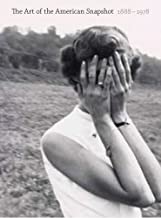
Hardcover. Princeton NJ, Princeton University Press, 1st, 2007, Book: Very Good, Dust Jacket: Very Good, Hardcover, 288 pages. The impact of the humble American snapshot has been anything but humble. Any American who takes a snapshot contributes to a compelling and influential genre. Since 1888, when George Eastman introduced the Kodak camera and roll film, the snapshot has not only changed everyday American life and memory; it has also changed the history of fine art photography. The distinctive subject matter and visual vocabulary of the American snapshot--its poses, facial expressions, viewpoints, framing, and themes--influenced modernist photographers as they explored spontaneity, objectivity, and new topics and perspectives. A richly illustrated chronicle of the first century of snapshot photography in America, The Art of the American Snapshot is the first book to examine the evolution of this most common form of American photography. The book shows that among the countless snapshots taken by American amateurs, some works, through intention or accident, continue to resonate long after their intimate context and original meaning have been lost.The catalogue of a fall 2007 exhibition at the National Gallery of Art in Washington, DC, The Art of the American Snapshot reproduces some 250 snapshots drawn from Robert Jackson's outstanding collection and from a recent gift Jackson made to the museum. Organized decade by decade, the book traces the evolution of American snapshot imagery and describes how technical, social, and cultural factors affected the look of snapshots at different periods.
Softcover. NY, W. W. Norton & Company, 1st pbk., 1990, Book: Very Good, Dust Jacket: None, Softcover, 304 pages, INSCRIBED BY AUTHOR on the front fly leaf. Author's second novel and basis for the acclaimed Andrew Dominik film starring Brad Pitt, Casey Affleck, Sam Rockwell, and Sam Shepard. Originally published in hardcover in 1983. Clean, bright copy.
Hardcover. Westport CT, Greenwood Press, 1st, 2003, Book: Very Good, Dust Jacket: None, Hardcover, glazed pictorial boards, 177 pages. Postma draws on primary sources and current historical scholarship to offer secondary readers and researchers a comprehensive and well-written history. He covers the entire Atlantic slave trade era, from the 1400s to the final abolition of chattel slavery in the New World in 1888. The focus is on Africa and the entire New World. While he describes the many horrors of the Middle Passage, he also examines how the slave trade contributed to the development of the modern international economy. The last chapters discuss the efforts to abolish the slave trade and its legacy. Throughout, Postma documents the sources that support his discussion and conclusions. Chapter notes are supplemented by an extensive annotated bibliography that includes books, articles, films, and electronic resources. The volume concludes with biographical sketches of important people and excerpts from primary documents written by enslaved Africans and white officials. The black-and-white reproductions of period illustrations add little to the text. Clean copy.
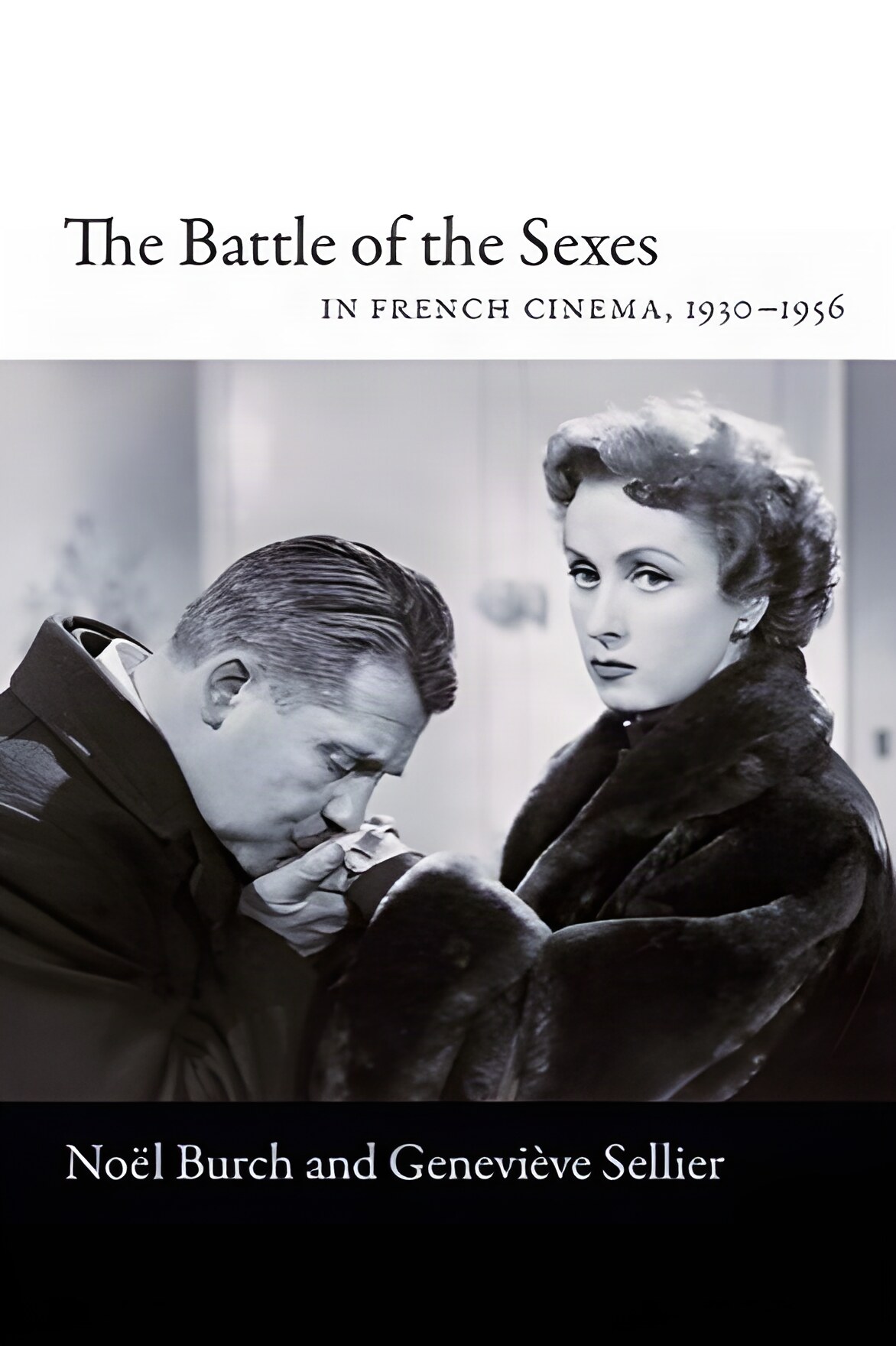
Softcover. Durham NC, Duke University Press, 1st, 2013, Book: Very Good, Dust Jacket: None, Softcover, 384 pages. Noel Burch and Genevieve Sellier adopt a sociocultural approach to films made in France before, during, and after World War II, paying particular attention to the Occupation years (1940-44). The authors contend that the films produced from the 1930s until 1956--when the state began to subsidize the movie industry, facilitating the emergence of an "auteur cinema"--are important, both as historical texts and as sources of entertainment. Citing more than 300 films and providing many in-depth interpretations, Burch and Sellier argue that films made in France between 1930 and 1956 created a national imaginary that equated masculinity with French identity. They track the changing representations of masculinity, explaining how the strong patriarch who saved fallen or troubled women from themselves in prewar films gave way to the impotent, unworthy, or incapable father figure of the Occupation. After the Liberation, the patriarch reemerged as protector and provider alongside assertive women who figured as threats not only to themselves but to society as a whole. Still in publisher's shrinkwrap.
Hardcover. Ontario CA, Wilfrid Laurier University Press, 1st, 2004, Book: Very Good, Dust Jacket: Very Good, Hardcover in a bright dust jacket, 201 pages. Clean, bright copy. "Parker has produced a clear and well-researched study of an aspect of Locke's thought that theologians may have tended to miss because it is to do with politics, and that political theorists may have tended to overlook because it involves the Bible and theology. For this he is to be congratulated. Theologians today may also learn from the debate between Filmer and Locke the profoundly unsatisfactory character of attempts to resolve contemporary issues, whether in politics, society, or religion, by imaginative and inventive applications of stray texts. In this respect what is past gives a warning to the present. How will current debates citing biblical texts (for example, in debates about the treatment of homosexuals, or about the consecration of women, or about divine intervention and design in creation) be seen in centuries hence? Those who, with Locke, confidently condemn the speck distorting Filmer's religio-political view, must examine whether, what they see is free from distortion by the `learned Gibberish' of inherited prejudices and convictions. It is to Parker's credit that this useful contribution to the history of thought also raises controversial contemporary challenges.''
Softcover. Philadelphia, Quirk, 1st, 2015, Book: Very Good, Dust Jacket: None, Softcover, 270 pages. The man. The movies. The life. The legend. Hes played a deranged grounds keeper, a bellowing lounge singer, a paranormal exterminator, and a grouchy weatherman. He is William James Bill Murray, Americas greatest national treasure. From his childhood lugging golf bags at a country club to his first taste of success on Saturday Night Live, from his starring roles in Hollywood blockbusters to his reinvention as a hipster icon for the twenty-first century, The Big Bad Book of Bill Murray chronicles every aspect of his extraordinary life and career. Hes the sort of actor who can do Hamlet and Charlies Angels in the same year. He shuns managers and agents, and he once agreed to voice the lead in Garfield because he mistakenly believed it was a Coen Brothers film. Hes famous for crashing house parties all over New York Cityand if he keeps photo bombing random strangers, he might just break the Internet. Part biography, part critical appreciation, part love letter, and all fun, this enormous full-color volume, packed with color film stills and behind-the-scenes photography, chronicles every Murray performance in loving detail, recounting all the milestones, legendary Murray stories, and controversies in the life of this enigmatic performer. Like-new condition.

 "Tazio Secchiaroli - Greatest of the Paparazziby: Mormorio, Diego")
 "Ten Commandments, The /Photoplay Ed.by: Macpherson, Jeanie/Henry Mac Mahon")
 "That's All Folks: The Art of Warner Bros. Animationby: Schneider, Steve")
 "The 39 Stepsby: Buchan, John")
 "The 4 Dreams of Miss X/ With DVDby: Provocateur/Figgis, Mike; Moss Kate , Agent")
![The 50 Greatest Cartoons: As Selected by 1 000 Animation Professionals by: Beck, Jerry [Editor]](javascript:largeIMTop('https://www.browsingisarousing.com/shop/images/384317.jpg','https://www.browsingisarousing.com/shop/images/384317.jpg',0,'384317',0,'') "The 50 Greatest Cartoons: As Selected by 1 000 Animation Professionals by: Beck, Jerry [Editor]")


 "The American Film Directors by: Lambray, Maureen")

 "The Art of Selling Moviesby: John McElwee")
 "The Art of Star Wars. Episode II. Attack of the Clones. Including the Complete Script of the Film by: Vaz, Mark Cotta")
 "The Art of Star Wars: Episode 1: The Phantom Menace by: Jonathan Bresman")
 "The Assassination of Jesse James by the Coward Robert Ford (SIGNED COPY)by: Ron Hansen")