Hardcover. San Diego, Thunder Bay Press , 1st, 2018, Book: Very Good, Dust Jacket: None, Hardcover, pictorial boards, 224 pages. From singer-songwriters like Billy Joel and the Bee Gees to folk artists like John Denver and James Taylor to the rock legends Aerosmith and Led Zeppelin, you won't find a more complete list of albums that defines the '70s music scene. Each listing features the full-color, original sleeve artwork, and is packed with information about the musician lineup, track listings, and number-one singles that resulted. A celebration of this funky era. Clean, bright copy.
NY, Knopf, 1st, 1942, Book: Good, Dust Jacket: None, Hardcover, maroon cloth covers with white cloth spine. Illustrated in color by Elizabeth Black Carmer. 244 pages. Previous owner's signature front end paper, light wear, spine a bit faded. A collecton of folk tales followed by a piece of music that was inspired by the story. Name on inside front cover. Otherwise clean.
Hardcover. New York, Doubleday & Company, Inc., 1st, 1948, Book: Very Good, Dust Jacket: None, 190 pages. Hardcover. Black & white illustrations by Barbara Cooney. Moderate foxing to cloth covers. Clean, tight copy.
Hardcover. New York , E. P. Dutton, 2nd Printing, 1943, Book: Very Good, Dust Jacket: None, Hardcover, 428 pages, illustrated by the author. Scarce in this edition. Dark gray cloth with gilt titles, no dust jacket. Light fade to spine, else a clean, tight copy.
Softcover. Urbana, University of Illinois Press, 1st pbk, 2009, Book: Very Good, Dust Jacket: None, Softcover, 376 pages, b&w illustrations. The personal history of Barney Josephson, proprietor of the legendary interracial New York City night clubs Cafe Society Downtown and Cafe Society Uptown and their successor, The Cookery. Famously known as 'the wrong place for the Right people', Cafe Society featured the cream of jazz and blues performers--among whom were Billie Holiday, Big Joe Turner, Lester Young, Buck Clayton, Big Sid Catlett, and Mary Lou Williams--as well as comedy stars Imogene Coca, Zero Mostel, and Jack Gilford, the boogie-woogie pianists, and legendary gospel and folk artists. Spanning half a century from the 1930s to the 1980s, Josephson's narrative depicts both the business and the artistic sides of Cafe Society while exposing the tensions between the club's own progressive interracial openness and the more restrictive social and political climate in which it evolved. Publisher's stamp on bottom edge otherwise clean.
Softcover. NY, Cooper Square Press, 1st pbk, 2001, Book: Very Good, Dust Jacket: None, Softcover, 285 pages, b&w illustrations. As told by the musicians who made it happen, Desperados: The Roots of Country Rock revisits country rock's rise to the top of the charts. Music scholar John Einarson delves into the years from 1963, when Buck Owens and his Buckaroos brought an electric edge to their Texas honky-tonk tunes, to 1973, when The Eagles released their album "Desperado" on David Geffen's label. Einarson examines how folk, rockabilly, blues, Nashville country, Tejano, bluegrass, and other musical idioms influenced a generation of journeyman musicians. He traces the paths taken by the songsmiths, the bands in which they served their apprenticeships, and the songs they wrote together, as they steadily shaped the country rock sound. The protagonists of this story include talented but troubled Gram Parsons, a virtuoso determined to burn out before he faded away; the versatile and appealing Linda Ronstadt; Mike Nesmith, the Monkee from Texas who returned to his musical roots with a trilogy of country-rock albums; TV heartthrob turned country rocker Rick Nelson; folkie songbird Emmylou Harris before she made it in Nashville; and many others. Clean.
Hardcover. NY, E.P. Dutton , 1st, 1989, Book: Very Good, Dust Jacket: Very Good, Hardcover in a bright, lightly worn dust jacket, 64 pages illustrated in color by Diane Goode. Selections include: Buffalo Gal, Clementine, I've Been Working. 17 selections in all. Musical arrangements included. Name on front fly leaf, otherwise clean.
Hardcover. New York, Bloomsbury Academic, 1st, 2017, Book: Very Good, Dust Jacket: None, 224 pages. Hardcover with no dust jacket. A very clean, unmarked copy with no visible wear. Price sticker to back cover. Otherwise a tight copy. Many critics have interpreted Bob Dylan's lyrics, especially those composed during the middle to late 1960s, in the contexts of their relation to American folk, blues, and rock 'n' roll precedents; their discographical details and concert performances; their social, political and cultural relevance; and/or their status for discussion as "poems." Dylan's Autobiography of a Vocation instead focuses on how all of Dylan's 1965-1967 songs manifest traces of his ongoing, internal "autobiography" in which he continually declares and questions his relation to a self-determined existential summons.
Hardcover. Burlington VT, Ashgate, 1st, 2010, Book: Very Good, Dust Jacket: Very Good, Hardcover, 245 pages, in a bright. unclipped dust jacket. Fado, often described as 'urban folk music', emerged from the streets of Lisbon in the mid-nineteenth century and went on to become Portugal's 'national' music during the twentieth. It is known for its strong emphasis on loss, memory and nostalgia within its song texts, which often refer to absent people and places. One of the main lyrical themes of fado is the city itself. Fado music has played a significant role in the interlacing of mythology, history, memory and regionalism in Portugal in the second half of the twentieth century. Richard Elliott considers the ways in which fado songs bear witness to the city of Lisbon, in relation to the construction and maintenance of the local. Elliott explores the ways in which fado acts as a cultural product reaffirming local identity via recourse to social memory and an imagined community, while also providing a distinctive cultural export for the dissemination of a 'remembered Portugal' on the global stage.
Hardcover. Chapel Hill, University of Carolina Press , 1st, 1936, Book: Very Good, Dust Jacket: None, 321 pages. Green cloth without a dust jacket. Minor sun-fade to spine. Clean, tight copy.
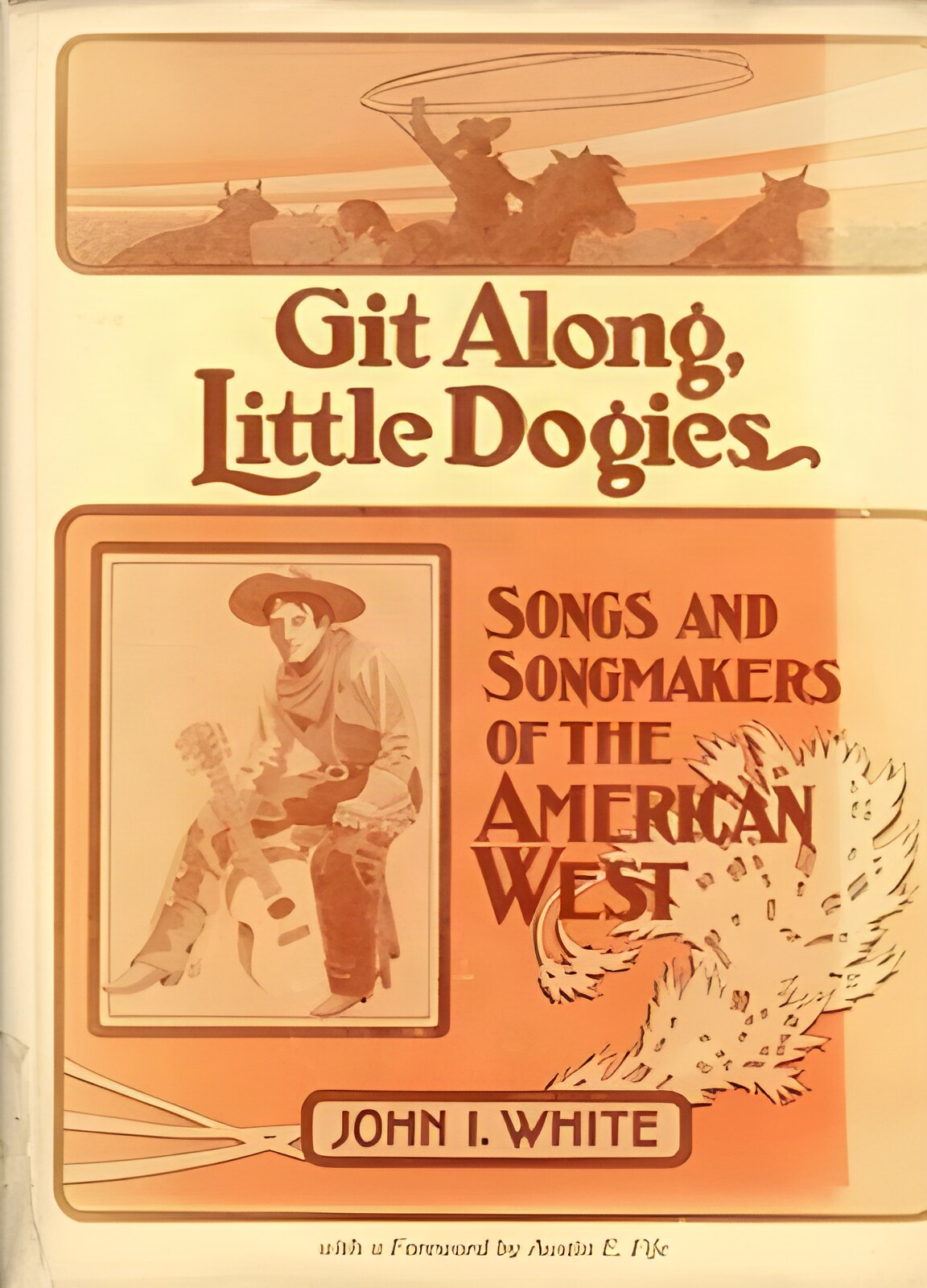
Hardcover. Urbana IL, University of Illinois Press, 1st, 1975, Book: Very Good, Dust Jacket: Very Good, Hardcover in an unclipped dust jacket, 221 pages, b&w illustrations. Sketches and essays that combine White's scholarly research on the origins of western folksong with his personal knowledge and experience as a cowboy singer. A work that bridges the generations of balladry and folksong scholarship. Includes a four song vinyl record laid in at rear.
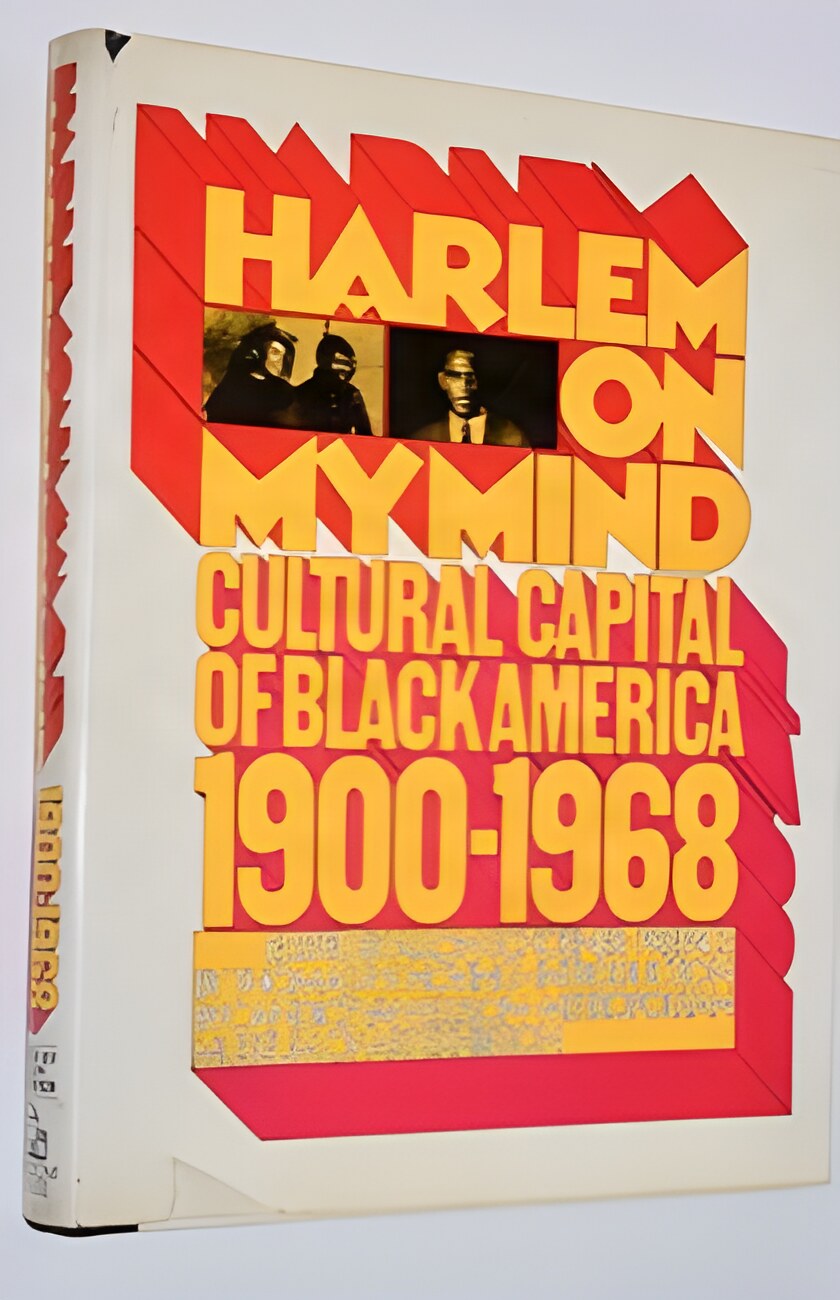
Hardcover. NY, Random House, BC Ed., 1968, Book: Very Good, Dust Jacket: Very Good, Hardcover in a bright dust jacket. Copyright page states first printing, but no price on flap, probably a book club edition. Colorfully illustrated boards with black cloth spine, with gilt lettering; white DJ with red and orange illustration and lettering; 255 pages, profusely illustrated. Long before Harlem became one of the trendiest neighborhoods in the red-hot real estate market of Manhattan, it was a metaphor for African American culture at its richest. Allon Schoener's celebrated Harlem on My Mind is the classic record of Harlem life during some of the most exciting and turbulent years of its history, a beautiful and poignant reminder of a powerful moment in African America history. Including the work of some of Harlem's most treasured photographers, among them James Van Der Zee and Gordon Parks, there are photographs of Harlem's literary lights Langston Hughes, Countee Cullen, and Richard Wright; its politicians Marcus Garvey, Malcolm X, and Adam Clayton Powell Jr.; and its musicians Ethel Waters, Duke Ellington, and Billie Holiday. The book also includes the photographs of the everyday folk who gave life to this legendary community. Clean copy.
Hardcover. Guilford CT, Backbeat, 1st, 2020, Book: Very Good, Dust Jacket: Very Good, Hardcover in a bright dust jacket, 304 pages, b&w illustrations. Phil Ochs is known primarily as a songwriter; however, his oeuvre extends far beyond that--to short stories, poetry, criticism, journalism, and satire, all of which are included in I'm Gonna Say It Now: The Writings of Phil Ochs, which represents the majority of what Ochs wrote outside of his large circle of songs. This comprehensive tome presents another side of the famous topical songwriter, showcasing his prose and poetry from across the full span of his life. From prizewinning stories and clear-eyed reporting while a journalism major in college to music criticism, satires, and political pieces written while part of the burgeoning folk scene of New York City in the early 1960s and during the tumultuous Vietnam War era; from sharp and lyrical poems (many previously unpublished) to reviews, features, and satires written while living in Los Angeles and the final, elegiac coda writings from near the end of his life--I'm Gonna Say It Now presents the complete picture. The book includes many rare or nearly impossible to find Ochs pieces, as well as previously unpublished works sourced from the unique holdings in the Ochs Archives at the Woody Guthrie Center. Additionally, never-before-seen reproductions from Ochs's journals, notebooks, and manuscripts provide a closer look at the hand of the artist, giving a deeper context and understanding to his writings. Never before published photographs of Ochs bestow the visual cherry on top.
Hardcover. NY, Alfred A. Knopf, 2nd pr., 1956, Book: Very Good, Dust Jacket: Very Good, Hardcover in a lightly worn dust jacket. Vigorously brings to life the story of a true folktale hero. Dramatic two-color drawings by Watson. 82 pages. Includes music & lyrics for Ballad of John Henry (at end of book). Clean copy.
Hardcover. Princeton NJ, Princeton University Press, 1st, 1992, Book: Very Good, Dust Jacket: Very Good, Hardcover in a bright dust jacket, 281 pages, b&w illustrations. "For, Lo! We live in an Iron Age--In the age of Steam and Fire!" wrote a poet mesmerized by the engines that were transforming American transportation, agriculture, and industry during his lifetime. Indeed, by the nineteenth century fire had become America's leitmotif--for good and for ill. "Keeping the flame" was deadly serious: even the slightest lapse of attention could convert a fire from friendly ally to ravaging destroyer. To examine the cultural context of fire in "combustible America," Margaret Hazen and Robert Hazen gather more than a hundred illustrations, most never before published, together with anecdotes and information from hundreds of original sources, including newspapers, diaries, company records, popular fiction, art, and music. What results is an immensely entertaining and encyclopedic history that ranges from stories of the tragic "great fires" of the century to fire imagery in folktales and popular literature. Dealing more with technology than with fire in nature, the book provides a vast amount of information on fire manipulation and prevention in urban life. Hazen and Hazen discuss the people who worked with fire--or against it. Founders, gaffers, blacksmiths, boilers at saltworks, and housewives knew how to "read" a fire and employ it for their purposes. A few dedicated investigators inquired about the scientific nature of heat and flame. And firefighters gradually progressed from "bucket brigades" to "using fire to fight fire" with the newly invented steam engine. The colorful stories of these Americans--the risks they took and the rewards they received--will fascinate not only social historians but also a broad audience of general readers. Clean copy.
Hardcover. London, Methuen & Co., 1st, 1928, Book: Good, Dust Jacket: None, Hardcover, gray boards with a white label on front cover, blue cloth spine, 92 pages, b&w illustrations by Ernest Shepard. . The verses and pictures in this book first appeared in 'Punch' magazine. Edge wear, rubbing, light soiling to boards. Previous owner's inscription on front fly leaf and bookplate inside front cover. Else a clean, tight copy.
Hardcover. London, Macmillan and Co, 1st, 1894, Book: Good, Dust Jacket: None, Hardcover, 163 pages, illustrated throughout in b&w by Hugh Thomson. Unfortunate foxing throughout text. Minor wear to illustrated boards with light soil to rear cover.
Softcover. Lafayette, LA, University of Louisiana at Lafayette, 1st, 2007, Book: Very Good, Dust Jacket: None, Softcover, 224 pages, color illustrations. Over its three decades, this festival, since 1977 the music component of Lafayettes Festivals Acadiens, has been a proving ground for an evolution. Older masters, such as Dennis McGee, Nathan Abshire, Clifton Chenier, Bois-Sec Ardoin, Canray Fontenot, and Dewey Balfa himself, have passed on, but not without handing off the baton to younger musicians, from Michael Doucet and Zachary Richard to Wayne Toups and Steve Riley to Chris Stafford and Wilson Savoy. These subsequent generations continue to revitalize old songs and create new ones within the traditional context. This book tells the inside story of this experiment in cultural self-preservation, taking the reader onstage, backstage, and into the crowd with schedules, commentary, and photographs from each year, exposing the cultural mission of festival organizers. Mild shelf wear. SIGNED BY ALL FOUR AUTHORS AND INSCRIBED BY TWO on the front fly leaf.
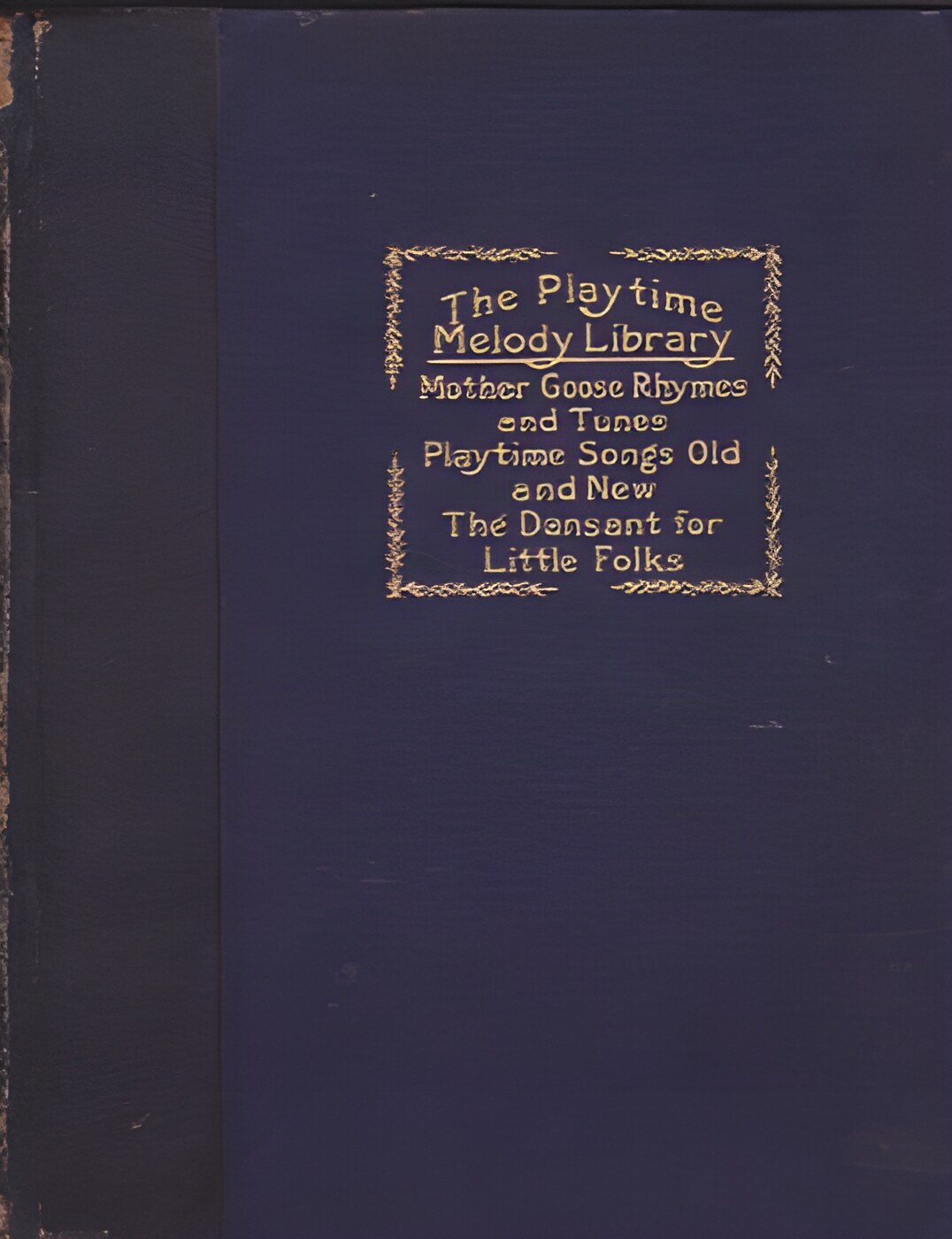
Hardcover. NY, Hearst's International Library, 1st, 1914, Book: Good, Dust Jacket: None, Hardcover, dark blue cloth with a black leather spine with gilt lettering. This volume combines 3 different titles in one: "Mother Goose Rhymes and Tunes" - Arranged with easy accompaniments including fourteen new melodies * "Playtime Songs New and Old" - Arranged with easy accompaniments including fourteen new melodies * "The Dansant for Little Folks" - Old-time game songs with easy accompaniments, new simple piano pieces for children's home dancing parties and a musical recitation. Features wonderful color illustrations throughout by Paul Woodroffe. There are dozens of rhymes set to music (arranged by Raymond Perkins), including many favorites such as Humpty Dumpty, Ring Around A-Rosy, London Bridge, Hush-a-by Baby, Three Blind Mice, Yankee Doodle, Jack and Jill, Little Bo-Peep, Sing a Song of Sixpence, Baa! Baa! Black Sheep, etc. NOTE: Rear fly leaf gone and spine cloth is separating from spine. Inside front cover with pencil notes, rear inside with pasted sheet music. Interior pages clean and bright.
Hardcover. Hampton, VA, Hampton Institute Press, 1st, 1927, Book: Very Good, Dust Jacket: Poor, Hardcover, dark blue cloth with gilt lettering on front cover and spine, 236 pages plus appendix. A scarce collection of traditional hymns, gospel, folk songs and "Songs of Tribulation" of the American Negro. An historical document of African-American culture and the history of slavery. Songs in musical score with lyrics. A tight, generally unmarked and clean volume with nice cloth and clear gilt, In a poor dust jacket with chipping and tape repairs. Name on front fly leaf otherwise clean.
Softcover. Urbana IL, University of Illinois Press, reprint, 2003, Book: Very Good, Dust Jacket: None, Softcover, 433 pages. From the plaintive tunes of woe sung by exiled kings and queens of Africa to the spirited worksongs and "shouts" of freedmen, enslaved people created expansive forms of music from the United States to the West Indies and South America. Dena J. Epstein's classic work traces the course of early black folk music in all its guises. Anchored by groundbreaking scholarship, it redefined the study of black music in the slavery era by presenting the little-known development of black folk music in the United States. Her findings include the use of drums, the banjo, and other instruments originating in Africa; a wealth of eyewitness accounts and illustrations; in-depth look at a wide range of topics; and a collection of musical examples. This edition offers an author's preface that looks back on the twenty-five years of changes in scholarship that followed the book's original publication. Clean copy.
Hardcover. NY, powerHouse Books, 1st, 2019, Book: Very Good, Hardcover in pictorial boards. Back in 1961 it was still possible to know a few of America's original country musicians from the '20s and '30s. Renowned and celebrated musician and artist John Cohen came of age at the confluence of Old Time and early Bluegrass music, the historic intersection of traditional and folk music. Cohen travelled the country playing music, recording, and documenting what was to be a generation of musicians who would influence American music and culture for decades to come. Travelling between the Union Grove Fiddlers' Convention to the Grand Old Opry to a Coal Celebration in Hazard, Kentucky, Cohen made historic photographs of performers like Bill Monroe and Doc Watson, the country's very first all bluegrass show, and a bluegrass bar in Baltimore, among much more. Still in publisher's shrinkwrap.
Hardcover. NY, WW Norton, 1st, 2004, Book: Very Good, Dust Jacket: Very Good, Hardcover in a bright, unclipped dust jacket. A collection of articles, poems, essays, speeches, literary criticisms, and interviews about the 1960s musician and lyricist examines his legacy and role in the traditions of folk, rock, and blues, in a volume that includes contributions by such figures as Sam Shepard, Bruce Springsteen, and Johnny Cash.
Softcover. Dublin IR, The Lilliput Press, 1st, 2005, Book: Very Good, Dust Jacket: None, Softcover, 266 pages, b&w illustrations. INSCRIBED BY SANDS on the front fly leaf. 'With a Fenian fiddle in one ear and an Orange drum in the other', singer Tommy Sands was reared in the foothills of the Mourne mountains, where he still lives. As a child, he was immersed in folk music - his father played the fiddle, his mother the accordion. The kitchen was where Protestant and Catholic farmers alike would gather for songs and storytelling at the end of a day's harvesting. During the sixties and seventies Tommy was chief songwriter for The Sands Family, who played wherever they were welcome, from local wakes and weddings to New York's Carnegie Hall; his songs have been recorded by Joan Baez, Dolores Keane, Dick Gaughan and The Dubliners. He tells of his family's traditional way of life; of the turbulent days of the civil rights movement; The Bothy Band brawling in Brittany; encounters with Alan Stivell, Mary O'Hara and Pete Seeger; Ian Paisley on his radio show Country Ceili; and a 'defining moment' during the Good Friday Agreement talks, when he organized an impromptu performance with children and Lambeg drummers. The Songman is a memoir replete with warmth and wit.

 "100 Best-selling Albums of the 70sby: Hamish Champ")


 "America Sings - Stories and Songs of Our Country's Growingby: Carmer, Carl")
 "American Folk Songs for Children - In Home, School and Nursery School - A Book for Children, Parents and Teachersby: Seeger, Ruth Crawford")
 "Bound for Gloryby: Guthrie, Woody")
 "Cafe Society: The Wrong Place for the Right People by: Barney Josephson, Terry Trilling-Josephson")
 "Desperados: The Roots of Country Rockby: Einarson, John")
 "Diane Goode's Book of American Folk Tales and Songsby: Durell, Ann / Goode, Diane")
 "Dylan's Autobiography of a Vocation: A Reading of the Lyrics 1965-1967by: Renza, Louis A.")
 "Fado and the Place of Longing: Loss, Memory and the Cityby: Elliott, Richard")
 "Folksongs of Mississippi and Their Backgroundby: Hudson, Arthur Palmer")
 "I'm Gonna Say It Now: The Writings of Phil Ochsby: Phil Ochs and David Cohen")
 "John Henry And His Hammerby: Felton, Harold W. /Aldren Watson")
 "Keepers of the Flame: The Role of Fire in American Culture, 1775-1925by: Margaret Hindle and Robert M Hazen")
 "Mr. Punch's County Songsby: E. V. Lucas and Ernest H. Shepard")
 "Old English Songs from Various Sourcesby: Dobson (introduction by), Austin")

 "Religious Folk Songs of the Negro as Sung at Hampton Institute by: Dett, R. Nathaniel")
 "Sinful Tunes and Spirituals: Black Folk Music to the Civil War Music in American Lifeby: Dena J. Epstein")
 "Speed Bumps on a Dirt Road: When Old Time Music Met Bluegrassby: Cohen, John")
 "Studio A: The Bob Dylan Readerby: Benjamin Hedin (Ed.)")
 "The Songman: A Journey in Irish Music (SIGNED COPY)by: Tommy Sands")