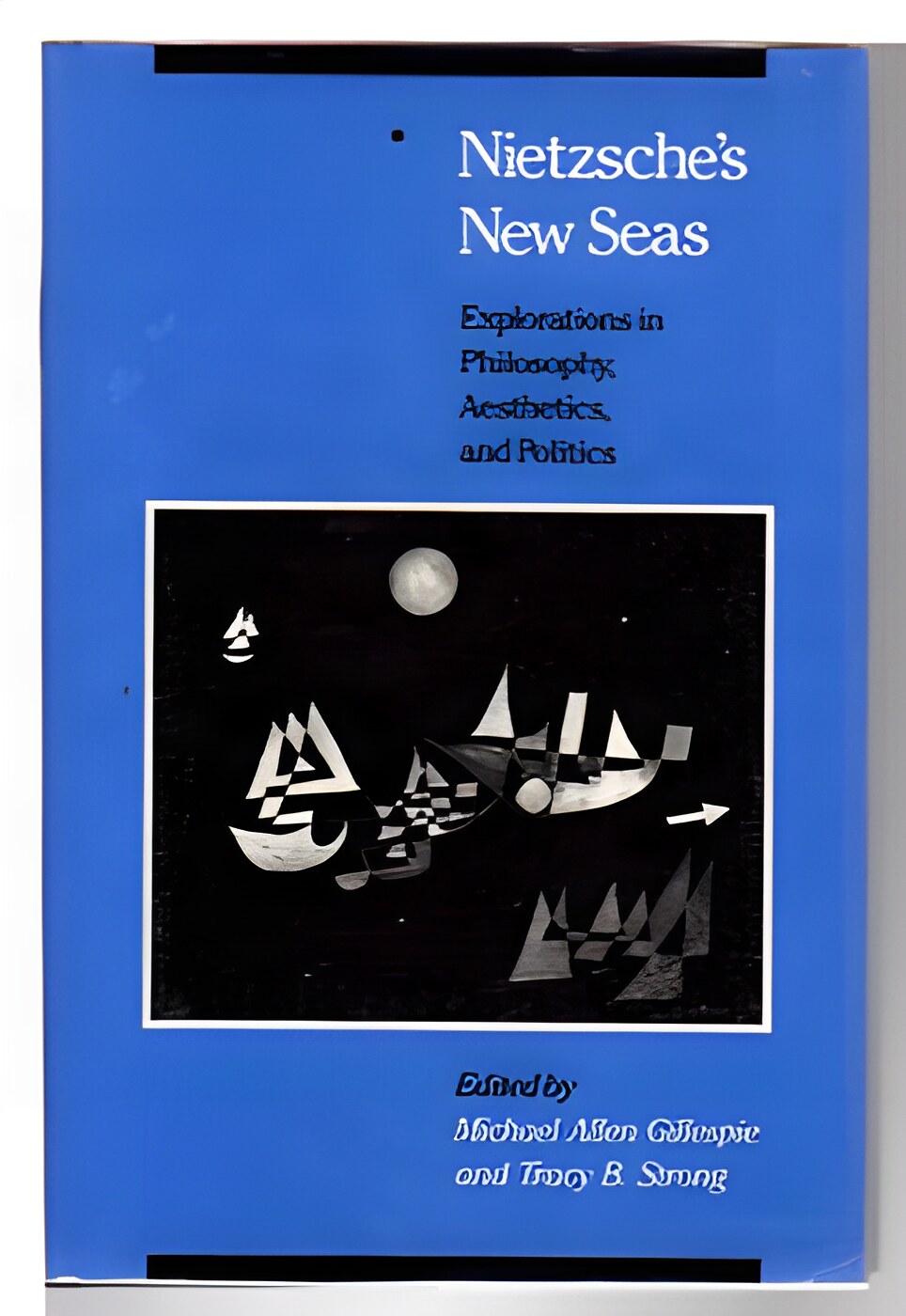
Softcover. Chjcago, University of Chicago Press, 2nd pr., 1991, Book: Very Good, Dust Jacket: None, Softcover, 240 pages. Nietzsche's New Seas makes available for the first time in English a representative sample of the best recent Nietzsche scholarship from Germany, France, and the United States. Michael Allen Gillespie and Tracy B. Strong have brought together scholars from a variety of disciplines--philosophy, history, literary criticism, and musicology--and from schools of thought that differ both methodologically and ideologically. The contributors--Karsten Harries, Robert Pippin, Eugen Fink, Hans-Georg Gadamer, Kurt Paul Janz, Sarah Kofman, Jean-Michel Rey, and the editors themselves--take a new approach to Nietzsche, one that begins with the claim that his enigmatic utterances can best be understood by examining the style or structure of his thought. Clean copy.
Softcover. New York, Oxford University Press, 1st paperback, 1968, Book: Very Good, Dust Jacket: None, 355 pages. Softcover. Light pencil underlining in a few places. Wrapper good, with a touch of agewear, no tears, some slight moisture damage at the bottom of the back cover.
NY, The Press of the American Institute of Architects., 1st, 1925, Book: Good, Dust Jacket: None, Hardcover. Complete with 24 watercolor prints and 44 plates. Loosely bound in case with cloth ties which has cracking along spine. Interior very good. Number 677 of 1000. Elephant folio 23" tall. "A Series of Historical Examples from Roman Times to the End of the XVIIIth Century." An appreciation of historic French infrastructure that survived WWI. Beautiful large color reproductions of original watercolors of bridges by Pierre Vignal; 35 black and white drawings by Louis C. Rosenberg & Samuel Chamberlain; 44 measured drawings, photographs, diagrams, and maps. DUE TO SIZE & WEIGHT, DOMESTIC SHIPPING ONLY.
Hardcover. New Haven CT, Yale University Press, 1st, 2018, Book: Very Good, Dust Jacket: None, Hardcover, 156 pages, no dj issued. An insightful new look at two renowned photographers, their interconnected legacies, and the vital documents of urban transformation that they created. In this comprehensive study, Kevin Moore examines the relationship between Eugene Atget (1857-1927) and Berenice Abbott (1898-1991) and the nuances of their individual photographic projects. Abbott and Atget met in Man Ray's Paris studio in the early 1920s. Atget, then in his sixties, was obsessively recording the streets, gardens, and courtyards of the 19th-century city--old Paris--as modernization transformed it. Abbott acquired much of Atget's work after his death and was a tireless advocate for its value. She later relocated to New York and emulated Atget in her systematic documentation of that city, culminating in the publication of the project Changing New York.
Hardcover. New Haven CT, Yale University Press, 1st, 2018, Book: Very Good, Dust Jacket: None, Hardcover, 156 pages, no dj issued. An insightful new look at two renowned photographers, their interconnected legacies, and the vital documents of urban transformation that they created. In this comprehensive study, Kevin Moore examines the relationship between Eugene Atget (1857-1927) and Berenice Abbott (1898-1991) and the nuances of their individual photographic projects. Abbott and Atget met in Man Ray's Paris studio in the early 1920s. Atget, then in his sixties, was obsessively recording the streets, gardens, and courtyards of the 19th-century city--old Paris--as modernization transformed it. Abbott acquired much of Atget's work after his death and was a tireless advocate for its value. She later relocated to New York and emulated Atget in her systematic documentation of that city, culminating in the publication of the project Changing New York.
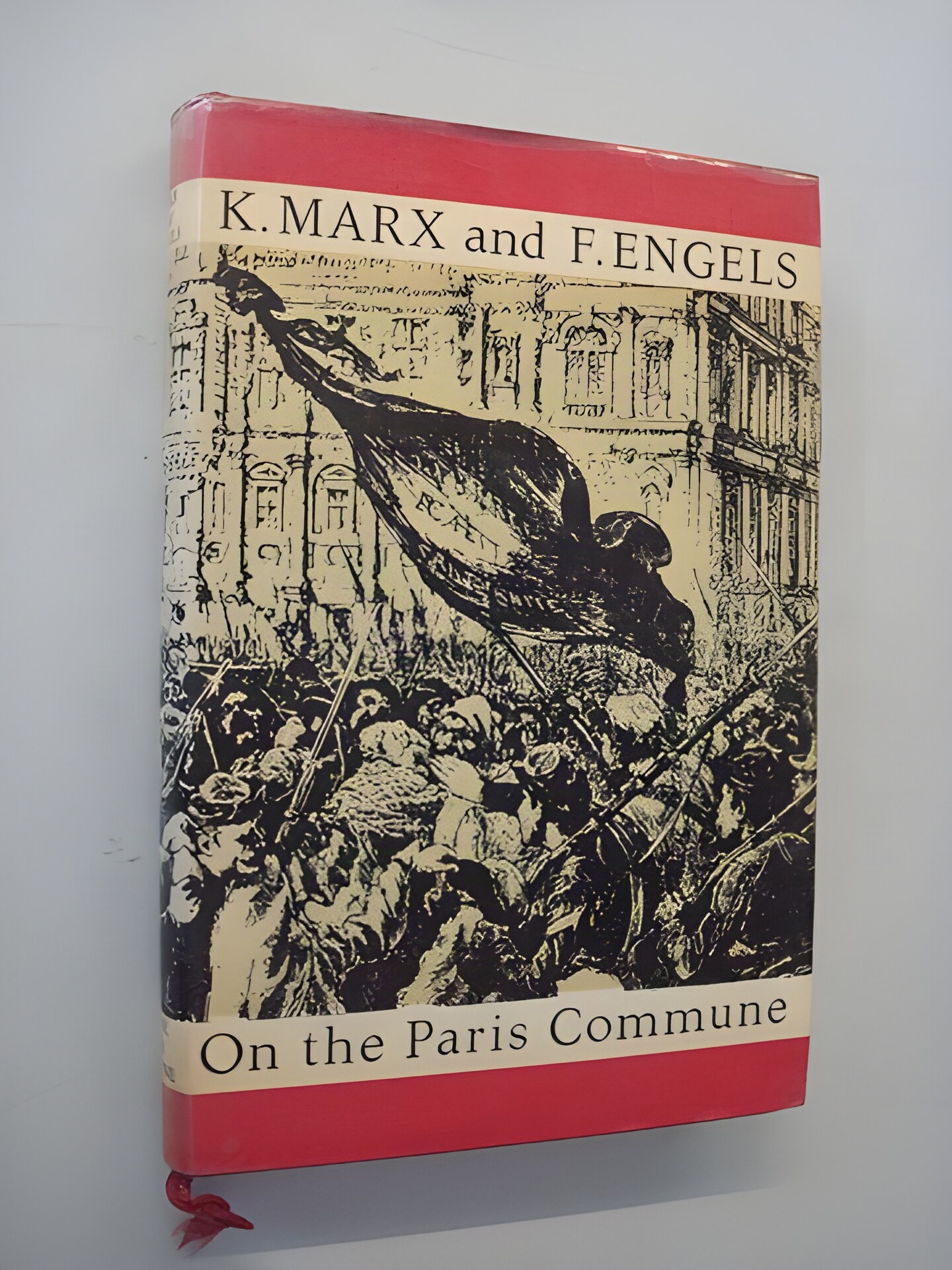
Hardcover. Moscow, Progress Publishers, 1st, 1971, Book: Very Good, Dust Jacket: Very Good, Hardcover in a bright dust jacket, 357 pages. "On March 18, 1871, the workers of Paris expelled the bourgeois rulers of the city and took power into their own hands , a shining achievement never to be forgotten. Ten days later, on March 28, they set up the Paris Commune, the world's first proletarian state. It was of an entirely new type, being governed by the people and for the people, with all its social and political measures taken in the interest of the working people, the working class above all." -from the Preface. First printing of this selection, published for the centenary of the Commune. With ribbon bookmark. Clean copy.
Hardcover. Cambridge MA, Harvard University Press, 1st, 2018, Book: Very Good, Dust Jacket: Very Good, Hardcover in a bright dust jacket, 404 pages. The Napoleonic wars did not end with Waterloo. That famous battle was just the beginning of a long, complex transition to peace. After a massive invasion of France by more than a million soldiers from across Europe, the Allied powers insisted on a long-term occupation of the country to guarantee that the defeated nation rebuild itself and pay substantial reparations to its conquerors. Our Friends the Enemies provides the first comprehensive history of the post-Napoleonic occupation of France and its innovative approach to peacemaking. From 1815 to 1818, a multinational force of 150,000 men under the command of the Duke of Wellington occupied northeastern France. From military, political, and cultural perspectives, Christine Haynes reconstructs the experience of the occupiers and the occupied in Paris and across the French countryside. The occupation involved some violence, but it also promoted considerable exchange and reconciliation between the French and their former enemies. Clean copy.
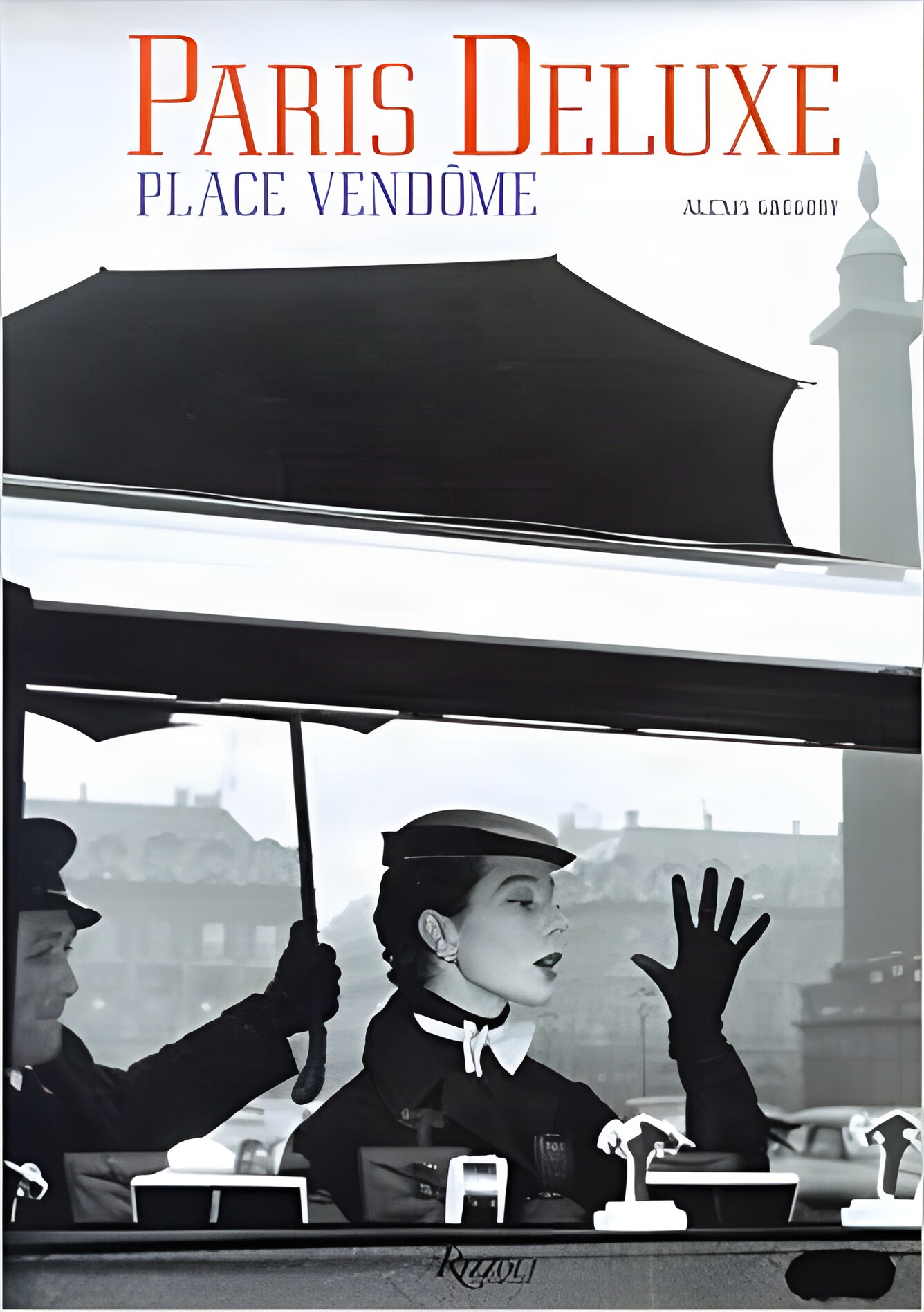
Hardcover. NY, Rizzoli, 1st, 1997, Book: Very Good, Dust Jacket: Very Good, Hardcover, 240 pages. In text and photographs, Paris Deluxe traces the history of the Place Vendome, from the square's beginnings as a high-risk property speculation, to its life in the twentieth century as Paris's center of fashion, jewelry, high finance, and art, a playground for international society that converges at the Paris Ritz, undoubtedly still the most elegant, expensive, and comfortable hotel in the world. The cast of extraordinary personalities who have left their marks on the square covers the spectrum from fashion and jewelry-- names like Coco Chanel, Elsa Schiaparelli, Frederic Worth, Cartier, Boucheron-- to financiers J.P. Morgan and John Law, and every prominent name in art and high society-- Edward, Prince of Wales, the Vanderbilts, Baroness Guy de Rothschild, Lillie Langtry, Rene Lalique and the Crozats, whose art collection was bought by Diderot for Catherine the Great.
Hardcover. NY, Holt Rinehart & Winston, 1st, 1981, Book: Very Good, Dust Jacket: Very Good, Hardcover in a bright dust jacket with minor edgewear, 294 pages. Depicts the German occupation of Paris during World War II from the perspectives of both the defeated Parisians and the victorius Germans, accompanied by 116 contemporary photographs in b&w, some color. Clean copy.
Hardcover. Paris, Editions de Lodi, 1st, 2001, Book: Very Good, Dust Jacket: Very Good, Hardcover, glossy boards in a matching bright dust jacket. Large format, 484 pages, FRENCH TEXT. A collection of over 500 historical photos of old Paris printed in sepia tone. Around 1832 Parisian-born Charles-Francois Bossu (1813-1879) shed his unfortunate last name (bossu means hunchback in French) and adopted the pseudonym Marville. After achieving moderate success as an illustrator of books and magazines, Marville shifted course in 1850 and took up photography, a medium that had been introduced 11 years earlier. His poetic urban views, detailed architectural studies, and picturesque landscapes quickly garnered praise.By the end of the 1850s, Marville had established a reputation as an accomplished and versatile photographer. From 1862, as official photographer for the city of Paris, he documented aspects of the radical modernization program that had been launched by Emperor Napoleon III and his chief urban planner, Baron Georges-Eugene Haussmann. In this capacity, Marville photographed the city's oldest quarters, and especially the narrow, winding streets slated for demolition. Even as he recorded the disappearance of Old Paris, Marville turned his camera on the new city that had begun to emerge. Many of his photographs celebrate its glamour and comforts, while other views of the city's desolate outskirts attest to the unsettling social and physical changes wrought by rapid modernization. Taken as a whole, Marville's photographs of Paris stand as one of the earliest and most powerful explorations of urban transformation on a grand scale. Clean, bright copy.
Hardcover. NY, Vendome Press, 1st, 1989, Book: Very Good, Dust Jacket: Very Good, Hardcover in a bright dust jacket, 208 pages. Best-selling French author Perrault provides moving personal reminiscences of his childhood in occupied Paris. The brief but eloquent narrative is accompanied by hundreds of previously unpublished photos from French and German archives, collected and cataloged by Parisian art historian Azema. Together, text and photos present a graphic portrait of everyday life, recording daily human struggles to find food and fuel, the psychological warfare waged by the occupiers, and the methods of German economic exploitation. As artists, the authors place special emphasis on the arts under the occupation and document the heroism of the writers' resistance. In sum, they show how Paris "kept alive a sense of the enemy."
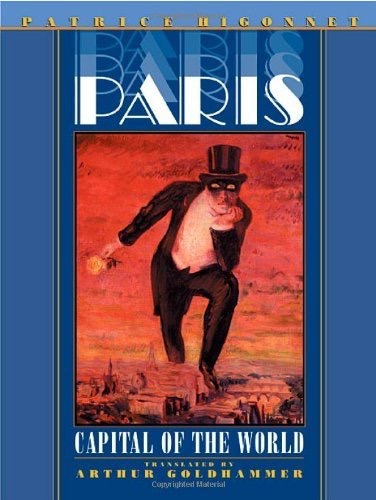
Hardcover. Cambridge MA, Harvard/Belknap Press, 1st, 2002, Book: Very Good, Dust Jacket: Very Good, Hardcover in a bright price-clipped dust jacket, 493 pages, illustrated in b&w and color. In an original and evocative journey through modern Paris from the mid-eighteenth century to World War II, Patrice Higonnet offers a delightful cultural portrait of a multifaceted, continually changing city. In examining the myths and counter-myths of Paris that have been created and re-created over time, Higonnet reveals a magical urban alchemy in which each era absorbs the myths and perceptions of Paris past, adapts them to the cultural imperatives of its own time, and feeds them back into the city, creating a new environment. Clean copy.
Hardcover. Chicago, Art Institute of Chicago, 1st, 2005, Book: Very Good, Dust Jacket: None, Hardcover, 100 pages. No dust jacket issued. Eugene Atget, Jacques Henri Lartigue, Andre Kertesz, Brassai, Henri Cartier- Bresson, Robert Doisneau? -some of the greatest photographers of Paris? were relatively unknown when they began their most innovative work. Not yet burdened with conventional career expectations, they found the city the perfect environment in which to invent and develop an entirely new approach to conceiving the photographic image. In the 1920s and 1930s, the generation of photographers after Atget responded not only to the physical city itself but also to a new sensibility of time as a spontaneous act. Masterworks by these now-famous visionaries of the medium are featured in this elegant book of photographs of Paris from the 1850s to the 1950s, drawn from the remarkable collection of the Art Institute of Chicago. Clean copy.
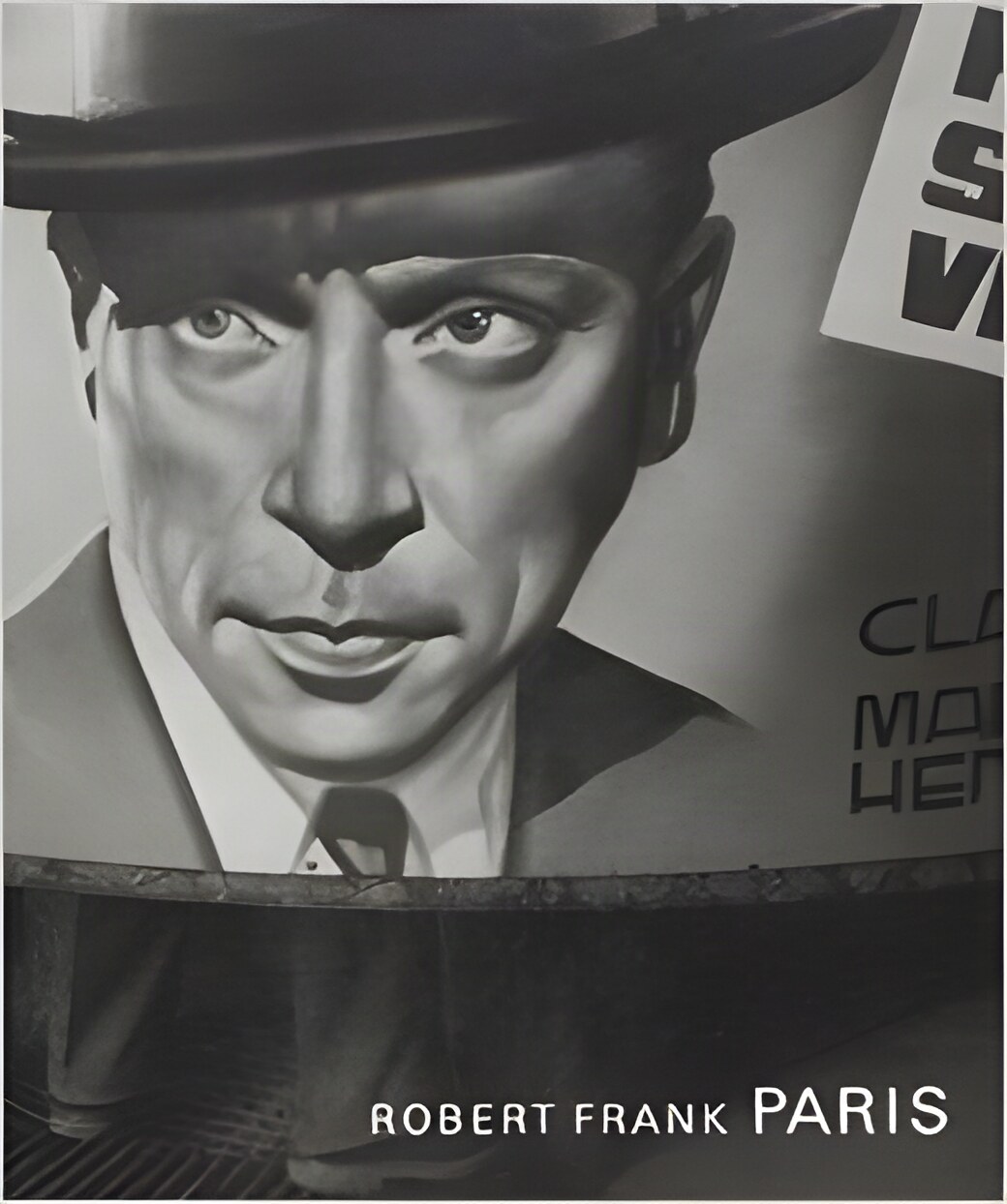
Softcover. Steidl, 2008, 2008, Book: Very Good, Dust Jacket: Very Good, Softcover. Like new in publisher's shrink-wrap. The publication of Paris marks the first time that the significant body of photographs which Robert Frank made in Paris in the early 1950s have been brought together in a single book. Having left Switzerland in 1924, this 1951 trip to France was only Frank's second return to Europe after he had settled in New York City in 1947, and some of the images he made during that visit have become iconic in the history of the medium. The 80 photographs reproduced here, which were selected by Frank and editor Ute Eskildsen, suggest that Frank's experience of the "new world" had sharpened his eye for European urbanism. He saw the city's streets as a stage for human activity and focused particularly on the flower sellers. His work clearly references Atget and invokes the tradition of the flaneur.
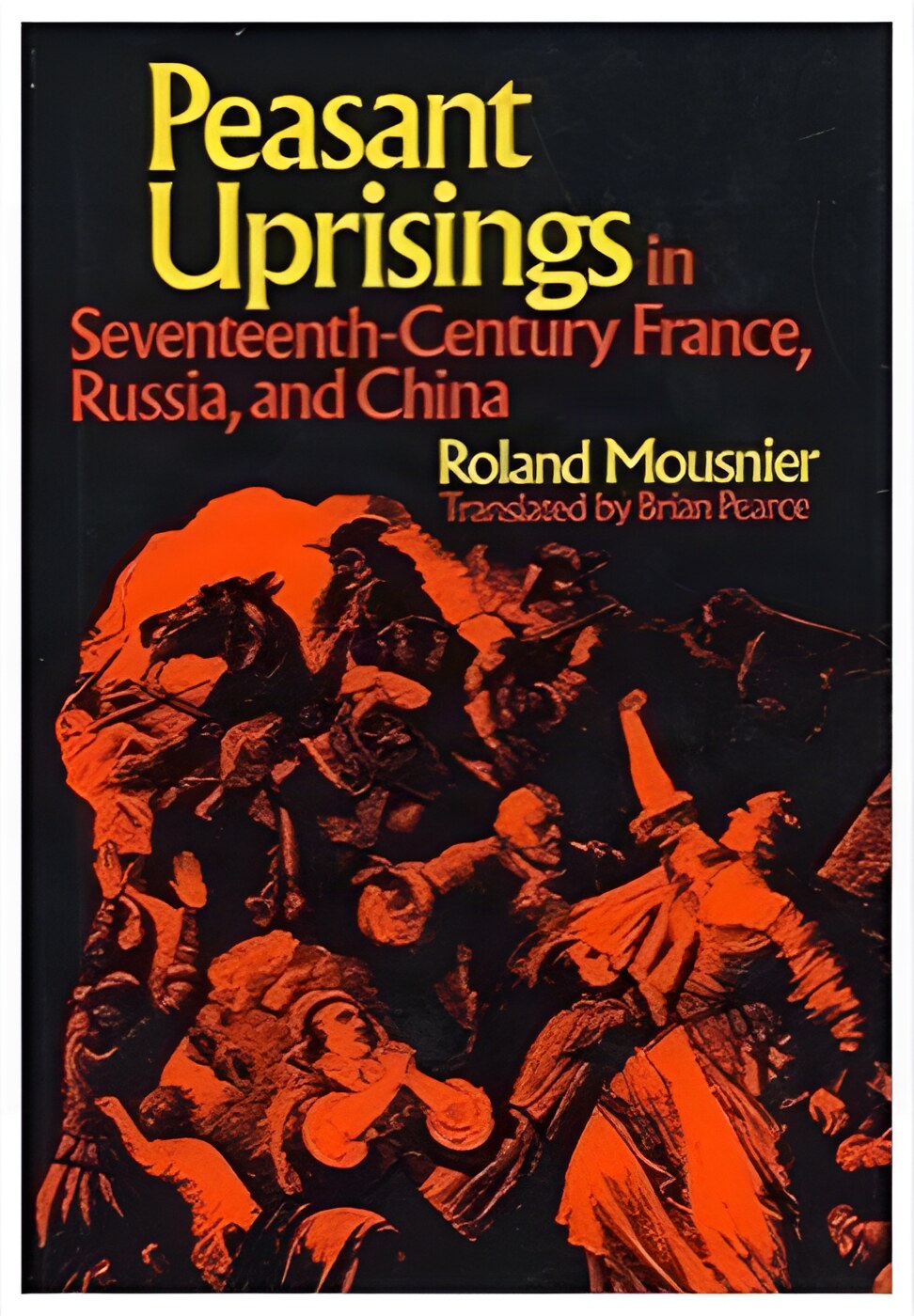
Hardcover. NY, Harper & Row, 1st US, 1970, Book: Very Good, Dust Jacket: Very Good, Hardcover in a lightly worn, price-clipped dust jacket, 358 pages. A close analysis of some of the typical peasant uprisings of the seventeenth century. The goal of the movements in France and China was a return to an older and more traditional society, rather than a profound transformation of the social structure. In Russia, however, the peasants attempted to overturn the rigid order of a two-class structure and replace it with a more democratic society. Clean copy.
Hardcover. NY, Rizzoli, 1st, 2006, Book: Very Good, Dust Jacket: Very Good, Hardcover, 384 pages, profusely illustrated in color and b&w. This thought-provoking volume transports readers to France of the eighteenth, nineteenth, and twentieth centuries, beginning with Napoleon's love of perfume and the erotic importance he attached to it, through the lore and symbolism fragrance enjoyed in eighteenth and nineteenth-century Europe. By the early twentieth century, perfume's place as one of France's most important luxury industries was recognized and celebrated, and timeless fragrances--such as Chanel No. 5, Shalimar, Arpeges, and Joy--were launched. The distinctive bottles for these new essences and the art movements that inspired their design are detailed throughout the book, as are paintings, poetry, and literature that reveal the power of perfume and its ability to recall the past and evoke sensuality. According to nineteenth-century perfumer Eugene Rimmel, "the history of perfume is, in some manner, the history of civilization." Through fascinating text accompanied by gorgeous imagery, including packaging, labels, and advertisements, Perfume: Joy, Scandal, Sin explores perfume's impact on history, culture, society, art, and attitudes.
Hardcover. Nieuwkoop , B. de Graaf, 1st, 1964, Book: Very Good, Dust Jacket: None, Hardcover, dark green cloth covers with gilt lettering, 159 pages with b&w diagrams and illustrations. Subjects include: The base of perspective illussions, third dimension, euclid, anamorphoses, the concave surface of the retina, Schickhardt's problem, eccentric positions of the observer's eye, rotations of the eyeball, visual size, pleudo-perspective, axial construction, rebirth of central perspective, Leon Battista Alberti, Paolo Uccello, the oblique position, Piero della Francesca etc.
Hardcover. Paris, Maison Alred Mame, 1st thus, 1929, Book: Very Good, Dust Jacket: None, 160 pages, illustrated in color and b&w by JOB, featuring 16 gorgeous color plates. Blue cloth spine, color illustrated boards. French text. Previous owner's signature on front fly leaf, otherwise clean, very good.
Hardcover. Oxford, Clarendon Press, 1st , 1982, Book: Good, Dust Jacket: Good, Hardcover, 284 pages. Previous owner's signature on front fly leaf. Slight foxing to top edge. Dust jacket has price clipped from front flap. Dust jacket also shows minor shelf wear and fading to spine. Otherwise, tight clean copy.
Softcover. Paris, Musee de la Vie Romantique, 1st, 2001, Book: Very Good, Dust Jacket: None, 143 pages. Softcover. A very clean, unmarked copy with only minor edgewear. Black and white photographs throughout. French text.
Hardcover. NY, Farrar Straus & Giroux, 1st US, 2023, Book: Very Good, Dust Jacket: Very Good, Hardcover in a bright, unclipped dust jacket, 588 pages, several color plates. Before Picasso became Picasso-the iconic artist now celebrated as one of France's leading figures-he was constantly surveilled by the French police. Amid political tensions in the spring of 1901, he was flagged as an anarchist by the security services-the first of many entries in an extensive case file. Though he soon emerged as the leader of the cubist avant-garde, and became increasingly wealthy as his reputation grew worldwide, Picasso's art was largely excluded from public collections in France for the next four decades. The genius who conceived Guernica in 1937 as a visceral statement against fascism was even denied French citizenship three years later, on the eve of the Nazi occupation. In a country where the police and the conservative Academie des Beaux-Arts represented two major pillars of the establishment at the time, Picasso faced a triple stigma-as a foreigner, a political radical, and an avant-garde artist. Picasso the Foreigner approaches the artist's career and art from an entirely new angle, making extensive use of fascinating and long-overlooked archival sources. In this groundbreaking narrative, Picasso emerges as an artist ahead of his time not only aesthetically but politically, one who ignored national modes in favor of contemporary cosmopolitan forms. Remainder dot to top edge, otherwise a bright, clean copy.
Hardcover. Florence, Italy, Cantini, 1st, 1989, Book: Very Good, Dust Jacket: Very Good, 271 pages. Hardcover with dust jacket in SLIPCASE cover. ITALIAN TEXT. Color pictures. Previous owner's bookplate on end paper, otherwise clean, unmarked copy with only minor wear to dust jacket. Slipcase has some tape repair on bottom edge. Red cloth covers with gilt lettering on spine.




 "Old Bridges of France by: Emerson William and Georges Gromort")
 "Old Homes of Roxbury Township - Third in a Series of Books on the History of Roxbury Townshipby: Seraly, Ruthann/Frances Lyman")
 "Old Paris and Changing New York: Photographs by Eugene Atget and Berenice Abbottby: Kevin Moore")
 "Old Paris and Changing New York: Photographs by Eugene Atget and Berenice Abbottby: Kevin Moore")

 "Paris in the Third Reich: A History of the German Occupation, 1940-1944 by: David Pryce-Jones")
 "Paris sens dessus-dessous (Marville photographies 1852-1870)by: Mellot, Philippe")
 "Paris Under the Occupationby: Gilles Perrault")


 "Perfume: Joy, Scandal, Sin - A Cultural History of Fragrance from 1750 to the Presentby: Stamelman, Richard")
 "Petite Histoire de Franceby: Bainville, Jacques and JOB")
 "Philosophes and Post-Revolutionary France, Theby: Lough, John")
 "Photographies Hongroises: Des Romantismes Aux Avant-Gardesby: Marchessau, Daniel")

 "Piero della Francesca (Italian Edition)by: Paolucci, Antonio")