Hardcover. NY, Doubleday, Doran & Company, 2nd pr., 1932, Book: Very Good, Dust Jacket: None, Hardcover, brick-red cloth with embossed decoration on front cover, gilt faded on darkened spine, 325 pages. Drawings by Roese. Title page dated 1932, publisher's design on copyright page but no First Edition stated, so assumed 2nd printing. Topper, now a retired bank executive, is galavanting in the south of France with the very same mischievous, sexy, prohibition-despising ghosts as accomplices. Basis for the 1938 feature film starring Constance Bennett, Roland Young, Billie Burke and Alan Mowbray. Mild edgewear, clean and tight.
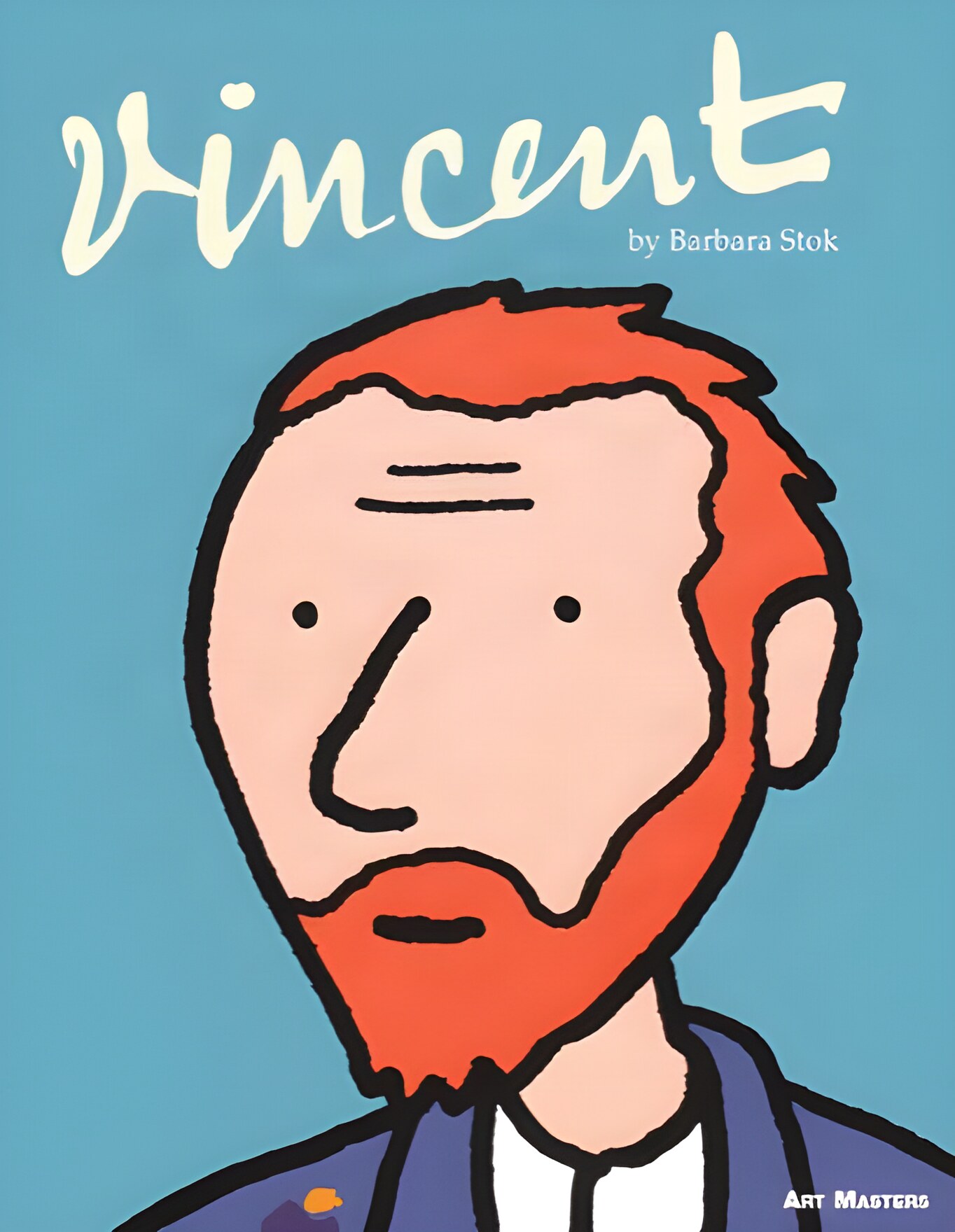
Softcover. SelfMadeHero, 1st US, 2015, Softcover, 142 pages illustrated in color by Stok. Translated from the Dutch by Laura Watkinson. This graphic biography documents the brief and intense period of creativity Vincent van Gogh (1853-1890) spent in Arles, Provence, in southern France. Here van Gogh dreams of setting up an artists' studio--a haven where he and his friends can paint together. But attacks of mental illness leave the painter confused and disoriented. When his friend and fellow artist Paul Gauguin refuses to reside permanently at the Yellow House, a distraught van Gogh cuts off part of his own ear. Throughout this period of intense emotion and hardship, Vincent's brother, Theo, stands by him, offering constant and unconditional support. Writer and illustrator Barbara Stok breathes riveting new life into a fascinating episode of art history, creating a vivid portrait of one of the world's most beloved and legendary artists. Clean copy.
Hardcover. France Loisirs , 1st, 1995, Book: Very Good, Dust Jacket: Very Good, Hardcover, 144 pages. Like new in publisher's shrink-wrap. Bastienne Schmidt's photographs are images of both life and death. Mercilessly direct, these pictures from Latin America - the fruits of intensive work over the past few years - bring to an existential fact of our lives, a truth we in western societies are only too happy to hide behind a facade of casual diversions and consumable "beauty"; the immediate presence of death. It takes courage to look at these pictures, for in the faces of these people from another culture we are confronted, violently and with an authenticity we cannot ignore, with the very destiny we refuse to accept. Moreover, Bastienne Schmidt shows us the naked truth that underlies not only our inability to look our own death in the face, but also our tendency to disregard the violent deaths of others, failing to recognize the value of "mere" life as we do, so long as they die far enough away from our own doorsteps.




 "Vivir la Muerte: Living With Death in Latin Americaby: Schmidt, Bastienne/Karl Steinorth, et al.")