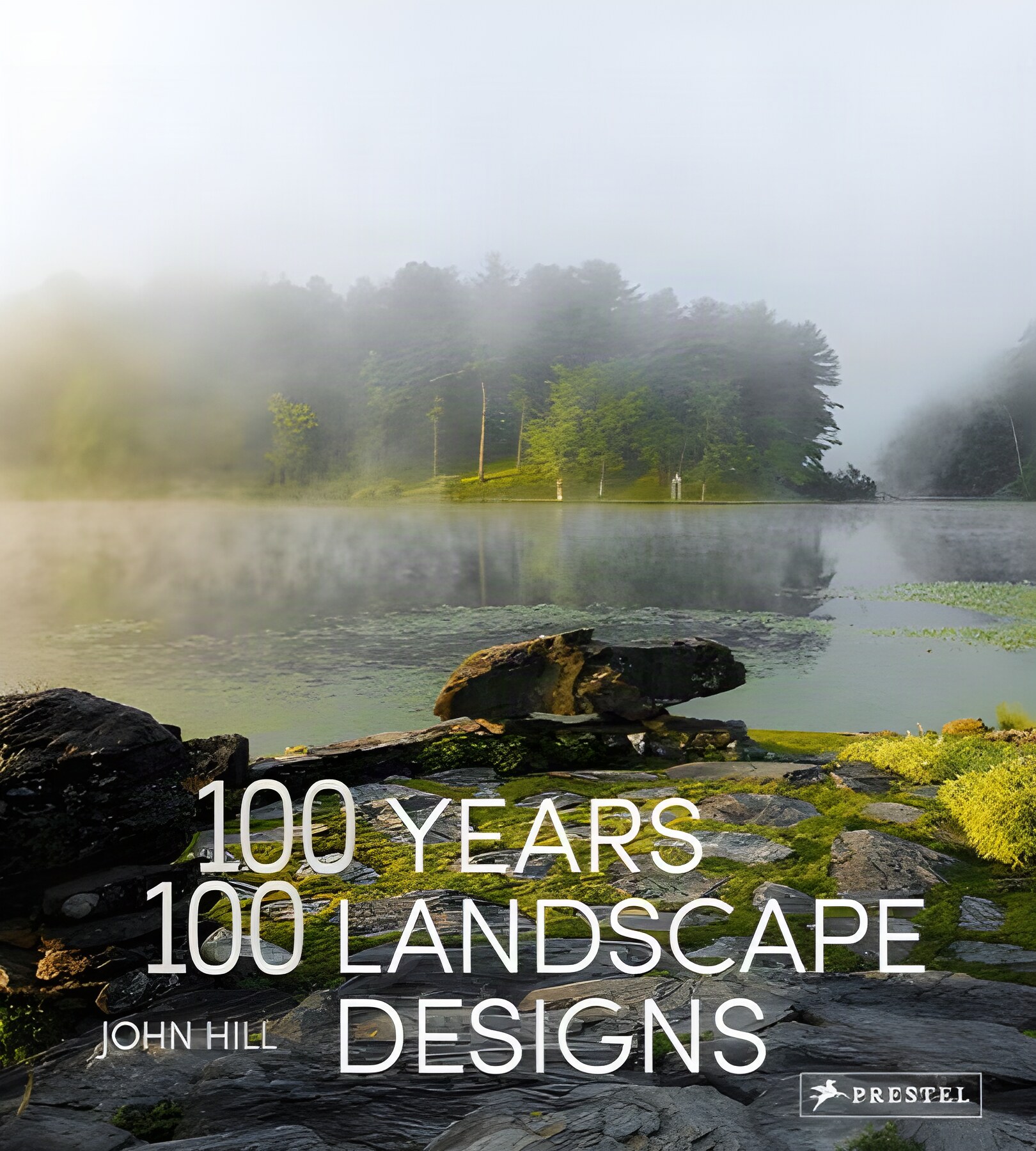
Hardcover. NY, Prestel, 1st, 2017, Book: Very Good, Dust Jacket: Very Good, Hardcover in a bright dust jacket. 224 pages illustrated in color. A century's worth of the most breathtaking and significant landscape designs around the globe. Beginning with Filoli, the century-old, forward-looking estate situated just south of San Francisco, and closing with The Park, the first public garden ever created in Las Vegas, John Hill takes readers on a worldwide tour, one per year, of beautiful, inspiring, creatively designed, and historically significant landscapes. Clean copy.
Softcover. Los Angeles, Augustan Reprint Society, reprint, 1982, Book: Very Good, Dust Jacket: None, Softcover, 48 pages with a fold-out plan, 2 other b&w plates. A facsimile reproduction of the 1745 publication. Introduction by Morris R. Brownell. Clean copy.
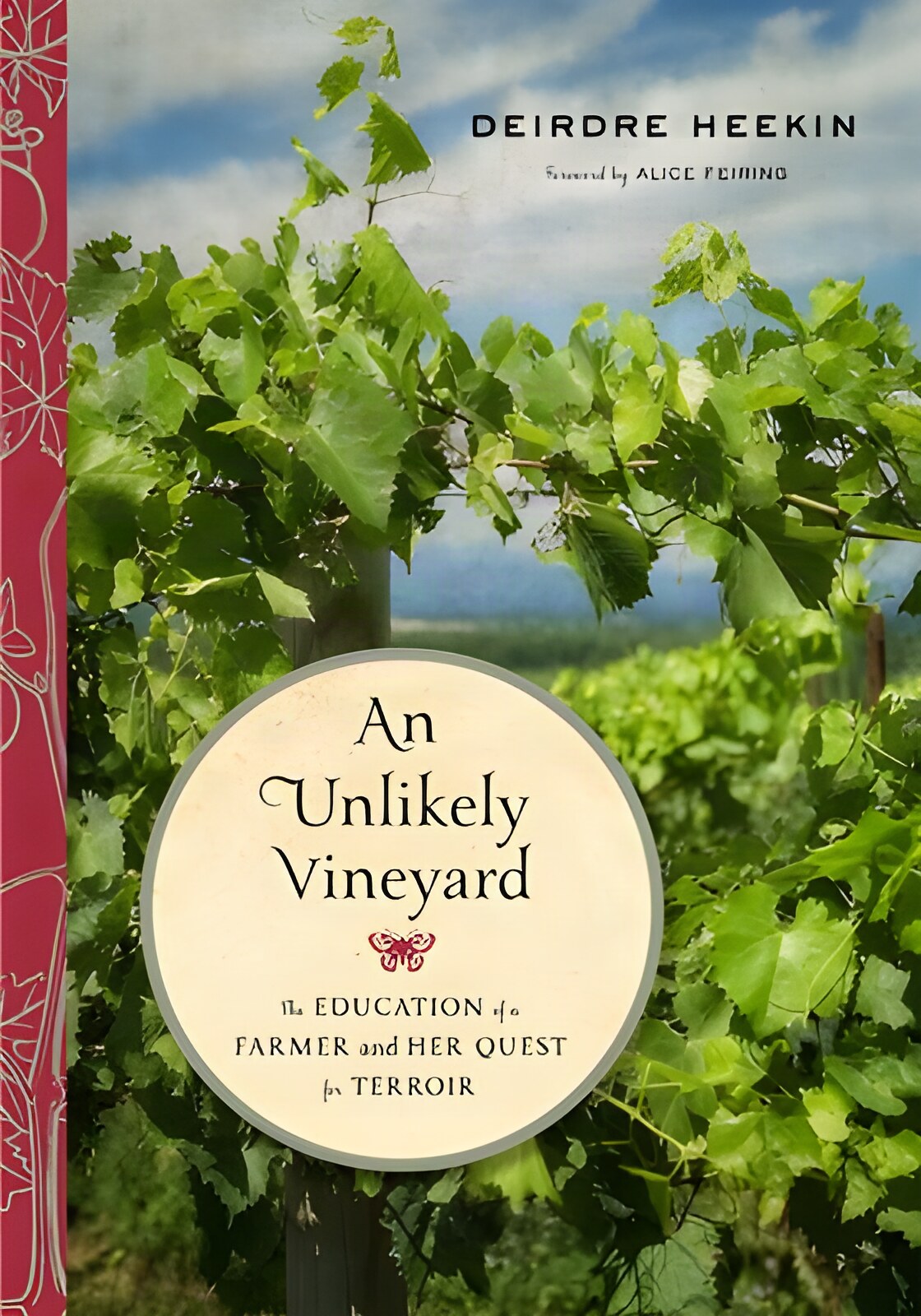
Hardcover. White River Junction VT, Chelsea Green Publishing, 1st, 2014, Book: Very Good, Dust Jacket: Very Good, Hardcover in a bright, unclipped dust jacket. Named one of the Best Wine Books of 2014 by The New York Times, An Unlikely Vineyard tells the evolutionary story of Deirdre Heekin's farm from overgrown fields to a fertile, productive, and beautiful landscape that melds with its natural environment. Is it possible to capture landscape in a bottle? To express its terroir, its essence of place-geology, geography, climate, and soil-as well as the skill of the winegrower? That's what Heekin and her chef/husband, Caleb Barber, set out to accomplish on their tiny, eight-acre hillside farm and vineyard in Vermont. Challenged by cold winters, wet summers, and other factors, Deirdre and Caleb set about to grow not only a vineyard, but an orchard of heirloom apples, pears, and plums, as well as gardens filled with vegetables, herbs, roses, and wildflowers destined for their own table and for the kitchen of their small restaurant. They wanted to create, or rediscover, a sense of place, and to grow food naturally using the philosophy and techniques gleaned from organic gardening, permaculture, and biodynamic farming. Clean copy.
Hardcover. Boston, Houghton, Mifflin and Company, 1st, 1907, Book: Good, Dust Jacket: None, Hardcover, 252 pages, illustrations throughout, 2nd spine label in rear, edited by John Nolen and typeface by Bruce Rogers. Edge wear and corner bump, minor rubbing, otherwise, clean and tight copy. Illustrated with 22 black and white plates (of which nine have overlays), 28 text figures, and a colour frontispiece (also with an overlay).
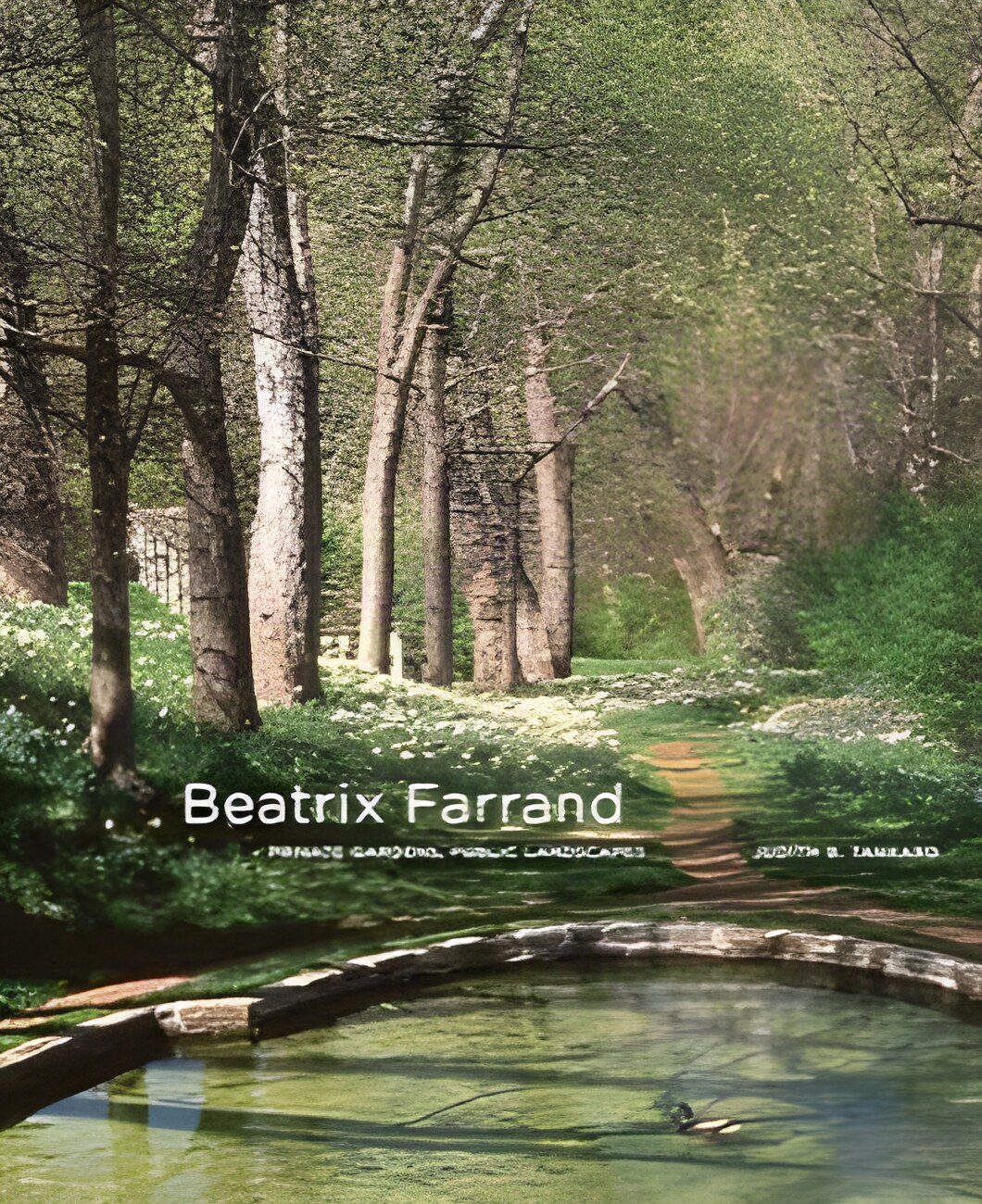
Hardcover. NY, Monacelli Press, 1st, 2009, Book: Very Good, Dust Jacket: Very Good, Hardcover in a bright dust jacket, 240 pages illustrated in color. Presents the life and work of one of the foremost landscape designers of the early 1900s. Born into a prominent New York family (she was the niece of Edith Wharton), Farrand eschewed the traditional social life of the Gilded Age to pursue her passion for landscape and plants. Many of her clients were members of the highest echelon of society with estates in Newport, the Berkshires, and Maine, but Farrand ultimately became a consultant for university campuses, including Yale and Princeton, and for public gardens, including the Santa Barbara Botanic Garden and the Rose Garden at The New York Botanical Garden. Perhaps her best-known work is the extensive garden at Dumbarton Oaks, originally a private residence and now a research institute of Harvard University. Deeply influenced by the English landscape designer Gertrude Jekyll, Farrand was known for broad expanses of lawn with deep swaths of borders planted in a subtle palette of foliage and flowers. Her gardens have been photographed at their peak especially for this book, and these lush illustrations are complemented by beautiful watercolor wash renderings of her designs, now preserved at the library of the University of California at Berkeley. Clean copy.
Hardcover. London, Frances Lincoln, 1st, 2011, Book: Good, Dust Jacket: Very Good, Hardcover in a bright dust jacket. 255 pages, illustrated in color and b&w. Brenda Colvin (1897-1981) ranks with Sylvia Crowe and Geoffrey Jellicoe as a pioneer of twentieth-century landscape design in Britain. This first full account of her life and work demonstrates her importance. Early in her career Colvin visited the USA to see the new civic landscaping projects, especially the parkways. In England she transformed the landscapes of power stations, reservoirs, industrial sites, new towns and national parks and worked on private gardens. Her simple planting style and her ecological approach had enormous influence. NOTE: There is a very mild ripple/wave throughout the pages, otherwise a clean, bright copy. DOMESTIC SHIPPING ONLY.
Softcover. Brattleboro VT, Brattleboro Museum & Art Center, 1st, 1986, Book: Very Good, Dust Jacket: None, Softcover, 59 pages with bibliography. B&w photos, 5 landscape planns laid in rear pocket. Traveling exhibition featuring the work of Beatrix Farrand; Fletcher Steele; James Rose; A. E. Bye; and Dan Kiley.
Hardcover. Boston, Bulfinch, 1st, 1999, Book: Very Good, Dust Jacket: Very Good, Hardcover in a bright dust jacket. Illustrated with 382 photographs and sketches, 152 in color. 9 3/4 x 10 5/8 inches. 224 pages. Dan Kiley has influenced generations of landscape designers, and his work has heightened our awareness of our surroundings through his lifelong tenet that the actions of people are integral to nature and its course. Despite his international renown, no comprehensive monograph has ever been published on Dan Kiley. Produced in close collaboration with the architect, this is the definitive book on the man and his oeuvre, from early projects to his most recent works. Remainder line to bottom edge, otherwise clean.
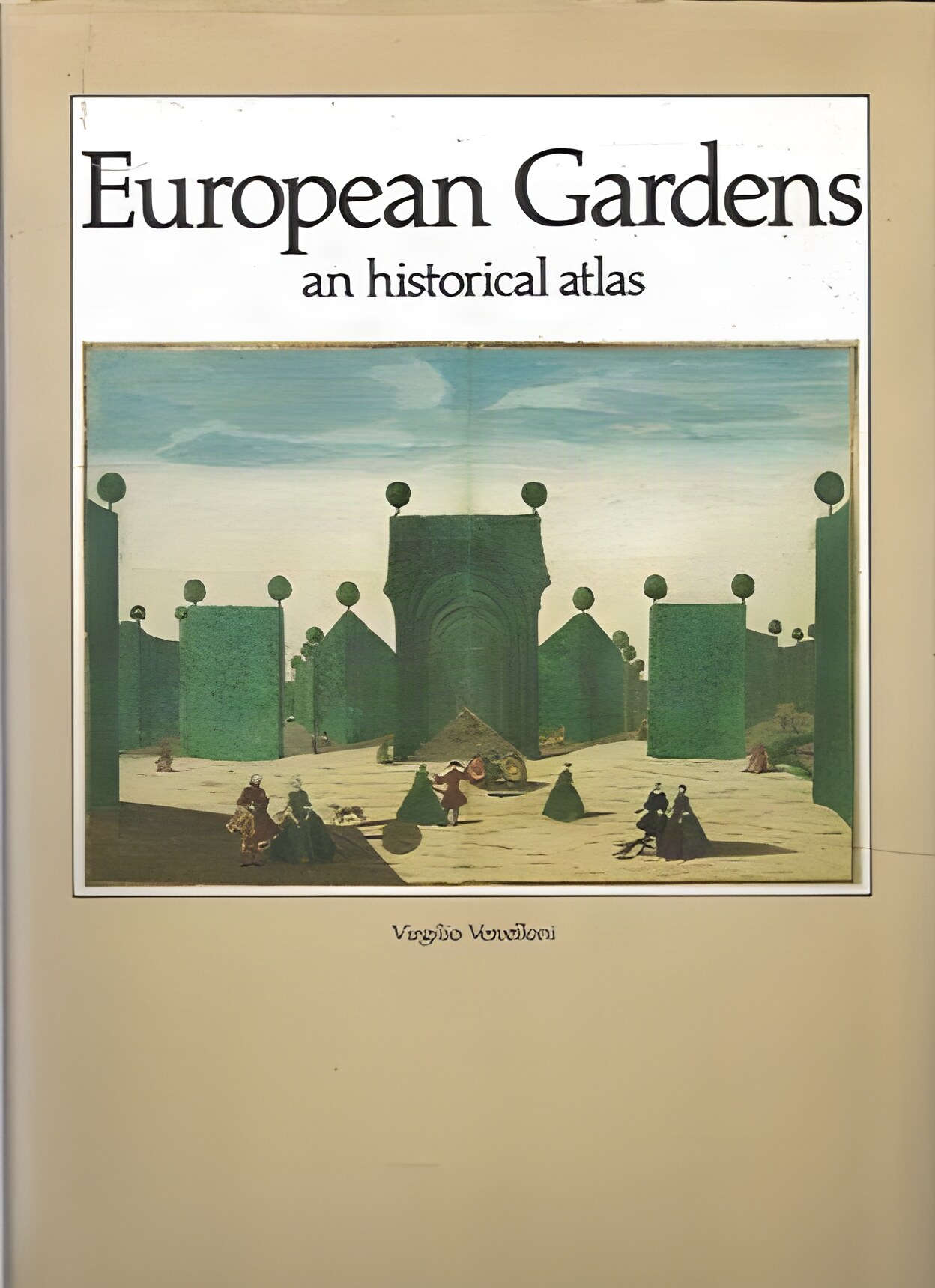
Hardcover. NY, Rizzoli, 1st US, 1990, Book: Very Good, Dust Jacket: Very Good, Hardcover in a bright dust jacket, 207 pages. Entertainingly idiosyncratic in its selection of material, this historical compendium of facts and fascinating lore takes off on a visual romp through the history of gardens. Rather than adhere to a conventional narrative format, Vercelloni--an Italian architect, city planner and landscape gardener--arranges his material as though it were a slide show, devoting each page to an image and accompanying text. Beginning with the "landscape" of the Ice Ages, forging ahead to the Renaissance and finally reaching contemporary times, the author presents a captivating grab-bag of information, covering such topics as the significance of flowers in Renaissance painting, the reasoning behind the 17th-century craze for tulips and the role of contemporary urban parks in society. With its strong visual orientation and pungent text, Vercelloni's "historical atlas" looks deftly and light-heartedly at humanity's ongoing love of gardens. Clean copy.
Hardcover. Princeton NJ, Princeton Architectural Press, 1st, 2001, Book: Very Good, Dust Jacket: Very Good, 326 pages, illustrated with b&w photographs, several color plates and architectural drawings by Vitale. Foreword by Horace Havemeyer III. Ferruccio Vitale is America's forgotten landscape architect. Though his works like Skylands and Longwood Gardens are well known, his name has been eclipsed by his contemporary, Frederick Law Olmsted, Jr. Yet Vitale's influence on the modern direction of landscape design and his promotion of it as a profession is arguably more significant than Olmsted's. His unique designs and philosophy, which challenged the then-dominant pictorial mode of landscape architecture, influenced generations of followers, and is still felt today. Vitale (1875-1933) developed his rationale designs, based on the principles of composition from the fine arts and architecture, in both civic commissions and, most notably, at the country estates of captains of industry and finance. He introduced an idealized and abstracted type of formal design that created beautiful spaces, structured large sites, and reflected informal and relaxed plant compositions. Ferruccio Vitale tours over 40 of his masterworks, photographed by some of the best landscape photographers of the time, including Samuel Gottscho. It recounts the compelling story of a life in the early twentieth century, influenced by immigrant dreams, social clubs, and professional connections, and its culmination in some of the greatest landscapes of the 20th century.
Hardcover. Princeton NJ, Princeton Architectural Press, 1st, 2001, Book: Very Good, Dust Jacket: Very Good, 326 pages, illustrated with b&w photographs, several color plates and architectural drawings by Vitale. Foreword by Horace Havemeyer III. Ferruccio Vitale is America's forgotten landscape architect. Though his works like Skylands and Longwood Gardens are well known, his name has been eclipsed by his contemporary, Frederick Law Olmsted, Jr. Yet Vitale's influence on the modern direction of landscape design and his promotion of it as a profession is arguably more significant than Olmsted's. His unique designs and philosophy, which challenged the then-dominant pictorial mode of landscape architecture, influenced generations of followers, and is still felt today. Vitale (1875-1933) developed his rationale designs, based on the principles of composition from the fine arts and architecture, in both civic commissions and, most notably, at the country estates of captains of industry and finance. He introduced an idealized and abstracted type of formal design that created beautiful spaces, structured large sites, and reflected informal and relaxed plant compositions. Ferruccio Vitale tours over 40 of his masterworks, photographed by some of the best landscape photographers of the time, including Samuel Gottscho. It recounts the compelling story of a life in the early twentieth century, influenced by immigrant dreams, social clubs, and professional connections, and its culmination in some of the greatest landscapes of the 20th century.
Hardcover. New York , Random House, 1st US, 1994, Book: Very Good, Dust Jacket: Good, Hardcover, 240 pages. Illustrated with color photos. Lavishly illustrated, THE GARDEN MAKERS profiles more than seventy gardeners, profesional and amateur, from Frederick Law Olmsted to Vita Sackville-West.
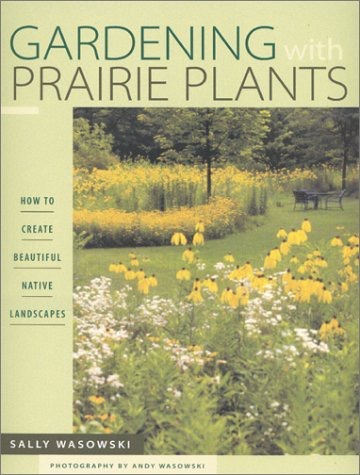
Softcover. Minneapolis, University Of Minnesota Press, 1st, 2001, Book: Very Good, Dust Jacket: None, Softcover, 285 pages illustrated in color. Why have home gardeners, professional horticulturists, and landscape preservationists increasingly been attracted to prairie plants? The beauty and hardiness of these flowers, grasses, trees, and shrubs, along with their easy maintenance and environmental friendliness, have spurred a surge of interest in prairie gardens. Whether you are considering adding these plants to a more conventional landscape or intending to "go native" all the way, Gardening with Prairie Plants is the most comprehensive resource and guide available. Clean copy.
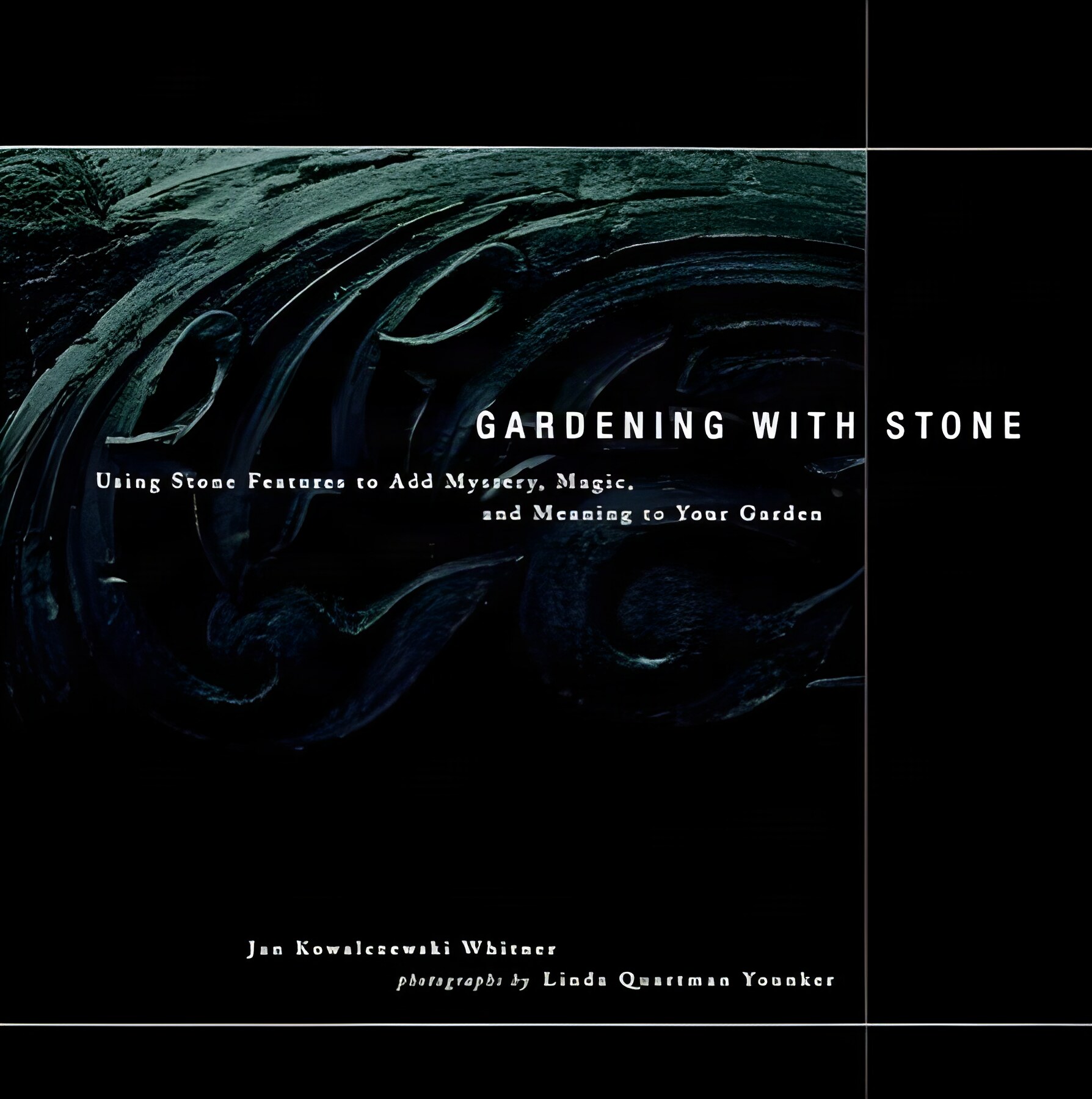
Hardcover. NY, Macmillan, 1st, 1999, Book: Very Good, Dust Jacket: Very Good, Hardcover in a bright dust jacket, 212 pages. Stone is an important, though often overlooked, element of creating the perfect garden. Stone can combine with plants and water in an infinite array to bring us landscapes that range from the serene and contemplative to the boisterous and exuberant. While much has been written about plants and water in the garden, only scant attention has been paid to stone. Jan Kowalczewski Whitner finds this an injustice. "Stone is eloquent, and it speaks in many voices," says Whitner. "Some of our most imaginative gardeners have used stone to transform ordinary plots of land into the cumulatively rich and evocative landscapes we all hope to create." With photographer Linda Quartman Younker, Whitner travels across America, exploring some of the most imaginative uses of stone in gardens ranging from orderly formal gardens to relaxed and cozy cottage plots. A good deal of the book is devoted to specific types of stones and stonework, such as using gravel or working with outcrops, with accompanying lists of plants that work well with each. Clean copy.
Hardcover. New York, Kodansha International, Reprint, 1984, Book: Very Good, Dust Jacket: Very Good, 228 pages. Hardcover with dust jacket. A very clean, unmarked copy with only minor wear to dust jacket edges. Black & white and color photographs throughout. A tight copy.
Hardcover. NY, W. W. Norton & Company, 1st, 2002, Book: Very Good, Dust Jacket: Very Good, Hardcover in a bright dust jacket, 224 pages illustrated throughout in color. Drawing upon more than twenty years of experience in horticulture and landscape design, the authors provide a colorful, cretive guide to composing eye-catching arrangements in different styles, from naturalistic to abstract for both residential and commercial settings. Clean copy.
Hardcover. Paris, Hachette, 1st, 1982, Book: Very Good, Dust Jacket: Very Good, Hardcover in a bright dust jacket with minor edgewear to rear panel. Beautifully illustrated volume on the extraordinary gardens of Paris, past and present. FRENCH TEXT. Clean copy. DUE TO WEIGHT, DOMESTIC SHIPPING ONLY.
Softcover. Baltimore, John Hopkins University Press, 1st, 1995, Book: Very Good, Dust Jacket: None, Softcover in illustrated wrappers, 304 pages. Illustrated with B&W engravings. Jens Jensen was one of America's greatest landscape designers and conservationists. Using native plants and "fitting" designs, he advocated that our gardens, parks, roads, playgrounds, and cities should be harmonious with nature and its ecological processes-a belief that was to become a major theme of modern American landscape design. In Jens Jensen: Maker of Natural Parks and Gardens, Robert E. Grese draws on Jensen's writings and plans, interviews with people who knew him, and analyses of his projects to present a clear picture of Jensen's efforts to enhance and preserve "native" landscapes.
Hardcover. Conran, 1st, 2007, Book: Very Good, Dust Jacket: Very Good, Hardcover, 208 pages. John Brookes is one of the world's most respected master gardeners; his more than 1,200 designs have forced a major rethinking of what gardens can be. This first-ever illustrated retrospective of Brookes's career is fascinating reading both for its rich insight into his life, and for opening a wondrous new window onto the garden designs he created for private clients, many of which have never been publicly viewed. More than 50 of the best examples of his work are on display, highlighted by 170 color photographs. Also featured are his explorations in adding movement and dimension to garden design, thoughts on the special considerations for garden entrances, and his understanding of the cultural context of the "room outside."
Hardcover. Washington DC, Dumbarton Oaks Research Library, 1st, 1998, Book: Very Good, Dust Jacket: Very Good, Hardcover in a bright dust jacket, 310 pages. John Evelyn (1620-1706), an English virtuoso and writer, was a pivotal figure in seventeenth-century intellectual life in England. He left an immensely rich literary heritage, which is of great significance for scholars interested in garden history and the histories of intellectual life and architecture. Evelyn is perhaps best known for Sylva, a compilation of thoughts on practical estate management, gardening, and philosophy, and the first book published by the Royal Society in London. As one of the group of learned men who founded the Royal Society in 1660 to promote scientific research, discussion, and publications, John Evelyn was at the center of many of the vital intellectual currents of the time. "Elysium Britannicum," Evelyn's unpublished manuscript of almost a thousand pages of densely packed drafts, rewrites, and projects, was perhaps something of an enigma to his contemporaries, who nevertheless urged its publication. It remains for scholars today a treasure-trove of fascinating insights on Evelyn and his milieu. Clean copy.
Hardcover. NY, Norton, 1st, 2009, Book: Very Good, Dust Jacket: Very Good, Hardcover, 304 pages, illustrated with photographs, plans and drawings. A survey of the work on seventy pre-war Long Island country houses by six landscape architects and designers: Beatrix Farrand, Maertha Hutcheson, Marian Coffin, Ellen Shipman, Ruth Dean, and Annette Flanders, as well as later work by Rose Standish Nichols, Marjorie Cautley, and ten others.
Hardcover. NY, St. Martin's Press, 1st US, 2014, Book: Very Good, Dust Jacket: Very Good, Hardcover in a bright, price-clipped dust jacket. 382 pages, 150 b&w photos and 24 pages in color. Clean copy. From 1946 to 1957, Vita Sackville-West, the British poet, bestselling author of All Passion Spent and maker of Sissinghurst, wrote a weekly column in the Observer depicting her life at Sissinghurst, showing her to be one of the most visionary horticulturalists of the twentieth-century. With wonderful additions by Sarah Raven, a famous British gardener in her own right who is married to Vita's grandson Adam Nicolson, Sissinghurst draws on this extraordinary archive, revealing Vita's most loved flowers, as well as offering practical advice for gardeners. Often funny and completely accessibly written with color and originality, it also describes details of the trials and tribulations of crafting a place of beauty and elegance.


 "Art of Landscape Gardening, Theby: Repton, Humphry")


 "Ferruccio Vitale: Landscape Architect of the Country Place Eraby: Schnadelbach, R. Terry")
 "Ferruccio Vitale: Landscape Architect of the Country Place Eraby: Schnadelbach, R. Terry")
 "Garden Makers, The - The Great Tradition of Garden Design from 1600 to the Present Dayby: Plumptre, George")
 "Gardens of Japan, The (English and Japanese Edition)by: Itoh, Teiji")
 "Grass Scapes - Gardening with Ornamental Grassesby: Quinn, Martin/Catherine Macleod")


 "Jens Jensen: Maker of Natural Parks and Gardensby: Grese, Robert E.")
 "John Brookes Garden and Landscape Designer: The Career and Work of Today's Most Influential Garden and Landscape Designerby: PhD, Barbara Simms")

 "Long Island Landscapes and the Women Who Designed Them by: Zaitzevsky, Cynthia")
 "Recommended Urban Trees - Site Assessment and Tree Selection for Stress Toleranceby: Bassuk, Nina/Deanna F. Curtis, BZ Marranca & Barb Neal")
 "Sissinghurst: Vita Sackville-West and the Creation of a Gardenby: Sarah Raven/Sackville-West, Vita")