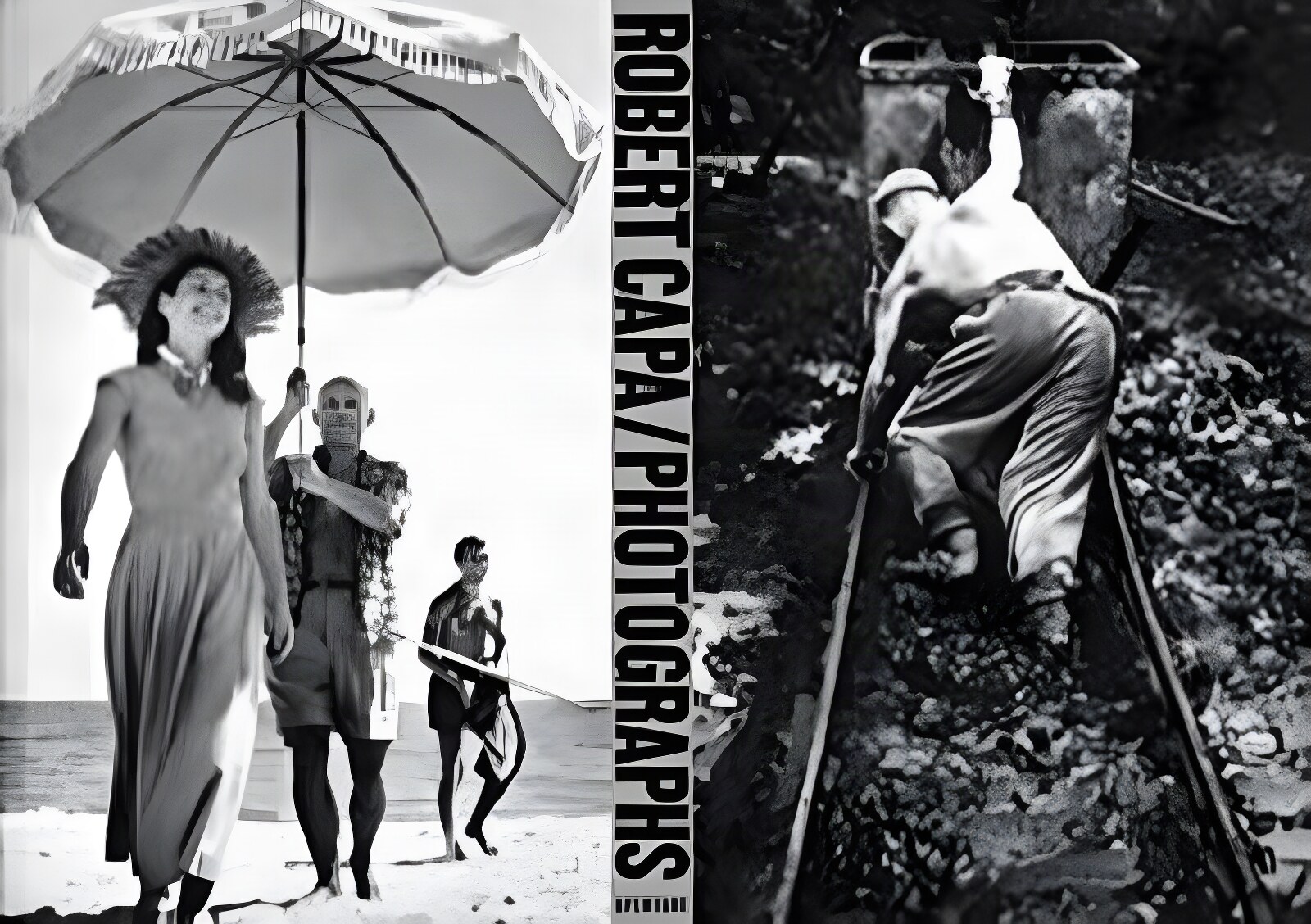
Hardcover. NY, Aperture, 1st, 2005, Book: Very Good, Dust Jacket: Very Good, Hardcover, 192 pages. Robert Capa: Photographs is a major retrospective of one of the century's greatest photographers. Drawing upon hundreds of previously unseen images, this collection reveals Capa as one of the great poets of the camera. In these photographs, we see the world through the eyes of a driven humanist who was also a documentarian of the highest caliber. While previous volumes on Capa have focused on his role as a war photographer, Robert Capa: Photographs shows us the remarkable range of his work: the sufferings as well as the tenderness, humor, and wonder of his subjects. The extraordinary book includes poignant comments by Capa's close friend Henri Cartier-Bresson and by Cornell Capa (Robert's younger brother and the Founding Director of the International Center of Photography), as well as a historical essay by Robert Capa biographer Richard Whelan. The dramatic collection of images in Robert Capa: Photographs shows that he captured-through the events of history-the very heart of humanity.
Hardcover. New Haven CT, Yale University Press, 1st, 2008, Book: Very Good, Dust Jacket: Very Good, Hardcover, 208 pages. This engrossing book presents the photographs of four historically engaged artists and explains what they reveal about the highly dramatic revolutionary and post-revolutionary period in Mexico from 1910 to 1935. The works of these photographers--American Walter H. Horne, Italian Tina Modotti, and Mexicans Agustin Victor Casasola and Manuel Alvarez Bravo--are discussed not just as windows onto events but as artworks that offer both objective reporting and stylized expression.The twenty-five years covered in the book encompass some of the most convulsive developments in Mexico, from the violence and cataclysmic changes wrought by the Mexican Revolution to the immense struggles to forge a new nation and a new government. During this period, the work of the four photographers--two primarily documentary, one propagandistic, and one artistic and personal--enabled Mexicans to understand the forces that had brought their nation to armed conflict and social transformation.
Schiffer Publishing, 1st, 2015, Book: Very Good, Dust Jacket: Very Good, Hardcover in a bright, unclipped dust jacket. 272 pages illustrated in color. Explore fashion history with legs at center stage--from the dawn of civilization through current-day trends. This book examines society's role in moving hemlines and in shaping "legcentric" traditions throughout history. What has changed or stayed the same in the course of fashion eras? How have legs appeared in dance, sport, performance, pageantry, and conventional or outre outfits? Find out how athletics, depictions in literature and art, and motifs in advertising and films reflect our changing times. Discover the styles, attitudes, customs, sex appeal, socially acceptable postures and walks, and more in this comprehensive view of leg fashions through the ages. Enjoy fashions from the waist down through 319 striking images explained in their historical context.
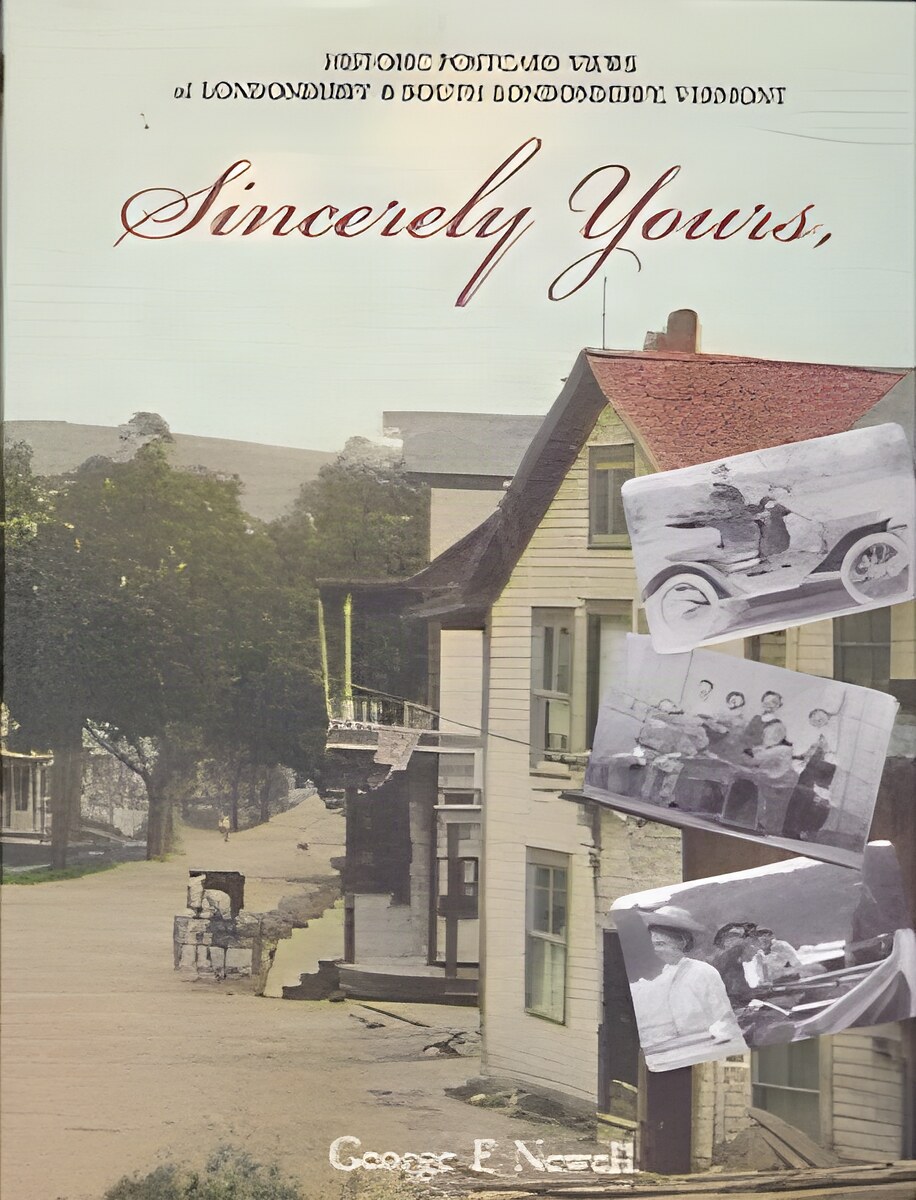
Hardcover. Poultney VT, Historical Pages Co., 1st, 2006, Book: Very Good, Dust Jacket: Very Good, Hardcover in a bright dust jacket, 153 pages. Hundreds of century-old photographs give remarkable insight into the life and times of Londonderry and South Londonderry through the eyes of those who once lived there. This collection covers the time period from 1890 to 1920 in this small, rural Vermont community through pictures of daily life and special events. Businesses, stores, churches, schools, inns, and early homesteads are all featured, as well as baptisms, horse drawn sleighs, families in their Sunday best, and its once booming rail centre. Descriptive text accompanies each photograph to bring the still frames to life and provide its historical context. Clean copy.
Hardcover. NY, Abrams , 1st, 2023, Book: Very Good, Dust Jacket: None, Hardcover, large format, blue cloth with color paste-downs on covers. 430 pages. The ultimate and most comprehensive collection of Slim Aarons photography ever released, featuring more than 100 previously unpublished images. This deluxe edition provides a deep and comprehensive look at the groundbreaking career of Slim Aarons, spanning five decades. The book begins with Slim's field work as an Army photographer and continues through his fledgling days in Hollywood, opening the LIFE bureau in Rome, fashion and travel shoots for Holiday, and finally traveling the world for Harper's Bazaar. With a new and definitive biographical essay, spotlights on key moments in his career, and exclusive insight from former associates, Slim Aarons: The Essential Collection gives readers an unprecedented look into Slim's private world. Author Shawn Waldron's text digs into Slim's biography in unprecedented detail and reveals new information, while award-winning journalist, historian, and New York Times bestselling author Lesley Blume provides historical context to Slim's career. Additionally, Slim's former assistant and author Laura Hawk reveals the intricacies of her and Slim's friendship, and historian, author, and Vanity Fair contributing editor Nick Foulkes explores Slim's influence on our current cultural moment. DOMESTIC SHIPPING ONLY.
Hardcover. US, The Monacelli Press, 1st, 2009, Book: Very Good, Dust Jacket: None, Hardcover, 128 pages. Lynn Davis, known for surveys of natural and man-made wonders, has long been fascinated with the objects and venues of space exploration. Her photographs of the architectural icons, cornerstones, and abandoned sites of the space race reflect the many facets of a historically complex industry: the beginnings of space exploration; the changing nature of technology; and a fascination with otherworldly ruins. She emphasizes the bold modernism of these sites while evoking the presence of obsolete technologies. Davis traveled to historic sites in Kazakhstan, Russia, Germany, French Guiana, and the United States. She received special permission to visit Baikonur in Kazakhstan, a leading launch site shrouded in secrecy since the 1950s, and her photographs offer one of the first inside glimpses of launches, transmission towers, fuel lines, and satellites.
Hardcover. US, The Monacelli Press, 1st, 2009, Book: Very Good, Dust Jacket: None, Hardcover, 128 pages. Lynn Davis, known for surveys of natural and man-made wonders, has long been fascinated with the objects and venues of space exploration. Her photographs of the architectural icons, cornerstones, and abandoned sites of the space race reflect the many facets of a historically complex industry: the beginnings of space exploration; the changing nature of technology; and a fascination with otherworldly ruins. She emphasizes the bold modernism of these sites while evoking the presence of obsolete technologies. Davis traveled to historic sites in Kazakhstan, Russia, Germany, French Guiana, and the United States. She received special permission to visit Baikonur in Kazakhstan, a leading launch site shrouded in secrecy since the 1950s, and her photographs offer one of the first inside glimpses of launches, transmission towers, fuel lines, and satellites.
Hardcover. New York, The Monacelli Press, 1st, 2009, Book: Very Good, Dust Jacket: None, Hardcover, 127 pages, color plates. Like new in publishers shrink-wrap. Lynn Davis, known for surveys of natural and man-made wonders, has long been fascinated with the objects and venues of space exploration. Her photographs of the architectural icons, cornerstones, and abandoned sites of the space race reflect the many facets of a historically complex industry: the beginnings of space exploration; the changing nature of technology; and a fascination with otherworldly ruins. She emphasizes the bold modernism of these sites while evoking the presence of obsolete technologies. Davis traveled to historic sites in Kazakhstan, Russia, Germany, French Guiana, and the United States. She received special permission to visit Baikonur in Kazakhstan, a leading launch site shrouded in secrecy since the 1950s, and her photographs offer one of the first inside glimpses of launches, transmission towers, fuel lines, and satellites.
Hardcover. New Bedford MA, Old Dartmouth Historical Society, 1st, 1982, Book: Very Good, Dust Jacket: None, Hardcover, red cloth with gilt lettering on spine. 221 pages, b&w photographs. The photographs and descriptive captions provide a wealth of information on the whaling vessel, its gear, shipboard routine, whaleboats, and the cutting in and processing of whales. The photographs the artist Ashley took for his own reference and constitute the most complete known pictorial record of a sperm whaling voyage. ... The photographs and descriptive captions provide a wealth of information on the whaling vessel, its gear, shipboard routine, whaleboats, and the cutting of whales. No dust jacket. Clean copy.
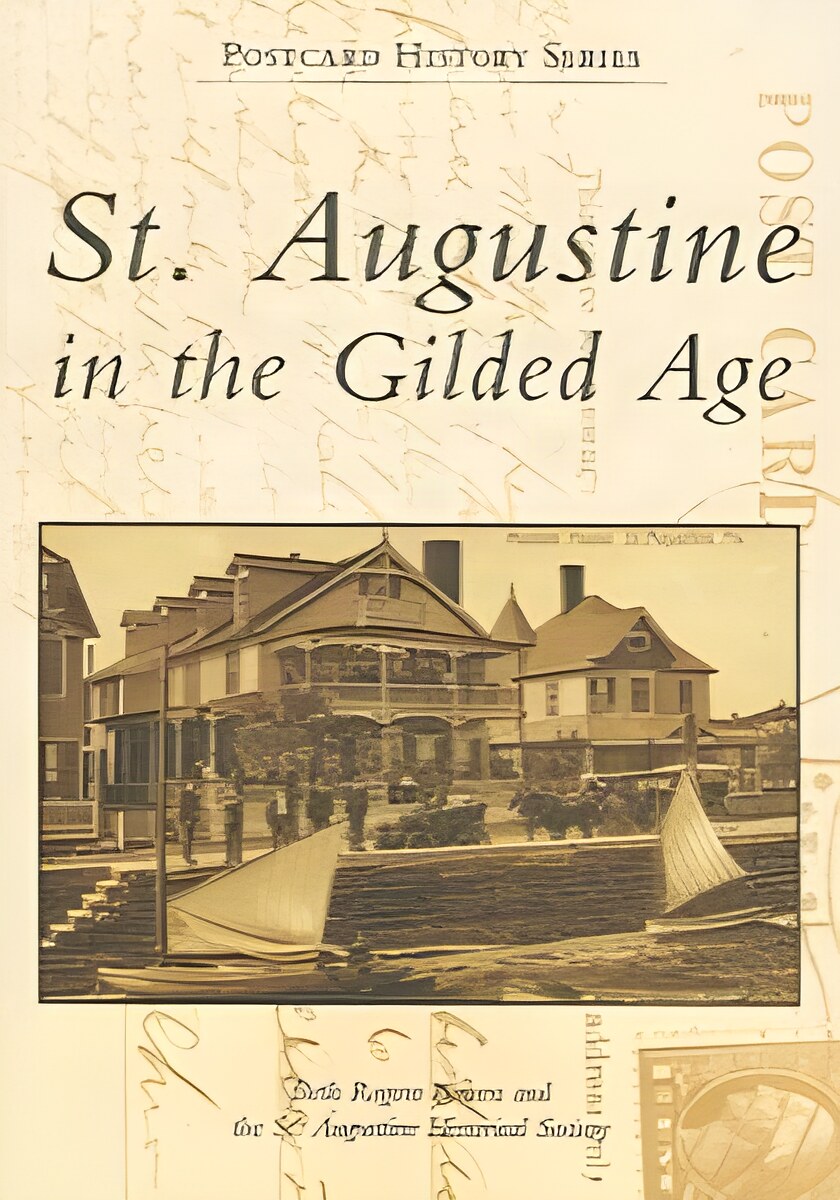
Softcover. Charleston SC, Arcadia Publishing, 1st, 2008, Book: Very Good, Dust Jacket: None, Softcover, 128 pages, b&w illustrations throughout. Depicts the oldest city in the United States from the beginning of the picture postcard era to 1914, when a fire destroyed several downtown blocks. The volume presents more than 200 images from the archives of the St. Augustine Historical Society and the author's personal collection. Related street map laid-in. Clean copy.
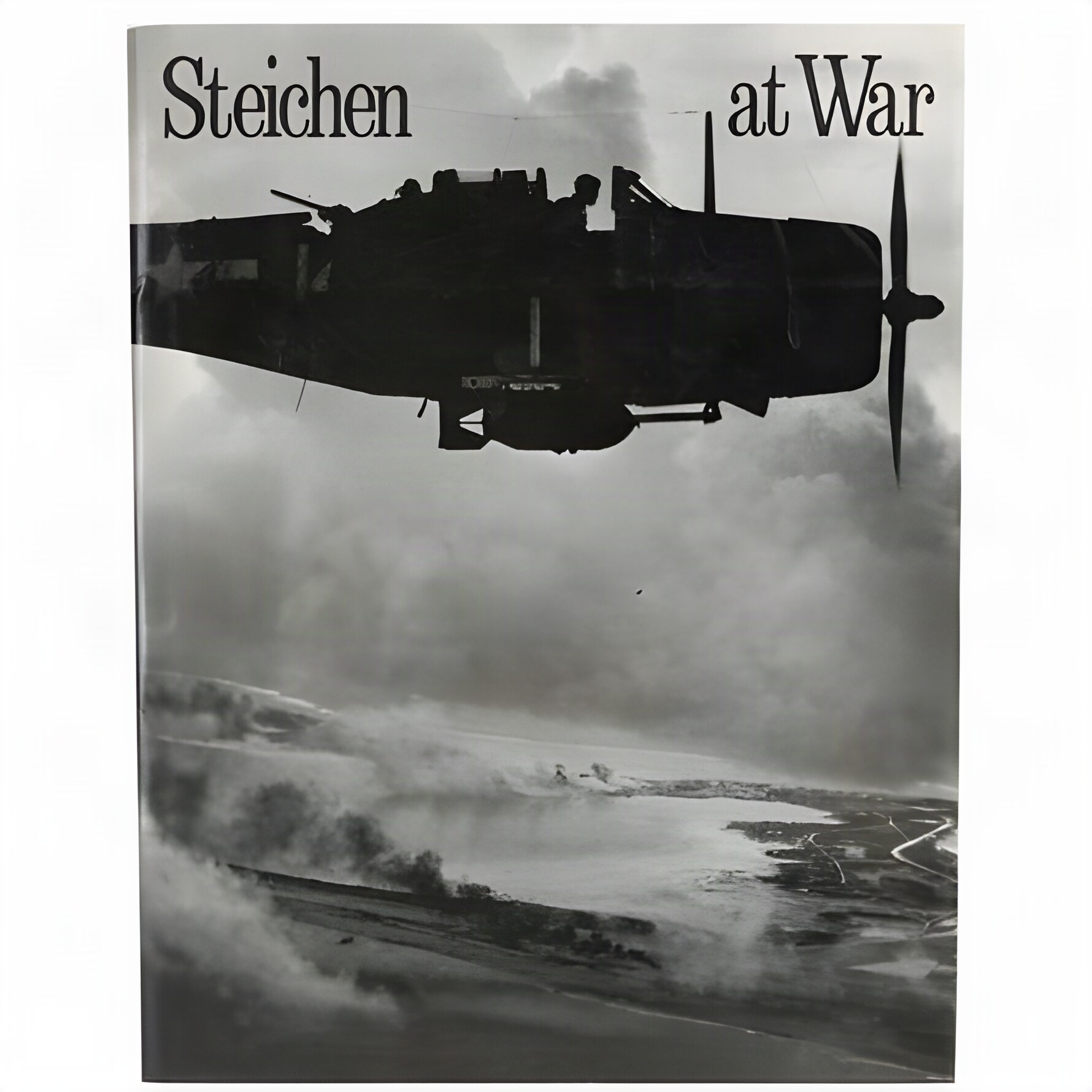
Hardcover. NY, Abrams, 1st, 1981, Book: Very Good, Dust Jacket: Very Good, Hardcover, 256 pages, in a bright, unclipped dust jacket. Edward Steichen virtually created the world of high fashion and advertising photography, but his military coverage of two World Wars was equally remarkable. He received the Croix de Guerre for pioneering photoreconnaissance as part of Pershing's American Expeditionary Force in 1918, and his team's shots of the American Navy's advance across the Pacific from 1942 to 1945 form the visual core of our memory of that crucial period. Tragically, however, Steichen's thousands of incisive images of military action were dissolved into the morass of the National Archives, and attempts to retrieve specific subjects of his are often as effective as trying to taste fine brandy after pouring it into a swimming pool. Hence the value of retrospectives such as Christopher Phillips' hefty book on Steichen's coverage of the U.S. Navy in the Pacific War. Combining skillfully chosen anecdotes from Steichen's life with vivid evocation of the pioneering photographer's joy in capturing memorable images, Phillips gives us not only an unforgettable slice of Steichen's work but also enough historical background to let readers sense the excitement and drama of a nation's best young warriors fighting for freedom's sake. Lieutenant Commander Steichen's parade of images didn't begin until after the pivotal Battle of Midway in June 1942, but the ensuing carrier warfare and savage island fighting appear in unforgettable clarity. As in all great photographs, the humanity of the subjects shines through amid their triumph, or pain, or mere existence. Students of both military history and photography can spend days poring over these astonishingly revealing images.
Hardcover. NY, Abrams, 1st, 1981, Book: Very Good, Dust Jacket: Very Good, Hardcover, 256 pages, in a bright, unclipped dust jacket. Edward Steichen virtually created the world of high fashion and advertising photography, but his military coverage of two World Wars was equally remarkable. He received the Croix de Guerre for pioneering photoreconnaissance as part of Pershing's American Expeditionary Force in 1918, and his team's shots of the American Navy's advance across the Pacific from 1942 to 1945 form the visual core of our memory of that crucial period. Tragically, however, Steichen's thousands of incisive images of military action were dissolved into the morass of the National Archives, and attempts to retrieve specific subjects of his are often as effective as trying to taste fine brandy after pouring it into a swimming pool. Hence the value of retrospectives such as Christopher Phillips' hefty book on Steichen's coverage of the U.S. Navy in the Pacific War. Combining skillfully chosen anecdotes from Steichen's life with vivid evocation of the pioneering photographer's joy in capturing memorable images, Phillips gives us not only an unforgettable slice of Steichen's work but also enough historical background to let readers sense the excitement and drama of a nation's best young warriors fighting for freedom's sake. Lieutenant Commander Steichen's parade of images didn't begin until after the pivotal Battle of Midway in June 1942, but the ensuing carrier warfare and savage island fighting appear in unforgettable clarity. As in all great photographs, the humanity of the subjects shines through amid their triumph, or pain, or mere existence. Students of both military history and photography can spend days poring over these astonishingly revealing images.
Hardcover. NY, Abrams, 1st, 1981, Book: Very Good, Dust Jacket: Very Good, Hardcover, 256 pages, in a bright, unclipped dust jacket. Edward Steichen virtually created the world of high fashion and advertising photography, but his military coverage of two World Wars was equally remarkable. He received the Croix de Guerre for pioneering photoreconnaissance as part of Pershing's American Expeditionary Force in 1918, and his team's shots of the American Navy's advance across the Pacific from 1942 to 1945 form the visual core of our memory of that crucial period. Tragically, however, Steichen's thousands of incisive images of military action were dissolved into the morass of the National Archives, and attempts to retrieve specific subjects of his are often as effective as trying to taste fine brandy after pouring it into a swimming pool. Hence the value of retrospectives such as Christopher Phillips' hefty book on Steichen's coverage of the U.S. Navy in the Pacific War. Combining skillfully chosen anecdotes from Steichen's life with vivid evocation of the pioneering photographer's joy in capturing memorable images, Phillips gives us not only an unforgettable slice of Steichen's work but also enough historical background to let readers sense the excitement and drama of a nation's best young warriors fighting for freedom's sake. Lieutenant Commander Steichen's parade of images didn't begin until after the pivotal Battle of Midway in June 1942, but the ensuing carrier warfare and savage island fighting appear in unforgettable clarity. As in all great photographs, the humanity of the subjects shines through amid their triumph, or pain, or mere existence. Students of both military history and photography can spend days poring over these astonishingly revealing images. DOMESTIC SHIPPING ONLY.
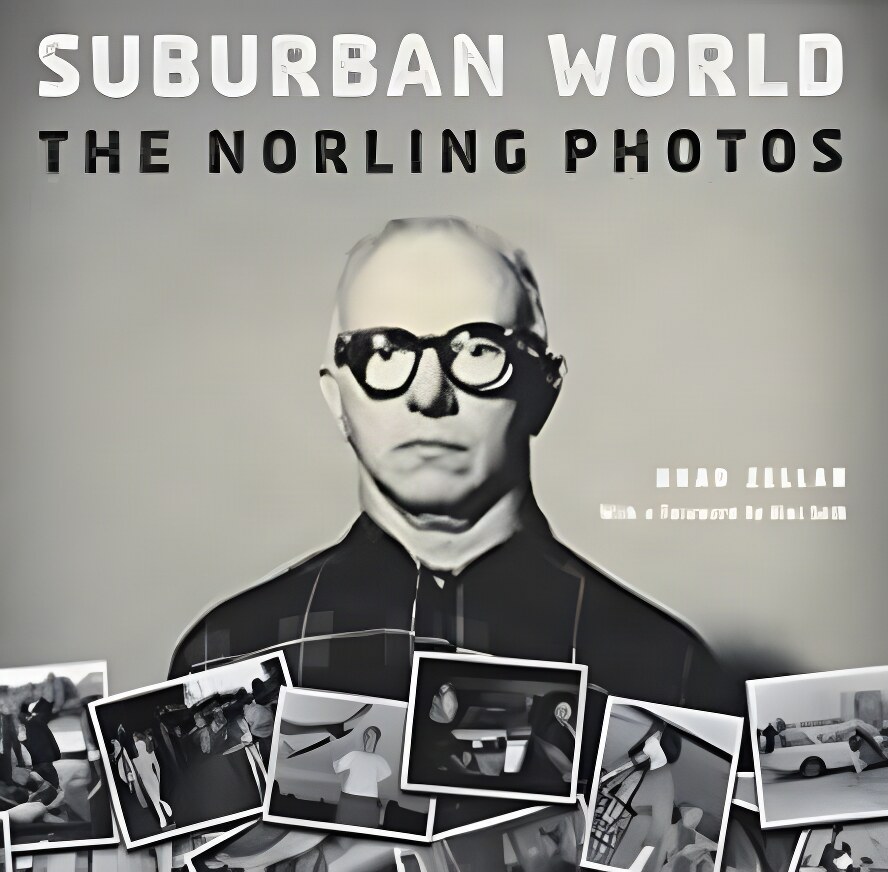
Hardcover. Borealis Books, 1st, 2008, Book: Very Good, Dust Jacket: Very Good, Hardcover, 144 pages. Men wearing suits jousting with sailfish. Head-on bridge collision. Men with linoleum. Kitchen murder-suicide. Firemen playing donkey baseball. Ideal woman in apron. Through more than 10,000 images, Irwin Denison Norling, the unofficial town photographer for Bloomington, Minnesota, captured the strange juxtapositions, incongruities, and dark corners of the developing suburban America of the 1950s and '60s. A competitive amateur glued to his police radio, Norling spent years examining the light and darkness, tragedies and desolation, rituals of community and celebration through the lens of his camera, deftly capturing the uneasy dichotomy between the familiar and subversive--the familiarly subversive. "That was the way it was. And the way it was, that's what I was after." In 2002 veteran journalist Brad Zellar unearthed Norling's negatives from the archive of the Bloomington Historical Society. Compelled by the work of this man who had all but drifted into obscurity, Zellar collects the best of these images in Suburban World, a fascinating window into the uneasy contradictions in Norling's unforgettable and unselfconscious, funny and gritty, not-too-distant past.
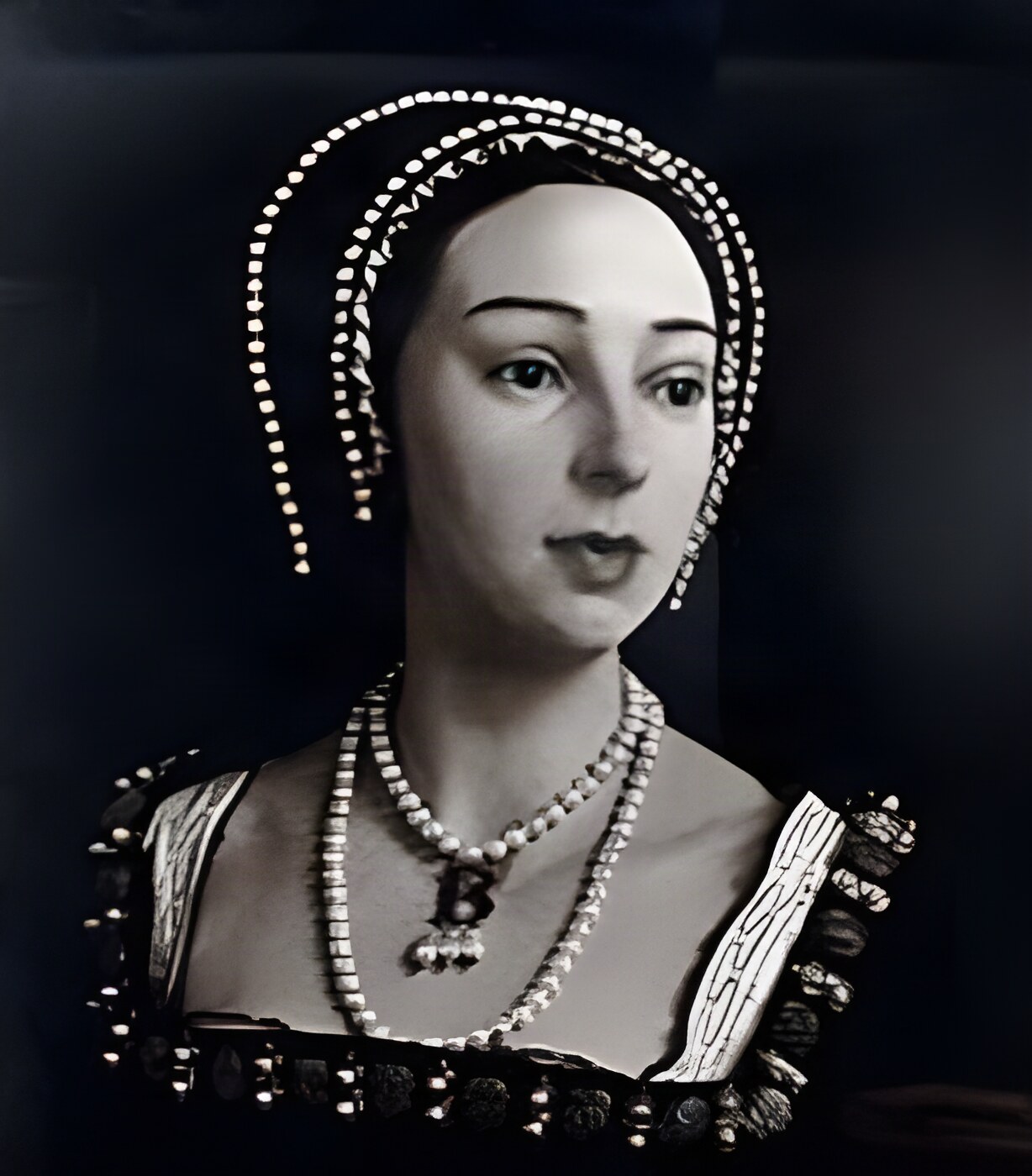
Hardcover. NY, Guggenheim / Abrams, 1st, 2000, Book: Very Good, Dust Jacket: Very Good, Hardcover in a bright dust jacket, 120 pages with 70 duotone plates. 11-1/4 x 10-1/4 inches. It seems as though the twenty-first century artist has traveled back in time nearly five hundred years to photograph his famous subjects. While Sugimoto's portraits of historical figures appear to capture a lived moment in time, they are fictions. They are Images of wax museum figures shot as portraiture. Remainder mark on top edge, otherwise clean. DOMESTIC SHIPPING ONLY.
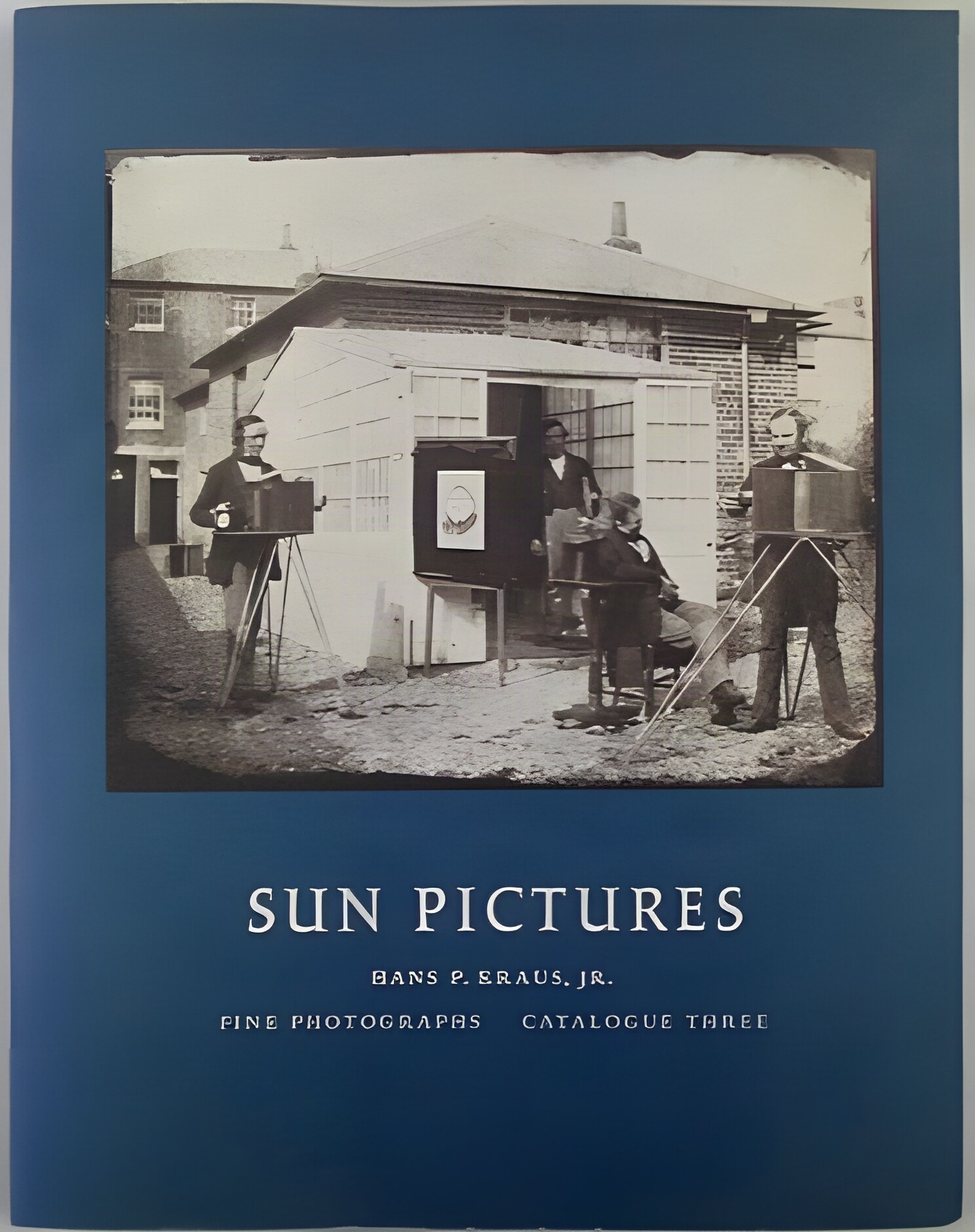
Softcover. NY, Hans P. Kraus, Jr., 1st, 1987, Book: Very Good, Dust Jacket: None, Softcover, 115 pages. Black and white reproductions of photos throughout. A catalog of early photographs offered for sale by Hans P. Kraus, Jr., focusing on the work of photographer William Henry Fox Talbot. This includes scholarship on his life, work and associates. Clean copy.
Hardcover. College Station TX, Texas A&M University Press, 1st, 2009, Book: Very Good, Dust Jacket: Very Good, Hardcover with dust jacket, 232 pages. Like new in publisher's shrink-wrap. A postcard craze gripped the nation from 1905 to 1920, as the rise of outdoor photography coincided with a wave of settlement and prosperity in Texas. "Taming the Land" presents, in a large, detailed format, photographic postcards from twenty-four counties in the booming Texas Panhandle. Each entry includes this historical context of the photo.
Softcover. Minneapolis, University of Minnesota Press, 1st, Book: Very Good, Dust Jacket: None, Softcover, 135 pages. The author has collected, arranged, and annotated picture postcards of Algerian women produced and sent by the French during the first three decades of the 20th century. From this album emerges a powerful analysis of the distorting, denigrating effects of the French colonial presence on Algerian society. Alloula's reading of the pohotographs locates them in their historical context and examines them through the lens of contemporary critical theory. Wraps with light edgewear, clean.
Softcover. New York, Brooklyn Museum, 1st, 1983, Book: Very Good, Dust Jacket: None, 180 pages, b&w and color photography. Very light edge wear, else a very clean, tight copy. Wonderful book on the great Brooklyn Bridge. Includes much historical material, chapters on the design of the bridge with several beautiful fold-outs, and many full color repros. of the many paintings and artwork that have been inspired by the beauty of one of the wonders of the modern world. Even includes a small filmog. of films that have used the Bridge as a background or a major location/set. Published on the 100th anniversary of the opening of the bridge and an exhibition celebrating it, held at The Brooklyn Museum.
Hardcover. NY, Harper Design, 1st, 2007, Book: Very Good, Dust Jacket: Very Good, Hardcover, 128 pages. In the early 1960s, Richard Avedon was commissioned by Harper's Bazaar to create Observations, a column that consisted of a series of nine photographic essays. The subject of the first essay was John F. Kennedy and his young family, who sat for formal black-and-white portraits just three weeks prior to Kennedy's presidential inauguration. Six images appeared in the magazine's February 1961 issue. That same day, Avedon created more informal color portraits of Kennedy and his family at the Kennedy compound in Palm Beach. One of these images ran as the cover of LOOK magazine's February 28 issue, with photographs by Avedon inside. Just before the magazine hit the newsstands and was delivered to over 6.5 million people, a set of photographs, comprised mostly of the LOOK images, was released by the White House and appeared in newspapers across the country. During his lifetime, Richard Avedon donated more than two hundred images to the Smithsonian Institution, including all of the photographs of the Kennedy family sitting for Harper's Bazaar. Smithsonian curator Shannon Thomas Perich has culled more than seventy-five images from that donation for The Kennedys: Portrait of a Family, making these stunning photographs available for view for the first time. Perich's introductory essay--accompanied by a wealth of archival photographs of both Avedon and the Kennedy family--provides historical background on the two sittings within a political and cultural context and critically examines the work of one of the finest photographers of the twentieth century. A foreword by Robert Dallek, distinguished historian and author of the bet-selling An Unfinished Life: John F. Kennedy, 1917-1963, provides authoritative and compelling insight to one of the most fascinating presidents in American history.
Hardcover. Princeton Architectural Press , 1st, 2004, Book: Very Good, Dust Jacket: Very Good, Hardcover, 144 pages. With photos taken in the mid 1980s the author takes us on a pictorial trip along the former Iron Curtain from the Baltic sea coast at Travemunde (West-East Germany) to the Adriatic sea coast at Trieste (Italy-Yugolsalvia [today Slovenia]); with a separate chapter on the Berlin Wall. They are superb photos full of (sad) atmosphere, poignancy and historical importance.
Hardcover. Center for American Places, 1st, 2005, Book: Very Good, Dust Jacket: Very Good, Hardcover, 232 pages. The Mississippi River flows through American history and culture as a mythic waterway brimming with tragedy and hope, and awash in passionate ambitions and harsh realities. In 1953, a young Charles Dee Sharp traveled twice down the Mississippi (first by towboat and then by car along the renowned river road Highway 61) to make a documentary film of it, taking black-and-white photographs of the river, its communities, and its people. While Sharp's documentary never came to fruition, the striking images he captured survived as moving and evocative historical testaments to a lost era, now collected in his new book The Mississippi in 1953. These images create a vivid portrait of America's heartland a half century ago, and they are enriched with excerpts from Sharp's original trip journal, intriguing anecdotes from the people he encountered along his journey, and an engaging environmental history of the river by historian John O. Anfinson. The Mississippi in 1953 offers an original and poignant look at the living artery of the American landscape and how it molded the United States into the nation it is today.
Hardcover. NY, Norton, 1st US, 1985, Book: Very Good, Dust Jacket: Very Good, Hardcover in a bright dust jacket, 192 pages. The photos are breathtaking not necessarily for their quality - many are washed out and most of the subject matter is routine day to day military stuff - but for their rarity. While the Germans seem to have been at least as far advanced in the use of color photography as the Americans, there is still a paucity of color photography in the public record. That is being addressed by the various nations who took large amounts of color film in an official capacity, including the US, UK, Germany and Canada. The book's captions are adequate to the task, and there are good historical sections, as well as an introduction by Max Hastings as well as commentary by an actual German war correspondent. The strength of the book is in its ability to bring the participants of the subject campaign - the German invasion of Russia up to and including Stalingrad - to life. The use of a large format allows one to note small details of the photos, and relate to the subject matter on a personal level. Despite the lack of "action" shots, there is much to see in facial expressions, uniform details, and especially geography as the Russian steppe is shown in summer and winter, as well as the famous Russian mud (Rasputitsa) about which so much has been written.
Hardcover. Boston, MFA Publications, 1st, 2012, Book: Very Good, Dust Jacket: None, Hardcover in a bright dust jacket. 295 pages in color. In the decades around 1900, a postcard craze swept the world, and billions of cards were bought, mailed and pasted into albums. Many famous artists turned to the new medium, but one of the great pleasures and enigmas of postcards is how some of the most beautiful and interesting examples were made by artists whose names we barely know. Drawing on the riches of the Leonard A. Lauder Postcard Collection (probably the finest and most comprehensive collection of its type), this gorgeous book traces the historical and cultural themes--enthralling, exciting, and sometimes disturbing--of the modern age. The first general publication on the postcard as an artistic medium since the mid-1970s, The Postcard Age is organized thematically, with chapters devoted to urban life, the changing role of women, sports, celebrity, new technologies, the stylish collectors' cards of Art Nouveau and World War I. The result is at once a vivid picture of the concerns and pastimes of the turn of the century and a sampler from the Lauder's vast archives. Still in publisher's shrink wrap.

 "Seeing Mexico Photographed: The Work of Horne, Casasola, Modotti, and Alvarez Bravoby: Leonard Folgarait")
 "She's Got Legs: A History of Hemlines and Fashionby: Jane Merrill , Keren Ben-Horin , et al.")



 "Space Projectby: Davis, Lynn (Photographer)")
 "Space Projectby: Davis, Lynn (Photographer)")
 "Space Projectby: Davis, Lynn")

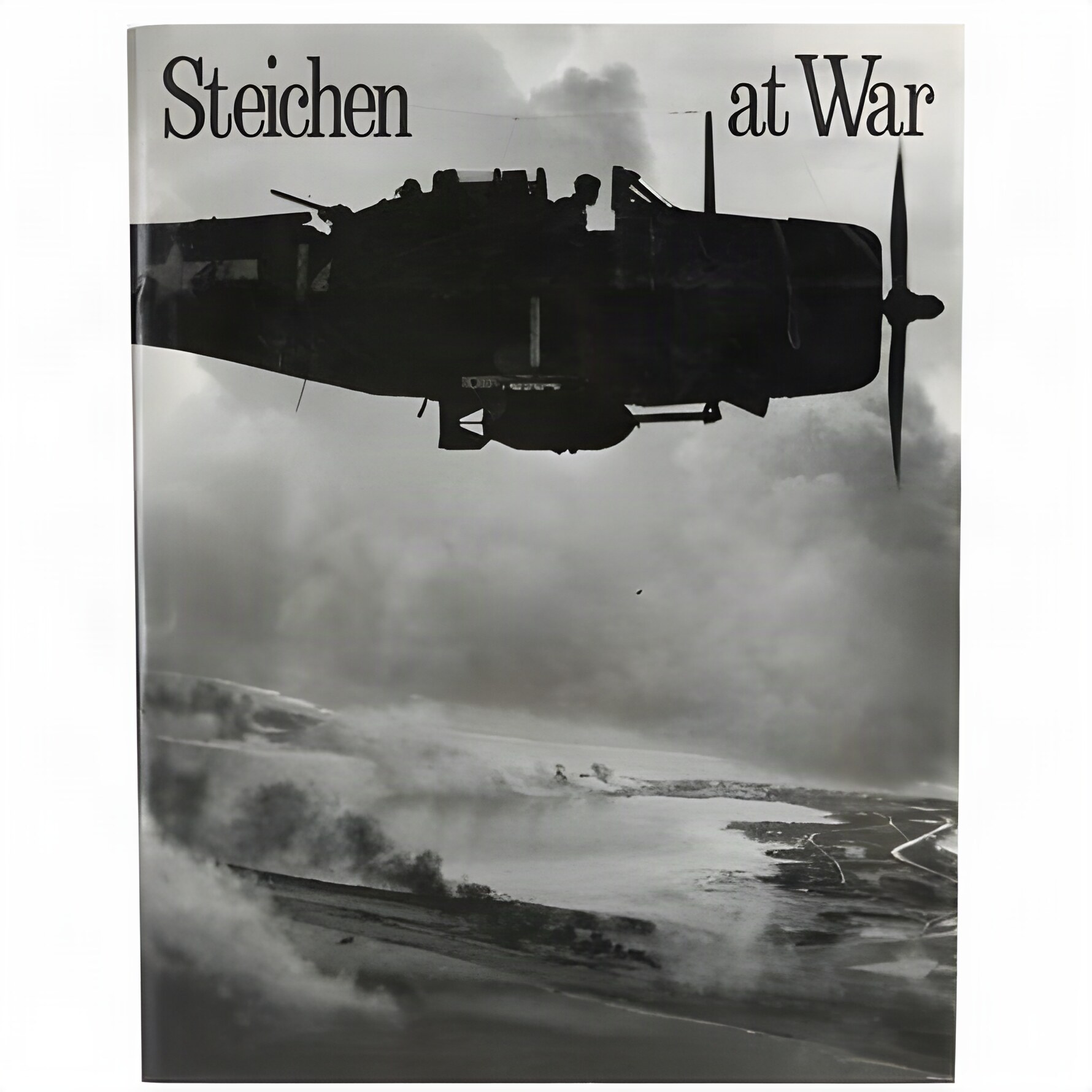
 "Steichen At Warby: Christopher Phillips")
 "Taming the Land : The Lost Postcard Photographs of the Texas High Plainsby: Morris , John Miller")
 "The Colonial Harem by: Malek Alloula")
 "The Great East River Bridge, 1883-1983by: No Author (Brooklyn Museum)")



 "The Lost Border: The Landscape of the Iron Curtainby: Brian Geoffrey Rose")
 "The Mississippi River in 1953: A Photographic Journey from the Headwaters to the Deltaby: Sharp, Charles Dee")
 "The Onslaught: The German Drive to Stalingrad : Documented in 150 Unpublished Colour Photographs by: Heinrich Von Einsiedel")