Hardcover. Boston, Richard B. Badger, 1st, 1912, Book: Very Good, Dust Jacket: None, Hardcover, 292 pages. Octavo in original gilt lettered red cloth and gilt top edge with b&w plates (including frontispiece) from photos and maps on endpaper. "The author spent several seasons in (the) .Labrador interior, 1903-10, and records here his knowledge of the country, the trails, hunting & fishing among the Montagnais Indians." Previous owner's bookplate otherwise clean.
Softcover. Bangor ME, Bangor and Aroostook Railroad , 1st, 1941, Book: Very Good, Dust Jacket: None, Softcover. Published by the Bangor and Aroostook Railroad, this wonderfully evocative magazine brings the unspoiled Maine woods of pre-World War II back to life. The magazine has articles on a variety of topics, including camping, canoeing, Indian relics, Maine guides, Moosehead Lake and climbing Mt. Katahdin. Illustrated throughout with black and white photos designed to make you drop everything and head North. With canoeing map, list of big game records for 1940, Sportsman's Directory of camps, hotels and fishing waters reached by the railroad and 39 pages of vintage advertisements. 128 pages. Light edgewear, small name on first page, otherwise clean.
Softcover. NY, Viking Press, Uncorr. proof, 1983, Book: Very Good, Dust Jacket: None, Softcover, yellow wrappers. Unrevised and unpublished proofs. Page numbers hand written, 562 pages. SIGNED BY MATTHIESSEN on half-title page: "With best wishes/Peter Matthiessen". The author's controversial and suppressed book about the confrontation between American Indian activists and the FBI in the early 1970s at Pine Ridge Reservation near Wounded Knee. Clean, bright copy.
Hardcover. New York, Hunt & Eaton, 1st, 1892, Book: Good, Dust Jacket: None, Hardcover, 562 pages. B&w frontispiece and b&w photographs throughout. Decorated cover with minor soiling and wearing and rubbing to edges. Ex-library stickers on front flyleaf and rear endpapers. Decorated endpapers.
Hardcover. Delhi, Oxford University Press, USA, 1st, 1993, Book: Very Good, Dust Jacket: Very Good, Hardcover, 426 pages. Light wear to dust jacket with small closed tear to upper edge of rear cover. Clean, tight copy.
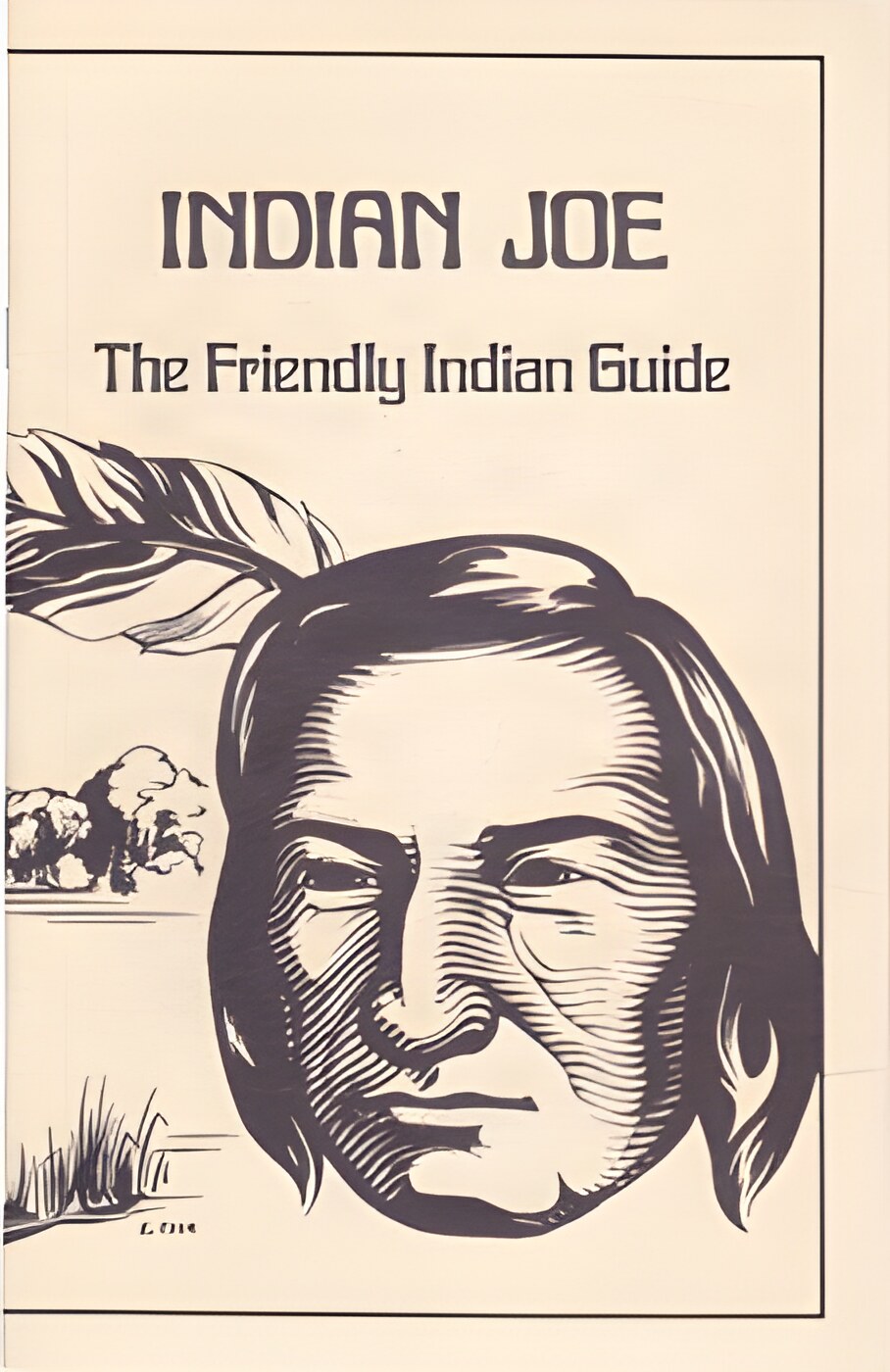
Softcover. West Danville VT, United Methodist Church, 1st, 1976, Book: Very Good, Dust Jacket: None, Softcover booklet, stapled wrappers, 16 pages. Indian Joe was a Native American guide active in the early conflicts and settlement of Vermont in the 1700s. B&w illustrations, photo of his tomb in the Oxbow cemetery in Newbury, Vermont. Clean copy.
Hardcover. Boston, Rand Avery Company, 1st, 1915, Book: Very Good, Dust Jacket: None, Hardcover, blue cloth with black lettering, 92 pages, 7 b&w plates. A collection of folklore from in and around the "Crystal Hills" of New Hampshire gathered from tales of old settlers and records in historical societies and town libraries. Clean copy.
Hardcover. Hartfort CT, privately printed, 1st, 1881, Book: Very Good, Dust Jacket: None, Hardcover, 11 page introduction plus 93 pages, green cloth with black rules, lettering. One of only 250 copies. Previous owner's bookplate on inside front cover, otherwise very good.
Hardcover. Hartford CT, Hurlbut, Scranton & Co., 1st, 1864, Book: Very Good, Dust Jacket: None, Hardcover, 763 pages, illustrated with many full-page plates, most hand-colored (including second title page). Leather bound with some splitting along spine edges. Black spine label with gilt lettering. Internally very good, minor foxing.
Hardcover. Princeton NJ, Princeton University Press, 1st, 1982, Book: Very Good, Dust Jacket: Very Good, Hardcover in a bright dust jacket, 386 pages. In a study of the vitality of Islam in late-nineteenth-century north India, Barbara Metcalf explains the response of Islamic religious scholars ('ulama) to the colonial dominance of the British and the collapse of Muslim political power. Clean bright copy of the first printing.
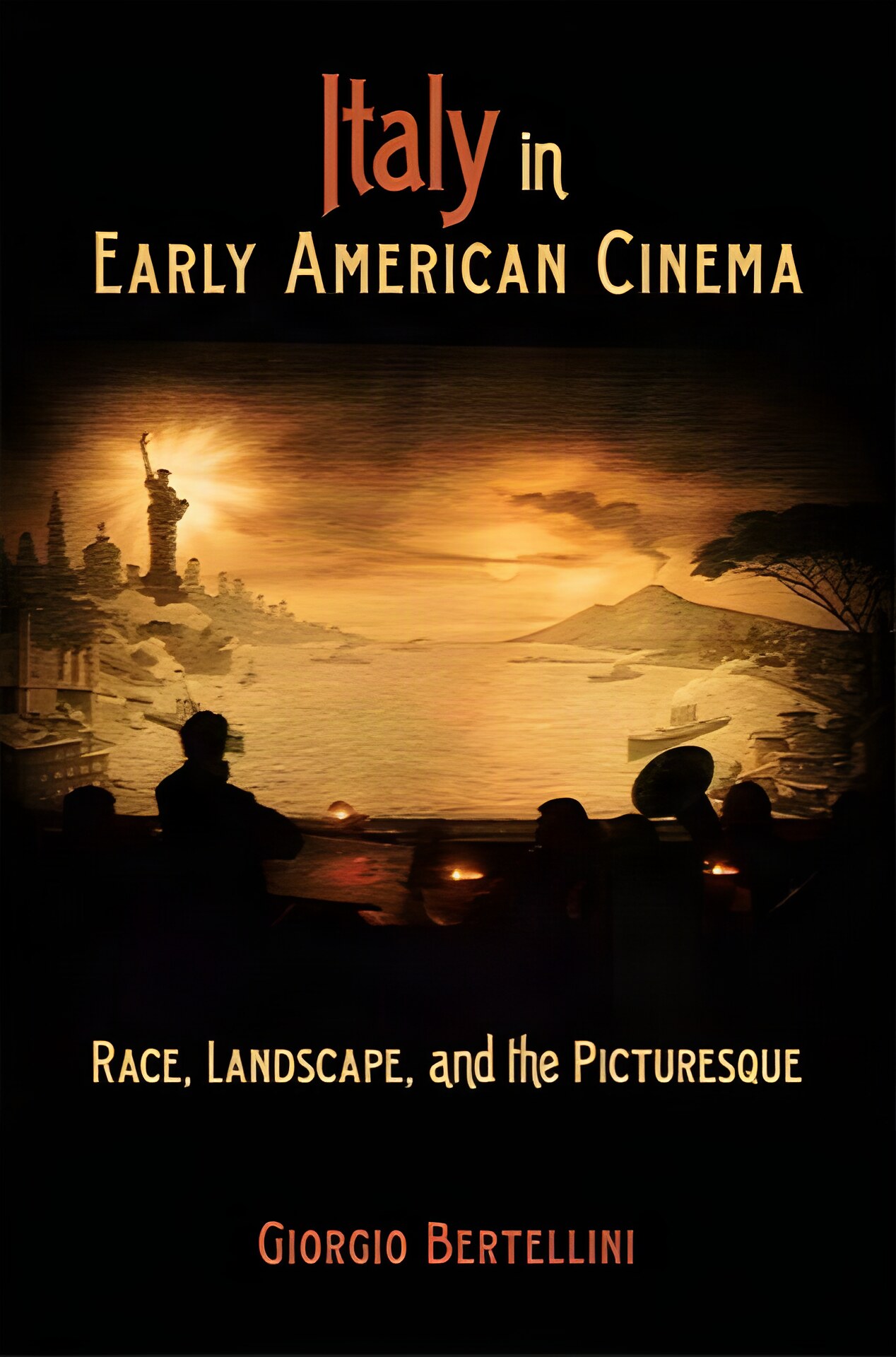
Softcover. Bloomington, Indiana University, 1st, 2010, Book: Very Good, Dust Jacket: None, Softcover, 443 pages, b&w illustrations, index. Traces the origins of American cinema's century-long fascination with Italy and Italian immigrants to the popularity of the pre-photographic aesthetic - the picturesque. "To read Bertellini's superb book is to enter into an intense, rich, and intricately layered experience of Italian immigrant culture in the New York of the 1900's and 1910's." Clean copy.
Hardcover. Indianapolis, Bobbs-Merrill Company, Reprint, 1907, Book: Good, Dust Jacket: None, Hardcover, 323 pages. With Illustrations by William Rainey, R. I. Minor spine edge and corner wear. Previous owner's inscription on front fly leaf. Decorated front cover. Clean pages and tight binding.
Hardcover. New Haven CT, Yale University Press;, 1st, 2009, Book: Very Good, Dust Jacket: Very Good, Hardcover, 180 pages. John Gutmann (1905-1998) was one of America's most distinctive photographers. Born in Germany where he trained as an artist and art teacher, he fled the Nazis in 1933 and settled in San Francisco, reinventing himself as a photo-reporter. Gutmann captured images of American culture, celebrating signs of a vibrant democracy, however imperfect. His own status as an outsider--a Jew in Germany, a naturalized citizen in the United States--informed his focus on individuals from the Asian-American, African-American, and gay communities, as well as his photography in India, Burma, and China during World War II. This handsome book acknowledges Gutmann's place in the history of photography. Drawing on his archive of photographs and papers at the Center for Creative Photography, it presents both unfamiliar works and little-known contexts for his imagery, linking his photography to his passionate interest in painting and filmmaking, his collections of non-Western art and artifacts, and his pedagogy. In addition to a major essay by Sally Stein, the volume includes an introduction by Douglas R. Nickel, and an overview of the Gutmann archive by Amy Rule.
Hardcover. New Haven CT, Yale University Press;, 1st, 2009, Book: Very Good, Dust Jacket: Very Good, Hardcover, 180 pages. John Gutmann (1905-1998) was one of America's most distinctive photographers. Born in Germany where he trained as an artist and art teacher, he fled the Nazis in 1933 and settled in San Francisco, reinventing himself as a photo-reporter. Gutmann captured images of American culture, celebrating signs of a vibrant democracy, however imperfect. His own status as an outsider--a Jew in Germany, a naturalized citizen in the United States--informed his focus on individuals from the Asian-American, African-American, and gay communities, as well as his photography in India, Burma, and China during World War II. This handsome book acknowledges Gutmann's place in the history of photography. Drawing on his archive of photographs and papers at the Center for Creative Photography, it presents both unfamiliar works and little-known contexts for his imagery, linking his photography to his passionate interest in painting and filmmaking, his collections of non-Western art and artifacts, and his pedagogy. In addition to a major essay by Sally Stein, the volume includes an introduction by Douglas R. Nickel, and an overview of the Gutmann archive by Amy Rule.
Hardcover. New York , Metropolitan Books, 1st US, 2012, Book: Very Good, Dust Jacket: None, Hardcover, 191 pages, illustrated throughout in color and b&w. Clean, unmarked copy in excellent condition. Over the past decade, Joe Sacco has increasingly turned to short-form comics journalism to report from conflict zones around the world. Collected here for the first time, Sacco's darkly funny, revealing reportage confirms his standing as one of the foremost war correspondents working today. Journalism takes readers from the smuggling tunnels of Gaza to war crimes trials in The Hague, from the lives of India's "untouchables" to the ordeal of Saharan refugees washed up on the shores of Malta. And in pieces never published before in the United States, Sacco confronts the misery and absurdity of the war in Iraq, including the darkest chapter in recent American history-the torture of detainees.
Hardcover. Auburn NY, Knapp, Peck and Thomson, 1st, 1887, Book: Fair, Dust Jacket: None, Hardcover, original red cloth, gilt titles and rules, blind-stamped double border. 581 pages including Errata leaf. Includes several fold-out maps, plus pockets inside the front and rear boards containing maps and plans. Engraved frontispiece of Sullivan, engraved portraits in text of Brigadier General James Clinton, Colonel Peter Gansevoort (from a portrait by Gilbert Stuart, famous for his portrait of George Washington), and Colonel Philip Van Cortlandt. John Sullivan was an American general in the Revolutionary War and a delegate in the Continental Congress. Sullivan served as a major general in the Continental Army and as Governor (or 'President') of New Hampshire. He is most famous for leading the Sullivan Expedition in 1779, a scorched earth campaign against the Iroquois towns that had taken up arms against the American revolutionaries. This volume contains journals by 27 officers present during the campaign, and has become the authoritative primary source of the event. Both front and rear hinges cracked with spine cloth loose, battlefield map at page 288 has a tear but no loss, front signature with title page loose but whole. All other maps present in envelopes and in very good condition. Covers worn.
Hardcover. Fort Worth, TCU Press, Reprint, 1981, Book: Very Good, Dust Jacket: Very Good, Two hardcover volumes,. Volume 1 - 164 pages. Ceremonial Dance, Ritual and Song. Full color and black & white illustrations. Dust jacket in clear plastic protective cover. Clean, tight copy. Volume 2 - 323 pages. Myths, Legends and Folktales. Full color and black & white illustrations. Dust jacket in clear protective cover. Clean, tight copy.
Softcover. New York, Princeton Architectural Press, 1st, 2006, Book: Very Good, Dust Jacket: None, 192 pages. Softcover. A very clean, unmarked copy with only minor wear to edges. Black and white portraits of citizens of Indiana, taken over 4 decades.
Hardcover. Cincinnati OH, George Conclin, 6th Ed., 1841, Book: Very Good, Dust Jacket: None, Hardcover, 288 pages, 9 b&w woodcut illustrations. Sixth edition, first published in 1838. Tan cloth, paper label on spine, label is chipped, worn in areas. Covers with light soil. Still, internally a tight, clean copy with light foxing.
Hardcover. US, Combined Books, 1st, 1993, Book: Very Good, Dust Jacket: Very Good, Hardcover, 312 pages, b&w illustrations. Light shelf-wear to dust jacket, else a clean, tight copy. The destruction of George Armstrong Custer's command at Little Bighorn by the Sioux and Northern Cheyenne on 25 June, 1876 has been etched in the national memory and has remained one of America's longest lingering controversies. The Little Bighorn Campaign penetrates the mysteries of Custer's disaster as well as the broader context of the 1876 campaign against the Sioux.
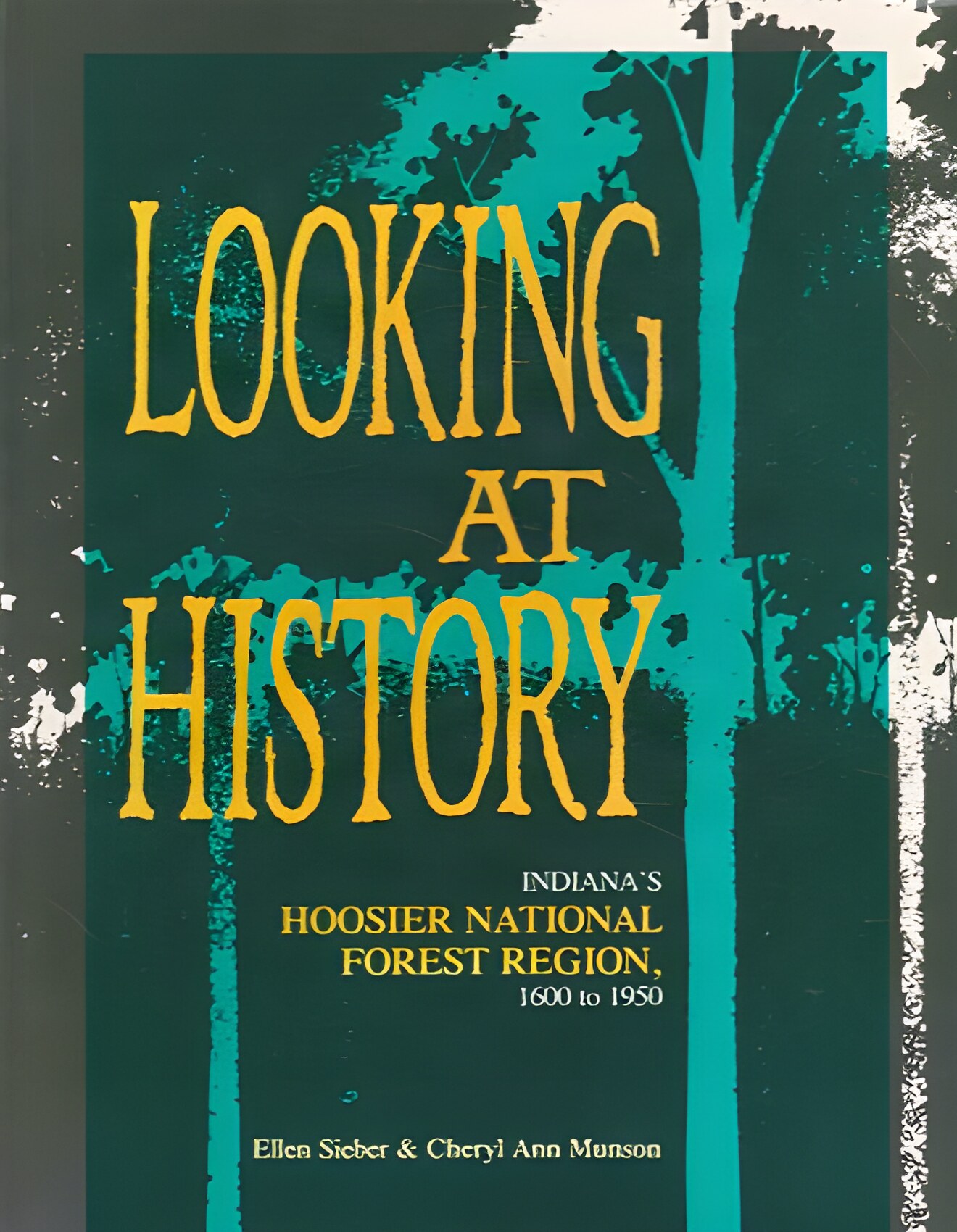
Softcover. Bloomington, Indiana University Press, 1st thus, 1994, Book: Very Good, Dust Jacket: None, Softcover, 131 pages, b&w illustrations. "Looking at History" examines the history from geologic times to the present of a nine-county region - Perry, Jackson, Orange, Crawford, Dubois, Lawrence, Monroe, Martin, and Brown. It is an area rich in cultural heritage - prehistoric Indians, pioneer settlers, rural family life, folklore. The authors concentrate on the land and the natural culture of the inhabitants to produce a unique portrait of a distinctive area of the state. Included are 105 photographs, drawings, and maps. Clean, bright copy.
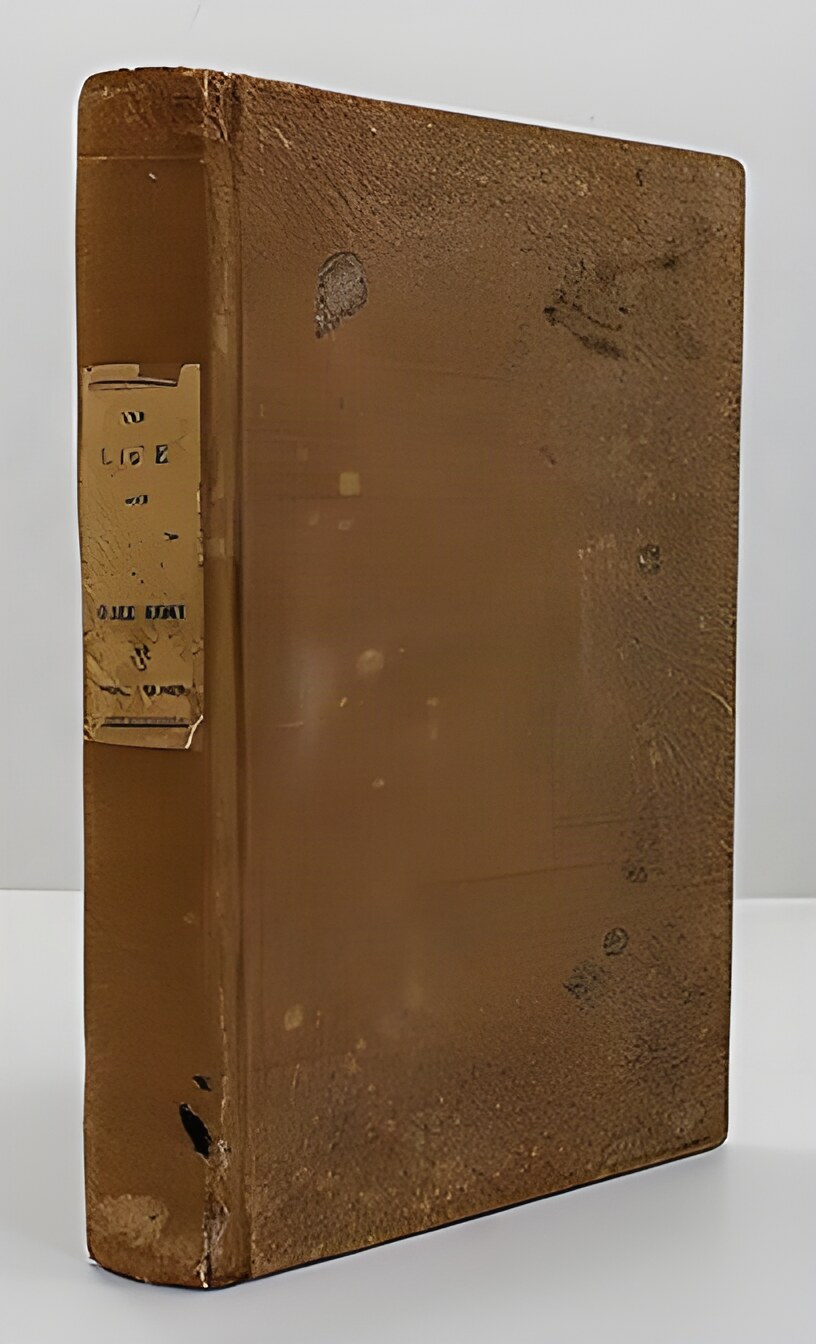
Hardcover. London, Longmans, Green and Co., 1st, 1880, Book: Good, Dust Jacket: None, Hardcover, blue cloth, gilt rules, gilt title on spine. 403 pages with publisher's 24 page catalog in rear. Two maps, one being foldout, both very good. Details the experiences of Gilbert Elliot, the first Earl of Minto, during his time as Governor-General of India. The book is compiled from a collection of letters written by Elliot himself, as well as letters written to him by his family and colleagues. The book covers the period from 1807 to 1814, during which time Elliot oversaw a period of significant change in India. He worked to establish British control over the region, while also attempting to improve the lives of the Indian people. The book provides a unique insight into the life of a colonial administrator in India during this period, and sheds light on the challenges and complexities of British rule in the region. It also offers a glimpse into the personal life of Elliot, including his relationships with his family and colleagues, and his struggles with illness and isolation. Ex-lib with bookplate and residue to endpapers. Call letters on spine, tape repair to front hinge. Clean internally.
Hardcover. New York, D.A.P.//La Fabrica , 1st, 2013, Book: Very Good, Dust Jacket: Very Good, Hardcover, 192 pages. Like new in publisher's shrink-wrap. America's first female war correspondent, Margaret Bourke-White was also something of a media star, with the portrait of her decked out in flying gear, camera in hand, about to set off on a bombing raid, being a favorite pin-up among U.S. forces. Focusing on the work Bourke-White made in the 1930s and 40s in Czechoslovakia, Germany, Italy, the Soviet Union and the U.K., Moments in History presents 150 classic photographs alongside revelatory extracts from letters and publications in periodicals. Bourke-White traveled to the USSR when the first Five-Year Plan was being implemented; she documented the German invasion of the Soviet Union in 1941, and the Allied bombing of Germany. In the summer of 1945 she was commissioned by Life to make a photographic record of the destroyed German cities. She was present at the liberation of the Buchenwald concentration camp and the Leipzig-Thekla forced labor camp. She recorded the partition of India and the Korean War, and one of her most famous pictures of this period is "Gandhi," which shows the subject at his spinning wheel. Also included in the catalogue are some of the word-picture sequences Bourke-White did for Fortune and Life, as well as extracts from her correspondence with personalities from the worlds of politics and culture, such as Winston Churchill and Georgia O'Keeffe. Bourke-White wanted to be the "eyes of the age," and her pictures testify to (as she put it) her "unquenchable desire to be present when history is being made."

 "In Northern Labrador by: Cabot, William Brooks")

 "In the Spirit of Crazy Horse (SIGNED PROOF)by: Matthiessen, Peter")


 "India and Malaysiaby: Thoburn, J. M.")
 "India's Partition: Process, Strategy and Mobilizationby: Hasan, Mushirul (Editor)")
 "Indian culture in the days of the Buddha by: Zoysa, A. P. de")
 "Indian Names of Places etc., and on the borders of Connecticut with interpretations of some of themby: Trumbull, J. Hammond")
 "Indian Races of North and South America, The: Including the Late Sioux War and Indian Massacre in Minnesotaby: Brownell, Charles de Wolf")
 "Islamic Revival in British India : Deoband, 1860-1900by: Metcalf, Barbara Daly")

 "John Gutmann: The Photographer at Workby: Sally Stein , Douglas R. Nickel, et al.")
 "John Gutmann: The Photographer at Workby: Sally Stein , Douglas R. Nickel, et al.")
 "Journalismby: Sacco, Joe")
 "Kiowa Voices (2 Vol Set); Vol. 1: Ceremonial Dance, Ritual and Song; Vol. 2: Myths, Legends and Folktales,by: Boyd, Maurice/Linn Pauahty")
 "Laporte, Indianaby: Bitner, Jason")
 "Little Bighorn Campaign, The : March-September 1876 (Great Campaigns Series)by: Sarf, Wayne Michael")
![Lord Minto in India. Life and Letters of Gilbert Elliot, First Earl of Minto, from 1807 to 1814...[sequel to 'Life and Letters' pub. 1874.]by: The Countess of Minto](https://www.browsingisarousing.com/shop/images/399296.jpg "Lord Minto in India. Life and Letters of Gilbert Elliot, First Earl of Minto, from 1807 to 1814...[sequel to 'Life and Letters' pub. 1874.]by: The Countess of Minto")
 "Margaret Bourke- White: moments in historyby: Quimby, Sean")