Hardcover. Boston, Little, Brown and Company, 1st, 1970, Book: Good, Dust Jacket: Fair, 272 pages. Hardcover. Red cloth cover with gilt titles. Black & white illustrations. Dust jacket with tears, creasing along edges. Clean, unmarked pages.
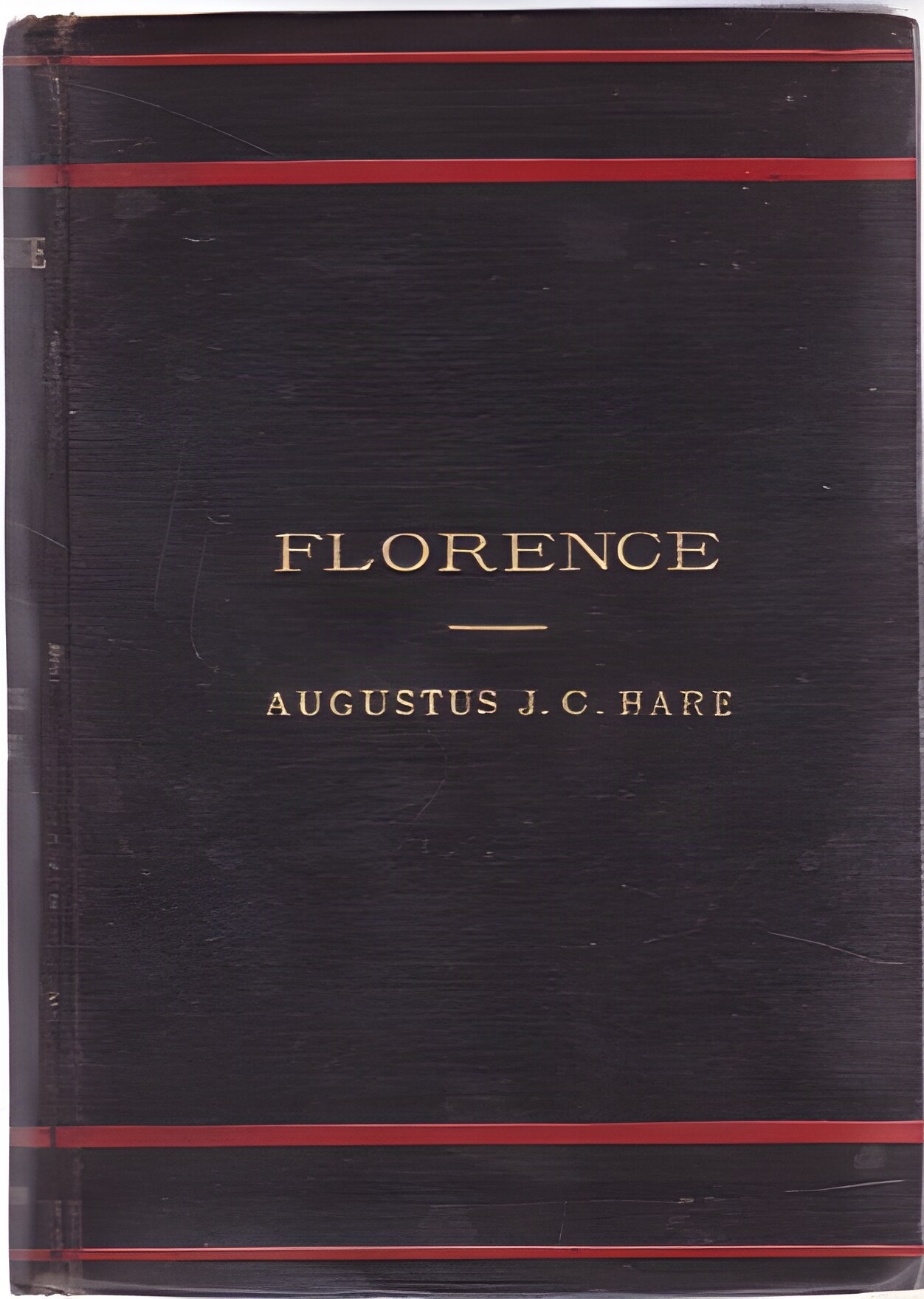
Hardcover. London, George Allen, 5th Ed., 1900, Book: Very Good, Dust Jacket: None, Hardcover, flexible black cloth with red and gilt stamping, edges stained red. 343 pages with a 10 page catalogue of Hare's other titles in rear. With 22 illustrations and a double page color map. Detailed information on the history and landmarks of Florence. Clean, bright copy of this vintage travel guide.
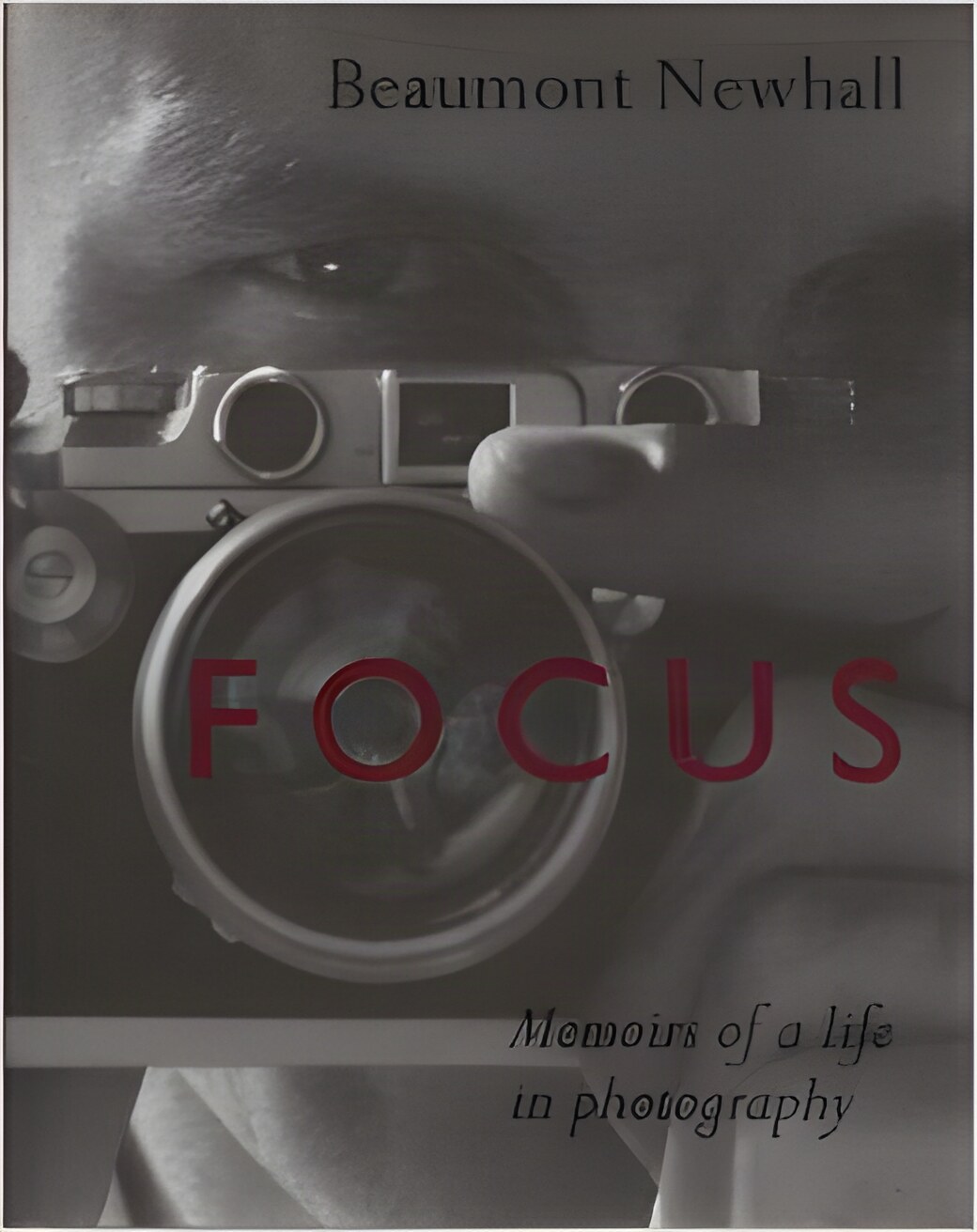
Hardcover. US, Bulfinch , 1st, 1993, Book: Very Good, Dust Jacket: Very Good, Hardcover, 264 pages includes index. Clean, unmarked copy with only minor wear to dust jacket. A graceful, lively memoir by photography's first historian, with accounts of his friendships with many of the century's great photographers, from Alfred Stieglitz to Ansel Adams, Edward Weston, and Henri Cartier-Bresson. Newhall (1908-93) wrote the now-standard History of Photography (1937) and founded the photo collection at the Museum of Modern Art; as much as anyone, he helped photography gain acceptance as art. This memoir, finished shortly before his death, includes an account of his boyhood in Lynn, Massachusetts; of his training in art history at Harvard; the important early exhibits he organized at the MOMA; and the contributions of his wife, Nancy, to both the field and his own accomplishments. A long section describing his work as a photoreconnaisance expert in Egypt and Italy during WW II, though not closely related to his career, is also highly interesting. In addition, Newhall offers detailed accounts of various important photographers' working methods, as well as of discussions carried on among them about their work.
Hardcover. Bethlehem, Lehigh Univ. Press, 1st , 1992, Book: Very Good, Dust Jacket: Very Good, Hardcover in a very good dust jacket. Black & white illustrations, 298 pages. This work presents Di Giorgio's codex of machine and fort drawings for the Duke of Urbino, his sketchbook of machines, and archeological sketches in the Uffizi.
Softcover. Rome, Bulzoni Editore, 1st, 2008, Book: Very Good, Dust Jacket: None, Softcover, 700 pages, Color plates in rear section. Very good condition. Card wraps. Appendices appear to have original text from letters in Italian. Previous owner's inscription on front fly leaf, otherwise clean.
Softcover. US, Detroit Institute of Arts, 1st, 2017, Book: Very Good, Dust Jacket: None, 224 pages. Softcover with publisher's shrinkwrap. Like new. Frederic Church (1826-1900), one of the leading painters of 19th-century America and the Hudson River School, also journeyed around the globe to find fresh inspiration for his highly detailed compositions. Among Church's lesser-known masterpieces are his paintings of the Middle East, Italy, and Greece, produced in the late 1860s through late 1870s, which explore themes of human history and achievement. Taking a closer look at this geographical and thematic shift in Church's practice, this handsome book brings together the artist's major paintings of Athens, Rome, Jerusalem, and the surrounding region. The essays concentrate on a set of six major paintings of architectural and archaeological marvels; one essay also spotlights Olana, Church's home in New York State, which reflects the influence of Middle Eastern design. This impressive volume stands apart in its new approach to the artist's work and its quest to determine why and how this quintessentially American figure was drawn to scenery and themes from the other side of the globe.
Hardcover. NY, Alfred A. Knopf, 1st, 2013, Book: Very Good, Dust Jacket: Very Good, 589 pages. Hardcover with dust jacket. Remainder mark on bottom text block. Tight copy. Light rubbing to dust jacket.
Softcover. Italy, Instituto E Museo Di Storia Della Scienza, 1st, 1970, Book: Good, Dust Jacket: None, 54 pages. Softcover. Color and b/w illustrations throughout. Foxing on edges and preliminary/back pages. Does not affect text or illustrations. Wrapper in good condition.
Softcover. London, Phoenix Press, reprint, 2001, Book: Very Good, Dust Jacket: None, Softcover, 718 pages. One of history's greatest reformers, Garibaldi won his first battle against Aegean Pirates, his last battle against German Dragoons. He went to jail in Russia and led Brazilian rebels in the field. He was twice an admiral and seven times a general, a high government official in at least five countries, became Commander in Chief of the Uruguayan Army, Dictator of Sicily and Freeman of the City of London.
Softcover. US, Yale University Press, 1st, 2011, Book: Very Good, Dust Jacket: None, Softcover, 60 pages. Like new in publishers shrink-wrap. A canonical figure in American painting, George Inness (1825-1894) is widely admired as the pioneer of the landscape aesthetic known as Tonalism, which is distinguished by soft focus and diaphanous layers of paint. This is the first book about the artist's two Italian sojourns (1851-52 and 1870-74) and their formative impact on his work. Italy--its art and its landscape--offered Inness a font of inspiration as he developed his unique artistic vision. This handsome book presents ten oil paintings surveying Inness's Italian subjects dating from 1850 to 1879, including the Philadelphia Museum of Art's recently restored Twilight on the Campagna, which has not been on view since 1952. This was the first of Inness's works completed in Italy, and its reemergence offers a unique opportunity to reconsider the career of a leading American artist.
Softcover. NY, The Metropolitan Museum of Art, 1st, 1988, Book: Very Good, Dust Jacket: None, Softcover, 48 pages illustrated in color and b&w. Clean copy.
Hardcover. New York, Weybright and Talley, 1st US, 1969, Book: Very Good, Dust Jacket: Very Good, 248 pages. Hardcover. Illustrated with 370 black & white plates and a color frontispiece. Introduction by Henry Moore. Photographs by Ilario Bessi in collaboration with Henry Moore. Brown canvas, spine lettered in gilt, upper cover blocked in gilt with publishers' device, Dust jacket with light surface wear to back cover. Clean, tight copy.
Hardcover. Princeton Architectural Press, 1st, 2006, Book: Very Good, Dust Jacket: Very Good, Hardcover, 256 pages. The Breakers, the Waldorf, the Biltmore, the Sherry, the Pierre--these landmark hotels are synonymous with grand luxury and style. When they were built, in the 1920s, their refined elegance and grandeur set the bar for hotels and resorts the world over. Responsible for creating these and countless other hotels throughout the United States, were the partners of a single architectural firm: Schultze & Weaver. Together, this duo--an architect and an engineer--virtually invented the glamorous lifestyle made famous in films like Grand Hotel. Catering to the social elite of which they were themselves a part, Schultze & Weaver synthesized the Old World style of Renaissance Italy, Moorish Spain, and Georgian England with all of the modern amenities that made hotel living luxurious. This book presents portfolios of fifteen of the firm's most spectacular hotels, culminating in the Art Moderne masterpiece of the Waldorf-Astoria. Over two hundred period photographs and hand-colored architectural renderings chart the ascent of the American hotel in all its glory and glamour, before the Great Depression forever changed the lifestyles of America's rich and famous. Essays address the cultural and technological developments that underpin the creation of resort and residential hotels, including the elemental role played by Schultze & Weaver.
Hardcover. NY, Doubleday, 1st, 1994, Book: Very Good, Dust Jacket: Very Good, Hardcover in a bright, unclipped dust jacket. Color illustrations, map by Letizia Galli. A beautiful gown forms the focus of activity for the zany characters that introduce young readers to the Commedia del l'arte and the history of comic theater, along with a map, a list of stock characters, and historical notes.
Hardcover. New York, Harper & Brothers, 1st, 1880, Book: Good, Dust Jacket: None, 331 pages, with gilt top edge and titles. Minor corner and edge wear, light crack along spine but no loose pages, overall, clean and tight copy.
Hardcover. Cambridge MA, Harvard University Press, 1st, 1963, Book: Very Good, Dust Jacket: Very Good, Hardcover, 184 pages, maroon cloth with a lightly worn dust jacket. Previous owner's signature, pencil notes on front end paper. Otherwise clean. These studies concern the development in the Renaissance of a new perspective on the past, a new method for interpreting the meaning of the documents of the past, and a reformulation of traditional doctrine that history was philosophy teaching by example.
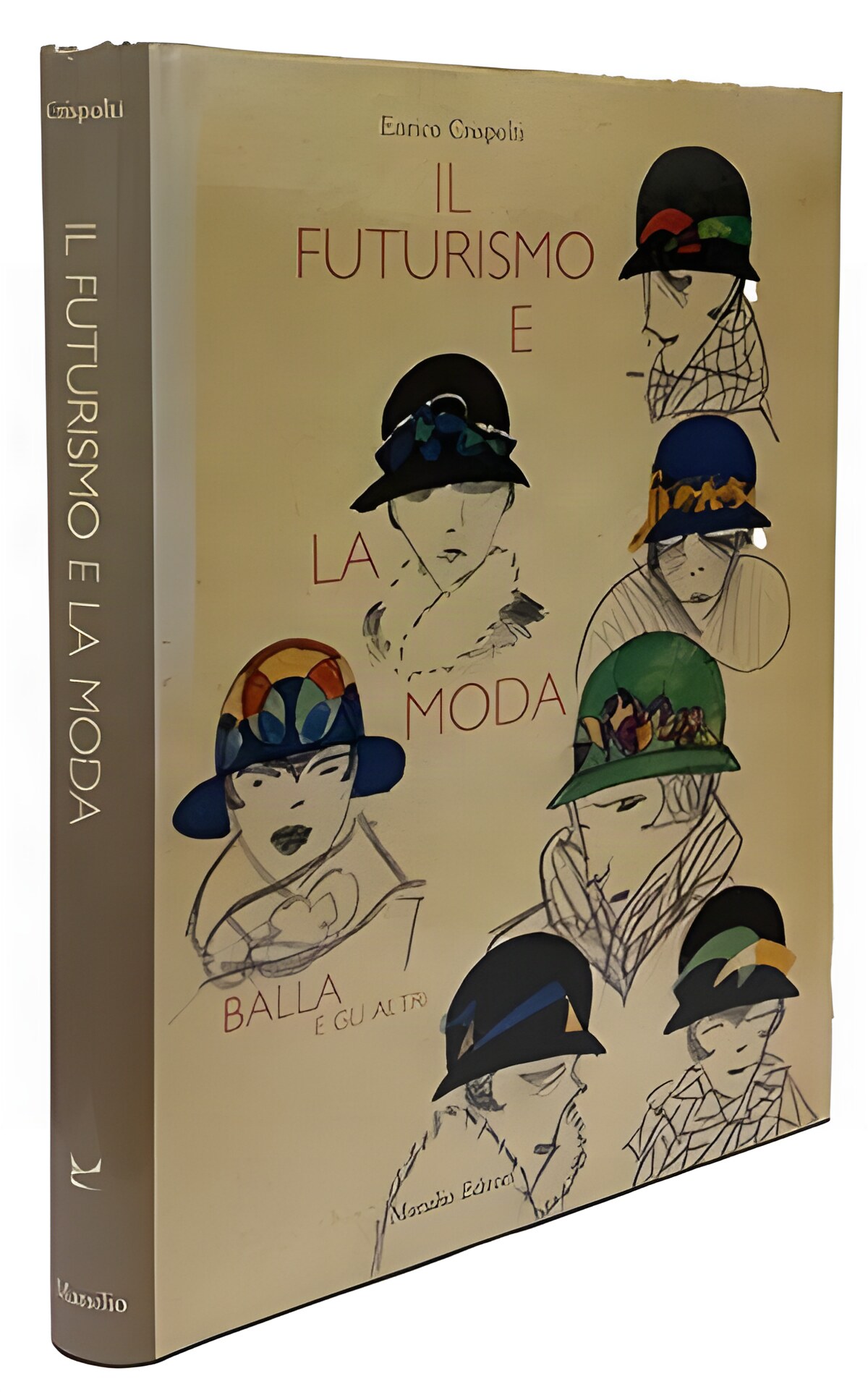
Hardcover. Venice, Marsilio, 1st, 1986, Book: Very Good, Dust Jacket: Good, Hardcover in a lightly sunned dust jacket. Lovely retrospective of Italian fashion. 151 pages, 277 illustrations, many in color. ITALIAN TEXT. Small sticker, pencil marking to front endpapers, otherwise clean. DOMESTIC SHIPPING ONLY.
Softcover. Boston, Brill Academic, 1st, 2003, Book: Very Good, Dust Jacket: None, Softcover, 562 pages. This monograph demonstrates why humanism began in Italy in the mid-thirteenth century. It considers Petrarch a third generation humanist, who christianized a secular movement. The analysis traces the beginning of humanism in poetry and its gradual penetration of other Latin literary genres, and, through stylistic analyses of texts, the extent to which imitation of the ancients produced changes in cognition and visual perception. The volume traces the link between vernacular translations and the emergence of Florence as the leader of Latin humanism by 1400 and why, limited to an elite in the fourteenth century, humanism became a major educational movement in the first decades of the fifteenth. It revises our conception of the relationship of Italian humanism to French twelfth-century humanism and of the character of early Italian humanism itself. Clean, bright copy.
Softcover. Florence, Italy, Qua D'Arno, 1st, 1987, Book: Very Good, Dust Jacket: None, Softcover, 156 pages, bilingual texts in English and Spanish, b&w plates and text throughout. Illustrates and describes numerous torture devices including breast rippers, the ever popular rack and iron maiden, heretics fork and many more. Clean copy.
Hardcover. Chapel Hill NC, University of North Carolina Press, 1st, 2001, Book: Very Good, Dust Jacket: Very Good, Hardcover in a bright dust jacket. 277 pages, illustrated in b&w and color. The putto (often portrayed as a mischievous baby) appears frequently in the art and literature of Renaissance Italy. The "spiritelli" embody a minor species of demon, neither good nor bad. This book discusses the manifestations of the putto-spiritello in 15th-century art and literature. It offers parallel interpretations of two works: Botticelli's "Mars and Venus", a painting in which infant Satyr-putti appear as the panic-inducing spirits of the nightmare, and Politian's "Stanze", a poem in which masked cupids appear to the hero in a deceiving dream. The text concludes with an examination of the functions of such masks in the poetry and public masquerades sponsored by Lorenzo de'Medici and in Michelangelo's scheme for the decoration of the Medici Chapel. Clean copy.
Hardcover. Boston, Little Brown, 1st, 1985, Book: Very Good, Dust Jacket: None, Hardcover, 287 pages, 442 b&w illustrations. The famous photojournalist presents, among other events, the abdication of Edward VIII; the Anschluss; the Warsaw ghetto, before and after its destruction; Tito's guerrilla war against the Nazis; and Isr'l's battle for independence. He recorded the fall of Hungary to the Communists; he was with Churchill at Teheran; and with Khrushchev at Belgrade. There are also exotic parties given by Cecil Beaton and Lady Juliet Duff. Portraits of the last glories of the English aristocracy and the old French Bourgeoisie; the industrialists and artists who made Italy's miraculous postwar recovery possible. In 60,000 words of text he captures the extraordinary adventures and bizarre characters that together made up the author's life. The combination of words and pictures provides a rich, powerful portrait of a fascinating career. Missing dust jacket.
Hardcover. Chicago, University of Chicago Press, 1st, 2003, Book: Very Good, Dust Jacket: Very Good, Hardcover in a bright dust jacket, 202 pages. Natalia Ginzburg, arguably the most important woman writer of postwar Italy, always spoke of herself with irrepressible modesty. Yet the woman who claimed she "never managed to climb up mountains" in fact wrote the history of twentieth-century Italy with her sparse and captivating prose, chronicling Fascism, war, and the Nazi occupation as well as the intimacies of family life. Intensely reserved, Ginzburg said that she "crept toward autobiography stealthily like a wolf." But she did openly discuss her life and her work in an extraordinary series of interviews for Italian radio in 1990. Never before published in English, It's Hard to Talk about Yourself presents a vivid portrait of Ginzburg in her own words on the forces that shaped her remarkable life-politics, publishing, literature, and family. This fluid translation will join Ginzburg's autobiography, Family Sayings, as one of the most important records of her life and, as the editors write in their preface, "the last, unexpected, original book by Natalia Ginzburg."
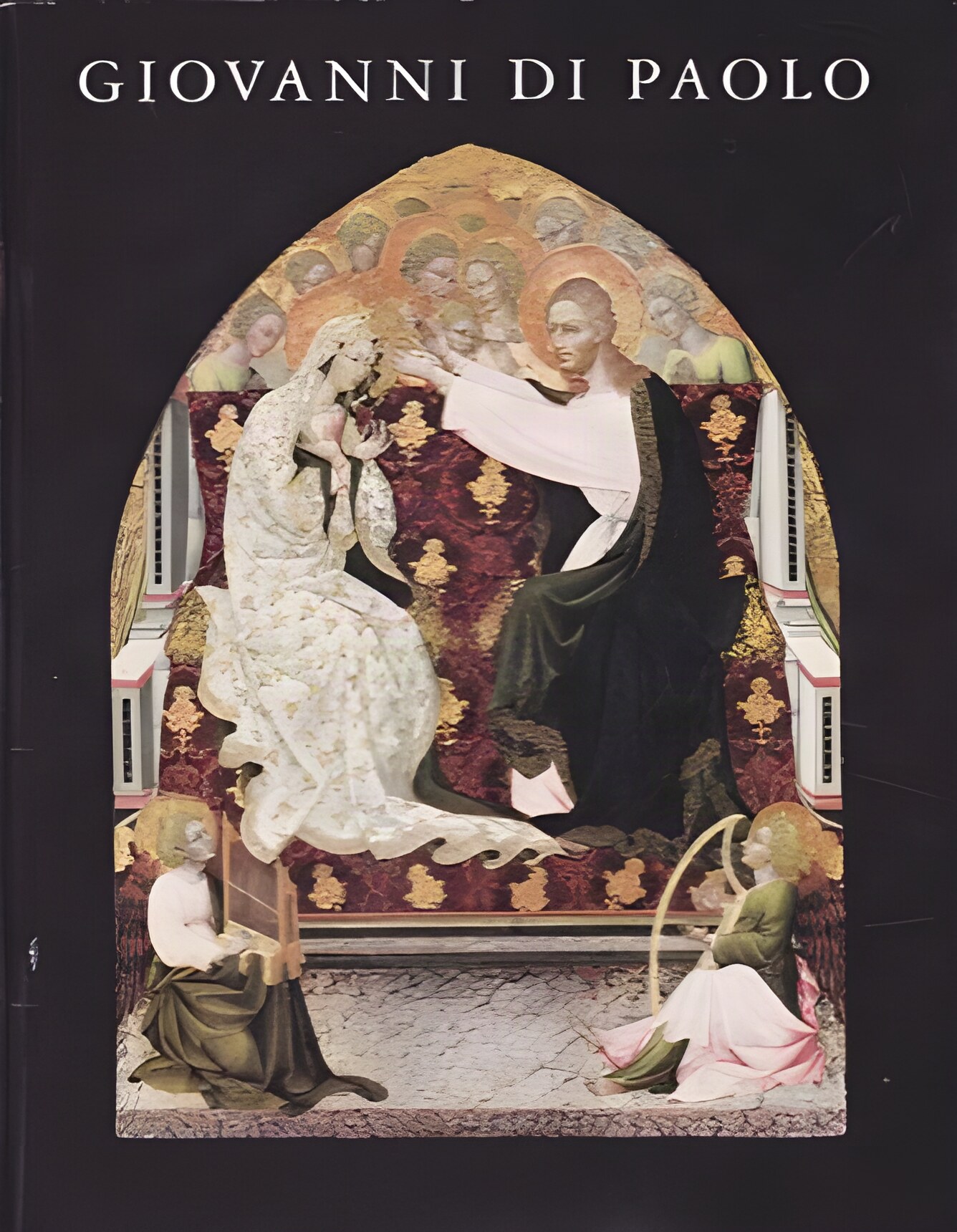
Hardcover. London, Phaidon, 1st, 1963, Book: Good, Dust Jacket: Fair, Part III of Pope-Hennessy's Introduction to Italian Sculpture. 3 Volumes - Plate Volume - non-paginated. Illustrated with black & white plates. Bump at top of spine. Dust jacket age darkened, wear along edges. Clean, tight copy. Text Volume - 126 pages. Black & white illustrations. Bottom right corner bumped. Dust jacket age darkened, wear along edges. Clean, tight copy. Catalogue Volume - 183 pages. Dust jacket age darkened, wear along edges. Clean, tight copy.

 "First Lady of the Renaissance - A Biography of Isabella d'Esteby: Meyer, Edith Patterson")
 "Francesco di Giorgio: Checklist and History of Manuscripts and Drawings in Autographs and Copies from ca.1470-1687 and Renewed Copies, (1764-1839by: Scaglia, Gustina")
 "Francesco II Gonzaga: The soldier-prince as patronby: Bourne, Molly")
 "Frederic Church A Painter's Pilgrimageby: Myers, Kenneth")

 "Galileo's Florentine Residencesby: Bonelli, Maria Luisa Righini, William R. Shea")
 "Garibaldi by: Ridley, Jasper")
 "George Inness in Italyby: Mitchell, Mark D.")
 "Giovanni Pisano Sculptorby: Ayrton, Michael/Henry Moore/Ilario Bessi")
 "Grand Hotels of the Jazz Age: The Architecture of Schultze & Weaverby: Marianne Lamonaca")
 "Harlequin and the Green Dressby: Fischetto, Laura")
 "Historical Studies of Church-Building in the Middle Ages: Venice, Siena, Florenceby: Norton, Charles Eliot")



 "Inventing the Renaissance Puttoby: Dempsey, Charles")
 "It Happened In Our Lifetime: A Memoir In Words and Pictures by: Phillips, John")

 "Italian High Renaissance and Baroque Sculpture - 3 Volumes - Plate Volume, Text Volume, Catalogue Volumeby: Pope-Hennessy, John")
