Softcover. Stanford CA, Stanford University Press;, reprint, 1992, Book: Very Good, Dust Jacket: None, Softcover, 584 pages. The only field guide to cover all North American butterfly species, this monumental work is also a complete natural history, fully describing the biological and ecological world of butterflies in general. It is without question the most important book on butterflies in several decades, and the most complete treatment of a major butterfly faun ever published. The book is written at several levels of detail, most of it accessible to anyone, and employs the minimum of technical terms necessary for ensuring scientific accuracy. Extensive introductory material-a book in itself-stresses butterfly biology and ecology: structure, flight, metamorphosis, hibernation, physiology, roosting, migration, mating, egg laying, intelligence, social behavior, larval and adult foods, enemies, mimicry, variation, evolution, habitats, distribution, and conservation. The main text is arranged in phylogenetic sequence, and characteristics or behavior common to all members of a family, subfamily, or tribe are discussed at those levels. The skippers, a large group often excluded, are treated in full. Several unique features make identification easier and more certain than with any other field guide. First, every species (and many subspecies) of butterfly ever recorded north of Mexico (or in Bermuda or Hawaii) is treated at length and illustrated in color. Over 1,800 butterflies representing all 679 species (males, females, uppersides, undersides, subspecies, etc.) are illustrated on 42 full-page plats. Another 136 color photographs illustrate the various life forms in natural habitat: eggs, larvae, pupae, and the more familiar and more spectacular adults.
Softcover. Dallas TX, Southern Methodist University, reprint, 2001, Book: Very Good, Dust Jacket: None, Softcover, 221 pages, 202 b&w plates, 20 in color. Historical and cultural history of religious, popular and folk architecture of colonial New Spain. Clean copy.
Softcover. London, Pimlico, 1st pbk., 1994, Book: Very Good, Dust Jacket: None, Softcover, 812 pages, b&w illustrations. Light wear to covers and edges of spine. Old UK price sticker on rear cover. Neat, tight copy.
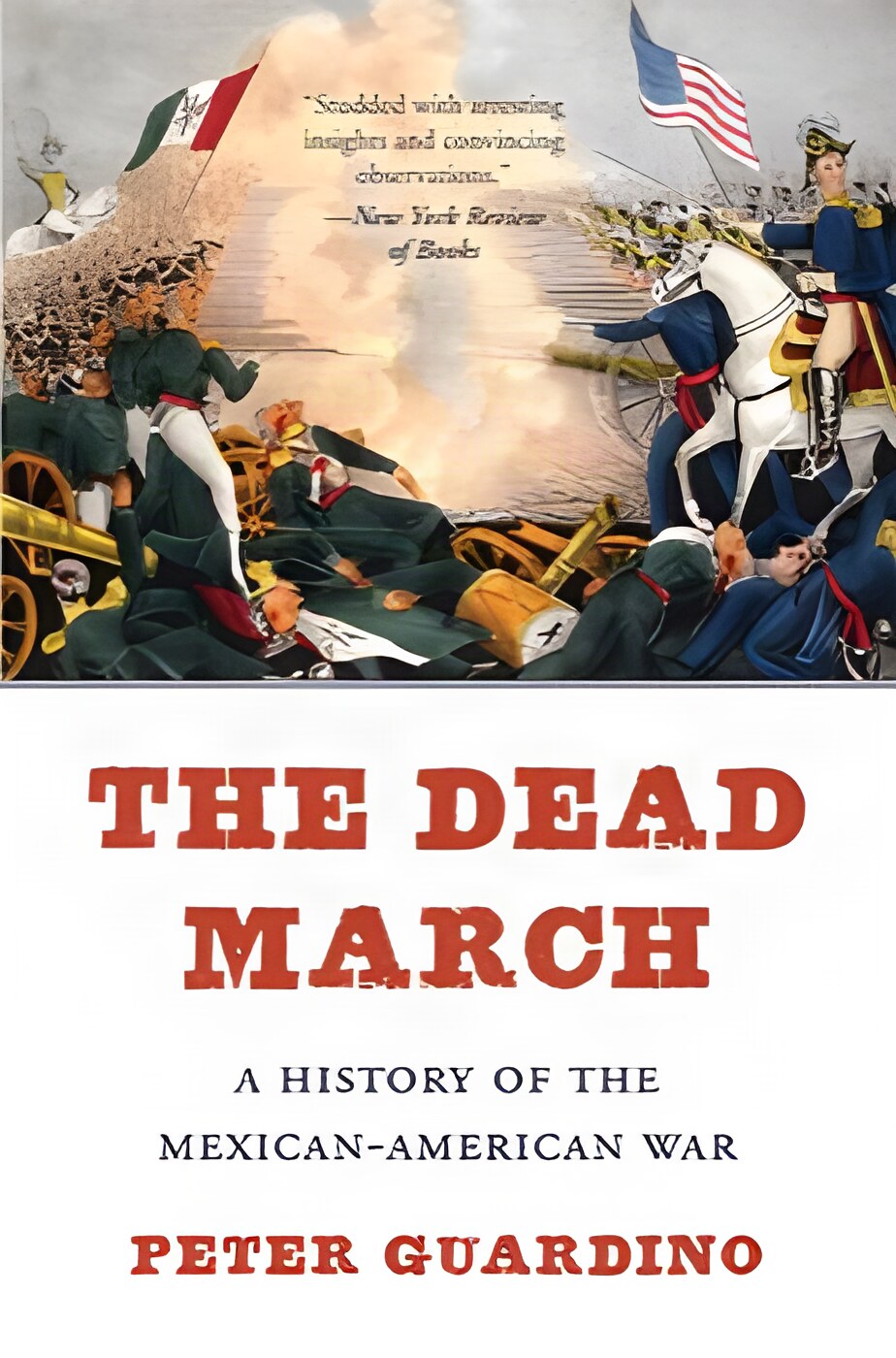
Hardcover. Cambridge MA, Harvard University Press, 2nd pr., 2017, Book: Very Good, Dust Jacket: Very Good, Hardcover in a bright dust jacket, 502 pages, b&w illustrations. "Superb...A remarkable achievement, by far the best general account of the war now available. It is critical, insightful, and rooted in a wealth of archival sources; it brings far more of the Mexican experience than any other work...and it clearly demonstrates the social and cultural dynamics that shaped Mexican and American politics and military force." -Journal of American History It has long been held that the United States emerged victorious from the Mexican-American War because its democratic system was more stable and its citizens more loyal. But this award-winning history shows that Americans dramatically underestimated the strength of Mexican patriotism and failed to see how bitterly Mexicans resented their claims to national and racial superiority. Their fierce resistance surprised US leaders, who had expected a quick victory with few casualties. By focusing on how ordinary soldiers and civilians in both countries understood and experienced the conflict, The Dead March offers a clearer picture of the brief, bloody war that redrew the map of North America. Clean copy.
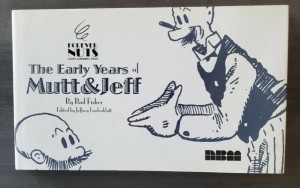
Hardcover. NY, NBM, 1st, 2007, Book: Very Good, Dust Jacket: Very Good, Hardcover, 192 pages. Early b&w comic strips. Mutt and Jeff was the first successful daily comic strip; before it, the funnies were Sunday features. It debuted in 1907, however, as A. Mutt, limning the follies of lanky racetrack gambler Augustus Mutt. Diminutive sidekick Jeff appeared the following year to form a partnership that lasted until the strip's overdue demise in 1983. Mutt and Jeff was the first strip to essay weeks-long story lines, such as a trip to Mexico to join Pancho Villa's revolution. Compared to better-remembered strips of the era, Mutt and Jeff was crudely drawn, yet it captured the nation's fancy. Despite its significance in comics history, Mutt and Jeff is scantly regarded today. By the mid-1920s, Fisher handed creative duties over to ghosts to free up time for the playboy lifestyle that the strip's sizable revenues allowed him. Clean copy.
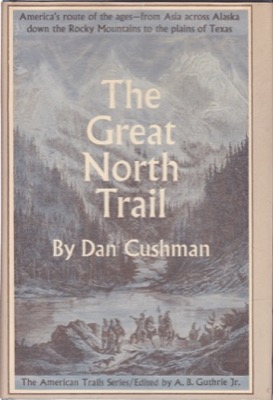
Hardcover. NY, McGraw Hill, 1st, 1966, Book: Very Good, Dust Jacket: Very Good, Hardcover in a bright, unclipped dust jacket. The American Trails Series, edited by A.B. Guthrie, Jr. 383 pages, includes a two-page map. This book offers an account of the route between Siberia and Alaska that continues southward along the Rockies all the way to Mexico and beyond. Cushman details the stories of the many groups who have traversed parts of the route from prehistoric peoples to Native Americans, Spanish explorers, fur traders, cowboys, and whiskey runners of the Prohibition era. A clean and pristine copy of the first printing,
Softcover. NY, National Railway Publication Company, 1939, Book: Very Good, Dust Jacket: None, Softcover, original printed paper wrappers, 1536 pages. Thick handbook for the railroad steamboat trade, with detailed schedules, maps, advertisements, all pertaining to the shipment of goods. Printed on thin, cheap stock that's tanning. Still very good wth clear tape reinforcement to spine.
Hardcover. Brooklyn NY, Zone Books, 1st, 2014, Book: Very Good, Dust Jacket: Very Good, Hardcover in a bright dust jacket, 594 pages, b&w illustrations. INSCRIBED BY AUTHOR on the title page. In this long-awaited study, Claudio Lomnitz tells an unprecedented story about the experience and ideology of American and Mexican revolutionary collaborators of the Mexican anarchist Ricardo Flores Magon. Based on extensive research in American and Mexican archives, Lomnitz explores the rich, complicated, and virtually unknown lives of Magon and his comrades devoted to the "Mexican Cause." This anthropological history of anarchy, cooperation, and betrayal seeks to capture the experience and meaning of these dedicated militants who themselves struggled to understand their role and place at the margins of the Mexican Revolution. For them, the revolution was untranslatable, a pure but deaf subversion: "La revolucion es la revolucion." For Lomnitz, their experiences reveal the meaning of this phrase.
Hardcover. NY, Bloomsbury Publishing, 1st, 2019, Book: Very Good, Dust Jacket: Very Good, Hardcover in a bright dust jacket, 336 pages, b&w illustration. INSCRIBED BY STRATTON on the title page. For the fiftieth anniversary of the film, W.K. Stratton's definitive history of the making of The Wild Bunch, named one of the greatest Westerns of all time by the American Film Institute. Sam Peckinpah's film The Wild Bunch is the story of a gang of outlaws who are one big steal from retirement. When their attempted train robbery goes awry, the gang flees to Mexico and falls in with a brutal general of the Mexican Revolution, who offers them the job of a lifetime. Conceived by a stuntman, directed by a blacklisted director, and shot in the sand and heat of the Mexican desert, the movie seemed doomed. Instead, it became an instant classic with a dark, violent take on the Western movie tradition. In The Wild Bunch, W.K. Stratton tells the fascinating history of the making of the movie and documents for the first time the extraordinary contribution of Mexican and Mexican-American actors and crew members to the movie's success. Clean copy.
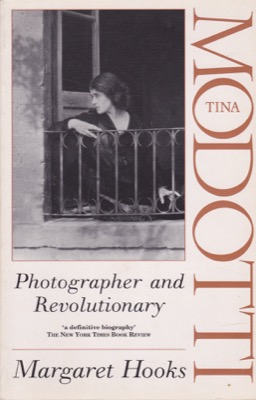
Softcover. NY, HarperCollins, 1st pbk, 1995, Book: Very Good, Dust Jacket: None, Softcover, 296 pages, b&w illustrations. The apt subtitle of this award-winning biography, Photographer & Revolutionary, sums up the creative tensions that characterized Tina Modotti's life and brief photographic career. Active as a photographer for only nine years, Modotti was pulled between formal and social concerns. Producing striking modernist compositions of everyday objects, photojournalism of poverty and conflict, and portraits of celebrities and common people alike, Modotti balanced political concerns with formal rigor. First published in 1993 and long out of print, Tina Modotti: Photographer & Revolutionary is the definitive portrayal of Modotti's life and work. Few photographers are more deserving of a biographical treatment than Modotti, whose work as an actress and artist's model introduced her to Edward Weston, who was to become her lover. Soon after she arrived in Mexico City with Weston, Modotti became increasingly politicized, working for the communist newspaper El Machete and establishing herself as the go-to photographer for the Mexican Muralist movement. The book includes extensive archival material, interviews with Modotti's contemporaries and many rare photographs. Clean copy.
Hardcover. NY, Thames & Hudson , 1st, 1983, Book: Very Good, Dust Jacket: Very Good, Hardcover in a bright dust jacket, 184 pages. Traces the rise and fall of the Toltec civilization, and describes what has been learned about their culture from the excavation of Tula, their principal city. 130 illustrations, 15 in color.
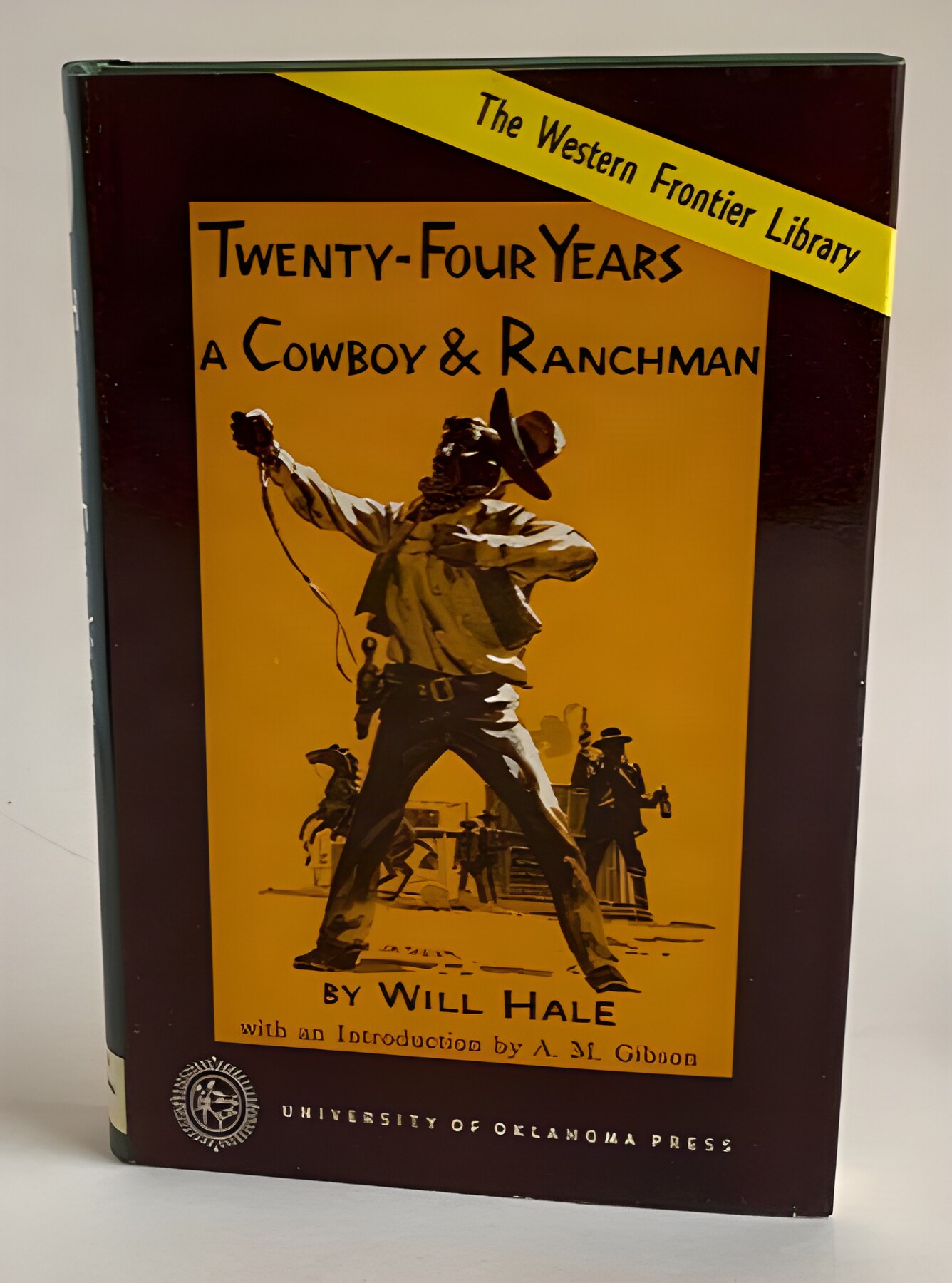
Hardcover. Norman OK, University of Oklahoma Press, 1st, 1959, Book: Very Good, Dust Jacket: Very Good, Hardcover in a bright dust jacket, 183 pages. The Western Frontier Library, Vol. 12. B&w illustrations. The timeframe extends from the Mexican War to the 1880's. Much on the Comanches in Texas, cattle raids and killings on both sides of the Rio Grande by both Mexican and American cowboys, the murder of a Pinkerton detective, the Lincoln County cattle war, and the pursuit of Billy the Kid. Clean copy.
Hardcover. Brooklyn, NY, PowerHouse Books, 1st, 2018, Book: Very Good, Dust Jacket: Very Good, 176 pages. Hardcover with dust jacket. A very clean, unmarked copy with only minor wear to dust jacket edges. Color photographs throughout.
Hardcover. New York , D. Appleton and Company, 1st, 1908, Book: Very Good, Dust Jacket: None, 294 pages. Hardcover with blue cloth with silver titles and gilt top stain. Previous owner's signature on title page, slight rubbing to boards and light fade to spine, else a clean, tight copy.
Softcover. Albuquerque NM, University of New Mexico Press, reprint, 1993, Book: Very Good, Dust Jacket: None, Softcover, 365 pages, b&w illustrations. Professor Myres gives frontier women a voice they never had. She uses extensive source material by and about women ( letters, journals, and reminiscences from over 400 collections ) to study the impact of the frontier on women's lives and the role of women in the West. She offers a major reinterpretation of the experience of pioneer women, including that of Indian, Mexican, French, black, and Anglo-American women. The account recreates in detail the frontier experience of all these women, beginning with their physical and intellectual responses to the trek West, and concluding with their struggle for political suffrage and economic opportunity. Clean copy.
Hardcover. University Press of Colorado, 1st, 1990, Book: Very Good, Dust Jacket: Very Good, Hardcover in a bright dust jacket, 198 pages, b&w illustrations. Women of the New Mexico Frontier, 1846-1912 is a collection of essays that include biographical sketches and writings from women of all walks of life who helped bring about the Americanization of the New Mexico Territory, from the Mexican War until statehood in 1912. These women were wives of missionaries, soldiers and military officers, and government officials who came from the eastern part of the United States. INSCRIBED BY AUTHOR on title page. Clean copy.
Hardcover. London, Heinemann, 1st UK, 1991, Book: Very Good, Dust Jacket: Very Good, 251 pages. Hardcover. Clean, tight copy. The Previously Unpublished Introduction, Commentary and Script for the Film VIVA ZAPATA! Clean copy.
Softcover. Santa Fe, NM, Museum of New Mexico Press, 1st, 1998, Book: Very Good, Dust Jacket: None, Softcover, 166 pages. Toba Tucker's expressive portraits honoring Pueblo artists were made over a two-and-a-half year sojourn in the Southwest. These photographs form a record for history and art at the end of the twentieth century and portray Tucker's interest in the individuals and families who pass their artistic traditions from one generation to the next. Remainder stamp on bottom edge otherwise clean.




 "The Official Guide of the Railways and Steam Navigation Lines of the United States, Canada, Porto Rico, Mexico and Cuba. 72d Year, No. 9, October 1939by: National Rai")
 "The Return of Comrade Ricardo Flores Magon (SIGNED COPY)by: Claudio Lomnitz")



 "UnDocumented: Immigration and the Militarization of the United States-Mexico Borderby: Moore, John")
 "Viva Mexico!by: Flandrau, Charles Macomb")

 "Women of the New Mexico Frontier, 1846-1912 (SIGNED COPY)by: Cheryl Foote")
 "Zapata!by: Steinbeck, John")
 "Zapata!by: Steinbeck, John")
 "Pueblo Artists: Portraitsby: Tucker Toba; Swenzell Rina; Bush Alfred L")