Softcover. Boston, Brill Academic, 1st, 2003, Book: Very Good, Dust Jacket: None, Softcover, 562 pages. This monograph demonstrates why humanism began in Italy in the mid-thirteenth century. It considers Petrarch a third generation humanist, who christianized a secular movement. The analysis traces the beginning of humanism in poetry and its gradual penetration of other Latin literary genres, and, through stylistic analyses of texts, the extent to which imitation of the ancients produced changes in cognition and visual perception. The volume traces the link between vernacular translations and the emergence of Florence as the leader of Latin humanism by 1400 and why, limited to an elite in the fourteenth century, humanism became a major educational movement in the first decades of the fifteenth. It revises our conception of the relationship of Italian humanism to French twelfth-century humanism and of the character of early Italian humanism itself. Clean, bright copy.
Softcover. Albany NY, State University of New York Press, reprint, 1987, Book: Very Good, Dust Jacket: None, Softcover, 157 pages. Introduction: Sharpe, Eric, Translation from the Swedish by Birgitta Sharpe. Here are the early Sufis: their ascetic practices, their attitudes toward women and marriage, toward food and drink and toward music and poetry. First published in 1947. Clean copy.
Hardcover. Phillipsburg NJ, P & R Publishing, 1st, 1994, Book: Very Good, Dust Jacket: Very Good, Hardcover in a bright dust jacket, 724 pages. Vol. 2 only. Francis Turretin (1623-87) has been called "the best expounder of the doctrine of the Reformed Church" (Samuel Alexander), "a marvelous synthesizer" (Roger Nicole), and "a towering figure among the Genevan Reformers (Leon Morris). His Institutio Theologiae Elencticae, first published In 1679-85, was the fruit of some thirty years' teaching at the Academy of Geneva. A very insightful work for those seeking clarification on several theological issues such as free will, sanctification and good works, the person of Christ, and sin.Clean copy.
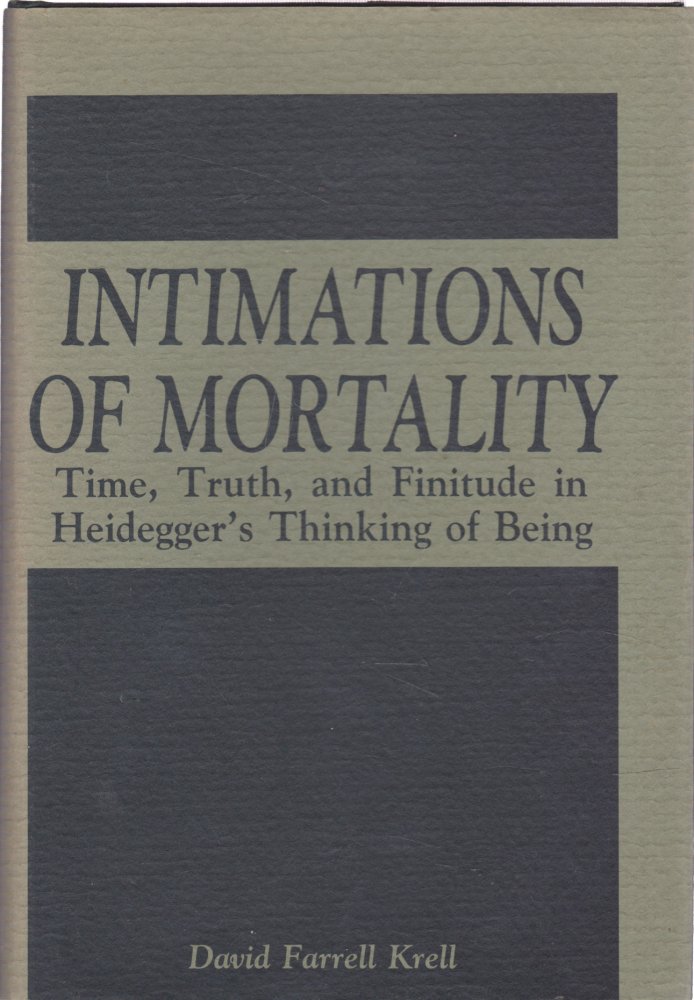
Hardcover. Pennsylvania State University Press, 1st, 1986, Book: Very Good, Dust Jacket: Very Good, Hardcover in a bright dust jacket, 201 pages. Four major subthemes in Heidegger's thinking are explored in the book's four parts: the fundamental ontology developed in Being and Time; the "lighting and clearing" of Being, understood as "unconcealment"; the history of philosophy-with emphasis on Heraclitus, Hegel, and Nietzsche-interpreted as the "destiny" of Being; and the poetics of Being, explicated as the "fundamental experience" of mortality. Neither an introduction nor a survey, this book is a close reading of a wide range of Heidegger's books, lectures, and articles-including extensive material not yet translated into English-informed by the author's conversations with Heidegger in 1974-76. Each of the four subthemes is treated critically. The aim of the book is to push its interrogations of Heidegger's thought as far as possible, in order to help the reader toward an independent assessment of his work and to encourage novel, radically conceived approaches to traditional philosophical problems. Clean copy.
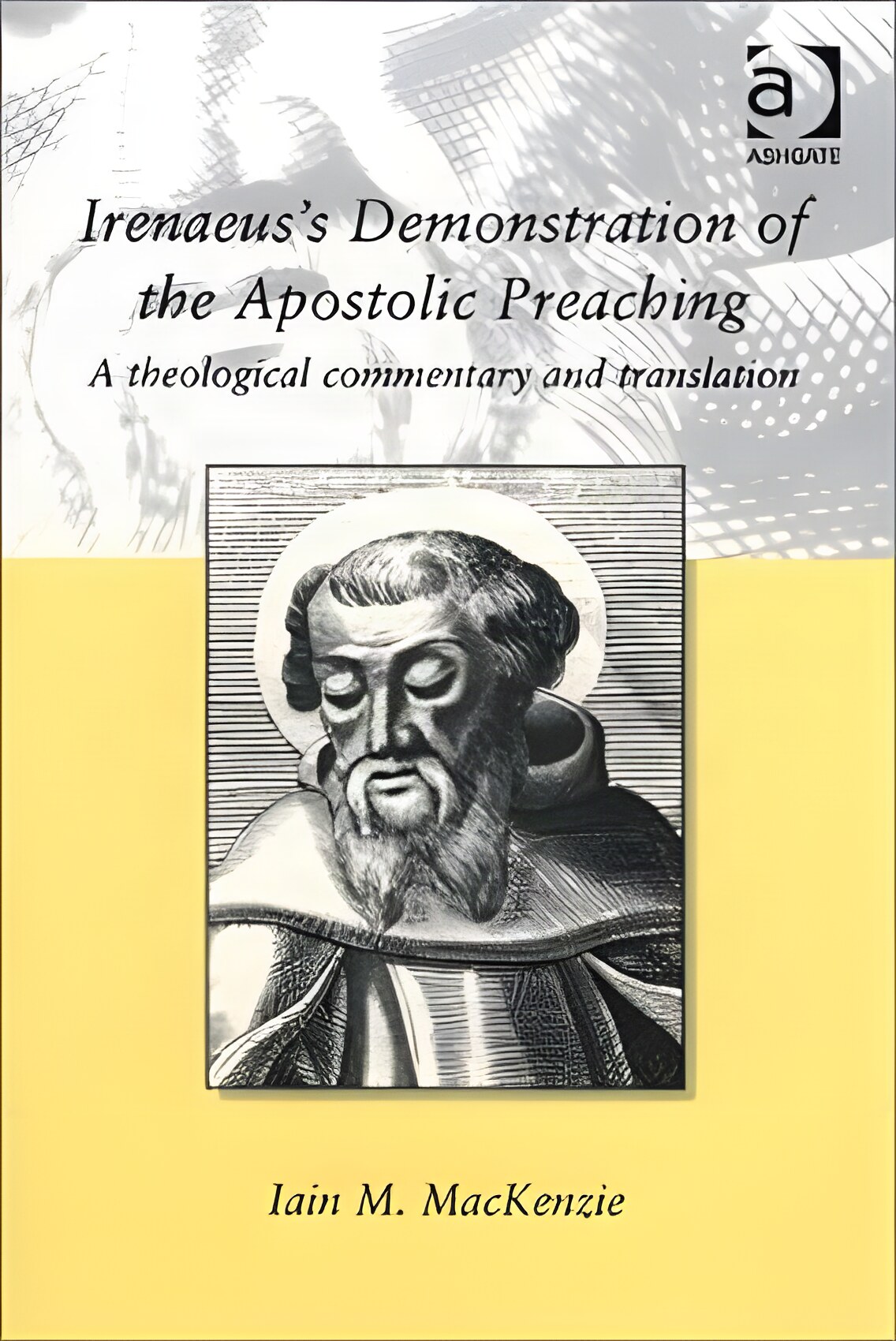
Softcover. Burlington VY, Ashgate Publishing , 1st, 2002, Book: Very Good, Dust Jacket: None, Softcover, 241 pages. The theology of Irenaeus, and the Demonstration of the Apostolic Preaching in particular, is pivotal in showing the way in which the fathers of the church interpreted scripture and distilled doctrine. The Demonstration is an important hinge showing how the doctrine of the fourth century with its definitive councils and definitions of faith, opens out from the new testament apostolic and evangelical witness. Presenting the full translation of the Demonstration of Irenaeus by Dean Armitage Robinson, this book offers a detailed theological commentary by Canon Iain MacKenzie on this foundational doctrinal text. MacKenzie sets out the main theological themes throughout Irenaeus' work, and explores his method of systematic theology, Athanasius's dependence on Irenaeus, and Irenaeus' influence on doctrine in the fourth century - particularly the works of Athanasius, Basil of Caesarea, Gregory of Nazianzus and Gregory of Nyssa. Highlighting the importance of this second century theologian for theology today, this commentary and theological interpretation offers an incentive to study Irenaeus in the wider development of Christian doctrine as a cardinal figure in the appreciation of systematic theology. Name on front fly leaf otherwise clean.
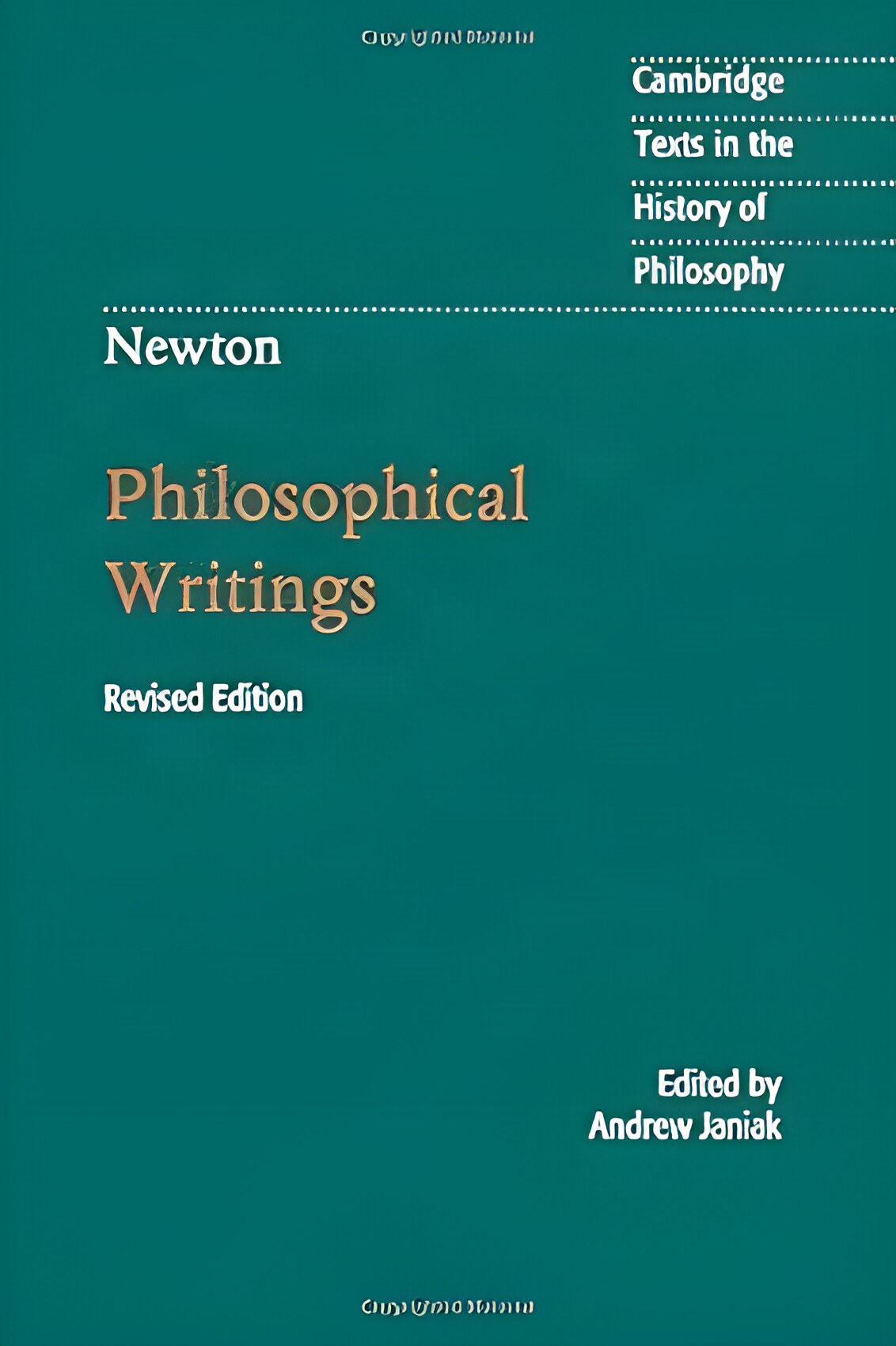
Softcover. Cambridge UK, Cambridge University Press, 1st pbk, 2004, Book: Very Good, Dust Jacket: None, Softcover, 148 pages. Andrew Janiak examines Newton's philosophical positions and his relations to canonical figures in early modern philosophy through Newton's principal philosophical writings. Janiak's study includes excerpts from the Principia and the Opticks, Newton's famous correspondence with Boyle and with Bentley, and his equally significant correspondence with Leibniz, often ignored in favor of Leibniz's later debate with Samuel Clarke. (Newton's exchanges with Leibniz place their different understandings of natural philosophy in sharp relief.) Clean copy.
Hardcover. Tokyo, Toyo Bunko, Reprint, 1969, Book: Very Good, Dust Jacket: Very Good, 377 pages. Hardcover. Volume II only. Illustrated with black & white photographs. Light wear. Clean, tight copy.
Softcover. Amherst MA, Warring States Project, 1st, 2017, Book: Very Good, Dust Jacket: None, Softcover, 191 pages. This book is an overview of the history of Early Christianity. Each chapter is based on one selection from Jewish texts or from those produced by the Jesus sect of Judaism. It gives a sense of how things happened, from the words of certain ancient prophets, to Jesus' effort to bring about those prophecies, to the efforts of his followers to reshape their expectations after his death. It follows the movement as it came to regard Jesus himself as divine, a process which eventually led to the separation of the sect from the parent religion. It ends with a glimpse of a surviving early Christian church on the shores of the Black Sea, and how it appeared to the Roman administrator who was in charge of executing those who, like the Early Christians, refused Emperor worship. From the evidence of two deaconesses whom he tortured, which Pliny reported to Emperor Trajan, we too learn what were the regular practices of that church. Clean copy.
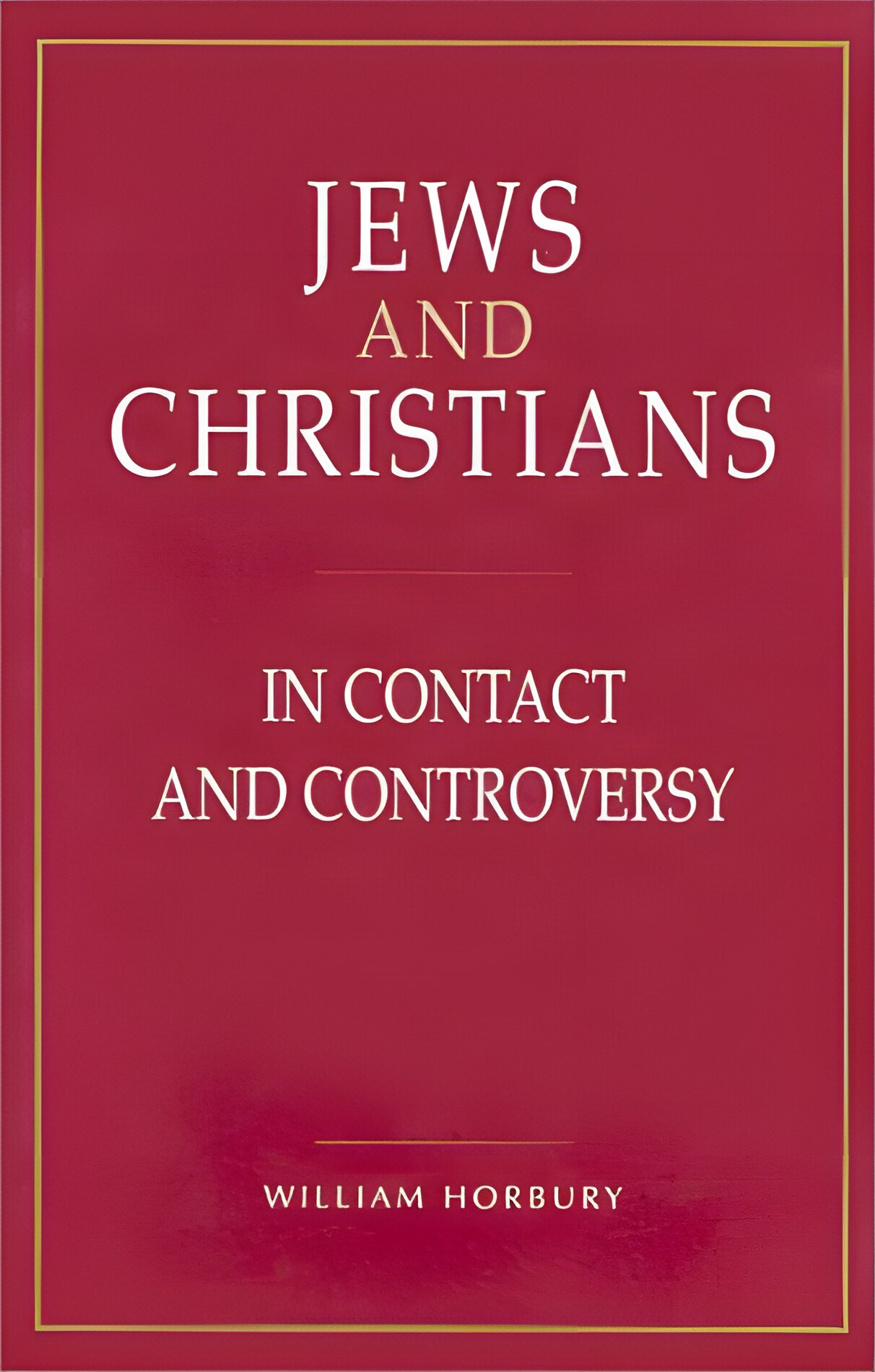
Hardcover. Edinburgh, T and T Clark, 1st, 1998, Book: Very Good, Dust Jacket: Very Good, Hardcover in a bright dust jacket, 342 pages. Jewish-Christian contact and controversy were central to early Christian experience. An understanding of this contact and controversy and its continuation over the centuries is also central to any true understanding of the history of Christianity and of the history of Judaism. The twelve chapters of this book deal especially with the interconnected subjects of polemic and biblical interpretation. Nine are concerned with the ancient world, beginning with post-exilic Jewish writing and the New Testament and going on to later pagan, Jewish and Christian controversies. Three concentrate on medieval and early modern Jewish controversies. Clean copy.
Softcover. UK, Sutton, Revised Ed., 1999, Book: Very Good, Dust Jacket: None, Softcover, 216 pages. Joachim of Fiore has been described as the most singular and fascinating figure of mediaeval Christendom. This title explores his unique understanding of history and looks at the powerful influence of his ideas.
Hardcover. Washington DC, Dumbarton Oaks Research Library, 1st, 1998, Book: Very Good, Dust Jacket: Very Good, Hardcover in a bright dust jacket, 310 pages. John Evelyn (1620-1706), an English virtuoso and writer, was a pivotal figure in seventeenth-century intellectual life in England. He left an immensely rich literary heritage, which is of great significance for scholars interested in garden history and the histories of intellectual life and architecture. Evelyn is perhaps best known for Sylva, a compilation of thoughts on practical estate management, gardening, and philosophy, and the first book published by the Royal Society in London. As one of the group of learned men who founded the Royal Society in 1660 to promote scientific research, discussion, and publications, John Evelyn was at the center of many of the vital intellectual currents of the time. "Elysium Britannicum," Evelyn's unpublished manuscript of almost a thousand pages of densely packed drafts, rewrites, and projects, was perhaps something of an enigma to his contemporaries, who nevertheless urged its publication. It remains for scholars today a treasure-trove of fascinating insights on Evelyn and his milieu. Clean copy.
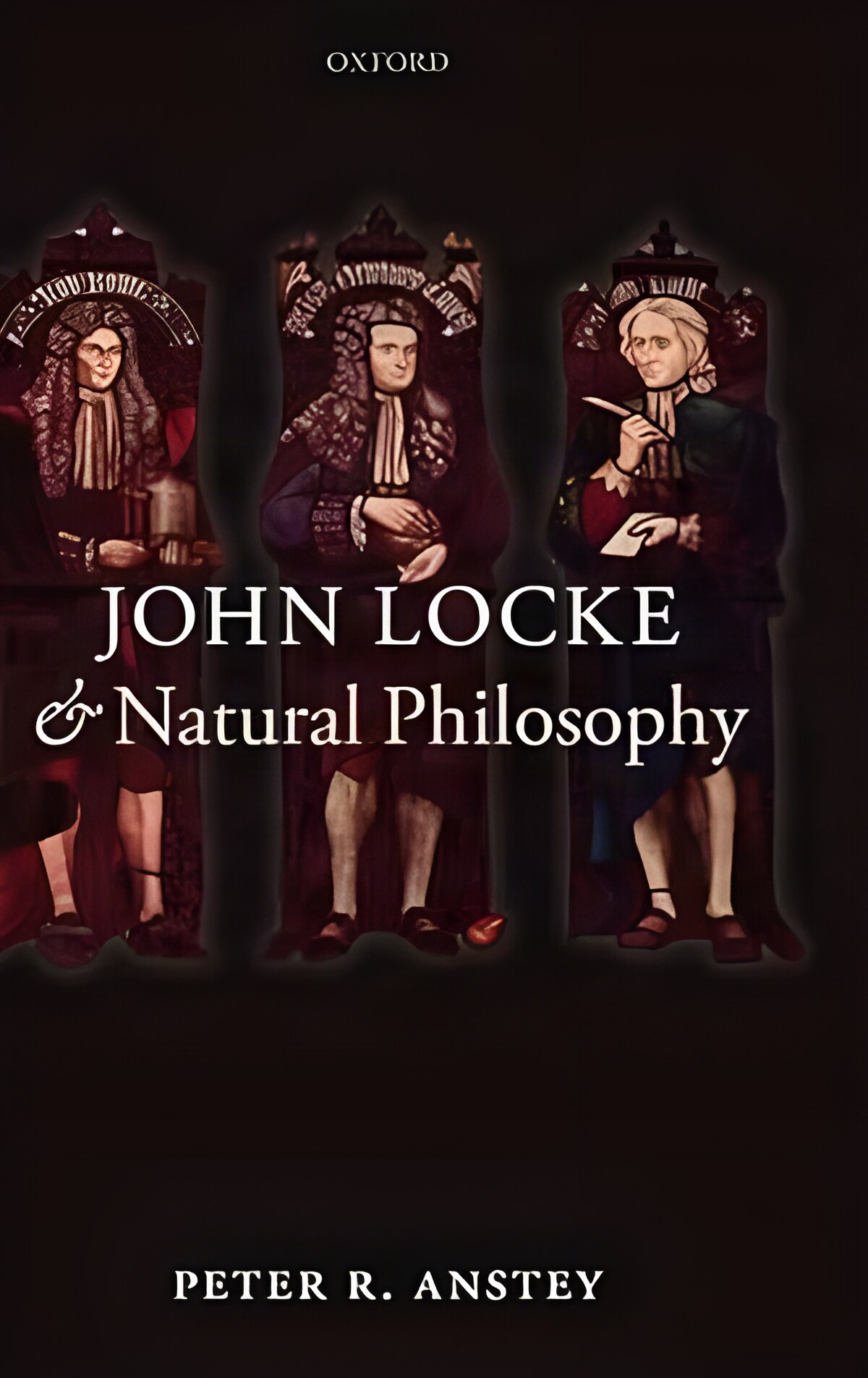
Hardcover. Oxford UK, Oxford University Press, 1st, 2011, Book: Very Good, Dust Jacket: Very Good, Hardcover in a bright dust jacket, 252 pages. Peter Anstey presents an innovative study of John Locke's views on the method and content of natural philosophy--the study of the natural world. He argues that Locke was an advocate of the Experimental Philosophy: the new approach to natural philosophy championed by the scientists of the Royal Society who were opposed to speculative philosophy. Clean, bright copy.
Hardcover. Cambridge UK, Cambridge University Press, 1st, 2006, Book: Very Good, Dust Jacket: Very Good, Hardcover in a bright dust jacket, 767 pages. 'This book is a major new intellectual and cultural history of intolerance and toleration in early modern and early Enlightenment Europe. John Marshall offers an extensive study of late seventeenth-century practices of religious intolerance and toleration in England, Ireland, France, Piedmont and the Netherlands and of the arguments which John Locke and his associates made in defence of 'universal religious toleration'. He analyses early modern and early Enlightenment discussions of toleration; debates over toleration for Jews and Muslims as well as for Christians; the limits of toleration for the intolerant, atheists, 'libertines' and 'sodomites'; and the complex relationships between intolerance and resistance theories including Locke's own Treatises. This study is a significant contribution to the history of the 'republic of letters' of the 1680s and the development of early Enlightenment culture and will be essential reading for scholars of early modern European history, religion, political science, and philosophy.' Clean copy.
Softcover. Princeton NJ, Princeton University Press, 1st, November 1989, Book: Very Good, Dust Jacket: None, Softcover, 325 pages. Clean, unmarked copy with only minor edgewear to wrappers.
Hardcover. London, Lutterworth, 1st UK, 1955, Book: Very Good, Dust Jacket: None, Hardcover, blue cloth with faded gilt lettering on spine, 115 pages. A fascinating glimpse into the debate in Scandinavia concerning a number of inter-related Biblical themes focused on the concept of the Messiah, a debate associated with scholars such as Mowinckel, Pedersen, Widengren, and Bentzen himself. The argument traces the development of the Messianic figure from its Old Testament roots, starting with the Messiah of many of the Psalms, which represents a demythologised form of the Oriental conception of kingship, through the eschatologised Messiah of the prophetic thought of Isaiah and Micah, and then to the prophet-Messiah of Second Isaiah, which although still a present and entirely human figure, embodies the insight that the saviour of Israel must suffer and be cast in the role of a Moses Redivivus as leader of a new Exodus. The Son of Man of Daniel 7 carries this eschatologising process even further, until the Christology of the New Testament emerges as a creative synthesis of these Old Testament types. In this synthesis, Jesus is a new Adam, the Messiah present in the flesh and present still in His body the Church, the suffering Prophet playing the part of the new Moses and the once and future Divine King. Bentzen argues that ultimately this figure of Christ the Messiah transcends not only the Old Testament types on which it is based, but also the subsequent historical development of the Christian Messianic tradition.
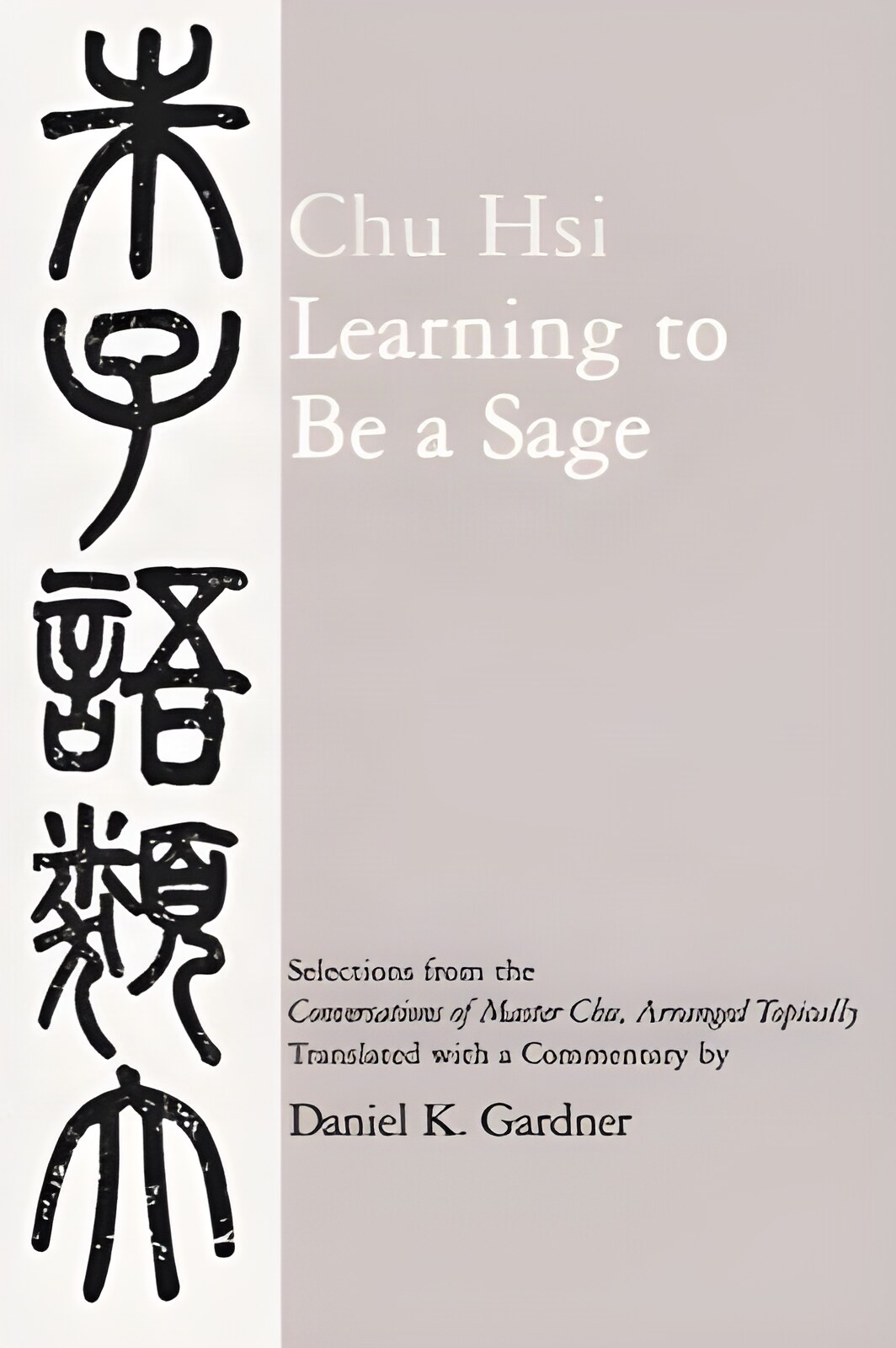
Softcover. Berkeley CA, University of California Press, reprint, 1990, Book: Very Good, Dust Jacket: None, Softcover, 218 pages. Students and teachers of Chinese history and philosophy will not want to miss Daniel Gardner's accessible translation of the teachings of Chu Hsi (1130-1200)-a luminary of the Confucian tradition who dominated Chinese intellectual life for centuries. Homing in on a primary concern of our own time, Gardner focuses on Chu Hsi's passionate interest in education and its importance to individual development. For hundreds of years, every literate person in China was familiar with Chu Hsi's teachings. They informed the curricula of private academies and public schools and became the basis of the state's prestigious civil service examinations. Nor was Chu's influence limited to China. In Korea and Japan as well, his teachings defined the terms of scholarly debate and served as the foundation for state ideology. Clean copy.
Hardcover. Princeton, NJ, Princeton University Press, 1st Edition, 1989, Book: Very Good, Dust Jacket: Very Good, 350 pages. Hardcover. Previous owner's name on front flyleaf. Blue cover boards, gilt title on spine. Dust jacket unclipped, some fading and agewear to spine of dj. This study of the metaphysics of G.W. Leibniz gives a clear picture of his philosophical development within the general scheme of seventeenth-century natural pholosophy.
Hardcover. Cambridge, Harvard University Press, First Edition, 1968, Book: Very Good, Dust Jacket: Very Good, 335 pages. Hardcover. Ivory boards with black printed titles to mustard cloth spine. Dust jacket with moderate toning & light wear to edges. Previous owner's signature to front flyleaf. Illustrations in bw throughout. Clean & unmarked copy.
Hardcover. Boston, Houghton Mifflin, reprint, 1882, Book: Very Good, Dust Jacket: None, Hardcovers, two-volume set complete. Matching dark brown cloth covers stamped in black and gilt, top edge gilt. 639; vi, 653 pages; index, bibliography, frontispiece portrait in each volume - one a quite formal portrait of Voltaire in his prime, the other a sketch of him in old age. Covers show light wear, name on title pages. This is the second printing, the first published a year earlier. A comprehensive life of the great Enlightenment writer. PLEASE NOTE: DUE TO WEIGHT, DOMESTIC SHIPPING ONLY.
Hardcover. UK, Imprint Academic, 1st, 2004, Book: Very Good, Dust Jacket: Very Good, 208 pages. Clean, unmarked copy with only minor wear to dust jacket. This book examines Oakeshott's political philosophy within the context of his more general conception of philosophical understanding. The book stresses the underlying continuity of his major writings on the subject and takes seriously the implications of understanding the world in terms of modality. The book suggests strongly that Oakeshott's philosophy of political activity cannot be reduced to a branch of conservatism, liberalism, or postmodernism or a theory or set of doctrines which fit neatly into any conventional school, like that of Idealism or Skepticism. Rather, Oakeshott's philosophy of political activity is a provocation to all of the currently dominant schools of political theory and political practice. It questions their presuppositions and exposes as ambiguous, arbitrary, or confused all of the supposed certainties which they take for granted. It does all this by offering profound insights into the character and limits of both political activity and political theory in the modern world.
Hardcover. Oxford UK, The Voltaire Foundation, 1st, 1991, Book: Very Good, Dust Jacket: None, Hardcover in blue cloth, gilt lettering on spine, 251 pages. As France moved from the seventeenth to the eighteenth century, it found itself in the grip of anglomanie - a fascination with new English ideas in the domains of science and philosophy. Chief among the English thinkers it enthusiastically embraced was John Locke. On his visits to France and in his personal correspondence, Locke interacted with prominent French thinkers, scientists and savants of the day, such as Charles Barbeyrac and Pierre Magnol, and his works engaged in a critical dialogue with those of Descartes. However, Locke has been feted to such an extent that his position in the history of ideas in France is often overlooked. In Locke in France 1688-1734, Ross Hutchison re-examines and re-contextualises the precise nature and extent of Locke's influence in France by exploring how his ideas were incorporated into contemporary French debates and controversies in the transitional period from the seventeenth to the eighteenth century. Hutchison highlights the various channels of dissemination which brought Locke to the attention of the French, including translations of his major works and his personal friendships with French Protestant exiles. Hutchison also presents case studies of interactions in which Lockean ideas played a dominant role in the evolution of French thought, ranging from political theory to the nature of language, theories of education, and the relation between soul and matter. Clean copy, no dust jacket.
Hardcover. Oxford UK, Clarendon Press, 1st, 1991, Book: Very Good, Dust Jacket: Very Good, Hardcover set, complete in two volumes, both with bright dust jackets. Locke on Money presents for the first time the entire body of the philosopher's writings on this important subject (other than Two Treatises of Government). Accurate texts, together with an apparatus listing variant readings and significant manuscript changes, record the evolution of Locke's ideas from the original 1668-74 paper on interest to the three pamphlets on interest and coinage published in the 1690s. The introduction by Patrick Hyde Kelly establishes the wider context of Locke's writings in terms of contemporary debates on these subjects, the economic conditions of the time, and the circumstances of writing and publication. It shows, notably, that Locke's supposed responsibility for the 1696 recoinage is a myth. The account of what Locke derived from Mercantilist writings and of how he reformulated these in accordance with his philosophy illuminates his contribution to the evolution of economics, and will aid reappraisal of Two Treatises. The picture that emerges confirms Locke's status as major economic thinker, contrary to the prevalent view of recent decades. There are two volumes in the edition. The first contains the introductory matter, and the texts of the Early Writings on Interest, 1688-74, and Some Considerations. The second comprises Short Observations, Further Considerations, and the Appendices, Bibliography, and Index. 664 total pages. Name on front fly leaf in Vol. 1, otherwise clean.
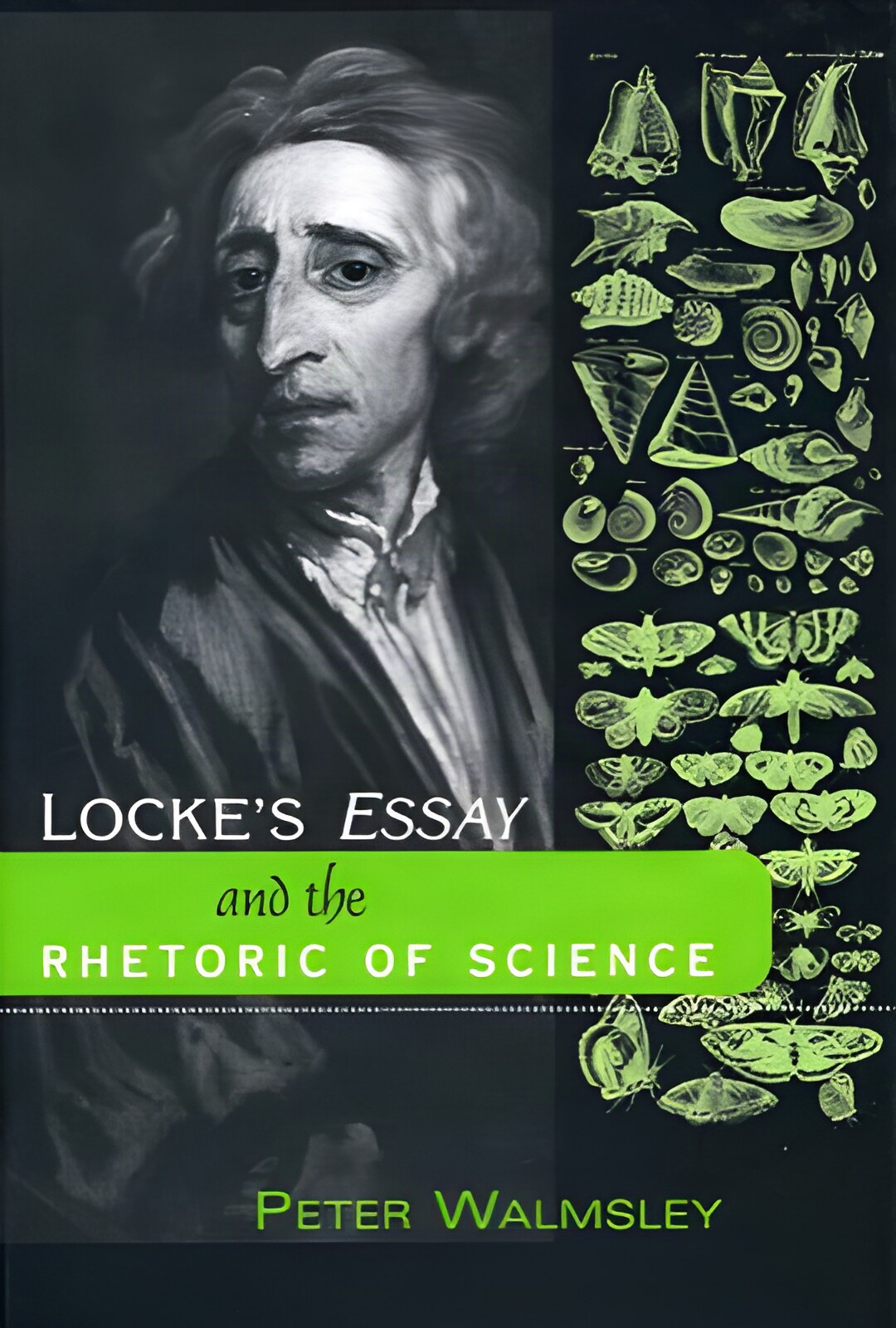
Hardcover. London, Bucknell University Press, 1st, 2003, Book: Very Good, Dust Jacket: Very Good, Hardcover in a bright dust jacket, 199 pages. This book shows how, in his enormously influential Essay Concerning Human Understanding (1689), John Locke embraces the new rhetoric of seventeenth-century natural philosophy, adopting the strategies of his scientific contemporaries to create a highly original natural history of the human mind. With the help of Locke's notebooks, letters, and journals, Peter Walmsley reconstructs Locke's scientific career, including his early work with the chemist Robert Boyle and the physician Thomas Sydenham. He demonstrates too how the Essay embodies in its form and language many of the preoccupations of the science of its day, from the emerging discourses of experimentation and empirical taxonomy to developments in embryology and the history of trades. Widely research and lucidly and engagingly written, Locke's Essay and the Rhetoric of Science constitutes an important new reading of Locke, on that shows both his brilliance as a writer and his originality in turning to science to effect a radical re-invention of the study of the mind. Pencil marking to front fly leaf, otherwise clean.
Hardcover. London, England, Cambirdge at the University Press, 1st Edition, 1917, Book: Good, Dust Jacket: None, 338 pages. Hardcover. Green cloth cover boards, gilt title on spine and front cover board, gilt faded on cover, some agewear. Some light pencil within. Previous owner's name on front flyleaf. Some tanning to pages and edges.


 "In the Garden of Myrtles: Studies in Early Islamic Mysticism by: Andrae, Tor")

 "Japanese Religion in the Meiji Era - Volume II - Religionby: Kisimoto, Hideo")



 "John Locke, Toleration and Early Enlightenment Culture (Cambridge Studies in Early Modern British History)by: Marshall, John")
 "Kant and the Philosophy of Historyby: Yovel, Yirmiyahu")


 "Leibniz's Metaphysics: A Historical and Comparative Studyby: Wilson, Catherine")

 "Leonardo da Vinciby: Zubov, V. P.")

 "Limits of Political Theory, The: Oakeshott's Philosophy of Civil Association by: McIntyre, Kenneth B.")

 "Locke on Money. Edited together with Ancillary Manuscripts, an Introduction, Critical Apparatus, and Notes by Patrick Hyde Kelly.(2 Volumes)by: Locke, John and Kelly,")
 "Locke's Theory of Knowledge and its Historical Relationsby: Gibson, James")