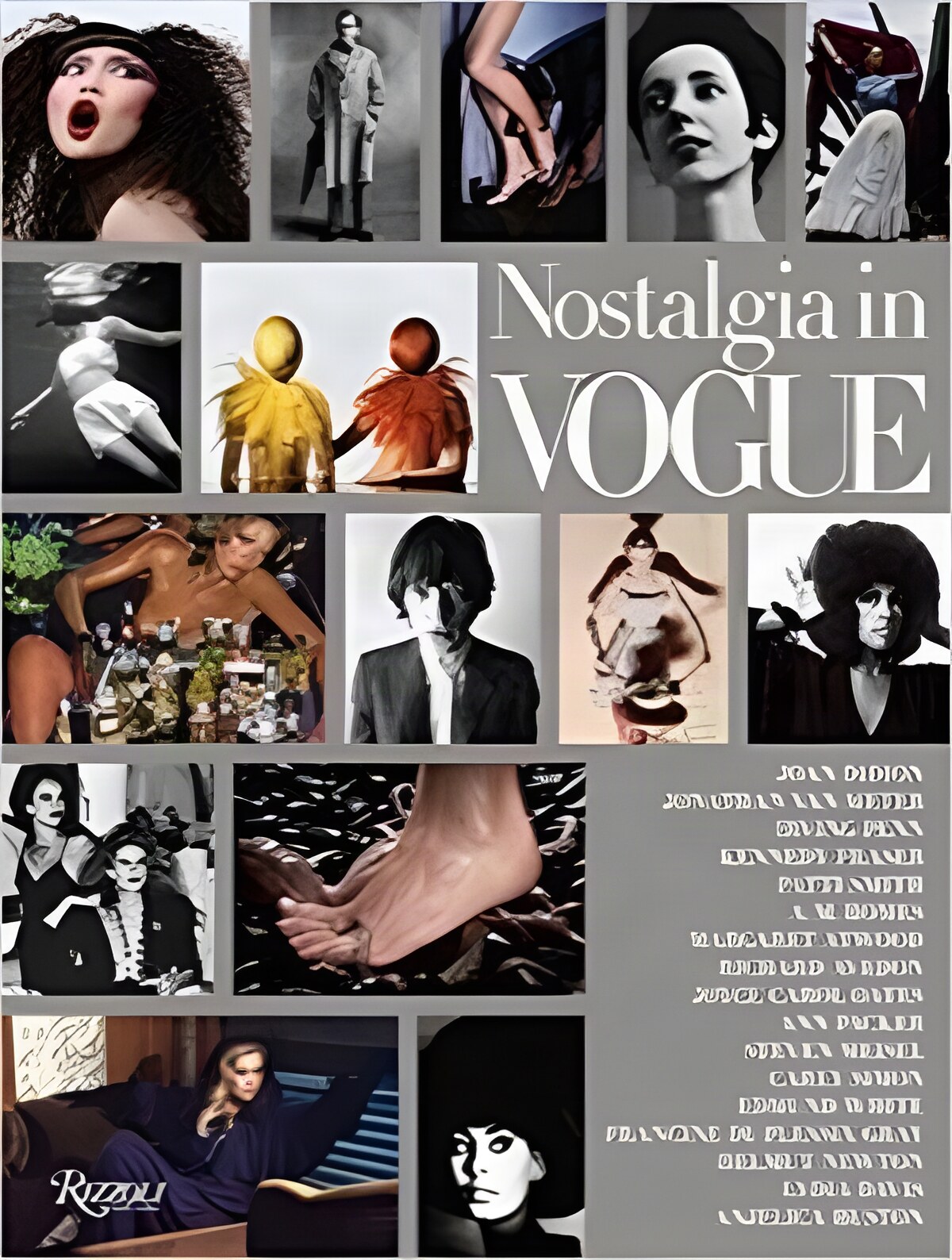
Hardcover. NY, Rizzoli, 1st, 2011, Book: Very Good, Dust Jacket: Very Good, Hardcover, 288 pages. Nostalgia in Vogue celebrates the popular and poignant coming-of-age memoir columns that have been enchanting Vogue readers since 2000. This elegant volume collects a wonderful selection of Vogue's famous "Nostalgia" columns and the stunning photographs that accompanied them. Writers, designers, models, and celebrities share coming-of-age stories based on a rich range of themes from fashion to art, Hollywood, music, childhood, work, and love, each triggered by an extraordinary photograph from Vogue's history. With a host of intriguing characters and stories, and images by legendary photographers such as Irving Penn, Richard Avedon, Henry Clarke, Helmut Newton, Horst P. Horst, and Henri Cartier-Bresson, Nostalgia in Vogue is both a visual treat and a fascinating read. Whether told from the point of view of a budding movie star or a teenager straining to make sense of the sophisticated adult world, each entry offers a unique slice of life sharply evocative of time and place. Nostalgia in Vogue is a must for devotees of fashion, pop culture, photography, and literary memoir and reaches across a readership of all ages. Text by Eve Macsweeney with a Foreword by Anna Wintour and essays by Joan Didion, Margaret Atwood, Patti Smith, Edmund White, Karl Lagerfeld, Carly Simon, John Galliano, Ann Packer, Anjelica Huston, Nora Ephron, A. M. Homes, and others.
Hardcover. New York , Scala Publishers, 1st, 2010, Book: Very Good, Dust Jacket: Very Good, Like new in publishers shrink-wrap. The history of New York's ties to the Spanish-speaking world is as old as New Amsterdam itself, and is largely unknown. Accompanying a major exhibition organized by the New York Historical Society and El Museo del Barrio, this groundbreaking, interdisciplinary publication will for the first time make visible these connections and the myriad ways in which they have shaped the city for more than four centuries. Hardcover, 286 pages, b&w, some color illustrations.
Hardcover. NY, Birch Lane Press, 1st, 1994, Book: Very Good, Dust Jacket: Very Good, Hardcover in a bright dust jacket, 414 pages, b&w illustrations. A biography of controversial designer Calvin Klein draws on interviews with friends, business associates, and lovers to trace his dramatic rise to fame in the fashion world and his self-indulgent personal life.
Hardcover. Portland OR, Timber Press, 1st, 2010, Book: Very Good, Dust Jacket: Very Good, Hardcover in a bright, unclipped dust jacket. 208 pages, color photos. The visually arresting and often misunderstood octopus has long captured popular imagination. With an alien appearance and an uncanny intellect, this exceptional sea creature has inspired fear in famous lore and legends--from the giant octopus attack in 20,000 Leagues Under the Sea to Ursula the sea witch in The Little Mermaid. Yet its true nature is more wondrous still. After decades of research, the authors reveal a sensitive, curious, and playful animal with remarkable intelligence, an ability to defend itself with camouflage and jet propulsion, an intricate nervous system, and advanced problem-solving abilities. In this beautifully photographed book, three leading marine biologists bring readers face to face with these amazingly complex animals that have fascinated scientists for decades. From the molluscan ancestry of today's octopus to its ingenious anatomy, amazing mating and predatory behaviors, and other-worldly relatives, the authors take readers through the astounding life cycle, uncovering the details of distinctive octopus personalities. With personal narratives, underwater research, stunning closeup photography, and thoughtful guidance for keeping octopuses in captivity, Octopus is the first comprehensive natural history of this smart denizen of the sea. Clean copy.
Hardcover. Focal Point, 1st, 2008, Book: Very Good, Dust Jacket: Very Good, Hardcover, 224 pages. Spanning almost a century of global upheaval and riveting human drama, this magnificent book follows the careers of Maynard Owen Williams, Volkmar Wentzel, Luis Marden, and Tom Abercrombie--a stellar quartet of National Geographic photographers who used their cameras to record a truly remarkable era. While the lensmen were all supported and nurtured both technically and creatively by the Geographic, each had his own interests and his own distinctive style--and each made his own unique contribution to world culture, science, and history. Following a thoughtful introduction that sets the scene, the book is divided into four parts, each devoted to one man's life and work. Chapters open with an essay and then display up to 50 pages of breathtaking historic images, many of which lay hidden in National Geographic archives for decades. Close associates and loved ones authored each photographer's intimate story, calling on journals, anecdotes, and behind-the-scenes correspondence to portray the real person behind the lens. Our four subjects, taken together, represent the entire and quite glamorous progression of National Geographic photography--a chronicle that will be eagerly embraced by all who love world history, biography, and great pictures.
Softcover. NY, Plume/New American Library, 1st, 1980, Book: Very Good, Dust Jacket: None, Softcover, 470 pages, illustrated in b&w and color. Film historian and critic, Leonard Maltin's extensively researched book about the world of animated cartoons. Illustrated with drawings, photographs, and color posters. With studio filmographies, Academy Award nominees and winners, glossary of animation terms, source listings, and index. Clean copy.
Softcover. Leopard Publishing Ventures, 1st, 2016, Book: Very Good, Dust Jacket: None, Softcover, 60 pages, illustrated. Built in the cottage orne style from a plan by the Regency architect John Nash (1752-1835), Old Came Rectory is the historic home of the poet philologist, William Barnes (1801-1886), Thomas Hardy's mentor. Amid gatherings of poets, writers and historical figures, how many discussions around the fire of this homely home have gone on to shape the world we know today? INSCRIBED BY AUTHOR on Dedication page.
Hardcover. New York, Norton, 1st, 2007, Book: Very Good, Dust Jacket: Very Good, Hardcover, 160 pages. Like new in publisher's shrink-wrap. For over twenty-five years Tim Barnwell has explored the southern Appalachian region, documenting the farm culture, visiting with and photographing the people of its isolated mountain enclaves. The photographs in this collection provide a window onto a world that is quickly fading. Barnwell honors the richness and rhythms of everyday life-people in their homes and at work in the fields-and captures the beauty of the North Carolina mountains. These intimate portraits are complemented by oral histories, derived from conversations between the author and his subjects, through which individual stories unfold, rich in humor, joy, loss, and wisdom. 100 duotone photographs
Softcover. Hanover NH, Wesleyan University Press, 3rd pr., 1987, Book: Very Good, Dust Jacket: None, Softcover in pictorial wraps, 343 pages. The focus of this book is the secular cultures of pagan Greece and imperial Rome, and the religious cultures of Judaism and Christianity which, in turn, grew from and influenced them and the modern world. For Momigliano, religion, secular ideology, and politics live in and illuminate the present. Brings together nineteen essays written over five years from sources such as The New York Review of Books, The American Scholar, and the Annali della Scuola Normale Superiore di Pisa. Clean copy.
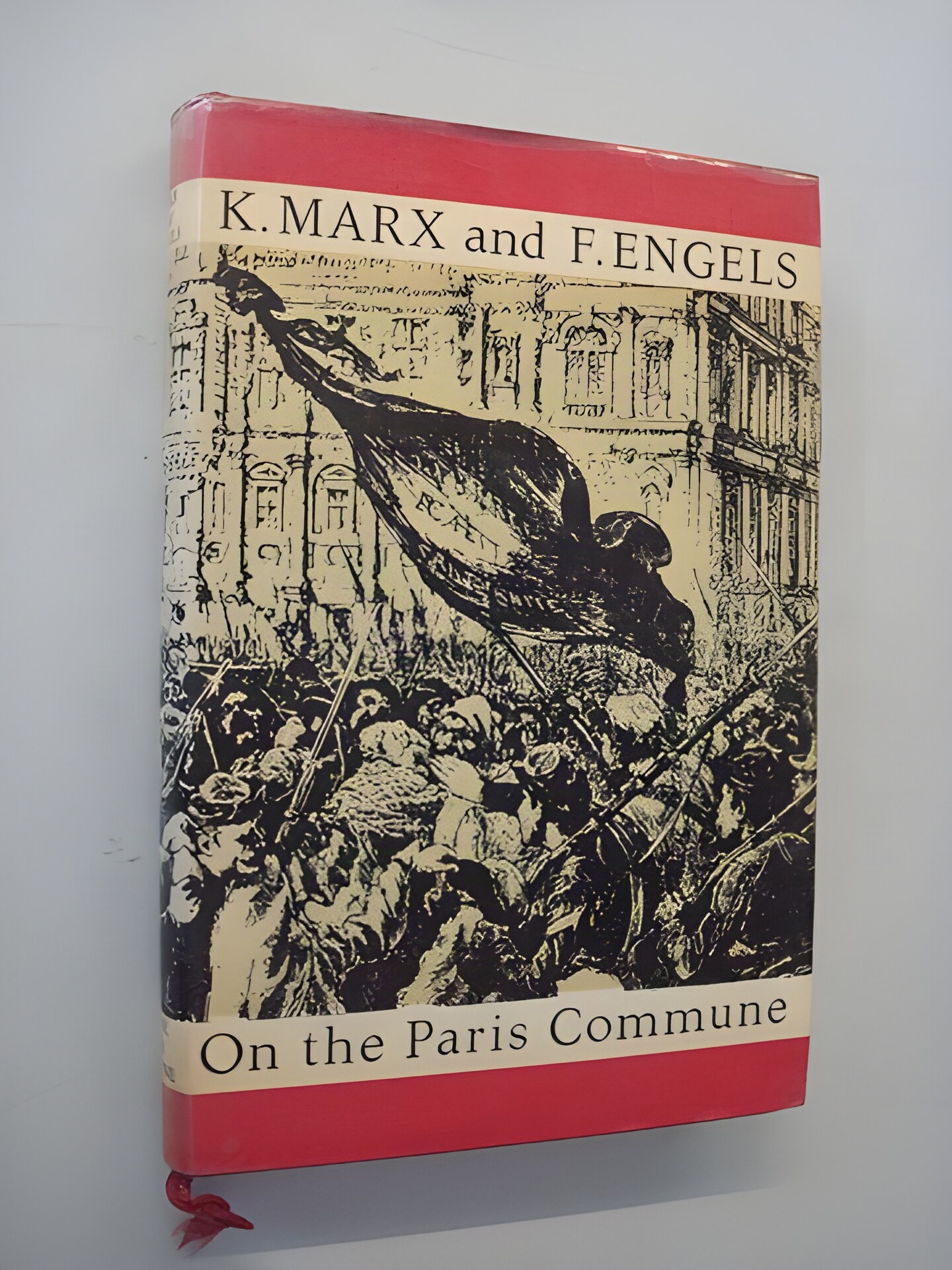
Hardcover. Moscow, Progress Publishers, 1st, 1971, Book: Very Good, Dust Jacket: Very Good, Hardcover in a bright dust jacket, 357 pages. "On March 18, 1871, the workers of Paris expelled the bourgeois rulers of the city and took power into their own hands , a shining achievement never to be forgotten. Ten days later, on March 28, they set up the Paris Commune, the world's first proletarian state. It was of an entirely new type, being governed by the people and for the people, with all its social and political measures taken in the interest of the working people, the working class above all." -from the Preface. First printing of this selection, published for the centenary of the Commune. With ribbon bookmark. Clean copy.
Hardcover. NY, Bloomsbury USA, 1st, 2013, Book: Very Good, Dust Jacket: Very Good, Hardcover in a bright, unclipped dust jacket, 509 pages. The relationship between man and horse on the Eurasian steppe gave rise to a succession of rich nomadic cultures. Among them were the Mongols of the thirteenth century - a small tribe, which, under the charismatic leadership of Genghis Khan, created the largest contiguous land empire in history. Inspired by the extraordinary life nomads lead, Tim Cope embarked on a journey that hadn't been successfully completed since those times: to travel on horseback across the entire length of the Eurasian steppe, from Karakorum, the ancient capital of Mongolia, through Kazakhstan, Russia, Crimea and the Ukraine to the Danube River in Hungary. From horse-riding novice to spending months in the saddle, he learnt to fend off wolves and would-be horse-thieves, and grapple with the haunting extremes of the steppe as he crossed sub-zero plateaux, the scorching deserts of Kazakhstan and the high-mountain passes of the Carpathians. As he travelled he formed a close bond with his horses and especially his dog Tigon, and encountered essential hospitality - the linchpin of human survival on the steppe - from those he met along the way. Cope bears witness to how the traditional ways hang in the balance in the post-Soviet world - an era that has brought new-found freedom, but also the perils of corruption and alcoholism, and left a world bereft of both the Communist system upon which it once relied, and the traditional knowledge of the nomadic forefathers.
Hardcover. Boston, Little, Brown and Company, 1st, 1947, Book: Very Good, Dust Jacket: None, Hardcover, blue cloth with gilt lettering on spine. Volume VI in The History of United States Naval Operations in World War II. 297 pages, illustrated with maps (one fold-out) and b&w photos. This volume covers the operations of the United States Navy in North African waters, both on the Atlantic coast and in the Mediterranean, from the beginning of World War II through the capture of Pantelleria in June 1943. More than half the volume is devoted to the capture of bases in French Morocco, which was an all-American operation and in many respects one of the most remarkable of the war. Gilt on spine with light fading, lacks dust jacket, otherwise clean, tight copy.
Hardcover. London, Scriptum, 1st, 2002, Book: Very Good, Dust Jacket: Very Good, Hardcover in a bright, unclipped dust jacket, 335 pages illustrated in color. The story of this flower, from the hunt for new varieties in the wild in the 1800s to the development of the more than 100,000 hybrids that exist today, is related in fascinating detail in "Orchids". This beautiful book features text by one of the world's foremost orchid authorities alongside spectacular watercolor portraits of prize-winning orchids from the Royal Horticultural Society in London, which spearheaded orchid cultivation in Western Europe beginning in the 19th century. This exquisite collection of paintings commissioned by the RHS every year since 1897 represents the ultimate orchid pictorial history. "Orchids" is an indispensable sourcebook for those captivated by the beauty and infinite variety of this glamorous flower.
Hardcover. NY, Flatiron Books, 2nd pr., 2021, Book: Very Good, Dust Jacket: Very Good, Hardcover in a bright, unclipped dust jacket, 389 pages. Traces the story of the integration of the Cleveland Indians and their quest for a World Series title through four key participants-all members of Baseball's Hall of Fame. They were Bill Veeck, the eccentric and visionary owner of the team; Larry Doby, a soft-spoken hard-hitting pioneer who shattered stereotypes that many Americans had of black ballplayers; ace pitcher Bob Feller who set the template for the athlete as businessman; and Satchel Paige, legendary pitcher from the Negro Leagues too long excluded from professional baseball because of his skin color. Clean copy.
Hardcover. New York, Rizzoli, 1st, 2006, Book: Very Good, Dust Jacket: Very Good, 275 pages, color illustrations throughout. In publisher's shrinkwrap. Owen Jones was, and still remains, a highly influential force in the world of architecture and design. His prolific and impressive work--captured here in its various stages through drawings, architectural plans, and photographs--is as current, imaginative, and important now as when it first emerged more than 125 years ago. Owen Jones: Design, Ornament, Architecture & Theory in an Age in Transition fills a serious gap in the history of Victorian design. In his early career Jones was recognized as an authority on Oriental design. In the 1850s he was commissioned to decorate the interior of Joseph Paxton's magnificent World's Fair Crystal Palace in London. Other signature projects include St. James' Hall, the Crystal Palace Bazaar, Osler's Glass Shop, and Eynsham Hall at Oxford. In 1856 he completed his monumental Grammar of Ornament, which remains one of the most influential works on design ever published and is a source for many artists and designers today. More than just an architect, Jones' skills were applied to designing interiors, books, textiles, furniture, and carpet. His philosophy can most accurately be expressed in his words, "Form without color is like a body without a soul."
Hardcover. New York, Rizzoli, 1st, 2006, Book: Very Good, Dust Jacket: Very Good, 275 pages, color illustrations throughout. In publisher's shrinkwrap. Owen Jones was, and still remains, a highly influential force in the world of architecture and design. His prolific and impressive work--captured here in its various stages through drawings, architectural plans, and photographs--is as current, imaginative, and important now as when it first emerged more than 125 years ago. Owen Jones: Design, Ornament, Architecture & Theory in an Age in Transition fills a serious gap in the history of Victorian design. In his early career Jones was recognized as an authority on Oriental design. In the 1850s he was commissioned to decorate the interior of Joseph Paxton's magnificent World's Fair Crystal Palace in London. Other signature projects include St. James' Hall, the Crystal Palace Bazaar, Osler's Glass Shop, and Eynsham Hall at Oxford. In 1856 he completed his monumental Grammar of Ornament, which remains one of the most influential works on design ever published and is a source for many artists and designers today. More than just an architect, Jones' skills were applied to designing interiors, books, textiles, furniture, and carpet. His philosophy can most accurately be expressed in his words, "Form without color is like a body without a soul."
Hardcover. Boston Mills Press , 1st, 2007, Book: Very Good, Dust Jacket: Very Good, Hardcover in a bright, unclipped dust jacket. For a world coming out of economic depression in the 1930s, the Pan American Airways Clipper "flying boats" symbolized elegance and luxury, adventure and romance. Illustrated with rare period photographs, vintage travel posters, magazine ads and colorful company brochures, this fascinating book covers every aspect of the fabulous era of Pan American's graceful clippers. Like their maritime namesakes, the Clippers used the oceans to form a vast global network of travel routes. Pan Am founder Juan Trippe was a visionary who saw the importance of international travel to a changing world. His Clippers would play a key role in the evolution of transoceanic flight, setting time and distance records over the Atlantic and Pacific, providing airmail delivery between countries, and eventually serving the Allies as troop and cargo transports during World War II. A major appeal is the 200 color images and 100 historical black-and-white photographs. Clean copy.
Hardcover. NY, Prestel, 1st, 2018, Book: Very Good, Dust Jacket: None, Hardcover in pictorial boards. While sheets of paper are disappearing from our homes and offices, the medium is experiencing a renaissance in the worlds of art, design, and architecture. Suddenly, paper is everywhere--but not only in the old familiar places or forms. This fascinating book looks at every aspect of paper: its history, composition, production, application, and trade. Beginning with the anatomy of paper and its earliest forms, this book looks at paper as a symbol of political and economic importance and as a carrier of ideas, from literature to art, design, and music. It looks at the different surfaces, opacities, weights and volumes of paper and how it is used for printing, typography, graphics, and maps as well as a vehicle for origami, architecture, and fashion. Sumptuously illustrated with photographs and drawings, this book includes a variety of papers for readers to examine and feel, highlighting the sensual aspects of this seemingly ordinary product. Engaging, entertaining, and informative, this book contains a wealth of useful and surprising information on every printed, colored, and textured page
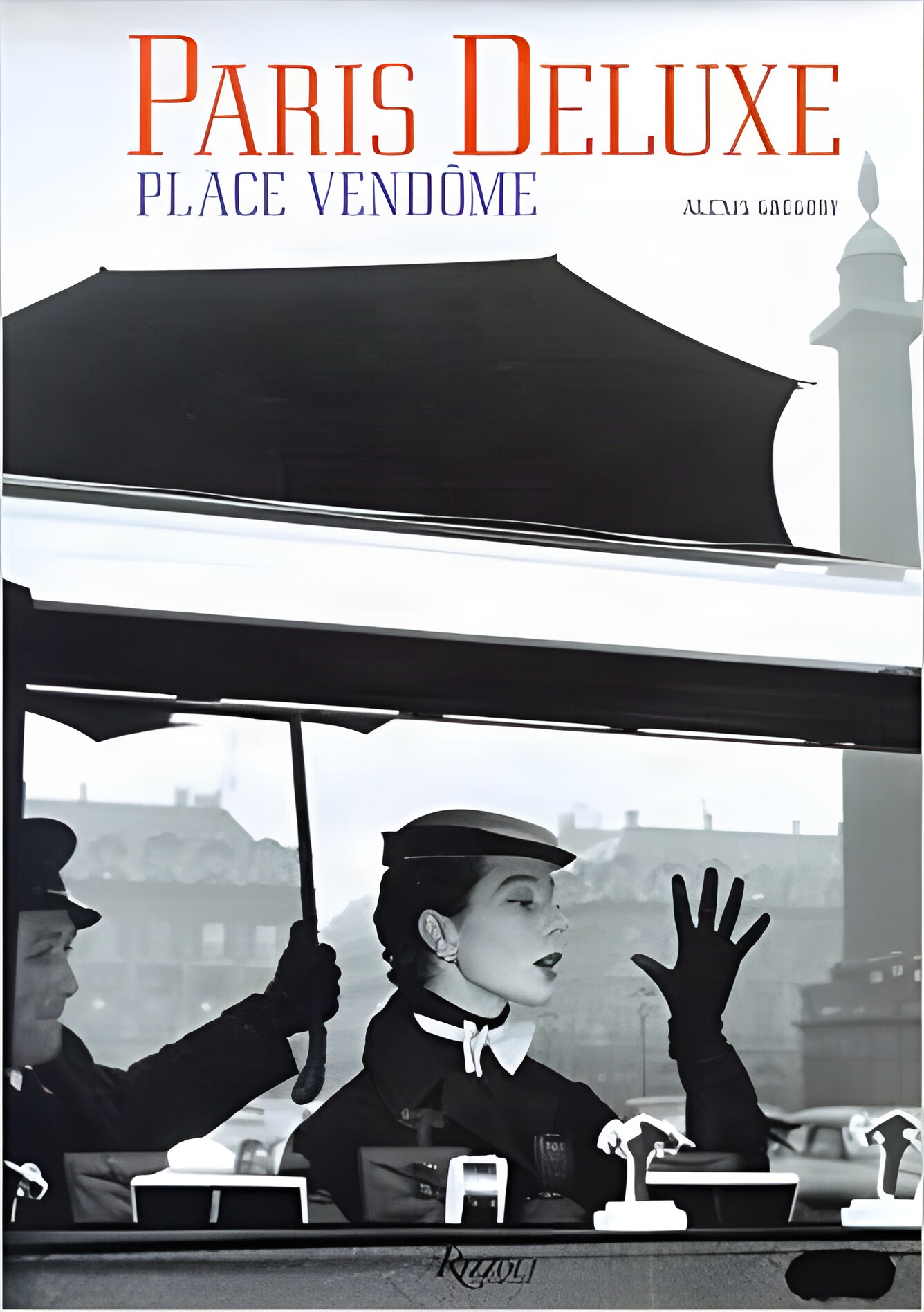
Hardcover. NY, Rizzoli, 1st, 1997, Book: Very Good, Dust Jacket: Very Good, Hardcover, 240 pages. In text and photographs, Paris Deluxe traces the history of the Place Vendome, from the square's beginnings as a high-risk property speculation, to its life in the twentieth century as Paris's center of fashion, jewelry, high finance, and art, a playground for international society that converges at the Paris Ritz, undoubtedly still the most elegant, expensive, and comfortable hotel in the world. The cast of extraordinary personalities who have left their marks on the square covers the spectrum from fashion and jewelry-- names like Coco Chanel, Elsa Schiaparelli, Frederic Worth, Cartier, Boucheron-- to financiers J.P. Morgan and John Law, and every prominent name in art and high society-- Edward, Prince of Wales, the Vanderbilts, Baroness Guy de Rothschild, Lillie Langtry, Rene Lalique and the Crozats, whose art collection was bought by Diderot for Catherine the Great.
Hardcover. NY, Holt Rinehart & Winston, 1st, 1981, Book: Very Good, Dust Jacket: Very Good, Hardcover in a bright dust jacket with minor edgewear, 294 pages. Depicts the German occupation of Paris during World War II from the perspectives of both the defeated Parisians and the victorius Germans, accompanied by 116 contemporary photographs in b&w, some color. Clean copy.
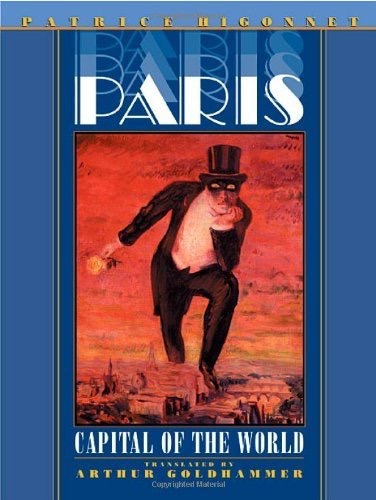
Hardcover. Cambridge MA, Harvard/Belknap Press, 1st, 2002, Book: Very Good, Dust Jacket: Very Good, Hardcover in a bright price-clipped dust jacket, 493 pages, illustrated in b&w and color. In an original and evocative journey through modern Paris from the mid-eighteenth century to World War II, Patrice Higonnet offers a delightful cultural portrait of a multifaceted, continually changing city. In examining the myths and counter-myths of Paris that have been created and re-created over time, Higonnet reveals a magical urban alchemy in which each era absorbs the myths and perceptions of Paris past, adapts them to the cultural imperatives of its own time, and feeds them back into the city, creating a new environment. Clean copy.
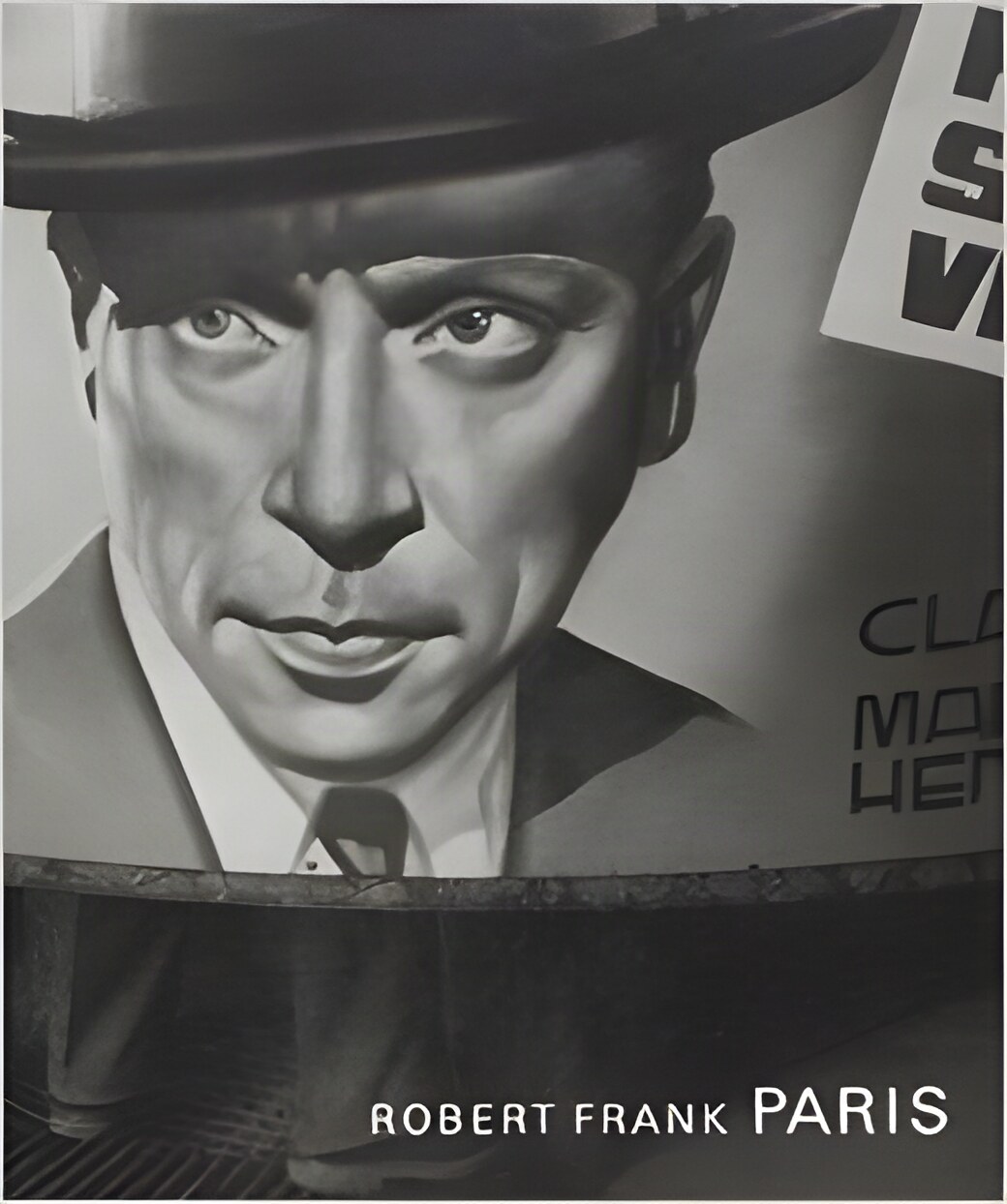
Softcover. Steidl, 2008, 2008, Book: Very Good, Dust Jacket: Very Good, Softcover. Like new in publisher's shrink-wrap. The publication of Paris marks the first time that the significant body of photographs which Robert Frank made in Paris in the early 1950s have been brought together in a single book. Having left Switzerland in 1924, this 1951 trip to France was only Frank's second return to Europe after he had settled in New York City in 1947, and some of the images he made during that visit have become iconic in the history of the medium. The 80 photographs reproduced here, which were selected by Frank and editor Ute Eskildsen, suggest that Frank's experience of the "new world" had sharpened his eye for European urbanism. He saw the city's streets as a stage for human activity and focused particularly on the flower sellers. His work clearly references Atget and invokes the tradition of the flaneur.
Hardcover. Milan, 5 Continents, 1st, 2007, Book: Very Good, Dust Jacket: None, 142 pages, b&w photographs taken by Muller. Illustrated boards, no dust jacket issued. A Passage to Congo is a collection of photographs taken by Doctor mile Muller (1891-1976) in the Congo provinces of the Kasa< and Katanga, territories of the Chokwe, Luba, Bashibushong and Basalampasu tribes. For these people, he was not the boss, but he who cured, who gave relief, who listened. He could move easily between the tribes without having to tackle the reticence that has denatured so many ethnic photographs. The privileged witnesses of esoteric ceremonies that are rarely photographed, his images are precious from an ethnographic and historical point of view, and reveal a fine aesthetic sense and profound humanity. Veritable living masks, as in the remarkable portraits of young Chokwe girls, astonishing initiation rites, scenes of divination, wild rhythmic dances responding to the beat of the large slotted drums, sculptural bodies decorated with tattoos and refined headgear recall the beauty and riches of these cultures, now lost in the modern world.
Hardcover. NY, Viking Press, 1st, 1967, Book: Very Good, Dust Jacket: Very Good, Hardcover in a bright dust jacket with light edgewear, 371 pages. After WW II the US acquired an empire - one that embraces much of the world in a network of military pacts, economic ties, and political commitments. Steel describes how this empire originated, how it grew, and why is has been incapable of defending America's real interests, or of spreading her humanitarian ideals to other nations. Name on front fly leaf, otherwise clean.

 "Nueva Yorkby: Sullivan, Edward J. (Ed.)")
 "Obsession: The Lives and Times of Calvin Kleinby: Steven Gaines, Sharon Churcher")

 "Odysseys and Photographs: Four National Geographic Field Menby: Bendavid-Val/Gilbert M. Grosvenor, et al., Leah")

 "Old Came Rectoryby: Sedley Proctor")
 "On earth's furrowed brow: the Appalachian farm in photographsby: Barnwell, Tim")

 "On the Trail of Genghis Khan: An Epic Journey Through the Land of the Nomads by: Tim Cope")
 "Operations in North African Waters: October 1942-June 1943 - (History of the United States Naval Operations in World War II; Vol. 2)by: Morison, Samuel Eliot")
 "Orchids. From the Archives of the Royal Horticultural Societyby: Mark Griffiths")
 "Our Team: The Epic Story of Four Men and the World Series That Changed Baseballby: Epplin, Luke")
 "Owen Jones: Design, Ornament, Architecture, and Theory in an Age in Transitionby: Flores, Carol A. Hrvol")
 "Owen Jones: Design, Ornament, Architecture, and Theory in an Age in Transitionby: Flores, Carol A. Hrvol")
 "Pan American Clippers: The Golden Age of Flying Boats by: James Trautman")
 "Paper: Material, Medium, Magicby: Nicola Von Velsen (Editor), Neil Holt (Editor)")
 "Paris in the Third Reich: A History of the German Occupation, 1940-1944 by: David Pryce-Jones")
 "Passage to Congo, A: Photographs by Doctor Emile Muller 1923-1938by: Loos, Pierre, Pierre Buch and Emile Muller")