Hardcover. Cambridge UK, Cambridge University Press, 1st, 1968, Book: Very Good, Dust Jacket: Very Good, Hardcover in a bright dust jacket, 350 pages. Introduction + 10 essays. Specific societies noted incl Traditional China & India, Buddhist Village in North-East Thailand, Kerala, Islamic Learning in Western Sudan, Northern Ghana, Somali Nomads, Madagascar, Melanesia, Pre-Industrial England. Bibliography & Index. Clean copy.
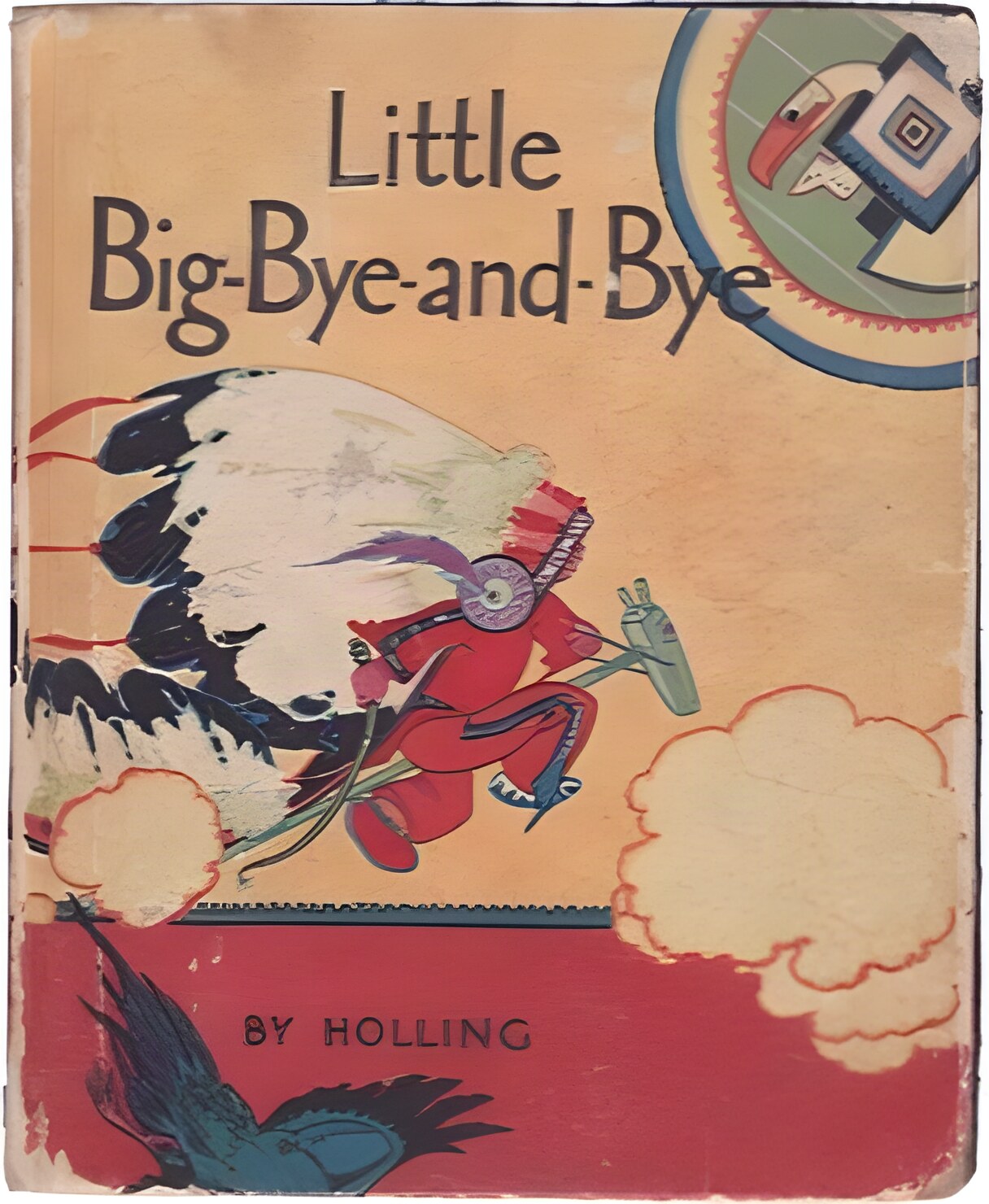
Hardcover. Joliet IL, P.F. Volland Company, reprint, Book: Fair, Dust Jacket: None, Hardcover, pictorial boards. This delightful storybook tells about Little Big Bye-and-Bye who really REALLY wants a pony! His father told him he can have one when he is bigger, which seems marvelous at first - until he realizes he's not very big yet. Story and illustrations are by Holling Clancy Holling, who wrote and illustrated many wonderful Indian books such as "Claws of the Thunderbird", "Paddle-to-the-Sea", "Tree in the Trail" and others. The Hollings lived among Native Americans for a time, and their books have been praised for their authenticity. Boards lightly worn/soiled, mild thumbing, wrinkling to pages. Colors bright.
Hardcover. US, Combined Books, 1st, 1993, Book: Very Good, Dust Jacket: Very Good, Hardcover, 312 pages, b&w illustrations. Light shelf-wear to dust jacket, else a clean, tight copy. The destruction of George Armstrong Custer's command at Little Bighorn by the Sioux and Northern Cheyenne on 25 June, 1876 has been etched in the national memory and has remained one of America's longest lingering controversies. The Little Bighorn Campaign penetrates the mysteries of Custer's disaster as well as the broader context of the 1876 campaign against the Sioux.
Hardcover. New York, Frederick A. Stokes, 1st, 1902, Book: Very Good, Dust Jacket: None, 42 pages. Hardcover. Features 6 full color and black & white illustrations in text by Edwin Willard Deming. Short separations of preliminary pages from interior hinge at top and bottom. Areas of foxing and abrasion to title page. Printers unusual binding method has created creasing before the page margins. Short closed tears on some pages. Front cover pastedown intact with some surface abrasions. Scarce.
Hardcover. NY, Grosset & Dunlap, 1st, 1934, Book: Very Good, Dust Jacket: Good, Hardcover in a bright, unclipped dust jacket with minor soil, tape repair. Frontispiece illustrated by Lee Haynes. Many illustrations in b/w, a few indicate B. Stevenson as artist, the rest are not specifically identified. Illustrated end papers. The story of the life of an Indian boy- his adventures are closely interwoven with the habits, customs and beliefs of his people.
Hardcover. NY , Jr. Literary Guild/Viking Press, Book Club, 1943, Book: Very Good, Dust Jacket: None, Hardcover, blue cloth covers. B&W illustrations by Paul Lantz. Small ink #s on endpapers, some pages with light soil, lacks dust jacket, otherwise very good.
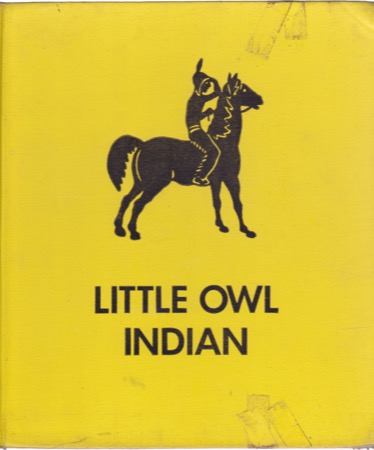
Hardcover. Boston, Houghton Mifflin, reprint, Book: Good, Dust Jacket: None, Hardcover, yellow cloth with black stamping. 32 pages illustrated with bold colors by the author. A young Indian boy gives timely warning of a forest fire, saving both the wild animals and his people. Tape residue on covers where dj was taped to book, light stamp to front endpaper. Ex-lib. Interior clean.
Hardcover. New York, Kodansha, 2nd, 1978, Book: Very Good, Dust Jacket: Good, 300 pages. SIGNED BY BY MARIA POVEKA (MARTINEZ) AND FAMILY ON FRONT ENDPAPER. Full color and black & white photographs and illustrations. Unclipped dust jacket has some minor moisture wrinkling on back. Book has faint damp smell. Clean, tight copy.
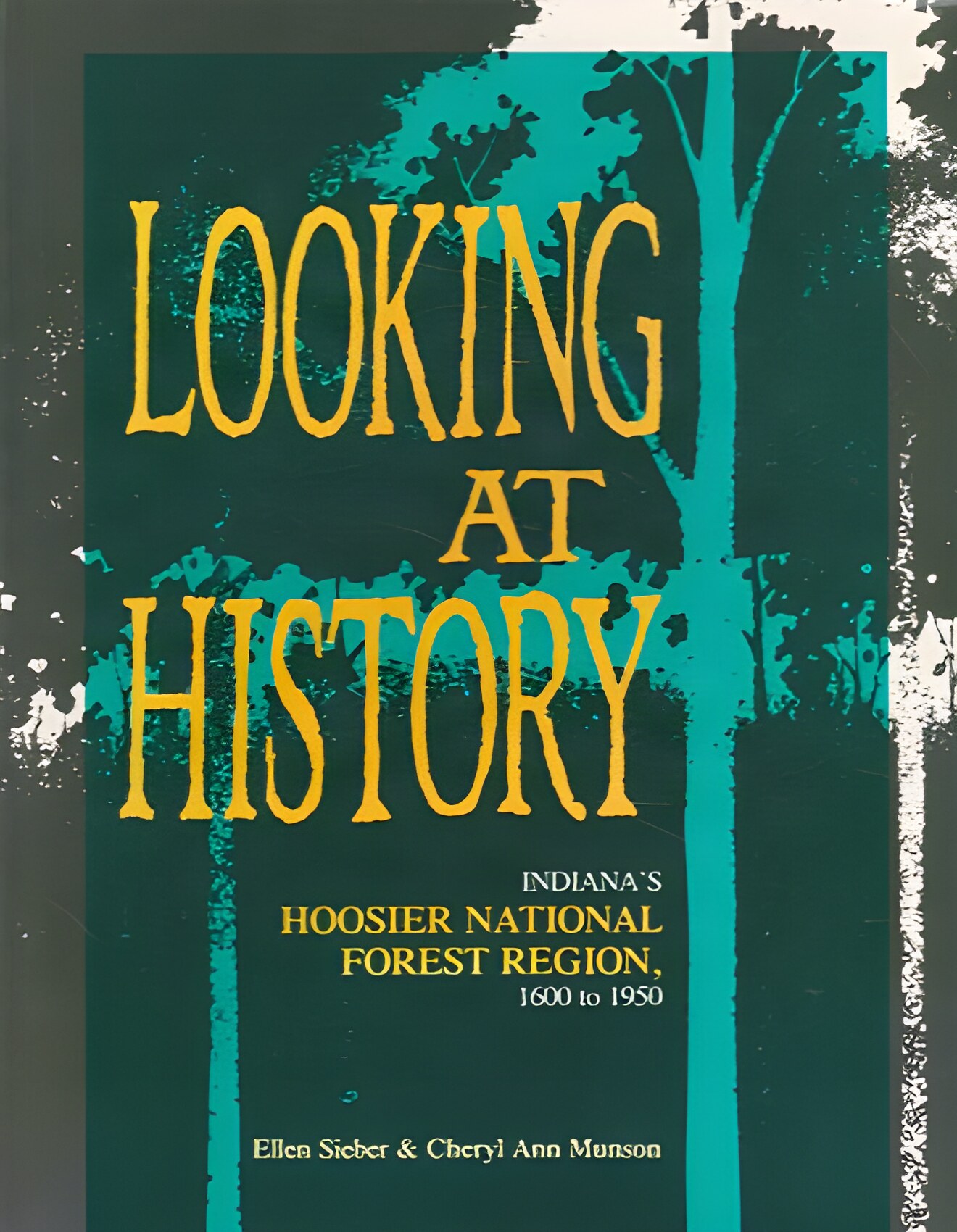
Softcover. Bloomington, Indiana University Press, 1st thus, 1994, Book: Very Good, Dust Jacket: None, Softcover, 131 pages, b&w illustrations. "Looking at History" examines the history from geologic times to the present of a nine-county region - Perry, Jackson, Orange, Crawford, Dubois, Lawrence, Monroe, Martin, and Brown. It is an area rich in cultural heritage - prehistoric Indians, pioneer settlers, rural family life, folklore. The authors concentrate on the land and the natural culture of the inhabitants to produce a unique portrait of a distinctive area of the state. Included are 105 photographs, drawings, and maps. Clean, bright copy.
Hardcover. London, Longmans, Green and Co., 1st, 1880, Book: Good, Dust Jacket: None, Hardcover, blue cloth, gilt rules, gilt title on spine. 403 pages with publisher's 24 page catalog in rear. Two maps, one being foldout, both very good. Details the experiences of Gilbert Elliot, the first Earl of Minto, during his time as Governor-General of India. The book is compiled from a collection of letters written by Elliot himself, as well as letters written to him by his family and colleagues. The book covers the period from 1807 to 1814, during which time Elliot oversaw a period of significant change in India. He worked to establish British control over the region, while also attempting to improve the lives of the Indian people. The book provides a unique insight into the life of a colonial administrator in India during this period, and sheds light on the challenges and complexities of British rule in the region. It also offers a glimpse into the personal life of Elliot, including his relationships with his family and colleagues, and his struggles with illness and isolation. Ex-lib with bookplate and residue to endpapers. Call letters on spine, tape repair to front hinge. Clean internally.
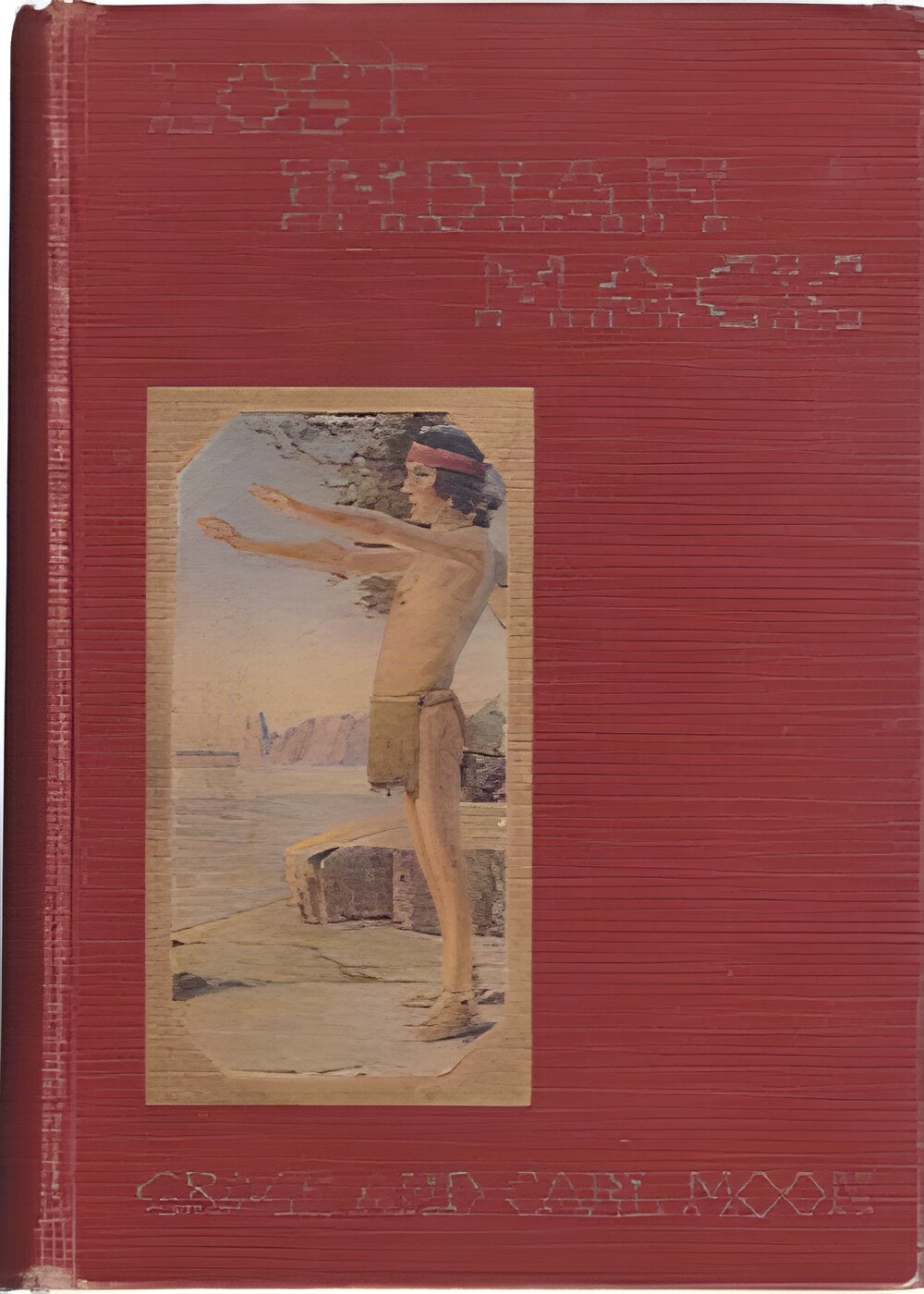
Hardcover. NY, Frederick A. Stokes, 1st, 1918, Book: Fair, Dust Jacket: None, Hardcover, brick-red cloth with cover label, gilt lettering and design faded. This is a American Indian legend called Lost Indian Magic, a mystery story of the Red Man as he lived before the White Man came, Eight color plates by Carl Moon, the one opposite page 70 is loose and laid in. Covers worn, hinges cracked, no markings.
Hardcover. Berkeley, CA, Counterpoint, 1st, 2014, Book: Very Good, Dust Jacket: Very Good, 160 pages. Hardcover with dust jacket. A very clean unmarked copy with only minor wear to dust jacket edges. A tight copy.
Hardcover. NY, Bradbury Press, 1st , 1992, Book: Very Good, Dust Jacket: Very Good, Hardcover. Color illustrations by Goble. Clean, unmarked copy with only minor wear to dust jacket.
Hardcover. Indianapolis, Bobbs-Merrill, 2nd, 1903, Book: Good, Dust Jacket: None, Pictures in color, B&W by Frank Verbeck. 1st Edition, 2nd State - July on copyright page. Previous owner's pencil signature on blank preliminary page. Front hinge cracked.
Softcover. indianapolis, Hackett Publishing, reprint, 2008, Book: Very Good, Dust Jacket: None, Softcover, 388 pages. Contains the most helpful version of Hobbes's political and moral philosophy available in English. Includes the only English translation of De Homine, chapters X-XV. Features the English translation of De Cive attributed to Hobbes. Clean copy.
Hardcover. NY, Stokes, 1st, 1937, Book: Very Good, Dust Jacket: None, 268 pages. Hardcover with no dust jacket. Illustrated by Herbert Morton Stoops, Map on end papers. Previous owner's signature on front fly leaf. Spine faded by sun light. Gilt lettering on front and spine. Tight copy.
Hardcover. Boston, David Godine, 1st, 1992, Book: Very Good, Dust Jacket: Very Good, Hardcover, 132 pages, 110 ill. (109 color, including covers). Photographs taken on Guggenheim Foundation and Asian Cultural Council Fellowship in 1983 and 1984 in Japan, Indonesia, Hong Kong, Thailand, India, the Philippines, China, Burma, South Borneo, and Vietnam. Like new in publisher's shrink-wrap.
Hardcover. New York, D.A.P.//La Fabrica , 1st, 2013, Book: Very Good, Dust Jacket: Very Good, Hardcover, 192 pages. Like new in publisher's shrink-wrap. America's first female war correspondent, Margaret Bourke-White was also something of a media star, with the portrait of her decked out in flying gear, camera in hand, about to set off on a bombing raid, being a favorite pin-up among U.S. forces. Focusing on the work Bourke-White made in the 1930s and 40s in Czechoslovakia, Germany, Italy, the Soviet Union and the U.K., Moments in History presents 150 classic photographs alongside revelatory extracts from letters and publications in periodicals. Bourke-White traveled to the USSR when the first Five-Year Plan was being implemented; she documented the German invasion of the Soviet Union in 1941, and the Allied bombing of Germany. In the summer of 1945 she was commissioned by Life to make a photographic record of the destroyed German cities. She was present at the liberation of the Buchenwald concentration camp and the Leipzig-Thekla forced labor camp. She recorded the partition of India and the Korean War, and one of her most famous pictures of this period is "Gandhi," which shows the subject at his spinning wheel. Also included in the catalogue are some of the word-picture sequences Bourke-White did for Fortune and Life, as well as extracts from her correspondence with personalities from the worlds of politics and culture, such as Winston Churchill and Georgia O'Keeffe. Bourke-White wanted to be the "eyes of the age," and her pictures testify to (as she put it) her "unquenchable desire to be present when history is being made."
Hardcover. Bloomington, IN, Indiana University Press, 1st, 2016, Book: Very Good, Dust Jacket: Very Good, 152 pages. Hardcover with dust jacket. A very clean, unmarked copy with only minor wear to dust jacket edges. A tight copy. As a photographer for Life and Fortune magazines, Margaret Bourke-White traveled to Russia in the 1930s, photographed the Nazi takeover of Czechoslovakia in 1938, and recorded the liberation of Buchenwald at the end of WWII. In 1949, Life sent her to South Africa to take photographs in a country that was becoming racially polarized by white minority rule. Life published two photo-essays highlighting Bourke-White's photographs, but much of her South African work remained unpublished until now. Here, these stunning photographs collected by Alex Lichtenstein and Rick Halpern offer an unparalleled visual record of white domination in South Africa during the early days of apartheid. In addition to these powerful and historically significant photographs, Lichtenstein and Halpern include two essays that explore Bourke-White's artistic and political formation and provide background material about the cultural, political, and economic circumstances that produced the rise and triumph of Afrikaner nationalism in South Africa. This richly illustrated book brings to light a large body of photography from a major American photographer and offers a compelling history of a reprehensible system of racial conflict and social control that Bourke-White took such pains to document.
Softcover. Berkeley CA, University of California Press, 1st, 1986, Book: Very Good, Dust Jacket: None, Softcover, 282 pages, b&w illustrations. Masks are found world-wide in connection with seasonal festivals, rites of passage, and curative ceremonies. They provide a means of investigating the paradoxical problems that appearances pose in the experience of transitional states. In this far-reaching work, A. David Napier studies mask iconography and the role played by masks in the realization of change. The masks of preclassical Greece?in particular those of the Satyr and the Gorgon?provide his starting point. A comparison of Greek to Eastern and especially Indian models follows, and the book concludes with an examination of the interpretation of Hindu ideas in Bali that demonstrates the importance of ambivalence in mask iconography. Clean, bright copy.
Softcover. Guilford CT, TwoDot, 1st, 2008, Book: Very Good, Dust Jacket: None, Softcover, 151 pages, b&w illustrations. The massacre at Wickenburg was one of the most notorious crimes committed in the Wild West--a story revealed in this book through a criminal investigation. November 5, 1871. A westbound stagecoach carrying seven men and one woman left Wickenburg in the early morning hours. At 8:00 a.m., six of the passengers were shot dead. One man and the lone woman, severely wounded, escaped into the desert. Debates raged over the identity of the murderous ambushers -- Indians? Mexican bandits? The two survivors? After a massive investigation, the U.S. Army concluded that a band of local Yavapai Indians were responsible, which led to a policy of "removal and concentration" that altered the fate of nearly every Indian in America's Southwest. Clean copy.
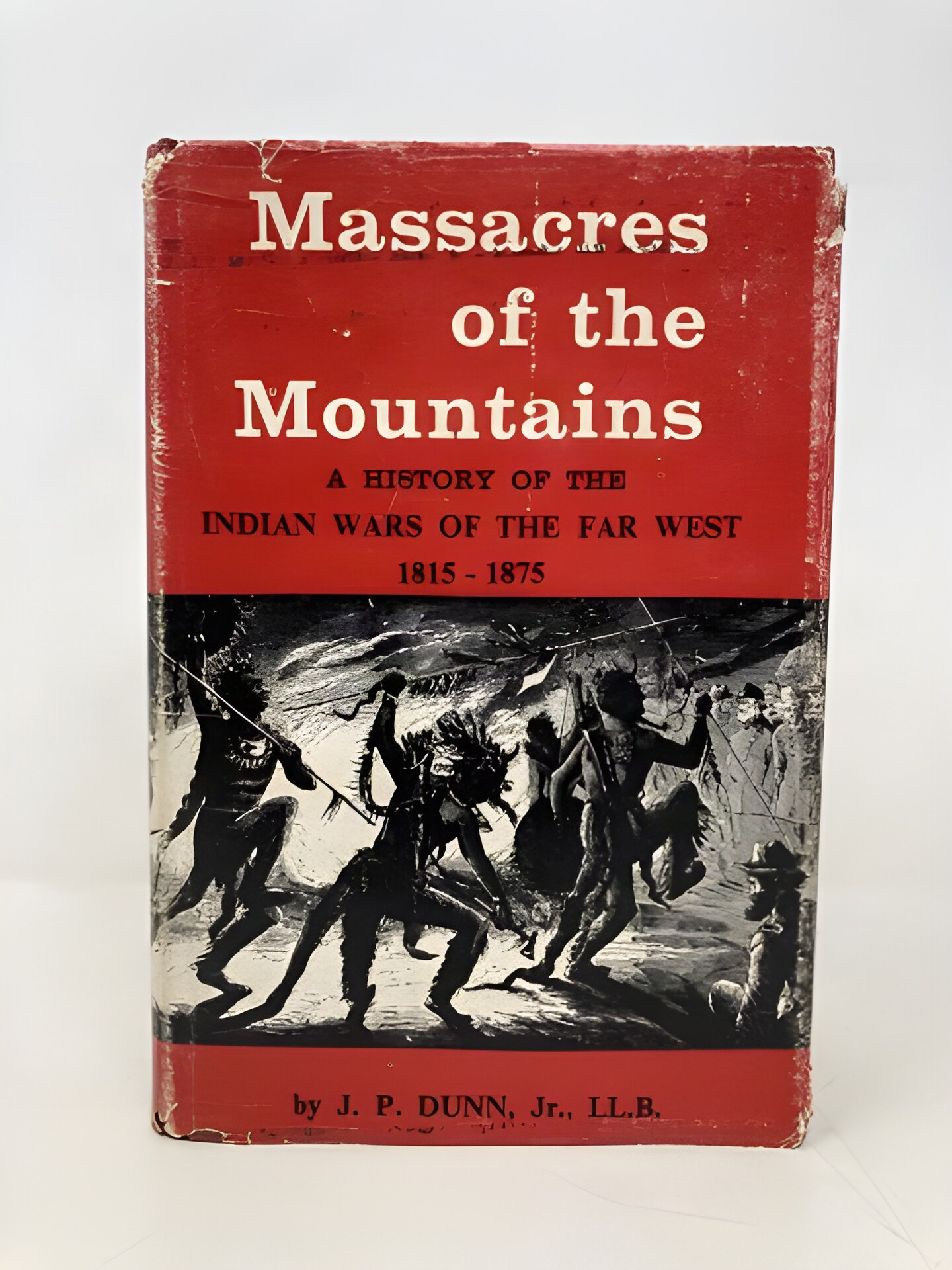
Hardcover. NY, Archer House, reprint, 1958, Book: Very Good, Dust Jacket: Good, Hardcover in a lightly worn dust jacket, 110 b/w illustrations. 669 pages. This is a facsimile reprint of edition first published in 1886. Covering 60 years of merciless bloody conflict, it documents in detail every major Indian battle between 1815 and 1876. Dust jacket spine faded, otherwise a clean, very good copy.
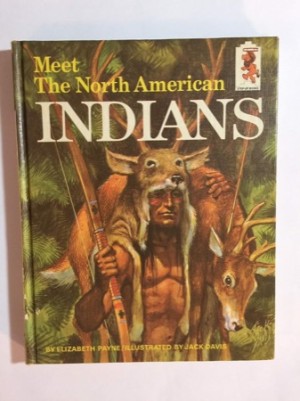
Hardcover. NY, Random House, 1st, 1965, Book: Very Good, Dust Jacket: Very Good, Hardcover in a bright, lightly worn dust jacket. A brief survey of life in five North American Indian tribes--Makah, Hopi, Creek, Penobscot, and Mandan--at the time Columbus arrived in the New World. Nice 2-color drawings by Mad artist Jack Davis. Clean copy.
Hardcover. Philadelphia, Penn Publishing, 1st, 1925, Book: Good, Dust Jacket: None, 314 pages. Hardcover with no dust jacket. Stamped on green cloth covers. Moderate wear to edges, and covers. Tight copy. Novel set in the fur trapping region of the Cree Indians in Canada.

 "Literacy in Traditional Societiesby: Goody, Jack (ed)")
 "Little Bighorn Campaign, The : March-September 1876 (Great Campaigns Series)by: Sarf, Wayne Michael")
 "Little Brothers of the Westby: Deming, Edwin Willard/Therese O. Demig")
 "Little Indian (Little Indian Series) by: Cory, David")
 "Little Navajo Bluebirdby: Clark/Paul Lantz, Ann Nolan")


 "Living Tradition of Maria Martinez, Theby: Peterson, Susan")
![Lord Minto in India. Life and Letters of Gilbert Elliot, First Earl of Minto, from 1807 to 1814...[sequel to 'Life and Letters' pub. 1874.]by: The Countess of Minto](https://www.browsingisarousing.com/shop/images/399296.jpg "Lord Minto in India. Life and Letters of Gilbert Elliot, First Earl of Minto, from 1807 to 1814...[sequel to 'Life and Letters' pub. 1874.]by: The Countess of Minto")
 "Love and The Turning Seasons: India's Poetry of Spiritual & Erotic Longingby: Schelling, Andrew")
 "Love Fluteby: Goble, Paul")


 "Mangaby: Gill, Richard C.")

 "Margaret Bourke- White: moments in historyby: Quimby, Sean")
 "Margaret Bourke-White and the Dawn of Apartheidby: Lichtenstein, Alex")
 "Masks, Transformation, and Paradoxby: Napier, A. David")
 "Massacre at Wickenburg: Arizona's Greatest Mysteryby: Wilson, R. Michael")


 "Men Maroonedby: Marsh, Georgie")