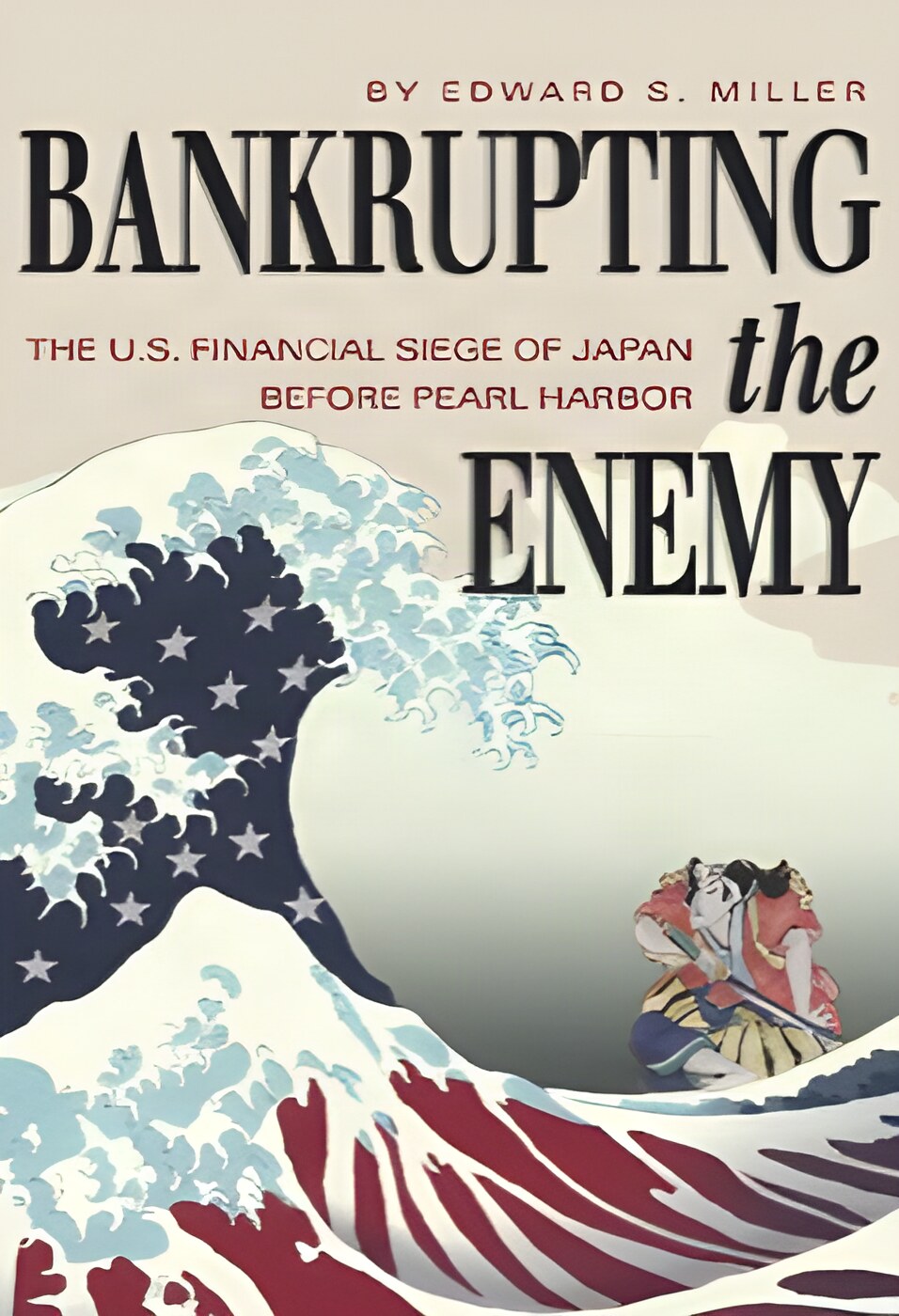
Softcover. Annapolis MD, Naval Institute Press, 1st pbk, 2023, Book: Very Good, Dust Jacket: None, Softcover, 325 pages, b&w illustrations. Author Edward S. Miller contends in this work that the United States forced Japan into international bankruptcy to deter its aggression. While researching newly declassified records of the Treasury and Federal Reserve, Miller, a retired chief financial executive of a Fortune 500 resources corporation, uncovered just how much money mattered. Washington experts confidently predicted that the war in China would bankrupt Japan, not knowing that the Japanese government had a huge cache of dollars fraudulently hidden in New York. Once discovered, Japan scrambled to extract the money. But, Miller explains, in July 1941 President Roosevelt invoked a long-forgotten clause of the Trading with the Enemy Act of 1917 to freeze Japan's dollars and forbade it to sell its hoard of gold to the U.S. Treasury, the only open gold market after 1939. Roosevelt s temporary gambit to bring Japan to its senses, not its knees, was thwarted, however, by opportunistic bureaucrats. Dean Acheson, his handpicked administrator, slyly maneuvered to deny Japan the dollars needed to buy oil and other resources for war and for economic survival. Clean copy.
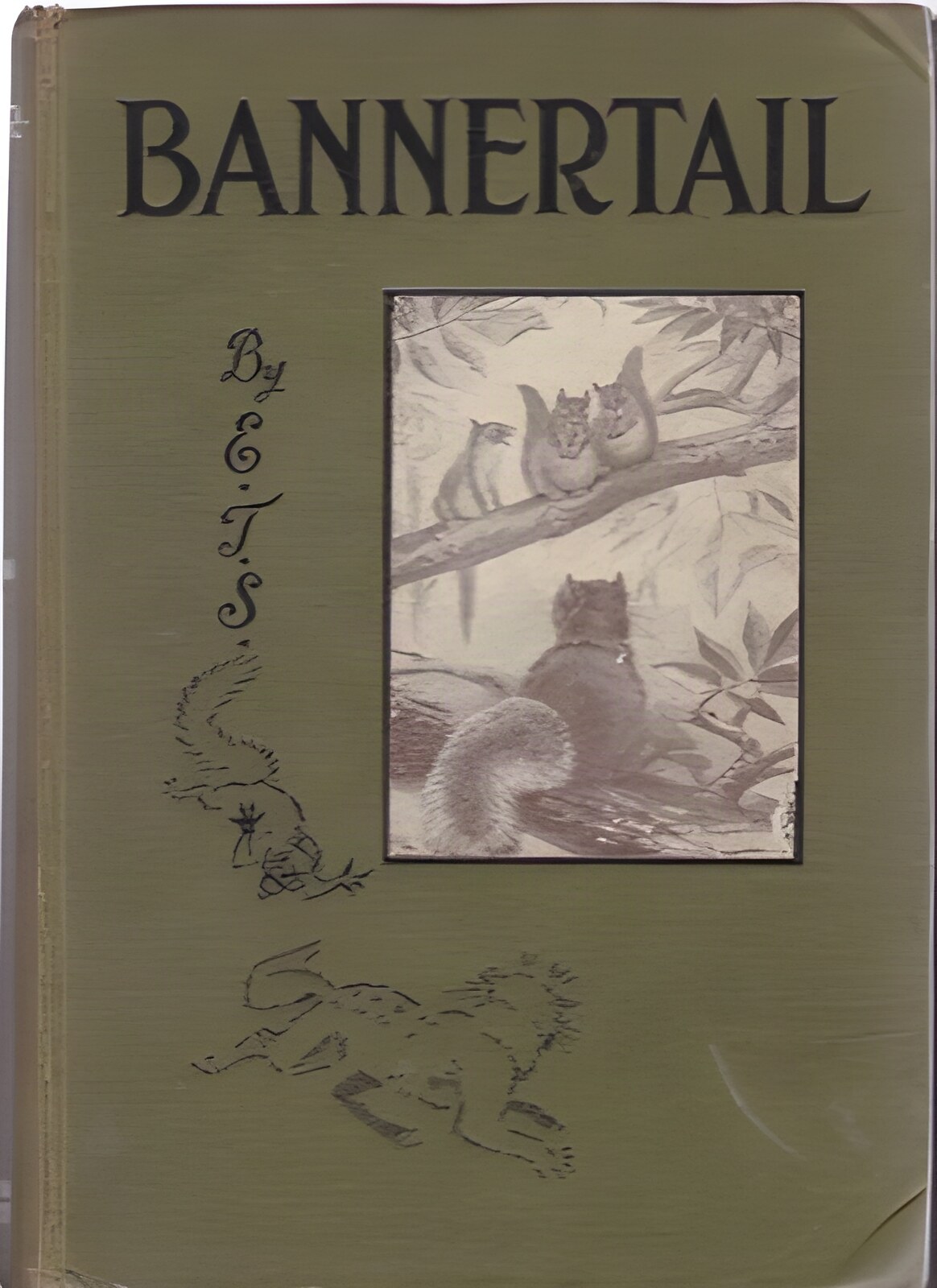
Hardcover. London, Hodder & Stoughton, 1st UK, 1922, Book: Very Good, Dust Jacket: None, Hardcover, green cloth stamped in black with a color pastedown label on front cover. Gilt lettering on spine. Illustrated with a frontispiece, vignettes and 8 plates by Seton. The work follows the story of a gray squirrel that was raised by a farm cat but is forced to learn how to survive in the woods after his home catches on fire. The work was later adapted into a children's Japanese anime series in 1979. Corners with light bumps, no marking.
Softcover. NY, Janos Gat Gallery, 1st, 2002, Book: Very Good, Dust Jacket: None, Softcover, stapled wraps, 30 pages, b&w illustrations. For an exhibition held Feb. 12 - March 23, 2002. The photographs in this catalog were taken from 1944-1945 by Barney Rosset, then a young American Army photographer. Rosset documented the Chinese Army in their pursuit of Japanese troops following the Battle of Henan-Hunan-Guangxi. The Japanese Army was pulling back from the Ichi-Go operation, the largest Japanese land campaign of the war, and Rosset joined Chinese troops at the deepest point of Japanese penetration (Kweiyang). After the war, Rosset became the proprietor of Grove Press, publishing authors often refused due to their controversial subject matter. Laid in are 2 identical postcards featuring the image on the cover of the catalog, Clean, bright copy, scarce.
Hardcover. NY, A. A. Wyn, Inc., 1st, 1946, Book: Good, Dust Jacket: None, Hardcover, black cloth with red lettering on spine. 272 pages, Introduction by Harold Ickes. The author accuses General MacArthur of colluding to help elect the corrupt Manuel Roxas, President of the Filipino Republic. The author was a resistance fighter who fought against the Japanese. Related newspaper clippings laid in. Mild musty odor. Clean copy.
Hardcover. NY, Charles Scribner's Sons, 1st, 1985, Book: Very Good, Dust Jacket: Very Good, Hardcover in a bright, unclipped dust jacket. When their two-million-dollar Japanese smuggling assignment hits a snag, professional gunrunners Altmeyer and his wife, Rachel, risk nuclear disaster to complete their task. 248 pages, clean copy.
Hardcover. Long Beach CA, Safari Press, reprint, 2008, Book: Very Good, Dust Jacket: Very Good, Hardcover in a bright dust jacket, 294 pages, b&w illustrations. Originally published in 1904, it chronicles a hunting trip to several locations in Alaska, including sheep, bears, moose and more. Captain Radclyffe was an English gentleman-hunter who visited Alaska in 1903. He bagged Dall sheep on the Kenai Peninsula, back then a relatively new destination for sport hunting. He shot excellent brown bear and moose, one a 57-incher on Kussiloff Lake on the Alaska Peninsula. On his final bear hunt, a sow charged him and his native guide abandoned him. He was arrested for game law violations that prematurely ended his hunt for sheep, adding another interesting dimension to this well-written story. The charges against Radclyffe were later dismissed since he had an off-season permit to collect for the British Museum, but the authors partner was not so lucky. Radclyffe writes of how the judge enjoyed rubbing the dismissal into the face of the arresting marshal, and he paints a vivid picture of the interactions of the hunters, guides, and authorities. After all his troubles, he lost most of his trophies because of shipping problems related to the Russo-Japanese War. Clean, bright copy.
Hardcover. NY, Abrams, 1st, 2012, Book: Very Good, Dust Jacket: Very Good, Hardcover, 128 pages. Francoise Mouly takes us behind the scenes at the New Yorker and reveals how the magazine creates its signature covers commenting on the most urgent political and cultural events of the day. She shows the shocking and hilarious sketches that didn't make the cut and explains how these are essential stages in the evolution of a cover that stands the test of time but retains its edge. Her book captures contemporary history--from the farce of Monica Lewinsky to the adventures of Michelle and Barack to nuclear meltdown in Japan--in images that are as acute as they are outrageous. More than that, it shows how the magazine that exemplifies journalistic excellence in America also dares to cultivate a sense of humor when grappling with complex moral and political issues.
Hardcover. San Francisco, Chronicle Books, 1st, 2003, Hardcover in pictorial boards, color illustrations throughout. From the creators of Emily the Strange and Oopsy Daisy comes Bon Bon, the half-Japanese and half-French girl who possesses a sophisticated and mysterious imagination. From Vespas to Verner Panton, Pucci to Pop Art, space age lounge to 1960s sound, Bon Bon is always looking for the next intoxicating adventures. Leaf through the psychedelic and highly designed Bon Bon on the Go-Go to watch her transform the mod, mod, mod world she lives in. Clean copy.
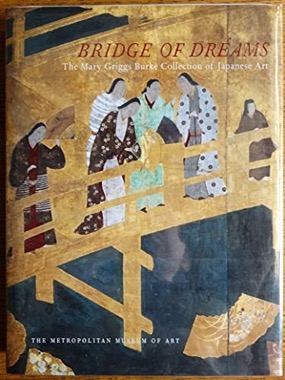
Hardcover. NY, The Metropolitan Museum of Art/Abrams, 1st, 2000, Book: Very Good, Dust Jacket: Very Good, Hardcover in a bright dust jacket, maroon cloth with gold lettering, 464 pages with 449 illustrations, including 320 color plates. The Mary Griggs Burke collection is the largest and most comprehensive outside Japan. The selections in this volume are arranged chronologically and includes astonishing and rare pieces. The collection provides an overview of the development of Japanese art over the centuries. A beautiful catalogue with excellent reproductions and extensive text. Like new condition. DOMESTIC SHIPPING ONLY.
Hardcover. Salt Lake City, Gibbs Smith, 1st, 2005, Book: Very Good, Dust Jacket: Very Good, Hardcover, 229 pages, profusely illustrated in b&w. In "Building with Nature: Inspiration for the Arts & Crafts Home" Freudenheim weaves together the lives and philosophies of William Morris, John Ruskin, Frederick Law Olmsted, John Muir, Greene & Greene, Irving Gill, Bernard Maybeck, and others with the dramatic economic, social, design and cultural changes that took place in America between 1876 and 1916. Chronicling both intellectual theory and architectural history, this ground-breaking book will appeal to general readers as well as to those enthusiastic about the Arts and Crafts Movement, its architecture and furniture. Freudenheim demonstrates how the "simple life" manifested in the rustic architecture found in Yosemite, English cottages, Japanese barns, and Swiss chalets, became the basis for the design of the American Arts and Crafts home advocated by these pioneering thinkers. Their devotion to simplicity for both the interior and exterior design of these houses also helps to explain why they embraced plain, sturdy Mission Style furniture. Freudenheim points out how numerous individuals, both American and British, helped spread these ideas across America.
Softcover. New York , Japan Society, 1st, 2009, Book: Very Good, Dust Jacket: None, 96 pages, illustrated throughout in color. Clean, unmarked copy with only minor wear to wrappers.
Hardcover. NY, St. Martin's Press, 1st US, 1985, Book: Very Good, Dust Jacket: None, Hardcover, olive green boards, gilt lettering on spine. Illustrated with B&W plates and maps; Large 8vo 9' - 10' tall; 686 pages; 'Allen's work deals primarily with the human elements of the forgotten war waged between the doomed empires of Great Britain and Japan in Southeast Asia between 1941 and 1945. The author's familiarity with Japanese sources enables him to strike a balance unusual in Western accounts. Allen's Japanese are as much prisoners of their culture as the British are of theirs. They are victims of incompetent command and inadequate logistics. They do not want to die, but their ready acceptance of death lends a special horror to Allen's descriptions of some of the century's most vicious fighting.' Clean bright copy, no dust jacket.
Hardcover. NY, Aperture, 1st, 1987, Book: Very Good, Dust Jacket: Very Good, Hardcover, 129 pages. Color photographs by Ethan Hoffman and text by Mark Holborn, Tatsumi Hijikata and Yukio Mishima and Kazuo Ohno. Includes a 12 page section on Ohno with numerous color photographs. Color cover photograph is of Ohno. Features work of several other Butoh choreographers/dancers.
Hardcover. NY, Random House, 1st, 2013, Book: Very Good, Dust Jacket: Very Good, Hardcover, 228 pages. At the beginning of World War II Cecil Beaton was commissioned by the British government to photograph the home front. He set to work recording both the destruction of the city, and the heroism of Londoners under attack. He conducted a survey of Bomber and Fighter Commands for the RAF, which was published with his own astute commentary. Beaton was an effective propagandist, but his voice, like his photographs, was touchingly elegant. Beaton's wartime work amounted to 7,000 photographs. He traveled through the Western Desert and on to Iraq, Palestine, Transjordan, Syria, and India, where he photographed the final days of the Raj in New Delhi and Calcutta before joining the Burma campaign. He ended the war deep in Chinese territory where he witnessed the Nationalist resistance to the Japanese. This collection of Beaton's masterful WWII photography captures the home front, the Middle East, arms and vehicle manufacturing in Britain, India, the Burma Campaign, and the war in China. It also includes a chronology placing events in Beaton's life alongside developments in photography, journalism, and the arts; war photography; and world events. His original photographs are reproduced large on the page, alongside his diary extracts, allowing for deep scrutiny and appreciation of the images and their artist.
Hardcover. New York, Knopf, 1st , 1992, Book: Very Good, Dust Jacket: Very Good, Non-paginated. Hardcover with dust jacket. Review slip laid-in. Color illustrations by Brian Wildsmith. English translation by Geraldine McCaughrean. Clean, tight copy.
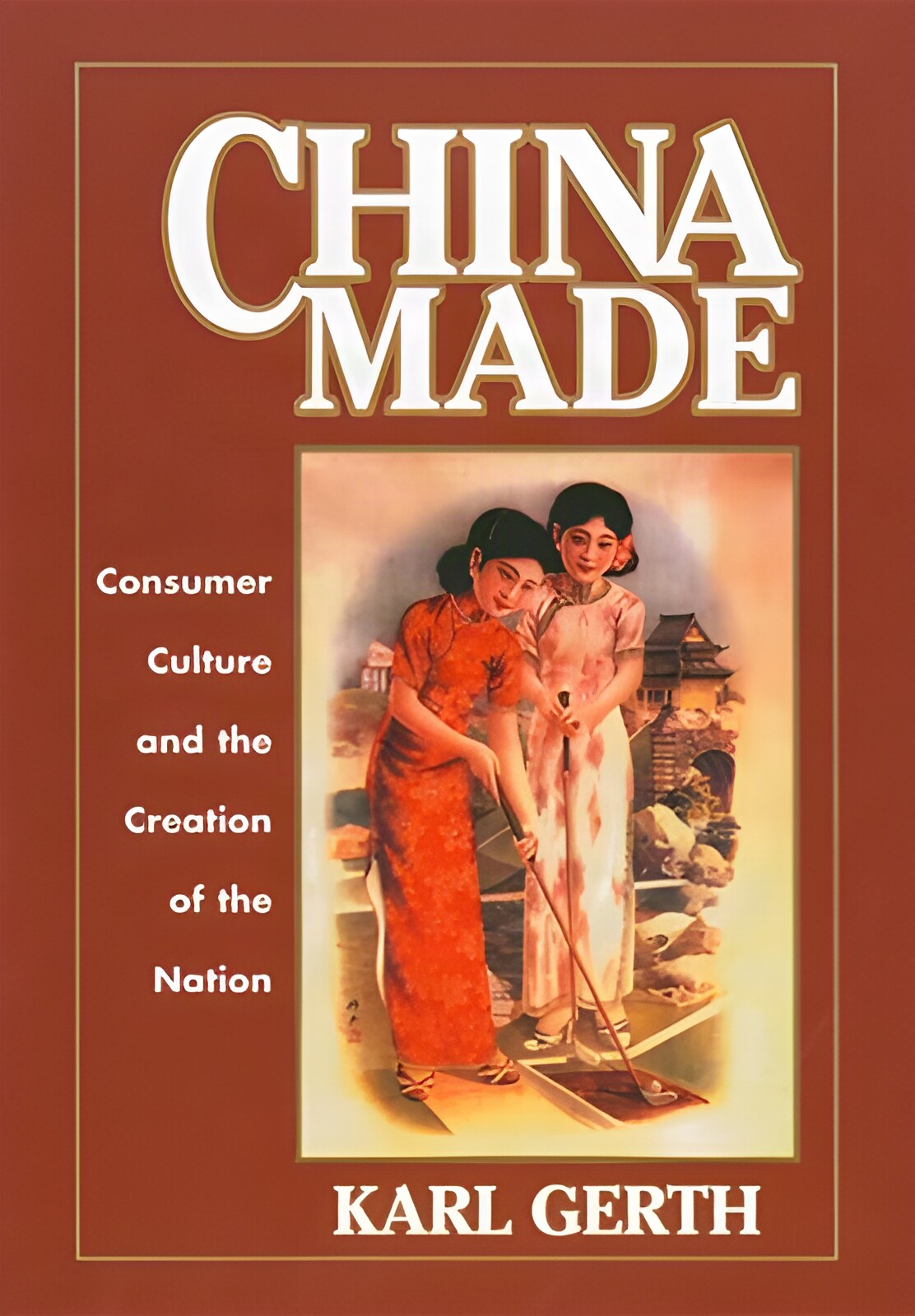
Softcover. Cambridge MA, Harvard University Asia Center, 1st pbk, 2004, Book: Very Good, Dust Jacket: None, Softcover in pictorial wrappers, 445 pages, b&w illustrations. In China Made, Karl Gerth argues that two key forces shaping the modern world-nationalism and consumerism-developed in tandem in China. Early in the twentieth century, nationalism branded every commodity as either "Chinese" or "foreign," and consumer culture became the place where the notion of nationality was articulated, institutionalized, and practiced. Based on Chinese, Japanese, and English-language archives, magazines, newspapers, and books, this first exploration of the historical ties between nationalism and consumerism reinterprets fundamental aspects of modern Chinese history and suggests ways of discerning such ties in all modern nations. Clean copy.
Hardcover. New York, National Gallery of Art/Harry N. Abrams, 1st, 2002, Book: Very Good, Dust Jacket: Very Good, 144 pages. Hardcover with dust jacket. Clean, tight copy with mniior wear to edges. Color photos throughout. Christo and Jeanne-Claude have created some of the most visually breathtaking works of the twentieth century. From early wrapped objects to monumental outdoor projects such as The Umbrellas, Japan-U.S.A., 1984-91 and Wrapped Reichstag, Berlin, 1971-95, the artists have used fabric - wrapped, draped, and folded over, around, and through natural and constructed forms - to transcend the traditional bounds of painting, drawing, sculpture, and architecture. This volume spanning forty years of Christo and Jeanne-Claude's remarkable career accompanies an exhibition at the National Gallery of Art of sixty-one works from the collection of Dorothy and Herbert Voqel, whose relationship with the artists dates to 1971. The wonderful breadth of works presented in color and discussed here includes several early packages, models for large-scale public works, preparatory drawings and collages for projects in urban and rural sites, and photographs of the completed projects.
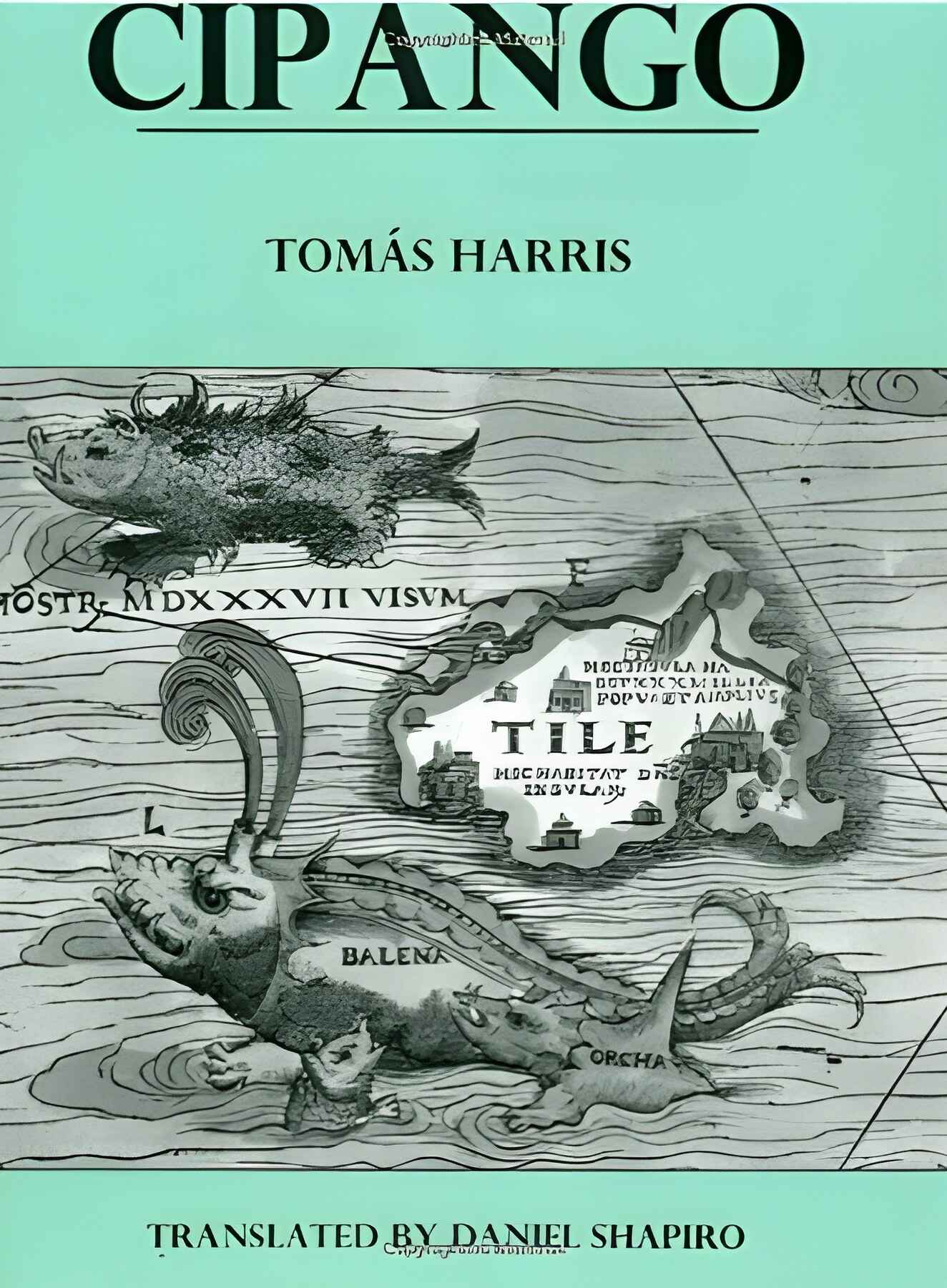
Hardcover. Lewisburg ME, Bucknell University Press , 1st, 2010, Book: Very Good, Dust Jacket: Very Good, Hardcover, 321 pages, black cloth covers with gilt lettering on the spine. Bright, unclipped dust jacket. INSCRIBED BY THE TRANSLATOR, DANIEL SHAPIRO on the title page. Bilingual edition. Chilean poet Tomas Harris's Cipango - written in the 1980s, first published in 1992, and considered by many to be the author's best work to date - employs the metaphor of a journey. The poems collectively allude to the voyage of Columbus, who believed that he'd reached the Far East ("Cipango," or Japan), not the Americas. Building on that mistaken historical premise, Cipango comments on the oppressive legacy of colonialism in Latin America - manifested in twentieth-century Chile through the 1973 military coup by Augusto Pinochet and the brutal dictatorship there - and on the violence and degradation of contemporary urban society. The author's vision is of a decadent, apocalyptic world that nonetheless contains the possibility for regeneration. Clean copy.
Softcover. Mechanicsburg PA, Stackpole Books, 1st pbk, 2006, Book: Very Good, Dust Jacket: None, Softcover, 218 pages, b&w illustrations. From their perches on islands such as Buka and Bougainville, coast watchers -- for the most part, Australian civilians -- monitored Japanese shipping and aircraft activity. They played a pivotal role during the battle for Guadalcanal in the fall of 1942, when their intelligence facilitated the interception and destruction of twelve Japanese transports. These reports from the participants themselves provide a fascinating account that will intrigue historians as well as World War II and espionage buffs. Clean copy.
Hardcover. Tokyo, Kodansha, 1st, 1967, Book: Very Good, Dust Jacket: Very Good, Hardcover, 187 pages. Large format. Illustrated with full color and black & white examples of of fine contemporary prints from Japan. Dust jacket shows wear with dime sized chunk missing at top of spine and piece missing at bottom left corner of rear flap. Clean, tight copy. May require additional postage. "Contemporary Japanese Prints" is a fine, beautifully printed folio book--just the way art books should be. Written by a key art historian and critic as well as museum director, it serves as an excellent and eye-opening overview of just what the straightforward title indicates, artistic prints by Japanese artists then currently active as of 1967. Kawakita's introduction is clear and concise but properly informative, defining this art form's general characteristics and then outlining its modern history, starting with its rise in the early twentieth century. Contrary to what one might expect, these prints are almost totally unrelated to Japan's rather famous ukiyo-e prints of the early modern period, these modern "hanga" instead representing the creative vision and artistic labor of one individual artist. And well, a picture's worth a thousand words, so the bulk of the book presents a selection of 150 prints by 119 artists--47 color plates and 103 monochrome plates.
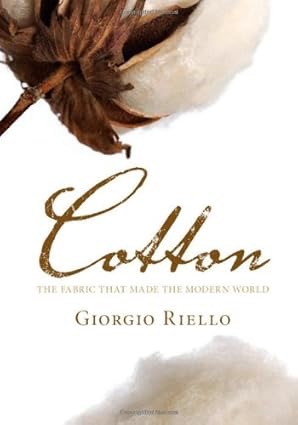
Hardcover. UK, Cambridge University Press, 1st, 2013, Book: Very Good, Dust Jacket: Very Good, Hardcover in a bright dust jacket, 407 pages. Color and b&w illustrations. Details the history of cotton and how it has impacted the textile and garment trade. Today's world textile and garment trade is valued at a staggering $425 billion. We are told that under the pressure of increasing globalisation, it is India and China that are the new world manufacturing powerhouses. However, this is not a new phenomenon: until the industrial revolution, Asia manufactured great quantities of colorful printed cottons that were sold to places as far afield as Japan, West Africa and Europe. Cotton explores this earlier globalized economy and its transformation after 1750 as cotton led the way in the industrialization of Europe. By the early nineteenth century, India, China and the Ottoman Empire switched from world producers to buyers of European cotton textiles, a position that they retained for over two hundred years. This is a fascinating and insightful story which ranges from Asian and European technologies and African slavery to cotton plantations in the Americas and consumer desires across the globe. Clean copy.
Hardcover. Berkeley CA, University of California Press, 1st, 2012, Book: Very Good, Dust Jacket: Very Good, Hardcover, 267 pages, b&w photos. Clean, unmarked copy with only minor wear to dust jacket. This book examines the often-neglected role played by immigrant artists and critics in the circle of Alfred Stieglitz, including Japanese-German author Sadakichi Hartmann, Mexican-born caricaturist Marius de Zayas and English Sri-Lankan curator Ananda Coomaraswamy, as well as better-known U.S.-born painters, including Arthur Dove and Georgia O'Keeffe.
Softcover. NY, Missionary Education Movement of the United States and Canada, 1st, 1923, Book: Good, Dust Jacket: None, Softcover, gray wrappers with purple titles. With front endpaper map of "All Protestant Mission Stations in Japan, Korea, and Formosa". 248 pages, b&w plates. Details early Christian Japanese collaboration on social challenges and reforms. Related newspaper clippings laid in. Covers worn interior clean.
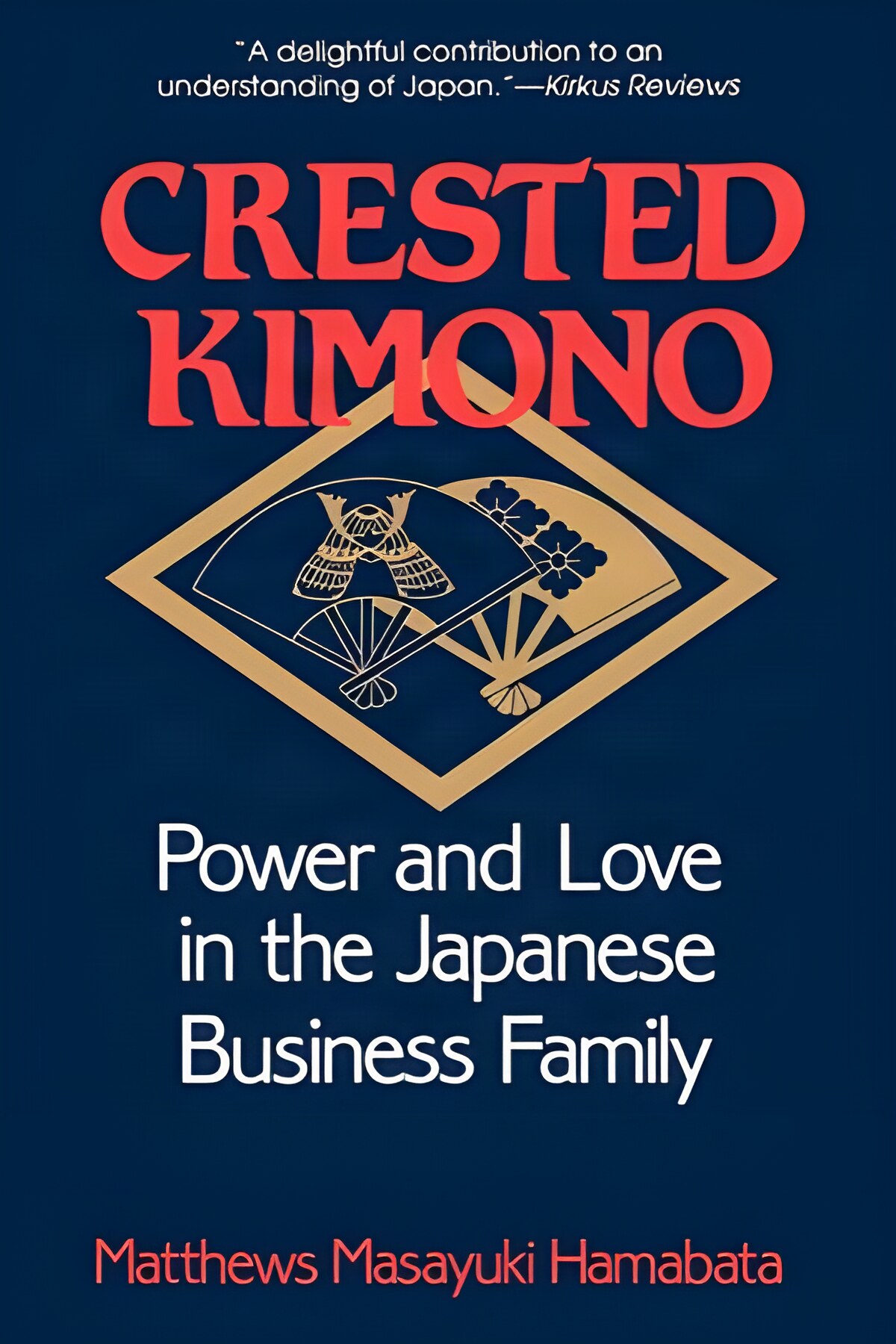
Hardcover. Ithaca NY, Cornell University Press, 1st, 1990, Book: Very Good, Dust Jacket: Very Good, Hardcover in a bright dust jacket, 191 pages. Matthews Hamabata got off to an unpromising start when he first arrived in Japan to study influential business families. An unmarried, third-generation Japanese-American graduate student, he was there to learn about business executives in their roles as male principals and heads of households. In this engaging and personal narrative, we watch Hamabata in the first disappointing six months of his fieldwork as he attempts to map the boundaries of culture, class, and sexuality. "I became my own biggest fieldwork problem," he writes. "Was I inside or out? When I thought I was in, I was actually out, but when I acknowledged the fact that I was out, I was let in." He soon recognized the importance of marital and filial relations in transmitting power in the business world, and he began to direct his study to examining the social and emotional lives of all members of the Japanese ie (household) and the way they affect business activity and ownership. He takes us behind the scenes of the family enterprise to see how the multiple "layers of reality"-biological, social, religious, emotional, and symbolic-relate and cause dilemmas for ie members. (Names, locations, and other details have been altered for the sake of anonymity.) Clean copy.

 "Betrayal in the Philippines by: Abaya, Hernando")


 "Blown Covers: New Yorker Covers You Were Never Meant to Seeby: Mouly, Francoise")



 "Building with Nature: Inspiration for the Arts and Crafts Homeby: Freudenheim, Leslie M.")
 "Buriki: Japanese Tin Toys from the Golden Age of the American Automobile: The Yoku Tanaka Collection (Japan Society Series)by: Earle, Joe")
 "Burma: The Longest War, 1941-1945by: Allen, Louis")
 "Butoh: Dance of the Dark Soulby: Mark Holborn and Ethan Hoffman")
 "Cecil Beaton: Theatre of Warby: Beaton, Cecil")
 "Cherry Tree, Theby: Ikeda, Daisaku and Brian Wildsmith")
 "Christo and Jeanne-Claude in the Vogel Collectionby: Donovan, Molly")
 "Coast Watching in WWII: Operations Against the Japanese on the Solomon Islands, 1941-43by: Feuer, A.B.")
 "Contemporary Japanese Printsby: Kawakita, Michiaki")
 "Creative Composites: Modernism, Race, and the Stieglitz Circle (The Phillips Book Prize Series)by: Kroiz, Lauren")
 "Creative Forces in Japanby: Fisher, Galen M.")