Hardcover. London, Reel Art Press, 1st, 2015, Book: Very Good, Dust Jacket: Very Good, Hardcover, 176 pages, b&w and color photos by Glinn. One of the few books to capture the mayhem and idealism of the Cuban Revolution as it happened. All recorded in 10 days, it is photojournalism at it's best.
Hardcover. NY, Aperture, 1st, 1996, Book: Very Good, Dust Jacket: Very Good, Hardcover, first edition, first printing. 9.5 x 13 inches. 192 pages with 113 duo-toned b&w photographic images offering a 40-year retrospective of the Magnum photographer's front line work. Compelling war pictures.
Hardcover. NY, Aperture, 1st, 1996, Book: Very Good, Dust Jacket: Very Good, Hardcover, first edition, first printing. 9.5 x 13 inches. 192 pages with 113 duo-toned b&w photographic images offering a 40-year retrospective of the Magnum photographer's front line work. Compelling war pictures.
Hardcover. Hatje Cantz, 1st, 2007, Book: Very Good, Dust Jacket: None, Hardcover, 84 pages. When David Goldblatt received the world-renowned Hasselblad Award in 2006, he had been making photographs of the South African landscape and culture for more than 50 years. Born in 1930 in a gold-mining town near Johannesburg, his parents were Jewish refugees from Lithuania, and they raised him with an emphasis on tolerance and antiracism. In 1975, at the height of apartheid, Goldblatt explored white nationalist culture in Some Afrikaners Photographed, and in the 80s he observed workers on the Kwandebele-Pretoria bus, many of whom traveled eight hours every day to work and back. His late-90s solo show at New York's Museum of Modern Art focused on architectural work, and showed off Goldblatt's uncanny ability to discover a society through its buildings and landscapes. His photographs of architectural structures revealed the ways that ideology had defined his home country's landscape. No dj issued.
Hardcover. London, Trolley, 1st, 2011, Book: Very Good, Dust Jacket: None, Hardcover, pictorial boards, 303 pages. More than 200 color photos by Osodi document the damage done to the Niger Delta and it's people by economic exploitation. Small tear to rear edge of spine, else like new
Hardcover. New York, Umbrage Editions, 1st, 2007, Book: Very Good, Dust Jacket: None, Hardcover, 240 pages. Illustrated throughout in b&w. Clean, unmarked copy with only minor wear to covers. Having worked as a photojournalist in the 1990s in Zaire, Sierra Leone and Angola, van Lohuizen had seen the effects of the diamond trade first hand, and in 2005, he went back to Africa to assess the situation under new peace agreements. His haunting black and white images follow diamonds from the mines in Africa to retail spaces in New York and parties in London.
Hardcover. New York, Umbrage Editions, 1st, 2007, Book: Very Good, Dust Jacket: None, Hardcover, 240 pages. Illustrated throughout in b&w. Clean, unmarked copy with only minor wear to covers. Having worked as a photojournalist in the 1990s in Zaire, Sierra Leone and Angola, van Lohuizen had seen the effects of the diamond trade first hand, and in 2005, he went back to Africa to assess the situation under new peace agreements. His haunting black and white images follow diamonds from the mines in Africa to retail spaces in New York and parties in London.
Hardcover. New York, Umbrage Editions, 1st, 2007, Book: Very Good, Dust Jacket: None, Hardcover, 240 pages. Illustrated throughout in b&w. Clean, unmarked copy with only minor wear to covers. Having worked as a photojournalist in the 1990s in Zaire, Sierra Leone and Angola, van Lohuizen had seen the effects of the diamond trade first hand, and in 2005, he went back to Africa to assess the situation under new peace agreements. His haunting black and white images follow diamonds from the mines in Africa to retail spaces in New York and parties in London.
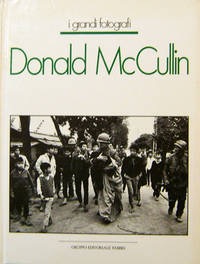
Hardcover. Milano, Gruppo Editoriale Fabbri, 1st, 1982, Book: Very Good, Dust Jacket: None, Hardcover, 62 pages. Text in Italian with an essay by Mark Haworth-Booth. Includes numerous black and white images by British photographer McCullin. A clean near fine copy in photo-illustrated boards. No dust jacket as issued.
Hardcover. Boston, Bulfinch Press, 1st, 2002, Book: Very Good, Dust Jacket: Very Good, Hardcover, 264 pages, large format with 260 b&w plates. Like new in publisher's shrink wrap. Brings together definitive works by the noted documentary photojournalist who created "Migrant Mother," in a photographic collection that is culled from her archives at the Oakland Museum and highlights such subjects as the Great Depression, migrant workers, and sharecroppers. 10,000 first printing.
Hardcover. Boston, Bulfinch Press, 1st, 2002, Book: Very Good, Dust Jacket: Very Good, Hardcover, 264 pages, large format with 260 b&w plates. Like new in publisher's shrink wrap. Brings together definitive works by the noted documentary photojournalist who created "Migrant Mother," in a photographic collection that is culled from her archives at the Oakland Museum and highlights such subjects as the Great Depression, migrant workers, and sharecroppers. 10,000 first printing.
Hardcover. St. Paul MN, Minnesota Historical Society, 1st, 2018, Book: Very Good, Dust Jacket: None, Hardcover, pictorial boards. 143 pages, b&w photos throughout. After serving in World War II, John Glanton returned home to Minnesota and began taking his camera around the streets, parks, clubs, restaurants, and private homes of Minneapolis, capturing the sights and scenes of everyday life for African Americans in the city. The images--from intimate portraits to public gatherings--reveal a dynamic and diverse community at a time when the nation was entering the postwar boom but before the civil rights movement had taken root. Glanton's photos offer a rare look into the lives and lifestyles of families and individuals often left out of histories of Minnesota's past, showing people at work and play, young and old, happy and sad. The images highlight black-owned businesses of the day, the music and club scene, and weddings and other family occasions to depict the experiences of African American people as presented through the lens of an African American photographer. Long forgotten in the garage of a family member, the photo negatives were recently rediscovered and digitized. A selection of 200 of the more than 800 images are featured here, along with commentary that further illuminates the lives and experiences of African Americans in postwar Minnesota.
Softcover. Madrid, La Fabrica, 1st, 2013, Book: Very Good, Dust Jacket: None, 256 pages. Softcover. Very clean, unmarked copy with minor wear to wrapper edges. Over 250 full page black and white photographs. Includes photographs of iconic figures such as, John and Jackie Kennedy, Nikita Khrushchev, Martin Luther King Jr., Muhammed Ali, Alfred Hitchcock, Joan Baez, and Salvador Dali.
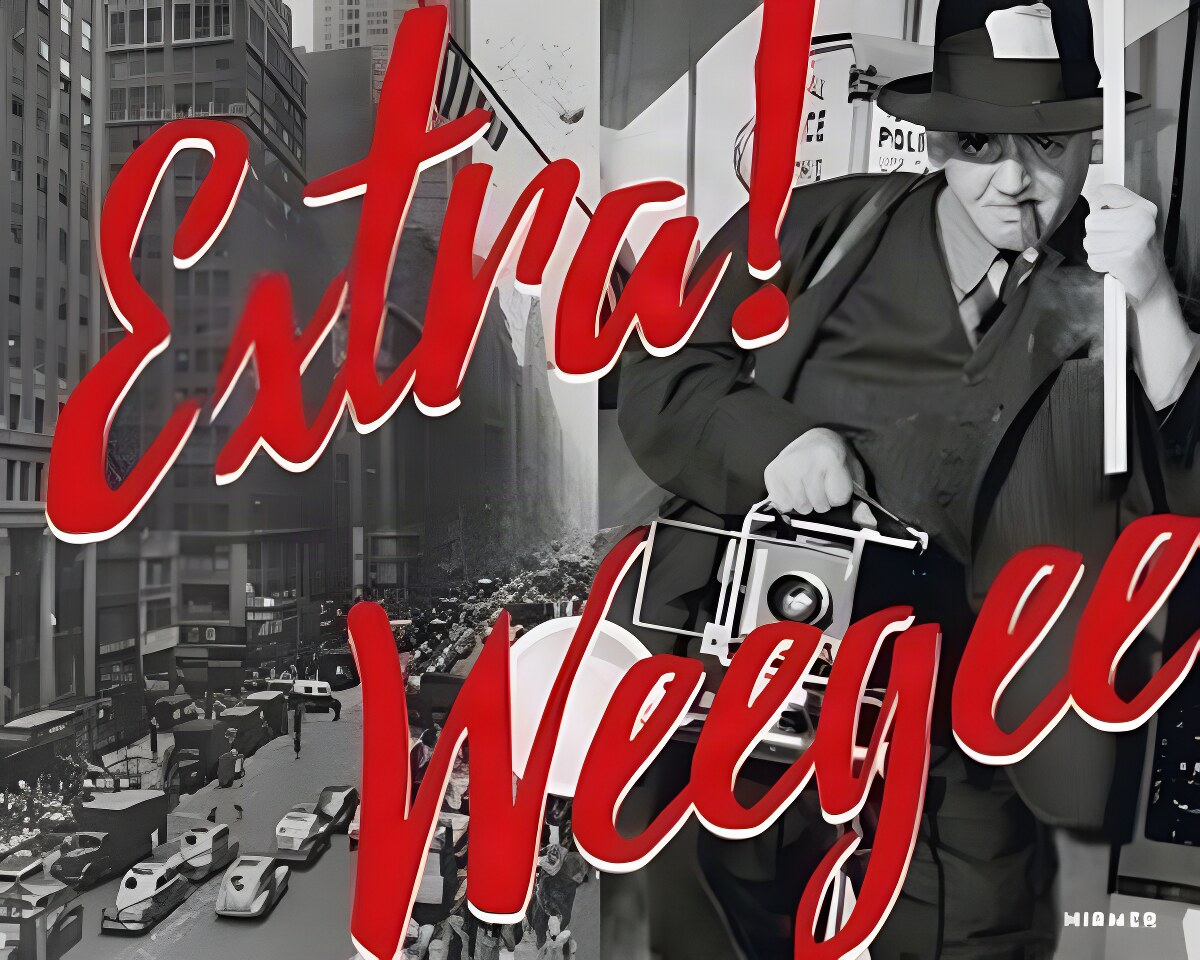
Hardcover. Munich GR, Hirmer Verlag, 1st, 2017, Book: Very Good, Dust Jacket: Very Good, Hardcover, oblong format, in a bright dust jacket. No other photographer has caught the sensations, scandals and catastrophes of the 1930s and 1940s in New York City with his camera as captivatingly as Weegee. He was always directly on the spot when it happened and documented the events and the onlookers. All the works come from the N.E.A. agency archive, which was only rediscovered in 2012; most of the vintage prints are being published for the very first time in this volume. Weegee (1899-1968) was the first photographer to receive official permission in 1938 to listen in live to the New York police radio. From then onwards he sometimes even arrived at the trouble spot before the police and took countless photographs. From the hardened police officer to the loud-mouthed crook; from the midnight boozer to the dancing jazz musician; from a dramatic conflagration to the celebrations at the end of the Second World War: Weegee immortalized all these moments in unforgettable pictures. The volume also shows a hitherto unknown side of the famous photographer - happy people enjoying themselves. The works are complemented by the exciting story of the rediscovery of the archive, which was missing for decades. Still in publisher's shrinkwrap.
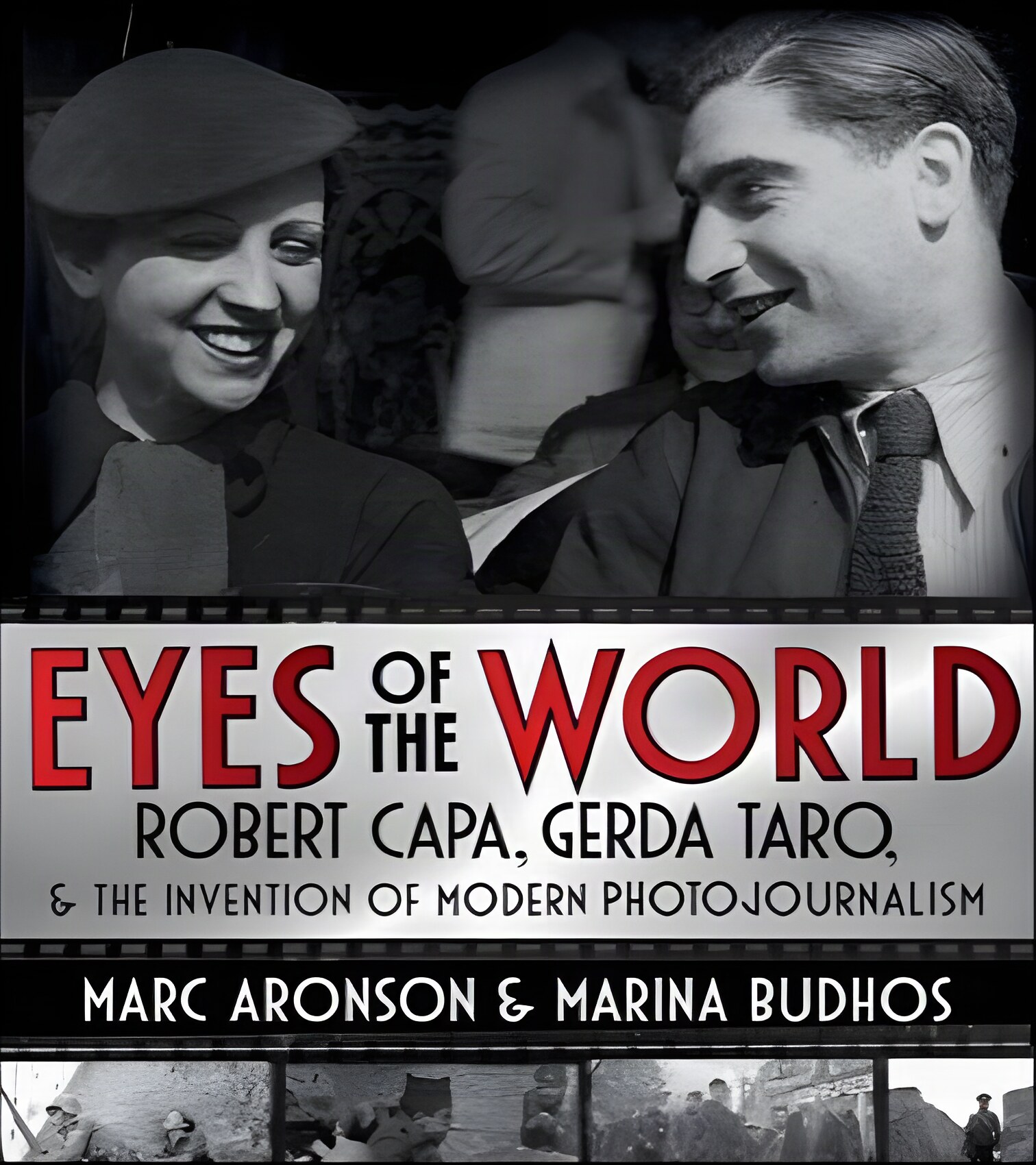
Hardcover. NY, Henry Holt and Co., 1st, 2017, Book: Very Good, Dust Jacket: Very Good, Hardcover in a bright dust jacket, 294 pages. Robert Capa and Gerda Taro were young Jewish refugees, idealistic and in love. As photographers in the 1930s, they set off to capture their generation's most important struggle-the fight against fascism. Among the first to depict modern warfare, Capa, Taro, and their friend Chim took powerful photographs of the Spanish Civil War that went straight from the action to news magazines. They brought a human face to war with their iconic shots of a loving couple resting, a wary orphan, and, always, more and more refugees-people driven from their homes by bombs, guns, and planes. Today, our screens are flooded with images from around the world. But Capa and Taro were pioneers, bringing home the crises and dramas of their time-and helping give birth to the idea of bearing witness through technology. With a cast of characters ranging from Langston Hughes and George Orwell to Pablo Picasso and Ernest Hemingway, and packed with dramatic photos, posters, and cinematic magazine layouts, here is Capa and Taro's riveting, tragic, and ultimately inspiring story. Clean copy.
Hardcover. NY, Abrams, 1st, 2000, Book: Very Good, Dust Jacket: Very Good, Hardcover, 328 pages. A noted photographer offers a visual tour of Christian communities around the world--in such diverse areas as Cuba, Jerusalem, Lourdes, the United States, Mali, and Russia--that explores what it means to be a Christian at the dawn of a new millennium.
Hardcover. NY, Abrams, 1st, 2000, Book: Very Good, Dust Jacket: Very Good, Hardcover, 328 pages. A noted photographer offers a visual tour of Christian communities around the world--in such diverse areas as Cuba, Jerusalem, Lourdes, the United States, Mali, and Russia--that explores what it means to be a Christian at the dawn of a new millennium.
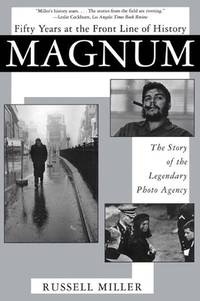
Softcover. NY, Grove Press, 1st, 1997, Book: Very Good, Dust Jacket: None, Softcover, 324 pages. The history of Magnum is the story of its photographers - some of the most talented, brave, and resourceful in the world - including Eve Arnold, Rene Burri, Cornell Capa, Bruce Davidson, Ernst Haas, Mary Ellen Mark, Susan Meiselas, Inge Morath, James Nachtwey, Gilles Peress, Eugene Richards, Sebastiao Salgado, and Dennis Stock. Magnum follows them on assignment - including encounters with soldiers, bodyguards, and visa troubles - and into the offices of Magnum, with all the moments of inspiration and inevitable frictions of brilliant and opinionated people working together. Fifty years after its founding, Magnum remains a testament to the vision of its founders, and membership in it is still the most coveted badge of honor and prestige that a photographer can attain. Clean copy.
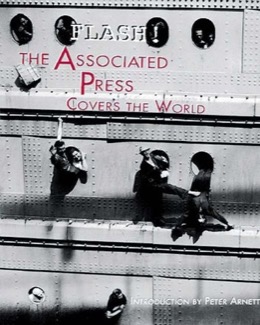
Softcover. NY, Harry N. Abrams, 1st, 1998, Book: Very Good, Dust Jacket: None, Softcover, 200 pages illustrated in color and b&w. A visual record of the twentieth century offers 170 of the Associate Press's classic photographs, covering news items relating to war, struggle, leadership, and great moments.
Hardcover. Baton Rouge, Louisiana State University Press, 1st Edition, 1990, Book: Very Good, Dust Jacket: Very Good, 211 pages. Hardcover with light foxing to edges, preliminary pages and dust jacket interior. Published on occasion of the exhibition, Louisiana State University Union Art Gallery, Baton Rouge, August 20, 1990 - September 22, 1990 among other locations. Black & white photographs throughout. Dust jacket with minor edgewear. Otherwise clean, unmarked copy.
Hardcover. Madison WI, Wisconsin Historical Society Press, 1st, 2014-03-15, Book: Very Good, Dust Jacket: Very Good, 119 pages, illustrated throughout in color. Clean, unmarked copy with only minor wear to dust jacket. Carl Corey turns his camera on Wisconsin family-owned businesses in existence fifty years or longer. The businesses portrayed here--bakeries and barbecue joints, funeral homes and furniture builders, cheesemakers, fishermen, ferry boat drivers--have survived against all the odds, weathering tough economic times and big-business competition. The owners are loyal to their employees, their families, and themselves. And they are integral to their local economies and social fabric.
Hardcover. NY, Scalo/DAP, 1st, 1996, Book: Very Good, Dust Jacket: Very Good, Hardcover, 572 pages, b&w photos. As a photographer for Life magazine from 1936 to 1959, John Phillips witnessed his share of troubles. His discerning and unflinching eye captured images as horrific as concentration camps and battlefield remnants with a kind of detachment that seemed to share his audience's senses of shock and outrage. He also found himself in the company of such illustrious leaders as FDR, Churchill, Stalin, and Tito during his prodigious travels across the world. Phillips, who died in 1996, was with the magazine from its inception, and his work helped to cement the publication's reputation for capturing unforgettable moments and images. Though plenty of lighter moments grace these pages, many of the included photographs are devoted to exposing one of the most turbulent periods of the 20th century, giving the book a historic sense of tragedy that can still be felt 50 years later.
Hardcover. Zurich, Lars Muller, 1st, 2008, Book: Very Good, Dust Jacket: Very Good, Like new in publishers shrink-wrap. The photographer Andreas Seibert accompanied Chinese workers to document their everyday lives and their journey to the high-population centers. Their stories are told in a collection of striking photographs that provide a close-up portrait to complement the current discussion of economic growth in China.
Hardcover. Chicago, Agate Midway, 1st, 2014, Book: Very Good, Dust Jacket: None, 192 pages. Hardcover with no dust jacket. Black and white photographs throughout. Clean, unmarked copy with only minor wear to covers.

 "Cuba 1959by: Glinn, Burt")
 "Dark Odysseyby: Griffiths, Philip Jones")
 "Dark Odysseyby: Griffiths, Philip Jones")
 "David Goldblatt: Photographs: Hasselblad Award 2006by: Michael Godby, David Goldblatt, et al.")
 "Delta Nigeria: The Rape of Paradiseby: Osodi, George")
 "Diamond Mattersby: Lohuizen, Kadir van")
 "Diamond Mattersby: Lohuizen, Kadir van")
 "Diamond Mattersby: Lohuizen, Kadir van")
 "Dorothea Lange: The Heart and Mind of a Photographerby: Borhan and Sam Stourdz")
 "Dorothea Lange: The Heart and Mind of a Photographerby: Borhan and Sam Stourdz")
 "Double Exposure: Images of Black Minnesota in the 1940sby: John Glanton")
 "Enrique Meneses: A Reporter's Lifeby: Lafuente, Gumersindo")
 "Faces of Christianity: A Photographic Journeyby: Abbas")
 "Faces of Christianity: A Photographic Journeyby: Abbas")


 "Folklife in Louisiana Photography - Images of Traditionby: De Caro, Frank")
 "For Love and Money: Portraits of Wisconsin Family Businessesby: Corey, Carl")
 "Free Spirit in a Troubled Worldby: John Phillips and Walter Keller")
 "From Somewhere to Nowhere: China's Internal Migrantsby: Seibert, Andreas")
 "Gangsters & Grifters: Classic Crime Photos from the Chicago Tribuneby: Staff, Chicago Tribune/")