Hardcover. London/NY, Phaidon Press, 1st, 2014, Book: Very Good, Dust Jacket: Very Good, Hardcover in a bright dust jacket, 240 pages. Photography has played an important role in how architecture is communicated and this book examines the critical relationship between the two practices today through the work of fifty international renowned and emerging artists including Annie Liebovitz, James Welling , Thomas Struth, Wolfgang Tillmann's, Walter Niedermayr and many others. Lavishly illustrated with color reproductions of many iconic buildings. Divided into five chapters, the book covers collaborations between photographer and architect, globaL urbanization, alterations to the landscape, reappraised Modernist icons, and imagined environments. Clean copy. DUE TO WEIGHT, DOMESTIC SHIPPING ONLY.
Hardcover. Santa Fe NM, Museum of New Mexico Press, 1st, 2000, Book: Very Good, Dust Jacket: Very Good, Hardcover in a bright dust jacket, 165 pages. Little is known about the fifth and last western expedition of the celebrated explorer John Charles Frmont. The great effort to survey a transcontinental railway route across the 38th parallel ended short of success in the snows of Utah in 1854 but involved a meticulous photographic documentation-in daguerreotypes-of the route from the Mississippi westward. It was believed that a central railroad across the country would favor abolitionists in the great debate then raging in the country over slavery. Solomon Nunes Carvalho was hired by Frmont to photograph the expedition-the first time a western expeditionary survey had been systematically documented in photographs. Tragically, the daguerreotypes were destroyed by fire, and Fremont's fifth expedition was lost to history. Author and daguerreotypist Robert Shlaer remarkably has reconstructed the expedition in 120 original daguerreotypes. Using Frmont's maps, expedition documents, and Carvalho's diary accounts, Shlaer recreates the lost expedition across America's most breathtaking landscape using photography's first and most venerable method of daguerreotypy.
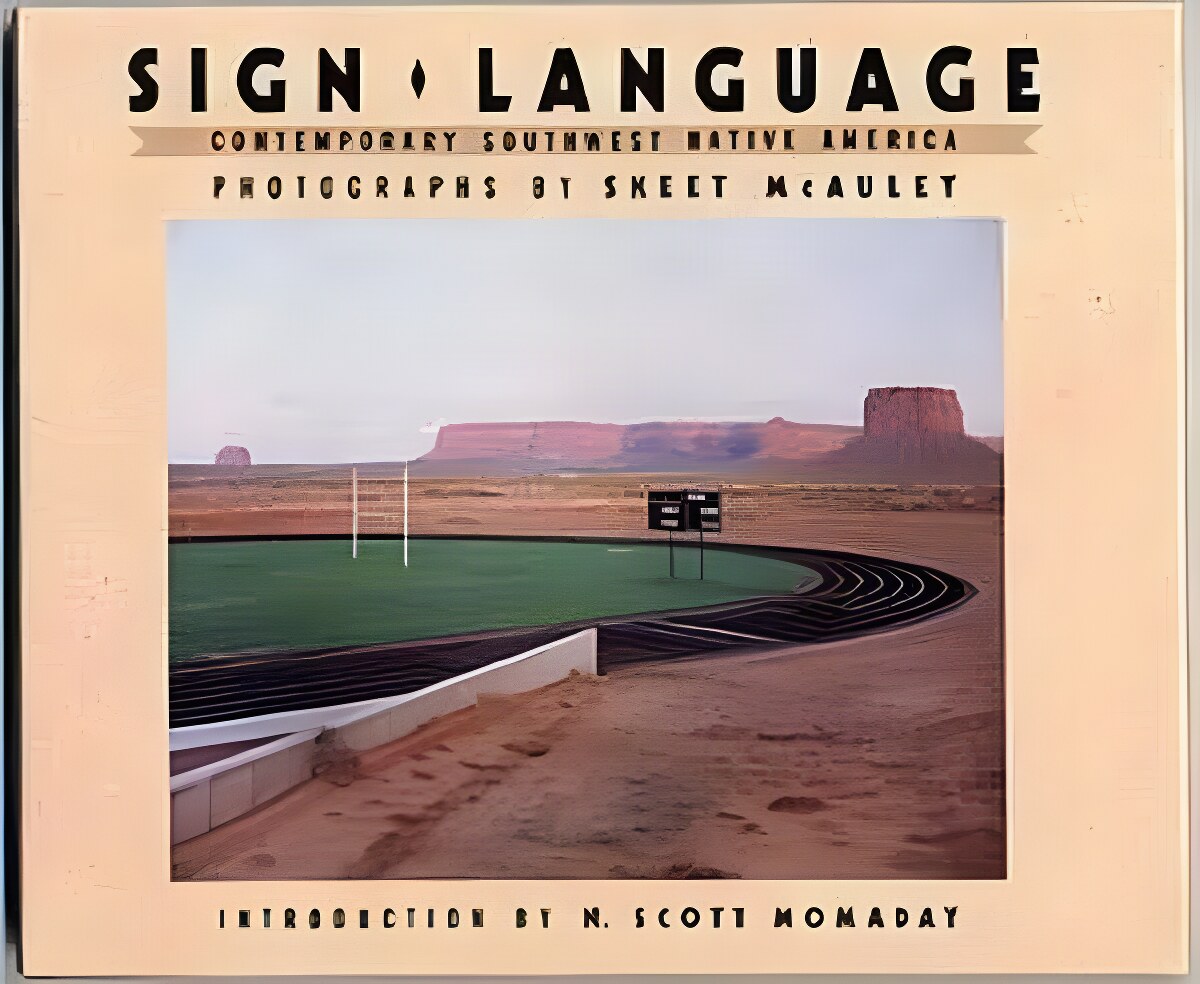
Hardcover. NY, Aperture, 1st, 1989, Book: Very Good, Dust Jacket: Very Good, Hardcover in a bright dust jacket, 78 pages. Introduction by N. Scott Momaday. Color photography throughout. Clean copy.
Hardcover. NY, Prestel, 1st, 2019, Book: Very Good, Dust Jacket: Very Good, Hardcover in a bright dust jacket, 176 pages. This book features the vintage archaeological photography of John Beasley Greene, one of the first photographers in Egypt and Algeria. Few figures in 19th-century photography remain as elusive and intriguing as John Beasley Greene (1832-1856). Over the course of an exceptionally brief career he created a body of photographs that were publicly admired by his peers and continue to capture the imagination of contemporary audiences. Born in France to an American banker, he made his first expedition to Egypt in 1853, where he photographed ancient Egyptian monuments and is thought to be the first archaeologist to use photography. In these photographs, he positioned his horizon lines with precision, at times placing them so low in the frame that the photograph is nearly all blank sky, or so high that the monuments are almost swallowed up by vast seas of sand. Some of his Egyptian landscapes are so visually spare they appear to be of nothing at all. Greene also traveled to Algeria where he photographed the ancient cliff-top city of Constantine and the seaport town, Cherchell. By contrast, Greene's photographs from Algeria frequently present a densely layered abundance of visual detail. Breathtakingly beautiful, Greene's photographs construct a visual record of archaeological monuments and landscapes. Featuring some 100 vintage prints, this comprehensive book aims to introduce Greene's work to a new audience and to reconsider his place in the history of photography. Clean copy in shrinkwrap.
Hardcover. NY, Overlook Press, 1st, 2003, Book: Very Good, Dust Jacket: Very Good, Hardcover, 180 pages. Jeff Gusky, a doctor of emergency medicine, decided at the age of 42 that he wanted to better confront the reality of modern Jewish history. A self-taught photographer who subsequently learned to make museum quality prints, he bought what he calls "a good, journalist-type camera and some lenses" and traveled to Poland-once the home of the largest concentration of Diaspora Jews. He read the instruction manuals on the plane en route. Over four trips, accompanied each time by a top Polish guide, Gusky traveled through the country, beyond the city ghettos and the sites of concentration camps, into remote villages where Jews had lived and worked for almost 1,000 years before the Holocaust-capturing on film the austere landscapes and the remains of a once thriving Jewish culture. The silence is deafening: here are Jewish cemeteries full of broken gravestones, ruined synagogues filled with trash and disfigured with graffiti, a Jewish home now used as a public toilet-"where people lived, walked, worshipped, and were, ultimately, exterminated," says Gusky. The doleful, understated clarity of what he saw and photographed captures a poignant sense of loss-making at the same time an indelible connection to the past.
Hardcover. US, 5 Continents, 1st, 2006, Book: Very Good, Dust Jacket: Very Good, Hardcover, 144 pages. Like new in publisher's shrink-wrap. French photographer Olivier Mriel (b. 1955) has practiced photography for over 26 years. His work focuses on landscapes with a taste for the obscure. The son of a chemist, he lives and works in France in the small seaside town of Saint Aubin-sur-Mer, just as his ancestors did before him. His photographs perfectly capture the feeling of history this region is steeped in. Mriel's landscapes, while dark and moody, ultimately document his search for light. This light is reflected off the land and as surfaces act as mirrors, they exude a subtle glow that seeps into even the darkest corners. A human presence that is felt but not seen subtly leads us to explore and to contemplate the secrets of these magical places and the profound meaning of existence.
Hardcover. San Francisco, Chronicle Books, 1st, 2000, Book: Very Good, Dust Jacket: None, Hardcover, gray boards with a dark brown cloth spine and a pictorial label on the cover. No dust jacket issued. Legendary for his massive photographic undertaking, The North American Indian, Edward Sheriff Curtis (1868-1952) recorded much more than portraits of Native American tribespeople. Among his huge body of work are numerous images of all manner of native dwellings: tipis, hogans, huts, cliff houses, adobes, and many more that are far less familiar to the public eye. Though people are largely absent from these photographs, each image speaks volumes about the lives and lifestyles of the tribes to which they belonged. Other structures such as tombs, religious buildings, granaries, and totem poles are also featured prominently, further glimpses into ways of life that were in the process of disappearing. Taken from the Dan and Mary Solomon collection,Sites & Structures: The Architectural Photographs of Edward S. Curtis is the first book of Curtis photographs to explore these dwellings and structures, faithfully reproduced from the original prints and gravures.
Hardcover. London, Thames & Hudson, 1st, 2013, Book: Very Good, Dust Jacket: Very Good, 208 pages. Hardcover with dust jacket. Clean, unmarked copy with only minor wear to dust jacket. Color and black and white pictures throughout. In the 1960s, fashion changed dramatically. At the end of the 1950s, Yves Saint Laurent was starting to look for new ways to define the female form; by the 1970s, styles, markets, materials, demographics, inspirations, and the very definition of fashion had been utterly transformed. Richly illustrated with contemporary imagery, including fashion shots, advertising, and magazine features, this is an essential sourcebook. The story begins with the new internationalism that changed the fashion landscape as New York, San Francisco, Florence, London, Madrid, Rome, and Hong Kong challenged the dominance of Paris haute couture. 306 illustrations, 176 in color.
Softcover. Tokyo, Bijutsu Shuppan-Sha, 1st, 1989, Book: Very Good, Dust Jacket: None, Softcover, 111 pages. Japanese photographer on the road from Xi'an to Kashi and back again. Color throughout.
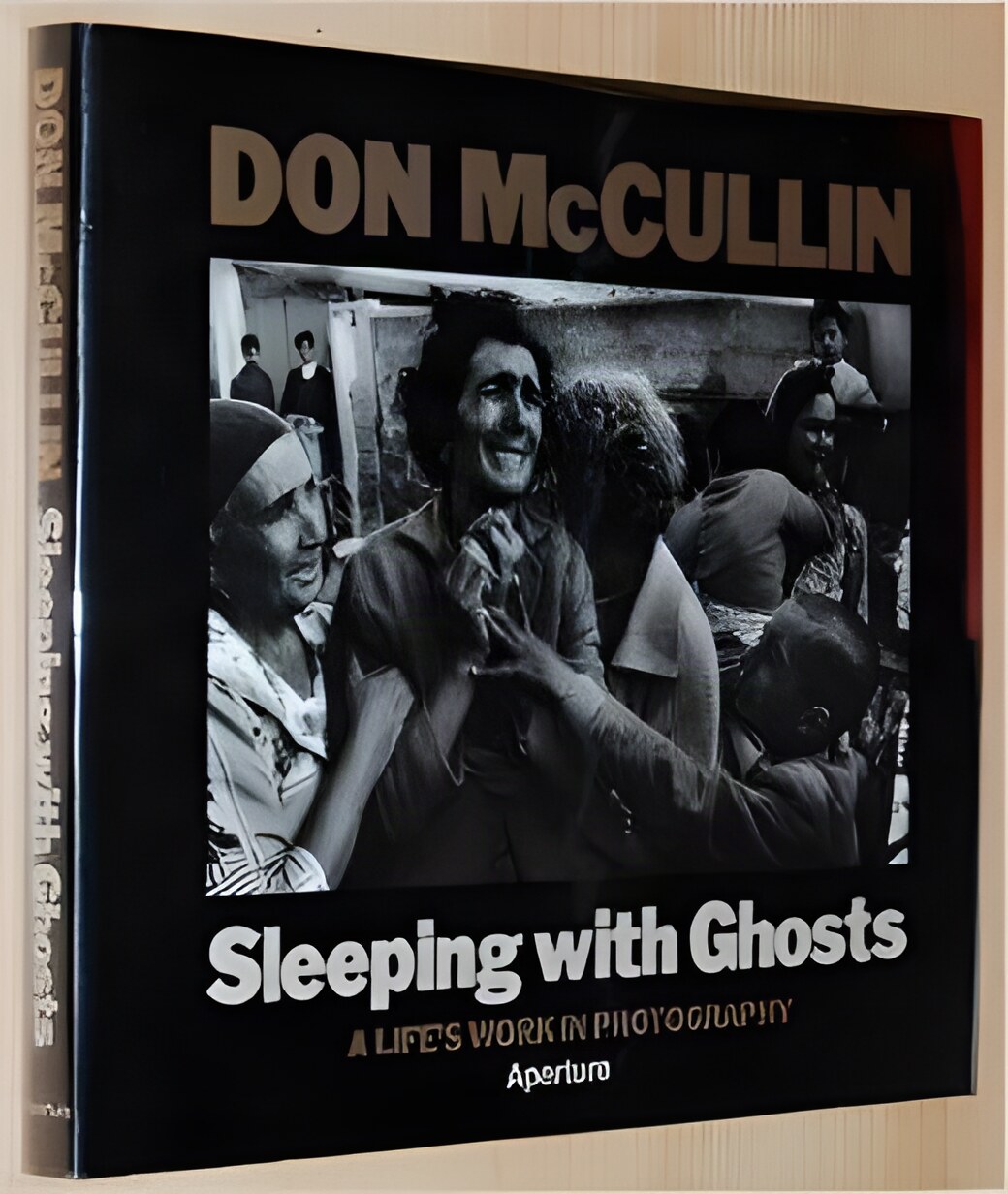
Hardcover. New York , Aperture Book, 1st, 1996, Book: Very Good, Dust Jacket: Very Good, Hardcover, 207 pages, illustrated throughout in b&w. Light yellowing to edges and light shelf-wear to dust jacket, else a clean, tight copy. This book shows the life's work of one of the most brilliant photojournalists of our time, who raised the status of his craft to that of high art. In his bestselling autobiography, Unreasonable Behavior, Don McCullin told the extraordinary and sometimes harrowing story of how he grew up in north London's gangland and graduated from poverty to stardom as the most daring and self-sacrificing reporter of wars around the world - from Cyprus to Israel, the Congo and Biafra to Vietnam, Pakistan to Cambodia, Beirut to Iraq. But his interests go far beyond the battleground in all its degradation which he has captured so brilliantly. In this book he has collected some 200 of what he considers to be his best pictures. A few have become well-known icons, many have not been seen in a book before. They depict unemployed miners collecting coal from the beach at dawn, down-and-outs in the East End, the homeless in Bradford, but they also reveal a passion for landscape, especially in the mysterious light of India, and a moving contact between human beings in a harsh environment. DUE TO WEIGHT. DOMESTIC SHIPPING ONLY
Hardcover. NY, Abrams, 1st, 1994, Book: Very Good, Dust Jacket: Very Good, Hardcover in a bright dust jacket, 160 pages, b&w plates. An accomplished photographer of the American scene presents a unique artistic record that captures a vanishing part of our country, the main streets, barber shops, schoolhouses, and inhabitants of our small towns. In his 19th book on the American scene, Plowden has focused on what epitomizes small towns-before this endangered species disappears altogether. The well-produced images, arranged roughly by topic (e.g., schools, theaters, churches, home interiors, restaurants, stores, and grain elevators) and representing towns in many states (including Iowa, Kansas, West Virginia, New York, Minnesota, and Idaho), speak eloquently of small-town life. Even more so, they speak of change; by the time Plowden photographed these towns, most had been cut off from their rural heritages. Nevertheless, the photographs convey order, calm, and congeniality; the best of them evoke the work of Walker Evans, who, like Plowden, left scenes unaltered when he photographed them. Clean copy.
Hardcover. NY, Abrams, 1st, 1994, Book: Very Good, Dust Jacket: Very Good, Hardcover in a bright dust jacket, 160 pages, b&w plates. An accomplished photographer of the American scene presents a unique artistic record that captures a vanishing part of our country, the main streets, barber shops, schoolhouses, and inhabitants of our small towns. In his 19th book on the American scene, Plowden has focused on what epitomizes small towns-before this endangered species disappears altogether. The well-produced images, arranged roughly by topic (e.g., schools, theaters, churches, home interiors, restaurants, stores, and grain elevators) and representing towns in many states (including Iowa, Kansas, West Virginia, New York, Minnesota, and Idaho), speak eloquently of small-town life. Even more so, they speak of change; by the time Plowden photographed these towns, most had been cut off from their rural heritages. Nevertheless, the photographs convey order, calm, and congeniality; the best of them evoke the work of Walker Evans, who, like Plowden, left scenes unaltered when he photographed them. Clean copy.
Hardcover. New York, The Monacelli Press, 1st, 2009, Book: Very Good, Dust Jacket: None, Hardcover, 127 pages, color plates. Like new in publishers shrink-wrap. Lynn Davis, known for surveys of natural and man-made wonders, has long been fascinated with the objects and venues of space exploration. Her photographs of the architectural icons, cornerstones, and abandoned sites of the space race reflect the many facets of a historically complex industry: the beginnings of space exploration; the changing nature of technology; and a fascination with otherworldly ruins. She emphasizes the bold modernism of these sites while evoking the presence of obsolete technologies. Davis traveled to historic sites in Kazakhstan, Russia, Germany, French Guiana, and the United States. She received special permission to visit Baikonur in Kazakhstan, a leading launch site shrouded in secrecy since the 1950s, and her photographs offer one of the first inside glimpses of launches, transmission towers, fuel lines, and satellites.
Hardcover. US, Carpet Bombing Culture, 1st, 2013, Book: Very Good, Dust Jacket: None, Unpaginated. Hardcover with no dust jacket. Clean, unmarked copy. If America is the Roman Empire of our time then New York City is Rome. The pulsating heart of the West pumps greenbacks through the veins of Manhattan, the richest place in the world. Power emanates from it's corporate brains and financial muscle across the whole surface of the globe. So how is it that even in the body of America, land of eternal youth, there is failure, death and decay hidden just beneath its glossy surfaces? A new breed of urban adventurers take a savage ride through the invisible story of the North Eastern USA. From NYC to the infamous Rust Belt, once home to America's heavy industry, States of Decay brings you a glimpse of the broken, the doomed, the entropic dreamlands on the flipside of the silver dollar coin. A unique exploration of everything from abandoned power plants, hospitals, asylums, schools, theatres, steel mills, prisons, factories, hotels, cathedrals, blast furnaces, convents to a boat graveyard. This extended photo-essay functions as a visual poem allowing the reader to draw their own experiences and conclusions from the images themselves. No interpretation necessary. This book will ask disturbing questions and inspire unexpected answers from anyone with an imagination and a heart. Sit back and let us take you on a walk around the Bad Apple.
Hardcover. Wellington NZ, Listener, 1st, 1983, Book: Very Good, Dust Jacket: Very Good, Hardcover in a bright dust jacket. 159 pages in color. This book is the record of a personal journey by two men, a writer and a photographer, into the rural heartland of New Zealand. covers musters in Glenray Station deep in the high back country of Southland. From that experience grew the idea of taking part in different kinds of sheep and cattle musters throughout N.z. from the rivers of Westland to the dunes of Northland, from the remote east coast to the South Island's vast Molesworth Station. The idea was to capture the glory of these uniquely NZ farming adventures which had already endured intact for 100 years, before inevitable changes in landscape and methods. This book is a feast of back-country colour and action which you will never ever get to see unless invited along. Mild tanning to dust jacket at top and bottom edge. Otherwise clean and bright.
Hardcover. Santa Fe, NM, Clear Light, 1st, 1994, Book: Very Good, Dust Jacket: Very Good, Hardcover in a bright dust jacket. Preface by Terry Tempest Williams. Black & white photos, 104 pages. Renowned wilderness writer T H Watkins offers a portrait of remote areas of the fragile and beautiful canyonlands of Utah. He gives us a panorama of majestic mountains, buttes, and mesas; forest views of pinon an djuniper and tall mountains sage; and intimate glimpses of rivers weaving through red slits in the earth. Through Watkins's exquisite visual and literary images shines his deep commitment to saving treasured wildlands that were old when humankind was 'yet ungraced by the breath of creation'. Clean copy.
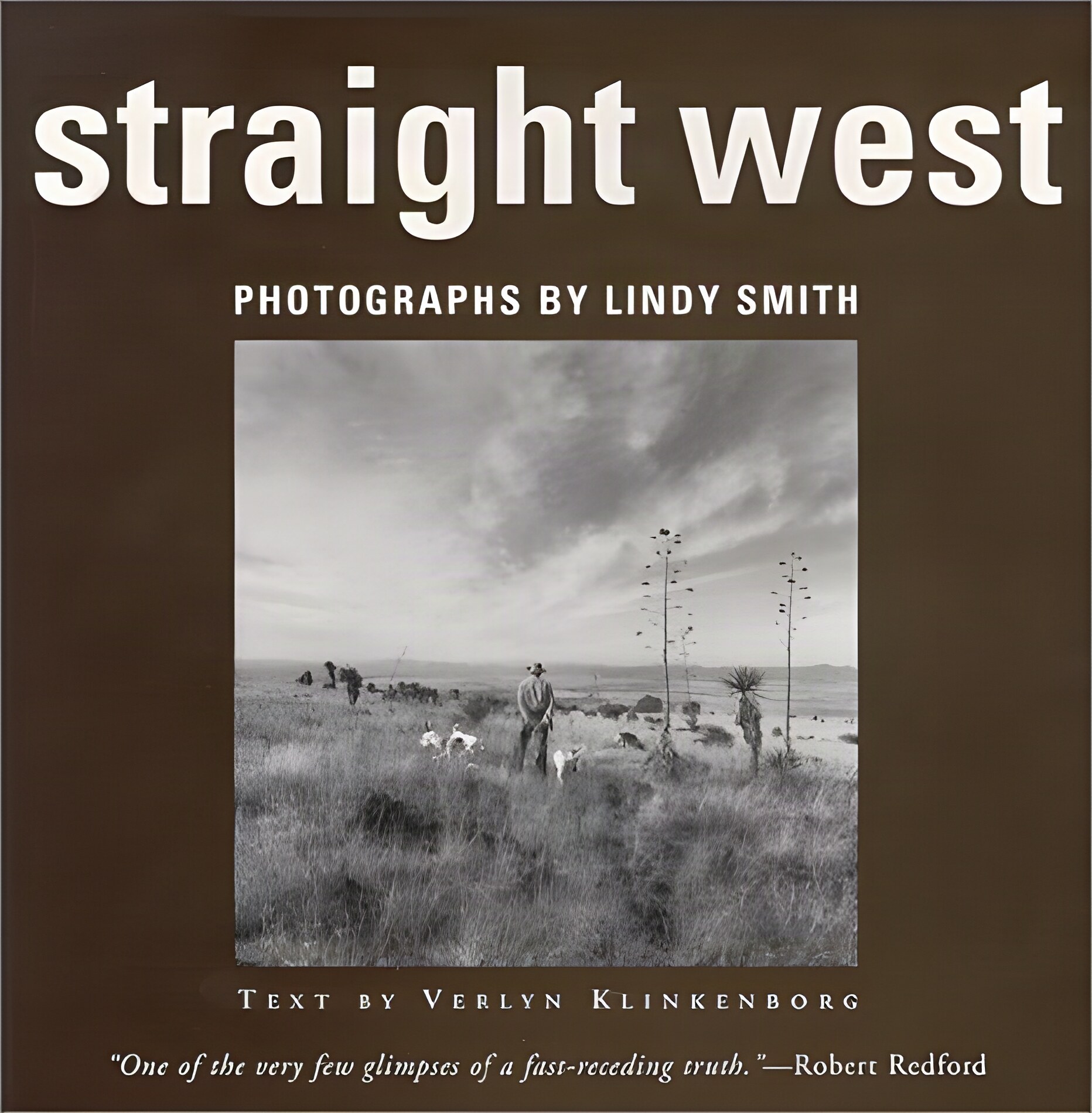
Hardcover. NY, The Lyons Press, 1st, 2000, Book: Very Good, Dust Jacket: Very Good, Hardcover in a bright dust jacket, 112 pages. A book of ninety exquisite and moving black & white photographs about the deep interior of the American West, stretching from the Mexican border to Montana. The world which photographer Lindy Smith has captured is a landscape of ranch-work, self-reliance and hard-won trust, a place as much defined by dogs, sheep, cattle and horses as by humans.
Softcover. Yosemite National Park CA, Yosemite Association, 1st, 1999, Book: Very Good, Dust Jacket: None, Softcover, 122 pages. A well-researched compilation of Brewer's documentation of his explorations in the High Sierra, with gripping photographs of the areas he visited. Additional contributions from his contemporaries enhance the experience for the reader. Introductory material from photographer William Alsup gives a good overall narrative of the action as well as an account of the significance of the survey. Clean copy.
Hardcover. NY, Prentice Hall Press, 1st, 1991, Book: Very Good, Dust Jacket: Very Good, Hardcover in a bright dust jacket, oblong format, b&w illustrations. A revealing look at the changing face of the American landscape, from the 1850s to today, as depicted by some of America's greatest photographers. 150 photographs provide a fascinating view of our land, juxtaposing what it once looked like with what it is today. Mild fade to dj spine, clean copy.
Center for American Places, 1st, Book: Very Good, Dust Jacket: None, Softcover, 180 pages, profusely illustrated in b&w. Foreword by Bill Kurtis. Contemporary Photographs by Judith Bromley and James Iska. Historic images from the Chicago Park District's Special Collections. Even Chicagoans who routinely enjoy its diverse open spaces -from the magnificent lakeshore parks to intimate neighborhood settings- may be surprised about their parkland legacy. The City in a Garden, developed in association with the Chicago Park District, is the first official history of Chicago's parks and it reveals why they are second to none in America and abroad. Clean copy.
Hardcover. Wake Forest University Press, 1st, Book: Very Good, Dust Jacket: Very Good, Hardcover in a bright dust jacket. Introduction by Ciaran Carson. A collection of 70 duotone photographs that transforms the visually dramatic landscape of Donegal into a dramatic visual narrative of its places & people. Clean copy.
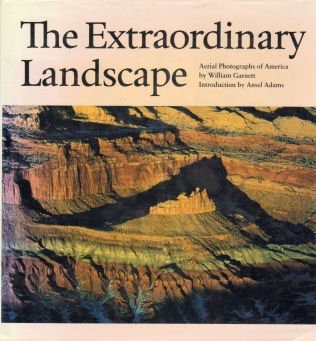
Hardcover. Boston, Little, Brown & Co., 1st, 1982, Book: Very Good, Dust Jacket: Very Good, Hardcover in an unclipped dust jacket, 183 pages in color. Introduction by Ansel Adams. A wonderful collection of color photos taken from a small single engine plane of various places around the United States. Mild fading to dust jacket along spine edge. Clean copy. DOMESTIC SHIPPING ONLY.
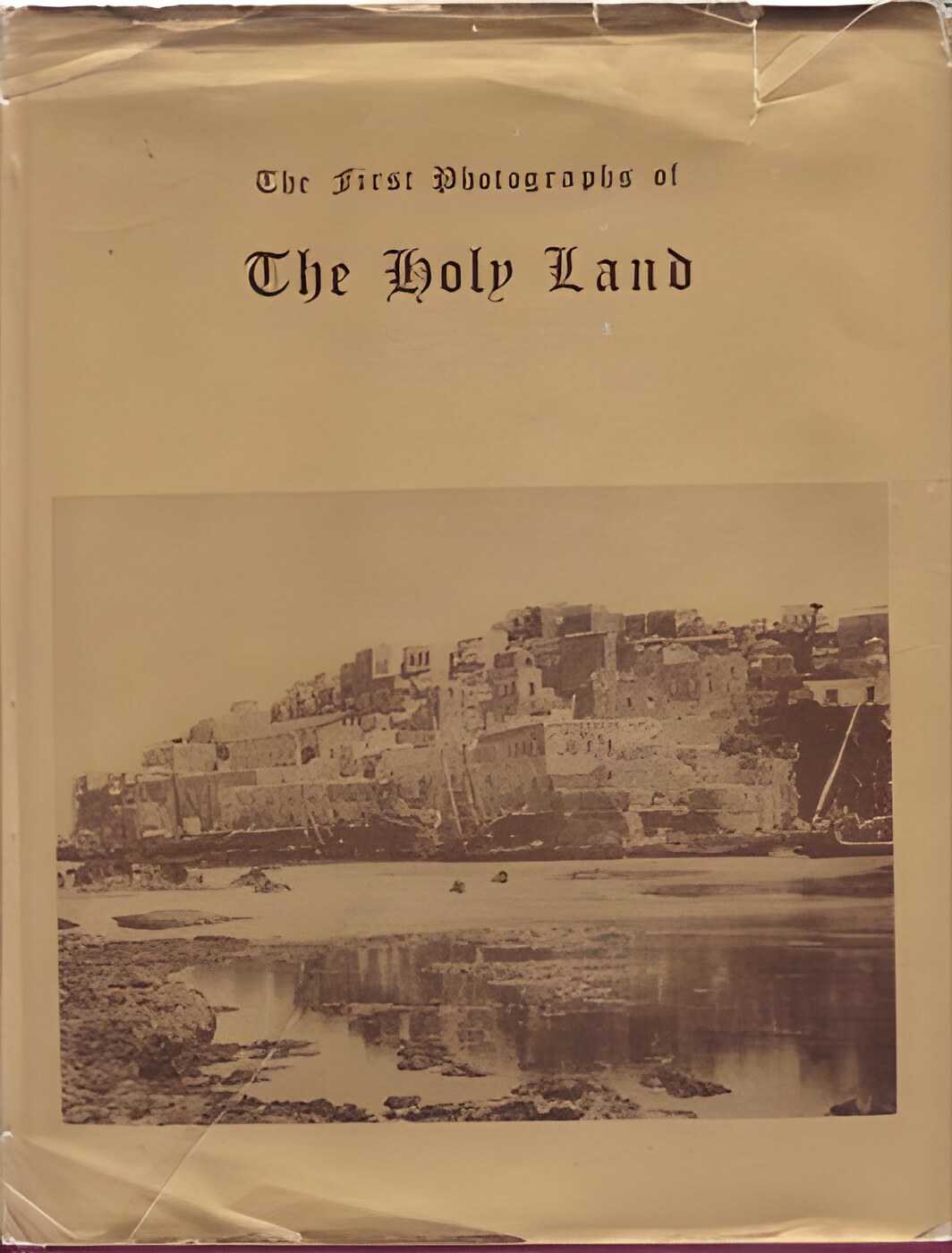
Hardcover. Jerusalem, Ariel Publishing House, 1st, 1980, Book: Very Good, Dust Jacket: Good, Hardcover, maroon cloth covers in a worn, chipped dust jacket, 380 pages. Photo-album of Jerusalem and the Holy Land from the second half of 19th to beginning of 20th centuries. Includes an introductory essay in Hebrew and English about "The Pioneers of Photography in the Holy Land, 1840-1930" by Dan Kyram. The photographs depict the physical and cultural landscape of Ottoman Palestine: from the villages, cities and holy sites to photographs of the customs and attire of the various inhabitants of the land. The photographs are accompanied by captions in English and Hebrew, and appended by a short introduction in English and a slightly longer one in Hebrew. Clean copy. DOMESTIC SHIPPING ONLY.


 "Sights Once Seen: Daguerreotyping Fremont's Last Expedition Through the Rockies by: Shlaer, Robert")


 "Silent Places: Landscapes of Jewish Life and Loss in Eastern Europeby: Gusky/Judith Miller, Jeffrey")
 "Silent Worldsby: Olivier Mriel")
 "Sites and Structures: The Architectural Photographs of Edward S. Curtis by: Solomon, Mary/Slemmons, Rod")


 "Sixties Fashion: From Less is More to Youthquakeby: Walford, Jonathan")
 "Sketches of the Silk Road: Rugged Roads of Tjanshan-Nanlu, China's Western Frontier by: Naoki Mukoda")
 "Small Town Americaby: Plowden, David")

 "Space Projectby: Davis, Lynn")
 "States of Decay: Urbex New York & Americas Forgotten North Eastby: Barter, Daniel (Photographer) Daniel Marbaix")
 "Stone Time - Southern Utah : A Portrait and a Meditationby: Watkins, T.H.")
 "Such a Landscape!: A Narrative of the 1864 California Geological Survey Exploration of Yosemite, Sequoia & Kings Canyon from the Diary, Field Notes, Letters & Reports of William Henry Brewerby:")


 "Tetons and the Yellowstone, Theby: Adams, Ansel and Nancy Newhall")


 "The Donegal Picturesby: Giese, Rachel")