Hardcover. New York, Viking/Penguin Publishing, 1st, 2002, Book: Very Good, Dust Jacket: Very Good, 244 pages. Hardcover. Gilt title on spine. Clean inside and out. From the dust jacket: "(Pearson shows) what life and literature are essentially about. How he can bring that off amidst such hilarity is something of a miracle." SIGNED BY PEARSON on half title page.
Softcover. NY, Vintage Crime/Black Lizard, reprint, 1990, Book: Very Good, Dust Jacket: None, Softcover, 217 pages. A chilling and brutally funny romp through the American South. As high sheriff of Potts County, Nick Corey spends most of his time eating, sleeping and avoiding trouble. If only people--especially some troublesome pimps, his foul-tempered wife, and his half-witted brother-in-law--would stop pushing him around. Because when Nick is pushed, he begins to kill . . . or to make others do his killing for him!The basis for an aclaimed French film noir, Coup de Torchon. Clean copy.
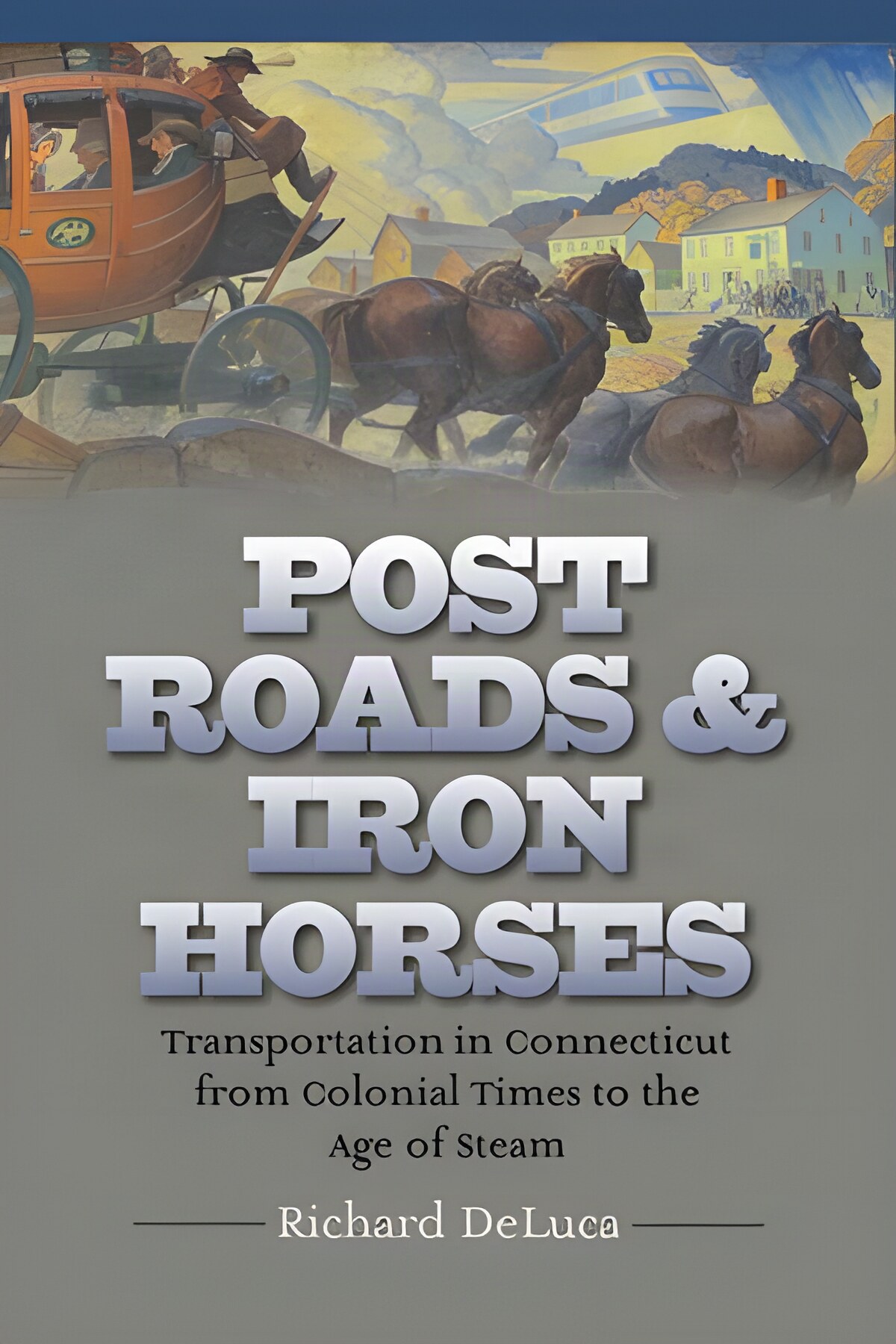
Hardcover. Middletown CT, Wesleyan University Press, 1st, 2011, Book: Very Good, Dust Jacket: Very Good, Hardcover in a bright dust jacket. The first book to look in detail at the turnpikes, steamboats, canals, railroads, and trolleys (street railroads) that helped define Connecticut and shape New England. Advances in transportation technology during the nineteenth century transformed the Constitution State from a rough network of colonial towns to an industrial powerhouse of the Gilded Age. From the race to build the Farmington Canal to the shift from water to rail transport, historian and transportation engineer Richard DeLuca gives us engaging stories and traces the significant themes that emerge as American innovators and financiers, lawyers and legislators, struggle to control the movement of passengers and goods in southern New England. The book contains over fifty historical images and maps, and provides an excellent point of view from which to interpret the history of New England as a whole. Clean copy.
Hardcover. Middletown CT, Wesleyan University Press, 1st, 2011, Book: Very Good, Dust Jacket: Very Good, Hardcover in a bright dust jacket. The first book to look in detail at the turnpikes, steamboats, canals, railroads, and trolleys (street railroads) that helped define Connecticut and shape New England. Advances in transportation technology during the nineteenth century transformed the Constitution State from a rough network of colonial towns to an industrial powerhouse of the Gilded Age. From the race to build the Farmington Canal to the shift from water to rail transport, historian and transportation engineer Richard DeLuca gives us engaging stories and traces the significant themes that emerge as American innovators and financiers, lawyers and legislators, struggle to control the movement of passengers and goods in southern New England. The book contains over fifty historical images and maps, and provides an excellent point of view from which to interpret the history of New England as a whole. Clean copy.
Hardcover. Philadelphia, PA, John S. Lettell, 1837, Book: Good, Dust Jacket: None, Hardcover. 394 pages. Marbled covers with calf spine and corners. Raised bands and red label with gold lettering on spine. Previous owner's stamp on title-page. Previous owner's signature on front end paper. Light foxing to a few pages. Rubbing to covers. Ex-library with usual markings and stamping. Edgewear. Corners bumped.
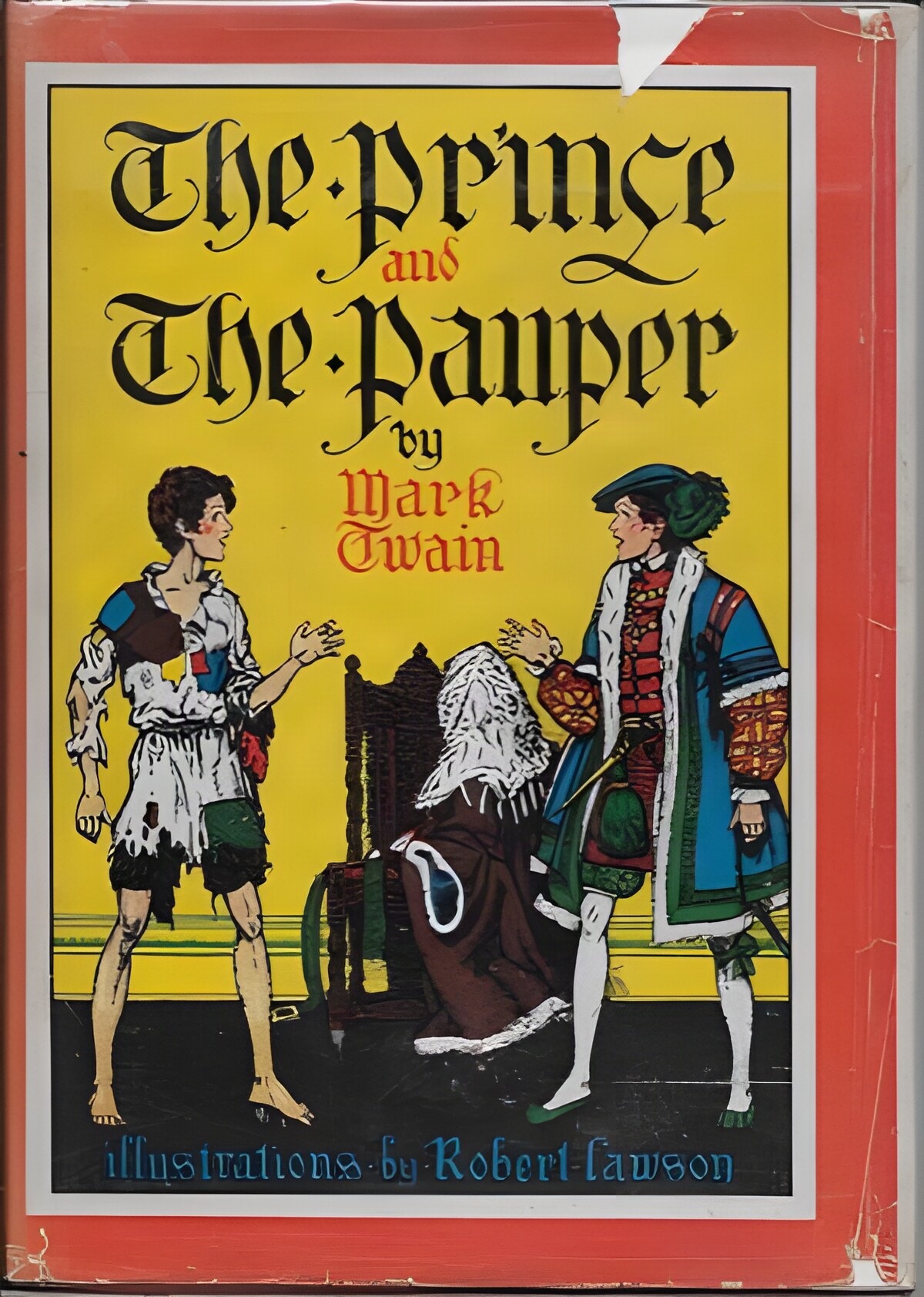
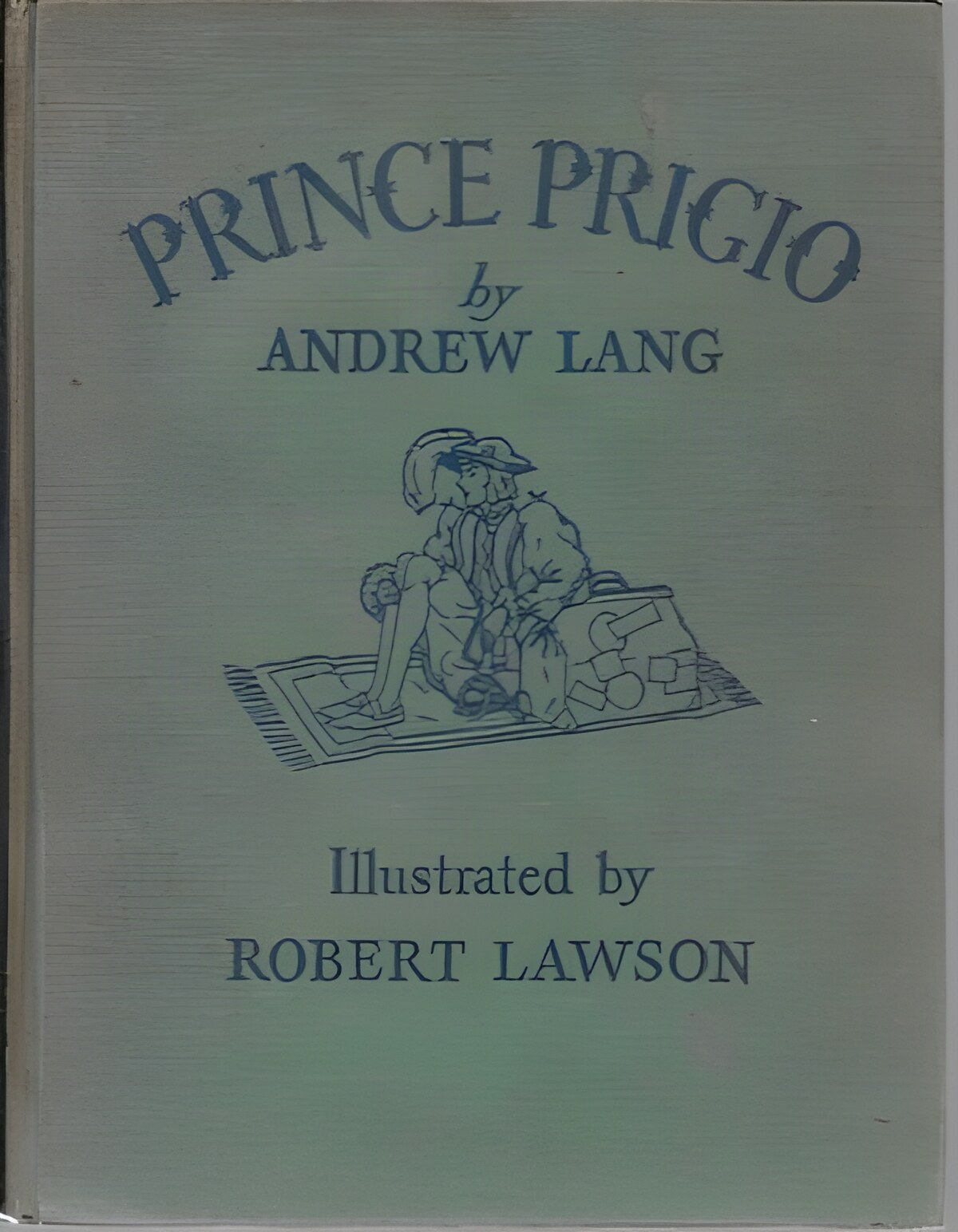
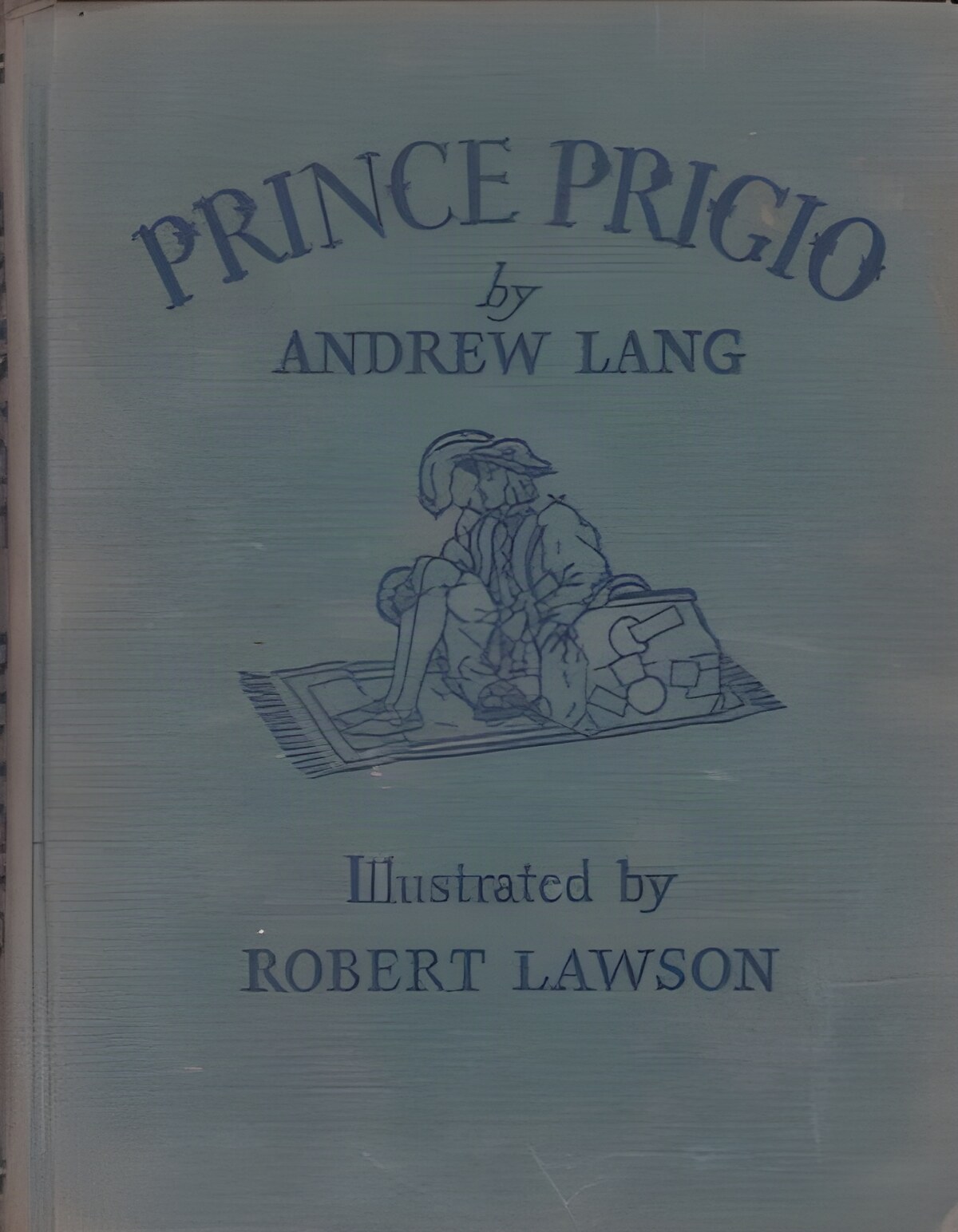
Hardcover. Chicago / Philadelphia / Toronto, John Winston Co., reprint , 1937, Book: Very Good, Dust Jacket: Good, 274 pages. Hardcover with dust jacket. Four-color illustrations by Robert Lawson. Some wear, chipping and soiling to dust jacket, small tear to front cover, but internally clean.
Hardcover. Boston, Little Brown , 1st, 1942, Book: Good, Dust Jacket: None, Hardbound, 110 pages. Black & white illustrations by Robert Lawson. Previous owner's signature front fly leaf. Soiling to covers, especially spine.
Hardcover. Boston, Little Brown, 1st illust thus, 1942, Book: Good, Dust Jacket: None, Hardcover, green cloth covers stamped in blue with prince on flying carpet on front, Black & white illustrations by Robert Lawson, 110 pages. Some wear and soiling to cover, but internally mostly clean. No dust jacket.
Hardcover. NY, Viking, 1st, 1986, Book: Very Good, Dust Jacket: Very Good, Hardcover in a bright, unclipped dust jacket. This black, bleak comedy tells of parallel lives in Providence, R.I. The Dwyers are middle-class, settled, safe in their lives until the day that Adam, a lawyer, finds out he's going to die of leukemia. Skippy, Babe, and Lisa are young sociopaths on the lookout for fun and fortune. When the lives of these two "families" cross, no one survives without trauma. The result is a diverting gallery of grotesques and grotesqueries, a litany of sex, perversion, violence, crime, and corruption. Providence is a fairy tale with no Good Fairy. Virtue ensures no reward; neither merit nor normal precaution provides sufficient protection to the unfortunate Dwyers. This novel is breezy and entertaining, enjoyable even though it depicts a world that is chilling in the indifference it shows toward ordinary people's cares and concerns.
Hardcover. Ithaca NY, Cornell University Press, 1st, 2004, Book: Very Good, Dust Jacket: Very Good, Hardcover in a bright dust jacket, 260 pages. From the dawn of the twentieth century to the early 1960s, public-sector unions generally had no legal right to strike, bargain, or arbitrate, and government workers could be fired simply for joining a union. Public Workers is the first book to analyze why public-sector labor law evolved as it did, separate from and much more restrictive than private-sector labor law, and what effect this law had on public-sector unions, organized labor as a whole, and by extension all of American politics. Joseph E. Slater shows how public-sector unions survived, represented their members, and set the stage for the most remarkable growth of worker organization in American history. Slater examines the battles of public-sector unions in the workplace, courts, and political arena, from the infamous Boston police strike of 1919, to teachers in Seattle fighting a yellow-dog rule, to the BSEIU in the 1930s representing public-sector janitors, to the fate of the powerful Transit Workers Union after New York City purchased the subways, to the long struggle by AFSCME that produced the nation's first public-sector labor law in Wisconsin in 1959. Slater introduces readers to a determined and often-ignored segment of the union movement and expands our knowledge of working men and women, the institutions they formed, and the organizational obstacles they faced.
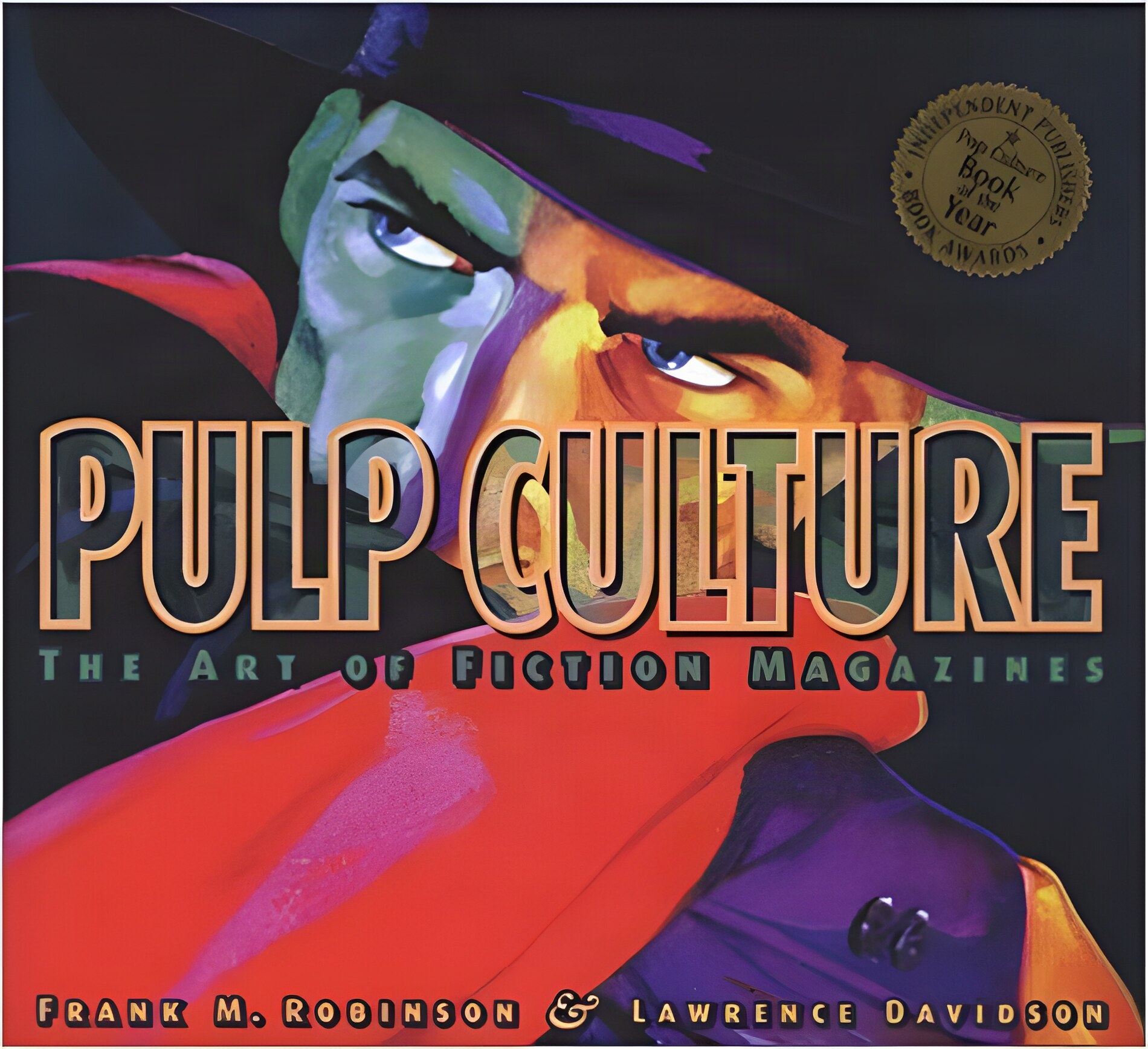
Hardcover. Portland OR, Collector's Press, 2nd pr., 2001, Book: Very Good, Dust Jacket: Very Good, 204 pages, illustrated throughout in color. A wonderful collection of pulp and fiction magazine cover art magnificently reproduced here on striking color plates. Here are the Shadow, Black Mask, Fu Manchu, Horatio Hornblower, Doc Savage, the Phantom Detective, and more. Bright, clean hardcover in a very good dust jacket.
Softcover. London, W. Stewart & Co., 1st, 1881, Book: Fair, Dust Jacket: None, Scarce. 76 pages plus index, b&w illustrations. Covered in brown protective paper wrapper. Previous owner's signature inside original front cover. Top right corner torn from original title page; bottom right corners missing from index pages. Original rear wrapper missing. Else pages clean and tight.
Hardcover. Ithaca, Cornell University Press, 1st, 1990, Book: Very Good, Dust Jacket: None, Hardcover, 260 pages. No dust jacket. John Locke's untitled manuscript "Questions concerning the Law of Nature" (1664) was his only work focused on the subject of natural law, a circumstance that is especially surprising since his published writings touch on the subject frequently, if inconclusively. Containing a substantial critical apparatus, this new edition of Locke's manuscript is faithful to Locke's original intentions and to the format he chose for his discourse on the law of nature-a late-Scholastic quaestio disputata, the form through which in 1664 the young Locke debated questions with his students as moral censor of Christ Church. For this volume, Robert Horwitz provides an introduction summarizing the history of the manuscript and analyzing Locke's role in the development of thinking on natural law. Jenny Strauss Clay offers a superb critical edition of the Latin text, for which she has supplemented the Latin text of Manuscript B, written by an amanuensis, with Manuscript A, a first draft in Locke's own hand. Diskin Clay's precise English translation-with the Latin presented on facing pages-is accompanied by annotations identifying Locke's references and allusions and explaining difficulties of translation. In the view of Horwitz, Clay, and Clay, Questions concerning the Law of Nature shows a tension between several opposing conceptions of natural law. In developing this view, the editors break with W. von Leyden, who prepared the first edition of the text and who interpreted Locke's understanding of natural law squarely within a Christian framework. The editors here present a fresh interpretation of Locke as a thinker who posed a series of subtle challenges to traditional natural law doctrine. That Locke was aware of the political danger of this challenge is evident from his refusal to publish the work during his lifetime and from the care he took to conceal these manuscripts among his possessions. Clean, tight copy.
Softcover. NY, Oxford University Press, reprint, 1992, Book: Very Good, Dust Jacket: None, Softcover in pictorial wraps, 184 pages, coloe illustrations. From before the days of Moses up through the 1960s, slavery was a fact of life in the Middle East. Pagans, Jews, Christians, and Muslims bought and sold at the slave markets for millennia, trading the human plunder of wars and slave raids that reached from the Russian steppes to the African jungles. But if the Middle East was one of the last regions to renounce slavery, how do we account for its--and especially Islam's--image of racial harmony? How did these long years of slavery affect racial relations? In Race and Slavery in the Middle East, Bernard Lewis explores these questions and others, examining the history of slavery in law, social thought, and practice over the last two millennia. Bright, clean copy.
Hardcover. Oxford UK, Clarendon Press, 1st, 1923, Book: Very Good, Hardcover, red cloth, 296 pages. Gilt title on spine. Folding maps in rear. Contents: Relation of Bantu to other African races: Africa & Africans - Study of Bantu life & thought: Spirits of things; Spirits of people; Tribal law & politics; Woman & marriage; Training of Bantu youths - Europeanization of Bantu Africa: Discovery of Bantu; White man's burden & how he got it; Some problems of government in Bantu areas; Native labour; Colour bar; Task of Church. Newsp. clippings re author laid in, leaving tan mark.
Softcover. Cambridge MA, Harvard University Press, 2nd pr., 1988, Book: Very Good, Dust Jacket: None, Softcover, 414 pages, b&w illustrations. Scholars exploring the history of science under the Nazis have generally concentrated on the Nazi destruction of science or the corruption of intellectual and liberal values. Racial Hygiene focuses on how scientists themselves participated in the construction of Nazi racial policy. Robert Proctor demonstrates that the common picture of a passive scientific community coerced into cooperation with the Nazis fails to grasp the reality of what actually happened-namely, that many of the political initiatives of the Nazis arose from within the scientific community, and that medical scientists actively designed and administered key elements of National Socialist policy. The book presents the most comprehensive account to date of German medical involvement in the sterilization and castration laws, the laws banning marriage between Jews and non-Jews, and the massive program to destroy "lives not worth living." The study traces attempts on the part of doctors to conceive of the "Jewish problem" as a "medical problem," and how medical journals openly discussed the need to find a "final solution" to Germany's Jewish and gypsy "problems." Clean, bright copy.
Hardcover. Cambridge, MA, Harvard University Press, 1st, 1949, Book: Good, Dust Jacket: None, Hardcover. 529 pages. Previous owner's inscription on front end paper. Rubbing to corners and spine. Some markings to covers.
Hardcover. Seattle, Fantagraphics Books, 1st, 2016, Book: Very Good, Dust Jacket: None, 159 pages. Hardcover with laminated boards. Clean, tight copy with color illustrations throughout. Inspired by magazines like Mad and traditional superhero comics, Real Deal magazine was a self-published,independent comic book created in the 1990s by Lawrence Hubbard (a.k.a "RawDog") and H.P. McElwee (a.k.a. "R.D. Bone"). Peopled with a cast out of a blaxploitation movie - convicts, hustlers, drug addicts,crack whores, car thieves,and murderers - these cult-classic comics straddle the line between satirizing and showing the harsh realities of urban life.
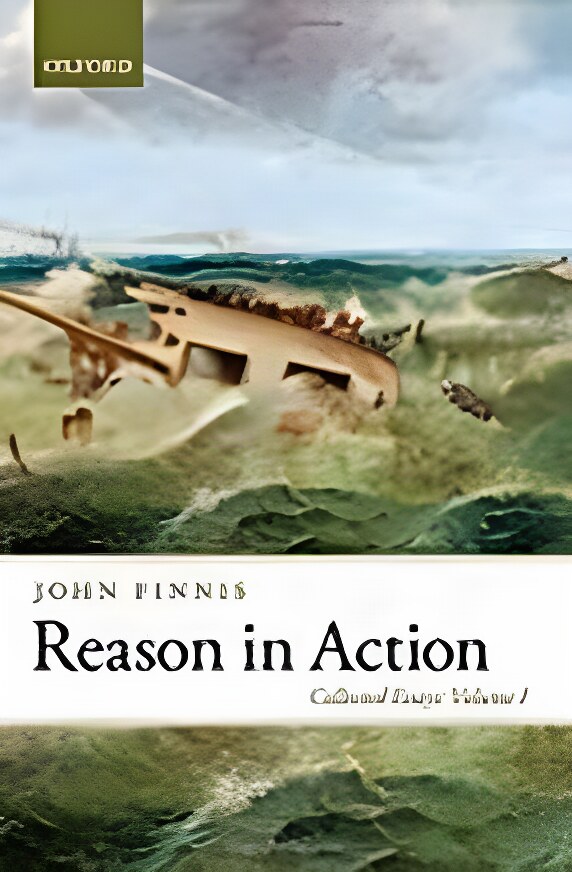
Hardcover. NY/London, Oxford University Press, 1st, 2011, Book: Very Good, Dust Jacket: Very Good, Hardcover in a bright, unclipped dust jacket, 350 pages. Reason in Action collects John Finnis' work on the theory of practical reason and moral philosophy. The essays in the volume range from foundational issues of meta-ethics to the practical application of natural law theory to ethical problems such as nuclear deterrence, obscenity and free speech, and abortion and cloning.
Softcover. New York, Dell Publishing, 1st, 1955, Book: Good, Dust Jacket: None, 223 pages. Paperback. Dell Book #833. Minor wear to paper wrappers. Light crease to front cover. First page partially separated.
Hardcover. Philadelphia, J. B. Lippincott , BC Ed., 1952, Book: Very Good, Dust Jacket: Good, Hardcover in a worn, chipped dust jacket. A Book Club printing of the first (and only) Dr. Coffee full length mystery. Doctor Daniel Webster Coffee, pathologist demonstrates that scientific knowledge is deadly to crime. 222 pages, no marking.
Hardcover. NY, Doubleday & Company, 1st, 1978, Book: Very Good, Dust Jacket: None, Hardcover, blue boards with black cloth spine. 469 pages. INSCRIBED BY NIZER on half-title page. Business card of Ben Bodne, owner of the Algonquin Hotel, stapled to title page. Otherwise a clean, tight copy. No dust jacket.
Hardcover. Washington DC, Smithsonian Institution Scholarly Press , 1st, 2009, Book: Very Good, Dust Jacket: Very Good, Hardcover in a bright, unclipped dust jacket. At least since the Renaissance, artists have created wonderful images of themselves. Some self-portraits are the equivalent of a painter's "signature," while others were inspired by the need to establish social status or gain a commission. In the twentieth century, however, self-representation turned inward, becoming a means by which artists sought to navigate passageways of the mind. In Reflections/Refractions, some of the greatest modern artists--including Andy Warhol, Edward Hopper, Grant Wood, Jasper Johns, Robert Rauschenberg, Jacob Lawrence, Louise Bourgeois, David Hockney, Alexander Calder, and Alex Katz--use sinuous line and gorgeous color to trace the intricacies of their personalities, whether dark and gloomy or bright and fanciful. The book is at once a catalog of twentieth-century self-portraits in the collection of the National Portrait Gallery, Smithsonian Institution, and an exploration of how modern artists view themselves and the world. Eighty color illustrations--drawings and paintings--are accompanied by lively and informative captions, making this volume an endlessly fascinating book. Clean copy.

 "Polar (SIGNED COPY)by: Pearson, T.R.")



 "Practical Treatise of Powersby: Sugden, Sir Edward")
 "Providenceby: Wolff, Geoffrey")

 "Pufendorf: On the Duty of Man and Citizen according to Natural Law by: Pufendorf, Samuel / James Tully (Ed.)")
 "Punishments in the Olden Timeby: Andrews, William")
 "Questions Concerning the Law of Natureby: Locke, John")

 "Race Problems in the New Africa A Study of the Relation of Bantu and Britons in Those Parts of Bantu Africa Which Are under British Controlby: Willoughby, Rev. W. C.")

 "Readings in American Legal Historyby: Howe (Ed), Mark DeWolfe")