Hardcover. Bloomington, IN, Indiana University Press, 1st, 2016, Book: Very Good, Dust Jacket: Very Good, 152 pages. Hardcover with dust jacket. A very clean, unmarked copy with only minor wear to dust jacket edges. A tight copy. As a photographer for Life and Fortune magazines, Margaret Bourke-White traveled to Russia in the 1930s, photographed the Nazi takeover of Czechoslovakia in 1938, and recorded the liberation of Buchenwald at the end of WWII. In 1949, Life sent her to South Africa to take photographs in a country that was becoming racially polarized by white minority rule. Life published two photo-essays highlighting Bourke-White's photographs, but much of her South African work remained unpublished until now. Here, these stunning photographs collected by Alex Lichtenstein and Rick Halpern offer an unparalleled visual record of white domination in South Africa during the early days of apartheid. In addition to these powerful and historically significant photographs, Lichtenstein and Halpern include two essays that explore Bourke-White's artistic and political formation and provide background material about the cultural, political, and economic circumstances that produced the rise and triumph of Afrikaner nationalism in South Africa. This richly illustrated book brings to light a large body of photography from a major American photographer and offers a compelling history of a reprehensible system of racial conflict and social control that Bourke-White took such pains to document.
Hardcover. NY, Rizzoli, 2003, Book: Very Good, Dust Jacket: Very Good, Hardcover, 208 pages. Before Margaret Bourke-White became America's first well-known photojournalist, she was photographing the beginnings of Americas machine age, focusing on factories, machinery and the objects this technology produced. These striking images, which transformed prosaic objects into modernist masterpieces-were the foundation for work she later did for Fortune, Life, and other important national magazines. Organized by the Phillips Collection, an exhibition and this accompanying catalogue feature many photographs which have never before been published, and presents new research on the images. An extensive chronology of her career is also provided.
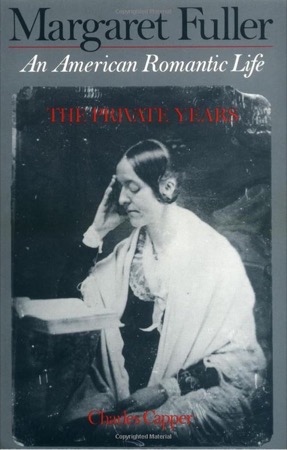
Hardcover. NY, Oxford University Press, 1st, 1992, Book: Very Good, Dust Jacket: Very Good, Hardcover in a bright dust jacket, 423 pages. INSCRIBED BY CAPPER on front fly leaf with presentation bookplate opposite on inside front cover. With this first volume of a two-part biography of the Transcendentalist critic and feminist leader, Margaret Fuller, Capper has launched the premier modern biography of early America's best-known intellectual woman. Based on a thorough examination of all the firsthand sources, many of them never before used, this volume is filled with original portraits of Fuller's numerous friends and colleagues and the influential movements that enveloped them. Writing with a strong narrative sweep, Capper focuses on the central problem of Fuller's life--her identity as a female intellectual--and presents the first biography of Fuller to do full justice to its engrossing subject. This first volume chronicles Fuller's "private years": her gradual, tangled, but fascinating emergence out of the "private" life of family, study, Boston-Cambridge socializing, and anonymous magazine-writing, to the beginnings of her rebirth as antebellum America's female prophet-critic. Capper's biography is at once an evocative portrayal of an extraordinary woman and a comprehensive study of an avant-garde American intellectual type at the beginning of its first creation.
Hardcover. NY, Oxford University Press, reprint, 1992, Book: Very Good, Dust Jacket: Very Good, Hardcover in a bright dust jacket, 423 pages. No price on dj so assumed Book Club edition. With this first volume of a two-part biography of the Transcendentalist critic and feminist leader, Margaret Fuller, Capper has launched the premier modern biography of early America's best-known intellectual woman. Based on a thorough examination of all the firsthand sources, many of them never before used, this volume is filled with original portraits of Fuller's numerous friends and colleagues and the influential movements that enveloped them. Writing with a strong narrative sweep, Capper focuses on the central problem of Fuller's life - her identity as a female intellectual - and presents the first biography of Fuller to do full justice to its engrossing subject. This first volume chronicles Fuller's "private years": her gradual, tangled, but fascinating emergence out of the "private" life of family, study, Boston-Cambridge socializing, and anonymous magazine-writing, to the beginnings of her rebirth as antebellum America's female prophet-critic. Capper's biography is at once an evocative portrayal of an extraordinary woman and a comprehensive study of an avant-garde American intellectual type at the beginning of its first creation. Clean copy.
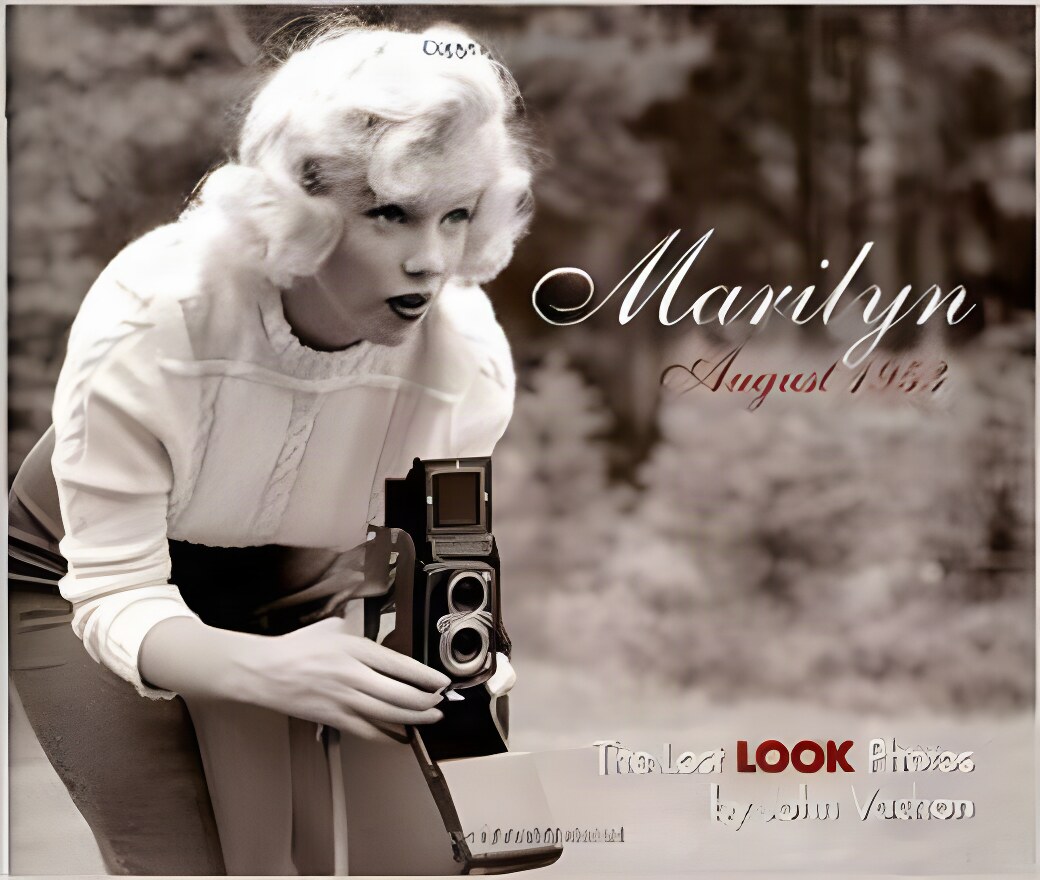
Hardcover. NY, Calla Editions, 1st thus, 2010, Book: Very Good, Dust Jacket: Very Good, 119 pages. Hardcover. Black and white illustrations. Clean, unmarked copy in excellent condition. Picture this: A master photographer shoots the most breathtaking movie star of her time high in the Canadian Rockies in the summer of 1953. And the negatives are filed away for nearly 60 years -- most never seen until now.It was yet another assignment for LOOK magazine staff photographer John Vachon. But when he arrived in Banff, Alberta, in mid-August of 1953 to shoot Marilyn Monroe on location making River of No Return, Vachon encountered an opportunity never afforded the many great photographers who took pictures of Marilyn during her short life. Due to an injured ankle that prevented her from filming, Vachon got access to Marilyn over a period of several days.Vachon's lens captured her in a variety of contexts and countenances. Here is Marilyn the way we want to remember her: luminous, sexually charismatic, smiling radiantly -- even on crutches. This extraordinary portfolio of revealing images ranges from her mugging poolside to riding high on a ski lift to nuzzling with her then-husband-to-be, the legendary Joe DiMaggio -- the only time that the two posed formally together for a photographer. In his ability to present her humanity without either idealization or guile, Vachon has given the legions of Marilyn fans worldwide a very rarely seen portrait of their idol. 102 duotone photos. Text by Brian Wallis
Hardcover. NY, Calla Editions, 1st, 2010, Book: Very Good, Dust Jacket: Very Good, Hardcover. 128 pages. Picture this: A master photographer shoots the most breathtaking movie star of her time high in the Canadian Rockies in the summer of 1953. And the negatives are filed away for nearly 60 years -- most never seen until now! It was yet another assignment for LOOK magazine staff photographer John Vachon. But when he arrived in Banff, Alberta, in mid-August of 1953 to shoot Marilyn Monroe on location making River of No Return, Vachon encountered an opportunity never afforded the many great photographers who took pictures of Marilyn during her short life. Due to an injured ankle that prevented her from filming, Vachon got access to Marilyn over a period of several days. Vachon's lens captured her in a variety of contexts and countenances. Here is Marilyn the way we want to remember her: luminous, sexually charismatic, smiling radiantly -- even on crutches. This extraordinary portfolio of revealing images ranges from her mugging poolside to riding high on a ski lift to nuzzling with her then-husband-to-be, the legendary Joe DiMaggio -- the only time that the two posed formally together for a photographer.
Softcover. London, Society for Promoting Christian Knowledge, 1st, 1886, Book: Good, Dust Jacket: None, 96 pages, illustrated by Gordon Browne. Illustrated cardboard covers, worn and chipped at edges. Fragile book with tender hinges. Ewing's last work, first serialized Aunt Judy's Magazine 1883-84. Previous owner's signature on front fly leaf.
Hardcover. Durham NC, Duke University Press, 1st, 2008, Book: Very Good, Dust Jacket: None, Hardcover, black cloth with magenta gilt lettering on spine, 269 pages, b&w illustrations. Masculine Singular is an original interpretation of French New Wave cinema by one of Frances leading feminist film scholars. While most criticism of the New Wave has concentrated on the filmmakers and their films, Genevive Sellier focuses on the social and cultural turbulence of the cinemas formative years, from 1957 to 1962. The New Wave filmmakers were members of a young generation emerging on the French cultural scene, eager to acquire sexual and economic freedom. Almost all of them were men, and they wrote in the masculine first-person singular, often using male protagonists as stand-ins for themselves. In their films, they explored relations between men and women, and they expressed ambivalence about the new liberated woman. Sellier argues that gender relations and the construction of sexual identities were the primary subject of New Wave cinema.Sellier draws on sociological surveys, box office data, and popular magazines of the period, as well as analyses of specific New Wave films. No dust jacket, Clean copy.
Hardcover. San Diego, Thunder Bay Press, 1st, 2001, Book: Very Good, Dust Jacket: Very Good, Hardcover in a bright dust jacket. 144 pages illustrated in color. INSCRIBED BY THE AUTHORS on the half-title page. Maxfield Parrish has long been considered one of the greatest American illustrators of the 20th century. In the early 1920s, when his works Garden of Allah and Daybreak were reproduced as art prints, he quickly became one of the best known artists in America with his art images appearing on posters, calendars, magazine covers, and book illustrations. His unmistakable paintings, characterized by "Parrish Blue" water and skies, luminescent rocks and hills, and exquisite young women in flowing classical robes, are infused with a romantic Eden-like quality so entrancing that reproductions are as enthusiastically received today as the prints were when they first appeared. A wonderful selection of his work with brilliant reproductions. Clean copy.
Hardcover. New York, Watson-Guptill Publications, 1st, 1973, Book: Very Good, Dust Jacket: Very Good, Hardcover. This is a volume with detailed chapters pertaining to Maxfield Parrish's work, including book and magazine illustration, posters and advertisements, as well as paintings and murals often depicting fantastical or mythological creatures. 224 pages, with over 100 b&w illustrations and 64 full color plates. Includes catalog of selected works, chronology, bibliography, and index. Bound in blue cloth, tight and clean. Clean dust jacket with full color reproduction of painting.
Hardcover. New York, Watson-Guptill Publications, 1st, 1973, Book: Very Good, Dust Jacket: Very Good, Hardcover. This is a volume with detailed chapters pertaining to Maxfield Parrish's work, including book and magazine illustration, posters and advertisements, as well as paintings and murals often depicting fantastical or mythological creatures. 224 pages, with over 100 b&w illustrations and 64 full color plates. Includes catalog of selected works, chronology, bibliography, and index. Bound in blue cloth, tight and clean. Clean dust jacket with full color reproduction of painting.
Hardcover. New York, Watson-Guptill Publications, 1st, 1973, Book: Very Good, Dust Jacket: Very Good, Hardcover. This is a volume with detailed chapters pertaining to Maxfield Parrish's work, including book and magazine illustration, posters and advertisements, as well as paintings and murals often depicting fantastical or mythological creatures. 224 pages, with over 100 b&w illustrations and 64 full color plates. Includes catalog of selected works, chronology, bibliography, and index. Bound in blue cloth, tight and clean. Clean dust jacket with full color reproduction of painting.
Hardcover. New Haven CT, Yale University Press, 1st, 2012, Book: Very Good, Dust Jacket: Very Good, Hardcover, 288 pages. As a prolific photographer for House Beautiful, Better Homes and Gardens, Architectural Digest, and Sunset magazine, Maynard L. Parker (1900-1976) was a pioneer in documenting residential spaces and landscapes for postwar America. His extensively published, sun-kissed brand of photography made him a critical contributor to domestic design culture from the 1940s into the 1960s. Parker's lens revealed the homes and lifestyles of affluent Americans and celebrities, including Judy Garland, Clark Gable, and Bing Crosby, as well as the interiors, gardens, and built works of Samuel Marx, Frank Lloyd Wright, Thomas Church, and Cliff May, offering an alluring template for living in a new consumer age. Maynard L. Parker: Modern Photography and the American Dream is the first monograph to consider Parker and his work. Lavishly illustrated essays by leading scholars set Parker's photography against the backdrop of an unprecedented demographic shift, the Cold War, and a suburban society increasingly fixated on consumption.
Hardcover. Taschen, 1st, 2008, Book: Very Good, Dust Jacket: Very Good, Hardcover in a bright dust jacket. 352 pages. Paying homage to the American periodicals of the 1950s, 1960s, and 1970s that documented outrageous exploits, this hefty, comprehensive guide is packed full of colorful cover art, sumptuous sample spreads, and enlightening essays.
Hardcover. NY, William Lewer, 1st, 1838, Book: Very Good, Dust Jacket: None, Hardcover, bound in 3/4 leather with marbled boards, black calf spine labels with gilt lettering, 396 pages, American Edition noted on title page; its London parent, "The Metropolitan: A monthly journal of literature, science, and the fine arts" was a London monthly journal established by Thomas Campbell in 1831 and continued, under various editors, until 1850. Clean bright copy.
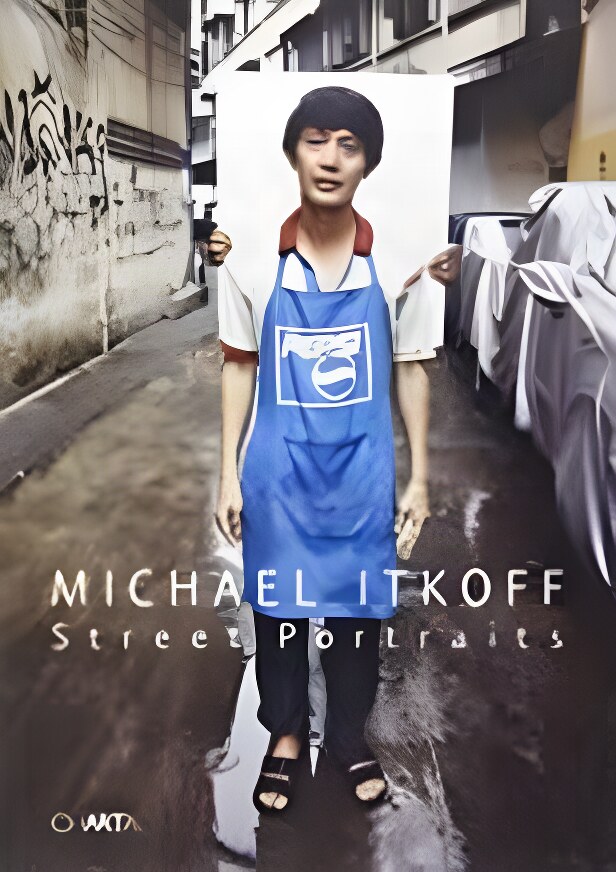
Softcover. Italy, Charta, 1st, 2009, Book: Very Good, Dust Jacket: None, Like new in publisher's shrink-wrap. 64 pages, color photos. Michael Itkoff has traveled the world since 2002 taking portraits of everyday people in the street. In the photographs gathered here, a makeshift backdrop is held behind subjects in London, Sydney, Hanoi, Bangkok and New York, allowing the larger urban scene to fill out the frame. Born in 1981 in Philadelphia, Itkoff is a Founding Editor of Daylight magazine.
Hardcover. New York, Frederick A. Stokes, 1st Thus, 1922, Book: Very Good, Dust Jacket: None, 326 pages. Hardcover. Brown cloth covers. Previously published in 1921 as a magazine serial by The Curtis Publishing Company under the title: "Two and Two". Previous owners name on front endpaper. Light rubbing to cloth at top of spine. Clean, tight copy.
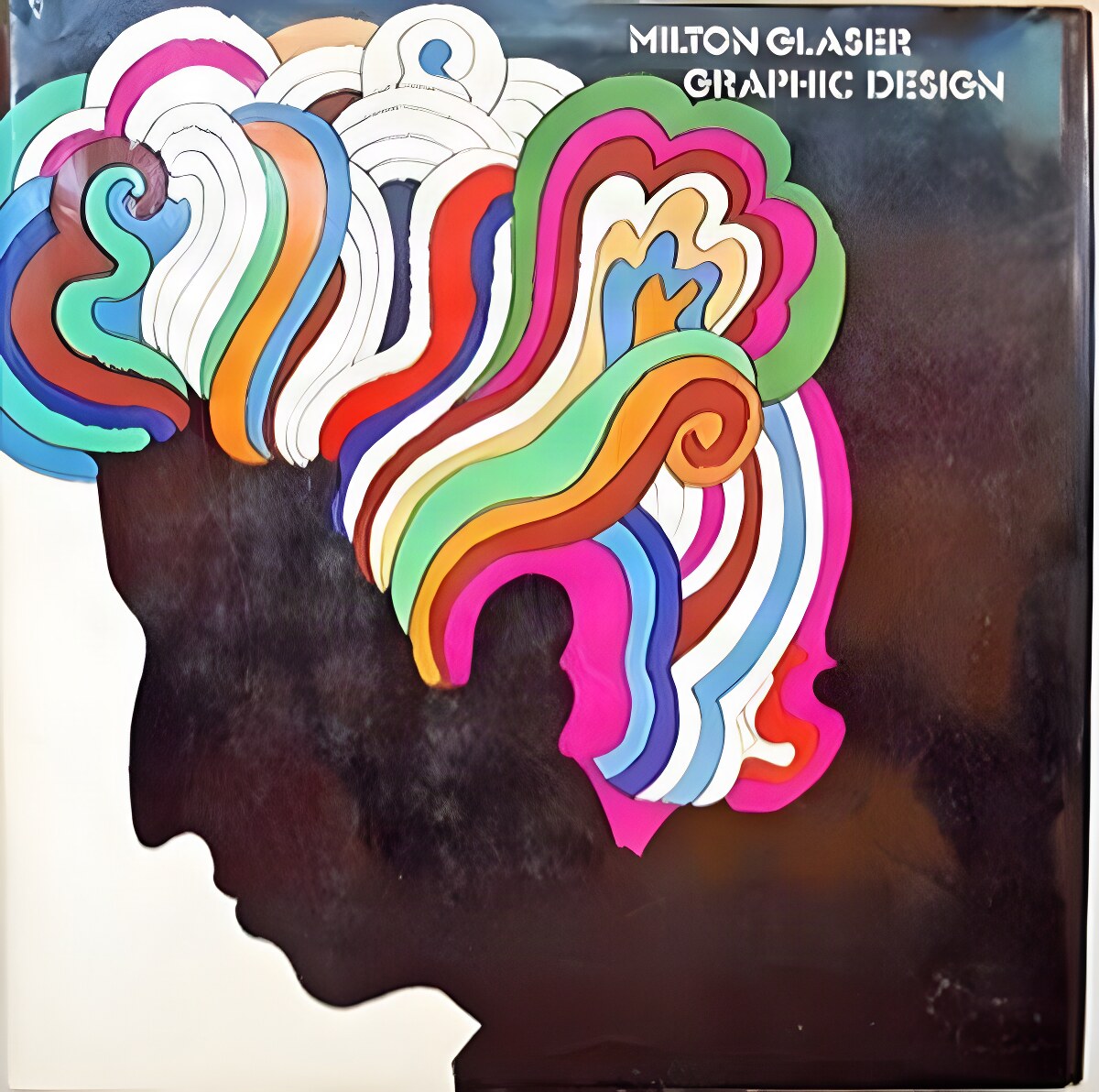
Hardcover. Woodstock NY, Overlook Press, 1st, 1973, Book: Very Good, Dust Jacket: Good, Hardcover in a lightly worn dust jacket with wear to extremities. 239 pages with 344 illustrations, 97 in color. This book explores the extraordinary achievement of America's pre-eminent graphic artist. Here Glaser undertakes not only a wide-ranging representation of his oeuvre but, in a personally revealing introduction, speaks of the influences on his work, the responsibilities of the artist, the hierarchies of the traditional art world, and the role of graphic design in the area of his creative growth. His work ranges from posters to book and record covers; from store and restaurant design to toy creations, magazine formats, and logotypes all of which define the look of the 1960s and 70s. Tape repair to reverse of dust jacket, no markings. DOMESTIC SHIPPING ONLY.
Hardcover. London, Williams and Norgate, 1st, 1897, Book: Good, Dust Jacket: None, Hardbound edition of the four journals for 1897. 584 pages. Half leather with marbled boards, spine with raised bands, fading. Short closed tear at top of spine. Clean, unmarked pages.
Hardcover. NY, Simon & Schuster , 11th pr., 1958, Book: Very Good, Dust Jacket: Very Good, Hardcover in a lightly worn dust jacket. Alexander King, one of the first editors of Life magazine, a collaborator on plays with Clare Booth Luce, and a book illustrator, tells, among other things, of undergoing four "cures" for drug addiction in a ten-year period. Dedicated nonconformist King describes his life and those around him with irony and humor. Paper tanning, clean copy.
Hardcover. NY, Pantheon, 1st, 2011, Book: Very Good, Dust Jacket: None, Hardcover, glossy boards in an oblong format. 80 pages. Color art by Clowes. The fan-favorite Eisner Award-winning story, originally seri-alized in The New York Times Magazine, now collected and with forty pages of new material. Meet Marshall. Sitting alone in the local coffee place. He's been set up by his friend Tim on a blind date with someone named Natalie, and now he's just feeling set up. She's nine minutes late and counting. Who was he kidding anyway? Divorced, middle-aged, newly unem-ployed, with next to no prospects, Marshall isn't ex-actly what you'd call a catch. Twenty minutes pass. A half hour. Marshall orders a scotch. (He wasn't going to drink!) Forty minutes. Then, after nearly an hour, when he's long since given up hope, Natalie appears--breathless, apologiz-ing profusely that she went to the wrong place. She takes a seat, to Marshall's utter amazement. A captivating, bittersweet, and hilarious look at the potential for human connection in an increasingly hopeless world, Mister Wonderful more than lives up to its name. Clean copy.
Hardcover. NY, Pantheon, 1st, 2011, Book: Very Good, Dust Jacket: None, Hardcover, glossy boards in an oblong format. 80 pages. Color art by Clowes. The fan-favorite Eisner Award-winning story, originally seri-alized in The New York Times Magazine, now collected and with forty pages of new material. Meet Marshall. Sitting alone in the local coffee place. He's been set up by his friend Tim on a blind date with someone named Natalie, and now he's just feeling set up. She's nine minutes late and counting. Who was he kidding anyway? Divorced, middle-aged, newly unem-ployed, with next to no prospects, Marshall isn't ex-actly what you'd call a catch. Twenty minutes pass. A half hour. Marshall orders a scotch. (He wasn't going to drink!) Forty minutes. Then, after nearly an hour, when he's long since given up hope, Natalie appears--breathless, apologiz-ing profusely that she went to the wrong place. She takes a seat, to Marshall's utter amazement. A captivating, bittersweet, and hilarious look at the potential for human connection in an increasingly hopeless world, Mister Wonderful more than lives up to its name. Clean copy.
Hardcover. London, Gingko Press, 1st, 2010, Book: Very Good, Dust Jacket: None, Hardcover, pictorial boards, 256 pages. Modart editors showcase some of the actions and events from the first decade of the new millennium. It features now iconic images, passionate writing and a veritable fount of great new art from around the world.
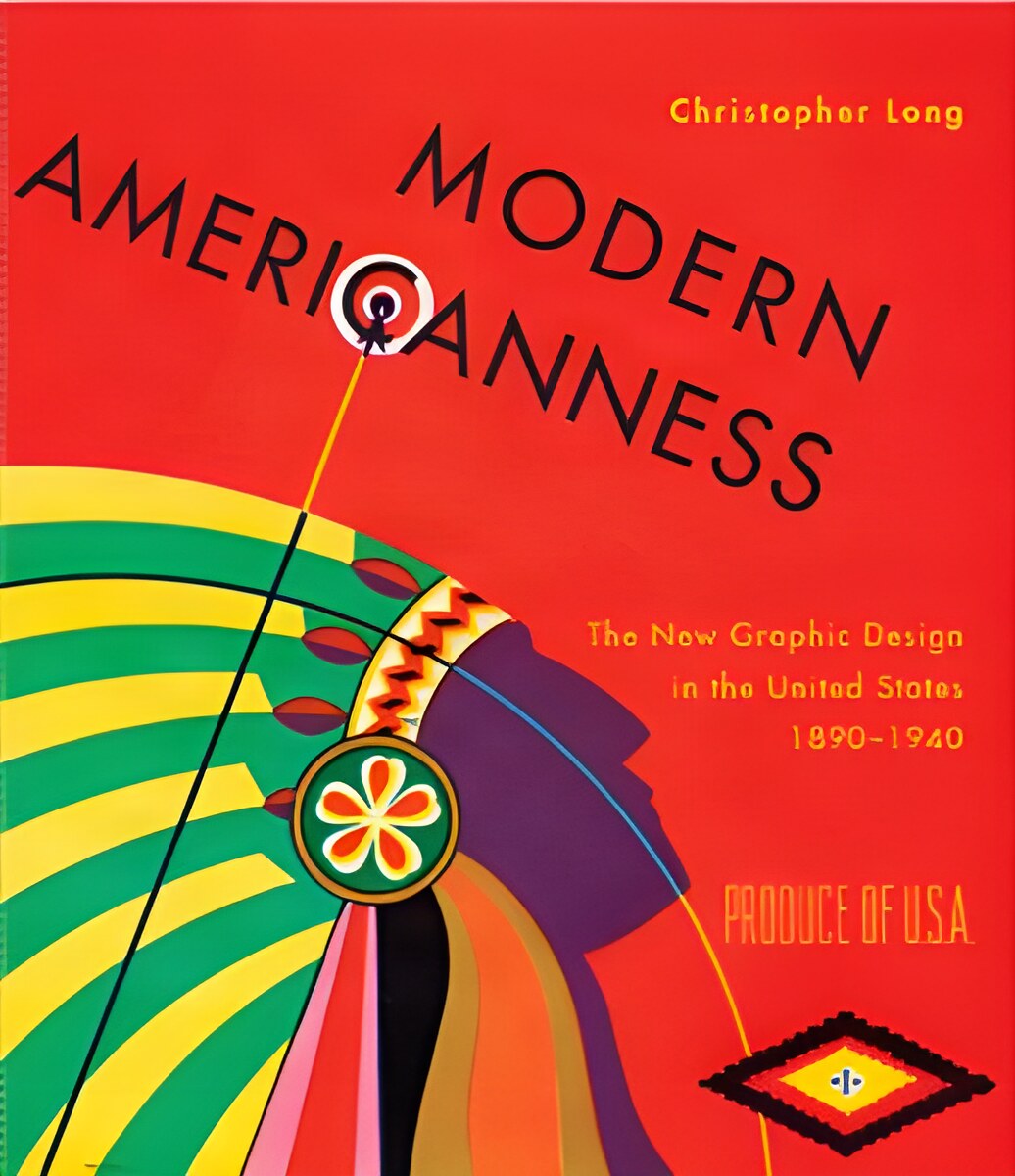
Hardcover. Czech Republic, Kant, 1st, 2025, Book: Very Good, Dust Jacket: None, Hardcover, pictorial boards, 264 pages. Venturing across five decades of American culture, this landmark book explores how modern graphic design emerged in the United States and how it became an intrinsic feature of the country's identity. Author and design professor Christopher Long tells this story in a wholly new way, exposing many long-forgotten figures and movements and resurrecting the debates and conceptions that were integral to the new art. In a series of deeply involving portraits of American artists and innovators who helped shape the very look of the modern age, Modern Americanness offers a sweeping story of the country's visual culture and its distinctiveness across a variety of designed objects: magazine covers, food labels, event posters, chapbooks, advertisements, propaganda and much more. Still in publisher's shrinkwrap.

 "Margaret Bourke-White and the Dawn of Apartheidby: Lichtenstein, Alex")
 "Margaret Bourke-White: Photography of Design, 1927-1936 by: Phillips, Stephen Bennett")
 "Margaret Fuller: An American Romantic Life, Vol. 1: The Private Years (SIGNED COPY)by: Charles Capper")
 "Mary's Meadow and Letters from a Little Gardenby: Ewing, Juliana Horatia")




 "Maxfield Parrishby: Ludwig, Coy")
 "Maynard L. Parker: Modern Photography and the American Dreamby: Jennifer A. Watts")
 "Men's Adventure Magazines: In Postwar America by: Max Allan Collins , Rich Oberg, et al.")


 "Metropolitan Magazine: January to June 1838 Vol. Vby: N/A")
 "Million-Dollar Suitcase, Theby: MacGowan, Alice/Perry Newberry")
 "Mind: A Quarterly Review of Psychology and Philosophy - Vol. VI 1897by: Stout, G.F.")


 "Modart No. 01: Forget Art: In Order to Feel It. The Best of Modart Magazine by: Harlan Levey/ Editor")